
17th January 2019
Tonight’s class has fourteen students, mostly girls (“made of sugar and spice and all things nice,”) and four young lads, one of whom demonstrates slight Hulk-like tendencies (i.e. gets angry at the slightest provocation and starts lifting chairs as if to hurl them through several walls). Simple classroom management has to be employed here; the lads are NOT allowed to sit next to each other. Of course, at this age the boys categorically will NOT sit next to any girl (just wait a year or two until those hormones kick in!) so I have to locate them around the room. It can be dis-illutioning for a teacher to allocate so much time to controlling a class as opposed to teaching them, but such are the realities. C’est la vie.
The theme of the lesson is how to tell an anecdote, but to begin (and to wait for the inevitable latecomers), we’ll do some quick warm-up games. I’ll also be able to recycle work form other lessons (which justifies the time spent making slides / Powerpoint Presentations etc).
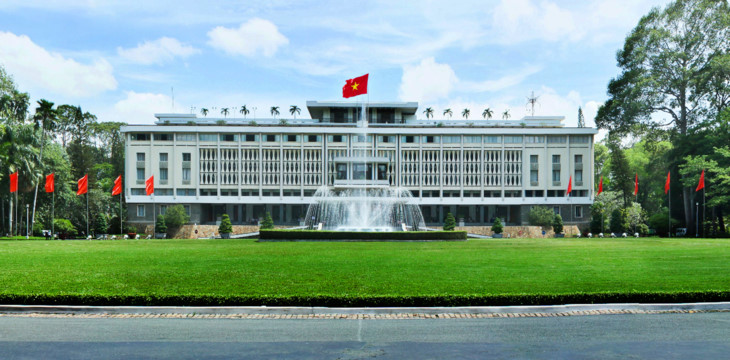
We’ll begin with a quiz; I’ll show four famous buildings and ask the students to identify them and tell me as much as they can about them:



After, I will point to some (previously-boarded) numbers and ask how to pronounce them, numbers such as:
2019
10, 000
£35.99p
$10.33
Friday the 13th
I’ll show them that amounts (e.g. £35.99p are often said as simply 35 99, rather than saying ‘pounds and pence.’
For a more active game, help them burn off some energy, I’ll do a ‘run & write.’ In their previous lesson, they learnt past continuous. For this game, the class can be kept in two teams (a bit of competition adds to the excitement, even if there are no prizes at all), one team has a red marker, the other, a blue. I will say a sentence using simple past, they have to write it on the board, using past continuous. For example:
Last night I slept = Last night I was sleeping
Then the whole team has to shout out the sentence. It could get somewhat noisy and impossible to monitor, but it creates freedom for everyone to speak (they are not being listened to individually) and gets the whole class involved, and a noisy engaged class is far preferable to one slouching, sighing and sleeping.
We will then move into the topic area, combining story-telling with pronunciation and accents. I have a great clip of the magnificent Irish actor, Peter O’Toole being interviewed by the fast-talking USA TV host David Letterman. The students can compare the two accents, see which one they understand easier. The clip is below:
Letterman asks O’Toole if he has a story about a fellow actor, Richard Harris. Instead of a rather pedestrian, “Let me see …,” O’Toole, cigarette in hand, responds, “Oh, I’ll shuffle through my memory,” before proceeding to tell said story (this occurs at 0:32 – 3:33).
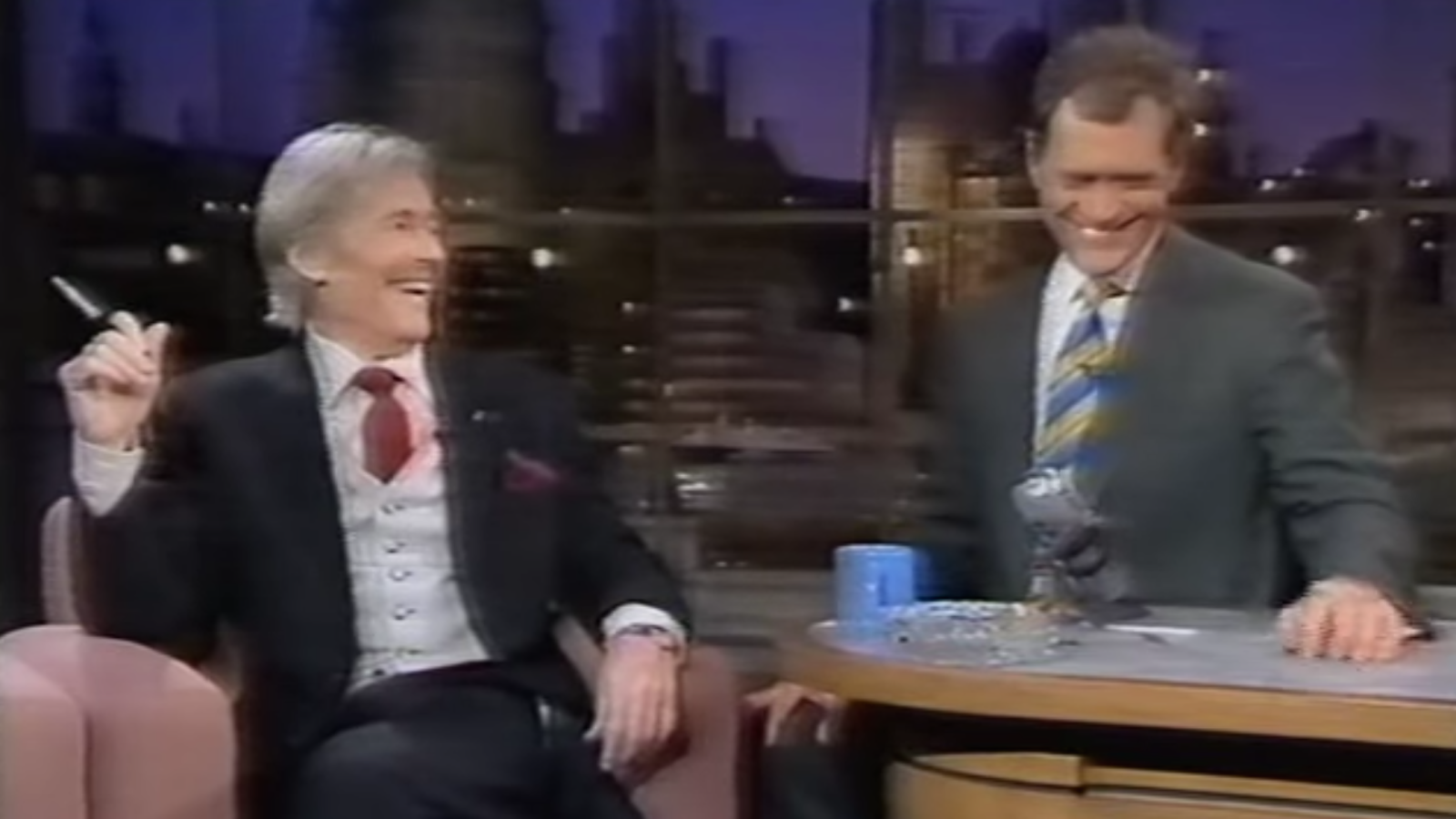
I extend the activity by asking the students to mimic / copy O’Toole’s voice and elocution. Obviously, I don’t condone smoking at all, but students have had great fun sitting crossed legged, imaginary cigarette held aloft, and repeating, “Oh, I’ll shuffle through my memory.”
The serious aspect here is to demonstrate the rhythms and stresses in English – the elongated “oh,” as he thinks, the focus on the verb, “shuffle’, the linking of “through my,” and the final stressed but downwards – intonations of “memory.” A lot of work covered in just six words. Good value for your teaching bucks !
We’ll then move into a personal anecdote of mine. I’ll create a slide and give a leading narrative using tonight’s key language:
For one thing
As I discovered last year
As you can imagine
In fact …
like the time …
Thanks to ..
People are very interested in stars as I discovered last year when I was in

I saw a very large

Outside a large

in the centre of the city. As you can imagine, I was curious. There were a lot of people there, in fact many were extremely …….

Why were they there, for whom were they waiting ? This was like the time I was in London and many film stars were going into a cinema. I waited … but nothing happened. I was thinking of going, but thanks to some screaming and shouting, I stayed. To my surprise, I saw the world-famous Hollywood movie star …

I felt very lucky. Actually, it was very exciting I just wish I had my phone with me.
The students will then turn to book work, some listening and then creating their own anecdote. Here, I will probably have to help, give ideas. Most students spent too long thinking about ideas and therefore not producing any work. I have found it better to give them a limited choice and then make them start the work.
(In my first year, at my first centre, the students had to write a short story about a boy and girl going to the cinema. I checked all the pupil’s progress, only to find one student had done nothing, all lesson, because he couldn’t think of names for his protagonists. At the end of the semester, I was asked for my recommendation; should he be allowed to progress to the next level ? Absolutely not (it was the only honest answer) CUT TO angry parents, wagging of fingers and pulling of student out of school. Good riddance to bad rubbish, as we say.)
Today we also have some speaking practice and a quick lesson about British culture, in which they will listen and read about the author Daniel Defoe. This will be a chance to elicit how much they know about British literary characters. It could be surprising; they may know Oliver Twist, or Alice (Wonderland). Who knows … some may even have heard of Robinson Crusoe … we shall see. This will then lead into famous writers from Vietnam. I think the most famous is The Tale of Kieu’ by Nguyen Du.

Please Note: All photos are taken from Google Images or free photo sites, and are used for educational purposes only. No copyright infringement or offense is intended. If I have used your photo or image, and you wish me to remove it, just ask. This site is not monetized, I run it on my own dollar. Thank you.
 Thay Paul's Notes