Adult Class Level 1: Waiting for Frodo.

5th March 2019

Tomorrow night is the last of the four-week series of lessons with one of my favourite classes. Next week they have a test, so a lot of the lesson will be taken up with review work, some reading and grammar. Very important, but can be a tad dry. I want to get the students speaking English as much as possible yet this, I regret to say, can sometimes be a challenge.

I’ll write another blog specifically about the issues I’ve faced trying to motivate my Vietnamese students but, for now, the lesson plan.

The main theme is the actor Sir Ian McKellen. Immediately, we have two interesting points about his name, namely, what does ‘Sir’ mean and why is his name spelt ‘McK …’ ?

‘Sir’ (‘Dame’ for a lady) is an award given by the Monarch (king or queen) for services to the country. It replaces ‘Mr’ so instead of Mr McKellen, he is now called Sir Ian. The ceremony can be viewed here (Ringo Starr of The Beatles is being knighted by Prince William):

https://www.youtube.com/watch?v=JeqYxSVziyI

As for the ‘McK’, Mc is Gaelic (Irish & Scottish) for Mac or son of. Therefore McKellen means ‘son of Kellen’.

Sir Ian has had a long and distinguished career, in both theatre and film. I was lucky enough to see him on stage in London in a play by the Irish playwright Samuel Beckett, ‘Waiting for Godot’, but he is surely more famous, worldwide, for being in some Hollywood blockbusters.
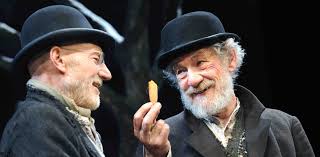
Sir Ian Mckellen, with Sir Patrick Stewart, in ‘Waiting For Godot’.

So first, to warm up, a word bomb game. I’ll board the word ‘cinema’ and see how many words, phrases and names can be elicited from the class.

Then we’ll move into a quick Present Perfect review. I’ll write:

I have see many films.

What is the error here ? What would be the contraction of ‘I have’ ? How would the negative be formed ? How could this be turned into a question ?

The present perfect is formed by subject + have or has + past participle (verb 3). Thus, I have seen, not ‘see’. The contraction is ‘I’ve’, the negative becomes ‘I haven’t seen ‘ while the question form is ‘Have you seen ?’ After this modelling, A few exercises for the students.

I have (meet) Sir Ian

You have (read) ‘Lord of the Rings.’

We have (study) a lot of expressions

She has (go) to the cinema many times.

The students have to give the three forms of these short sentences. Now we’ll turn to Sir Ian. Some students may recognise his face, but I’m sure all of them will know him from at least one of these films: This clip is nearly ten-minutes long, so I’ll just show the top two films, the ‘X-Men’ and ‘The Lord of the Rings’ (7:19 – end).

https://www.youtube.com/watch?v=adpztzTMcPk

I like using ‘real-life’ videos, as they are great for hearing English being used naturally. The problems in listening can be offset by the benefits in learning new expressions, and many videos actually have subtitles. I often play a short excerpt from a video several times, breaking it down so the students start to recognise the patterns, then practice among themselves.

In the whole clip, I would highlight the following expressions:

We’re counting down

There’s a lot to choose from

Divide(s) opinion

A great opportunity

Stole the film

Then, to practise, match them with these sentences:

Some people love Justin Bieber, some people hate him. He ……..

What food shall we order, ……………

The test is in five days, ……..

Brad Pitt was so good he …………

Going to Australia will be a ……………. to learn more English.

At this point, the book work can commence. They’ll learn about Sir Ian, and read a short interview with him. Questions fall into six categories and he gives succinct answers to each. So now it’s the turn of the students to get up from their chairs (they always need motivating to do that despite my continual promulgations that moving around will create energy and lessen the boredom of a three-hour lesson), speak with different people and practice English. It generally falls on deaf ears. A teacher needs to be patient; it’s part of the job.

The questions will be based on but amended from the interview they have just read:

What Kind of music do you like ?

Can you name any plays by Shakespeare ?

What time do you usually get up ?

How do you relax ?

Can you play a musical instrument ?

What skill(s) would you like to acquire ?

What is the best thing about HCM City ?

What is the best book you’ve read OR the best film you’ve seen ?

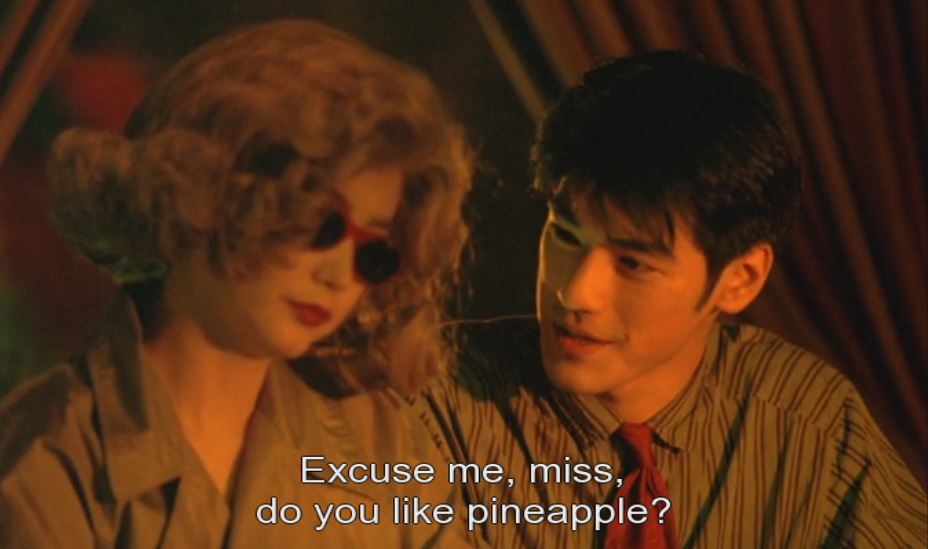
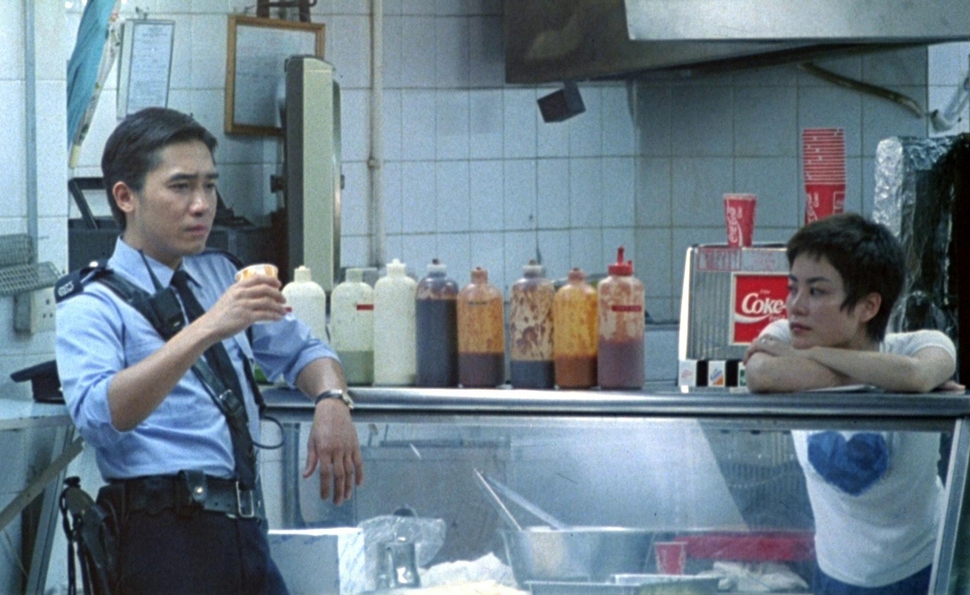
One of my favourite films: ‘Chungking Express’, a Hong Kong movie from 1994.

There is a lot of book work tonight, so it’s good to break it up with some games or a complete change of pace. I used this still last night in my IELTS class, where it met with a pretty luke-warm reception. I showed them how to ‘read’ a picture. First, ask what the students think is happening in this shot. What do the characters feel about about each other ? I mentioned the emotions evoked by the use of colour; here dull – blue and grey, but as we get closer to the lady (Faye Wong), the colours turn red – the sauce bottles, the Coke machine. Then look at the symbol of her T-shirt, look where her eyes are staring ….

We could then move onto film genres – make a class survey by dividing the teams in two and assigning one captain to each. They have to collate information such as favourite type of film, Vietnamese or American, how often do they go to the cinema, do they ever stream films at home and with whom do they go to the cinema ?

To end, the Family Fortune game seems very popular, where the students are put into small groups, given a board and marker, and have to come up with four answers to various questions.

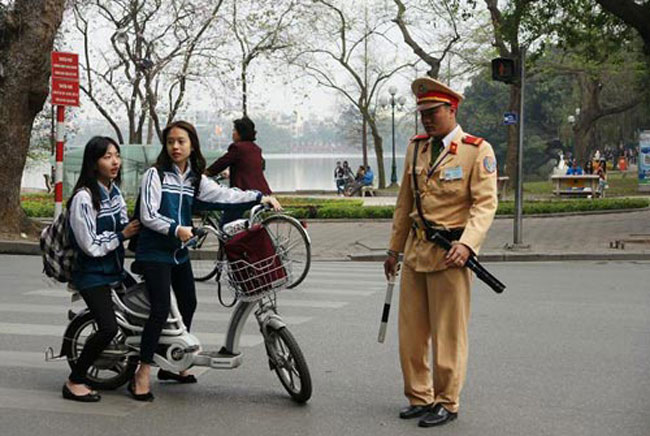
Additionally, I could use some photos from an internet search, about Vietnam, and ask the teams to tell me an interesting story. I will encourage them to expand their sentences by employing adjectives, adverbs, idioms and expressions.
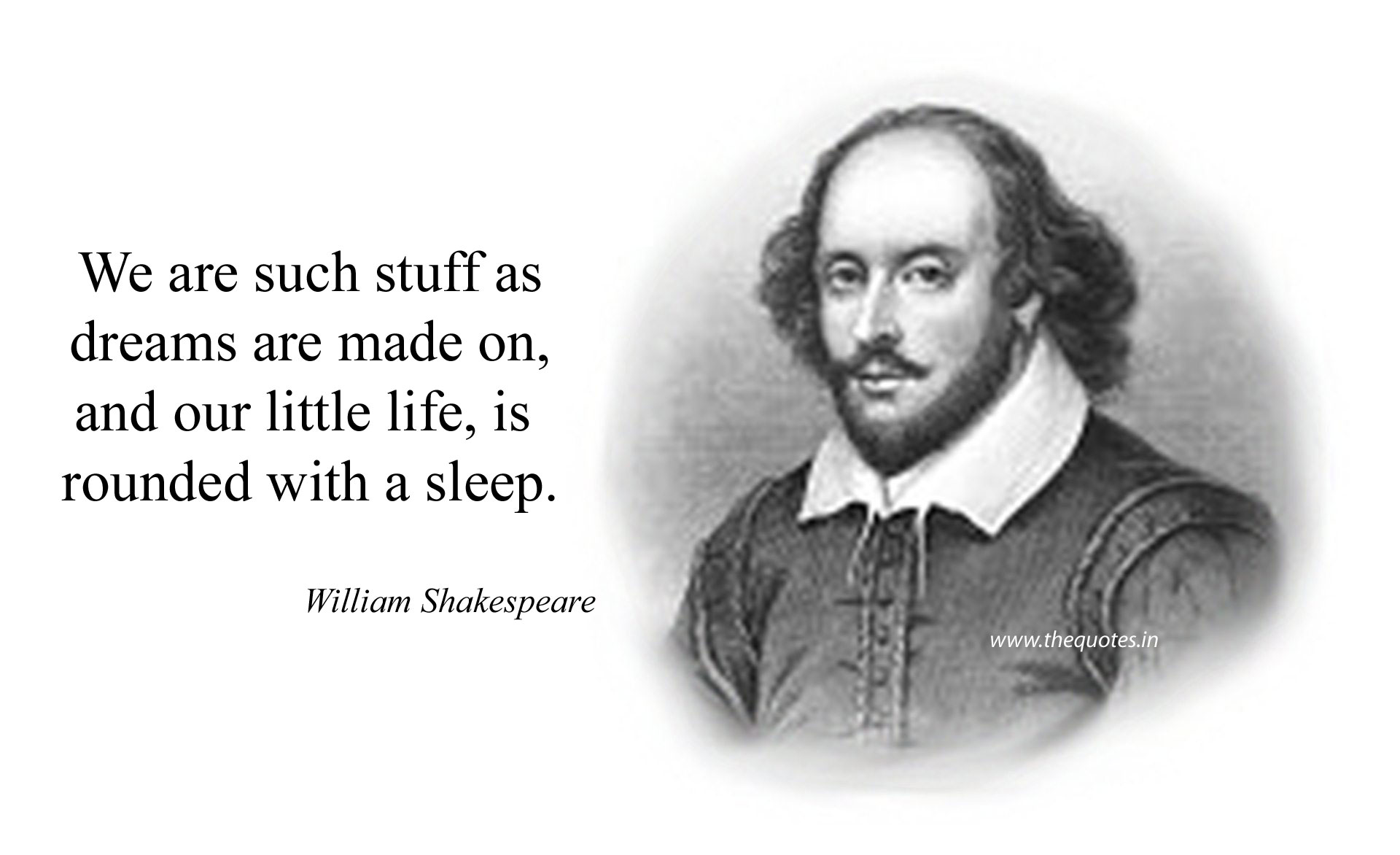
Then, to quote Prospero in Shakespeare’s ‘Tempest’

“..and our little life is rounded with a sleep.”
IELTS: Chunking Express. Final Lesson.

4th March 2019

Tonight is my final class before the speaking test, and it’s jammed-packed with language skills such as listening, pronunciation and, not forgetting, speaking.

The words in bold indicate the way native-speakers sometimes link words together, to form one linguistic unit, a process referred to as ‘chunking’ in the IELTS book (though I had not previously come across this term).

This is defined on the Cambridge English Dictionary website as:

chunking

noun [ U ] /tʃʌŋ.kɪŋ/ specialized

a way of dealing with or remembering informationby separating it into small groups or chunkshttps://dictionary.cambridge.org/dictionary/english/chunking

In terms of the Speaking Test, it will help students sound more natural, more fluid, so is very beneficial, along with learning fixed expressions and an idiom or two. But first, as the students will be arriving in dribs and drabs, we’ll need a warm-up before the lesson can start in earnest. Let’s use some examples from the film alluded to in the heading, Wong Kar-Wai’s ‘Chungking Express’ (1994).

I will show three still of character inter-action. The students have to give me as much information as they can (description) and tell me, in their opinion, what is happening. The stills:

To help the students, I will guide them: where are the characters, how are they dressed, what is their body language ? We can then move on to ‘reading’ a picture. Look at the colours – which are warm, which are cold ? How close are the characters ? The woman in the first picture is wearing sunglasses inside and an obvious wig and heavy coat – why ? What is the relationship between the policeman and fast-food worker in the second ? Follow the eye-lines, look at the space between them look at how the bottles on the counter go from blues (cold) to red (hot, passion, love) as they move from cop to the girl. As a final clue, what symbol is on her T-shirt ? Finally, how would they characterise the meeting in the last photo ? Do they appear friendly ? Is there a social-economic or class issue ?

This is one of my favourite films, the acting is great and the cinematography is breathe-taking. The American director Quentin Tarantino is also a big fan of the film, so here’s a link into a listening exercise. Tarantino is from the US, so let’s see how much the students can understand from a ‘real-life’ video (from 0:00 – 0:45):

https://www.youtube.com/watch?v=DX8aUixCpek

What film was Wong Kar-Wai making ?

Who was in it ?

What expressions does Tarantino use to indicate a long time ?

We then move to a controlled practice session. Over the past weeks, the students have learnt new vocabulary and expressions but, unless they are used, they will be forgotten … and we can’t have that. So, time for some small group work:

I’m planning a trip to Nha Trang (a beach town in South Vietnam, about an hour’s flight from Ho Chi Minh City). I have two hotels in mind, but I need advise from some Vietnamese. They also have to use as many of these words as possible:

visually stunning / mouth-watering / you get what you pay for / spectacular / a waste of money / significantly / somewhat / according to / how can I put it ? 

Students must tell me about the hotels, the area, the food and which one they would choose for me:

Victory Hotel 2* Rooms not very clean, no view. No complimentary breakfast.

Sandy Bay Hotel 4* Much more expensive, although it has breakfast buffet, and room has a balcony with view of the sea. 

Trip Advisor recommends Sandy Bay, but they said Victory was dirty and very over-priced.

Local food is great

WILF (What I’m looking for): can the students describe the scenery and food ? Can they compare the price and quality difference ? Can they use expressions appropriately ?

With the adjectives, I’ll be listening out for intonation – ‘spectacular !’

To quote another source of information, ‘according to’ and for the prices, the 4* is ‘significantly more’ expensive than … Then, in conclusion, can they make a judgement – ‘a waste of money’ or accepting that high quality means high prices, ‘you get what you pay for.’

By now it’s time for the book work, and we have a lot to get through tonight.

The speaking practice involves a two-minute talk about an electronic device. The books offers some ‘stepping stones’, guides about what to say. To help the class, I’ll model an answer showing discourse markers, adjectives and adverbs, as well as some ‘low-frequency’ vocabulary (or ‘better words,’ if you will). My topic will be my Kindle.

A Kindle ebook

There should be a short introduction (one or two sentences), then each point arranged in different paragraphs, then ending with a short conclusion. The book suggests saying:

How long you have had it ?

How often you use it ?

What you use it for and

Why you use it so often.

They don’t all have to be answered, and other points can be made, but the speaker should be aiming for two minutes without repetition, hesitation or deviation.

My Kindle

One of my favourite electronic devices is my Kindle, an ebook reader, which is small and light. I always take it with me when I travel; I’d be lost without it.

The Kindle is primarily a way to buy, store and read books in electronic format. At first, I wasn’t convinced, I liked reading real books. However, books take up a lot of space and, at least in the UK, are rather expensive. When I saw what a Kindle can do, and that so many books are free, I was hooked ! I had to get one. I bought my device in 2014 and I’m still using it today.

As mentioned, I use my Kindle for reading. Literature and poetry is one of my passions. Instead of going to a shop, I just browse the online store, click and wait for it to download. With reasonable wifi, this can just take a minute or so … then I can start reading. It is no surprise that ebooks are ubiquitous in the UK.

Although I read a lot, the Kindle is more than just an ebook. It has wifi so I can access the internet, can play music, write notes and play games.

The wifi is vital, especially when I travel. I can maintain contact with friends and family, watch YouTube if the hotel TV is less than enthralling, or read travel guides such as Trip Advisor. Naturally, I can also book tickets or make reservations and therefore pay significantly less.

I recently travelled to Thailand to meet some friends. I didn’t want to buy a new SIM card, and my friend only had an old phone, so there was a dilemma; how to stay in touch ? Thanks to my Kindle, I had email access, so we could plan when and where to meet. 

I can’t watch Vietnamese TV, due to the language barrier. Consequently, the Kindle plays an even bigger part of my life, as I need some way to relax after toiling away for hours at work.

The choice of books is amazing. In the stores, a single book can cost around £10, but recently I downloaded the entire output of the Russian writer Tolstoy for less than £1.50 … incredible !

Kindles come in many shapes and sizes, so before you buy, you need to ascertain how you’ll be using it. For example, do you want a basic ebook reader, just for books, or the latest model with wifi ? This will, naturally, affect the cost. Then you have to decide upon the extras, for example how much storage space do you require, or a super-fast charger or protective case ? All of these bump the price up considerably.

If you’re interested in purchasing one, I have some information for you. I did a quick Google search and saw prices started at under 2 million VND, averaged around 5 million, but some were over 15 million. That, for me, is too extravagant.

In conclusion, my Kindle is very much a part of my life. It accompanies me everywhere. I simply don’t know what I would do without it.

Speaking for two minutes can be quite daunting and challenging, even for a native speaker. I will try to encourage the class to expand on their work as much as possible. They can do this by giving examples or lists, using personal experiences or giving full reasons for their choices.

This exercise will probably be the centre-piece of the lesson, as they’ll need time to prepare and perform. I won’t embarrass anyone by making them read aloud, but instead, I’ll circulate and offer help and tips where necessary.

As it’s the last lesson, the later part of the class can be for fun activities, maybe some general knowledge questions, or sentence building exercises, where we start with a basic sentence and see how far we can develop the story.