Young Person’s Guide to Music: A Summer School project

5th July 2023

Chloe Chau from Singapore

Miumiu from China

… and from Cambridge in the UK.

We do not have any instruments in our class (yet … later we shall make a xylophone !), but we all have voices and can sing !

Let’s start with a round. This is when some of the class sing a song, then the other students sing the same song BUT one verse later.

Listen to this children’s song called ‘London Burning.’ Listen and then we shall try to sing. Many points to the best singers.

Teacher’s Note: split the class into small groups depending on class size and motivation. Award points for the best performances.

First question – do you know any famous composers ?

M _ _ _ _ _

B _ _ _ _ _ _ _ _

C _ _ _ _ _

B _ _ _

P _ _ _ _ _ _ _

QUESTION RUNAROUND

Teacher’s Note: Keep class in small groups. Select one student per group to run up to the board and place – not slap – their hand on number 1,2 or 3. Blank the screen so the students can’t see the answers !

Question 1: Who wrote this music

1) BlackPink 2) Paganini 3) PinkBlack

Question 2: Is this music for

1) a birth, 2) marriage or 3) death ?

Question 3: Is this music

1) Happy and joking 2) sad 3) very angry

Play from 17:02

Question 4: This music is about a planet – which one ?

1) Venus (love) 2) Jupiter (happiness) 3) Mars (war)

Question 5: This opera is set in which country ? 1) China 2) Australia 3) Spain

Last Question: Classical music is often used in films. Was this music used in a …

1) comedy 2) animation 3) space film ?

How does the music make you feel ?

What adjectives can you use ?

excited, thrilled, scared, nervous, awe-inspired

Now it’s time to learn about the orchestra and the instruments.

The number 4 is very important in music – do you know why ?

What are the four families of instruments ?

What are the four stringed instruments ?

What are the brass instruments ?

What are the percussion instruments ?

BUT … it’s not always perfect. Take a look at these:

Adult Professionals: Mechanics, Part 4

12th February 2020

Contents

Conspiracy theories

Engineering marvels

Why trains can’t go uphill

Conspiracy Theories:

Have you heard of film director Stanley Kubrick ?https://www.youtube.com/watch?v=oR_e9y-bka0

Did we REALLY go to the Moon ?

Are there ALIENS ?

DID the Wright Brothers actually invent the airplane ?https://www.businessinsider.com/10-items-not-invented-by-who-you-think-2011-8

WRIGHT BROTHERS

Which of these surprised you ?

Engineering marvels

Which ones impressed you most ?  https://www.youtube.com/watch?v=kFbug8as10U

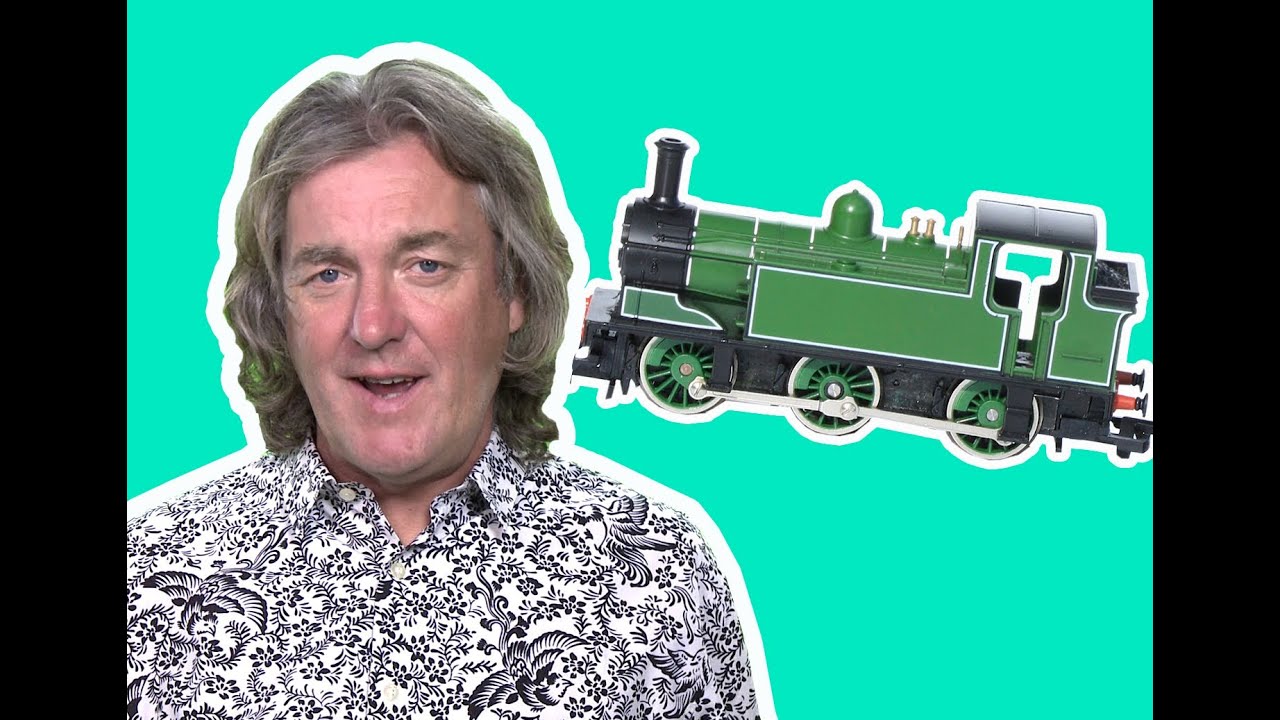
James May – why can’t trains go uphills ?

Image result for james may train uphill

What do you think of James’ pronunciation – can you understand all ? Try to copy him: https://www.youtube.com/watch?v=KbUsKWbOqUU

What is the problem with trains and going up gradients ?

What do they struggle to do ?

What are the scientific reasons for this ?

Image result for steepest railroad in uk

What was the problem with James May speaking ?

James normally speaks quite clearly, but there were problems. This was due, I feel, to the speed and the amount of language. Look at this conversation analysis: (0. 10 – 0.42):

And now, ‘Why can’t trains go uphills ?’ Well, the smarter ones amongst you will have recognised already, especially if you’re a qualified railway engineer, this is a bit of a trick question because of course, train can go uphills … they’re just not very good at it.

If you think about the topography of most of the world, this is clearly a bit of a problem. Human being can … albeit rather sweatily, motivate themselves up a gradient of around eighty degrees, or one in a quarter.

Listen again– hear how James:

  • links words
  • uses expressions (bit of a)
  • adds addition information / commentary in supporting clauses. 
  • Creative use of adverbs – sweatilyshows how many words can be made adverbs

Think – does James need to add the clauses ? What is the purpose ? Consider the medium (TV, internet, blog etc) and the target audience.

James is speaking to a fluent, English-speaking audience, probably native speakers, or people who have lived in the UK for a long time. Therefore, they will be more used to this natural way of speaking.

This is why I recommend student put their text books down and read real English books, watch English-speaking films and TV shows and sing English songs. It really helps.

He does make allowances for non-British audiences by showing two fifty-pence coins, but his language isn’t downgraded.

Intonation – SO important to assist in conveying meaning.