Young Learners, Level 4: “Can you hear me, Major Tom ?”

6th June 2019. Everybody Up 4. Unit 7, Lesson 4
Today’s lesson is a cross-curicumlum class about space, astronauts and basic science. It is a mighty theme and so, to paraphrase Melville, we need a mighty beginning … for cinema fans, there really is no other choice … the opening of Stanley Kubrick’s ‘2001: A Space Odyssey’.

https://www.youtube.com/watch?v=e-QFj59PON4

So what do the students know about the solar system ? I’ll let them tell me, after boarding some key words:

solar system

planet (Earth, gas giant, rock)

moon (the Moon)

star

asteroid

vacuum

I’ll put a flash card of planet Earth on the board, towards the right-hand side. The students can them fill in the gaps … what planets do they know ? How big is the sun relative to the planets ? What exactly is the sun ? Where does light come from in space ? What exists in space ?

FUN FACTS:

The speed of sound is 343 metres per second (usually given as 330 m p s)

The speed of light is 299 792 458 metres per second or

approximately 300 000 000 metres per second or 300 000 km per second.

Sound cannot travel through a vacuum

To demonstrate the last point, show NOT tell; here’s a good example (start around the 0:24 second mark): An iPhone not making sound in a vacuum.

https://www.youtube.com/watch?v=JrU9LouWY18&list=PL97HViQblvdEM3zsauRxnIg1baFTNmsDM&index=26&t=0s

Group work: Would you like to go to space ?

What would be the pros and cons ? In small groups, discuss the question, trying to use some of the recent vocabulary.

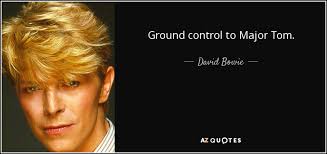
Song time: A British classic, and the first hit for David Bowie, an artist with a deep connection with space. This video has lyrics, but how many words can they recognise ? They can shout them out as they hear them.

‘Space Oddity’. Lyrics start around the 0:30 second mark

https://www.youtube.com/watch?v=9_M3uw29U1U

Board any new words or phrases such as ignition / made the grade / peculiar /

Runaround

This is based on the UK children’s show from the 1970. The class will be split into small groups. One member from each has to stand in front of the board. I will read a question and then give three answers. The students have to run to the correct number. They then have three seconds to change their minds.

Who was the first man on the moon ? Buzz Aldrin / Michael Collins / Neil Armstrong

What is the biggest planet ? Jupiter / Saturn / Mars

The sun is a: planet / star / moon

What is faster ? light / sound / Mr Phuc speaking (just give the name of any talkative students).

In space, people are: heavier / lighter / weigh the same ?

The first animal in space was a: monkey / elephant / dog

(Last one could seem to be a trick question. The answer is Laika, the Russian dog. Monkeys were first put into rockets but they didn’t go high enough to officially enter space).

Bookwork. Today there is a fair amount of reading. I’ll use the passages to show a little grammar, introduce the students to adverbs.

The princess was very beautiful (very = adverb, beautiful is an adjective)

Here, the adverb ‘very‘ goes before the adjective. For concept checking (do the students understand and can use this formula ?) some quick questions:

Correct these sentences:

The very student was clever

Laika, the dog, was scared very

Very David talented is

During the reading, I’ll be asking the students to point out the adjectives and adverbs in the short pieces of text.

Young Learners, Level 4: Be creative !

1st May 2019

Everybody Up 4, Unit 6, Lesson 1

By this stage, the students are able to form basic sentences, though they need constant encouragement to develop speaking skills, as well as being told to write down new words and expressions … and then USE them.

The lesson should involve all skills, and allow the students some active sections, to break the monotony of sitting for two hours. New vocabulary should be introduced and recent lessons should be revisited and revised. Today’s theme is ‘be creative’ so we’ll start with:

Warm up: Word Bomb (mind map)

Board ‘Free Time’ and ask the students what they do for fun, making them speak in sentences, not just shouting out single words. We can develop this by asking secondary questions for example, ‘I play football,’ ‘Where do you play ? With whom do you play ? Are you in a team, or play with friends ?’

Pre-teaching: New vocabulary

Today we have six flash cards, all in the present simple (e.g. sing songs, write stories). The class repeat the text and I check for pronunciation and meaning.

Activity: What do my friends do ?

Around the room, I stick six sheets of paper, each with a single word:

Fashion / Art / Music / Cinema / Models / writing

I then show a single Powerpoint Slide with six of my ‘friends’ and ask the students to match the friend to the activity. I will board the six names on two sides of the whiteboard and the students, divided into two teams, have to match them. My ‘friends’:

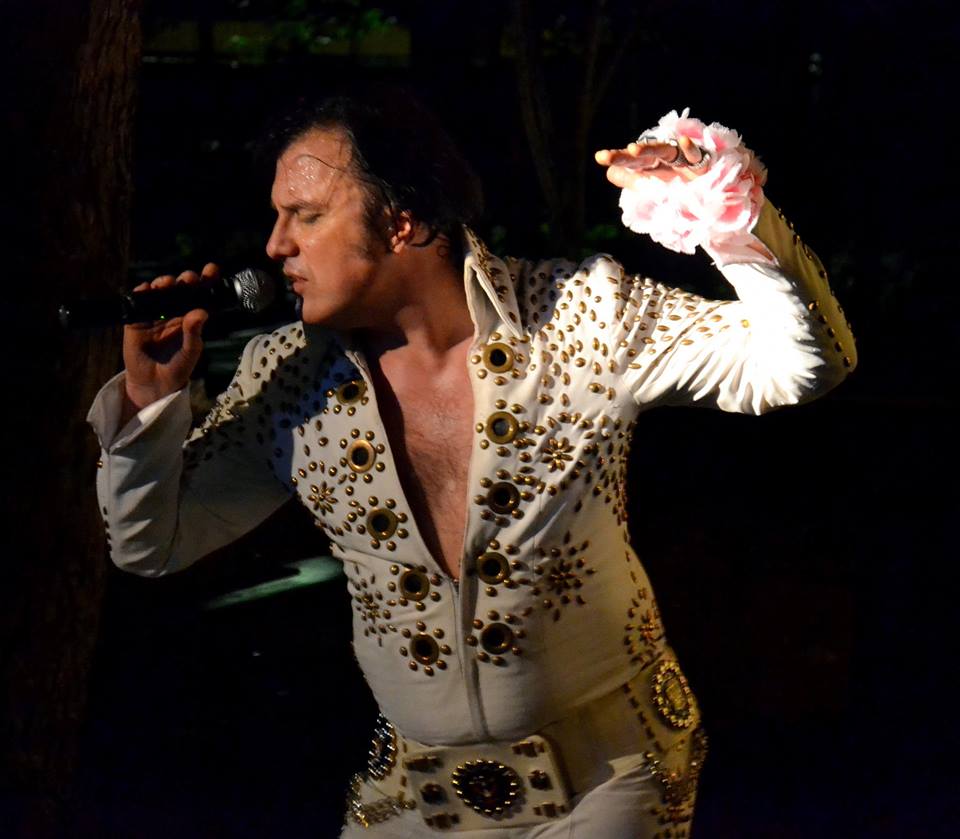
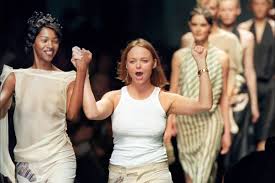
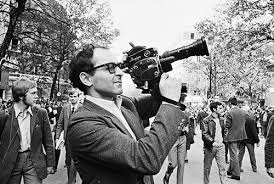
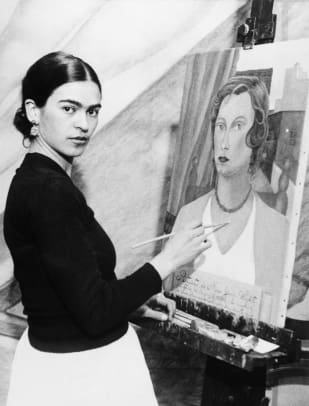
My friends are: Nicky, Ian, Stella, Bill, John & Frida.

After the students have guessed, I’ll show the following pictures:

Nicky likes music. He sings songs
Ian likes model trains. He makes models.
Stella likes fashion. She designs clothes
Bill likes writing. He writes stories.
John loves cinema. He makes movies.
Frida enjoys art. She paints pictures.

Next, a chance for the students to get up and mingle, so I’ve prepared a questionnaire, utilising a lot of past tense verbs:

Student Questionnaire 

NAME:

What did you do on December 31st ?


What was the last film you saw ? Was it good ? Did you enjoy it ?


Do you like painting or drawing ? Do you go to museums ?


Have you ever lost anything ? What was it ?


We can listen to some answers, and the class can correct any errors in grammar. This will also help the students speak to each other in English, so that not all communication goes through the teacher.

Next up: Student description

In a previous lesson, the class learnt about basic adjectives to describe appearance. I will therefore choose a student and describe the physical characteristics, e.g. this student has long straight hair, is not very tall, and wears black glasses. I will choose some students and give them a student to describe, while promoting the value ‘be polite‘.

Video time: listening & new vocabulary

In our first class, we watched a kids’ guide to London and I boarded the following:

I reckon / huge / a little bit / brilliant

The students were told to ALWAYS have a notebook and pen handy, and to write down new words. However, this is not a common practice in Vietnam, so they have to be told … and retold.

Today’s video will be a short clip from a kids’ parade in the USA: https://www.youtube.com/watch?v=llEAqex8qM4

We only need show the first minute, but the students can be asked to identify various creative activities that they see. Then it’s time for some action !

Board Slap

I’ll stick three of today’s six flash cards on the cards and select three students. They’ll be given a swat, and they have to run to the board and swat or slap the card they like best, saying, “I like … movies, painting etc.” This leads into:

Thay Student.

One of the top students plays the role of teacher. They come to the front and ask students, “Do you like …. songs, models etc ?” Students must answer in a sentence: “Yes, I do,” or “No, I don’t.” Thay Student will follow-up by asking why or why not …”Because it’s ….”

Here we need some good adjectives. To give them a good pool of words, we can have a quick hangman game first, so we have adjectives such as:

boring / exciting / interesting / fun / educational / creative / difficult /

Finally, I like to play a song for the students to listen to and pick out key phrases. Today’s singer is actually Swedish, but she sings in English. https://www.youtube.com/watch?v=upnTg2GPgTM

This is Lykke Li, and we can start the video around the 1-minute mark. The title, and the key phrase is something the class should, by now, be familiar with; ‘a little bit’. It’s also a good lesson in how Standard written English differs from spoken English, as we often swallow the ‘t’ sounds. Have a listen … you don’t need to play the whole song if it’s not your cup of tea … just a little bit.

Young Teens: A funny thing happened to me …

17th January 2019

Tonight’s class has fourteen students, mostly girls (“made of sugar and spice and all things nice,”) and four young lads, one of whom demonstrates slight Hulk-like tendencies (i.e. gets angry at the slightest provocation and starts lifting chairs as if to hurl them through several walls). Simple classroom management has to be employed here; the lads are NOT allowed to sit next to each other. Of course, at this age the boys categorically will NOT sit next to any girl (just wait a year or two until those hormones kick in!) so I have to locate them around the room. It can be dis-illutioning for a teacher to allocate so much time to controlling a class as opposed to teaching them, but such are the realities. C’est la vie.

The theme of the lesson is how to tell an anecdote, but to begin (and to wait for the inevitable latecomers), we’ll do some quick warm-up games. I’ll also be able to recycle work form other lessons (which justifies the time spent making slides / Powerpoint Presentations etc).

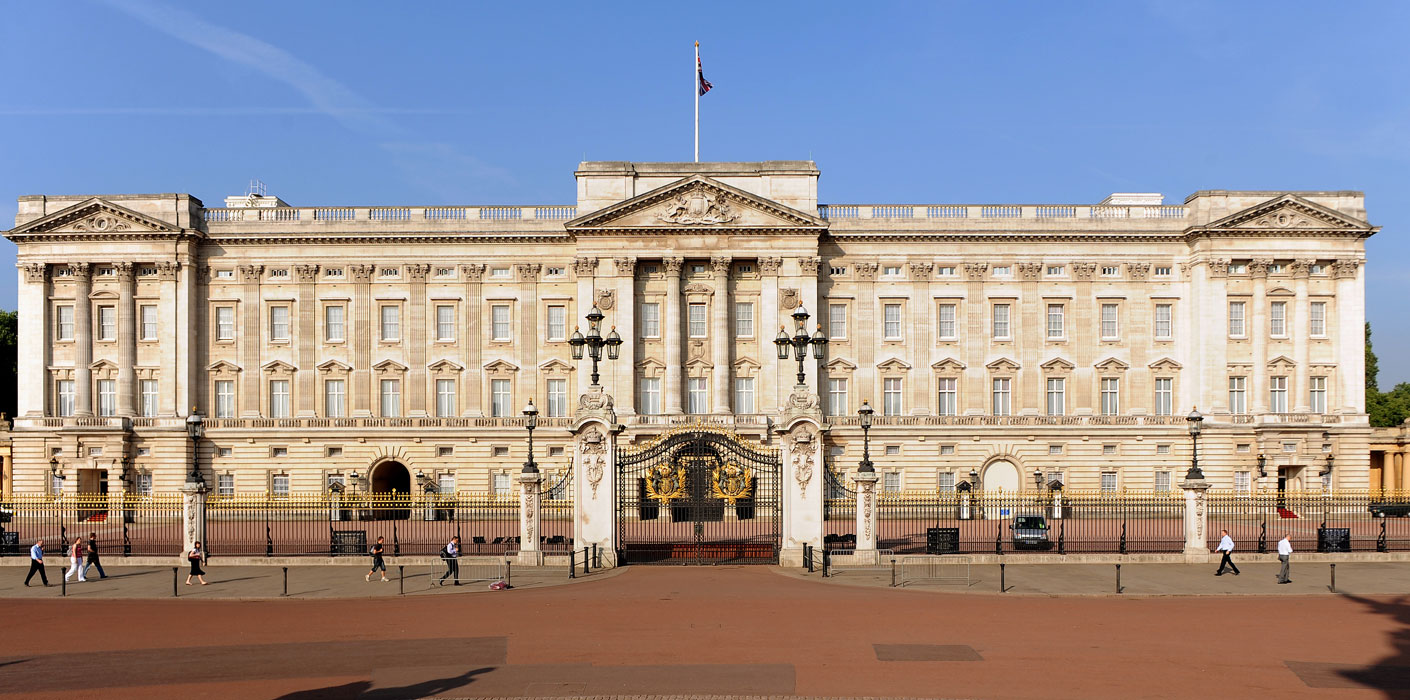
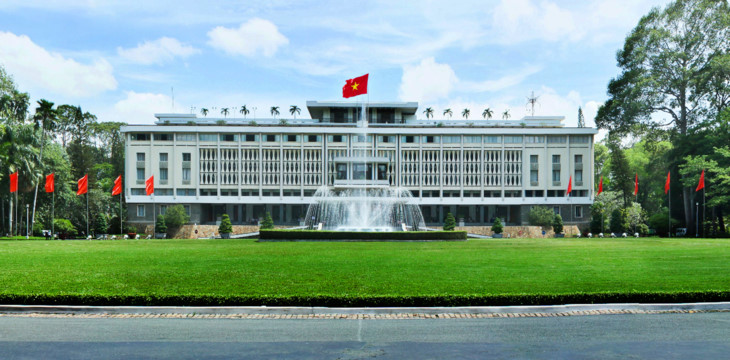
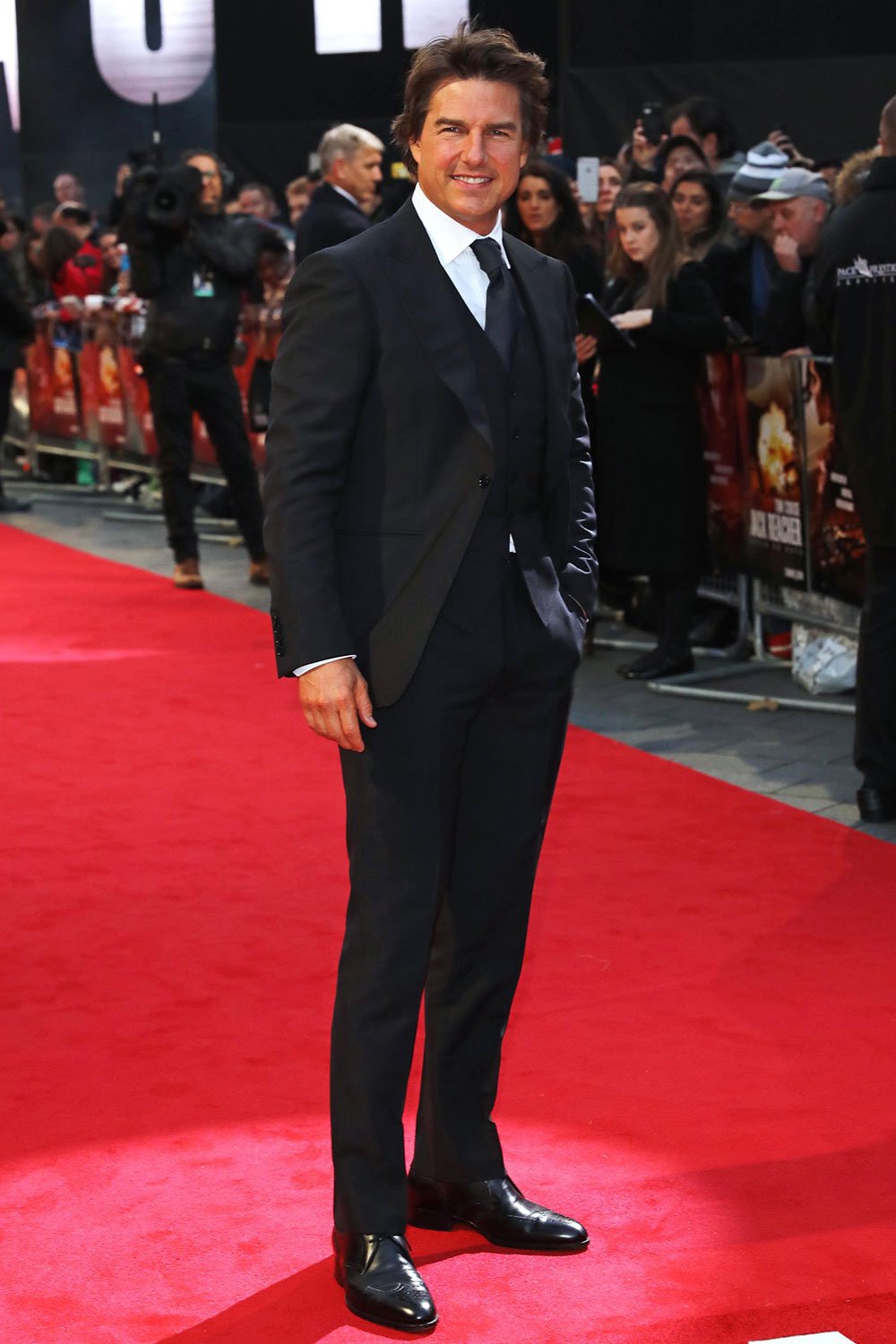
We’ll begin with a quiz; I’ll show four famous buildings and ask the students to identify them and tell me as much as they can about them:


After, I will point to some (previously-boarded) numbers and ask how to pronounce them, numbers such as:

2019

10, 000

£35.99p

$10.33

Friday the 13th

I’ll show them that amounts (e.g. £35.99p are often said as simply 35 99, rather than saying ‘pounds and pence.’

For a more active game, help them burn off some energy, I’ll do a ‘run & write.’ In their previous lesson, they learnt past continuous. For this game, the class can be kept in two teams (a bit of competition adds to the excitement, even if there are no prizes at all), one team has a red marker, the other, a blue. I will say a sentence using simple past, they have to write it on the board, using past continuous. For example:

Last night I slept = Last night I was sleeping

Then the whole team has to shout out the sentence. It could get somewhat noisy and impossible to monitor, but it creates freedom for everyone to speak (they are not being listened to individually) and gets the whole class involved, and a noisy engaged class is far preferable to one slouching, sighing and sleeping.

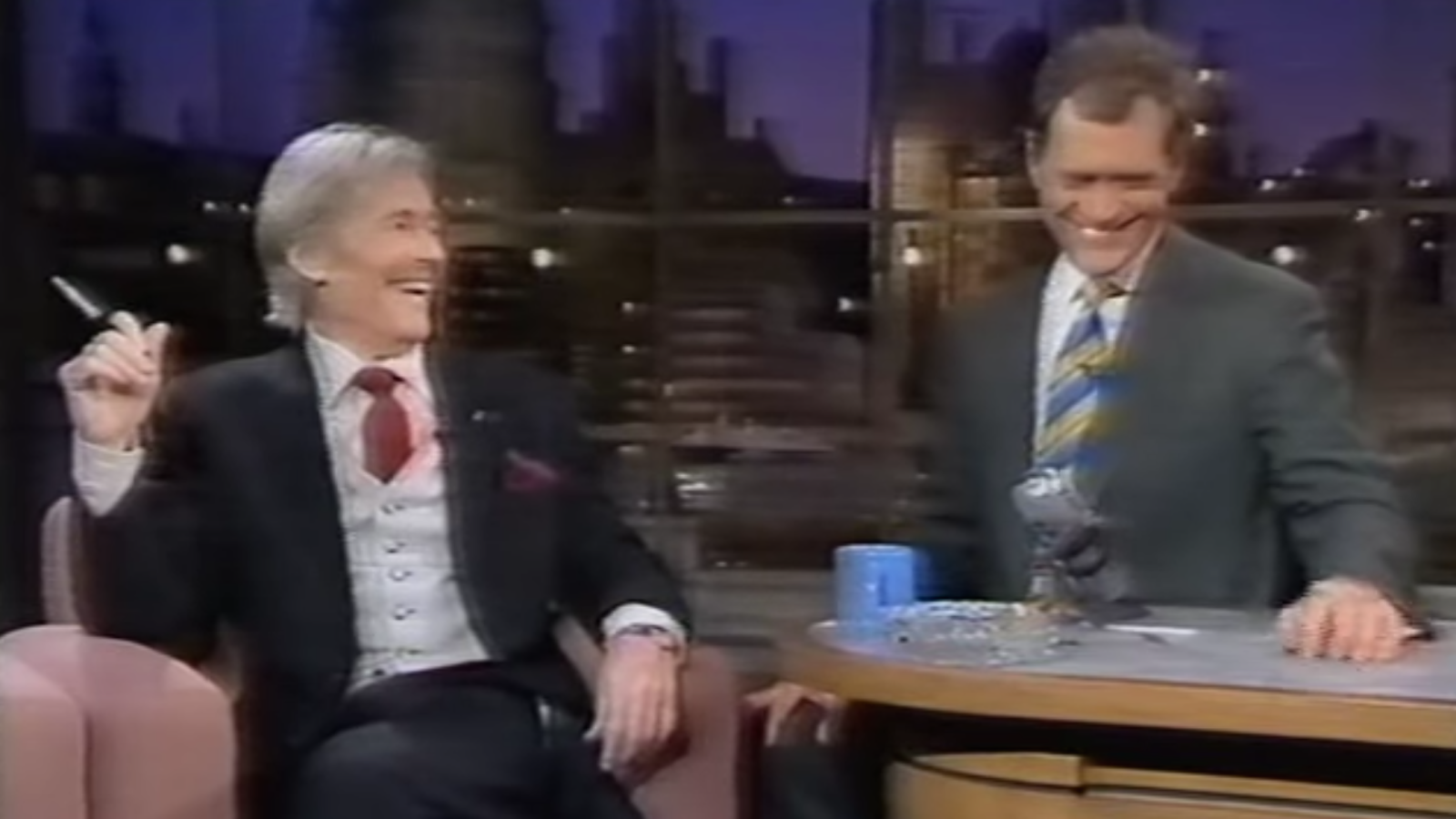
We will then move into the topic area, combining story-telling with pronunciation and accents. I have a great clip of the magnificent Irish actor, Peter O’Toole being interviewed by the fast-talking USA TV host David Letterman. The students can compare the two accents, see which one they understand easier. The clip is below:

Letterman asks O’Toole if he has a story about a fellow actor, Richard Harris. Instead of a rather pedestrian, “Let me see …,” O’Toole, cigarette in hand, responds, “Oh, I’ll shuffle through my memory,” before proceeding to tell said story (this occurs at 0:32 – 3:33).

I extend the activity by asking the students to mimic / copy O’Toole’s voice and elocution. Obviously, I don’t condone smoking at all, but students have had great fun sitting crossed legged, imaginary cigarette held aloft, and repeating, “Oh, I’ll shuffle through my memory.”

The serious aspect here is to demonstrate the rhythms and stresses in English – the elongated “oh,” as he thinks, the focus on the verb, “shuffle’, the linking of “through my,” and the final stressed but downwards – intonations of “memory.” A lot of work covered in just six words. Good value for your teaching bucks !

We’ll then move into a personal anecdote of mine. I’ll create a slide and give a leading narrative using tonight’s key language:

For one thing

As I discovered last year

As you can imagine

In fact …

like the time …

Thanks to ..

People are very interested in stars as I discovered last year when I was in

I saw a very large

Outside a large

in the centre of the city. As you can imagine, I was curious. There were a lot of people there, in fact many were extremely …….

Why were they there, for whom were they waiting ? This was like the time I was in London and many film stars were going into a cinema. I waited … but nothing happened. I was thinking of going, but thanks to some screaming and shouting, I stayed. To my surprise, I saw the world-famous Hollywood movie star …

I felt very lucky. Actually, it was very exciting I just wish I had my phone with me.

The students will then turn to book work, some listening and then creating their own anecdote. Here, I will probably have to help, give ideas. Most students spent too long thinking about ideas and therefore not producing any work. I have found it better to give them a limited choice and then make them start the work.

(In my first year, at my first centre, the students had to write a short story about a boy and girl going to the cinema. I checked all the pupil’s progress, only to find one student had done nothing, all lesson, because he couldn’t think of names for his protagonists. At the end of the semester, I was asked for my recommendation; should he be allowed to progress to the next level ? Absolutely not (it was the only honest answer) CUT TO angry parents, wagging of fingers and pulling of student out of school. Good riddance to bad rubbish, as we say.)

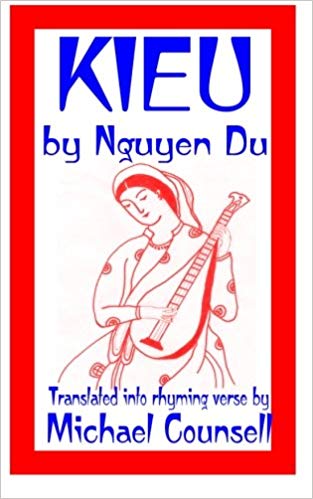
Today we also have some speaking practice and a quick lesson about British culture, in which they will listen and read about the author Daniel Defoe. This will be a chance to elicit how much they know about British literary characters. It could be surprising; they may know Oliver Twist, or Alice (Wonderland). Who knows … some may even have heard of Robinson Crusoe … we shall see. This will then lead into famous writers from Vietnam. I think the most famous is The Tale of Kieu’ by Nguyen Du.

Very famous Vietnamese poem and I highly recommend giving it a read.

Please Note: All photos are taken from Google Images or free photo sites, and are used for educational purposes only. No copyright infringement or offense is intended. If I have used your photo or image, and you wish me to remove it, just ask. This site is not monetized, I run it on my own dollar. Thank you.