Last week, to my delight and amazement, I saw I had nearly seventy hits on one day, most of which came from South Korea.
To say thank you, here are some of my memories of your breathe-taking country, it’s films and literature.
Hope to come back again one day.
The Flying Bird Tea Room in Insadong, SeoulGyeongbokgung Palace, SeoulThe Gate of Deoksu Palace – The Palace of Virtuous Longevity, SeoulNamsan Tower through the National Museum, Seoul.Buddhist shrine, Jeonju
Some of my favourite Korean films:
Lovers ‘ Concerto 2002
… ing 2003
My Sassy Girl 2001
Virgin Stripped Bare by her Bachelors 2000
Some of my favourite Korean books:
This one’s cheating – my favourite Korean restaurant in London, near the British Museum.
Goodbye my Korean friends
All street scene photos by Thay Paul. Book and film images from Google
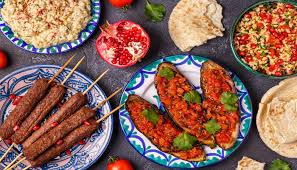
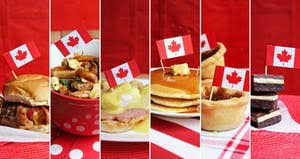
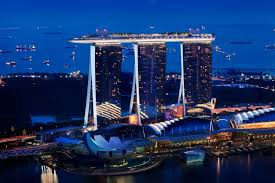
Working in pairs or small groups, gather information about these countries, then make a presentation. Add something about yourself ;would you like to visit these countries ? Why ? What would you do there ? What would you eat and buy ?
Capital cities
Brasilia (Brasil) Seoul (South Korea)
Ottawa (Canada) Egypt (Cairo)
Seoul, South Korea
Population
Brasil 183 888 841 // South Korea 51 047 000
Canada 37 000 000 // Egypt 97 055 000
Brasilia
Language
Brasil – Portuguese // South Korea – Korean
Canada – English & French // Egypt – Arabic (EgyptianArabic)
The number of tourists visiting China is … more than those visiting Vietnam
Discourse Markers
Additionally / as well as / furthermore / moreover
Therefore / consequently
On the other hand / having said that / although / despite
Describe this Korean lady using at least two discourse markers.
Expressions / chunking phrases
At the end of the day / Am I pronouncing that correctly ?
Turn a blind ear / it fell on deaf ears
Friends and family / According to …
Same thing, day in, day out / You get what you pay for / a waste of money
How does this man feel about his job ?
Like / Dislike
Like:
I absolutely love … / I’m crazy about … / I (really) like / I’m into / I haven’t heard (seen/read) this before, but I think it’s great / I’m a big fan of … / I’m quite keen on /
No strong opinion:
I don’t mind / I have mixed feelings about …/ It’s OK / I don’t really have any strong views / feelings either way
Dislike:
I hate / I can’t stand / I don’t really like / I think it’s awful / I detest / I’m not a big fan of … / I’m not that keen on …
What do you think of:
T-ara from South KoreaThe sport cricketLitter, trash, rubbish on the streets
To buy time
Remember … never leave silence; use these time-fillers:
That’s a good / interesting question
Let me think …
Well, I would say …
How can I put it … ?
Sentence building
Use adjectives to describe nouns
adverbs to describe adjectives and verbs – give more information
opinion phrases
linking words to connect positive to positive or positive to negative
reasons why an action is being done
I like coffee
I like coffee so much because it tastes great and makes me wake up although too much will stop me from sleeping at night but, in my opinion, the benefits far out weigh the disadvantages.
Using Relative Clauses
who For people: This is the man who sold me the fake Rolex !
which For things: We tried fish and chips which is delicious.
where For places: Let’s go to the shop where we saw the great bargains.
Whose Possessive: That’s the singer whose record we heard last night.
The car, whose driver was young, won the race.
Exercises
We arrived at a nice beach ______ we could swim and lie in the sun.
A man ______ mobile phone was ringing did not know what to do.
The patient, ______ had a serious disease, was taken to hospital immediately.
Smithsfield is a small village ______ people live a quiet life.
A boy ____ sister is in my class was in the bank at that time.
I know a person ____ can speak seven languages.
We visited the church _____ is in the middle of the square.
It is a protected area of land _____ you can see a lot of interesting wildlife.
This dress is made of silk, _____ is a very expensive and delicate material.
A police officer _____ car was parked at the next corner stopped and arrested them.
Listening Websites: A list with links can be found on this page:
As drunk as a ….. // As dead as a ….. // As brave as a ……
As free as a ….. // As gentle as a …… // As quiet as a ……
If you need some help with the ‘drunk as a ……’ question.
Conversation Practice
Make sentences with these words or expressions:
In a class, write out the words on paper and distribute to the students, either individually or in groups. Give them a time limit and award points for each word used, plus bonuses for interesting or creative sentences.
spectacular / visually stunning / you get what you pay for / mouth-watering / a waste of money / significantly / according to / how can I put it ? / Somewhat / incredibly / as good as gold / as drunk as a skunk /
Reported Speech
Also known as ‘indirect speech’, reported speech is used to tell what someone has said.
Example:
Three Japanese students, Keiko, Rina & Mei are looking at their new university. Keiko, in the black cardigan says:
Keiko: Now I feel as wise as an owl.
However, with all the street noise, Mei didn’t hear so she asks Rina (who wears a pink and white striped top).
Mei: The building is stunning, but what did Keiko say ?
Rina: She said that she felt as wise as an owl.
Rina uses the past tense to tell Mei what Keiko said – she said she felt as wise as an owl.
Look at these:
Susan: “Mary works in an office.” This is Susan speaking directly.
→Susan said (that) Mary worked in an office. This is someone telling what Susan said.
Notice how the verb changes from present to past tense (‘works’ to ‘worked’).
Susan: “I work in an office.”
→Susan said (that) she worked in an office.
Notice how the pronoun changes from first to third person (‘I’ to ‘she’).
Exercises:
Rewrite the sentences using reported speech
1 ‘Ellie can use my phone,’ said my brother.
1 My brother said that Ellie could use his phone.
2 Benjamin: “I often have a big hamburger.”
2 Benjamin said (that) he often has a big hamburger.
(Pronoun changes from ‘I’ to ‘he’). Here Benjamin is talking about an event that happens frequently, so we keep the present tense ‘have’ but change it to the third-person form ‘has’.
Benjamin frequently eats big hamburgers. Because this is a repeated action, we always use present tense, even in reported speech.
3 ‘I don’t want to sit next to Sam,’ said Jenny.
4 Hannah: “They live in Boston.” Again, this is a present tense situation.
5 Tyler: “Ian doesn’t invite girls to his parties.”
6 Linda: “Did Max fly to London two weeks ago?”
7 Robert: “Dennis often downloads the latest tunes.”
Free speaking exercise
There is a work party and the managers want to know which food to serve.
The options are:
vegetarian / Korean / sea-food / western fast-food / traditional German cuisine
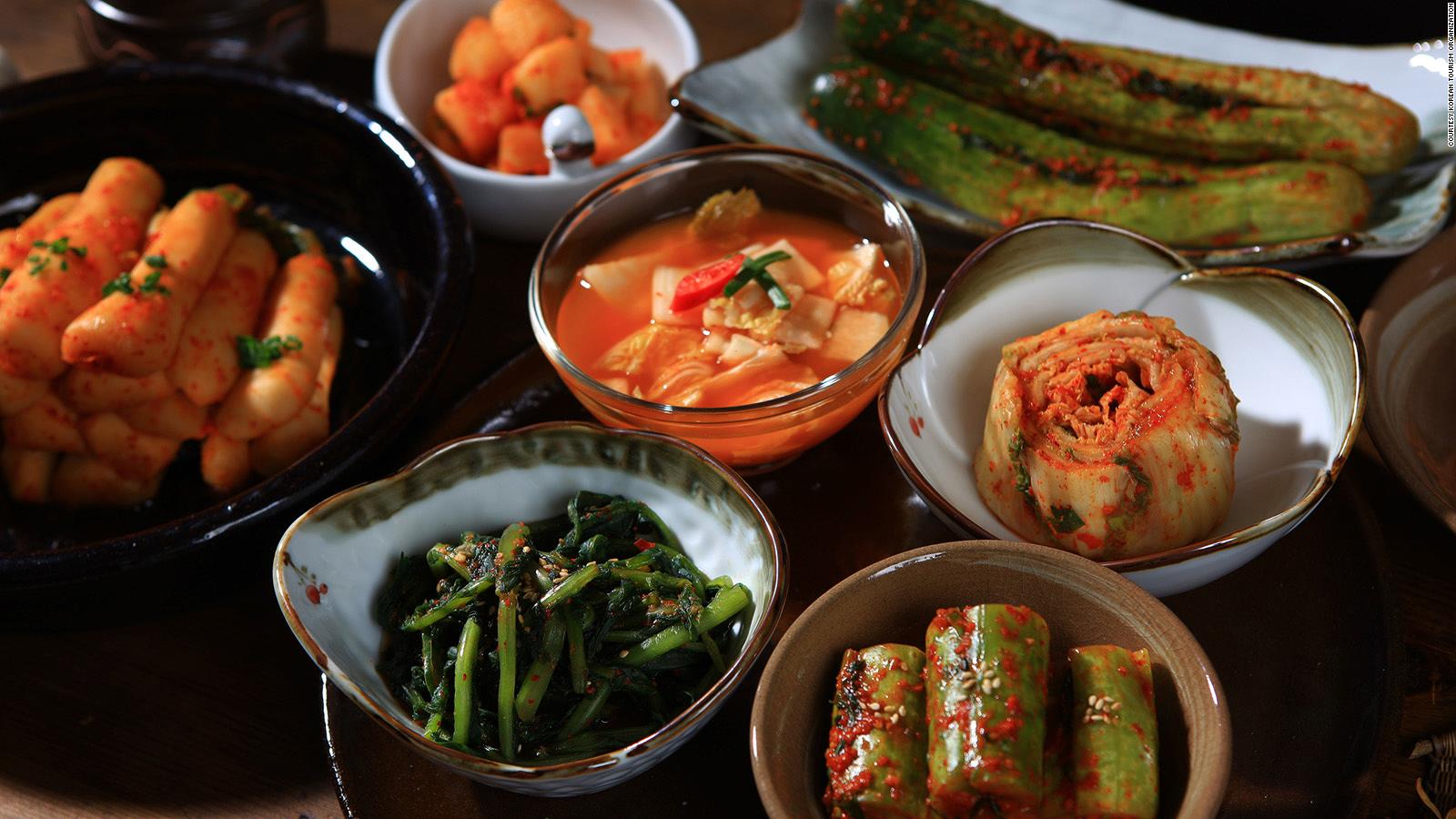
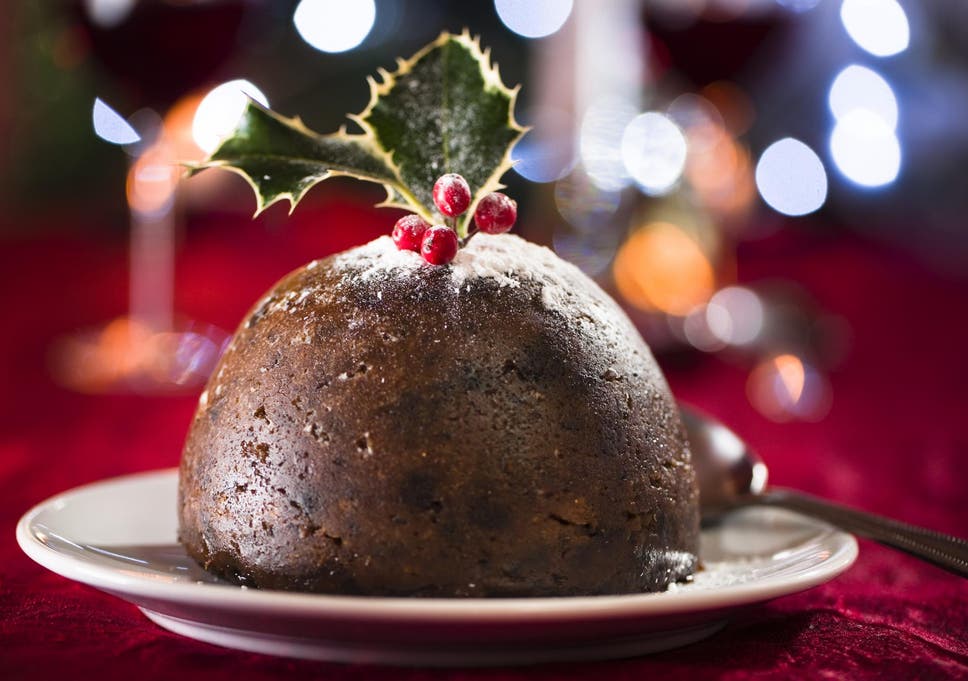
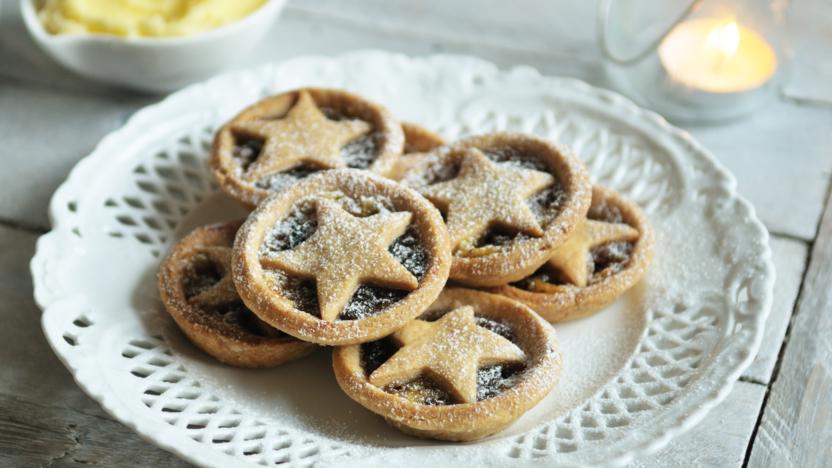
Korean foodBurgers, french fries, fried chickenTraditional German food … and beer.
Discuss which food to choose. Run through the pros and cons of each one. Also think about entertainment. Use recently acquired vocabulary:
Expressions:
I adore / I really enjoy / I’m into
I don’t mind … I quite like …. I can take it or leave it
I’m not keen on …. It’s not my cup of tea (idiom, means I don’t like it)
I can’t stand (noun or pronoun) ……. (seafood) / I can’t stand it !
Spicy / bland / hard to eat / unhealthy / fatty
not used to it / doesn’t appeal
you can’t please everyone / each to their own / fussy eater



























 Thay Paul's Notes