Young Learners, Level 4: Review

29th May for 1st June 2019

Today, two classes at level 4. The first is a substitution; I don’t know the students, but on the other hand, I’ll be able to recycle or adapt exiting material to plan the lesson.

The second class is my usual group, from 10.10 – 12.10.

Today should be better as I have stopped my Level 1 class (nineteen students of screamers, shouters, special needs, no motivation, no memory, no idea why there are in a classroom being spoken to by a strange man in a strange language and, of course, some very sweet, well-behaved students who, unfortunately, are being restricted in their learning by the amount of classroom management I have to do). I’m just covering this first class for a week, and I have to do a review of their last two units.

As a warm up, I’ll ask the students what they know about London, maybe using some Google images to help them (possibly British food, Sherlock Holmes, a London football club, a street market).
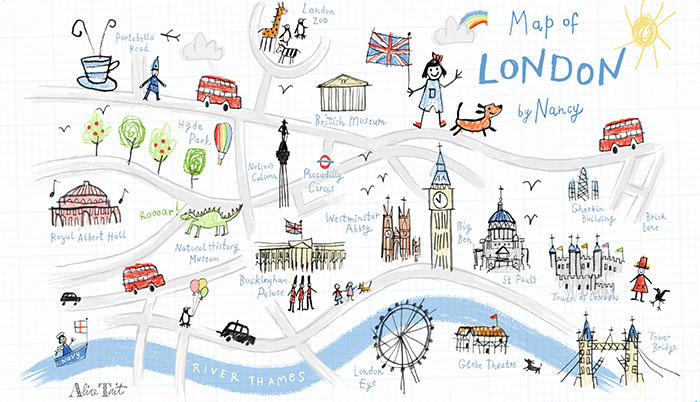
Recent units have included space exploration, future careers and travel so I’ll kick off with a familiar children’s guide to London:

https://www.youtube.com/watch?v=HrJNIUp2izQ

I will stop the video at key places and elicit responses, and to board new vocabulary. The students will be made to write down new vocabulary and then use them throughout the lesson.

Next up, a board write – small boards are handed out to groups and they have to write down answers. Points for the first team to finish. The questions can be about space (but must be taken from the class book, nothing too advanced).

What do you call a person who travels in space ?

Is that a man or a woman ?

Are people heavier or lighter in space ?

How do people get into space /

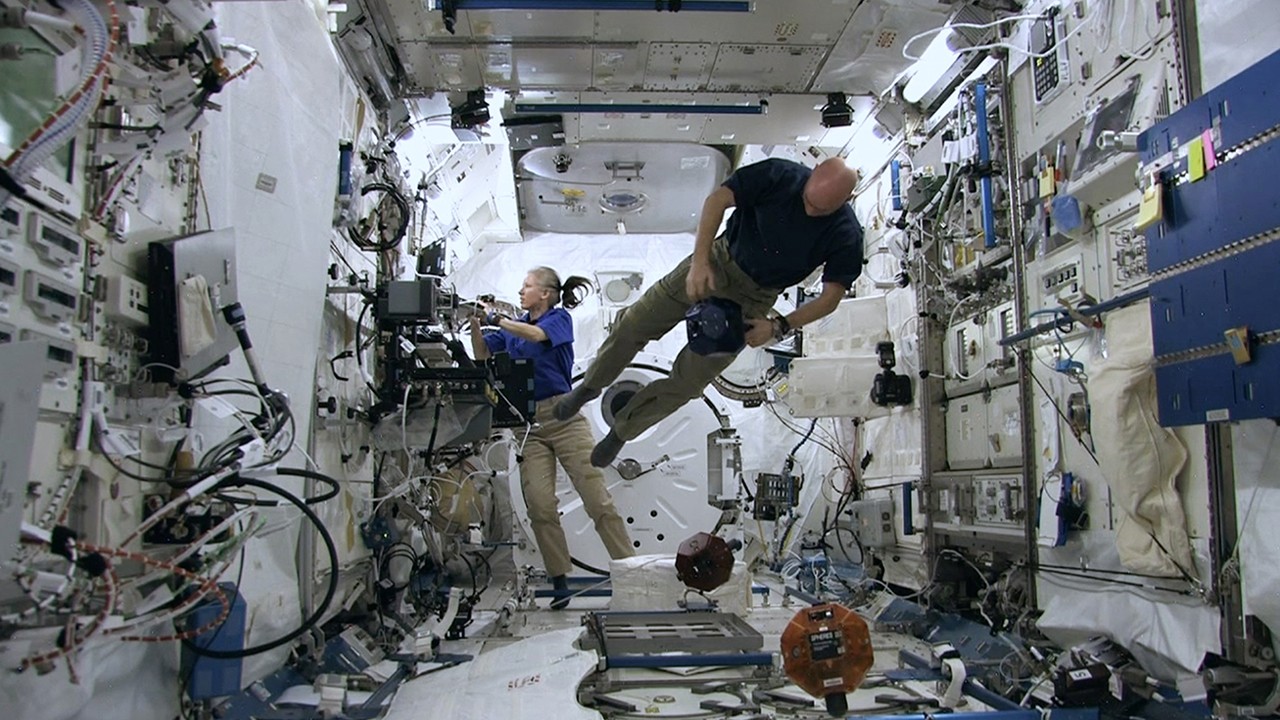
What is the ISS ?

Why is this man floating ?
To cleanse the palette, a quick kinetic activity. I shall hide six flash cards around the room and ask the students in pairs, to avoid a stampede, to find them. Instead of asking directly I will give them clues, e.g. if you want to buy something, you need this paper (money), after swimming, you use these to get dry (towels).

Next activity, I prepare four information sheets for the students about New York, London, Norway and Venice. The students, in small groups, will then have to present their city and answer questions. I shall awards points for good questions, to encourage the students to speak.

Julie lives in New York

She is a scientist

She wants to see a show

She takes a taxi

She brings lots of money

Next weekend, she will fly to London and stay in a hotel

Peter lives In London

He is an actor

He wants to ride a horse

He takes a bus

He brings a towel and extra clothes

Next weekend, he will go to the beach and swim in the sea

Anna lives in Norway

She is an astronaut

She is on holiday.

She takes the ferry to get home

She wants to go climbing and swimming

She goes to space by Space Shuttle.

Martin is on holiday in Venice

He is a journalist

He lives in Berlin, Germany. He is going home next Tuesday.

In Venice, he travels by gondola

He wants to see famous paintings

He likes to go on boat tours

The questions from the other students can use the patterns they have learnt, such as, “When is he going ?”, “What will she do ?”, “How will he get there ?” etc.

This should be enough activity before the book work and checking. Hopefully it will be a gentle way into my heaviest day, three classes of young learners. Hopefully …
Young Teens: course review.

27th February 2019

This is my final class with this group as they have tests next week, conducted by the Vietnamese staff. Therefore it is a review lesson, going over recently-acquired words and practising listening skills.

It threatens to be quite passive (although this class is anything but passive) so I need to start with some energetic team games, focussing especially on speaking.

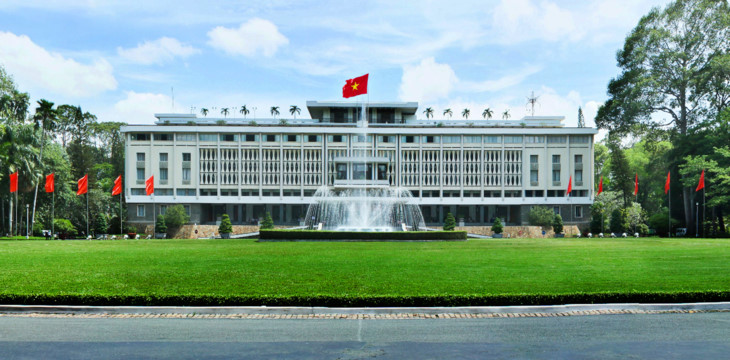
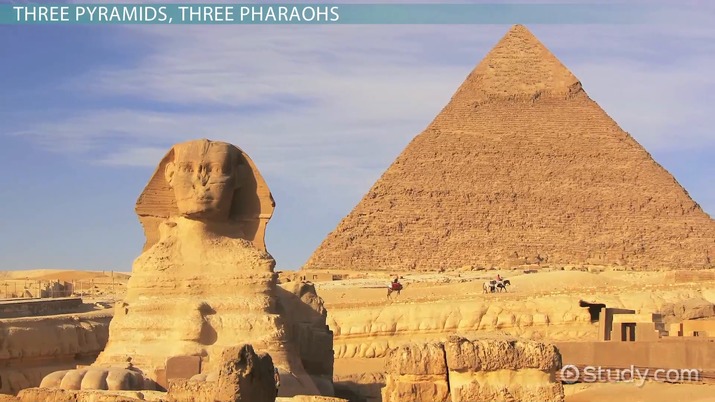
To begin, a STB game based on the previous unit (‘Special Places’). I’ll show various pictures of world landmarks and ask about them, for example where is this:

Bonus points for naming the mythological creature, and for asking the riddle with which it is associated. Other sites include the Taj Mahal, the Parthenon, a lighthouse, and the recently-discovered Hang Soon Dong cave here in Vietnam.

Here we can review UNESCO and world heritage sites. Vietnam currently has eight sites on the UNESCO list – how many can the students name ? https://whc.unesco.org/en/statesparties/vn

Next a ‘run ‘n’ write’ activity. I’ll board an incorrect sentence and the students must correct. I need about seven sentences to give everyone a chance to take part:

What London like

was the weather what like

We goes on a boot trap (in past tense)

It weres (ADVERB) interesting

£75 is ext … exp …

You should criss the rood careful

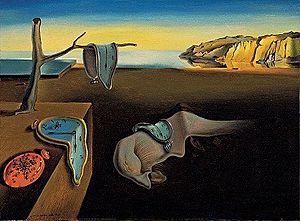
Dali were a really famous lawyer.

As a bonus, can they draw a Dali-esque clock ?

Next we can have small group work. I shall show various photos and they have to write a short piece using as many adjectives and adverbs as possible:

really / quite / very / not very /

expensive / popular / delicious / boring / exciting / scary

carefully / easily / quickly / noisily

psycho / palace / famous for / in common / gadget.

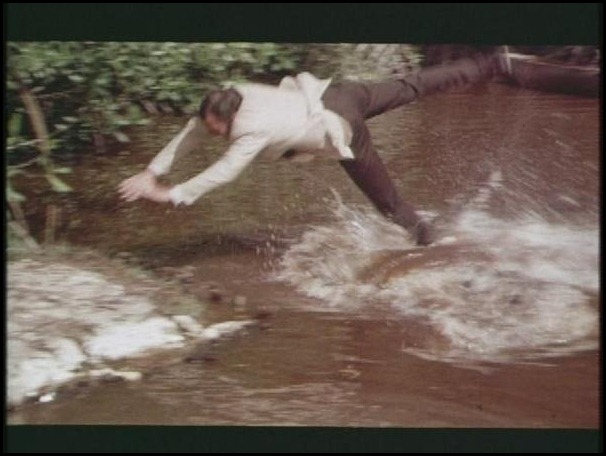
As usual, it helps to give a model to serve as an example. I shall use this photo:

‘Live and Let Die’ (1973)
James Bond escapes from some extremely scary alligators.

In this picture, the British spy James Bond is surrounded by some very scary alligators who are extremely hungry. He tries using his magnet gadget on his watch but it doesn’t work. Bond is famous for escaping from very dangerous situations. Quickly, he runs across the water stepping on the backs of the creatures. Bond films are incredibly popular because they are amazingly exciting. Do you find them interesting or boring ?

Now for the students:

Typical Vietnamese food
The magnificent Heath Ledger as the Joker in ‘The Dark Knight’ 2009.
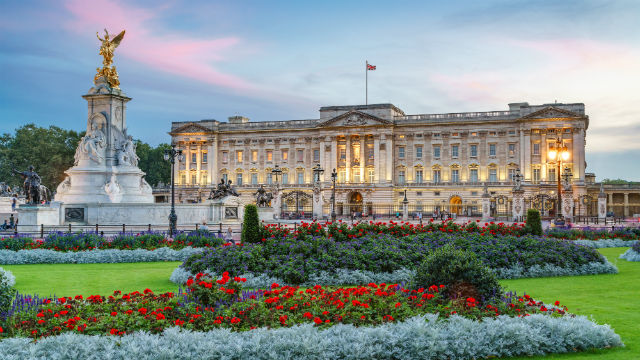
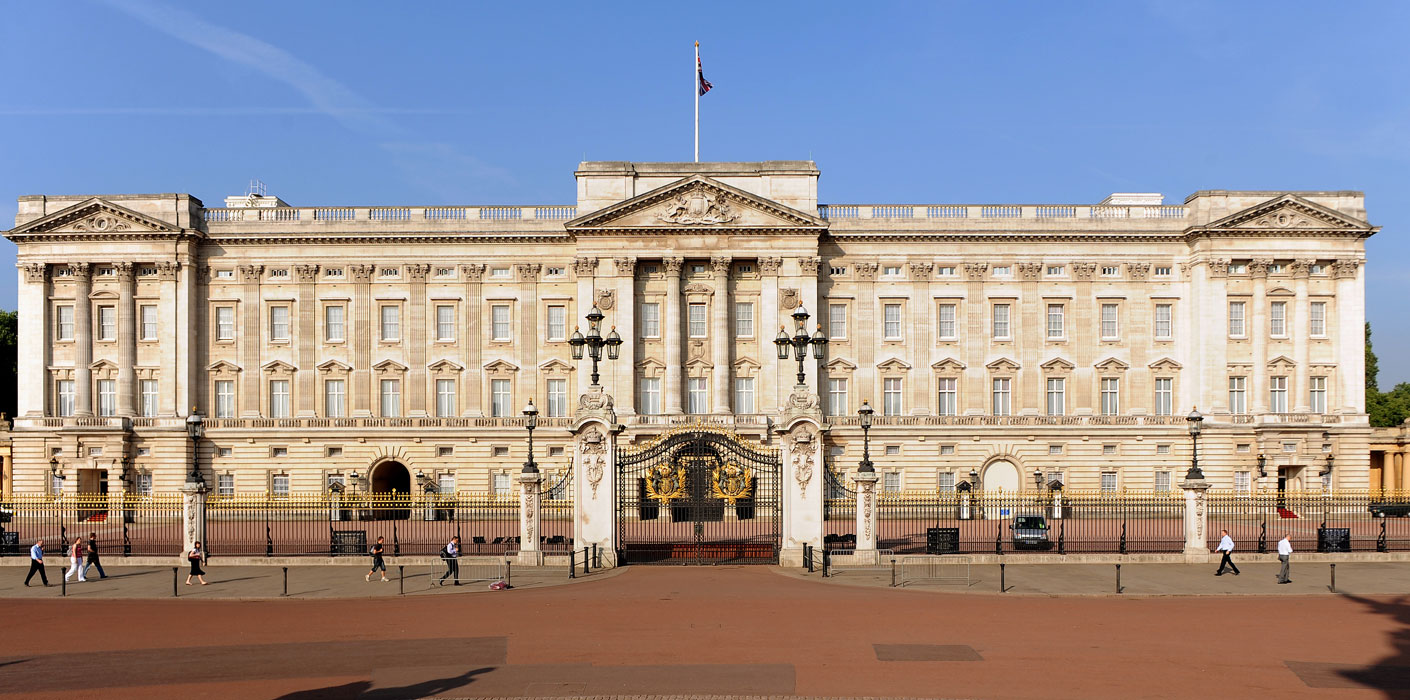
London’s Buckingham Palace, home to the King.
Dali and friends.

To end the activity section, an opinion poll. This makes the students get up and ask classmates for their views, so listening and speaking skills are utilised – and no teacher-talking-time !

This survey will be based on Special Places. The students are offered a choice of four locations: The Pyramids of Giza, the Parthenon in Athens, The Taj Mahal in India and Buckingham Palace in England.

Which site do you want to visit most ?

Why ?

What is the weather like there (use adverbs) ?

What can you do there ?

What could be a problem ?

After this, it’s time for the book work and assigned lesson plan. As mentioned, there is a lot of listening and video watching, so that should occupy most of the remaining time.

To finish we need a high-energy game. ‘Family Fortunes’ is good as it makes the students work together, and can be a test of general knowledge. I could ask: name four countries in Europe, four typical dishes from USA, four famous singers etc.

A list of class games can be found in a previous post: https://thaypaulsnotes.com/2018/12/17/note-explanations/

If the energy is just not there, I can always play a YouTube clip of funny animals, or a song (in English) that has been requested.

Let the students leave smiling … but also prepared for next week’s tests.

Please Note: All photos are taken from Google Images or free photo sites, and are used for educational purposes only. No copyright infringement or offense is intended. If I have used your photo or image, and you wish me to remove it, just ask. This site is not monetized, I run it on my own dollar. Thank you.

Young Teens: A funny thing happened to me …

17th January 2019

Tonight’s class has fourteen students, mostly girls (“made of sugar and spice and all things nice,”) and four young lads, one of whom demonstrates slight Hulk-like tendencies (i.e. gets angry at the slightest provocation and starts lifting chairs as if to hurl them through several walls). Simple classroom management has to be employed here; the lads are NOT allowed to sit next to each other. Of course, at this age the boys categorically will NOT sit next to any girl (just wait a year or two until those hormones kick in!) so I have to locate them around the room. It can be dis-illutioning for a teacher to allocate so much time to controlling a class as opposed to teaching them, but such are the realities. C’est la vie.

The theme of the lesson is how to tell an anecdote, but to begin (and to wait for the inevitable latecomers), we’ll do some quick warm-up games. I’ll also be able to recycle work form other lessons (which justifies the time spent making slides / Powerpoint Presentations etc).

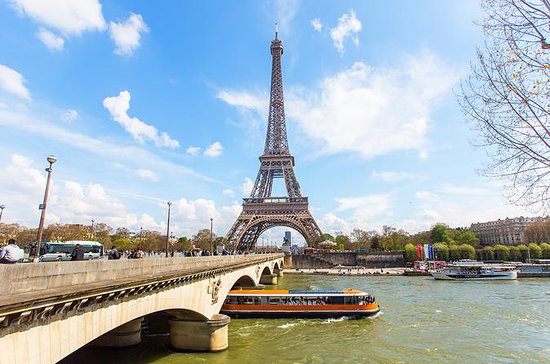
We’ll begin with a quiz; I’ll show four famous buildings and ask the students to identify them and tell me as much as they can about them:


After, I will point to some (previously-boarded) numbers and ask how to pronounce them, numbers such as:

2019

10, 000

£35.99p

$10.33

Friday the 13th

I’ll show them that amounts (e.g. £35.99p are often said as simply 35 99, rather than saying ‘pounds and pence.’

For a more active game, help them burn off some energy, I’ll do a ‘run & write.’ In their previous lesson, they learnt past continuous. For this game, the class can be kept in two teams (a bit of competition adds to the excitement, even if there are no prizes at all), one team has a red marker, the other, a blue. I will say a sentence using simple past, they have to write it on the board, using past continuous. For example:

Last night I slept = Last night I was sleeping

Then the whole team has to shout out the sentence. It could get somewhat noisy and impossible to monitor, but it creates freedom for everyone to speak (they are not being listened to individually) and gets the whole class involved, and a noisy engaged class is far preferable to one slouching, sighing and sleeping.

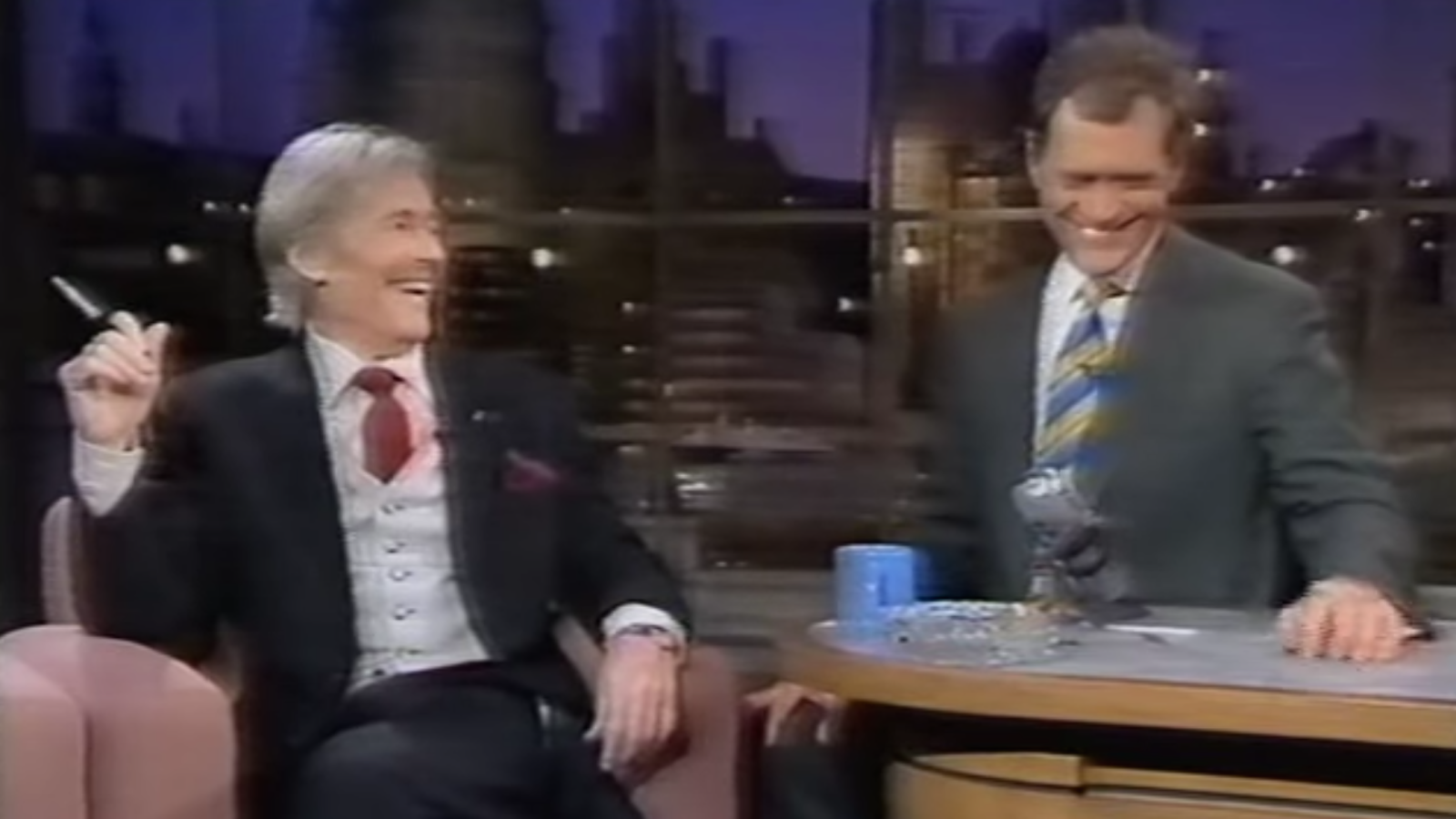
We will then move into the topic area, combining story-telling with pronunciation and accents. I have a great clip of the magnificent Irish actor, Peter O’Toole being interviewed by the fast-talking USA TV host David Letterman. The students can compare the two accents, see which one they understand easier. The clip is below:

Letterman asks O’Toole if he has a story about a fellow actor, Richard Harris. Instead of a rather pedestrian, “Let me see …,” O’Toole, cigarette in hand, responds, “Oh, I’ll shuffle through my memory,” before proceeding to tell said story (this occurs at 0:32 – 3:33).

I extend the activity by asking the students to mimic / copy O’Toole’s voice and elocution. Obviously, I don’t condone smoking at all, but students have had great fun sitting crossed legged, imaginary cigarette held aloft, and repeating, “Oh, I’ll shuffle through my memory.”

The serious aspect here is to demonstrate the rhythms and stresses in English – the elongated “oh,” as he thinks, the focus on the verb, “shuffle’, the linking of “through my,” and the final stressed but downwards – intonations of “memory.” A lot of work covered in just six words. Good value for your teaching bucks !

We’ll then move into a personal anecdote of mine. I’ll create a slide and give a leading narrative using tonight’s key language:

For one thing

As I discovered last year

As you can imagine

In fact …

like the time …

Thanks to ..

People are very interested in stars as I discovered last year when I was in

I saw a very large

Outside a large

in the centre of the city. As you can imagine, I was curious. There were a lot of people there, in fact many were extremely …….

Why were they there, for whom were they waiting ? This was like the time I was in London and many film stars were going into a cinema. I waited … but nothing happened. I was thinking of going, but thanks to some screaming and shouting, I stayed. To my surprise, I saw the world-famous Hollywood movie star …

I felt very lucky. Actually, it was very exciting I just wish I had my phone with me.

The students will then turn to book work, some listening and then creating their own anecdote. Here, I will probably have to help, give ideas. Most students spent too long thinking about ideas and therefore not producing any work. I have found it better to give them a limited choice and then make them start the work.

(In my first year, at my first centre, the students had to write a short story about a boy and girl going to the cinema. I checked all the pupil’s progress, only to find one student had done nothing, all lesson, because he couldn’t think of names for his protagonists. At the end of the semester, I was asked for my recommendation; should he be allowed to progress to the next level ? Absolutely not (it was the only honest answer) CUT TO angry parents, wagging of fingers and pulling of student out of school. Good riddance to bad rubbish, as we say.)

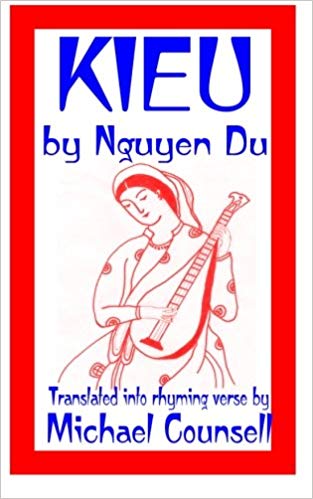
Today we also have some speaking practice and a quick lesson about British culture, in which they will listen and read about the author Daniel Defoe. This will be a chance to elicit how much they know about British literary characters. It could be surprising; they may know Oliver Twist, or Alice (Wonderland). Who knows … some may even have heard of Robinson Crusoe … we shall see. This will then lead into famous writers from Vietnam. I think the most famous is The Tale of Kieu’ by Nguyen Du.

Very famous Vietnamese poem and I highly recommend giving it a read.

Please Note: All photos are taken from Google Images or free photo sites, and are used for educational purposes only. No copyright infringement or offense is intended. If I have used your photo or image, and you wish me to remove it, just ask. This site is not monetized, I run it on my own dollar. Thank you.