Adult Speaking Class, Level 2: Giving opinions – architecture

9th April 2020

Architecture

What do you think of these styles ? Which do you like and why ?

Use adjectives and opinion expressions

I think / I feel / It seems to me / In my opinion  /

I especially like / I especially dislike / This appeals to me

Some adjectives:

imposing / impressive / incredible / magnificent / symmetrical / dazzling / unique / minimal / functional / decorative /

Expressions:

A sense of space / playful decor / somber facade / elegant lines / spiritually enhancing / an icon of national identity

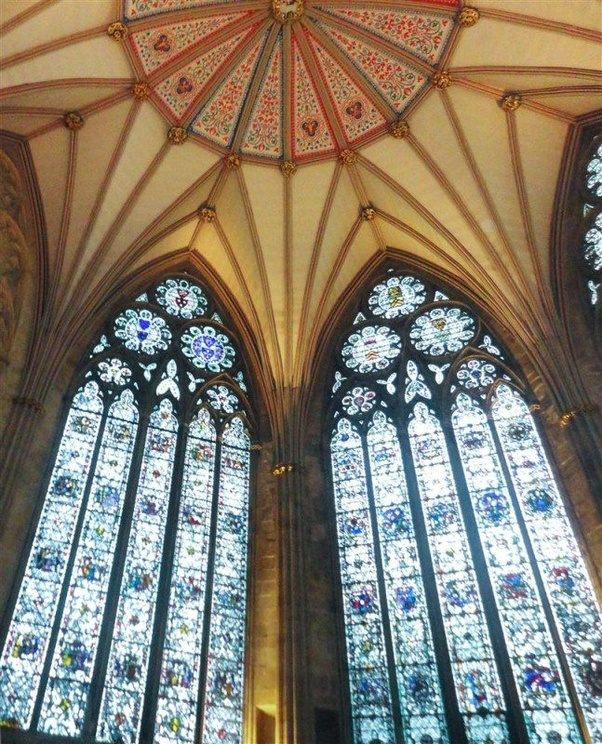
Gothic 
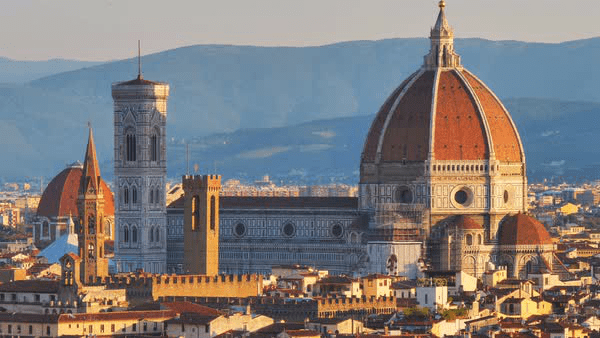
Renaissance
Baroque
Art Nouveau
Cubist
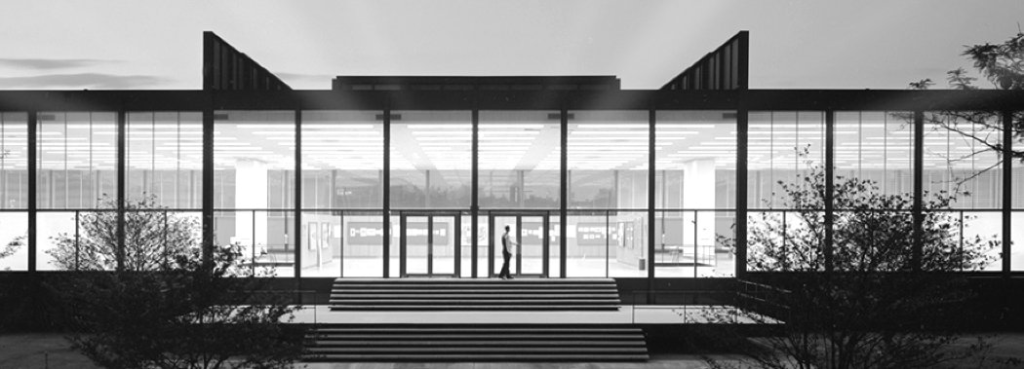
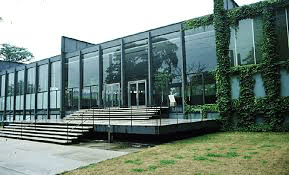
Modernism

Some contemporary architects and styles

Would you like to or visit any of these buildings ?

How do you react to them ?

What are they trying to say ?

Kazuyo Sejima (Japan b. 1956)

Daniel Libeskind (Poland / USA b. 1946)

The Jewish Museum in Berlin, Germany.

Dubai (UAE)

Which one expresses optimism, growth and confidence ?

Which one challenges conventional structures ?

Which one uses architecture to reflect a destruction or shattering of society ?

Finally:

Here’s a great video charting the advances made in architecture over the last century: https://www.youtube.com/watch?v=PuTqWxuAazI
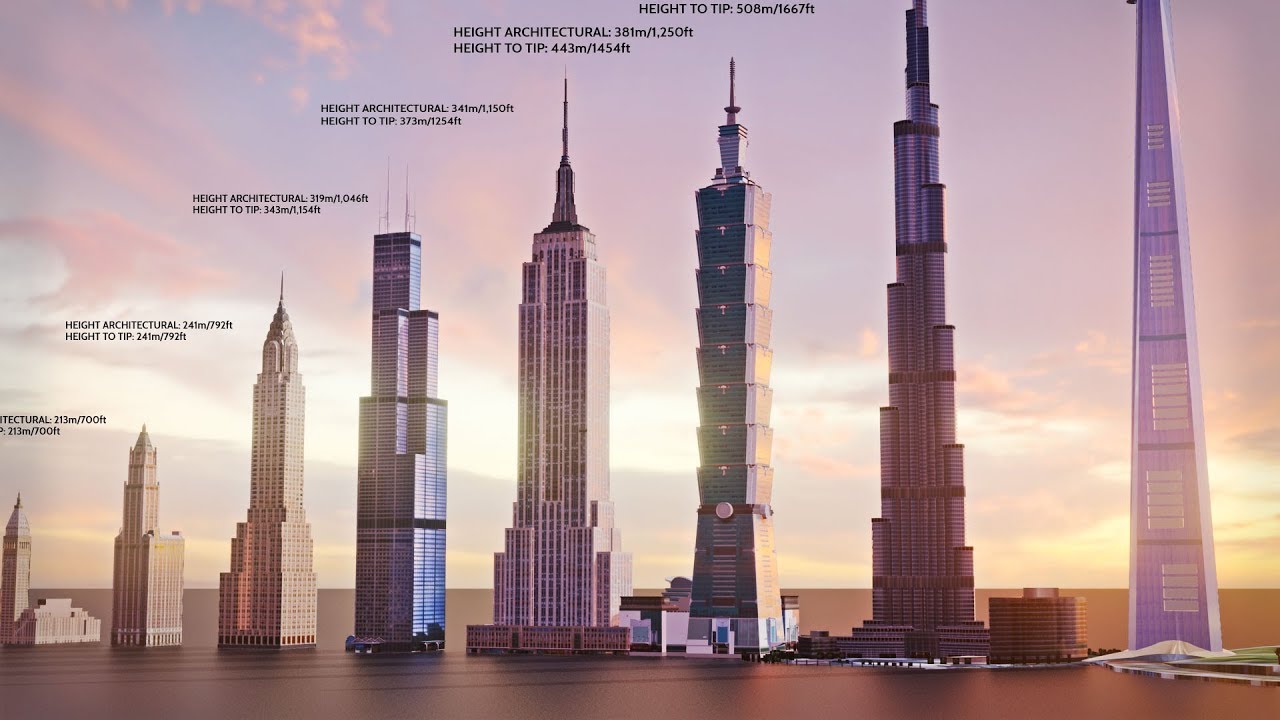
EVOLUTION of WORLD'S TALLEST BUILDING: Size Comparison (1901-2022 ...

Are we getting close to the Biblical Tower of Babel ?
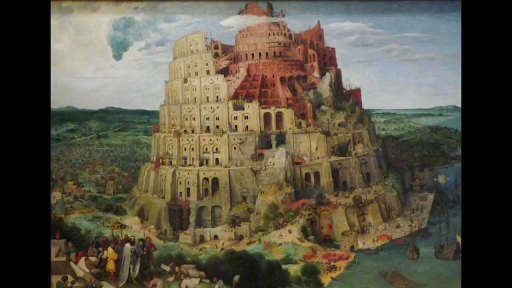
Bruegel, Tower of Babel (video) | Khan Academy
Tower of Babel by Peter Breughal 1563

For those who are interested in the story, here is the extract from The Bible, Genesis 11

Genesis 11 New International Version (NIV)

The Tower of Babel

11 Now the whole world had one language and a common speech. As people moved eastward,[a] they found a plain in Shinar[b] and settled there.

They said to each other, “Come, let’s make bricks and bake them thoroughly.” They used brick instead of stone, and tar for mortar. Then they said, “Come, let us build ourselves a city, with a tower that reaches to the heavens, so that we may make a name for ourselves; otherwise we will be scattered over the face of the whole earth.”

But the Lord came down to see the city and the tower the people were building. The Lordsaid, “If as one people speaking the same language they have begun to do this, then nothing they plan to do will be impossible for them. Come, let us go down and confuse their language so they will not understand each other.”

So the Lord scattered them from there over all the earth, and they stopped building the city.That is why it was called Babel[c]—because there the Lord confused the language of the whole world. From there the Lord scattered them over the face of the whole earth.
Adult Professionals: Architecture and engineering

7th January 2020

Architecture in history

Gothic Architecture

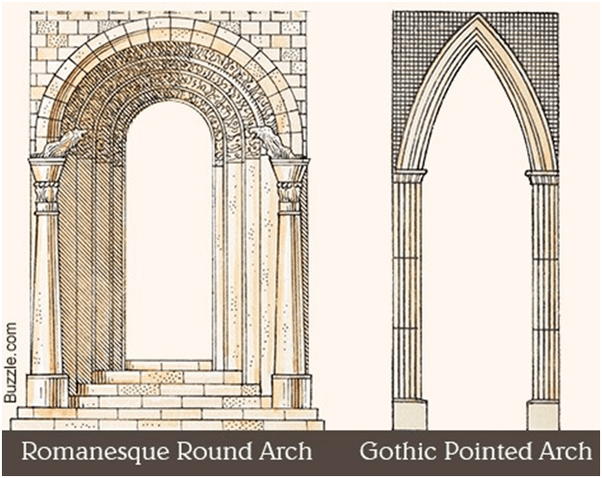
The Gothic style of architecture first emerged in Northern France during the 12th century. In engineering terms, it was a major step forward from the Romanesque style that had dominated European architecture up to that time. It allowed people to construct cathedrals, churches and other buildings on a scale that dwarfed anything that had gone before. The technological superiority of the Gothic approach was the result of three engineering breakthroughs: the pointed arch, the ribbed vault and the flying buttress.

The pointed arch offers benefits in terms of structural engineering: A greater proportion of the weight above thearch is channeled down into the ground, instead of exerting a sideways force: https://www.theclassroom.com/engineering-breakthroughs-gothic-architecture-12682.html

Ribbed Vault

The stone ceilings of Romanesque buildings were heavy and inefficient, and placed severe limitations on the size of buildings that could be constructed. The situation changed dramatically with the advent of the Gothic style.

One of the greatest innovations was the flying buttress. This system allowed builders to construct soaring cathedrals with massive interior spaces, while allowing walls to exhibit expansive stained glass windows. 

The engineering innovations of pointed arches, ribbed vaults and flying buttresses meant such buildings could be the longest, widest and tallest of their day.

Notre Dame Cathedral, Paris. An example of the Gothic style. Note the flying buttresses.

Fillipo Brunelleschi (1377 – April 15, 1446)

Early in his career as an architect, Brunelleshi came forward as a mover and a shaker. He discovered, or rather, rediscovered the lost Greek and Roman rules of perspective, such as the principle of having a single vanishing point. His (re)discovery of these rules had a profound influence on the artists of his time

In 1420, the church awarded Brunelleschi the commission to design a dome to top the Florence Cathedral, which had been left, for many years, with a 140″ diameter hole gaping atop. The problem was not a new one to the world of architecture; for decades architects had been trying to design the perfect dome to crown the Cathedral but had been defeated by the restrictive structural limitations inherentin the Cathedral’s design. Brunelleschi, managed to succeed, however, were all others had failed by 1446.

Brunelleschi’s dome for the Cathedral in Florence, Italy.

Mies van der Rohe, 1886 – 1969

Famous for his saying “less is more,” was one of the preeminent modernist architects, well known for pioneering the extensive use of glass in buildings. His works introduced a new level of simplicity and transparency, and his buildings were often referred to as “skin-and-bones” architecture for their emphasis on steel structure and glass enclosure.