Adult Class, Level 3 (class 2): Happy talking, talking ….

29th August 2019

The lesson plans are set in stone, so I have to adhere to them; there will be a grammar review, a double page of listening, and then a handout for the students to practise speaking … but that’s not enough for the three hours, so I’ve decided to make as many speaking activities as possible.

Unfortunately, I’ll also have to show the presentation about classroom rules, as I’ve had some issues with ADULTS … yes, adults, disrupting the class, being disrespectful and basically trying the zen-like patience of the writer of this blog. Said writer has been working every day for nearly three weeks and my patience was never ‘zen-like’ at the best of times.

Image result for classroom rules no chatting

This problem is widespread in Vietnam; I’ve seen it at all centres, and all ages. It is quite hard for a teacher to accept the rudeness and disrespect engendered by such behaviour. So … what to do …

First, a quiet word with the student – to explain what is wrong and WHY.

Secondly, move the student to a new chair. If the student refuses, then it is time for the third move.

Last resort – abandon the lesson. Tell the school office that the student is violating THEIR rules, disrespecting the teacher and other (paying) students and that I will not be able to continue teaching with the student in the class. My feeling is that the Vietnamese will support each other, especially one who is a paying customer, so I will simply leave the room … and everyone will have wasted their time and money. To quote Brad Pitt in ‘Inglorious…’, I might get chewed out, but it won’t be the first time, sure as hell won’t be the last.

Image result for Brad Pitt inglorious

However, this happy pic does lead into a plethora of speaking activities I have planned – idea being, if they’re are speaking English, that won’t have time to speak Vietnamese (yeah, right !)

First Activity – a vocabulary building game. I give students a sheet with several new words and several definitions. They have to match them together, then make sentences from them.

Second Activity – Desert Survival. Two teams, both have a number of items to help them survive in the desert after a plane crash. From the list of 18, they have to choose just 5. They must learn and practice negotiation language such as:

I see your point

I respectfully disagree

That’s an interesting choice, however …

You’re argument is not without value, having said that …

Third Activity – eyewitness. Work in pairs. One student looks at a photo or picture of a man committing a crime. After two minutes, the other students plays the role of a police officer, trying to gather information, for example age-range, clothing, distinctive markings, behaviour etc.

Fourth Activity – small talk. A list of general topics and the students have to try to keep the conversation going as long as possible. As with all speaking exercises, give examples or models first:

What do you do ? // I’m a student . // Really ? Where do you study ? What do you study ? How do you find you class ? What do you like best about your university ? What are the biggest challenges ?

Fifth activity – Friends – I show five male friends and the students has to guess their personalities and occupations. Here I’ll board some new adjectives and jobs, as well as encouraging the students to use opinion phrases – after all, they don’t know my friends – they are basing their answers merely on looks.

To break up the speaking (which some will do, some will half-heartedly attempt, some will ostentatiously NOT do), we can use so real life listening. One popular clip is the foodie Mark Wiens eating eggs in HCM City:

https://www.youtube.com/watch?v=crPVJ3CXs1g&list=PL97HViQblvdEM3zsauRxnIg1baFTNmsDM&index=20&t=1s

Or maybe a review of a local beer ?

Image result for horrible beer face

https://www.youtube.com/watch?v=rKr6Cj-Xr9g

Or how to stay safe in HCM – advise from locals (in English but with accents and some grammatical errors)

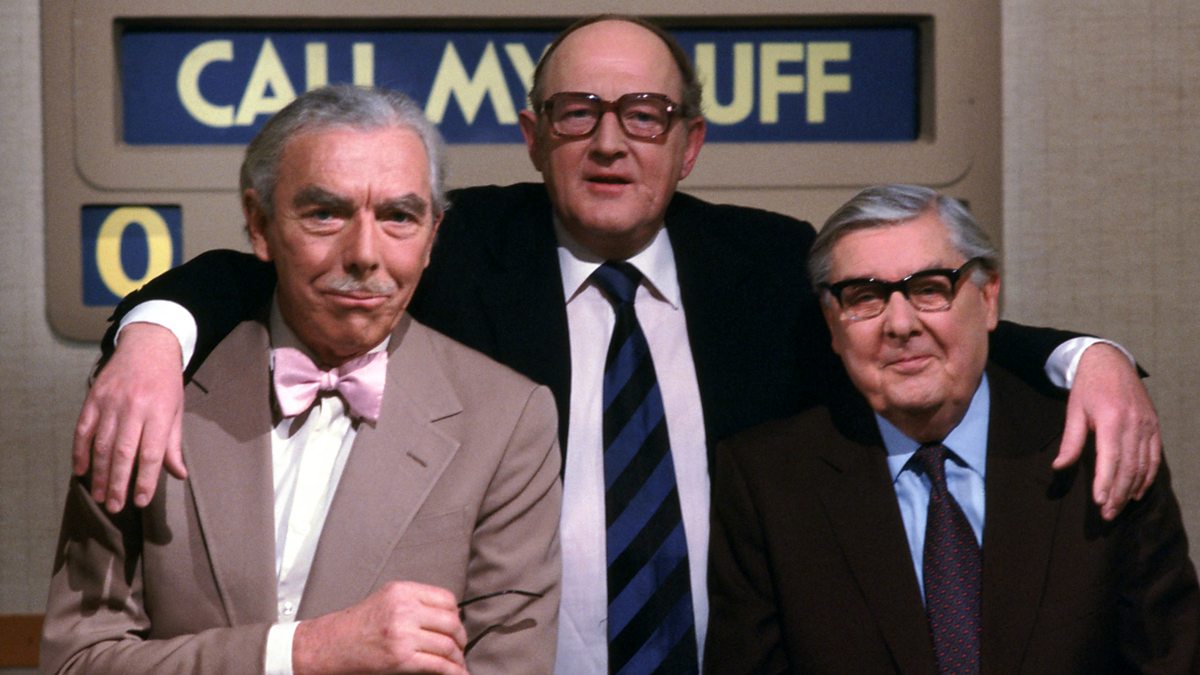
Image result for petty crime in hcm

https://www.youtube.com/watch?v=-j0FfVIKJnw

IELTS 5 – 6:5: Talking Englishes

28th August 2019 page 13.

Today is a speaking lesson, so hopefully that will be more active and interesting for the students. However, a three-hour lesson means the teacher has to prepare a ‘montage of attractions’ (a connected collection of various activities) to maintain energy and enthusiasm and … most importantly … to help the students acquire and practice the new vocabulary, expressions and pronunciations.

Warm up: As mentioned in just about every blog, students arrive willy-nilly and, for sure, they are coming from work, from school, stuck in traffic but it does interrupt the flow. therefore we need a quick warm up game into which people can jump.

Call My bluff:

Image result for call my bluff

Class in two teams (or sub-divided for larger classes). One team has a list of low-frequency words, followed by three definitions and word class. The object is for them to read out (and hopefully elaborate) the definitions, give examples and trick the opposition into giving a wrong answer. For example, the word ‘obnoxious‘:

  1. Adjective – an unpleasant, horrible person
  2. Noun – science, a gas that becomes a liquid at 50 degrees centigrade
  3. Noun – a small village, usually in north Europe, that doesn’t have a church.

Depending on the English ability (and let’s be honest – the motivation) of the students, this could be an interesting game, as well as increasing their vocabulary. New words can be recycled throughout the lesson. Other words are ‘demeanour’, ‘broadsheet’, ‘mindset’, ‘surreal’, ‘vainglory’, ‘troglodyte’ (believe me, this word perfectly describes a lot of people in my neighbourhood) & ‘excruciating’.

After this, I want to get all the book work under our belts then move on to speaking activities.

Small Talk and keeping conversations going.

This could introduce cultural topics; what is acceptable in one culture is a big ‘no-no’ in another, for example, you can ask a westerner if they are married, but if they say “No,” it is not acceptable to ask WHY (implication – what is WRONG with you ?). For a western, used to ‘Rockin’ in the Free World,’ all politics is off limits … If people want to proclaim, “Communism forever !”, while using the latest iPhone X and getting rides home from their parents in luxury cars, let it go … likewise, hearing that Chairman Mao is a hero … oh well, whatever, never mind. At least in Viet Nam people has access to the internet, so maybe a little Google search with ‘Mao’ & ‘famine’ could be enlightening. So, you see, this digression was to show just precarious small talk can be.

Image result for neil young rockin in the free world

NOT that I’m saying the west is a Utopia of free speech … political correctness, non-disclosure agreements, hate speech, misinformation and downright lies … but that is ANOTHER story. Back to our activity:

There will be a list of ten innocuous questions. The idea is to use back channelling, follow-up questions, tag questions and encouraging elaboration, to make a long discussion. EXAMPLE:

What do you do ? // I’m a student. / Really, where (and what) do you study ? How do you like the classes ? / Have you given any thought to what you want to do after you graduate ?

Other questions are:

Where do you live ? // What are you going to do this weekend ? // Have you ever been abroad ? // Where do you come from ? // How do you like studying English ? //

This activity can also be timed … can they speak for one or two minutes without a break ?

Buying and selling role play

Variaties of English used in purchasing and bargaining. This may seem unnecessarily complicated, but code-switching (changing from language to language or from formal to informal) is a part of (I’m sure) most if not all languages (I haven’t studied enough world languages to state this as a concrete fact – if anyone knows, please correct me, with citations – thanks).

SO .. half my class are sellers, working in either a top department store, a High-Street shop having a sale, or a good old-fashioned street marker.

Image result for harrods seller
This is a salesperson in a high-end department store.

The language here would be RP, standard English, no glottal stops or slang, although some common expression may creep into the dialogue.

Here, we can elicit the type of conversation one would expect, e.g. “Yes, Madam, how may I be of assistance ?”

Related image
A cashier in a High-Street clothes store.

Language would be friendly and probably more informal, though still polite, “Hi, how are you today ? Oh, that really suits you !”

And now, a market trader. This has subtitles, so it a great way to follow the man’s London accent

https://www.youtube.com/watch?v=Sw94R0P2dOs

You may hear questions such as, “Yes, mate, what can I do for you ? What do you fancy ? How about (‘owwbout’) a nice box of (boxa) strawberries ?”

I will give the students some photos of various items (shirts of differing quality, shoes, watches etc). The idea is to buy four items but spend under a certain amount.

As a fun ending, and depending on the energy of students, some could try to imitate the sound of the market trader … not just the vocabulary, but the tones and stresses, the ups and down of the cadences … in a word … the music of everyday speech.

If time allows, we always need some quick games up our sleeves.

One is guess the idiom – I say an idiom and the students have three option from which to choose.

There is also two lies, one truth; I say three facts about me, but only one is true. By asking questions, the students have to deduce the correct one. Then they can repeat in small groups (or sleep or just talk Vietnamese, let’s be realistic here … Vietnamese are not the best students in Asia … but that is another story, for another blog).

Young Learners, Level 3: My town.

11th July for Saturday 13th July 2019. Everybody Up, U 2 L 1

Warm Up: Musical statues

Board write: to review recent lessons. Put class into small teams and give a mini board and marker. Have one of the top students read out the following:

To make an omelet we need ….

To make a smoothie we need …

To make a fruit salad we need …

To make a milkshake we need …

What can you see ? to review ‘be healthy’ show some typical breakfasts. Elicit as much information about the photos as possible:

English breakfast
USA breakfast cereals
Swedish breakfast
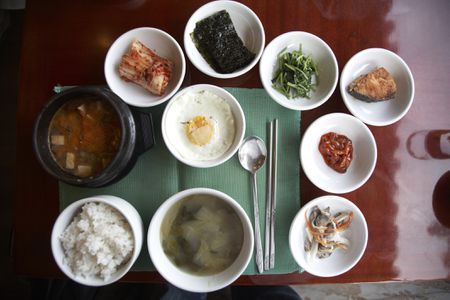
Korean breakfast

Student talking time: Students must select which breakfast they like best then interview each other, and say why. What is your favourite breakfast ? Which one do you like ?

New vocabulary:

healthy

delicious

unhealthy

colourful

high sugar

hig fat

Class Vote: Who would like which breakfast ?

Whisper run ‘n’ write: class form into three or four lines. I whisper a word or phrase to the last person, that person whispers it to the nest and so on until we come to the first person who must run and write it on the board. This practices listening, speaking and basic writing.

Lesson lead -in: Our new topic is ‘Around Town’. Let’s elicit some buildings that one would find in a town. In teams, we can do Pictionary – I’ll tell one student per team of a building, they have one minute to draw it and for their team to guess.

(hospital, school, cinema or movie theatre, park, library etc)

Book work: teaching new vocabulary, and practising.

Walk the line: Arrange six new flashcards on the floor in a line. Have two students at opposite ends. They must walk the line, saying the cards. First to finish is the winner.

Group activity: to encourage group work and to review new vocabulary, the students in small teams are given a large sheet of paper. they can design and colour their own town. Special points for the most interesting town. To inspire them I can show Google images of:

Barcelona City, Gaudi architect, Sagrada Familia Temple, spain, sunset
Hong Kong
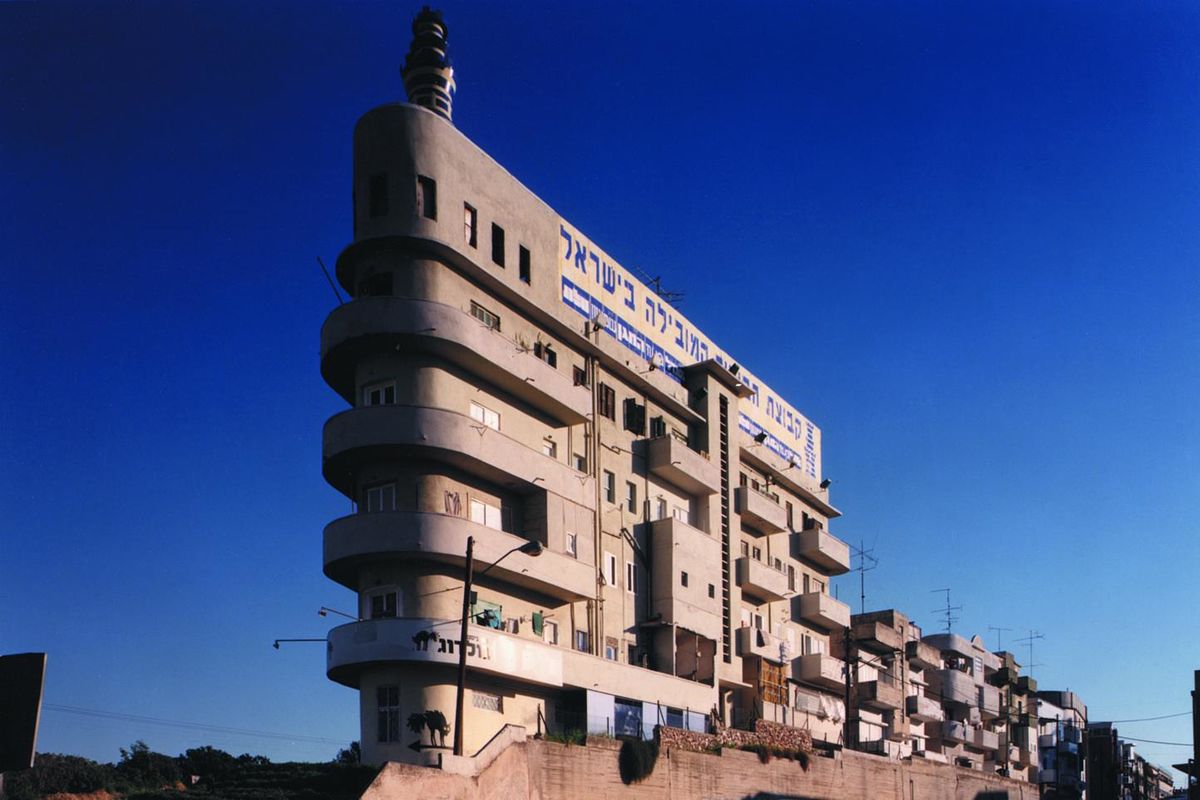
Tel Aviv, Isreal
Beijing, China