
10th May 2022

Last week I held an IELTS Speaking Test. Only one student hit 7.5 although, in fairness, I was probably on the generous side in awarding the student such an admirable score.
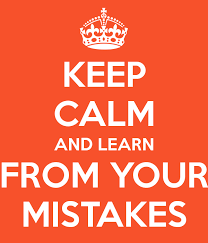
Or, to be precise, learn from their mistakes.
I can break them down into three main areas:
coherence
vocabulary
complex sentences
Kicking off with coherence; it doesn’t matter how fluent you are, unless you answer the question, you will loose marks.
The test allows us to assess your understanding of both question and task. An example: one question was
What is the most popular activity in your country ?
ASIDE: I’ve told students until I’m blue in the face, never repeat, “In (my) country,” but since when do teenage students ever actually listen ?
The question asks for ONE activity; several students talked about two or three. This is not answering the question.
Anyone who’s studied at University will know how imperative it is to follow instructions.
COMIC RELIEF: One student, from a previous test, replied that the most common activity, “In my country,” was brushing teeth, and that foreigners do this every day, but Vietnamese only do this once or twice a week. Said student had to continue for two minutes. Needless to say, there were no flying colours.
More disturbing was the lack of IELTS vocabulary. You have been told time and again what that means, and I can’t keep hitting my head against a brick wall.
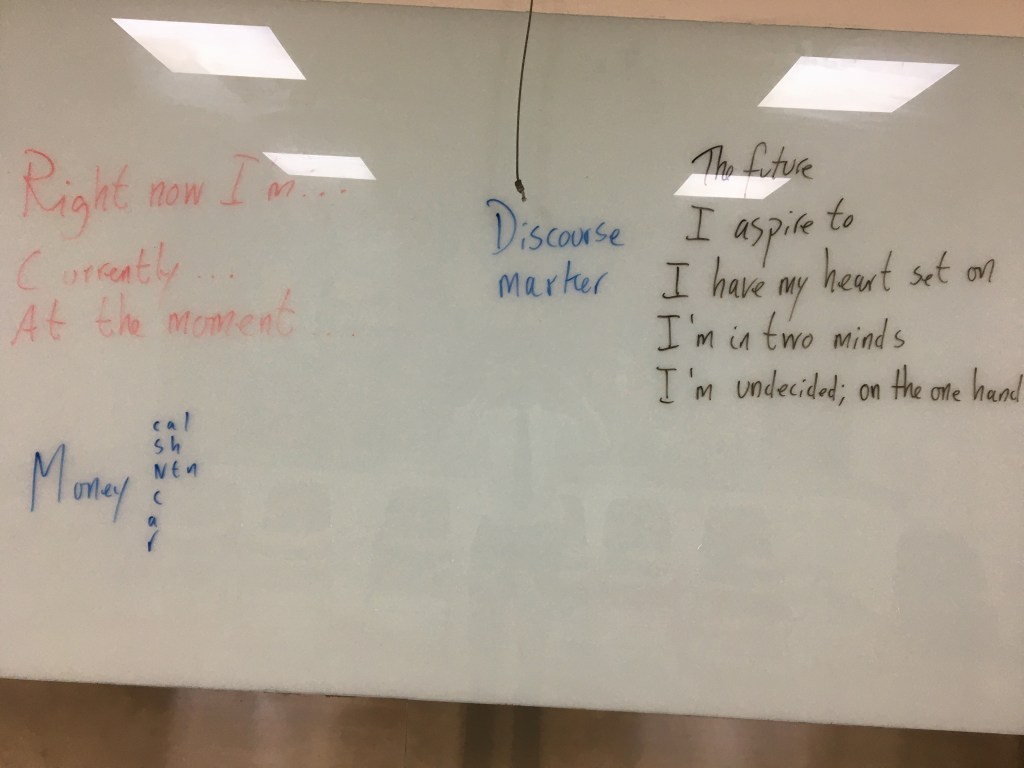
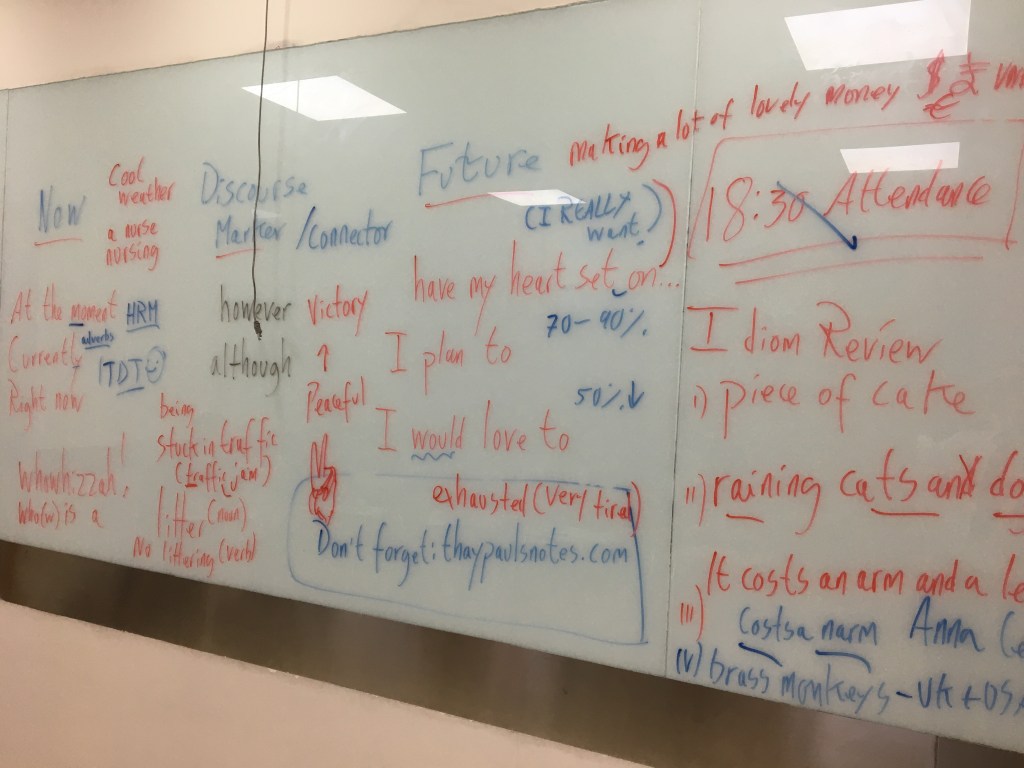
And so to work … get out your notebooks (those that actually bother bringing notebooks to class), look up previous lessons and write down:
TEN L-FWs
FIVE less common idioms
FIVE everyday expressions
TEN phrasal verbs
TEN basic collocations
I have taught you these ad infinitum. If you are struggling with this exercise, you will probably only get a 5 for the Lexical Recourses section.
Lastly, the old chestnut, complex sentences.
I had nine students, each with about ten minutes of speaking time. How many complex sentences do you think I heard ?


EXERCISES: Use at least two L-FWs, one idiom and other IELTS elements
(and if you think it’s funny to ask what I mean, after all this time, by ‘IELTS elements’, just get up and leave the class).
Speak for one minute about:
one of your cousins // your favourite gift // sports // your best memory from childhood // best films // problems in your city // typical local food.
Part Two: Critical Thinking
“Oh, teacher, I’m tired and feel lazy.”

Work in teams. Watch the following short clip about the ancient Greek king, Sisyphus:
Characters from Greek and Roman mythology permeate western culture, and references and allusions are ubiquitous.
You may watch the video again, writing down new words. There is a lot of background (in which you may encounter a character from ‘The Avengers’ movies), but the main feature starts around the 4:00 mark.
Your task is to relate this story to modern life. Choose a person you know, or something from your own experience. You may even project your thoughts about the future, once you have left education and joined the workforce.
To assist you, some pertinent L-FWs and idioms:
futile (adj) futility (noun) / absurd / pointless / meaningless / contemptable / repetitive / a metaphor
a total waste of time / flogging a dead horse
sick to the back teeth / day in, day out
cannot make a silk purse out of a sow’s ear
talking until (pronoun) blue in the face / the grind
putting an old head on young shoulders
Look up the meanings yourself. Your teacher won’t be with you to give you the answers in life. Think for yourself.

Please Note: All photos are taken from Google Images or free photo sites, and are used for educational purposes only. No copyright infringement or offense is intended. If I have used your photo or image, and you wish me to remove it, just ask. This site is not monetized, I run it on my own dollar. Thank you.



 Thay Paul's Notes