Young Learners, Level 1: Let’s get them speaking !

24th April 2019

This is the plan for my early morning class on Saturday. To set the scene, there are about 19 students, aged around 7 or 8. It’s a standard classroom; chairs with built-in desktops, and there’s not a lot of space for movement or activities. The students, therefore, are mostly confined to their seats for the two-hour session, not conducive to a productive lesson. Add to that loud students, slow students and the (seemingly obligatory) special-needs student(s), and we have a potential catastrophe … but there are ways to mitigate these issues …

Firstly, the assignment of a class captain. I choose the loudest, toughest boy and he becomes proxy teacher. Usually, they love the responsibility, while I’ve turned a problem into an asset.

Secondly, the ‘montage of attractions’, lots of different but related activities to prevent boredom as well as promoting as much participation as possible. To this end, I try to vary the lesson plan (the first hour is activities, the second, devoted to book work where I can also check students individually).

Thirdly, I really want to break the teacher – student dynamic; I want the students talking to each other in English. Sometimes I have the top students act as teacher, ‘Thay’, and address the class, but today I want everyone speaking to their partner in English. To do this, I’ve prepared a short series of questions they have to ask and answer. But first, a review about ‘what can you see ?’ and prepositions.

I’ll show this landscape and then attach various animal flashcards, asking ‘Can you see a frog ? Where is it ?’ and so on …

Now for the speaking interaction: with all speaking exercises, it’s good to model first. The questions I’ve chosen represent language they have already learnt and should be able to use. I’ll show the following questions, then drill an appropriate reply:

To prepare, I just need to stick some flashcards around the room (food, animals).

Can you see a tiger ? IF there is a tiger picture the answer is Yes, I can, if there is no picture then No, I can’t.

Do you like pizza ? / Yes, I do or No, I don’t.

What are these ? (showing flash card of toes) These are my toes.

How many marbles are there ? (showing picture of marbles) There are seven marbles.

How old are you ? / I’m …..

What can an elephant do ? An elephant can walk and swim and run.

I will then hand out a short questionnaire and, with the invaluable aid of my TA, monitor the class, making note of those who will not or are not taking part. The questions will be:

Can you see a zebra ?

Do you like cake ?

How many puzzles are there ?

How old are you ?

What can a bear do ?

When the first partner has finished, the second will have these questions:

Can you see an ant ?

Do you like rice ?

How old are you ?

How many games are there ?

What can a zebra do ?

The next activity is a ‘run ‘n’ write’. The class is split into teams and have to run to the board and write a word that has appeared in a previous lesson:

penguin / kangaroo / giraffe / science / animals / flower

We also get to review the plural form of nouns (games, marbles) plus the ‘an’ article before a vowel noun (an elephant). Next up … music time; an old favourite: https://www.youtube.com/watch?v=1vpvFx0-uyI

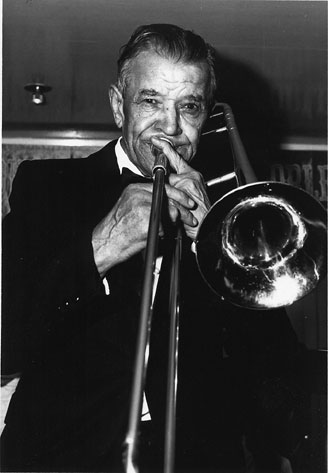
When the band… This could be used as a background to a musical statues game, but the names of the instruments will be highlighted. They then have to identify them:
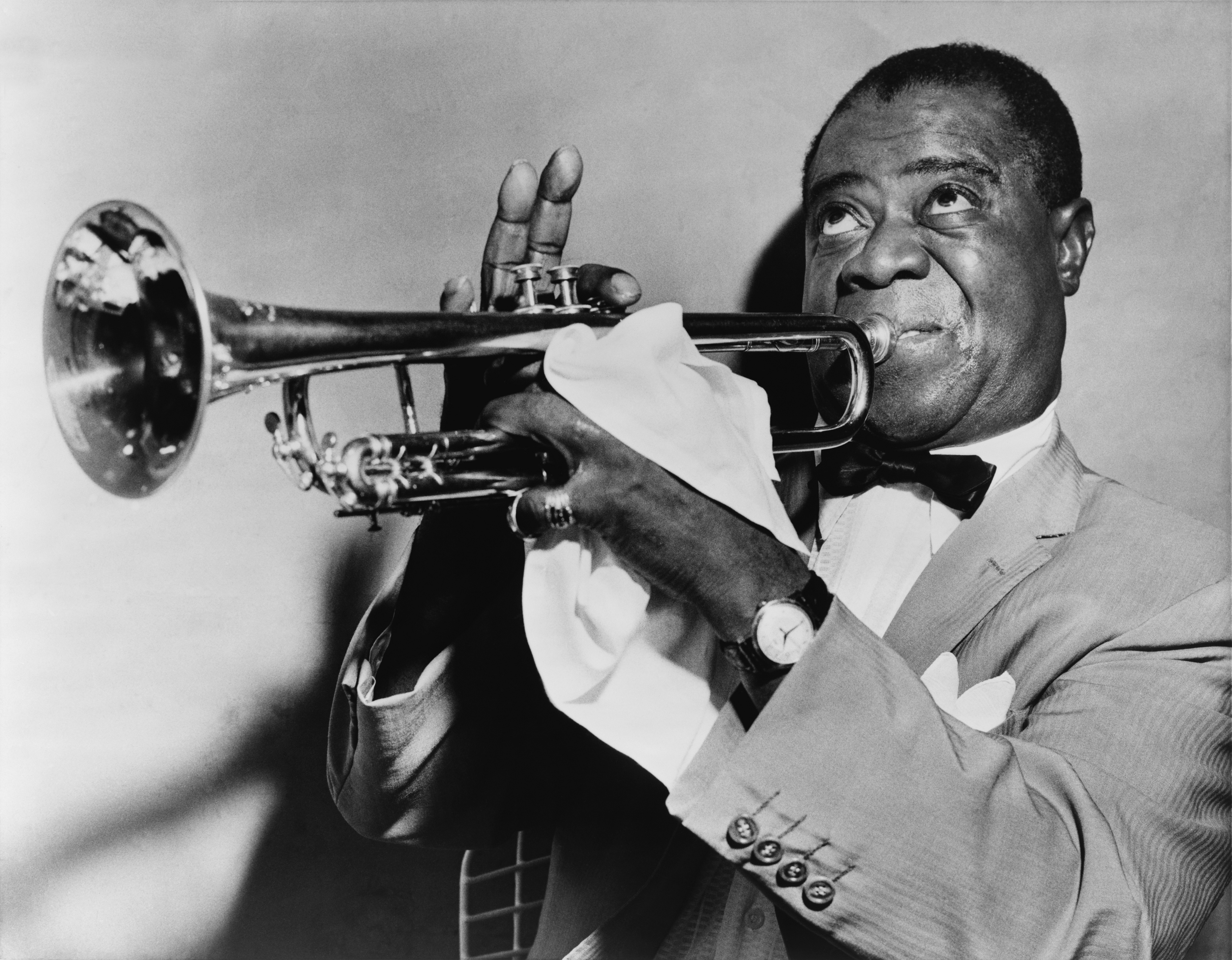
Louis ‘Satchmo’ Armstrong … the one and only.
Kid Ory on jazz trombone
Johnny Dodds on clarinet
David Carradine as Bill playing Japanese flute.

Again, Thay Student time: a top student will ask the class:

Can you play …. trumpet ? … piano ? … guitar ?

Now a miming game. I will tell a student an instrument, and they will mime playing it. The opposite team has to guess, getting points for correct answers. Any kind of game or competition can really raise energy and motivation levels.

I want to move the lesson closer towards today’s subject (science, specifically parts of the body), so will select six students, giving each a flashcard from last week’s class. Very quickly, they will show their card to the class. Then I will ask ask which student has which card, but using the verb ‘to have’, i.e. “He has toe”, “She has arm.”

Finally, and if time allows because this already could be too long (no problem with that … a plan should be overlong in case any activity falls flat and a Plan B, C & D is needed), more ‘Thay Students’. They will review questions from last week, namely:

What are these ? These are my arms

What are these ? These are my toes

What are these ? These are my fingers

But, to stop them getting too complacent, some good old British irregularities:

What are these ? These are my feet.

Adult Class, Level 3: If I make them learn, it’ll be a miracle !

22nd April 2019

Cutting it a bit fine, as this lesson begins in just over four hours. I’ve substituted this class before and, being diplomatic, they need a non-standard teaching method. Just going through the course book, expecting students to do the assigned work – to talk together in English, to practice and produce – is for the birds ! It ain’t gonna happen, brother !

What we have here is a class of teenagers … yeah … an adult class comprised solely of teenagers … to answer Bob Geldof, that is WHY I don’t like Mondays.

The answer … simply to be crazier than the students. It has the element of surprise.

Last time, after preparing thirty minutes of activities and getting no response, I sat next to the students and MADE them speak to me. I asked one boy (yes, he was still in school uniform) a question and it was a deer caught in the headlights – “He’s asking me a question … in English … and expects me to answer ?”

So, without further ado, tonight’s lesson plan which involves First conditional, future clauses, reading and speaking. On the surface, I’m dead in the water – however, I have some tricks up my sleeve ….

First activity will be something I learnt from my time with a theatre group (never more than five people but that constitutes a ‘group’). I’ll draw a red dot on the floor and get all the class to stand around it (yes, I know getting the class up from their chairs will probably take up most of the lesson). The exercise is to focus all of our energy at the spot. We start be pointing our right hand at it for eight seconds, then changing to our left hand, our right leg followed by our left. This is repeated for four seconds, two seconds and finally one second. I think it’s a fair bet that none of the students have started a lesson in that manner before.

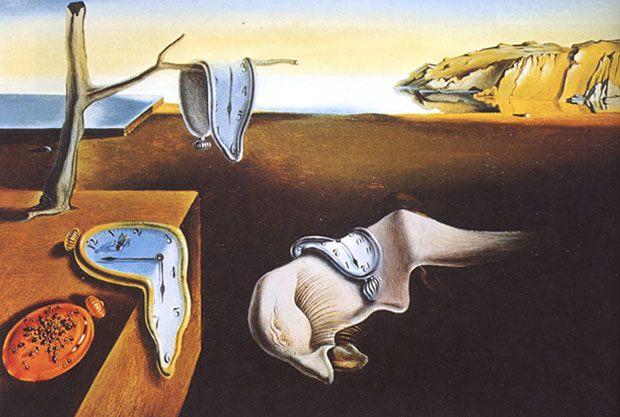
Next, I shall invoke the help of my friend Dali. I shall make the students say his name, elongating it as long as possible, while twirling my (imaginary) moustache. Then I shall show them his photo and an example of his work:

I will try to elicit, to get feedback, from the class. Last week, I covered this class and I did a lesson about personality adjectives. How would they describe Dali, just from his picture, and what do they think about his art ? I will guide them towards the subject, the colours, the background. Hopefully, it will be inspiring to at least some of the students.

Now, grammar time, First Conditional.

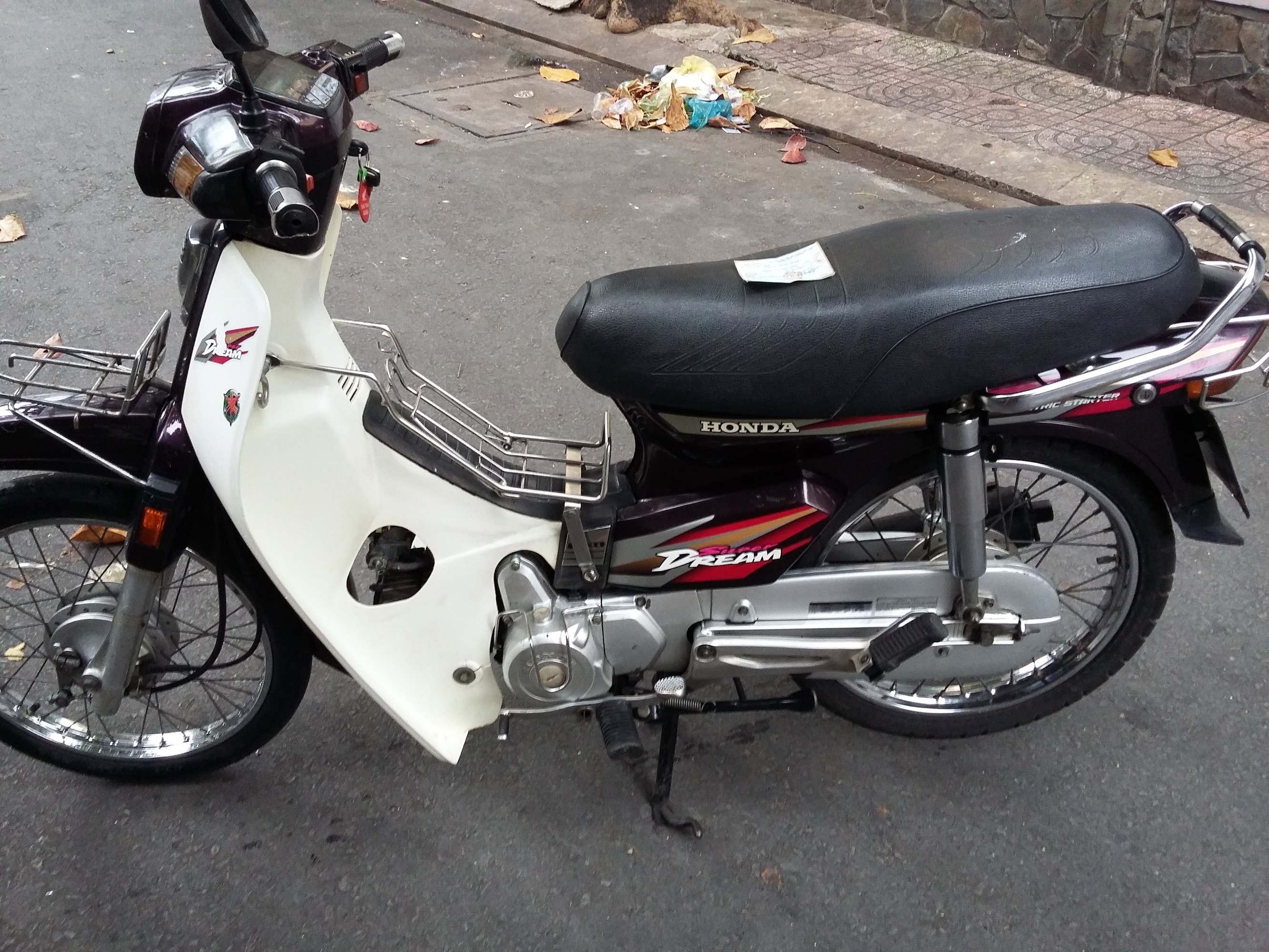
If I have 10 million VND, I will buy a Honda motorbike.

Conditional + subject + verb …… (comma) sub + will + verb …

First conditional uses present tense ( have) and will do something. It is used when something is very possible. In Vietnam, 10 million VND is not an impossible amount for a basic motorbike.

HOWEVER, If I had 100 million VND (not so likely) I would buy ….

To test comprehension, I’ll board some incorrect sentences and see if the students can change them:

If you’ll learn English you are get a good job

My mum will hit me unless I does get good grades

She won’t going to bed until he came home

If you buy an Apple X, you would be happy

After you leave the class, you would be terribly sad.

Finally, in this rather short post, some pre-teaching for the reading section.

The words are:

prodigies

controversy

determined

forbidden

outstanding

excelled

rebelled

took up

resent

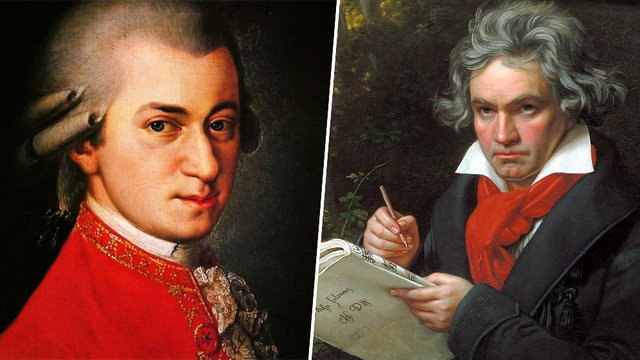
How could they apply them to the following pictures:

Both Mozart and Beethoven were incredibly gifted children. Mozart’s first composition was written when he was just five years old.

President Trump plans to build a wall between USA and Mexico. Not everyone thinks this a good idea, while some totally approve of it. It has made many people very angry.

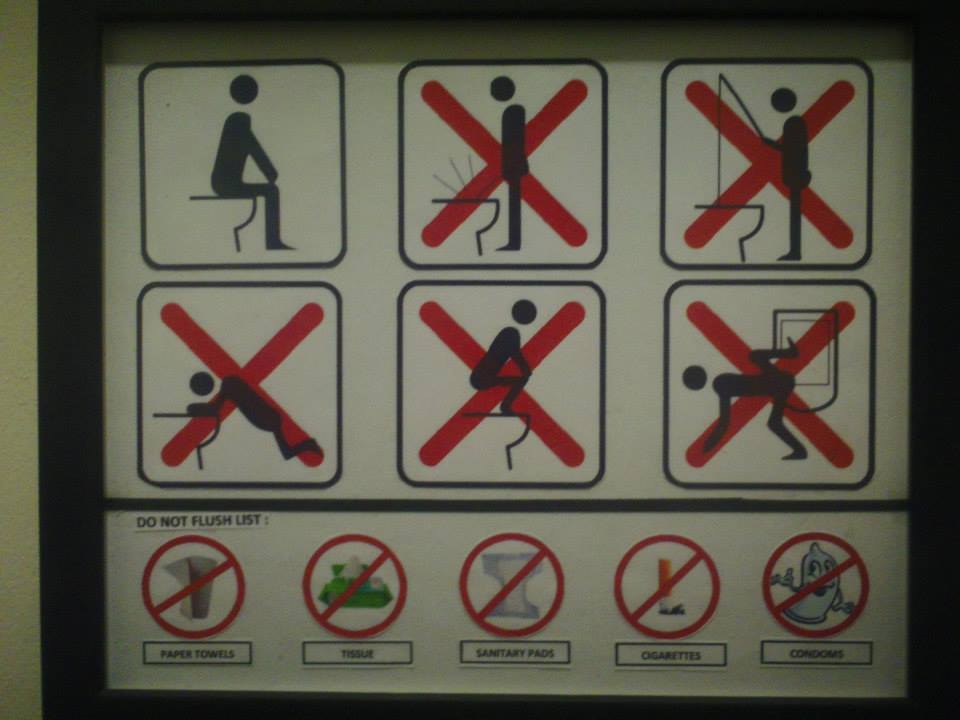
Now, how about this sign I saw in Indonesia (Yes – this is genuine, hand on heart) ?

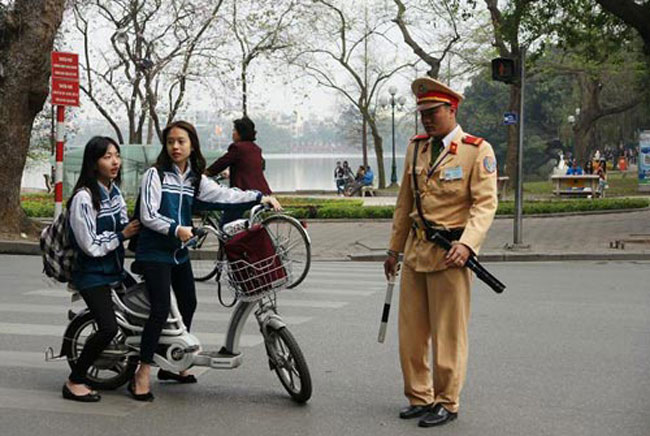
How would they describe this young lady:

And finally, what do they students understand by this picture ?

So, we shall see how my little rebels deal with the lesson. If all else fails, I can make then sit through some REAL music:

https://www.youtube.com/watch?v=egMWlD3fLJ8

Now, that’s a chopper !

IELTS Unit 6: ch – ch – ch – ch – changes

16th April 2019

Tomorrow night I’m substituting a new IELTS class which is going to be very heavy on reading. In order to offset this passive activity, I want to promote and encourage as much speaking as possible AND to make the students take notes of any new words or phrases. Apparently, note-taking is not big in Vietnam; for a teacher, it can seem that the students are expecting to be entertained. It’s quite amazing the amount of students who attend class without notebooks, writing implements or the motivation to open their mouths and practice the language they are paying to learn.

Therefore, I have to make it clear at the outset what I expect them to do if THEY expect to get a good grade. Taking a photo of the board is not good enough, they need to physically write and practice the new vocabulary. Wether I am successful is another matter (for another blog).

And so, without further ado, tomorrow’s plan.

The theme is about changing lives, making decisions, trying something new. Consequently, I’ll play three songs which feature a change of one description or other. Let’s start with the song alluded to in the title, ‘Changes’ by the British legend David Bowie:

https://www.youtube.com/watch?v=LCgzX7vwlFk

David Bowie in the early 1970s … going through many changes

Next we have USA Soul-singer, Otis Redding. He sings about a life-changing move: https://www.youtube.com/watch?v=ISxskvJ9FwI

Otis Redding who left his home in Georgia …..

Finally the use of change in a more abstract way, a mental activity. If someone makes a decision then has a different view, we say they ‘change their mind’. That is the subject of our last song, ‘Baby, Don’t Change your Mind’ by Gladys Knight & the Pips: https://www.youtube.com/watch?v=6IjDftWaXpA

Gladys Knight

The first task is to identify the type of change mentioned in the song then subsequently moving on to a second task; what do they think of the music ?

This will involve forming opinions, and using special vocabulary pertaining to music. To begin with, the students have been given several opportunities to practise these:

In my opinion

For me

I feel that

From my point of view

Then some new phrases to express like or dislike:

I really love it / I quite like it / I’m crazy about it

I can take it or leave it / I don’t mind it

I’m quite keen on it / I’m not so keen on it

I’m into it / I’m not really into it / I’m not into it at all !

I can’t stand it / It’s excruciating / I can’t bear it

It’s not my cup of tea / It’s right up my street

Now vocabulary pertaining to the actual music:

melodic / tuneless

catchy / boring

repetitive / interesting

rhythmic / great beat /

uplifting / depressing / melancholic

The students will have to move around the room (always a challenge as most students are glued to their seats for the whole three-hours and simply will not move) and interview each other. It’s my job to get them to elucidate and expand their answers, to illustrate that a basic, ‘I like it’, isn’t what is expected from an IELTS student … and isn’t going to be accepted by THIS teacher.

Thereafter, I want to move from music to cinema. I’m going to show some stills of Asian films and let the students work together to create possible scenarios. As always, I’ll model one example. This is from one of my favourite directors, Hong Kong’s Wong Kar-wai, and the film in 1994s ‘Chungking Express’.

Brigitte Lin

This still doesn’t give much information … but it has some. The figure wears a long trench-coat as worn by detectives or private eyes in US crime films). Her blonde hair is a wig and she wears sunglasses … at night. What does that suggest ?

Furthermore, the scene is well-lit by the store; what area of Asia could this be, where there is so much light, neon, brightness and excitement ?

In answer, the film is set in Hong Kong. The lady is organising some smuggling. If it works, she will make a lot of money. If it fails, her life is certainly in severe danger. Whatever happens, this night will change her life.

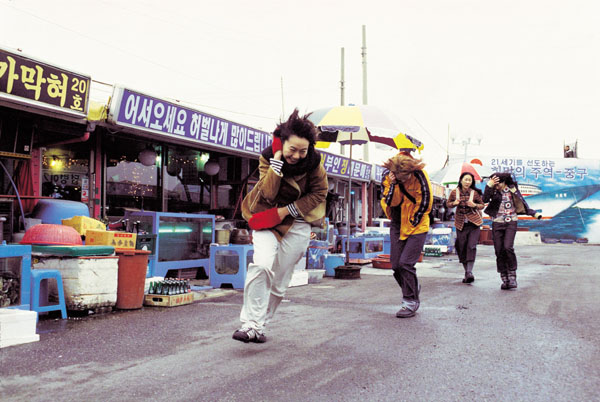
Now, the students have to look at these stills:


Where is this film set ? What could be the life-changing situation ? For a clue, consider the ages of two of the characters. On the other hand:

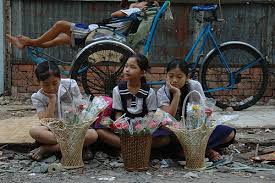
Take Care of my Cat

Where is this set ? (the signs give a clue). This is a film about five young ladies who have just left school. What changes are they facing ? Finally, a film closer to home:

The Owl and the Sparrow

The students will probably recognise the setting and the situation. How do they read the body language of the actors ? What could change ? How are the girls in this situation in the first place ?

After this, it’s time to hit the books.

To make reading more of an active activity, the students can work in pairs. One will read one paragraph, then relate the information to their partner. This is then repeated with the second partner reading then relating. Thus they practice reading, speaking and listening.

Furthermore, they can try to rephrase some lines, a useful ability to have in an IELTS test.

To end, we could show some clips of films, then pause and ask the students what they think will happen next, and to describe what they see in the shot. This helps develop the use of adjectives and discourse markers. And who knows … maybe they will change their habits and actually get up from their chairs.

IELTS Revisited

10th April 2019

I’m now taking my second IELTS class, and the great thing is that I’ve already made lesson plans. Additionally, my class is much smaller – seven students as opposed to 17 – and they seem slightly more motivated and animated.

But there is still room for improvement … and I’m referring here to myself, as a teacher. My centre tries to promote as much student talking-time as possible, ideally aiming for as high as 80% student conversation … ideally. In reality, the teacher has to face a number of obstacles. I’ll save those for another, more general blog, as I want to dedicate this post to extra work, and tips to get the students talking.

First up, I need to make the students take notes (Vietnamese are not in the habit of doing this, as my centre manager explained). Instead, they will often just take a photo of the board. Secondly, once the student has sat down, they generally will not move until it is time to leave … three hours later.

I will now insist that they take out and use notebooks, the rationale being that the active process of writing will help them remember the words or phrases much better than taking a photo (which they may never look at) or relying on their memory.

Likewise, I will strongly recommend that instead of sitting and talking with the same person all class, they get up and move around, practice with different people (“But teacher, I am tired, I am lazy,” – I have actually heard these from people half my age ).

Now, without further ado, some extra work.

In Lesson Two, I started off with some compound nouns, based upon shopping. This was a way to introduce new vocabulary as well as filling time while late students arrive.

My manager suggested that this could be developed into a speaking exercise. For example, using the compound nouns ‘bulk shopping’, ‘window shopping’, ‘binge shopping’, ‘impulse shopping’ and ‘dumpster diving’, make a presentation with questions:

Have you ever made an impulse purchase ?

How often do you go window shopping ?

Do you ever buy in bulk ?

Is dumpster diving popular in Viet Nam ?

Then, what are the pros and cons of:

Typical street market … but is the fruit safe ?
District 7 shopping mall: food courts, cinema, shops and stalls.
Souvenir store in District 1. Are the prices fixed or does it depend on how rich the buyer looks ?

Basically, get the students speaking as much as possible. To help them develop longer, more complex sentences, I’ve given them sheets of discourse markers, and each week we focus on one type and select three words. For example, last week was ‘addition’; instead of saying ‘and’, they could use ‘additionally’, ‘furthermore’, or ‘moreover.’

This gets practiced when they have to link two basic sentences:

I like coffee. I like tea.

They could be linked by a simple ‘and’, but try using new discourse markers.

Sentences can be built up by using adjectives, adverbs, discourse markers, and by the use of clauses. This will entail relative pronouns … but that is for another lesson. The students have two months and hopefully they will see improvements after every lesson.

Young Learners, Level 1: It’s all happening at the zoo.

9th April for 13th April 2019 E Up 1

I’m getting a head start on my weekend class planning, and here’s the projected plan for my early morning class of nineteen young learners (13th April). It’s a mixed bag; I have some ideal students, some good but hyper-active students, some ultra-shy students, some recalcitrant students, some who are learning nothing, some who want to learn nothing, and some special-needs students. Thankfully my TA is amazing, but we both end up with vocal chords ripped to shreds, and questioning the meaning of life, or at least the meaning of doing this job. And after, we have two other classes.

One technique is to use one student as class captain, usually the meanest and noisiest. The responsibility can make that student an asset in the un-winable war on noise. I also have recourse to employ John Bercow, Speaker of the House in the UK Parliament for assistance:

https://www.youtube.com/watch?v=H4v7wddN-Wg

John Bercow has it easy; he only has to control 650 politicians. I have 19 Vietnamese kids … no contest.

And so, without further ado, the plan (and the best laid plans of mice and men …)

In small teams, the students have to write the name of an animal that can fly, one that can swim, then jump, then hiss. This will help review names of animals and give writing and spelling practice.

For this, we pass out small, wipeable boards and marker pens. We also make sure that a different team member writes each time. I know some students will NOT participate, so I will make a note of their names and pass the information onto to Student Support.

Following this, I want to see if the students can use the prepositions ‘on, in, under’. We have 14 flashcards of animals. I’ll ask one student per team to put a flashcard in a certain place e.g. ‘Put the elephant on the board’, or ‘Put the turtle in the bag.’

After I have given one or two instructions, I’ll use the best students to act as ‘thay’ and they can continue giving instructions.

I also want to revise ‘Do you like ?’ and the response, ‘Yes, I do’, or ‘No, I don’t.’ In pairs, the students can ask each other this question, relating to various flashcards that I hand them. Again, I’m sure some students will refuse to open their mouths, and again, their names will be taken. Hopefully, once the parents are informed, the students will start to work in the class.

Next it’s back to old-school grammar drill, and we’re still on the verb ‘to have’. I’ll choose four students and hand them an animal flashcard. I shall model first:

I have a tiger, you have a monkey, he has a turtle, she has a lion.

The students repeat the pattern, while the cards get changed. This helps them learn animal names and the subject-verb agreement.

Finally, before the book work, a chance to practice ‘Can you see .. ?’

I shall model one question: Can you see the rhino ? Where is it ?

After, the students can come up and ask. I’m looking for the students to answer in sentences with correct prepositions.

Then we hit the books and do a project. Fast-finishers can do a work sheet learning new vocabulary and doing a word search. This gives me a chance to hear as many of the students as possible read a few lines from their work books and assess how they are improving, or otherwise.

This weekend, I have a break until 13.00 … and no doubt I shall need it.

Adult Class Level 3: Sharks and dragons

18th March 2019

Tomorrow night I’m substituting this adult class. I’ve taught them before, so most of the faces should be familiar. I’m not sure they will be over the Moon to see me again; maybe their hearts will sink. So, as a warm up, while students turn up and get settled, a quick review of new and recent expressions. I’ll board five expressions and let the students match with the meaning:

  1. over the moon
  2. complete waste of time
  3. lose your temper
  4. must be a nightmare
  5. my heart sank

Now they have to match with these:

a. A terrible situation or experience

b. to be totally happy

c. to be totally disappointed

d. to become very angry

e. doing something but it produces nothing; it is useless and pointless.

Now practice – which expression would you use here:

He lives above a shop that has open-air karaoke every night.

She got 95% in her test and is incredibly happy.

John was nearly hit by a motorcycle; he was furious.

When the students saw Thay Paul, they were unhappy and disappointed.

Trying to teach physics to dogs is not going to do any good !

Who doesn’t like a cute dog picture ?

Next up, a review of a previous lesson: how to complain. First, I’ll show a short clip: https://www.youtube.com/watch?v=dF41XxbFbr8

I’ll ask the students what the woman is complaining about

(Answer in blue after the next paragraphs)

This is also a good chance for the students to hear other accents; the clip is from USA, so the voices will be different to my British. Furthermore, this can promote some new vocabulary.

Is the lady being reasonable or unreasonable ?

Does she have a fair point ?

Is she right to complain ?

How would the students feel if this happened to them ?

(the woman is complaining about some Asians speaking Korean in a USA coffee shop).

What would you do ?

The food in a restaurant is cold and not properly cooked

A new smart phone doesn’t work properly

A hotel room is not as good as expected

A neighbour is having a loud party with karaoke … and it is 11.30pm on a Monday.

Following this, I’ll move onto the book work but with a difference. I’ve noticed how many students’ hearts sink when they have to open their books. After a conversation with a colleague, I hit upon an idea: I will do the book work, but as an activity or game. For example, the first exercise is pronunciation. How to pronounce ten words with correct stress and intonation. Instead of the students working from the book, I’ll say each word three different ways. In small teams, the students must then decide the correct version and say it. By saying it as a group or class, it prevent people from becoming embarrassed. The words include ‘experience’, ‘qualifications’ and ‘apply.’

Another book exercise involved writing questions about someone’s job. I’ll turn this into a questionnaire, students having to get up and ask each other questions. This involves speaking, listening and writing (& reading the questions) so it exercises many skills, as well as getting the students up from their seats (hopefully) and moving around.

This is basically one third of the book work covered without opening the book. But then, we have to finally take out the bad boy, open it up and start reading. Tonight’s reading is quite a chuck of text; the subject is asking rich business people to invest in a new idea. There is a show in the UK called ‘Dragon’s Den’, which features this concept, and apparently the US version is called ‘Shark Tank.’ What do these names suggest ? Into the dragon’s den is a British expression for going into or doing something unpleasant or dangerous.

As with any reading, the teacher must go through the text first and look for any problem words, or highlight useful, everyday expressions. These are then pre-taught.

Still, looking at a page of text can be daunting for a student, especially after a long working day. One way to break it down, is for students to work in pairs. One reads the first paragraph, then paraphrases it to the other. The process is then switched. However, the students may just prefer to read alone.

The last part of the lesson is speaking. Students are given some time to think up an invention of their own (they are given guides, for example, a new type of gadget, or food, or phone app. The point here is to get the students talking, learning how to ‘pitch’, what kind of language and presentation skills are needed. As a quick break, I can show some examples of people pitching ideas … but things don’t go to plan:

https://www.youtube.com/watch?v=aYSSYm0b2wk

The last section of the lesson is for winding down, some games, some general speaking, some general questions. And, who knows … maybe some will leave with better English and a great business idea.

Please Note: All photos are taken from Google Images or free photo sites, and are used for educational purposes only. No copyright infringement or offense is intended. If I have used your photo or image, and you wish me to remove it, just ask. This site is not monetized, I run it on my own dollar. Thank you.

Young Learners: Level 1, lesson 5: Parklife !

13th March for 16th March 2019 E Up 1

These are the notes for my new Level 1 class, early Saturday morning (16th March)

A clip from the ‘Parklife’ video by British band Blur. This shows a typical ice-cream van and terraced houses so common in the UK.

For this lesson, I’d like to try something ‘new’, an idea to really drill grammar at an early age so that it, hopefully, sticks and stays with the students. So first, the lesson objectives:

Theme: parks and nature vocabulary.

What can you see ? I see a flower (singular) I see flowers (plural)

Grammar: the verb ‘to have’

Warm up: Students normally arrive up to fifteen minutes late, so the first ten minutes of a lesson are spent on simple activities that will not be affected by the constant interruptions. At this level, two easy games are ‘Teacher says’ and ‘Musical Statues’.

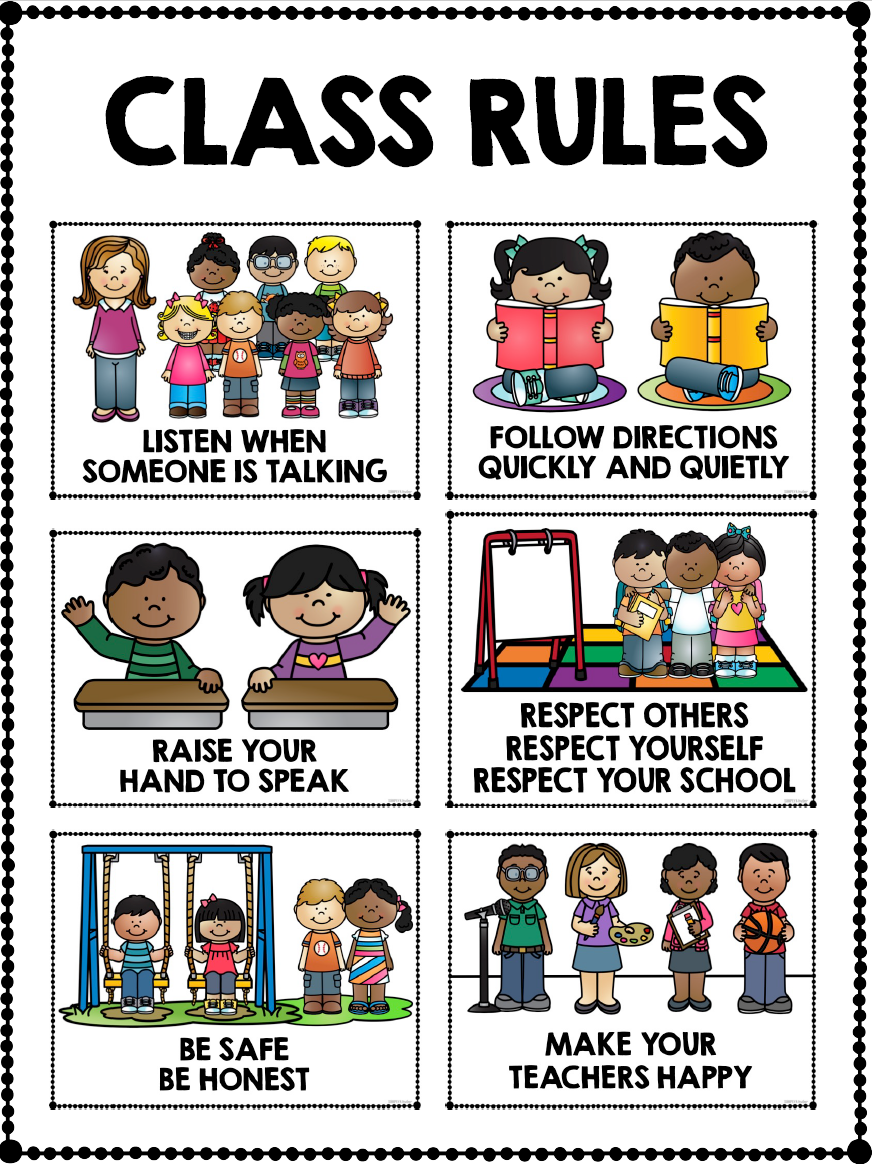
Class rules: This is my first time with these students, and I need to make a balance between a happy learning environment and a controlled working classroom. Easier said than done ! My experience in Vietnam tells me that this is a long-term goal. That notwithstanding, some basic rules, which the students will hear and repeat are:

English only

No fighting

Listen to teacher and to others when they speak

Raise your hand if you want to speak, leave the room, drink water

Sit nicely in your chair

No shouting

Revision games: After the rules, I’ll do some games with the purpose of reinforcing vocabulary from previous lessons. They have learnt some food words, and to say ‘I like’ or ‘I don’t like.’ I’ll put some flash cards of food around the room, ask for two students, then make them search for a certain card e.g.

“Where is … chicken ?”

They must find the card, then bring it to me, saying:

“Here you are,” to which I reply, “Thank you.”

One activity I like is to make the students ask each other questions in English. Thus, a student can hold up a card and ask, “What is it ?” (Normally the students, who shout their sweet little heads off in Vietnamese, can only manage a hint of a whisper in English). The answer has to be in the form of “It’s a …” and not just the single noun word shouted out, so “It’s a fish,” and not just “Fish !”

The students have to place the card on the whiteboard in one of two columns, either ‘I like it’ or ‘I don’t like it,’ then say it out loud. As you can see, making the students speak in English as much as possible is the aim.

I then need to asses their command of the alphabet. I expect that most will not be able to recite the whole ABC, so we’ll have a run and write game. Depending on the class size, I’ll have two or three teams running to the board and writing a different letter. For example Team one will write ‘A’, Team two ‘B’, Team three ‘C’, then Team one write ‘D’ and so on. this should be a fast game, and every member of the class will have to take part at least once. And then, onto grammar.

Over the decades, English teaching has moved away from grammar-based learning (conjugating verbs ad nauseam) to minimal grammar and more speaking. I’ve noticed that so many students, even after studying for years, STILL make basic mistakes with grammar. Therefore, I’m going old school:

With the TAs help, I’ll drill the verb ‘to have’:

I have
you have
he has
she has
we have
they have

Tôi có / bạn có /  anh ấy có /  Cô bé có  /
chúng ta có / họ có

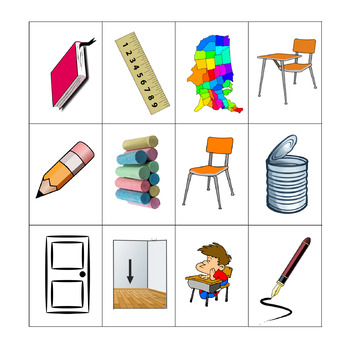
The verb ‘to have’ is one of the most useful, and after the drilling, we will put it into practice. The class have learnt (and hopefully remembered) some classroom items (ruler, pen, pencil, etc). I’ll give cards to some students and they must say, “I have a ruler, you have a pen.” After, I’ll ask some students to the front. They will hold cards and I will ask, “What does he have ?” and I will drill and repeat until the class is comfortable with “He has a …’ or ‘She has a ….”

The TA here will need to translate the verb ‘does’ as they may not have learnt it. However, by repeating the verb in a short simple question, they should acquire the meaning.

Then onto the book work. There are six words to learn:

flower, tree, rock, river, lake and hill.

After the students have seen the flash cards and repeated them, we need to see if they can name them correctly. After the drilling, a kinetic activity is a good idea, to get them up from their chairs and be lively. Team games are always good. Here, I can board the six flash cards and students have to throw a sticky ball and try to hit the picture. To make it more of a learning experience, the opposing team has to say what picture to hit. Thus, the students are speaking to each other, repeating the key vocabulary and acquiring new verbs (throw, aim) and expressions (well done, bad luck, excellent).

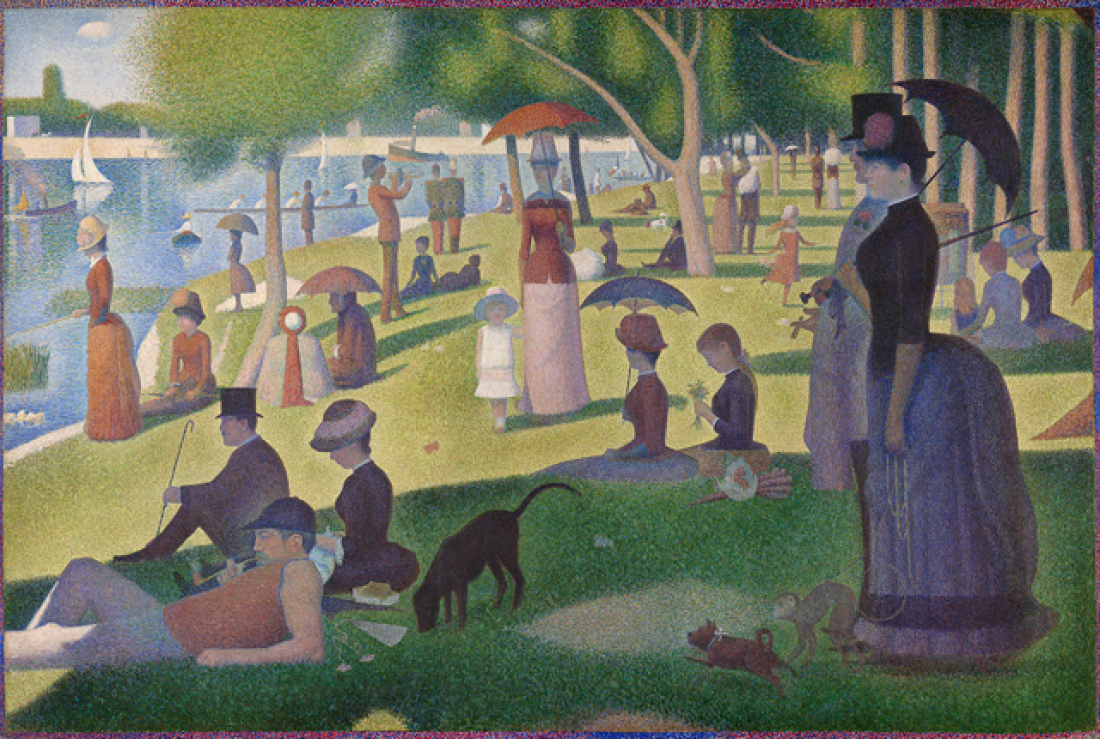
Now it’s the lesson and some culture. Our theme is ‘The Park’ and here is a very famous painting:

‘A Sunday on La Grande Jatte’ by Georges Seurat 1884

We can use this to illustrate plurals. In the painting there are two dogs. I will then stress the key question in this lesson:

What can you see ?

I see a monkey. I see dogs or even I see two dogs. How many boats, how many umbrellas, how many trees, how many lakes ?

And then, as in days of yore, back to grammar and conjugating the verb ‘to have’.

This could be seen as old-fashioned, will probably be seen as boring but, if it works, if students automatically say the correct verb, it will be worth it. We shall see.

Kindergarten Surfin’ Safari level 1: What is it ?

9th March for 10th March 2019 Safari 1

This is the lesson plan for the Sunday morning class, 10th March.

Lesson seek to teach new vocabulary and pronunciation, while also revising and practising various words from previous classes. Today’s focus is on basic sentence construction, asking and answering: ‘What is it ?’ It’s a ….’


What is it?
Cái gì đó? It’s a đó là ….

Last week, the students learnt some new animals, and that lesson can be found here:

https://thaypaulsnotes.com/2019/03/02/kindergartensurfin-safari-level-1/

We want to get the students speaking as much as possible, and to each other, not just the teacher – student dynamic. So, to kick off, the students will greet each other, saying, “Hello, I’m …. ” I shall first model this with my TAs, so the students can hear and then copy.

Then, to reinforce last week’s drill, we have an ABC song:

https://www.youtube.com/watch?v=75p-N9YKqNo

This is a different version to last week, and can be used to drill both the alphabet and different colours.

Then we have a ‘Teacher says’ game, which helps the students with listening skills, and being able to respond to instructions. The commands are based on previously-learnt directions such as ‘sit down’, ‘stand up’, ‘clap’, then I will introduce ‘click your fingers.’ I can demonstrate how, and introduce the word ‘thumb.’ Then we can imitate various animals. After this active game, we move into the target language.

I’ll put some picture cards on the board, basic objects that the children already know (book, ball, car, doll, chair) and ask ‘What is it ?’ Here, I will just get a single word answer (the noun), but I want the answer in the form of a question. Therefore, I will drill ‘It’s a ..’ This takes time, weeks, not minutes, but eventually it becomes natural. Parents can really help the students at home by copying this exercise and insisting on the answer being framed ‘It’s a …’ (of course, some nouns require ‘an’ not ‘a’ but Rome wasn’t built in a day !)

Then, to make it a game, two students have to run to the board and hit the appropriate card. After, they take the card and become ‘thay’ (teacher). They hold the card in front of them and ask the class, ‘What is it ?’ Now, many students at this age are very shy speaking English, so they get a lot of encouragement and praise.

Apart from the new vocabulary learnt from the books, students absorb so much from what the teachers say. Using this I, along with my magnificent TAs, repeat words and expressions designed to increase their vocabulary; excellent, well done, good job, the basic adverb ‘very.’ To get the students used to taking turns, I will point to a pair and say, ‘First John and Anna, then Bella and Tommy.’

Moving on, I want to get the class comfortable with the alphabet, letter order, pronunciation and an introduction to writing. Today I’ll highlight the letter ‘B’. They already know bag, ball, book and the colour blue. The students can share a mini writing board and practice writing the words. Next up, we need a more kinetic activity.

I teach basic prepositions (on, in, under) by a chant with actions and an easy clap pattern. We shall chant and then practice. I’ll put two chairs and a basket in front and ask the students, in pairs, to put a ball either on, in or under one of the aforementioned objects. The chairs will be of different colours, so it’s great to see how they are able to differentiate between them. All the time, I make the students says what is happening. When they are comfortable with the game, the students themselves can take turns giving instructions.

Today’s new vocabulary is related to the main topic of animals and pets. The four new verbs will be jump, walk, fly, swim. To change the pace of the lesson, I’ll show a quick video:

https://www.youtube.com/watch?v=hsEry8hGFiQ

This video is aimed at older children as the vocabulary is quite sophisticated, but I will be able to use the word ‘high’ and start to use superlatives (highest).

We can mime this actions, and match them to animals, until the students are comfortable with them. Later in the lesson, we shall revisit them to help the students retain the verbs.

And so, to the books, a mixture of listening, following instructions, colouring and pointing to the correct noun.

We will be near the end of the lesson so we want to finish with some fun activities. In a circle, the students will be grouped into rabbits, cats, birds or fish. When I say rabbits, the students in that group must stand up and jump; with birds fly, and so on.

To really drill ‘What is it ?’ the final game will be a student holding a picture card or flash card and asking the name. The answer must be in the form of ‘It’s a ….’

Finally, we say goodbye, see you next week. High fives and goodbyes.

IELTS: Final review

5th March 2019

Before the final speaking test, I’ve prepared a list of some useful vocabulary and expressions that will come in very useful. Furthermore, in response to one of my students, I’ve included an exercise on relative pronouns.

Useful words and expressions

Adjectives

absent-minded / eye-catching / mouth-watering / second-hand

ubiquitous / sky-high / visually stunning / spectacular / 

Adverbs

quite / rather / somewhat

considerably / significantly / remarkably / undeniably 

Discourse Markers 

Additionally / as well as / furthermore / moreover

Therefore / consequently

On the other hand / having said that / although / despite 

Expressions / chunking phrases

At the end of the day / Am I pronouncing that correctly ?

Turn a blind ear / it fell on deaf ears

Friends and family / According to …

Same thing, day in, day out / You get what you pay for / a waste of money

Like / Dislike

Like: I absolutely love … / I’m crazy about … / I (really) like / I’m into / I’m a big fan of …/ I’m quite keen on / I haven’t heard (seen/read) this before, but I think it’s great

No strong opinion: I don’t mind / I have mixed feelings about … / It’s OK I don’t really have any strong views (feelings) either way

Dislike:   I hate / I detest / I can’t stand / I don’t really like / I think it’s awful / I’m not a big fan of … / I’m not that keen on …

To buy time

That’s a good / an interesting question

Let me think …

Well, I would say …

How can I put it … ?

Sentence building

Use adjectives to describe nouns

adverbs to describe adjectives and verbs – give more information

opinion phrases: In my opinion / it seems to me / I feel

linking words to connect positive to positive or positive to negative

reasons why an action is being done

I like coffee

I like coffee so much because it tastes great and makes me wake up although too much will stop me from sleeping at night but, in my opinion, the benefits far out weigh the disadvantages.

Using Relative Clauses

who For people: This is the man whosold me the fake Rolex ! 

which For things: We tried fish and chips which is delicious.

where For places: Let’s go to the shop where we saw the great bargains.

Whose Possessive: That’s the singer whose record we heard last night.

The car, whose driver was young, won the race.

Exercises

We arrived at a nice beach ______ we could swim and lie in the sun.

A man ______ mobile phone was ringing did not know what to do.

The patient, ______ had a serious disease, was taken to hospital immediately.

Smithsfield is a small village ______ people live a quiet life.

A boy ____ sister is in my class was in the bank at that time.

I know a person ____ can speak seven languages.

We visited the church _____ is in the middle of the square.

It is a protected area of land _____ you can see a lot of interesting wildlife.

This dress is made of silk, _____ is a very expensive and delicate material.

A police officer _____ car was parked at the next corner stopped and arrested them.

Listening Websites: A list with links can be found on this page:

https://thaypaulsnotes.com/2019/01/23/listening-skills-tips-and-links/

Good luck with your tests

https://thaypaulsnotes.com/2019/01/23/listening-skills-tips-and-links/

Adult Class Level 1: Waiting for Frodo.

5th March 2019

Tomorrow night is the last of the four-week series of lessons with one of my favourite classes. Next week they have a test, so a lot of the lesson will be taken up with review work, some reading and grammar. Very important, but can be a tad dry. I want to get the students speaking English as much as possible yet this, I regret to say, can sometimes be a challenge.

I’ll write another blog specifically about the issues I’ve faced trying to motivate my Vietnamese students but, for now, the lesson plan.

The main theme is the actor Sir Ian McKellen. Immediately, we have two interesting points about his name, namely, what does ‘Sir’ mean and why is his name spelt ‘McK …’ ?

‘Sir’ (‘Dame’ for a lady) is an award given by the Monarch (king or queen) for services to the country. It replaces ‘Mr’ so instead of Mr McKellen, he is now called Sir Ian. The ceremony can be viewed here (Ringo Starr of The Beatles is being knighted by Prince William):

https://www.youtube.com/watch?v=JeqYxSVziyI

As for the ‘McK’, Mc is Gaelic (Irish & Scottish) for Mac or son of. Therefore McKellen means ‘son of Kellen’.

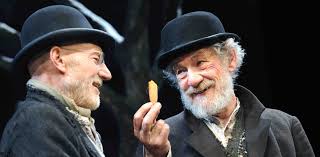
Sir Ian has had a long and distinguished career, in both theatre and film. I was lucky enough to see him on stage in London in a play by the Irish playwright Samuel Beckett, ‘Waiting for Godot’, but he is surely more famous, worldwide, for being in some Hollywood blockbusters.

Sir Ian Mckellen, with Sir Patrick Stewart, in ‘Waiting For Godot’.

So first, to warm up, a word bomb game. I’ll board the word ‘cinema’ and see how many words, phrases and names can be elicited from the class.

Then we’ll move into a quick Present Perfect review. I’ll write:

I have see many films.

What is the error here ? What would be the contraction of ‘I have’ ? How would the negative be formed ? How could this be turned into a question ?

The present perfect is formed by subject + have or has + past participle (verb 3). Thus, I have seen, not ‘see’. The contraction is ‘I’ve’, the negative becomes ‘I haven’t seen ‘ while the question form is ‘Have you seen ?’ After this modelling, A few exercises for the students.

I have (meet) Sir Ian

You have (read) ‘Lord of the Rings.’

We have (study) a lot of expressions

She has (go) to the cinema many times.

The students have to give the three forms of these short sentences. Now we’ll turn to Sir Ian. Some students may recognise his face, but I’m sure all of them will know him from at least one of these films: This clip is nearly ten-minutes long, so I’ll just show the top two films, the ‘X-Men’ and ‘The Lord of the Rings’ (7:19 – end).

https://www.youtube.com/watch?v=adpztzTMcPk

I like using ‘real-life’ videos, as they are great for hearing English being used naturally. The problems in listening can be offset by the benefits in learning new expressions, and many videos actually have subtitles. I often play a short excerpt from a video several times, breaking it down so the students start to recognise the patterns, then practice among themselves.

In the whole clip, I would highlight the following expressions:

We’re counting down

There’s a lot to choose from

Divide(s) opinion

A great opportunity

Stole the film

Then, to practise, match them with these sentences:

Some people love Justin Bieber, some people hate him. He ……..

What food shall we order, ……………

The test is in five days, ……..

Brad Pitt was so good he …………

Going to Australia will be a ……………. to learn more English.

At this point, the book work can commence. They’ll learn about Sir Ian, and read a short interview with him. Questions fall into six categories and he gives succinct answers to each. So now it’s the turn of the students to get up from their chairs (they always need motivating to do that despite my continual promulgations that moving around will create energy and lessen the boredom of a three-hour lesson), speak with different people and practice English. It generally falls on deaf ears. A teacher needs to be patient; it’s part of the job.

The questions will be based on but amended from the interview they have just read:

What Kind of music do you like ?

Can you name any plays by Shakespeare ?

What time do you usually get up ?

How do you relax ?

Can you play a musical instrument ?

What skill(s) would you like to acquire ?

What is the best thing about HCM City ?

What is the best book you’ve read OR the best film you’ve seen ?

One of my favourite films: ‘Chungking Express’, a Hong Kong movie from 1994.

There is a lot of book work tonight, so it’s good to break it up with some games or a complete change of pace. I used this still last night in my IELTS class, where it met with a pretty luke-warm reception. I showed them how to ‘read’ a picture. First, ask what the students think is happening in this shot. What do the characters feel about about each other ? I mentioned the emotions evoked by the use of colour; here dull – blue and grey, but as we get closer to the lady (Faye Wong), the colours turn red – the sauce bottles, the Coke machine. Then look at the symbol of her T-shirt, look where her eyes are staring ….

We could then move onto film genres – make a class survey by dividing the teams in two and assigning one captain to each. They have to collate information such as favourite type of film, Vietnamese or American, how often do they go to the cinema, do they ever stream films at home and with whom do they go to the cinema ?

To end, the Family Fortune game seems very popular, where the students are put into small groups, given a board and marker, and have to come up with four answers to various questions.

Additionally, I could use some photos from an internet search, about Vietnam, and ask the teams to tell me an interesting story. I will encourage them to expand their sentences by employing adjectives, adverbs, idioms and expressions.

Then, to quote Prospero in Shakespeare’s ‘Tempest’

“..and our little life is rounded with a sleep.”