Objectives: review recent vocabulary, encourage more student-to-student talking, develop sentence building skills, practice the third person form with ‘he’ & ‘she.’
It’s early Sunday morning, so time to wake with Mr James Brown. Younglings … how do you feel ?
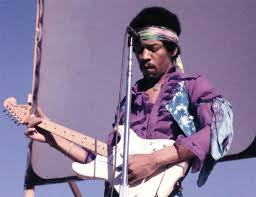
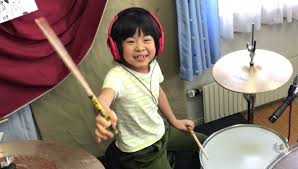
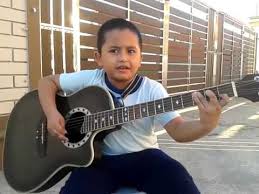
Tell me about these people. He is or she is …
She is ……….He is ……
He is very …..
She is very ….
The top cats are able to form basic sentences such as:
I can run however I can’t fly
New vocabulary included the five sense
s _ _ // h – – – // s – – – – // t – – – – // t o – – – //
Warm Up: What can he or she do ?
Ask your partner what he or she can do
What can you do ? What can’t you do ?
Here, my wonderful TA will ask me, then tell the class, in order to model how to answer
Ask Thay Paul – what can you do ?
I can play guitar however I can’t play piano
Tell the class:
He can play guitar however he can’t play piano
Next – using the new vocabulary in a sentence form. What can he or she do and what can’t they do ?
Example:
She can see a butterfly however she can’t hear a butterfly.
She can touch a butterfly however she can’t taste a butterfly.
She can __________ a pizza however she can’t __________ a pizza
He can ________ a guitar __________________________
A compendium of classroom activities, warm up games and reviews.
Firstly, let’s get rid of this despicable habit of teaching younglings “How are you ?” “I’m fine.”
NO ONE says “I’m fine,” in the real world !
In my class, we get down and get funky. When I ask my group how they are, they reply:https://youtu.be/U5TqIdff_DQ
What better way to start a Sunday morning class ?
One purpose is to encourage writing; a senior Vietnamese official explained to me that Vietnamese customers are not used to writing. In my own experience, I have seen how hard it is to make the class, regardless of age, write down new words. It can take up to ten minutes to get the whole class to write down as little as five words. They have to find paper, pen etc, then they look bewildered at the task presented to them … they will often write down one, maybe one and a half words, then simply stop.
Therefore, I want to get them used to writing from an early age. To facilitate this, allocate a specific time when the lesson stops and the class have to write down new words.
From the Chinese film ‘Not One Less’ Dir Zhang Yimou, 1999 and starring a young, non-professional actor Wei Minzhi
I’ve found that using hand gestures can serve an a mnemonic; allow me to illustrate. I put my thumb up, I then hold my palm up, finally I put my thumb down. This has been used to help students build a sentence with a positive verb, a negative one and an advanced discourse marker.
This helps the younglings remember how to produce a sentence such as:
I can swim however, I can’t fly
The sentence introduces younglings to a contraction (can not = can’t) as well as a higher level discourse marker (or connector) ‘however’ (instead of merely using ‘but’). Furthermore, I drill the STRESS on the negative ‘can’t‘.
So, what vocabulary do they know ?
Thank you for your question. At this stage, they know many animals, basic body parts (finger, thumb, hand etc), about twenty adjectives, and basic verbs.
Additionally, they are able to form basic sentences.
It’s now time to move into present continuous, from “I drink” to “I am drinking.” We shall start by celebrating Mid Autumn Festival, a major holiday in Viet Nam. Here’s a song which uses the continuous “singing,” as well as new vocabulary such as “holiday,” and “lantern.” https://www.youtube.com/watch?v=JTWwgI17kTs
It is correct to capitalise the ‘m’ in moon IF we are referring to our Moon. We only have one, let’s not upset it (yes, I know it’s a popular question, ‘How many moons does Earth have ?’ and the answer seems to increase every year due to space debris both natural and man-made, not to mention that now some scientists think Earth actually DOES have two … but this is Level 2, let’s not confuse the poor blighters too much).
And now, without further ado …
Warm up games: If possible, make these team games as friendly competition makes the activities more engaging.
Teacher Says – this is great because it is kinetic, and helps to pass the opening minutes while students are arriving.
Word Bomb or Mind Map – board a simple word (e.g. animals), younglings have to shout out answers. Could try colours, body parts, food, clothes depending on class ability.
Magic Bag – I open my bag and ask “What’s in my bag ?” Class has to shout out (or write) possible items I would have in a school bag. This reviews vocabulary from a previous book. As an extension, when they see the item, they have to describe it with two or three adjectives.
Screen Test (based on a children’s TV show from the 70s) – show a short video clip, just a minute or so. Then ask questions. For example, in the Mid Autumn Festival Song, we could ask:
What is the first word we see ?
How many windows does the house have ?
How many lanterns were orange ?
What lantern did the boy hold ? A star, a fish or a doll ?
What colour dress does the girl wear ?
How many dancing moon cakes were there ?
Bonus Question: Can you name 4 different lantern shapes ?
Run and Write – any game that involves the younglings leaving their seats and writing on the board. One version is to have students write a word that begins with ‘a’, then ‘b’ … and so on. Just one person at a time (to avoid possible accidents … I only have limited space in my classroom).
Memory Recall – choose 4 – 6 students and give them a flashcard from a previous lesson. Today, we could use feelings (sad, happy, hungry, thirsty, hot & cold). Younglings stand at the front of the class and hold their card up. Class shout out the words. Then the younglings hide the cards behind their backs and change the order in which they are standing. Now I ask, for example, “What does Ms Linh have ?”
Pair work talking – this is vital in breaking the teacher- student dynamic; we need to promote more student to student interaction, but making this work is a slow train coming. Arrange class in pairs and make them ask each other basic questions. At this age (my class is in the 7 – 9 age range), it may be difficult to get boys talking to girls … at 17 – 19 it may be impossible getting boys to STOP talking to, or trying to impress, girls … but that is a different story.
Subjects could include:
How are you ? (to which the answer must not be “I’m fine.”
What animals do you like ?
What is your favourite colour ?
Do you have a brother or sister ? How many ?
What food do you like ? Can you swim ? Can you play piano ?
Hope this helps. Feel free to leave any comments or suggestions.
This is an early morning class, and quite typical; one or two very good girls, one, possibly two good boys. The rest range from those who cannot speak without shouting at the top of their voices (the Vietnamese, bless them, are not the quietest nation on Earth), those who pay attention to anything save the lesson, and those who are so inactive and immobile as to be positively catatonic.
One way to counter this negativity is to make the lessons more kinetic, more active, though the size of the class and the dimensions of the room are not conducive to much activity. It is also important to realise that these are children, ‘forced’ to come to extra school on their weekend, and their motivation levels plummet from, “Please teach me English,” to “Frankly, my dear, I don’t give a damn … I REALLY don’t give a damn.”
We recently had a project activity, cutting out and colouring a room. This proved quite successful, and even those who are permanently seated, chin in hand, yawning thick and fast, were engaged and doing something. So, today, I’m going to mix things up a little. We’ll start by rearranging the chairs into islands of four, as opposed to the traditional horseshoe arrangement.
Warm Up: A quick game. I’ll give each island a board and marker and I’ll review the last lesson, ‘time’. I’ll call out a time and the students have to write it, in figures. This can be extended to cover other lessons, including basic maths (to practise the use of the words ‘plus’, ‘minus’, ‘times’ and ‘divided by’. Also, for general knowledge, do they know any countries where English is spoken (as first language) ? What countries are there in Asia … Africa … South America ? Then look at this picture for 30 seconds. Write down what you remember. I’ll be listening for adjectives as well as nouns, and encourage the use of full sentences, e.g. I see a big white mirror, I see a small green cupboard etc.
Now I’ll go straight into bookwork, subject ‘meals’. Here, I’ll follow a standard school lesson plan:
Show the four flashcards and review as a class, especially pronunciation, then pass them one by one around. First student (make sure said student is a top cat, or the activity goes down like a lead Zeppelin) takes the card, says the word, then passes to the next … after the third student has spoken, introduce a new card to the first student and so on.
Next, a run ‘n’ write. Two students must run to the board and write one of the new words. For the top cats, they can write two words, or even all four.
There are four pictures, but I prefer to say the words myself rather than play the audio (which is often a monotone, transatlantic drone). Students shout out (this class like shouting, to a fault !) the words.
Grammar structure – focus on the key sentence – have students repeat.
Book work, page 66. Elicit information about the pictures, just try to get the students speaking English as much as … Encourage them to ask each other. Use a top cat to start e.g. “What do you see in picture 2 ?”, “What are they doing here ?”, “What time is it in picture 3 ?” etc.
This should take us up to break time, with drilling and substituting pronouns, noticing how the verb changes i.e. I eat breakfast at 7:00, He eats breakfast at 7:00.
After break, in their gangs of four or threes, I’ve prepared an activity sheet; some questions, some things to do, some information to gather, something that requires the students to listen:
Everybody Up 2 Activity sheet
1) Write five buildings that you find in a city
2) Write three words that begin with th … / ch … / sh … / wh ….
3) On a clock, show: 10.15 / 2.30 / quarter to five
4) Draw a picture of your bedroom. What do you have in your room ?
5) Tell me three things you like to do after school.
6) Draw a girl wearing a yellow hat, pink coat, green pants and blue boots.
7) Draw a bald man playing guitar wearing an orange jumper and black pants.
8) What does Teacher Paul like ? Write two things ?
9) What are the five senses ?
10) A doctor works in a hospital. Write a sentence.
Where does a teacher work ? / Where does a cook work ?
11) Look at the picture: Which flag is which country ?
Brazil / South Korea / Canada / Egypt
12) What do you eat for breakfast ? When do you eat Breakfast ?
For Saturday 6th July 2019. Everybody Up 3 (U 1, L 3); Everybody Up 2 (U 1, L2)
LEVEL 3
Unscramble and find
To review recent vocabulary, board the following:
ocprpno / toopat shicp / repepp / bagbcae / traew
Around the room stick some flash cards. In twos, students have to unscramble the word, then find the flashcard and stick it on the board, saying the word loudly and clearly. For the last one, there is no card, so the students will have to find some ‘traew’.
Word snap
Students put into small groups and given a board and marker. They have to write five items from the first lessons. They then ask another group, “Do you need (onion, carrot etc) ?”. The answer must be a sentence, “Yes, we do,” or, “No, we don’t.” The first team to guess all five items is the winner. For my class of 15, we can have four teams.
Vocabulary Review
From last week: Give me a word or phrase that means:
A lot, very much or many
Great
Two adverbs (HCM is hot / HCM is ___ hot)
A person who watches to make sure nothing bad happens
Run and write relay
Students, in teams, have to run to the board and write these words, one word per student. First student runs, writes then runs to the second student who has to be seated.
Vegetable or snack ?
Select a top student; that person becomes teacher and reads out various food items. Class must put hands up and say whether it’s a vegetable or a snack.
E.g. chocolate / carrot / potato / potato chips / soda / tomato / popcorn / corn / banana etc
Can change student-teacher. This also helps to break the usual teacher – student dynamic, and allows the students to spend more time speaking to each other in English.
After, we have a lot of prepared work today including a listening test and extended book work. Hopefully, there will be activities left over, for me to use in the next lesson.
LEVEL 2
This is a new class so I don’t know if it’s going to be good or a nightmare. In my experience, levels 1 & 2 are at least 50% classroom management and trying to control the students; the teaching is incidental and slipped in between shouting at students to sit down, stop talking, stop fighting etc …
Board: He is = he’s / She is = She’s / It is = It’s
Warm up: Mingle – get the students to walk around and ask each other their names:
“What’s your name ?” “My name is …. ” or “I’m ……”
Review: Flashcards from previous lesson.
Show a card and ask the students if they are … happy, sad, hungry etc. Answer to be in a sentence (“Yes, I am”, “No, I’m not”).
Run ‘n’ write: Show a card and say, “I am …” Students, in teams, one against each other, must write on the board, then slap the board and say the word loudly.
Pre – teach: Yes, he is / No, she isn’t
Using the same Lesson 1 flashcards, ask question, eliciting either a positive or negative answer which has to be in the above form, not simply ‘yes’ or ‘no’.
Book Work: Introduce new vocabulary
Sticky Ball
Quick, kinetic game. Put various flashcards on the board and the students, in two teams, have to aim for the correct picture, one team telling the other, thus encouraging more inter-student communication.
Charades. Select some top students. Show them an emotion flashcard, and they have to act it.
Book work, song and work book. Prepare handouts for fast finishers.
Here, I’m using the lyric sheet version. I can stop the video at various points and ask the students if they understand. Any new words will be boarded and, at a given time, the students will be told to write the words down.
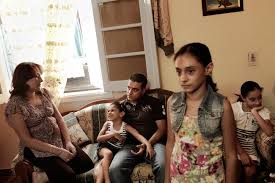
This is a musical introduction to today’s lesson, which aims to expand their knowledge and awareness of other countries and cultures. The four countries chosen are represented by these people:
I shall put these together on a Powerpoint or slide and the students have to line up and throw a sticky ball at the person representing a specific country. My class enjoy getting up, mooching around and throwing things, so may as well incorporate their behaviour into an activity. Kill two birds with one sticky ball.
The students will be put into small groups and their task is find information about their given country, which will be posted around the room. To avoid chaos (as far as possible, these are young Vietnamese students and chaos goes, as they say, with the territory), one person per group will be responsible for gathering one piece of information.
But first, a review of how to tell the time (using ‘quarter past’, ‘half-past’, ‘quarter to’.)
When it’s 16.30 or 4.30 pm in HCM, what time is it in Brasil ? (6.30 am)
At 16.15, what are people doing in Toronto, Canada ? (5.15 am)
At 16.45 in HCM, what will people in Egypt be doing ? (11.45 am)
When it’s 17.00 or 5.00 pm in HCM, people in South Korea will be … what (at 19.00 or 7.00 pm)
The task is to get information about their countries, such as capital city, population, type of food, why it is famous and the weather.
They will then, under supervision, be allowed to choose images online to enhance their presentation.
This helps with their writing and speaking skills, as well as helping them work together as a team, each person with a specific role.
Now, for some more fun, what country is this song about ? We could make it into a musical statues games, as well, but the students have to walk in a certain way. https://www.youtube.com/watch?v=Cv6tuzHUuuk
We can also board the adjective form (Canada = Canadian, Korea = Korean etc)
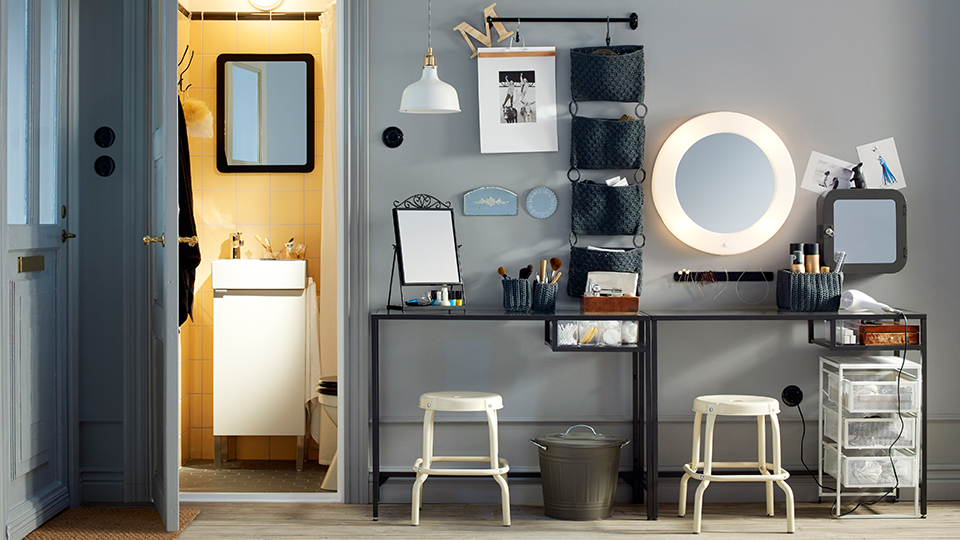
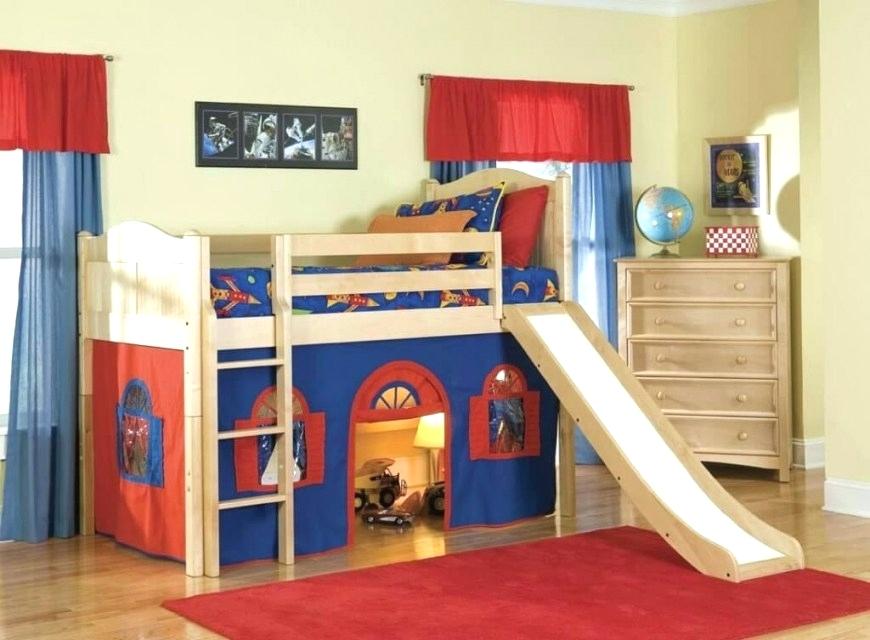
To review rooms of the house, the students can tell me about these pictures: I’m looking for the country, what the subject is doing, what they look like … try to develop their story-telling skills.
Next up, a quick summary: Where would they most like to live and why ?
Recent lessons have introduced items of clothing, furniture and being healthy so, as a way of introducing the students to new cultures, today we can look at life in Sweden – Välkommen
Board new words, then allow (or force) students to write them down and reuse throughout the lesson.
Sweden is home to many global companies including Spotify, H&M, IKEA, Volvo, and Skype was co-founded by a Swede. There are branches of H&M in HCM City, but Swedes need much warmer clothing:
The students, placed into two teams, can run to the board and write items of clothing, one team member, one word, then exchange the pen with another team-mate. They can also write other items, not shown in the picture. Bonus points for those who can give the most detailed descriptions e.g. she wears a lovely purple coat (at this level, the students just use present and past simple, no continuous verbs).
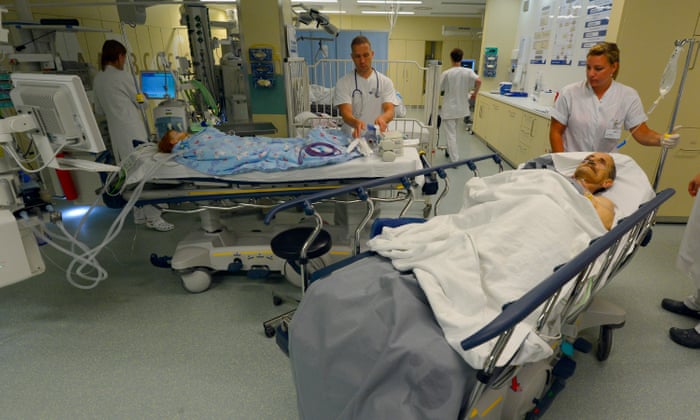
Next, what are these buildings and who works there ?
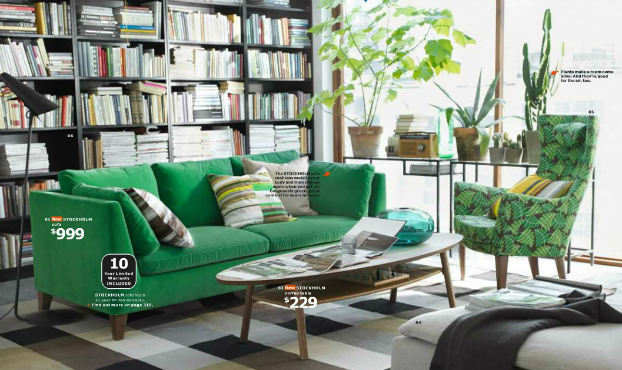
Moving onto IKEA. What items of furniture can the students identify ? Which would they like – they have to select what they would buy for their home. They may choose different colours:
The Swedes are famous for their healthy lifestyle. What makes people healthy ? Here, I encourage, or demand, sentences, not just single words shouted out. To make it more kinetic, I can select some students and give them an activity to mime, such as exercise, eating healthy food and getting enough sleep. The students can be asked what food is healthy ? This leads into the next and final section, Swedish food:
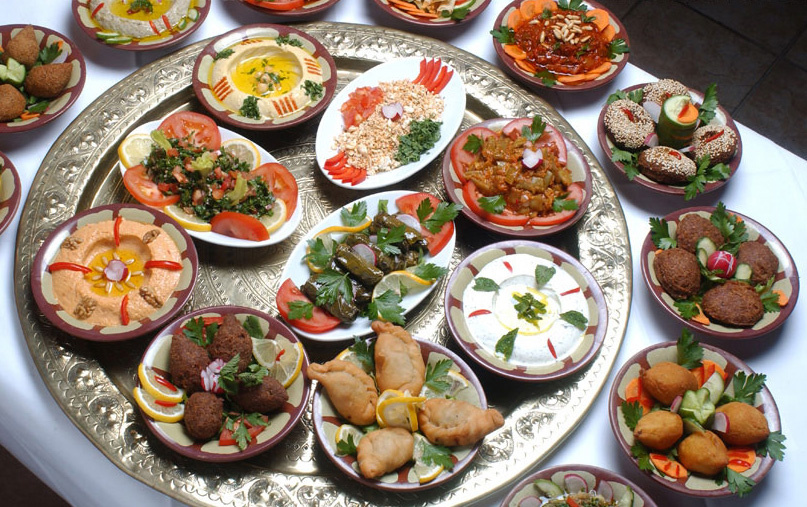
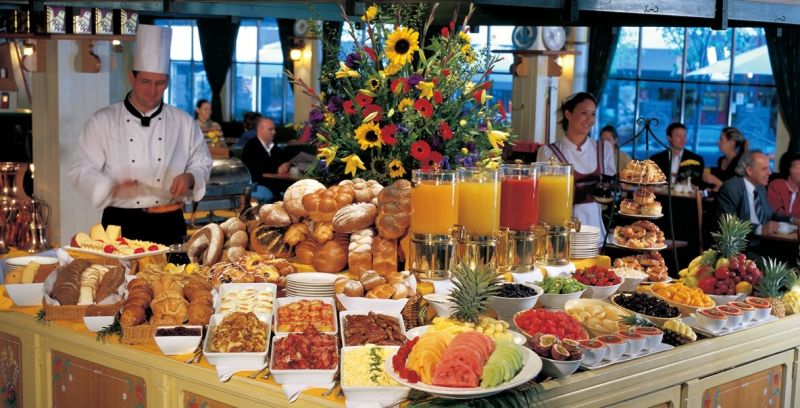
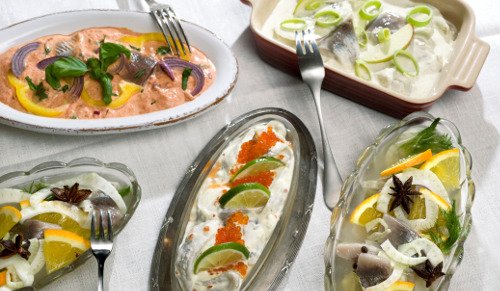
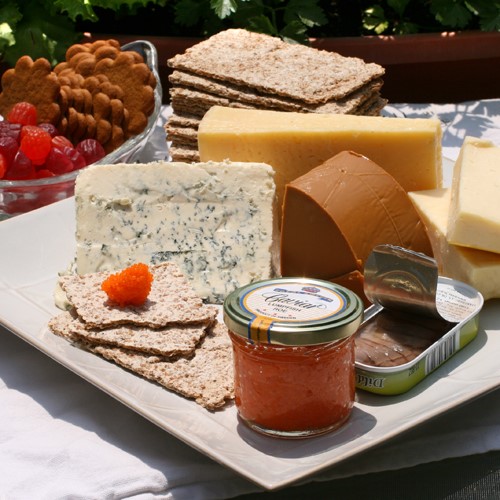
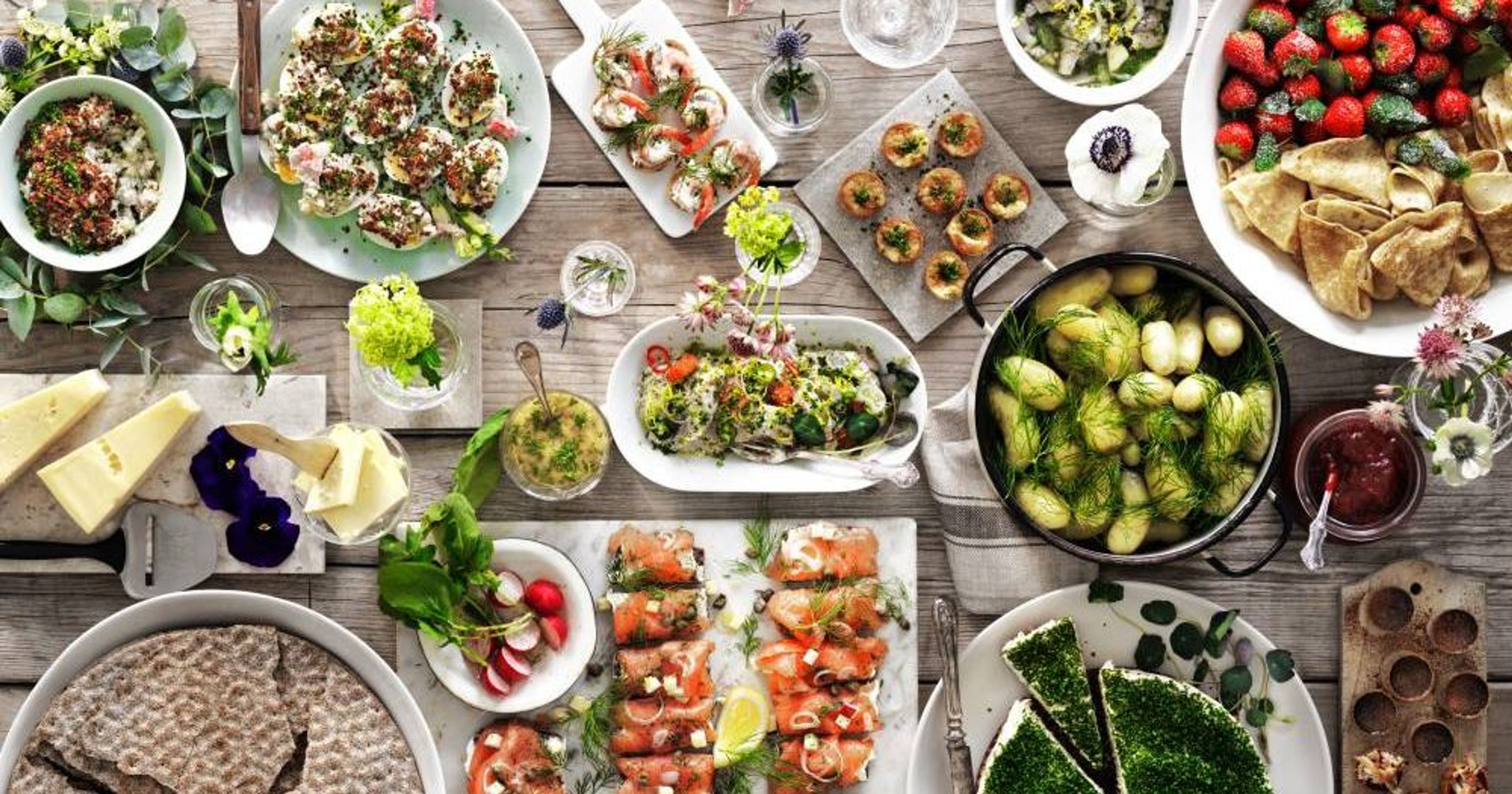
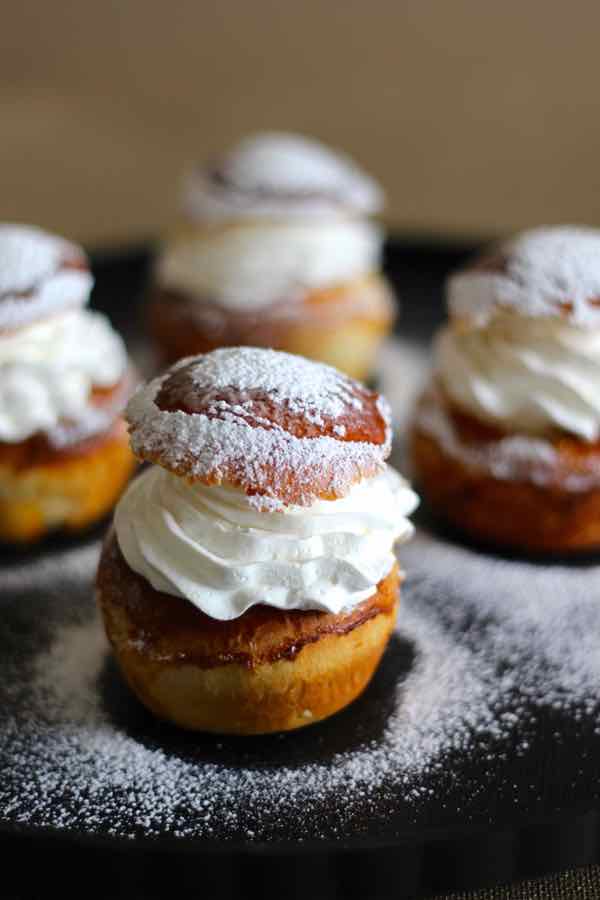
Swedish meatballs, potato & berry sauceSill (herring) and fresh vegetables Selection of different types of sill (herring) in different saucesCheese, Swedish caviar and crispbread (knäckebröd)Midsommar (Mid summer) smorgasbordSemla – as delicious as it looks … but is it healthy ?
After this cultural trip to north Europe, it’s time to get back to spelling tests, unit work and bookwork.
Hopefully, the students will have learnt something about a different culture, a country where English is not the mother tongue, but is widely spoken, and taught from an early age. In face, many Swedish singers even sing in English; here’s an example:
A lesson plan for a very active, very loud young learners’ class. They are certainly a handful, but they are good at English; there is simply no way to control them for two hours. Just have to use their energy and make very kinetic lesson plans to keep the class occupied.
After break, we focus on book work and workbooks (though some students complete these at home, and I’m faced with ‘Teacher, finished !’). I insist on fast – finishers to say ‘Dear Teacher, I believe I have finished,’ while having a stack of worksheets at hand so they have something fun but educational to do while I check individual work.
This is for tomorrow afternoon:
Warm-up: Magic Bag. I’ll pretend to have various items of clothing in my bag. I’ll mime putting them on and the students have to shout out the answer. This reviews vocabulary from a previous unit.
Yes / No game. Can be very fun – I just ask the students questions and they have to answer within five seconds BUT are not allowed to say ‘yes’, ‘no’, shake or nod their heads and make any other yes/no word (yeah, naw etc).
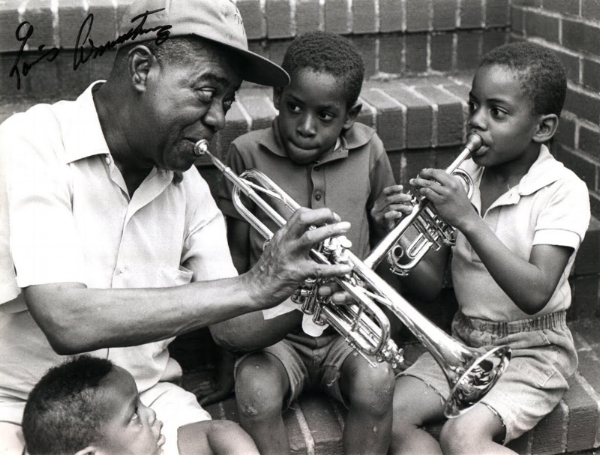
Hello Dolly. For fun, and to expose them to some REAL music, they can listen to Louis Armstrong and try to imitate his unique voice. Points for the best version (s):
Run ‘n’ Write. The last weeks have focused on rooms in the house. I will ask in what room do we …
sleep
cook
watch TV
wash
Then, with the class in two or three teams, one member must run to the board and write the correct room. It can be made lively by assigned a colour marker to each team and hiding them around the room, or even outside the classroom (though security probably won’t care much for that).
Who has what ? Here I choose six students and give each a flash card which they show quickly to the class, then hide behind their backs. The class must answer but using the correct form of ‘to have’, i.e. He has a sofa, she has a computer. This is a fun memory game but also drills the third-person verb form.
Picture Description. I’ll show a picture and ask the class to tell me what they see, especially asking about relative positions, looking for ‘next to’, ‘behind’ and ‘in front of’. This is from the famous toy shop, Hamleys, in London.
Vocabulary boost. A quick game to review some recent words and their antonyms. I’ll board these words, the students have to write the opposite. For this, I’ll hand out small writing boards and they can work in small teams.
clean
quiet
polite
friendly
The class probably won’t know the last two, so it’s a chance to show how we form opposite words. I can follow this up by asking the opposite of happy, well, tidy etc.
Student Survey. These are a great way to get the students talking to each other. I prepare a short questionnaire, and they have to ask three other students the questions. These are based on today’s lesson of counting, and recycled vocabulary.






































 Thay Paul's Notes