Young Learners, Level 4: “Can you hear me, Major Tom ?”

6th June 2019. Everybody Up 4. Unit 7, Lesson 4
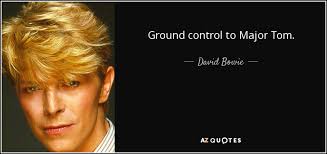
Today’s lesson is a cross-curicumlum class about space, astronauts and basic science. It is a mighty theme and so, to paraphrase Melville, we need a mighty beginning … for cinema fans, there really is no other choice … the opening of Stanley Kubrick’s ‘2001: A Space Odyssey’.

https://www.youtube.com/watch?v=e-QFj59PON4

So what do the students know about the solar system ? I’ll let them tell me, after boarding some key words:

solar system

planet (Earth, gas giant, rock)

moon (the Moon)

star

asteroid

vacuum

I’ll put a flash card of planet Earth on the board, towards the right-hand side. The students can them fill in the gaps … what planets do they know ? How big is the sun relative to the planets ? What exactly is the sun ? Where does light come from in space ? What exists in space ?

FUN FACTS:

The speed of sound is 343 metres per second (usually given as 330 m p s)

The speed of light is 299 792 458 metres per second or

approximately 300 000 000 metres per second or 300 000 km per second.

Sound cannot travel through a vacuum

To demonstrate the last point, show NOT tell; here’s a good example (start around the 0:24 second mark): An iPhone not making sound in a vacuum.

https://www.youtube.com/watch?v=JrU9LouWY18&list=PL97HViQblvdEM3zsauRxnIg1baFTNmsDM&index=26&t=0s

Group work: Would you like to go to space ?

What would be the pros and cons ? In small groups, discuss the question, trying to use some of the recent vocabulary.

Song time: A British classic, and the first hit for David Bowie, an artist with a deep connection with space. This video has lyrics, but how many words can they recognise ? They can shout them out as they hear them.

‘Space Oddity’. Lyrics start around the 0:30 second mark

https://www.youtube.com/watch?v=9_M3uw29U1U

Board any new words or phrases such as ignition / made the grade / peculiar /

Runaround

This is based on the UK children’s show from the 1970. The class will be split into small groups. One member from each has to stand in front of the board. I will read a question and then give three answers. The students have to run to the correct number. They then have three seconds to change their minds.

Who was the first man on the moon ? Buzz Aldrin / Michael Collins / Neil Armstrong

What is the biggest planet ? Jupiter / Saturn / Mars

The sun is a: planet / star / moon

What is faster ? light / sound / Mr Phuc speaking (just give the name of any talkative students).

In space, people are: heavier / lighter / weigh the same ?

The first animal in space was a: monkey / elephant / dog

(Last one could seem to be a trick question. The answer is Laika, the Russian dog. Monkeys were first put into rockets but they didn’t go high enough to officially enter space).

Bookwork. Today there is a fair amount of reading. I’ll use the passages to show a little grammar, introduce the students to adverbs.

The princess was very beautiful (very = adverb, beautiful is an adjective)

Here, the adverb ‘very‘ goes before the adjective. For concept checking (do the students understand and can use this formula ?) some quick questions:

Correct these sentences:

The very student was clever

Laika, the dog, was scared very

Very David talented is

During the reading, I’ll be asking the students to point out the adjectives and adverbs in the short pieces of text.
Young Learners, Level 2: What a wonderful world

1st June 2019

Focus on four countries: Brazil, Canada, Egypt & South Korea

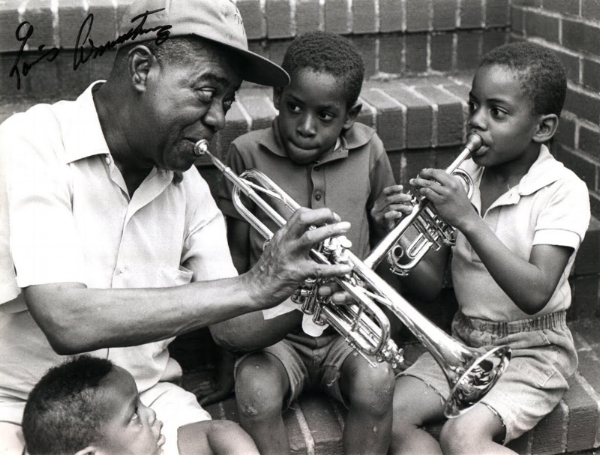
Any excuse to play Louis ‘Satchmo’ Armstrong:

https://www.youtube.com/watch?v=A3yCcXgbKrE

Here, I’m using the lyric sheet version. I can stop the video at various points and ask the students if they understand. Any new words will be boarded and, at a given time, the students will be told to write the words down.

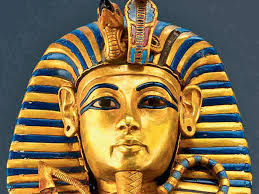
This is a musical introduction to today’s lesson, which aims to expand their knowledge and awareness of other countries and cultures. The four countries chosen are represented by these people:

I shall put these together on a Powerpoint or slide and the students have to line up and throw a sticky ball at the person representing a specific country. My class enjoy getting up, mooching around and throwing things, so may as well incorporate their behaviour into an activity. Kill two birds with one sticky ball.

The students will be put into small groups and their task is find information about their given country, which will be posted around the room. To avoid chaos (as far as possible, these are young Vietnamese students and chaos goes, as they say, with the territory), one person per group will be responsible for gathering one piece of information.

But first, a review of how to tell the time (using ‘quarter past’, ‘half-past’, ‘quarter to’.)

When it’s 16.30 or 4.30 pm in HCM, what time is it in Brasil ? (6.30 am)

At 16.15, what are people doing in Toronto, Canada ? (5.15 am)

At 16.45 in HCM, what will people in Egypt be doing ? (11.45 am)

When it’s 17.00 or 5.00 pm in HCM, people in South Korea will be … what (at 19.00 or 7.00 pm)

The task is to get information about their countries, such as capital city, population, type of food, why it is famous and the weather.

They will then, under supervision, be allowed to choose images online to enhance their presentation.

This helps with their writing and speaking skills, as well as helping them work together as a team, each person with a specific role.

Now, for some more fun, what country is this song about ? We could make it into a musical statues games, as well, but the students have to walk in a certain way. https://www.youtube.com/watch?v=Cv6tuzHUuuk

We can also board the adjective form (Canada = Canadian, Korea = Korean etc)

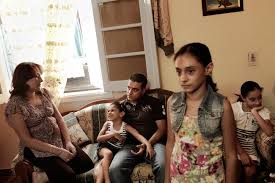
To review rooms of the house, the students can tell me about these pictures: I’m looking for the country, what the subject is doing, what they look like … try to develop their story-telling skills.

Next up, a quick summary: Where would they most like to live and why ?

What is different from Vietnam ?

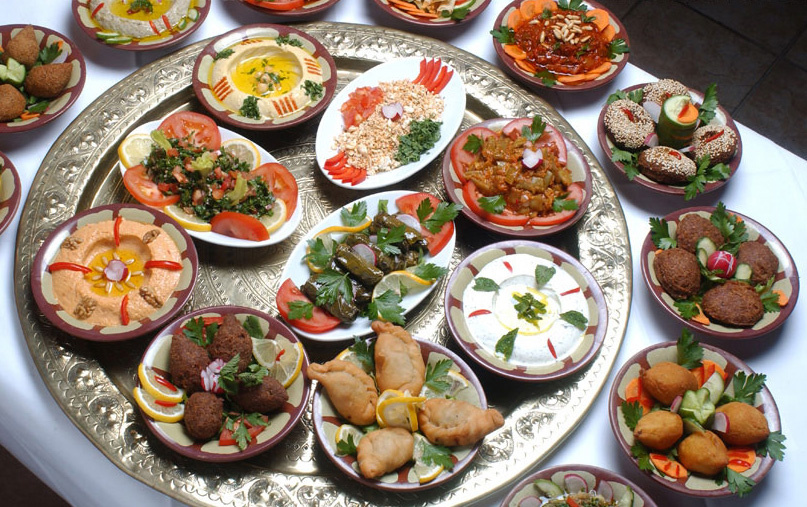
Can they guess where this food is from ?

Now, to learn a little about history, here’s a kids’ video about Ancient Egypt: https://www.youtube.com/watch?v=Hra0ge-m7uk

Again, this can be used to introduce new words (‘huge’ occurs twice) ‘Pharaoh’ and the expression ‘for that reason’.

And then … time for book work but before that, a quick game … looking at the world map … what country begins with …. ‘A’ ? Then ‘B’, etc

Young Learners, Level 4: What does the future hold (and a repeat of ‘The Late Show’).

30th May 2019

One of the benefits of over-planning is that the work can be carried over to the next lesson; such is the case now. Also, we have a chance to refine the activities, find ways to improve them and eradicate our (i.e. ‘my’) mistakes.

A common problem I make is to over-estimate creativity in students. Some people find it hard to be imaginative in their native language, let alone in a foreign tongue. To solve this, I shall provide some assistance in the form of notes, taped to the walls.

As a warm up, we learnt colour association last week; have they remembered ?

What emotion or feeling do you associate with

Red

Blue

Green

Yellow

Black

White

Can they give me a sentence or an example ?

Now … The show must go on

I will use the talk show format as blogged last week but with some amendments.

This is a compilation of clips from David Letterman, who speaks in a very quick, New York style. We can start around 2:41 and play about 30 seconds. Drinking the perfume should amuse my students:

https://www.youtube.com/watch?v=K22baZRNQKc

In groups of five, one person can pretend to be famous, either an artist, scientist, sportsperson or actor. The rest of the group have to interview the student, each member asking a question such as:

When did you start (acting, playing sport, learning an instrument, acting) ?

How long did you practice or How many hours a day do you rehearse ?

How old were you when you won your first award or medal ?

Tell us about yourself – where were you born ?

Do you have any brothers or sisters ?

What do you want in the future ?

Who do you like or who inspires you ? Why do you say that ?

Next, we need to create a studio set. We’ll do a ‘word bomb‘ or ‘mind map’ game. Who works on a TV show ?
We have a host and of course, we need a guest.

But we need someone to work the camera (cameraperson), the sound (sound engineer) and a director to shout ‘Action !’ We’re in HCM City, so we need a great backdrop for our show:

To arrange groups, and get a mix of students who don’t usually sit or work together, I will arrange the desks in islands of four or five chairs. Each island has a number. The students must choose a card numbered 1 – 5 and sit at that island. Here my TA will be invaluable in making boys sit with girls, and dealing with all the petty squabbles that WILL ensue.

To prevent paucity of ideas and therefore an excuse to do nothing, I will make information sheets and have them pasted around the room. The students have to gather information, but I will expect them to provide basic information themselves.

However, by putting text on the wall, the students will have to read and transmit the information to their team and arrange it in a proper sentence:

Actor

First performance: School play at age 5. Actor forgot the words !

Teacher told student to be an actor because was a bad and noisy student.

Was in a TV advert at age 8 for ice cream

First film at age 9

Next work is a film with Hari Won.

Wants to go to Hollywood and be in a big action film

Scientist

Got a microscope for birthday present at age 6. Used it every day

Favourite subject at school science, biology and chemistry

Went to Sai Gon Zoo every weekend in summer

Won District 2 science contest when was 7

Has an uncle who works for English medical company

Wants to work with animals in the Asian jungles

Artist

Began painting at 2 years old with hands !

Grandmother bought a paint set for birthday at age 4

Always won best painting at Kindergarten and school

At age 6, went to HCM City art gallery

Paints the stage for all school shows

Wants to study art in Paris, France

Sportsperson

Began playing table tennis when only 3 on a special small table

Could beat older brothers and sisters when was only 5

Neighbour said join a club. Was best player in 10 weeks.

Won first contest at age 6

Could beat most adults by age 8

At 9, joined the Vietnam national team

Wants to represent Vietnam at the Olympics and win gold medal.

The students will then have to present their work in the form of a TV chat show, with a director, cameraperson and sound boom (a plastic fly swat can easily stand in for a boom, while the director can pretend to have a headset, and shout, “Three, two, one … action !”

To continue the fun, we can have the students drink tea in the ‘British’ fashion – I model the typical way to drink tea, raising the pinkie, and sipping quietly and without a Vietnamese, “AAAHhhhhhhhhh !” after each gulp. Points, naturally, awarded for the best tea-drinker.

Finally, we can watch and imitate one of my favourite actors, Mr Peter O’Toole, also from the Letterman show. The students must copy this line: (0:46 – 0:50)

https://www.youtube.com/watch?v=7Fl3bOeXvyI

The line to be recited, along with accompanying body language, is:

“Oh, I’ll shuffle through my memory.”

And then, our little lesson is rounded with a … hopefully not sleep, but spelling tests, book work and general shenanigans.

I shall endeavour to elicit the meaning of new words and to gauge juts how much vocabulary the students are retaining as opposed to forgetting. Place your bets …. the clever money’s on the latter.

Young Learners, Level 4: Review

29th May for 1st June 2019

Today, two classes at level 4. The first is a substitution; I don’t know the students, but on the other hand, I’ll be able to recycle or adapt exiting material to plan the lesson.

The second class is my usual group, from 10.10 – 12.10.

Today should be better as I have stopped my Level 1 class (nineteen students of screamers, shouters, special needs, no motivation, no memory, no idea why there are in a classroom being spoken to by a strange man in a strange language and, of course, some very sweet, well-behaved students who, unfortunately, are being restricted in their learning by the amount of classroom management I have to do). I’m just covering this first class for a week, and I have to do a review of their last two units.

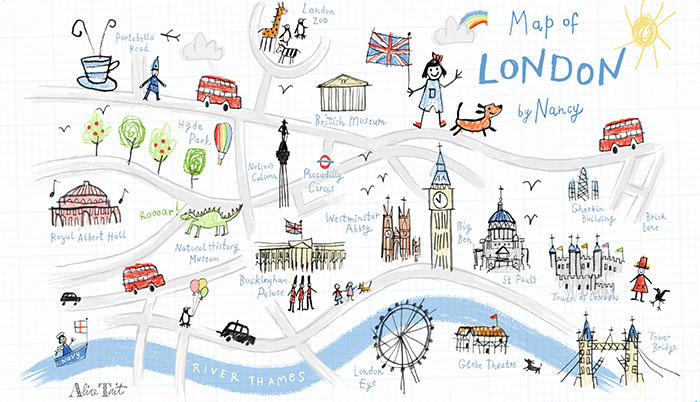
As a warm up, I’ll ask the students what they know about London, maybe using some Google images to help them (possibly British food, Sherlock Holmes, a London football club, a street market).

Recent units have included space exploration, future careers and travel so I’ll kick off with a familiar children’s guide to London:

https://www.youtube.com/watch?v=HrJNIUp2izQ

I will stop the video at key places and elicit responses, and to board new vocabulary. The students will be made to write down new vocabulary and then use them throughout the lesson.

Next up, a board write – small boards are handed out to groups and they have to write down answers. Points for the first team to finish. The questions can be about space (but must be taken from the class book, nothing too advanced).

What do you call a person who travels in space ?

Is that a man or a woman ?

Are people heavier or lighter in space ?

How do people get into space /

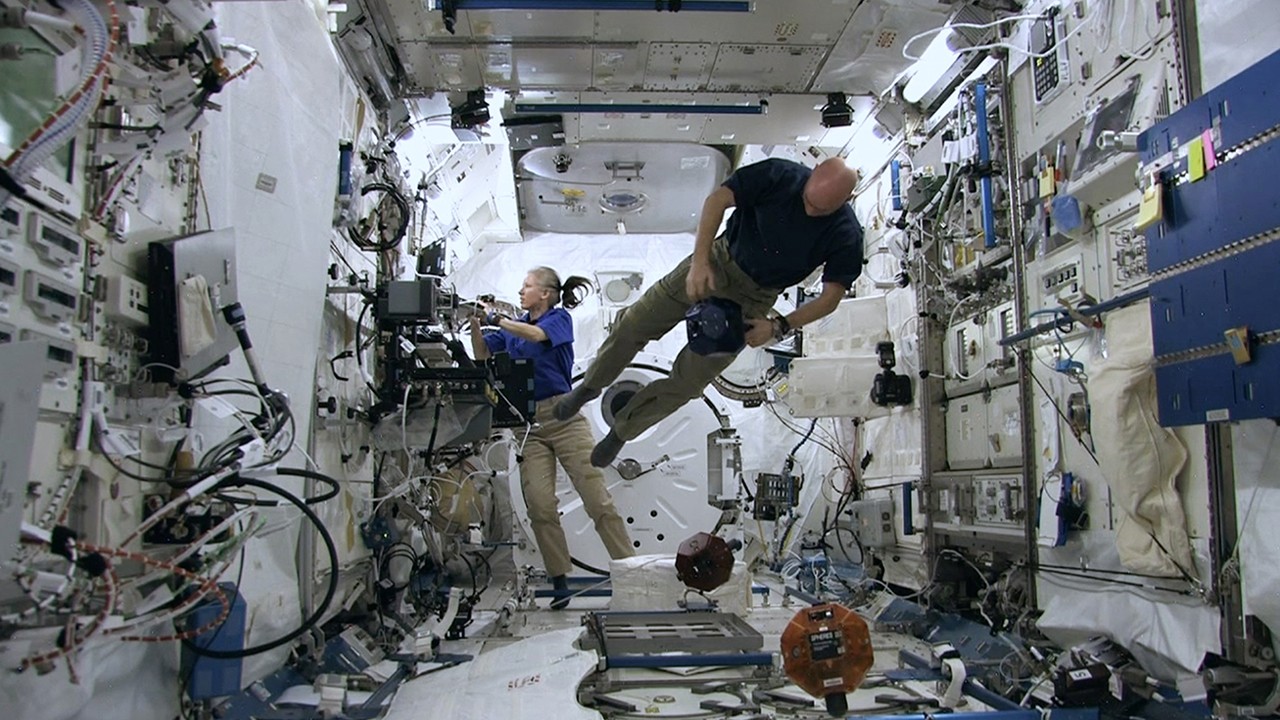
What is the ISS ?

Why is this man floating ?

To cleanse the palette, a quick kinetic activity. I shall hide six flash cards around the room and ask the students in pairs, to avoid a stampede, to find them. Instead of asking directly I will give them clues, e.g. if you want to buy something, you need this paper (money), after swimming, you use these to get dry (towels).

Next activity, I prepare four information sheets for the students about New York, London, Norway and Venice. The students, in small groups, will then have to present their city and answer questions. I shall awards points for good questions, to encourage the students to speak.

Julie lives in New York

She is a scientist

She wants to see a show

She takes a taxi

She brings lots of money

Next weekend, she will fly to London and stay in a hotel

Peter lives In London

He is an actor

He wants to ride a horse

He takes a bus

He brings a towel and extra clothes

Next weekend, he will go to the beach and swim in the sea

Anna lives in Norway

She is an astronaut

She is on holiday.

She takes the ferry to get home

She wants to go climbing and swimming

She goes to space by Space Shuttle.

Martin is on holiday in Venice

He is a journalist

He lives in Berlin, Germany. He is going home next Tuesday.

In Venice, he travels by gondola

He wants to see famous paintings

He likes to go on boat tours

The questions from the other students can use the patterns they have learnt, such as, “When is he going ?”, “What will she do ?”, “How will he get there ?” etc.

This should be enough activity before the book work and checking. Hopefully it will be a gentle way into my heaviest day, three classes of young learners. Hopefully …

Adult Class, Level 2: Making your mind up !

27th May 2019

Tonight is a new class, a block of four lessons, and phrasal verbs dominate the session – they almost take over. These, like idioms, can be very confusing for a learner, yet are an integral part of everyday English. Don’t give up, keep on trying and you’ll pick it up in next to no time.

First, as a warm up, we’ll go over some recent lessons and see how much of the lingo (slang for language), the students have picked up. They recently had a lesson about choice, confusion and making decisions … or not making decisions. Being unable to act, or to decide is known as procrastination … and is a flaw in one of Literature’s most famous characters, the prince of Denmark; I’m referring to none other than Shakespeare’s Hamlet. This quote may be familiar …

Shakespeare is a world-famous writer, and a great example of British culture … but what about Vietnam ? If I wanted to read some classic Vietnamese texts, what would the students suggest ?

The task is for the students, in small groups, to decide upon one suggestion for each of the following.

To begin with, the Great British seaside. the sun rarely peeks out so when it does, we rush off to the seaside. What can you see here:

Blackpool, a famous seaside town in north England.

The seaside is associated with building sandcastles, donkey rides, deck chairs, paddling, pier, sun cream and ice cream. I want to visit a typical Vietnamese beach town. Where is the best … and why ?

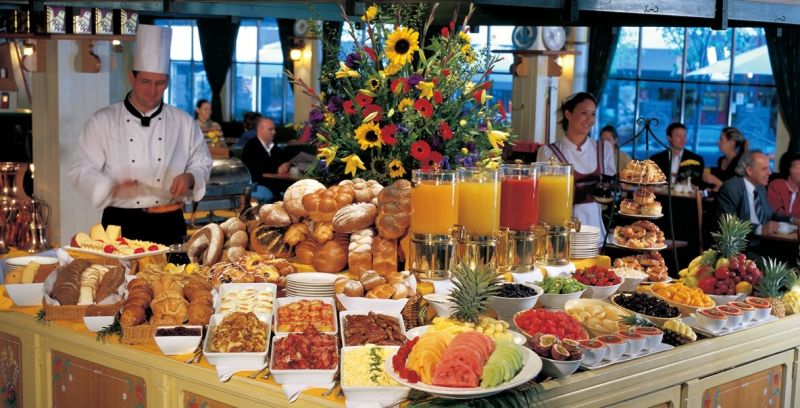
Now, seasides and travelling help us build up an appetite … so what to eat ? What do the students think of a traditional British breakfast (not that I’ve ever eaten one ! It’s not exactly vegetarian-friendly) ?

Again, I want to try a traditional Vietnamese breakfast. What should I eat, where should I go, what should I drink ?

Now, being British, and a teacher to boot (as well), I enjoy a beer (or two …). Here’s a typical British pub:

I’m not sure such places exist in Vietnam, but what do I know ? Maybe the students can help me ? Where could I go to drink beer and which is the best Vietnam brand ?

This is just a quick game to occupy the first part of the lesson (while students are still arriving). Let’s keep the theme of being decisive, tied in with phrasal verbs. We’ve had Shakespeare and ‘high’ culture; now it’s time to be more ‘popular’. British people over a certain age and yes, that includes me, will recognise this number (slang for a song): The music doesn’t start until around the 0:30 mark.

https://www.youtube.com/watch?v=AkCfJGpX_xY

This is a famous song that won a contest back in the day (when I was younger). See how many phrasal verbs there are in the lyrics (words of a song).

Then we can go to the desert survival game :

Desert survival

You need to select five items below to help you survive in the desert.

Factors to consider:

food, drink, heat, cold, injuries, attracting attention, wildlife

First aid kit / matches / rope / knife / compass 

cigarettes / blankets / barrel of water / flare gun / torch

magnifying glass / Beatles CD / make up set / dried food 

grammar study book / Angry Birds game / air rifle / sun block

Negotiation language

I see your point but … that’s interesting, however …

I’m not sure about that I can’t go along with that 

I don’t feel that is entirely right / I fail to see the merits

I respectfully disagree / I find your contention somewhat flawed

The students, first in small groups, then as a class, have to decide upon five items to help them survive in the desert. Some items are multi-purpose, for example, a CD is useless in terms of listening to music, but the reverse could be used as a mirror, to reflect the sun, while the sides are sharp and could be used for cutting. Cigarettes are loathsome and not usually associated with long life … however … in the desert, they could save your life. Snakes hate cigarette ash so, at night, light the tobacco and sprinkle the ash in a large circle, then you can safely sleep inside.

And then time to hit the books.

The early bird catches the worm … do the students understand this saying ? What do they think it means ?

To end the lesson, we could try a Family Fortunes game … in small groups, I ask questions and require four answers. They will usually be about me, for example, what four instruments can I play, what four sports do I do ? which four places have I been to in Vietnam, what do I like most about Vietnam, etc ….

And … not forgetting … what quote from Shakespeare do they know ? And they’re not going home until they say it.

Young Learners, Level 1: I spy, with my little eye ….

24th May 2019. Lesson Sunday 26th May.

One of the best things about staying with the same company and at the same campus, is the possibility of teaching the same lesson to different students, thereby cutting out a lot of planning time. Such is the case this Sunday, when I shall re-teach a lesson I previously planned in March.

However, this is will be my last class with this group; I have a new work schedule and my manager has kindly, not to say humanely, insisted that I have at least ONE day free. She also brings me tea when I am ill (a constant threat in Vietnam where the weather switches from unbearable hot to torrential tempests … and back again. Furthermore, the corridors can be over 30 degrees, while the classrooms are cold enough to store ice cream. I tell the powers that be to turn UP the room temperature (the students also sit there shivering or wearing jackets) to 28 … I tell them every lesson … every lesson … to quote Kurt Cobain, “Oh well, whatever, never mind.”

But now, without further ado, the lesson plan. Let’s kick off with:

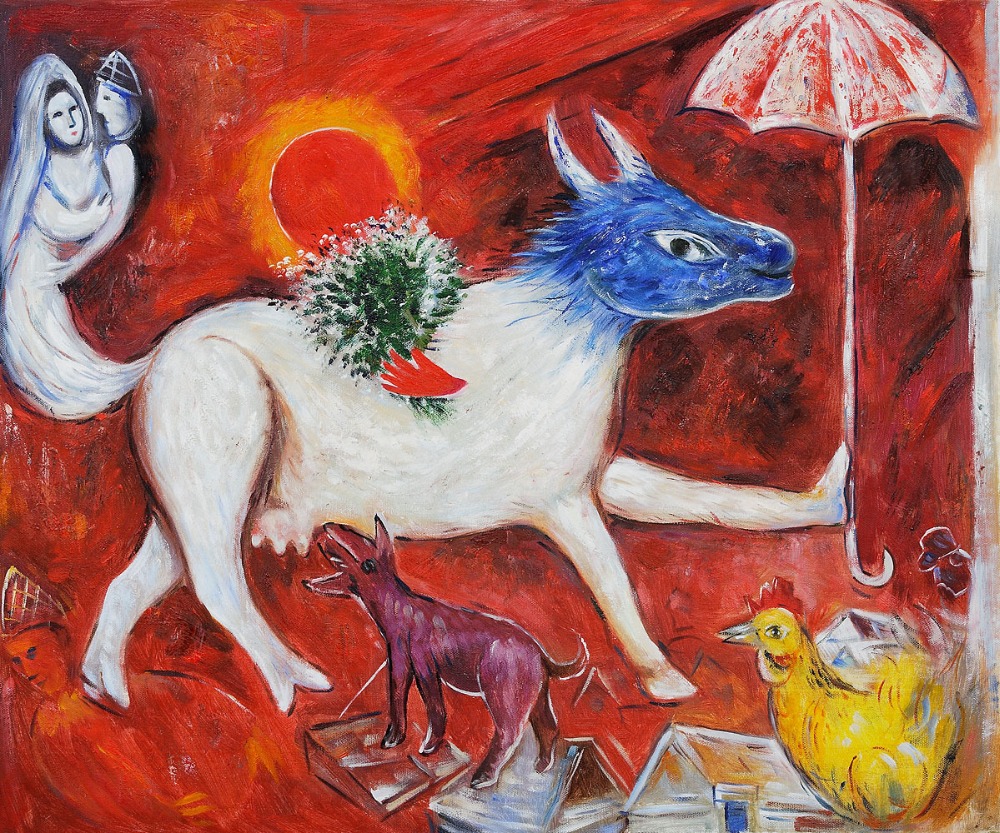
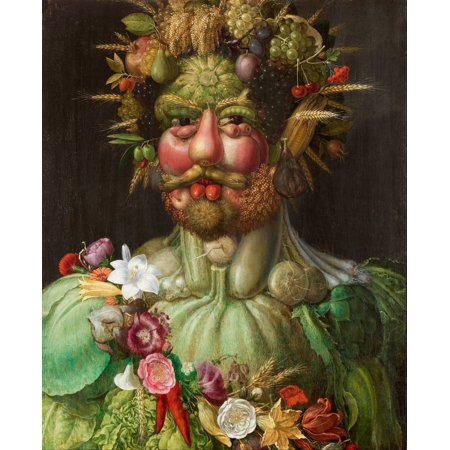
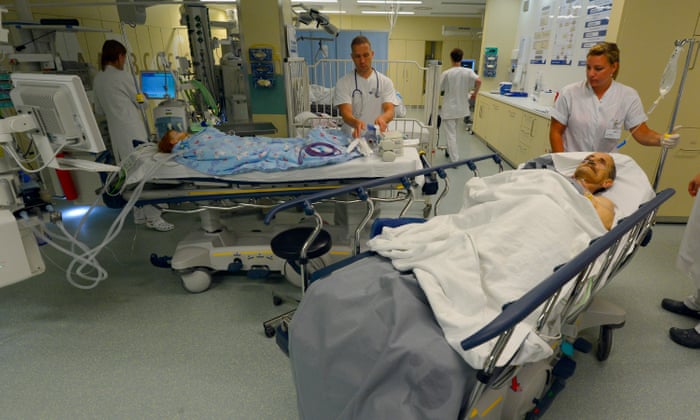
What can you see ? This tests the ability to form a basic “I can see a …..” sentence.

Marc Chagall
Arcimbaldo
Vietnamese folk painting.

Next up, ‘When the band comes marching in ‘, a kinetic exercise and also a way to introduce new vocabulary; here it will be musical instruments:

https://www.youtube.com/watch?v=1vpvFx0-uyI

We can use this for musical statues. The class size is very large, (20 students) the space limited, but the march tone will suit the limitations.

Moving on, back to seats, and I will teach them ‘I spy’

I look around the room and see something that they have learnt in a previous lesson (such as classroom accessories or animals), and say, “I spy, with my little eye … something beginning with …. ‘c’ “

The students then have to think of all the vocabulary they know (at this stage, somewhat limited), so the words will be ‘chair’, ‘table’, ‘pen’, ‘book’, ‘bag’, ‘teacher’, ‘student,’ and then pictures of animals that have been previously taped around the room.

Leading on from that, and time for more movement (or madness depending on your point of view), a flash card hunt. I will have various pictures of creatures taped to the wall, behind desks, under chairs … then ask, “What has eight legs … ?” then, “Six legs, four legs and a shell, four green legs and jumps ?” In twos, the students have to find said card.

Then it’s Grammar time. I drill and conjugate the verb ‘to have’

First I practice with my TA, then select some of the top students to model. They will be given a flash card and say, for example:

I have a cat

You have a dog

He has a frog

She has a spider

They have a monkey

We have a card.

By giving cards to groups of six, all the students can participate at once.

Some students can come to the front and hold their cards. I will ask, “What does he have ?” and expect the answer in a sentence, “He has a ….” and not just shouting out the single-word noun.

Moving on up, it’s time for the a /an distinction. I’ll simply board the vowels and elicit words that begin with each one. Then I’ll show the grammar, ‘It is a cat, it is an elephant.’ I’ll board ten or so words and the class must shout out whether the article is ‘a’ or ‘an’ AND say the answer as a full sentence.

Next up, a quick writing game. In small groups, the students have to write words that they have recently learnt. These will be:

bike / kite / rope / ant / bear / frog / spider / turtle

Time for a wee break, so a short video of funny animals: https://www.youtube.com/watch?v=QpNXHJGfGYo

Can start from 01:17 – 02:12

Finally, a chance to boost their use of adjectives. I’ll ask for them to describe animals, miming to help them, until we have basic words such as ‘big’, ‘small’, ‘fast’, ‘slow’ and then introduce some more: ‘tiny’, ‘scary’ and ‘massive’. They have to write down the new words in their notebooks.

I will then ask them to describe an ant, an elephant, a spider, a cheetah

Furthermore, I want them to start using the common adverb ‘very’ – a spider is very small and very scary !

We then have our school’s spelling contest, student book work, workbooks and worksheets for the quick-finishers.

And then … lesson over and I say goodbye to this class. They can be VERY noisy … but also a lot of fun.

Young Learners, Level 4: It’s The Late Show live from Sai Gon ….

21st May 2019

Lesson Notes for Saturday 25th May. I’m going to be buzzin’ for this lesson, on cloud nine, ripped and raring to go. Also, a big shout out to my teaching colleague Ms Han, who incidentally is as cute as a button, for being so friendly, so positive, so darn wonderful.

As you can see, the above paragraph was full of vernacular, similes, modern slang and idioms (and ended with some poetic repetition). It’s not the kind of language one would encounter in a school book, but it’s exactly the kind of talk that takes place every day on the streets of London, of New York, Melbourne, Singapore … all over the world where people try to emulate the language of English-language TV, film, music and the internet.

Taking my cue from David Crystal and his magnificent book ‘The Stories of English’, I use the classroom to teach Englishes; that is, both standard and ‘natural’. What qualifies as natural would fill not just a blog page, but an entire book, probably without a satisfactory resolution, but let’s take it to mean what would be heard in my home town, London.

A great boost for students is to learn expressions as opposed to just single words. This helps them develop a natural flow, and introduces them to the treasures of language available. So how to develop these ideas into practical activities … piece of cake !

This class have an average age of 11, so they have quite a good command of English without the teenage moodiness (that will come, have no fear). Our theme over the last weeks is ‘creativity’, and my aims are to greatly expand their vocabulary and the opportunities of speaking English to each other.

Therefore, I always board new words or phrases, then allow time for the students to write them down. As previously stated, this is not a common practice in Vietnam, so I have to encourage the students to find paper, take out note books, writing implements, sharpen pencils, in short, everything to do with writing except actually writing.

My board can look like this:

A list of adjectives, partly obliterated by the students during break time, which they take literally.

The students have to write down these words and then learn the meaning and be prepared to USE THEM. Both the TA (again, a first-rate chap, top notch) and I will then say these words endlessly, to help them sink in, and encourage the students to use them whenever possible. Therefore … our first warm up game is …

Hangman

Here, I will just reinforce the new words: / useless / bland / genius and our friend Dali.

I will then hand out boards and, in small groups, the students must write four positive adjectives (e.g. handsome, pretty, clever, etc) and four negative adjectives for a bad student (e.g. talkative, noisy, sleepy etc).

Art Review

Last week they learnt some new words. For a more kinetic exercise, I shall describe a type of art (painting, sculpture, mosaic, photograph) and two students have to run to the board and write the word. This is fun if I assign a certain colour marker to a team, then hide the markers around the room, pretend to throw them out of the room etc.

Project Presentation

Last week, the students were split into small groups and had to produce a short, illustrated story. They can continue this, and it will give us a chance to enforce appropriate classroom behaviour, namely, listening politely when other students are presenting work. This is also not a popular activity in Vietnam, from children to adults: if THEY are not involved, they have no interest. It’s not just the teacher that gets ignored.

Spelling Test

Our centre is having a major spelling contest, and this will occupy the quarter hour before break. After said break (when something is guaranteed to be broken), we do book work which, this week, is rather minimal; it’s basically a list of jobs and asking what people want to be when they grow up. Some of the jobs are in the arts such as actor or musician, so … to engage the students and get them producing English and having fun, we can make a US-style talk show:

https://www.youtube.com/watch?v=K22baZRNQKc

This is a compilation of clips from David Letterman, who speaks in a very quick, New York manner. We can start around 2:41 and play about 30 seconds. Drinking the perfume should amuse my students.

In groups, one person can pretend to be famous, either in arts, science or sports. The rest of the group have to interview him, each member asking a question such as:

When did you start (acting, playing sport, learning an instrument etc)

How long did you practice or How many hours a day do you rehearse ?

How old were you when you won your first award or medal ?

Tell us about yourself – where were you born ?

Do you have any brothers or sisters ?

What do you want in the future ?

Who do you like or who inspires you ? Why do you say that ?

Next, we need to create a studio set. We’ll do a ‘word bomb‘ or ‘mind map’ game. Who works on a TV show ?

We have a host and of course, we need a guest.

But we need someone to work the camera (cameraperson), the sound (sound engineer) and a director to shout ‘Action !’ We’re in HCM City, so we need a great backdrop for our show:

Tonight, live from Ho Chi Minh City, it’s The Late Show ….

This will hopefully make my students energetic and not sleepy. We shall see.

Young Learners, Level 2: Focus on Sweden

17th May 2019

Recent lessons have introduced items of clothing, furniture and being healthy so, as a way of introducing the students to new cultures, today we can look at life in Sweden – Välkommen

First, a short introduction (we can end the video around 1:30 at the coffee shop): https://www.youtube.com/watch?v=EMphA2kldT0

Board new words, then allow (or force) students to write them down and reuse throughout the lesson.

Sweden is home to many global companies including Spotify, H&M, IKEA, Volvo, and Skype was co-founded by a Swede. There are branches of H&M in HCM City, but Swedes need much warmer clothing:

The students, placed into two teams, can run to the board and write items of clothing, one team member, one word, then exchange the pen with another team-mate. They can also write other items, not shown in the picture. Bonus points for those who can give the most detailed descriptions e.g. she wears a lovely purple coat (at this level, the students just use present and past simple, no continuous verbs).

Next, what are these buildings and who works there ?

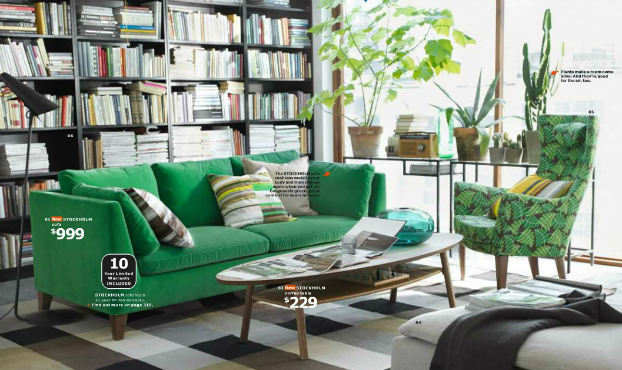
Moving onto IKEA. What items of furniture can the students identify ? Which would they like – they have to select what they would buy for their home. They may choose different colours:

The Swedes are famous for their healthy lifestyle. What makes people healthy ? Here, I encourage, or demand, sentences, not just single words shouted out. To make it more kinetic, I can select some students and give them an activity to mime, such as exercise, eating healthy food and getting enough sleep. The students can be asked what food is healthy ? This leads into the next and final section, Swedish food:

Swedish meatballs, potato & berry sauce
Sill (herring) and fresh vegetables
Selection of different types of sill (herring) in different sauces
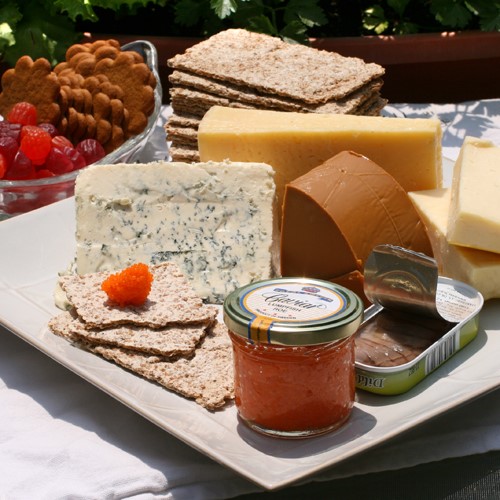
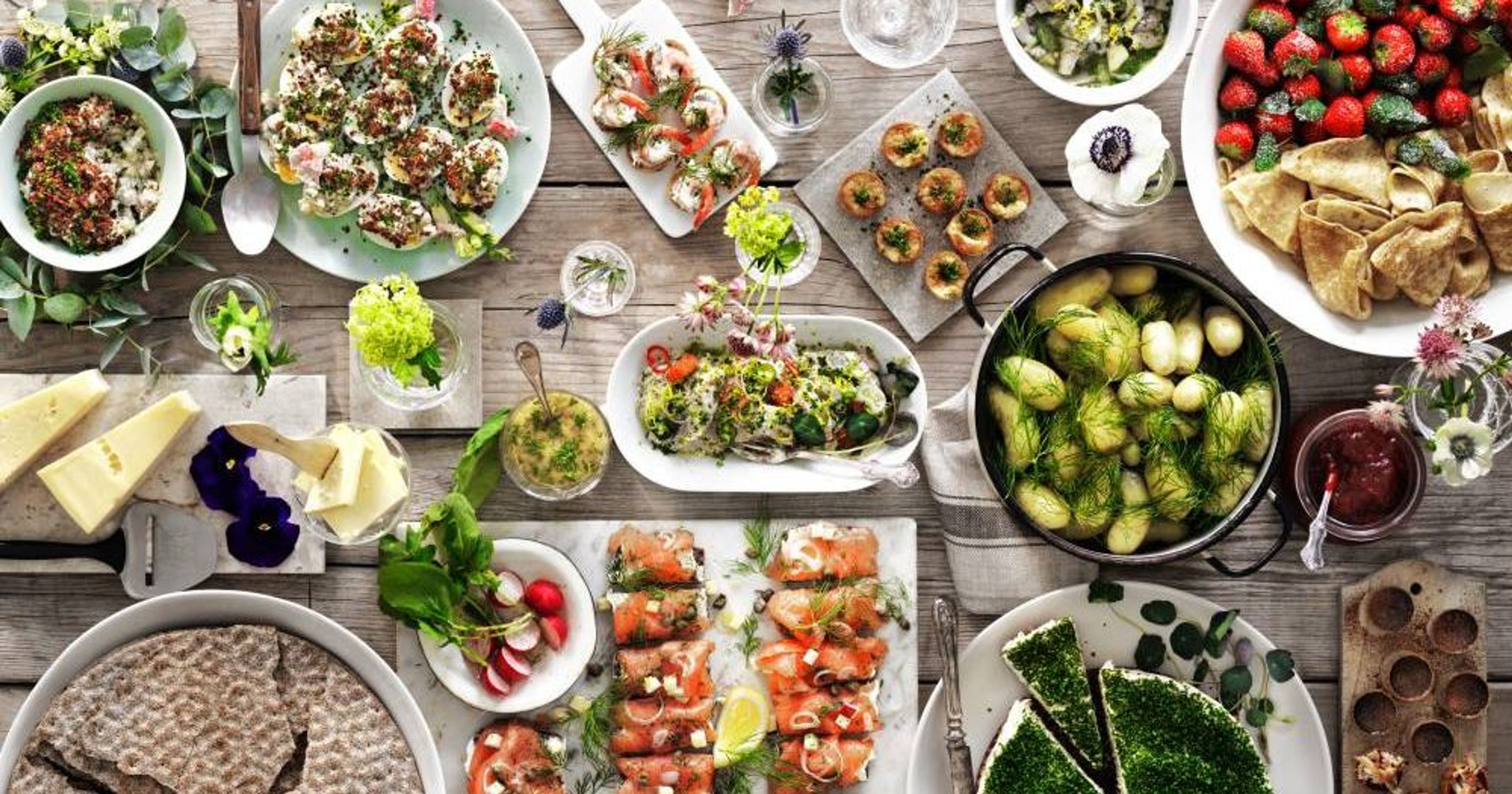
Cheese, Swedish caviar and crispbread (knäckebröd)
Midsommar (Mid summer) smorgasbord
Semla – as delicious as it looks … but is it healthy ?

After this cultural trip to north Europe, it’s time to get back to spelling tests, unit work and bookwork.

Hopefully, the students will have learnt something about a different culture, a country where English is not the mother tongue, but is widely spoken, and taught from an early age. In face, many Swedish singers even sing in English; here’s an example:

https://www.youtube.com/watch?v=6OwPHD61Y3s

Abba – Sweden’s most famous musical group.

Young Learners, Level 4: Art for art’s sake.

16th May 2019

Everybody Up Unit 6, Lesson 4

We can start with descriptions of people:

Warm up: Student description

In a previous lesson, the class learnt about basic adjectives to describe appearance. I will therefore choose a student and describe the physical characteristics, e.g. this student has long straight hair, is not very tall, and wears black glasses. I will choose some students and give them a student to describe, while promoting the value ‘be polite‘.

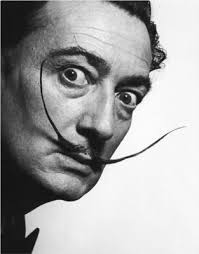
To continue the theme of Art and creativity, I will show some artists. The class already met Frida Kahlo but I thinks it’s time they met Dali !

Dali normally get a reaction (especially when we have fun elongating his name as long as possible). It’s also a chance to learn a few new words:

creative / genius / unusual / strange / surreal

The last word maybe a little advanced, but it’s a good way to introduce new words; inside the word is ‘real’ so surreal has something to do with reality … but what ? Here’s a clue:

This is a mixture of reality and fantasy. The students can say which is which … and why does Dali give the elephants tuba faces … is there a reason or is it just crazy ?

I will then expect the student to form basic sentences using these new words, and not forgetting new vocabulary from previous lessons.

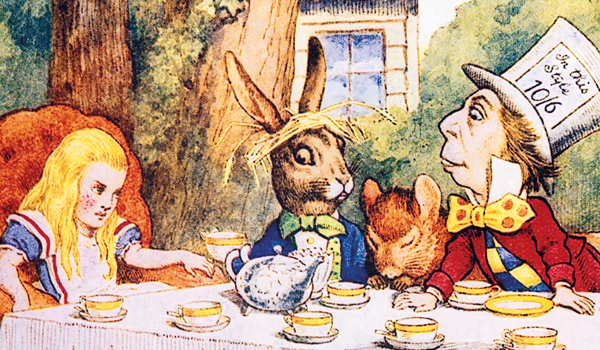
Next up, is a scene from the popular Children’s classic, ‘Alice in Wonderland’.

Again, a mix of reality and fantasy. How would the students describe this ? It could be turned into a game … students put into small groups and given boards and markers. Points for the best vocabulary. What is happening ? Also, how to tell a story – an introduction and then mentioning items point by point, linking with appropriate discourse markers. YES ! I’m going to make the students study hard today.

Always good to give a model answer, tell the students what I expect to hear, or WILF as I’ve heard it termed in some schools (What I‘m Looking For).

Now, to continue the theme and introduce some listening and reading skills, a video. This is the singer-songwriter Don McLean with ‘Vincent’, about the artist Vincent Van Gogh:

https://www.youtube.com/watch?v=oxHnRfhDmrk

This version also has the lyrics, as well as various paintings by the artist such as:

Then, with time against us, and a lot to get through, we’ll turn to the book work. They will watch a video which also shows sculpture, mosaic and photographs. The book also mentions Van Gogh, and a sculpture based on the Mad Hatter’s Tea Party from ‘Alice’.

A useful lesson will be the subjectivity of art – it is a chance for the student to think and to give their views, and to try to develop the English skills to express their thoughts. Clearly, this is a perfect opportunity to introduce some fixed expressions to express opinions:

In my opinion …

I feel that …

For me …

And even an idiom – it’s not my cup of tea !

Finally, to wrap up after the spelling tests and writing projects, a little bit of fun. Who better than Dali (or at least a great actor playing Dali) ?

https://www.youtube.com/watch?v=_q1V_xjHhLM

Kindergarten, Level 1: ‘t’ time.

3rd May for 5th May 2019 Safari 1

I want to do a general review of vocabulary and basic sentences that the students have been exposed to and practised over the course. They include:

Nouns – animals, clothes, food, classroom accessories

Verbs – walk, run, fly, swim, stomp, hiss, roar, jump

Prepositions – on, in, under

Colours

Numbers – 1 to 5

My name is …. // I’m …..

Do you like … (rice, cake ?)

I have / you have

Today’s letter is ‘t’, and to end the class, the students have a project; colouring and cutting out rockets.

I don’t want to introduce any new games or activities, but to encourage as much inter-student talking as possible. It’s great to see some of the quieter students opening up and joining in more of the lesson, and starting to gain confidence in speaking English. And so, without further ado, the lesson plan:

Warm Up: I say a verb and the students must pretend to be that creature.

Hiss / stomp / walk / jump / swim / fly / roar

Put the ….. This tests knowledge of nouns, colours and prepositions.

I arrange two chairs, one green, the other yellow, at the front of the room, with a red bag in between. Around the room I will have real items that the students know (pen, book, ball, monkey) and, one by one, tell the students to put an item on/in/under a certain chair or bag. For example, put the red pen on the yellow chair.

The more advanced students can then act as ‘thay’ and instruct other students.

What’s your name ? Here, the students make a circle and one starts by saying, “My name is …. What’s your name ?” The person to the left answers … and so on. To make it fun, we can try to speak as quickly as possible, or to shout (this sometimes helps the shier students).

Focus on ‘t’

I start with this great video:

https://www.youtube.com/watch?v=HHEqOLZ0hr4

After, we drill the ‘t’ sound both at the beginning and end of the word.

Board Slap: I’ve made a basic slide with five ‘t’ words. Class can be put into two teams. One team shouts out a word, and one member of the other side has to slap the appropriate picture.

This is following by a drilling of the ‘t’ sound again and a test; can the students identify it in a word ? I shall say a simple word and ask the student if it has a ‘t’. They can run to one wall (with a ‘t’ flashcard) or to another, blank wall). The words:

cat / cap / hat / ham / pet / pen / one / two

Do you like … ? To review food nouns and to get the students forming basic questions, they can ask each other if they like … cake, rice, salad and pasta.

It’s always best to model speaking exercises. First I will ask one of my TAs, then two top students can demonstrate. The students sit at small tables, four or five at each, so one student could ask the others. The answer must be in a sentence: “Yes, I do,” or, “No, I don’t.”

Next up, time for some fun and movement: Musical Chairs. Today, a fun song, ‘Yummy, Yummy, Yummy’:

https://www.youtube.com/watch?v=-4aQiFaCod8

When the music stops, the students who haven’t found a seat have to answer a question, then we continue. If we need an extra, food-related song, we can use ‘Sugar, Sugar’:

https://www.youtube.com/watch?v=h9nE2spOw_o

Lastly, I would like to review some basic grammar we touched upon last week; first and second-person use of the verb ‘to have’.

I model with a TA (we both hold an item or flash card). I say, “I have a pen, you have a book.” The TA then replies, “I have a book, you have a pen.” Some of the top students can model, then we can line the students up in two rows, giving each student an item. They face each other and say, “I have a …. , you have a …..”. This can be done all together, so the class become confident speaking, then we can listen to pairs speaking one at a time.

This is probably too much for one class, but it is always a good idea to have a lot of activities planned. Anything that isn’t used can be in subsequent lessons, thus cutting down on lesson planning.

Next week is our final class, so more of a party atmosphere, culminating in the presentation of certificates, and the taking of class photos. Maybe I will continue with the class at Level 2, maybe an entirely new class … we shall see.

Please Note: All photos are taken from Google Images or free photo sites, and are used for educational purposes only. No copyright infringement or offense is intended. If I have used your photo or image, and you wish me to remove it, just ask. This site is not monetized, I run it on my own dollar. Thank you.