Please Note: All photos are taken from Google Images or free photo sites, and are used for educational purposes only. No copyright infringement or offense is intended. If I have used your photo or image, and you wish me to remove it, just ask. This site is not monetized, I run it on my own dollar. Thank you.
A varied lesson plan. Firstly, we’ll (we will) start with a talk about married life. After, we’ll focus on phrasal verbs and finally we’ll conclude with some new expressions.
Naturally there will be many opportunities for you to practise, and I’ll (I will) include the answers at the end of the blog.
Married life
Conversation Practice
What advise would you give to someone getting married ?
How does life change after marriage ?
What is the normal marriage age in your country ?
Are married people expected to have children ?
How many children are expected ?
Is there pressure from family to have children ?
Is marriage ‘give and take’ ? Is it a continual compromise ?
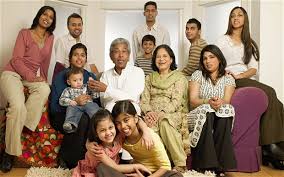
How important are families in your country ?
Do you live in a nuclear or extended family ?
(nuclear = parents & children / extended= parents, children & grandparents, maybe aunts, uncles, nieces etc)
Phrasal verbs: coming out // look after // hang up // turn down // give up // hang out // look up to // take after // turn up
What phrasal verb means:
take care of // spend time with friends // to be like someone // stop doing something // make music louder // make music softer (quieter) // to respect someone // turn off a phone conversation // plan to go outside
Hang out with friends
Look after your young sister (Treeless Mountain, South Korea, 2008)
Now … your turn
Which phrasal verb would you use?
Many people 1) ………. Nelson Mandela.
In ‘Treeless Mountain’, a young girl has to 2) ……… of her young sister.
She looks just like her mother, she really 3) ………. her.
Learning Mandarin is too hard, I 4) ………..
Are you 5) …… tomorrow night ?
New expressions / vocabulary
unique = one of a kind, there is only one of them, very special
numerous = many
typical = normal, usual
straightaway = immediately, right now
clue = evidence (the police look for a clue.)
I haven’t got a clue = I’ve no idea !
First impressions count = the first thing you see is very important
blows your (my) mind = something so amazing, you almost can’t believe it.
Can’t judge a book by its cover = you can not tell what something or someone is like just by how it or they look.
Making a very good first impression
Now … your turn
What words or expressions would you use ?
1. Can you please send me that email …….. (now).
2. He looks so quiet and nice, but he plays very loud guitar. That proves you …………………………………….
He looks a very nice, quiet young man, but …
3. Don’t worry, there are ……. coffee shops on the main road.
4. Wow ! He knows so much, it totally ……………. (really surprises me)
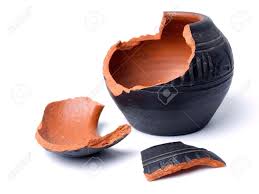
5. You can’t replace that broken vase, it was …….. (only one of a kind).
6. What is 1 693 093 divided by 37 ? I …………………………. (no idea at all)
Answers:
take care of // look after
spend time with friends // hang out
to be like someone // take after
stop doing something // give up
make music louder // turn up
make music softer (quieter) //turn down
to respect someone // look up to
turn off a phone conversation // hang up
plan to go outside // coming out
look up to 2. take care of 3. takes after 4. give up 5. coming out
New expressions
1. straightaway or immediately 2. can’t judge a book by its cover 3. numerous 4. blows my mind 5. unique 6. haven’t got a clue !
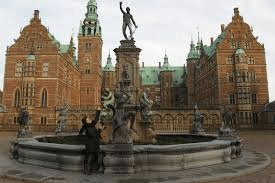
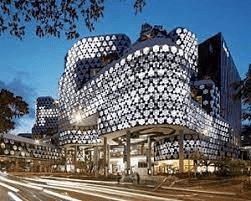
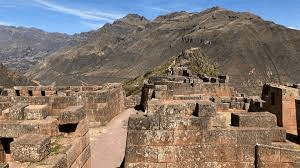
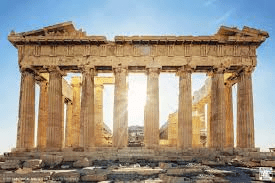
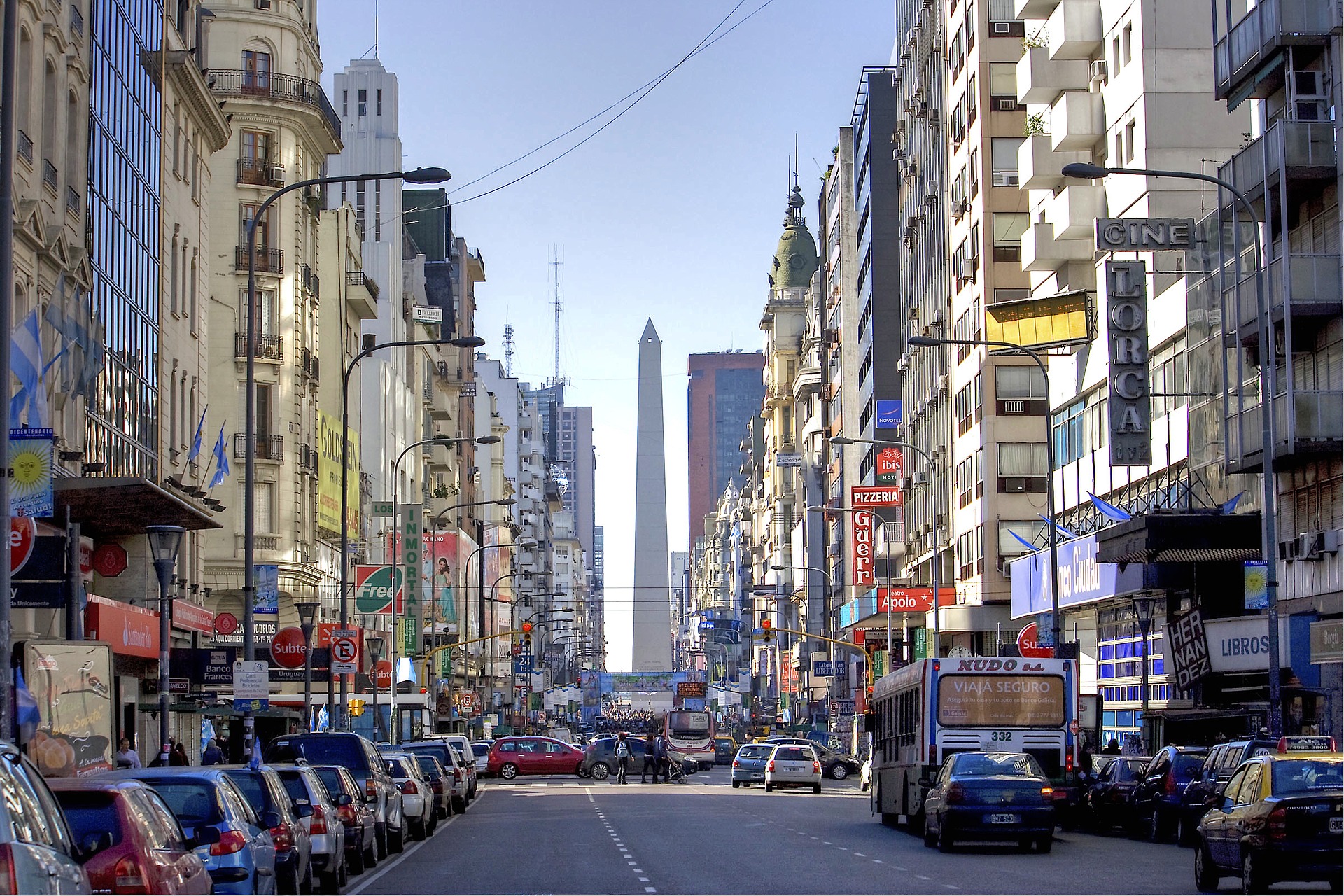
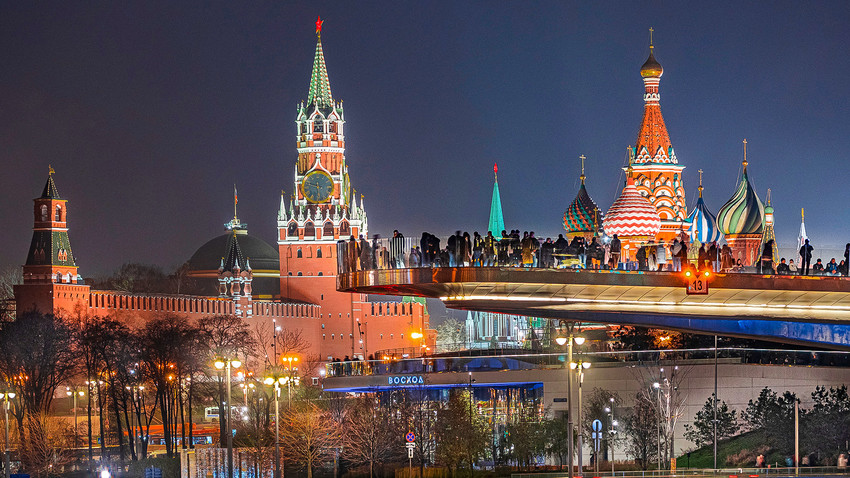
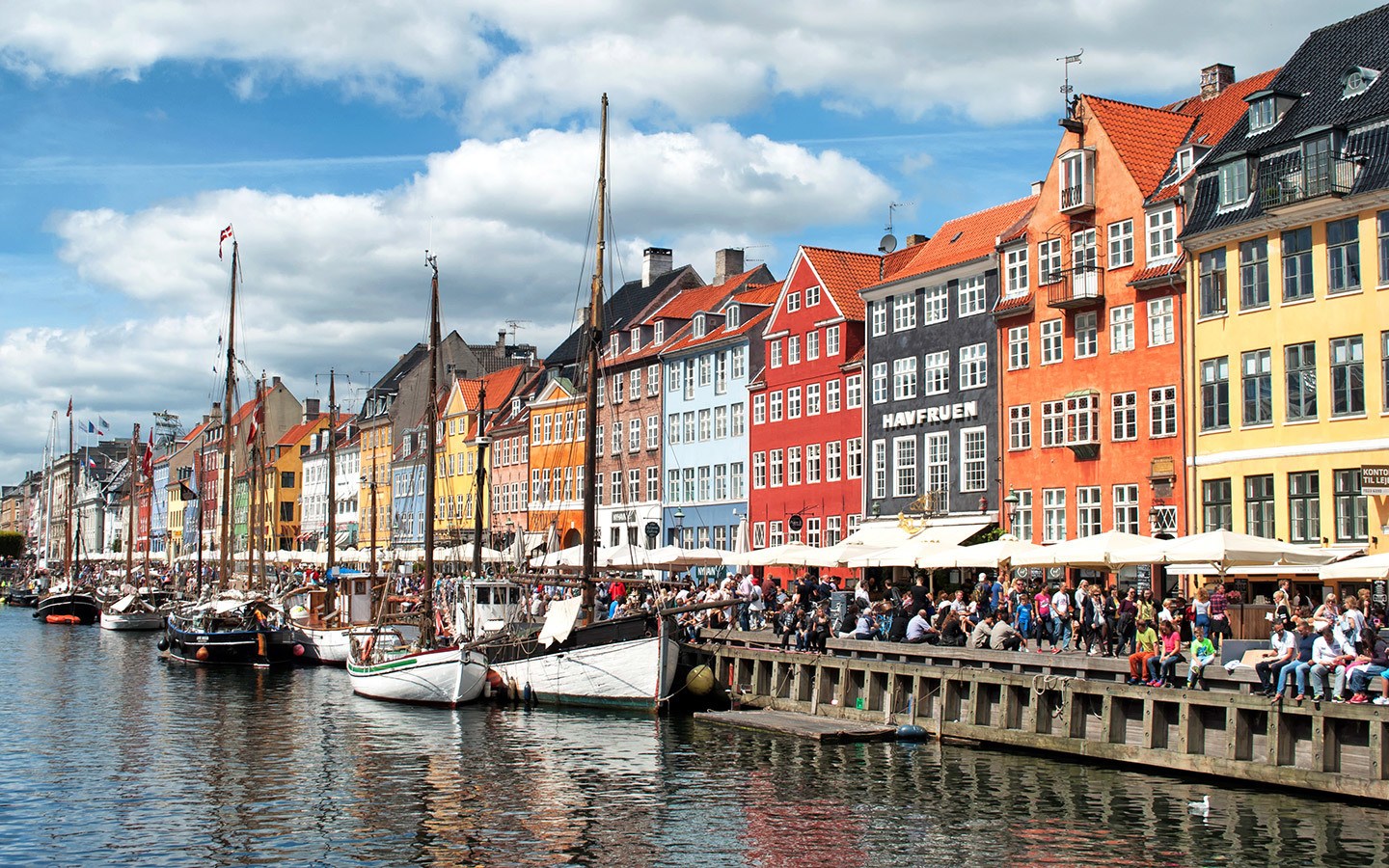
Look at the four photos. What do you know about the four places ?
What do you need to think about ?
They are all capital cities … will that make them cheap or expensive ?
Do they speak English there ? What is the temperature in winter and summer ? How would you find information ? What do you like to do on holiday ?
Extra activity – describe the photos in as much detail as you can. Use adjectives and make your voice sound excited (or unhappy).
Buenos Aires, capital of ArgentinaNairobi, capital of KenyaMoscow, capital of RussiaCopenhagen, capital of Denmark
Work in pairs – write or talk about these points:
Before I go – what do you need to do ?
While I’m in ________________, I’m going to _____________
Are there any places you don’t want to visit ? Why not ?
Pros and cons (good andbad points)
Buenos Aires:
Very colourful city with interesting buildings. Cheaper than some western cities.
In South America – could be a long flight (my class is in Vietnam). Language is Latin – American Spanish.
Nairobi:
National parks and museums. Some great food and can be cheap. English spoken.
Not very safe at night. Insects and bugs plus bad hygiene in some places.
Moscow:
Amazing culture and architecture. Generally safe for tourists. Lots to see and do.
Can be very expensive. Can be bitterly cold in winter. Most people have just basic or no English.
Copenhagen:
Friendly people, small city can be explored on foot. Great beer and healthy, fresh food. High quality standards. English widely spoken, like a second language. Safe.
Is notoriously expensive. Can be very cold and wet in winter. Very long flight (from Viet Nam).
Ask each other what they like best, where they would probably go, where they probably won’t go !
Advanced levels:
To practise complex sentences, make your own answers
The four cities are all interesting in their own way, but if I had to choose just one, I think I would probably select Nairobi in Kenya.
Firstly, I have never been to Africa and it look so different to Europe and Asia. Seeing those beautiful giraffes just walking past the window must be an amazing, unforgettable experience.
Secondly, I know that English is widely spoken in Kenya, so there should be no language barrier even though I expect a lot of culture shock.
However, I expect the heat will be a serious issue, so I must pack a lot of powerful sun cream, sunglasses and a hat. Additionally, i don’t really know much about the city, so I will have to read up.
In conclusion, I feel all cities offer something amazing but my choice would be Nairobi. I’m sure I will have an incredible time in Kenya.


















 Thay Paul's Notes