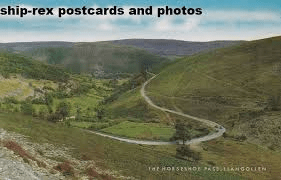
I begin by eliciting class rules then a good old STB, replacing ‘bus’ with ‘taxi’. What do they know about UK ?
This leads to …
Try the birthday horseshoe game: here, one part of the room represents January, the opposite, December. The students must stand in a horse-shoe shape, according to when their birthday falls.
This leads to …
A run & write activity. I write incorrect sentences on the board. Split class into teams), and one member must rewrite the sentence correctly:
What are your name ?
I eats fruit
How old is you ?
What is your hobbies
He like swim
What you do think
There isn’t a chocolate
Why is your friend
Today’s theme is Free Time. The warm-ups should review previous lessons and
This lead to …
Word Bomb – Hobbies – what do they do in their free time ?
Listen out for mistakes, encourage full sentences and drill collocations
(Play sports / do homework / make models / go swimming)
Students can mime an activity, and drill full collocation:
play piano play table tennis listen to music read a book go swimming
Then use the Mingle – interview sheet. This will get the class up and active before break time, and after sitting through book work and listening exercises. The exercise can also encourage students to introduce themselves:
Find 3 people who:
Name
Hobby
Play an instrument
Draw or paint
Read books
Watch films
Learn English
Have a pet What pet ?
Pronunciation – phonemes
ɑ ɔː əʊ
Point to the correct phoneme
In teams, read out:
model disco show on door go walk
Players must identify the correct phoneme
Pre-teaching: Match the words with the meanings
describe planned, in order, not a mess
imagine having to do too many things
typical feeling you have too much work
pressure normal, usual
organised to tell what something looks or like
community to think about something
stressed the place or area where you live
Please Note: All photos are taken from Google Images or free photo sites, and are used for educational purposes only. No copyright infringement or offense is intended. If I have used your photo or image, and you wish me to remove it, just ask. This site is not monetized, I run it on my own dollar. Thank you.

Let us start with a quick welcome; students can be put in pairs and spend 3 or 4 minutes asking each other questions (names, age, likes and dislikes). Then they introduce their partners to the class.
I follow by asking the students where they think I am from, and in one class I heard, “Australia.” Couldn’t be further away. Sounds of laughter and of ice-breaking. One of the younger students recognised the British accent, then London was pinpointed as my hometown.
This leads to …
First activity: stop the bus (STB) about the UK.
What is the second biggest city ?
Name of the famous clock. Name of our King.
Name of 007 (also a way to drill the notoriously absent final-s of James),
Traditional food (“fish & chips,”; again -s drill).
This combines ice-breaking games with some pronunciation and grammar drills.
This lead to …
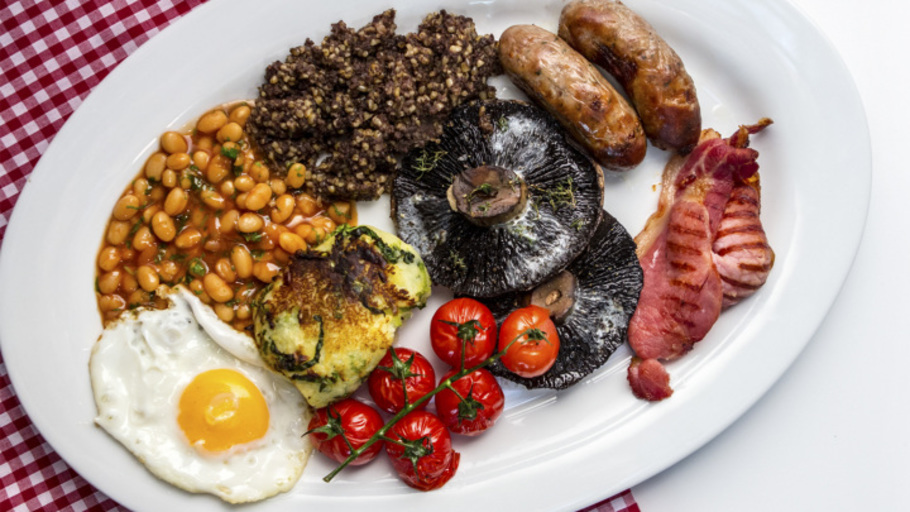
Partner work. I show four different examples of British food and four titles. Students had to match the title and image, with some pre-teaching. The activity:
English food
Toad in the hole Sunday roast
Full English breakfast Fish and chips
Describing the food: can they name the dishes ?
What do they think of them ? (elicit adjectives)
Are they healthy ? if not, why not ?
Encourage all students to contribute, feel relaxed and comfortable, and confident to demonstrate their knowledge.
Phrasal verbs pertaining to eating
eating out
dig in
check out or check it out
pick up the cheque / bill
Vocabulary
unusual for instance partly attracted ingredients typical
Then using these in sentences:
What do you need to make pho ? (noodles, meat, vegetables, stock, herbs)
Those are the ingredients.
What do you do every day ? (go to school or work, exercise, do homework, clean the house)
That is a typical day.
Viet Nam has great food, for instance pho, bun bo Hue, Mi Quang. What is the most unusual food you know ?
Today will be partly cloudy. The smell of the cooking attracted the young lady.
There has to be a lot of time for the students to speak with each other. Sometimes working in pairs, sometimes in small groups. Make sure the students have the vocabulary to do the activity, know what they have to do and feel motivated.
Grammar: present simple and present continuous
I live in HCM or I am living in HCM
What is the difference ? Why do we use one but not the other ? (This will be covered in other blogs)
Pronunciation: the stress on negative words
I like tea, she doesn’t like coffee.
Intonation: rising voice on questions
Does she like tea ? Do you like British food ?
And finally ... students can ask their partner about things that they like: food, music, films, places etc
Please Note: All photos are taken from Google Images or free photo sites, and are used for educational purposes only. No copyright infringement or offense is intended. If I have used your photo or image, and you wish me to remove it, just ask. This site is not monetized, I run it on my own dollar. Thank you.

The future starts right now ! In small teams, let’s review some technology we already use.
1 If you want to listen to music, you can use ____________________ . What is good about these ?
2 Smart phones have many _______ . Which ones can you name ?
3 To connect to the internet, you need __________ . Draw the symbol.
4 A computer that can be carried around is a _____________ . Why is it called that in English ?
5 Some schools use an ________________ ___________________ .
6 Singers use _______________________ to be much louder.
7 No need to buy books if you have an __________________________ . Do you prefer real books or these ? Why ?
8 If you want to use the internet, you need to ____ _________________ .
9 You wear these and it feels like you are in a different place ____________________ .
10 When the battery on a phone or tablet is low, you must ________ .
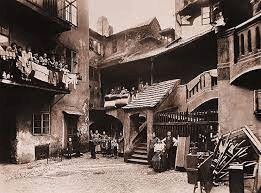
What will future cities look like ? Will they look like this ?
Remember to answer, “Yes, they will,” or “No, they won’t.”
How will life be in the future ? Will there be …
Robot police officers ? Why or why not ?
Robot doctors ?
Robot servers ?
Robot drivers ?
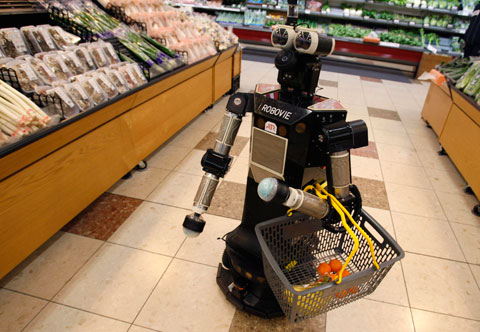
Robot shoppers ?
Robot cleaners ?
Which ones do you think are good ideas ?
Which ones do you not like.
What do you think about a virtual classroom ?
Give me good and bad reasons.
Points for the most interesting and intelligent answers.
Please Note: All photos are taken from Google Images or free photo sites, and are used for educational purposes only. No copyright infringement or offense is intended. If I have used your photo or image, and you wish me to remove it, just ask. This site is not monetized, I run it on my own dollar. Thank you.

An exercise for students to use critical thinking, and to practise speaking.
First we shall let the students work in pairs, discussing today’s question:
What’s the problem with your city … and what’s the solution ?
Let’s kick off with some useful vocabulary
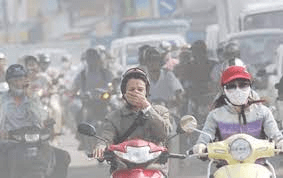
pollution
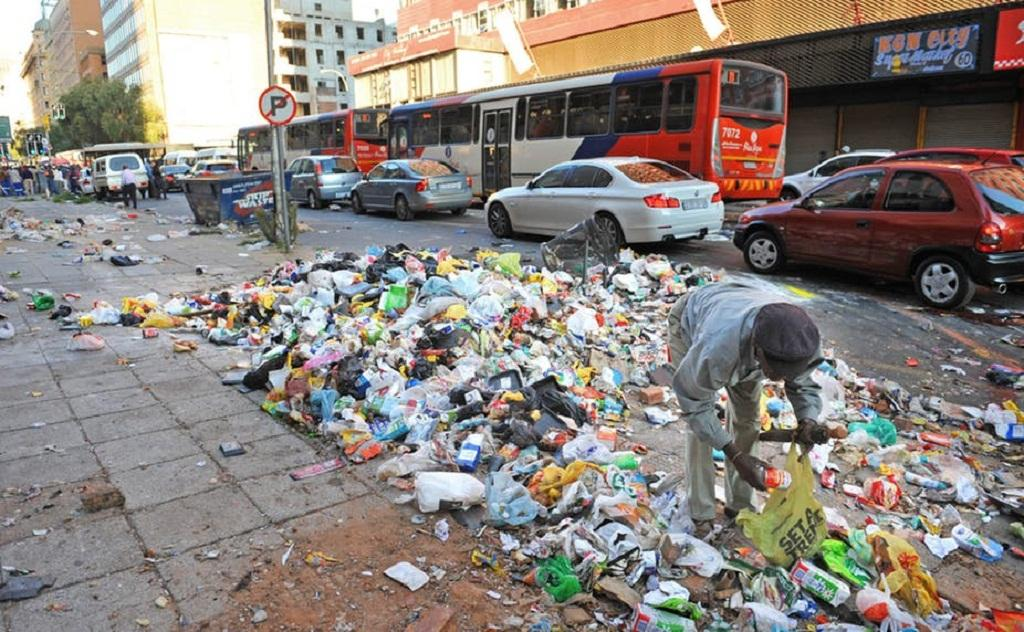
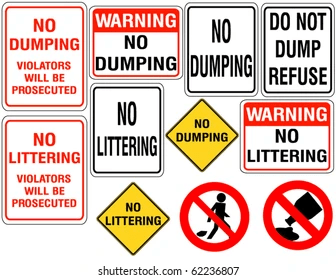
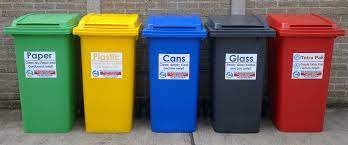
litter
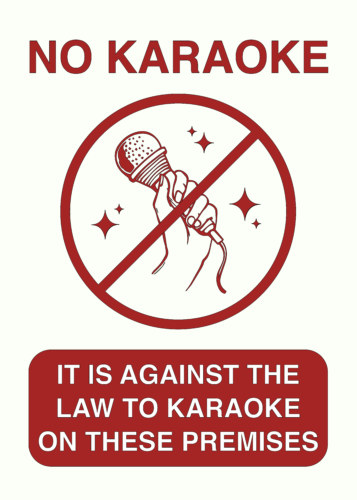
noise
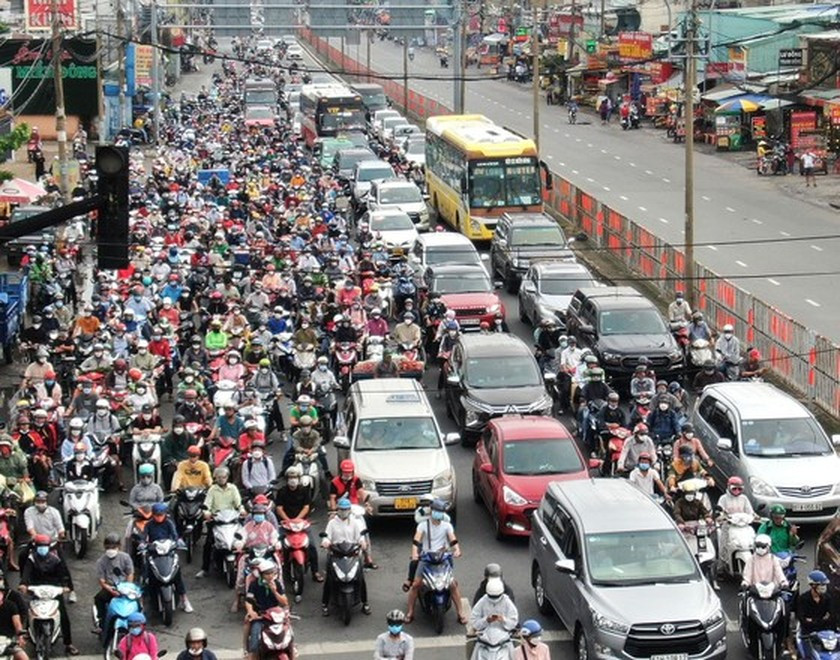
traffic congestion
You may start like this:
I live in Sai Gon (Ho Chi Minh City). The city is very large and busy, and has many great places. However, it also has many problems.
Then talk about pollution (air and water),
litter (paper, plastic, food, bottles, cans etc)
noise (karaoke, motorbikes, street vendors, building work)
traffic (is it fun or safe to drive ?)
Remember to use amazing adjective as well as linking words to give longer, better answers.
Now for some solutions
How can we make rivers cleaner ?
How can we make the roads less congested ?
How can we stop people littering ?
How can we reduce noise pollution ?
Please Note: All photos are taken from Google Images or free photo sites, and are used for educational purposes only. No copyright infringement or offense is intended. If I have used your photo or image, and you wish me to remove it, just ask. This site is not monetized, I run it on my own dollar. Thank you.
Merry Christmas and Happy New Year one and all. Here is what we shall be studying this block, and what I expect from you:
Students will have a large vocabulary, and speak in long, interesting sentences.
Students can tell if a word is a noun, adjective, verb, pronoun etc.
Students will be able to use Simple Present & Simple Past (Verb 1 & Verb 2)
Students will come to class on time, and will be prepared; that means having pens, pencils and a notebook.
Class rules will be followed. I demand that MY students
DO NOT RUN in the halls
DO NOT SHOUT.
If you do, you shall receive a …
Additionally, you will have to sing a David Bowie song in front of the whole class !
Our classes will kick off (start) with a song
‘Love Me Do’ by the Beatles.
Next we shall have speaking time.
I will write a subject and you will talk to your partner for as long as possible. Remember, English is never finished – you can always improve (get better). Today the question is:
What do you want in 2024 ?
You can say want you want to have, where you want to go, and why, what you want to study (and why), what new skill you want, maybe some new food or drink.
Let’s break it down.
First, what do you want to have ?
A new toy // a baby sister or brother // Lucky Money // A+ in your tests // an iPhone 15 !
Next, where do you want to go, and why ?
Da Nang because it is beautiful and cool. Also I can eat fresh fruit.
London because I want to see Mr Paul’s hometown 🙂 Also I can visit many famous places like Tower Bridge.
Thailand because the people are friendly and the temples are amazing and peaceful.
Next, what you want to study (and why)
I really want to study English because …
What new food do you want to eat ?
I want to try British Christmas food because …
EXAMPLE:
In 2024 I want to go to Thailand because the food is spicy and delicious. Also, it is quieter because I don’t hear karaoke.
I want to have great classes with super students who are respectful !
Maybe I will learn some more Vietnamese so I can talk to people.
Finally, I really want to learn this music on guitar. However it is very difficult and very fast. I will have to practise every day.
Happy New Year everybody. Peace and Love.
Please Note: All photos are taken from Google Images or free photo sites, and are used for educational purposes only. No copyright infringement or offense is intended. If I have used your photo or image, and you wish me to remove it, just ask. This site is not monetized, I run it on my own dollar. Thank you.

But let me have silence always, in the centre of the shouting— That is essential! Let me have silence so that no pin may drop And not be heard, and not a whisper escape us for all our spouting, Nor the needle’s scratching upon this gramophone of a circular cosmic spot. Hear me! Mark me! Learn me! Throw the mind’s ear open— Shut up the mind’s eye—all will be music! What Sculpture of sound cannot—what cannot as a fluid token Words—that nothing else cannot!
verse iv from ‘The Song of the Militant Romance’ by Wyndham Lewis (1933)
The young Asian woman has long, straight, black hair. She is wearing a blue coat and holding a large, pink book. I think she is very intelligent and hard-working. She looks very happy. In my opinion she is waiting for a friend and they will go for a coffee.
Now … your turn
Picture 2
Picture 3
Picture 4
Picture 5
Picture 6
Picture 7
Picture 8
Please Note: All photos are taken from Google Images or free photo sites, and are used for educational purposes only. No copyright infringement or offense is intended. If I have used your photo or image, and you wish me to remove it, just ask. This site is not monetized, I run it on my own dollar. Thank you.
One of the purposes of teachers asking questions is to give students an opportunity to practise their speaking skills; vocabulary, syntax, intonation etc.

However, many times students, of all levels, will merely answer the question in as few words as possible, and they need to be encouraged to elaborate on their responses.
Teachers are taught to refrain from asking ‘Yes,’ or ‘No,’ answers:
“Did you have a good weekend ?”
“Yes.”
A better option would be:
“What did you do on Saturday ?”
Hopefully this will elicit a more suitable reply.
(Yes, teachers should be prepared for, “Nothing,” “Sleep,” etc … some students simply do not want to learn or work. Teachers have a limited supply of energy and enthusiasm; it should not be wasted.)
And so to work … my young learners have speaking tests soon. Here are some exercises to help boost their scores.
First we need our vocabulary toolbox. Let’s start with some adjectives:
amazing, angry / beautiful, big /clean, clever, cute / dangerous / easy, electric / fantastic, funny / greedy, great, / happy, healthy, huge / important, intelligent / Japanese / kind / lazy / messy / nervous / old, outgoing / popular / quick / rude / sad, selfish, shy, small / talkative, tiny / ugly, unusual / valuable / wealthy / year-long, young
Now some linking words:
also, as well as / because / furthermore / however
Finally, a smattering of expressions and idioms:
in my opinion / it costs an arm and a leg / let’s dive in / more than likely / over the moon.
Let’s dive in ! Work in pairs and ask each other the following questions:
Tell me about your house or apartment
(where is it, how many rooms, what does their room look like, what colour is it, what toys do they have, do they have pets ?etc)
Does this look like your room ?
Tell me about your school
(Name of the school and address, their favourite subjects and teachers, why do they like them, their friends, what do they do at break time, do they play sports or music ? etc)
Does this look like your school ?
Tell me about food you love and food that you hate
Tell me about a film you love
Where would you most like to visit ?
What job would you like to do. What job would you hate ?
Please Note: All photos are taken from Google Images or free photo sites, and are used for educational purposes only. No copyright infringement or offense is intended. If I have used your photo or image, and you wish me to remove it, just ask. This site is not monetized, I run it on my own dollar. Thank you.