Complex sentences, which you will need to get a respectable IELTS score, are actually quite simple to form as they merely require two or more pieces of information in one sentence.
Ms Jane is from Seattle which is the biggest city in Washington state, USA.
We know where Jane is from as well as something about the city of Seattle
Mr Bean, who is played by the actor Rowan Atkinson, is extremely popular and tremendously successful, being shown all over the world, not forgetting his appearance at the London Olympics in 2012.
This example has been extended by adding more adverbs and adjectives. We know the actor’s name, how popular he is, as well as learning that he was part of the UK Olympics and when that was.
Let me give you an example, then set you on your way to practice which, as you know, makes perfect.
A typical IELTS question is:
Tell me about something you want to buy.
I’ve drilled it into my students, some of whom, but by no means all, actually listen to me, to always introduce your answer; never answer directly
DON’T answer immediately but introduce the answer by repeating or rephrasing the question:
That’s a very interesting question
Well, there is so much to say about that subject, where shall I start ?
It’s funny you put that question to me because earlier today I was just thinking about …
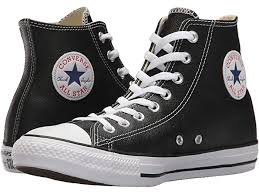
Last week, someone mentioned wanting to buy a pair of Converse trainers so let’s start there:
It’s funny you put that question to me because earlier today I was just thinking about what I would buy if I had the money.
I have my heart set on buying a pair of Converse, which is an American company with a star logo, who make very fashionable footwear.
To make the sentence more interesting, as well as complex, I simply stated the country, the logo and what they produce … piece of cake, hey ?
OK, your turn … write a complex sentence about these products. Additionally, practice writing different types of introductions.
Best of British (good luck !):
Apple 12 … What can you tell me about Apple ?
Ralph Lauren shirt. Where is the company from, what is their logo. Are they cheap ?
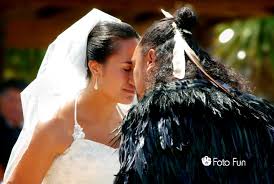
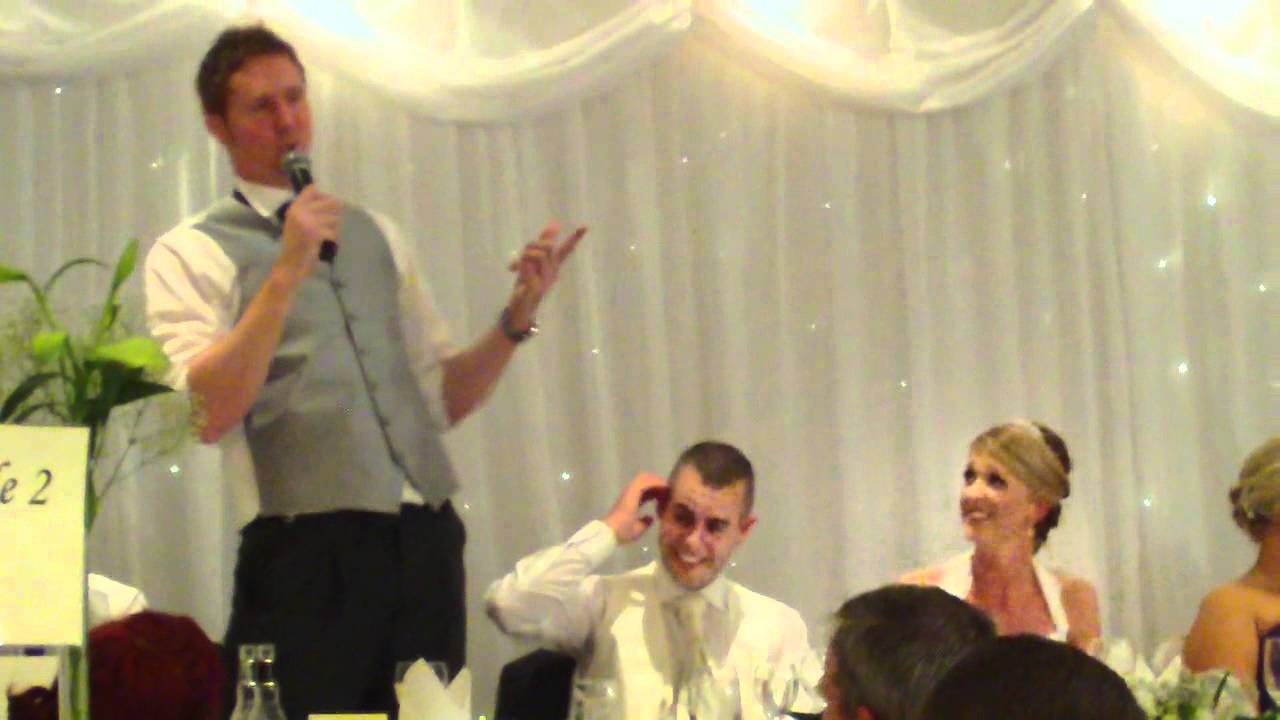
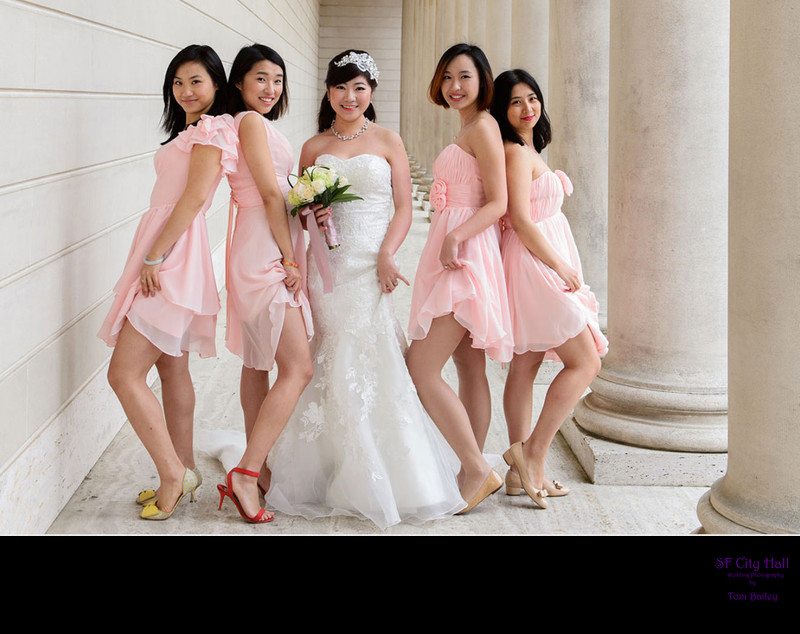
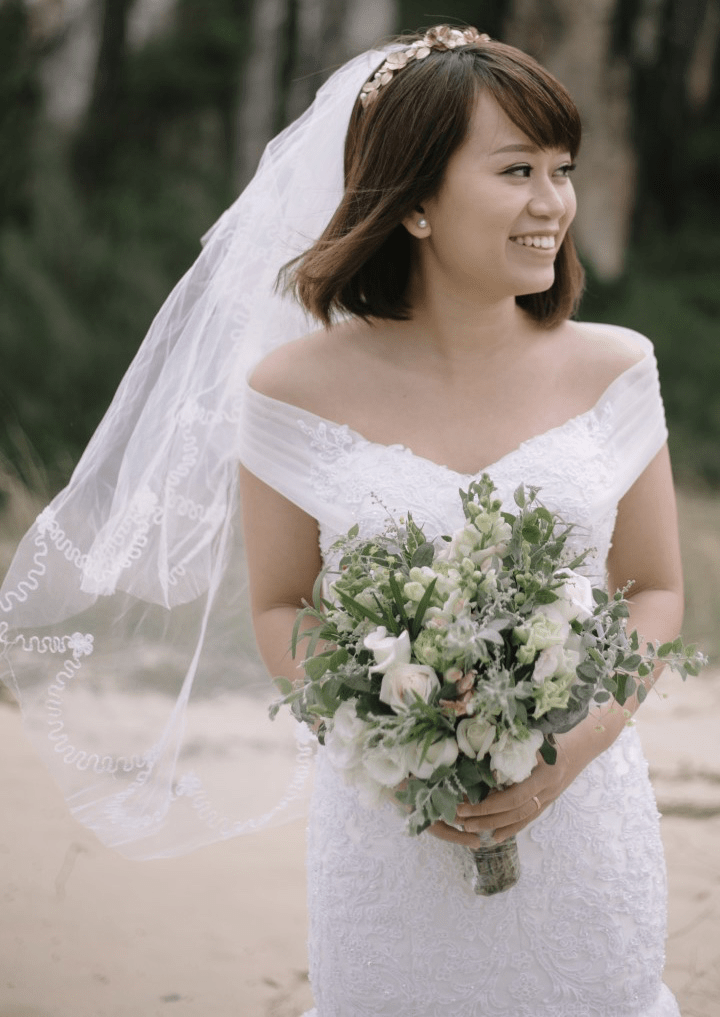
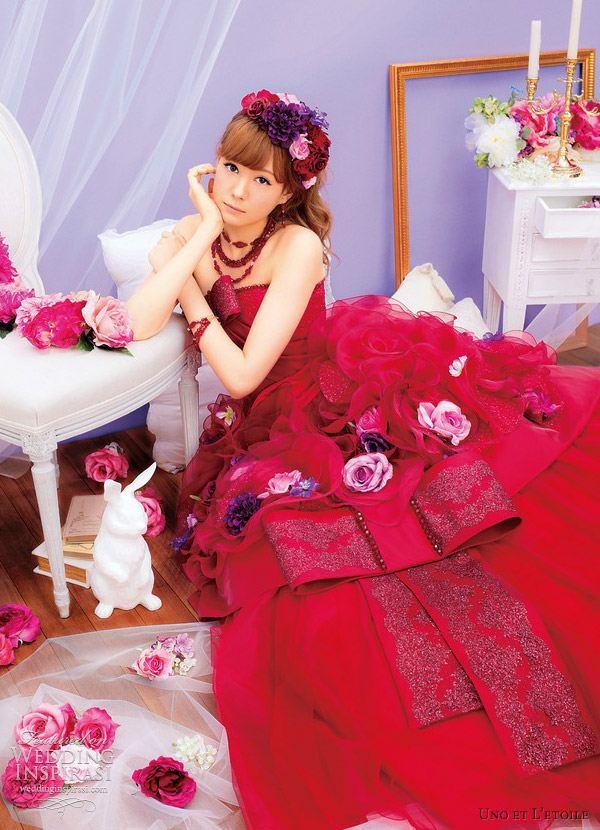
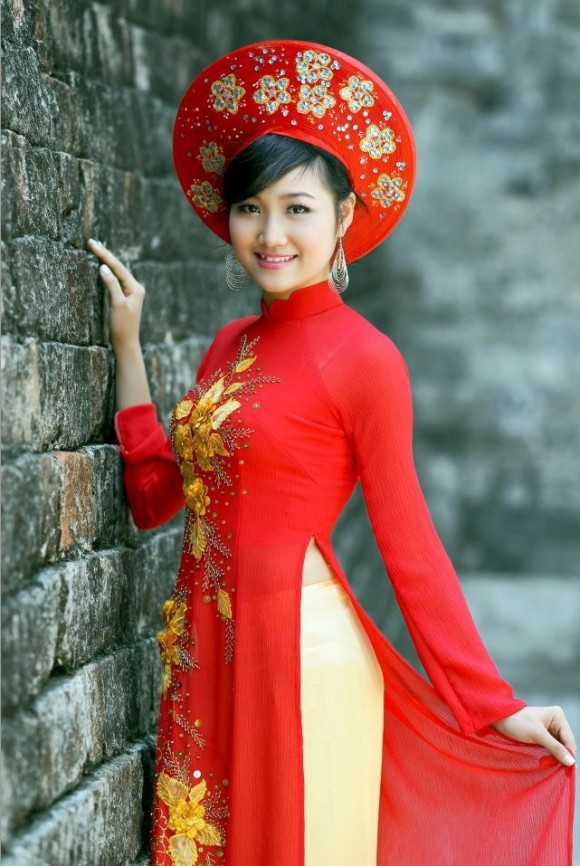
How would you describe the emotions / feelings of these people ?
Maori wedding in New ZealandScotlandA shotgun wedding
FREE SPEAKING: What is a traditional wedding in your country ?
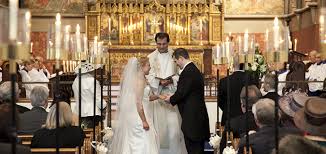
In the UK and many western countries, the bridegroom waits in the church next to the Best Man, who has the rings. The church music starts and the Bride walks down the aisle next to her father, who will ‘give her away.’ Behind the Bride are her Bridesmaids. The Vicar will start the service. At the end, the Bride and Groom kiss.
Pictures of typical UK wedding.
Identify Bride, groom, best man, vicar, bridesmaids, father of the bride.
The lady speaks slowly and clearly; try to understand without subtitles.
Wedding planning
New vocabulary
to consider / to decide / to weigh up (phrasal verb) / to mull over [all mean ‘to think about’]
let me sleep on it (idiom = need time to think).
the final call / the final decision on a subject
logistics (n) // logistical (adj) organising people at the same time.
co-ordinating // arranging things to happen at the same or at an arranged time
It’s a logistical nightmare ! (very hard to co-ordinate all the different factors).
likewise / also, in the same way
therefore / so, for that reason
value for money /deciding if something is good quality and good price.
a multitude / so many
not to mention / additionally, adding a stronger point (expression)
potential minefield / an area of possible dangers and serious trouble (metaphor)
There are a multitude of things to consider when organising a wedding. The tasks range from choosing the dress and accessories, to booking the cars and flowers, not to mention the potential minefield of the food. What do people like to eat, what do they hate ? Are they on special diets, do they have allergies, are they restricted by religious considerations ?
What sort of things have to be planned for a successful wedding ?
Put them in order of importance – if that is possible ! (they are ALL important)
These vary (change) from country to country, but a traditional UK wedding would be something like this:
A church for a Christian service (synagogue for Jewish, mosque for Moslems)
Vicar to perform the service
Bride and Groom
Bridesmaids and Best Man
Father of the Bride
Guests
Order of Service
The minister will give plenty of advice on hymns to choose, but order of service is basically broken into six parts:
Introductory Medley
Entrance of the bride,
Hymns, marriage vows and prayers
Hymn or psalm blessing
Signing the register
Leaving for the reception (party, lunch)
As the party leaves the church, the order should be bride and groom, chief bridesmaid and best man, bride’s mother and bridegroom’s father, bridegroom’s mother and bride’s father, bridesmaids and other attendants.
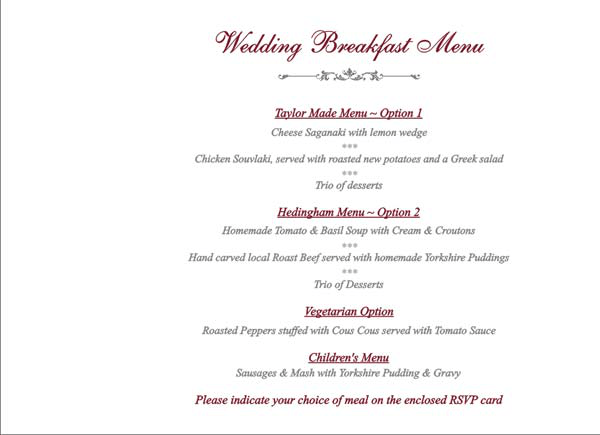
At the party or reception, people are usually told where to sit. Before the food, there are a number of speeches. Some are serious, but the Best Man usually makes a humorous one, saying funny things about the Groom :













 Thay Paul's Notes