Young Learners: Amazing Adjectives

9th August 2021

Movie and TV Cast Screencaps: Maggie Cheung as Flying Snow / Hero (2002) /  32 Screencaps
The amazing Asian actress Maggie Cheung in the famous film ‘Hero’.
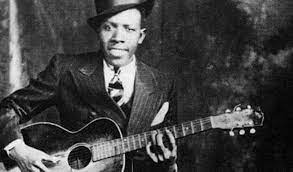
The brilliant breathtaking Blues musician Robert Johnson

Adjective Game 1

Let’s start with ‘A’, the first letter. Who knows these adjectives ?

Am__________ (This word means very good, wonderful)

What other adjectives can you think of beginning with ‘a’ ?

Be___________ // (This word means very pretty)

What other adjectives can you think of beginning with ‘b’ ?

Cu__ // Dan______ // ele_____ // fan_______ (very good) // gr_______

// he________ // int_________ // Ja____ (from an Asian country) // ki___ //

la__ // me____ (not clean. Also the name of a talented footballer) //

ner___ // outg______ (opposite of shy) // pop_____ // qui__ // ru__

// sel____ // tal________ // unu_____ // valu____ (costs a lot of money)

Here Are 10 Of The Most Expensive Paintings In The World Right Now

// wea______ (if you can buy the Mona Lisa, you must be extremely wea_____) // Xenop_______ (do not like people from other countries) // ye__ – _____ (lasts for 12 months) // Zamb___ (person from Zambia)

Zambia
Zambia country profile - BBC News

Suitable answers: amazing / beautiful / cute / dangerous / electric / fantastic / greedy, great, Greek / healthy / intelligent / Japanese / kind / lazy / messy / nervous / outgoing /popular / quick / rude / selfish / talkative / unusual / valuable / wealthy / xenophobic / year-long / Zambian

Adjective Game 2

Sentence building using adjectives is very easy. Even using basic adjectives can improve your English. Colours, sizes and where someone is from are all easy adjectives. Look at this example:

The flag is very large and is white with a red circle in the middle. The flag is Japanese.

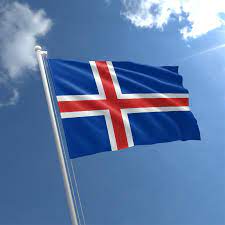
Look at these flags. Choose one and describe it to the class. Points for the students who guess which flag. Extra points if they know the country.


Adjective Game 3

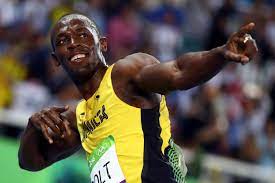
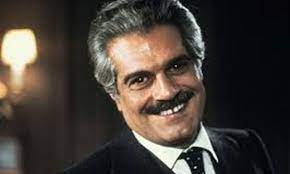
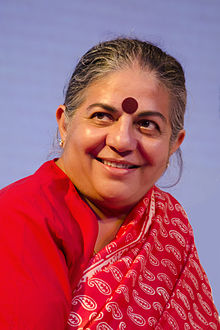
Describe these people:
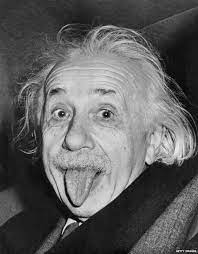
Albert Einstein, born in Germany
Usain Bolt, born in Jamaica
Park Soyeon - T-Ara - Posts | Facebook
Park Soyeon from Korea
Omar Sharif born in Egypt
Dr. Vandana Shiva DS.jpg
Vandana Shive from India

Young Learners, Level 4: Sign of the times …

Friday 21 for Saturday 22nd June (Everybody Up 4, U 8 L 3)

Today we have a listening test which is scheduled to occupy fifteen minutes (five minutes of the actual test, ten minutes getting the students to find pens, sit down and shut up). This helps the teacher, as there is less of a lesson to plan, and so without further ado

We are on the penultimate lesson, so now we’re reviewing and going over recently-learnt vocabulary and grammar. They had a class featuring basic ‘Do Not’ signs … red-edged circles enclosing a black image, struck through by a diagonal red line.

After ascertaining the meaning of the signs in the book ( ‘no photography’ etc), I’ll show then a sign I saw in a bathroom in Indonesia. It contains some rather unusual prohibitions:

Of course, teaching students who are around 10 – 12 years means that I will have to hide the lower frame of the photo.

Then, an activity; the class is still young, and they enjoy drawing and being creative, basically anything that doesn’t involve a text book.

Activity: At our centre, we have a number of prohibitions. We can run through some of them and then the students, in small groups and equipped with a writing board and markers, must design a sign. The signs can be humorous as long as the humour is appropriate. For example, is this behaviour acceptable in class ?

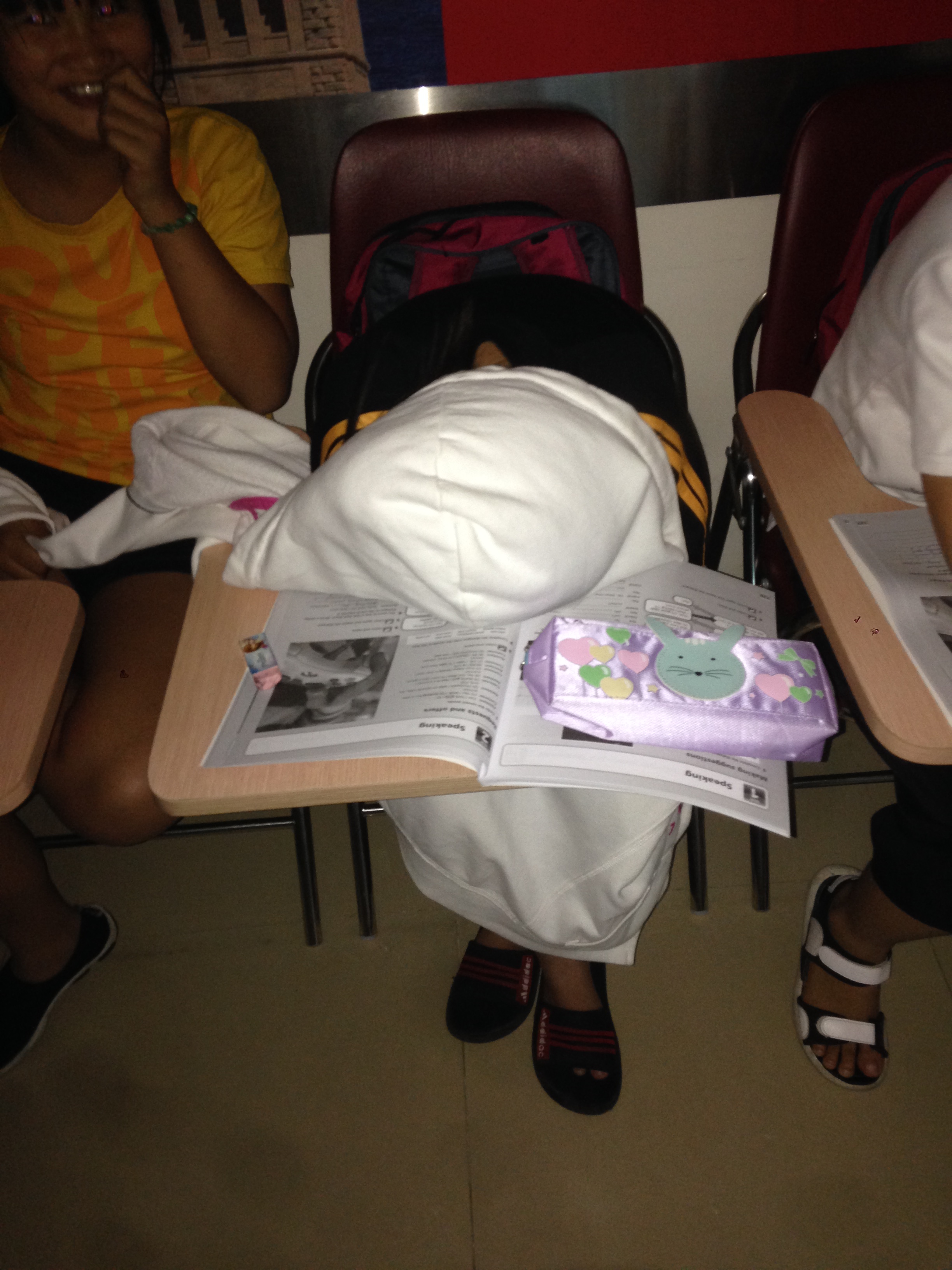
Could they design a ‘no sleeping in class’ sign ?

We could then have a little talk about the meaning of signs in society and how prevalent they are … at shopping malls and stations, computers and phone apps.

Next up – grammar: What are you going to do ?

The class has covered, ‘What do you want to be when you grow up ?’ and, ‘What are you going to do next week ?’

Here, I will board some verbs and some actions. The students must match them. I’ve added two higher-level words, to boost their vocabulary:

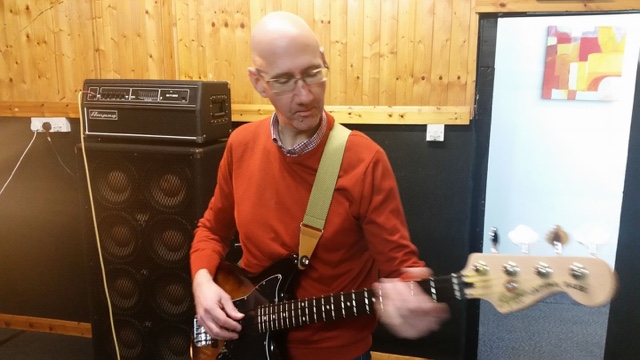
EXAMPLE: This is my friend Pete. He wants to be a great musician. Next weeks he’s going to practise bass guitar.

Jane wants to work with animals. Next week she’s going to …

Martin wants to be an actor. Next week he’s going to …

Anna wants to swim in the ocean. Next week, she’s going to …

Tony wants to be a scientist. Next week he’s going to …

The verbs and actions:

purchase (buy) / experiments

visit / Shakespeare

conduct (do) / the zoo

read / snorkel and flippers

If there’s a few minutes before break, then a quick game of Pictionary can be fun. Two teams, each in turn, send one member to the front. I give them a subject to draw and their team has a minute to guess.

The subjects could be: An astronaut / gondola / a kangaroo / a monkey on a motorbike / sleeping student and then they could draw a member of the class.

The final activity before the book work (and if time allows; the great thing about over-planning lessons is that anything that isn’t used can be employed in the following class) reviews travelling and what is needed. I’ll show four English-speaking countries. The students, in four teams, will be assigned one country.

What will they need to bring with them ?

Why do they chose these items ?

What is unusual about these places, or different from Viet Nam ?

What would you do there ?

NEXT – the students have to identify the places:

And so … to book work, work books and … the bell !