Irregular verbs are all different. A lot of common verbs are irregular:
have /had // do / did // say / said // be / was/were// go / went // get / got // make / made // take / took
Here are 7 verbs in the PRESENT.
Choose the correct verb AND use it in the correct tense.
teach / live / go / see / drink / am / have
Ms Ha (1) …….. drinking tea yesterday
when she (2) ……. an idea.
I haven’t (3) …….. my neighbours how to drink tea. I am sure they will be happy.
They have not (4) …… to the UK yet.
I have (5) …. in many cities in England.
Now I am in Viet Nam. I have (6) …. many wonderful sights,
but I have never (7) …… a cup of good, English tea.
Grammar – verb practice
Here’s the 15 most common:
infinite / present / past /past participle (verb 3)
1 to be / / am // was /been
you are / / were / been
2 to have / / have / had / had
3 to do // do / did /done
4 to say // say / said / said
5 to go //go / went / gone
6 to get // get / got / gotten
7 to make //make / made / made
8 to know // know / knew /known
9 to think // think / thought / thought
10 to take // take / took / taken
11 to see // see / saw / seen
12 to come // come / came / come
13 to want // want / wanted /wanted
14 to use // use / used / used
15 to find // find / found / found
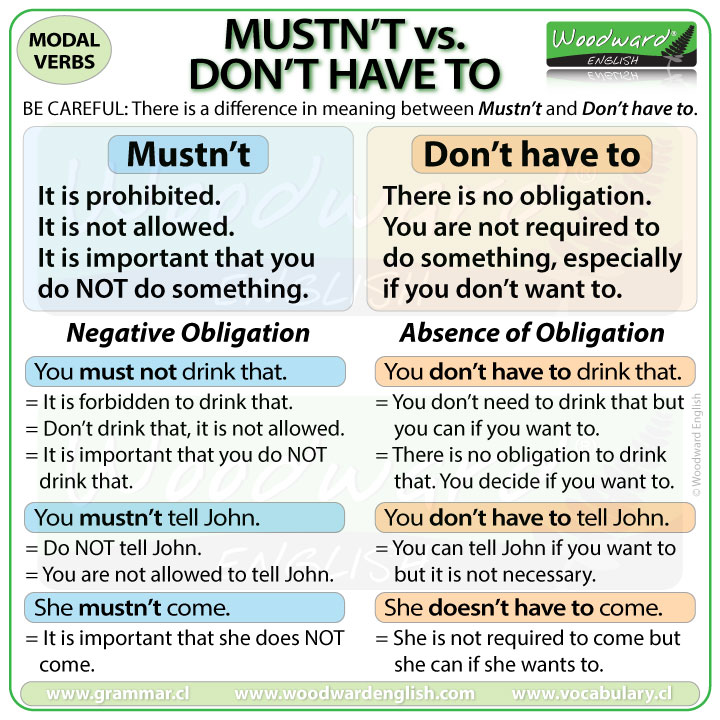
Grammar: must or have to ? mustn’t or don’t have to
must or have to ? don’t have to or mustn’t
have to = other people tell you // must = your decision
don’t have to = not necessary // mustn’t = is forbidden
You have to have a degree in order to be an engineer
I must stop eating at Lotteria (an Asian fast-food chain like McDonalds) !
You don’t have to bring any beer to the party.
You mustn’t run a red light or use your mobile phone on your motorbike.
The new James Bond film may be sold out.We ______ buy tickets NOW !
I hate parties ! Do I _____ go ?
You _______ eat too much popcorn; it’s bad for you.
You ________ be over 18 to see this film
You don’t ____ bring your passport to get intoa cinema in Viet Nam.
Answers: must / have to / mustn’t / have to / have to
Grammar: Phrasal verbs
Phrasal Verbsand collocations
Put
up with / the fire out / up / on a happy face
it in your own words / up or shut up !/ it away / it another way
Get
well soon / over it ! / on with it / away with murder / on the bus
back to work ! / with the program (US) / some fresh air
Complete the sentences:
She looks so sweet but she never does her job ! She gets …….. at work,
Come on, cheer up ! Put ……. and smile.
If you are so good, you do it ! Put ………..
We are all going to work on the new project together, so get …….. or get a new job !
She is not the thinnest lady in the world. OK, let me put ………. she’s fat !
Stop playing and do your homework. Get ……….
His Thai girlfriend left him. He needs to get ……….
Answers:
she gets away with murder (is allowed to do bad things) // put on a happy face // put up or shut up (don’t just talk about it – do it OR stop talking) // get with the program (do what everyone wants to do) // put it another way (to say something differently) // get back to work // get over it (stop being sad, and forget the past).
Sentence building
Linking words: and / as well as / and also / along with
These link positives sentences:
I like tea as well as coffee He plays football and also badminton.
How are they dressed ? How do they look (emotions) ?
Example
Tesco Lotus is quite cheap and also has a great choice.
but / however / having said that / on the other hand
These link positives to negatives / negatives to positives:
Jet Mart is convenient. Having said that, it is (it’s) extremely expensive.
Czech beer is fantastic quality, however it’s not easy to find in Sai Gon.
‘therefore’ is a conclusion word:
The Spanish supplier is reasonable (so-so) quality, but more expensive. Therefore, we will use the German supplier in future.
Photo descriptions
These can be a great way to encourage students to speak and build longer sentences and therefore become more confident in speaking and using English.
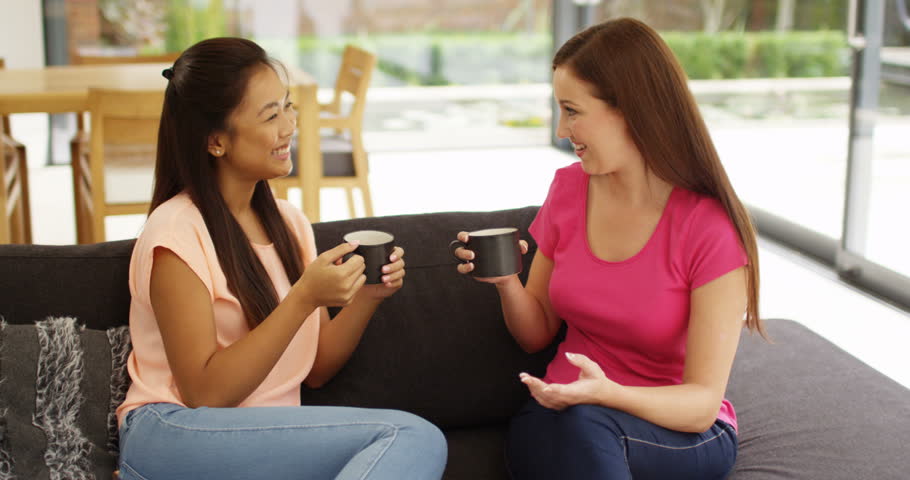
Describe what you see in this photo. Use as many adjectives as you can.
Subject first – Do not use a pronoun (he / she / they) Say what you see.
Where are they ? What are they doing ? What do they look like ?
How are they dressed ? How do they look (emotions) ?
What do you think they are talking about ?
Example
I see two young ladies … now try to add more adjectives:
I see two beautiful young Asian ladies. One has very long, straight brown hair. Her friend has medium brown hair, a little wavy.
The lady on the left has a white dress with flowers. The lady on the right wears a blue cotton dress.
Now what are they doing – use continuous verbs – verb + ing
They are talking, laughing and drinking coffee. They are in a nice coffee shop. I see some bags, one yellow, one orange, so I think they like shopping.
Now – your turn. Describe these photos:
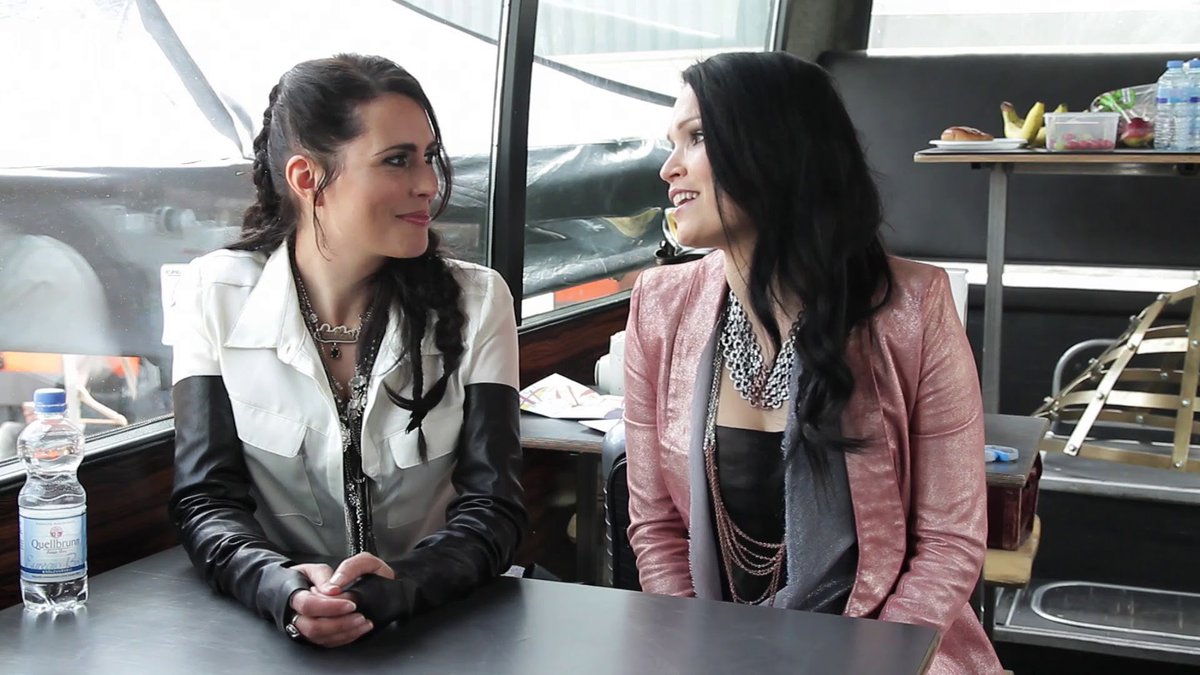
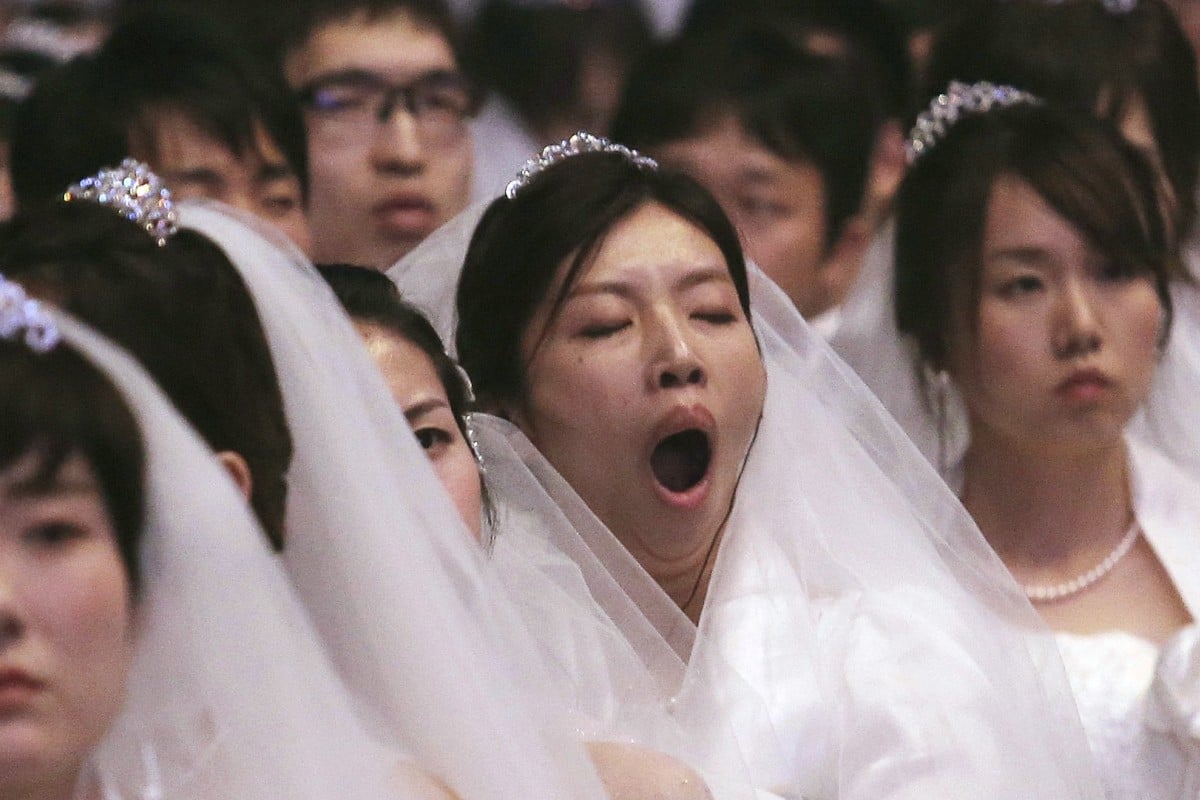
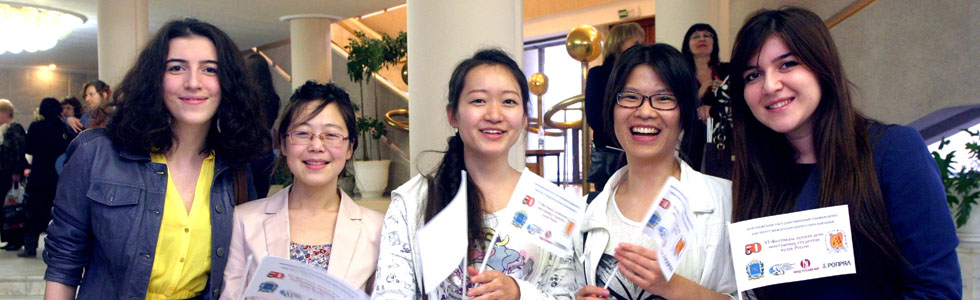
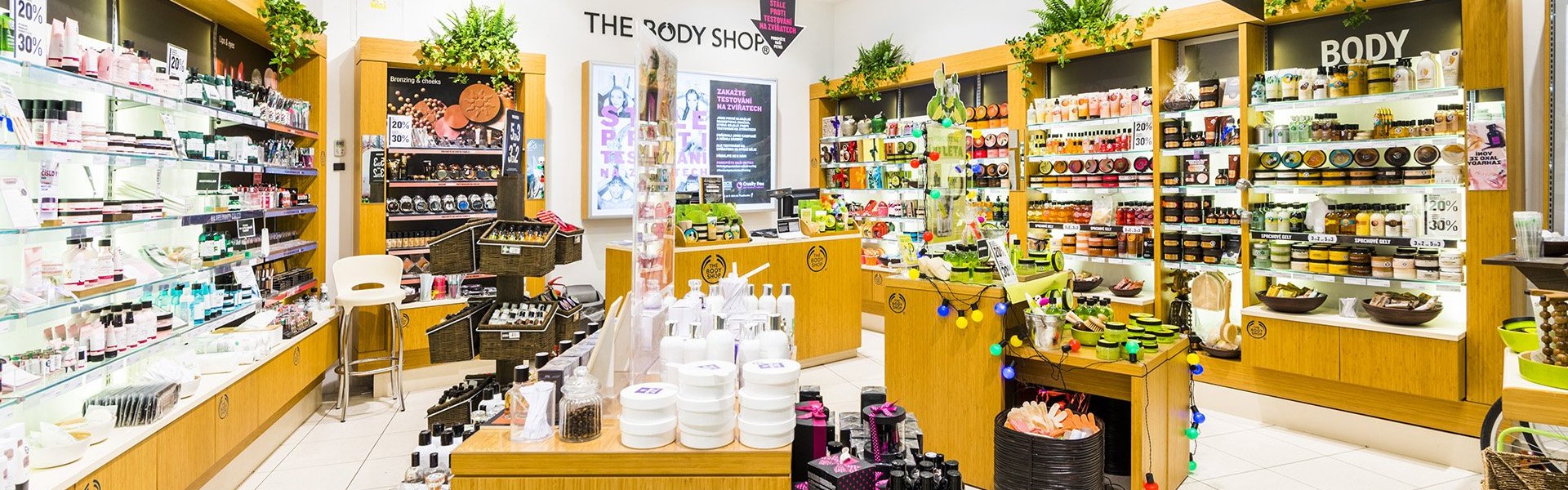
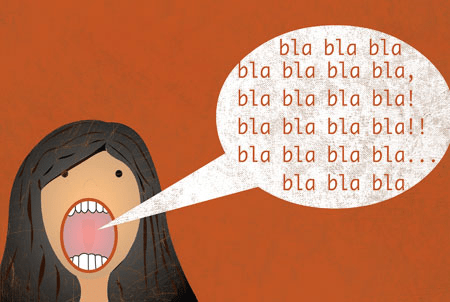
I see a very angry lady. She is …The lady likes to talk. She is …I see two young girls … maybe they are sisters …What do you see ? What are they doing ? Are they both happy ?What do you think about this ? How does it look ?
Listening:
I would normally read this aloud and then ask the students the questions. You can alter the speed, the natural chunking sounds, etc, to suit the ability of your class.
I usually go shopping once a week. I sometimes go to Big C but I like shopping at Mega Market. CitiMart is good but it’s a long way from my house. Mega Market is quite near my house so it’s easy to get there. It’s a big supermarket and it has everything I need, which is great. The best thing is that it’s not expensive so I can save money.
How often do I go shopping ? Where do I like shopping ? Why ?
What is the best thing about Mega Market ? Why don’t I go to Citimart ?
Vocabulary
Come/Go
Come is where you are NOW: Come here ! Go is for somewhere else: Go away !
I am in Vietnam so – I will goto Thailand, then comeback to Sai Gon.
Always ‘go to’ EXCEPT go home / go shopping / go swimming / go fishing
Kitchen items: What is it for ?
Look how native-speakers link words together:
What is a knife for ? What’s aknife for ? / Sounds like, ‘Whatsa kinffor ?’
A knife is for cutting meat and fish and also vegetables as well as fruit and, not forgetting, bread.
What is a spoon for ? Whatsa spoon for ?
A spoon’s for eating as well as stirring drinks and not forgetting cooking.
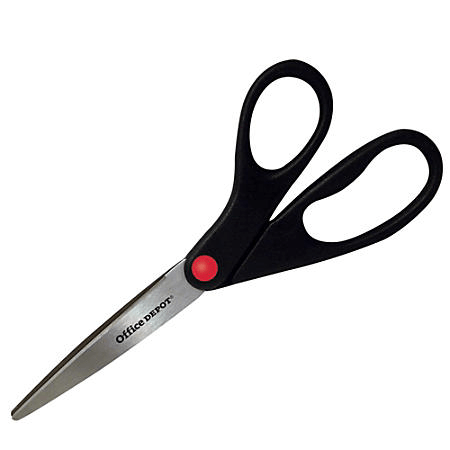
What are they for ? They are / they’re scissors (sis zerss) a pair of scissors
multi = many / multi-purpose = many uses
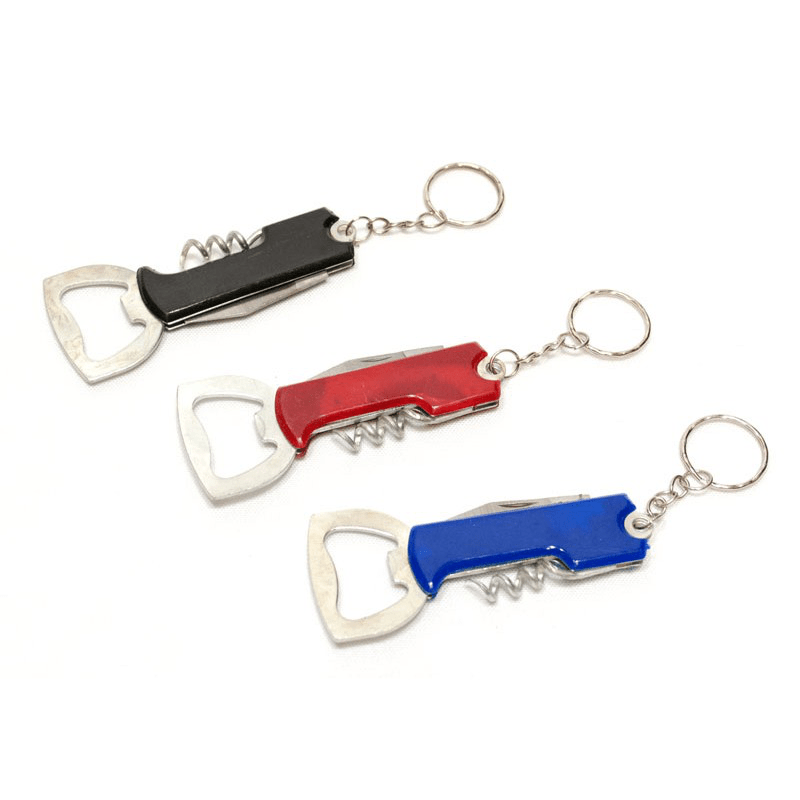
corkscrew / bottle opener / sharp / blunt
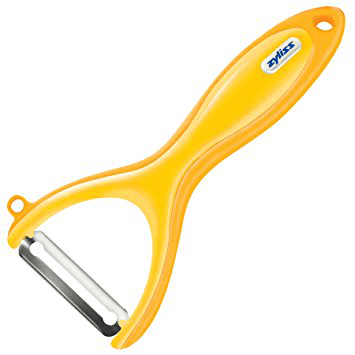
scissorsBottle openers, corkscrews and key-chains Potato peeler
Student questionnaire : What do you like, What does he like, she like ?
Vocabulary booster: likes and dislikes
What are they doing ?
Corrections
Correct all the mistakes in this piece of writing:
Every days I wokes up at between 6.00 am and 6.15 am. I always usually do the same thing namely get up, brush my tooth, put the kettle in and make coffee. Nowever, on last yesterday I getted up at 5.00 because I must to go to the airport to meeting my friend.
I had a hard time get a taxi because it was cats and dogs raining. On the airport there was so much people, all looking exhausted and depressed by the weather bad. I have never come on a plane without one time when I flyed to Ha Noi.
I seemed to wait forever for my friend. Maybe she had a problem immigration. But no I seed her and she looked very cute but also exhausted and also a little smelly.
She needed to freshen up after her long flight.
Instead of wenting to home, we came to a nice coffee shop with great coffees and good music and also so many people so we having to waited for a sit. The coffee made us to wake up so then we came to home but first she wants to doing some shop.
I taked her to Diamond plaza and we saw many shops, a whole multitude of things to see and do. We saw beatiful ao dai from silk made but it was too very expensive; it cost a leg and an arm. So instead we did window shopper which is more cheaper.
It costs an arm and a leg = an idiom that means very expensive.
Introductions:
What is your name / What’s your name ?
What is your job ? What do you do (for a living) ?
Are you married ? Do you have any children ?
[Culture note – in English, we don’t ask people’s age. It is impolite.]
How are you ?
I’m very well, thank you
I’m great / I’m good
I’m so so / I’m OK / I’m not bad = depends on intonation
I’m under the weather (this is an idiom which means a little bit unwell)
[Culture note – in English, we always say ‘please’, ‘thank you’ & ‘sorry’]
Student Questionnaire
do / have / like / love
What does he / she do ? What does she / he love but doesn’t like ?
On Mondays I have / On Mondays he has / She has …
For lunch I eat / He eats / She eats …
What do I like to do ? He likes to / She likes to …
Lessons – I love / He loves / She loves …
I don’t like / He doesn’t like / She doesn’t like …
What do I do after school or work ? What does he do ? What does she do ?
Can I juggle 3 balls ?/ Can he ? / Can she ?
Can I sing a song in English ? Can he ? Can she ?
Which songs can you sing in English ?
Vocabulary builder:
Like – love / adore
dislike – hate / detest
Note: hate & detest are very strong !
What do you like ?
Give me two examples of things you like, and two you don’t like.
Example: I adore dogs. I detest cold weather.
He loves … He hates …. They adore …
Use adverbs to make sentences stronger:
I really like films OR I like films very much. I really hate karaoke !
NOT: I very much like films
Negative: I don’t like Karaoke very much. They don’t enjoy karaoke.
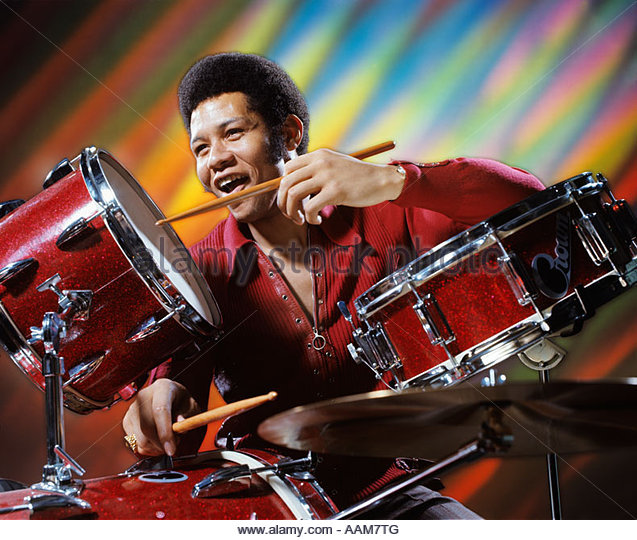
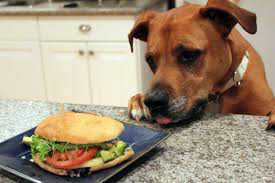
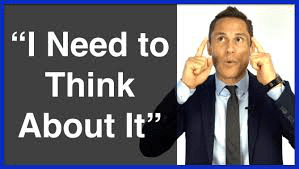
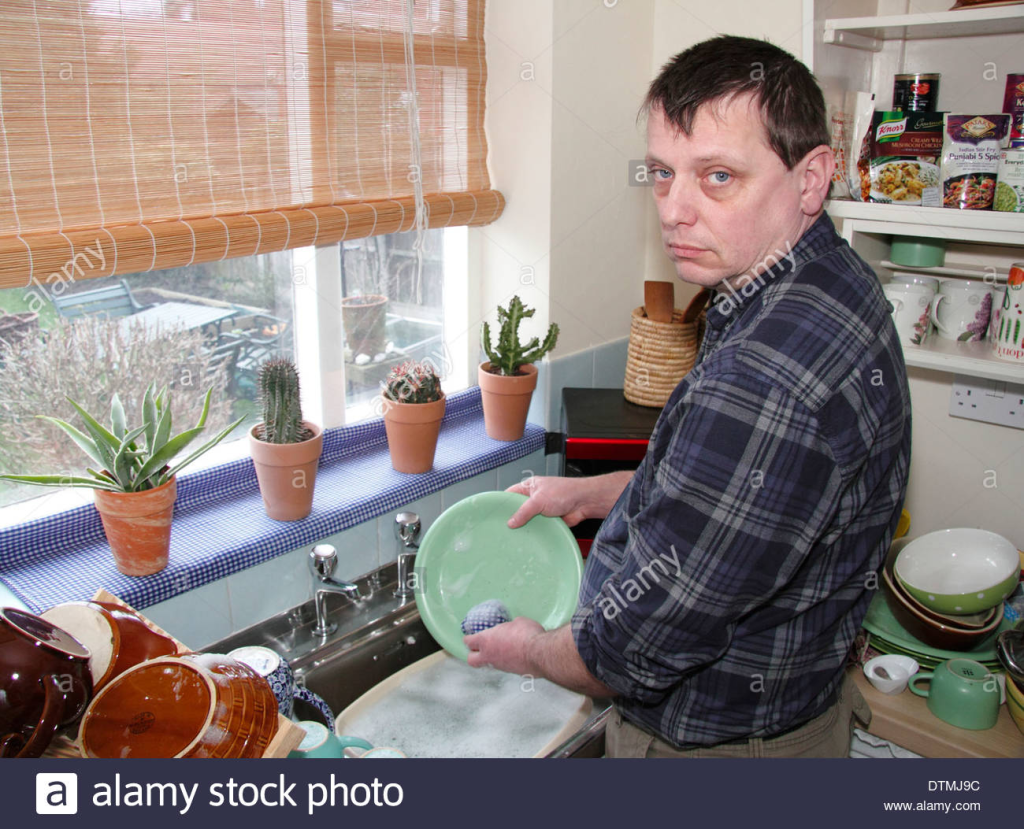
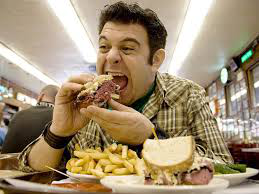
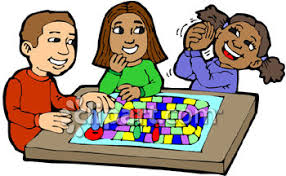
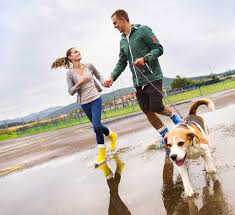
What are they doing ?
Try to build long sentences using the continuous verb (verb + ing)
Example: What is he doing ?
He is reading
The dog is reading
The small black and white dog is reading an orange book and smiling.
Now your turn. Match the picture with the sentences then add more information:
eating and talking / singing / playing / sleeping NOT working / drinking / walking / laughing





































































 Thay Paul's Notes