Young Learners, Level 4: Art for art’s sake.

16th May 2019

Everybody Up Unit 6, Lesson 4

We can start with descriptions of people:

Warm up: Student description

In a previous lesson, the class learnt about basic adjectives to describe appearance. I will therefore choose a student and describe the physical characteristics, e.g. this student has long straight hair, is not very tall, and wears black glasses. I will choose some students and give them a student to describe, while promoting the value ‘be polite‘.

To continue the theme of Art and creativity, I will show some artists. The class already met Frida Kahlo but I thinks it’s time they met Dali !
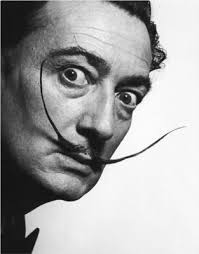
Dali normally get a reaction (especially when we have fun elongating his name as long as possible). It’s also a chance to learn a few new words:

creative / genius / unusual / strange / surreal

The last word maybe a little advanced, but it’s a good way to introduce new words; inside the word is ‘real’ so surreal has something to do with reality … but what ? Here’s a clue:

This is a mixture of reality and fantasy. The students can say which is which … and why does Dali give the elephants tuba faces … is there a reason or is it just crazy ?

I will then expect the student to form basic sentences using these new words, and not forgetting new vocabulary from previous lessons.

Next up, is a scene from the popular Children’s classic, ‘Alice in Wonderland’.
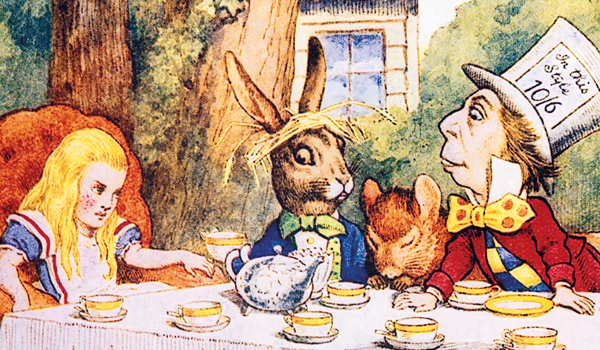
Again, a mix of reality and fantasy. How would the students describe this ? It could be turned into a game … students put into small groups and given boards and markers. Points for the best vocabulary. What is happening ? Also, how to tell a story – an introduction and then mentioning items point by point, linking with appropriate discourse markers. YES ! I’m going to make the students study hard today.

Always good to give a model answer, tell the students what I expect to hear, or WILF as I’ve heard it termed in some schools (What I‘m Looking For).

Now, to continue the theme and introduce some listening and reading skills, a video. This is the singer-songwriter Don McLean with ‘Vincent’, about the artist Vincent Van Gogh:

https://www.youtube.com/watch?v=oxHnRfhDmrk

This version also has the lyrics, as well as various paintings by the artist such as:

Then, with time against us, and a lot to get through, we’ll turn to the book work. They will watch a video which also shows sculpture, mosaic and photographs. The book also mentions Van Gogh, and a sculpture based on the Mad Hatter’s Tea Party from ‘Alice’.

A useful lesson will be the subjectivity of art – it is a chance for the student to think and to give their views, and to try to develop the English skills to express their thoughts. Clearly, this is a perfect opportunity to introduce some fixed expressions to express opinions:

In my opinion …

I feel that …

For me …

And even an idiom – it’s not my cup of tea !

Finally, to wrap up after the spelling tests and writing projects, a little bit of fun. Who better than Dali (or at least a great actor playing Dali) ?

https://www.youtube.com/watch?v=_q1V_xjHhLM

Kindergarten, Level 1: ‘t’ time.

3rd May for 5th May 2019 Safari 1

I want to do a general review of vocabulary and basic sentences that the students have been exposed to and practised over the course. They include:

Nouns – animals, clothes, food, classroom accessories

Verbs – walk, run, fly, swim, stomp, hiss, roar, jump

Prepositions – on, in, under

Colours

Numbers – 1 to 5

My name is …. // I’m …..

Do you like … (rice, cake ?)

I have / you have

Today’s letter is ‘t’, and to end the class, the students have a project; colouring and cutting out rockets.

I don’t want to introduce any new games or activities, but to encourage as much inter-student talking as possible. It’s great to see some of the quieter students opening up and joining in more of the lesson, and starting to gain confidence in speaking English. And so, without further ado, the lesson plan:

Warm Up: I say a verb and the students must pretend to be that creature.

Hiss / stomp / walk / jump / swim / fly / roar

Put the ….. This tests knowledge of nouns, colours and prepositions.

I arrange two chairs, one green, the other yellow, at the front of the room, with a red bag in between. Around the room I will have real items that the students know (pen, book, ball, monkey) and, one by one, tell the students to put an item on/in/under a certain chair or bag. For example, put the red pen on the yellow chair.

The more advanced students can then act as ‘thay’ and instruct other students.

What’s your name ? Here, the students make a circle and one starts by saying, “My name is …. What’s your name ?” The person to the left answers … and so on. To make it fun, we can try to speak as quickly as possible, or to shout (this sometimes helps the shier students).

Focus on ‘t’

I start with this great video:

https://www.youtube.com/watch?v=HHEqOLZ0hr4

After, we drill the ‘t’ sound both at the beginning and end of the word.

Board Slap: I’ve made a basic slide with five ‘t’ words. Class can be put into two teams. One team shouts out a word, and one member of the other side has to slap the appropriate picture.

This is following by a drilling of the ‘t’ sound again and a test; can the students identify it in a word ? I shall say a simple word and ask the student if it has a ‘t’. They can run to one wall (with a ‘t’ flashcard) or to another, blank wall). The words:

cat / cap / hat / ham / pet / pen / one / two

Do you like … ? To review food nouns and to get the students forming basic questions, they can ask each other if they like … cake, rice, salad and pasta.

It’s always best to model speaking exercises. First I will ask one of my TAs, then two top students can demonstrate. The students sit at small tables, four or five at each, so one student could ask the others. The answer must be in a sentence: “Yes, I do,” or, “No, I don’t.”

Next up, time for some fun and movement: Musical Chairs. Today, a fun song, ‘Yummy, Yummy, Yummy’:

https://www.youtube.com/watch?v=-4aQiFaCod8

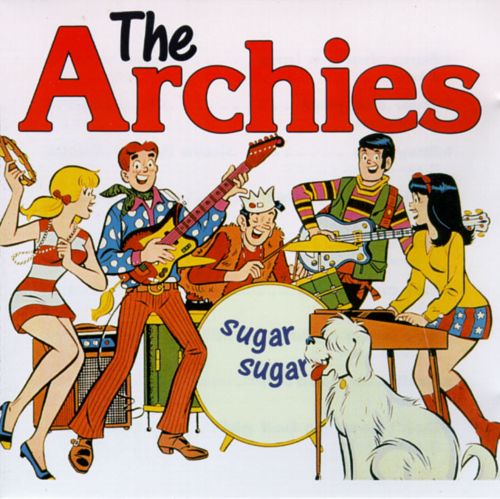
When the music stops, the students who haven’t found a seat have to answer a question, then we continue. If we need an extra, food-related song, we can use ‘Sugar, Sugar’:

https://www.youtube.com/watch?v=h9nE2spOw_o

Lastly, I would like to review some basic grammar we touched upon last week; first and second-person use of the verb ‘to have’.

I model with a TA (we both hold an item or flash card). I say, “I have a pen, you have a book.” The TA then replies, “I have a book, you have a pen.” Some of the top students can model, then we can line the students up in two rows, giving each student an item. They face each other and say, “I have a …. , you have a …..”. This can be done all together, so the class become confident speaking, then we can listen to pairs speaking one at a time.

This is probably too much for one class, but it is always a good idea to have a lot of activities planned. Anything that isn’t used can be in subsequent lessons, thus cutting down on lesson planning.

Next week is our final class, so more of a party atmosphere, culminating in the presentation of certificates, and the taking of class photos. Maybe I will continue with the class at Level 2, maybe an entirely new class … we shall see.

Please Note: All photos are taken from Google Images or free photo sites, and are used for educational purposes only. No copyright infringement or offense is intended. If I have used your photo or image, and you wish me to remove it, just ask. This site is not monetized, I run it on my own dollar. Thank you.

Young Learners, level 2: Hello Dolly, this is Louis …

26th April 2019

A lesson plan for a very active, very loud young learners’ class. They are certainly a handful, but they are good at English; there is simply no way to control them for two hours. Just have to use their energy and make very kinetic lesson plans to keep the class occupied.

After break, we focus on book work and workbooks (though some students complete these at home, and I’m faced with ‘Teacher, finished !’). I insist on fast – finishers to say ‘Dear Teacher, I believe I have finished,’ while having a stack of worksheets at hand so they have something fun but educational to do while I check individual work.

This is for tomorrow afternoon:

Warm-up: Magic Bag. I’ll pretend to have various items of clothing in my bag. I’ll mime putting them on and the students have to shout out the answer. This reviews vocabulary from a previous unit.

Yes / No game. Can be very fun – I just ask the students questions and they have to answer within five seconds BUT are not allowed to say ‘yes’, ‘no’, shake or nod their heads and make any other yes/no word (yeah, naw etc).

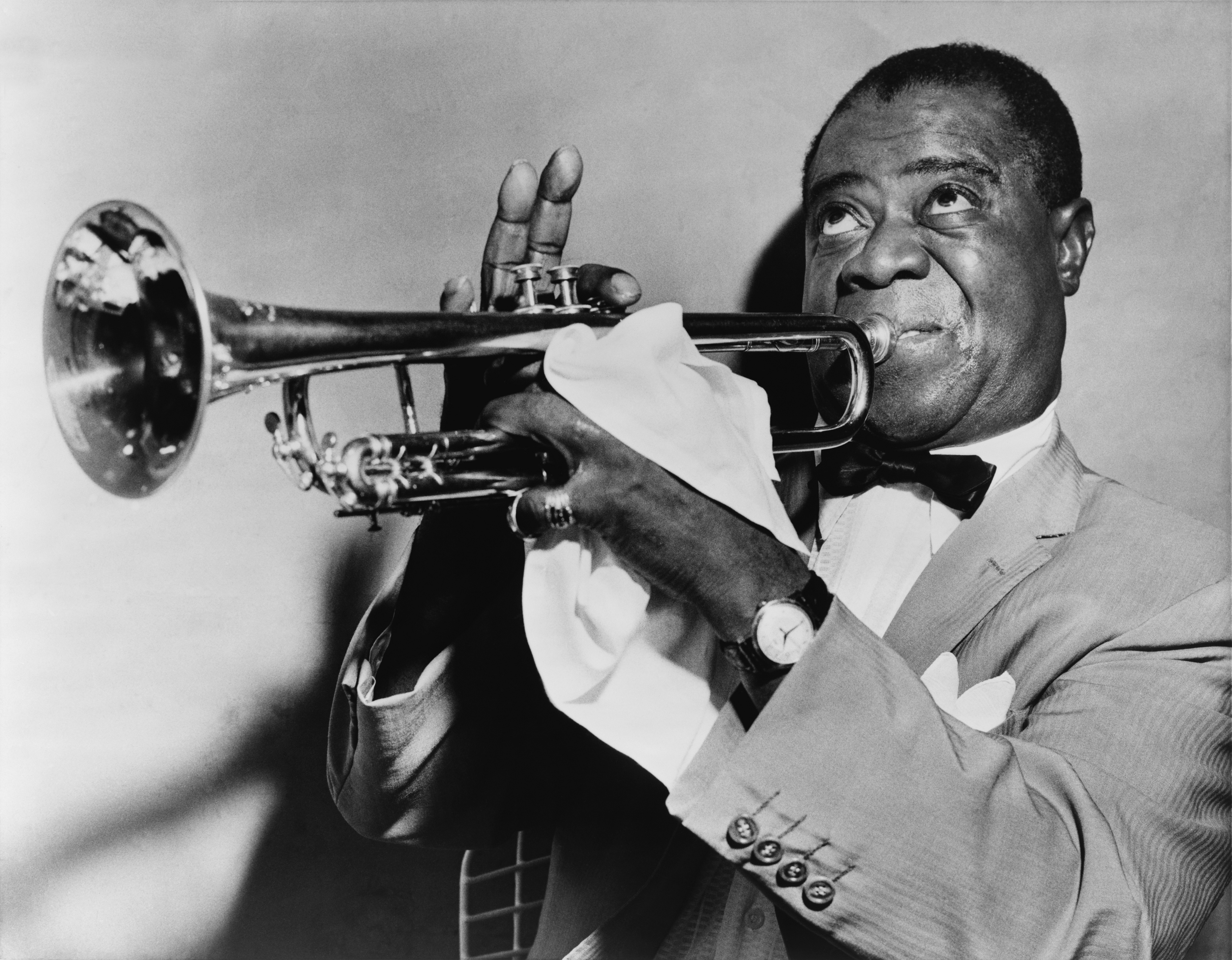
Hello Dolly. For fun, and to expose them to some REAL music, they can listen to Louis Armstrong and try to imitate his unique voice. Points for the best version (s):

https://www.youtube.com/watch?v=l7N2wssse14

Run ‘n’ Write. The last weeks have focused on rooms in the house. I will ask in what room do we …

sleep

cook

watch TV

wash

Then, with the class in two or three teams, one member must run to the board and write the correct room. It can be made lively by assigned a colour marker to each team and hiding them around the room, or even outside the classroom (though security probably won’t care much for that).

Who has what ? Here I choose six students and give each a flash card which they show quickly to the class, then hide behind their backs. The class must answer but using the correct form of ‘to have’, i.e. He has a sofa, she has a computer. This is a fun memory game but also drills the third-person verb form.

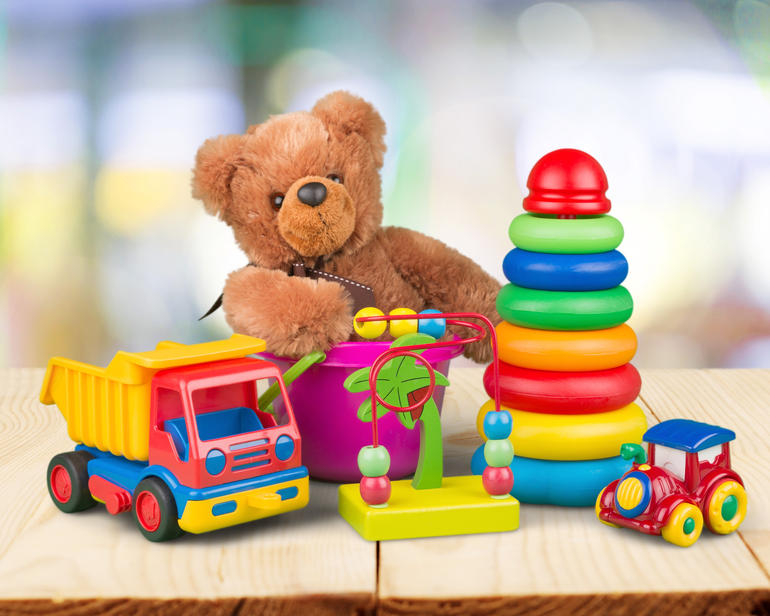
Picture Description. I’ll show a picture and ask the class to tell me what they see, especially asking about relative positions, looking for ‘next to’, ‘behind’ and ‘in front of’. This is from the famous toy shop, Hamleys, in London.

Vocabulary boost. A quick game to review some recent words and their antonyms. I’ll board these words, the students have to write the opposite. For this, I’ll hand out small writing boards and they can work in small teams.

clean

quiet

polite

friendly

The class probably won’t know the last two, so it’s a chance to show how we form opposite words. I can follow this up by asking the opposite of happy, well, tidy etc.

Student Survey. These are a great way to get the students talking to each other. I prepare a short questionnaire, and they have to ask three other students the questions. These are based on today’s lesson of counting, and recycled vocabulary.

How many …. do you have ?

pens / books / brothers / sisters / pets / computers

After that, it’ll be break time, then book work … and then my day will be over !

Young Learners, Level 1: Let’s get them speaking !

24th April 2019

This is the plan for my early morning class on Saturday. To set the scene, there are about 19 students, aged around 7 or 8. It’s a standard classroom; chairs with built-in desktops, and there’s not a lot of space for movement or activities. The students, therefore, are mostly confined to their seats for the two-hour session, not conducive to a productive lesson. Add to that loud students, slow students and the (seemingly obligatory) special-needs student(s), and we have a potential catastrophe … but there are ways to mitigate these issues …

Firstly, the assignment of a class captain. I choose the loudest, toughest boy and he becomes proxy teacher. Usually, they love the responsibility, while I’ve turned a problem into an asset.

Secondly, the ‘montage of attractions’, lots of different but related activities to prevent boredom as well as promoting as much participation as possible. To this end, I try to vary the lesson plan (the first hour is activities, the second, devoted to book work where I can also check students individually).

Thirdly, I really want to break the teacher – student dynamic; I want the students talking to each other in English. Sometimes I have the top students act as teacher, ‘Thay’, and address the class, but today I want everyone speaking to their partner in English. To do this, I’ve prepared a short series of questions they have to ask and answer. But first, a review about ‘what can you see ?’ and prepositions.

I’ll show this landscape and then attach various animal flashcards, asking ‘Can you see a frog ? Where is it ?’ and so on …

Now for the speaking interaction: with all speaking exercises, it’s good to model first. The questions I’ve chosen represent language they have already learnt and should be able to use. I’ll show the following questions, then drill an appropriate reply:

To prepare, I just need to stick some flashcards around the room (food, animals).

Can you see a tiger ? IF there is a tiger picture the answer is Yes, I can, if there is no picture then No, I can’t.

Do you like pizza ? / Yes, I do or No, I don’t.

What are these ? (showing flash card of toes) These are my toes.

How many marbles are there ? (showing picture of marbles) There are seven marbles.

How old are you ? / I’m …..

What can an elephant do ? An elephant can walk and swim and run.

I will then hand out a short questionnaire and, with the invaluable aid of my TA, monitor the class, making note of those who will not or are not taking part. The questions will be:

Can you see a zebra ?

Do you like cake ?

How many puzzles are there ?

How old are you ?

What can a bear do ?

When the first partner has finished, the second will have these questions:

Can you see an ant ?

Do you like rice ?

How old are you ?

How many games are there ?

What can a zebra do ?

The next activity is a ‘run ‘n’ write’. The class is split into teams and have to run to the board and write a word that has appeared in a previous lesson:

penguin / kangaroo / giraffe / science / animals / flower

We also get to review the plural form of nouns (games, marbles) plus the ‘an’ article before a vowel noun (an elephant). Next up … music time; an old favourite: https://www.youtube.com/watch?v=1vpvFx0-uyI

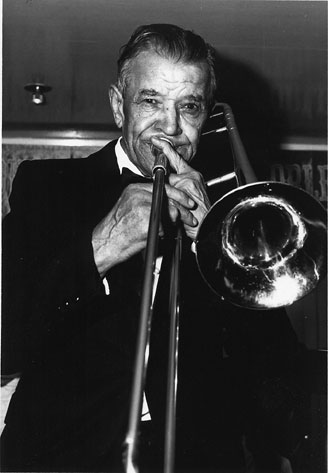
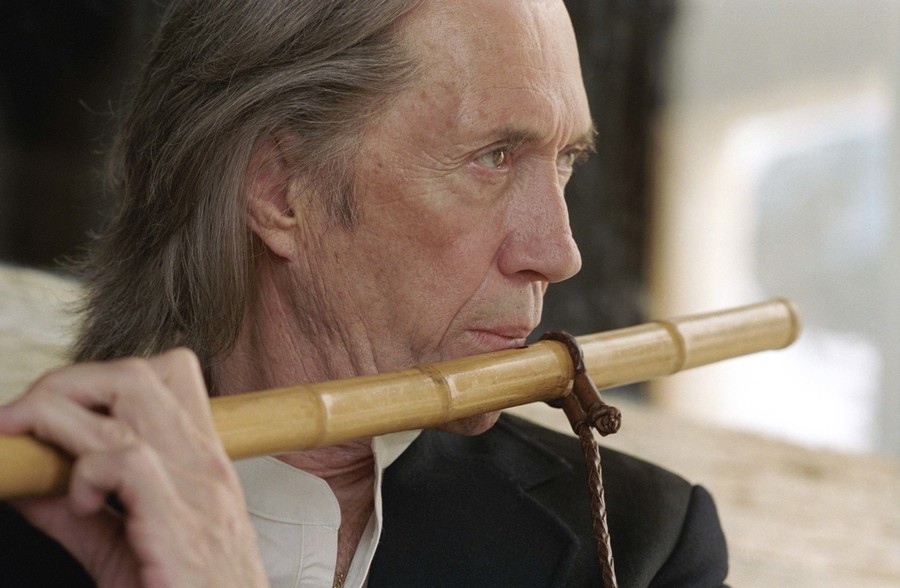
When the band… This could be used as a background to a musical statues game, but the names of the instruments will be highlighted. They then have to identify them:

Louis ‘Satchmo’ Armstrong … the one and only.
Kid Ory on jazz trombone
Johnny Dodds on clarinet
David Carradine as Bill playing Japanese flute.

Again, Thay Student time: a top student will ask the class:

Can you play …. trumpet ? … piano ? … guitar ?

Now a miming game. I will tell a student an instrument, and they will mime playing it. The opposite team has to guess, getting points for correct answers. Any kind of game or competition can really raise energy and motivation levels.

I want to move the lesson closer towards today’s subject (science, specifically parts of the body), so will select six students, giving each a flashcard from last week’s class. Very quickly, they will show their card to the class. Then I will ask ask which student has which card, but using the verb ‘to have’, i.e. “He has toe”, “She has arm.”

Finally, and if time allows because this already could be too long (no problem with that … a plan should be overlong in case any activity falls flat and a Plan B, C & D is needed), more ‘Thay Students’. They will review questions from last week, namely:

What are these ? These are my arms

What are these ? These are my toes

What are these ? These are my fingers

But, to stop them getting too complacent, some good old British irregularities:

What are these ? These are my feet.

Young Teens: Unesco Sites.

31st January 2019

Lesson Plan

What happens next: Show four clips and ask students to guess what will happen next. Introduce the word ‘predict’, model, then encourage the use in sentences (I predict the man will ….).

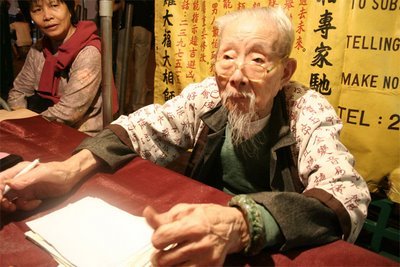
Following the clips and slides about fortune telling, the students can interview each other:


What are you going to do for Tet Holiday ?
Do you believe in fortune telling ? Why ?
Have you had your fortune told ? Why not ?
Do you have any superstitions ?
Do you think you are going to pass your English test ?
What special things are you going to do at Tet ?

The students must ask two classmates the same question and then record the response. If needed, prompt with questions about special Tet customs.

With the video clips, what better way to start than with former President G.W. Bush: The clip I want starts at 7:14

The following should please my students as it involves some fighting). 

Finally, this clip can start at 0:05

https://www.youtube.com/watch?v=FPyFzLeRYpg 

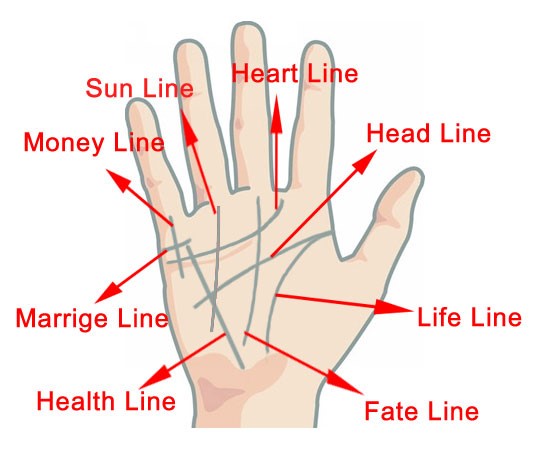
On the board I’ll write some collocations – reading palms, telling fortunes, predicting the future.

Role-playing: the students can pretend to tell their partner’s fortune. The subjects, more appropriate to this age, can be: school, future job, university, holiday, a surprise, travel, making a new friend.

Before the book work, featuring World Heritage Sites, a short video. Students must try to remember as much information as possible https://www.youtube.com/watch?v=1tpA11u2jdQ

Real-world examples are a great way to introduce new vocabulary and phrases. In this clip, I can focus on: former / iconic / sparking interest / pass up the opportunity.

On slips of paper, I’ll write the ten sites, while on the board, I’ll write ten countries. The students, in pairs and as a race, will have to find the site associated with the country and stick it on the board. A chance to burn off some energy before the book work. If the class is too rowdy after a fun game (which can happen, a victim of its own success), I’ll do a quick Hangman game using vocabulary from a previous lesson (sonnet, conscious, reporter, lawyer, suddenly, meanwhile …)

After the bookwork, I can do some more run ‘n’ write games. I’ll write an incorrect sentence on the board and a student from each team must rewrite. First one to finish, including punctuation, wins.

I’m not expecting a lot of motivation so close to a major holiday, so we can end with a video of their choice. As long as it’s in English … teaching without teaching, and letting them leave with a smile … hopefully.


Recycling lessons: “Reissue, repackage, repackage …”

31st January 2019

One of the less interesting aspects of teaching is lesson planning; I can easily spend an hour or more trying to make activities or find suitable video clips for a class. It can be worthwhile if said activity is a success, but quite often the reverse occurs leaving one with a sense of futility. All that time wasted …and for what ?

To counter this we can, with the necessary tweaking, use and reuse parts of previous lessons for different classes and thereby justify the time spent on creating slides that may only have been employed for a few minutes (having taken considerably longer to create).

It’s early afternoon, I have two more classes at my centre this week, one for young teens the other for actual teens, and I’m not entirely enamoured of either class. Still, needs must … so I open the student book, and see the subject is UNESCO (which should be interesting) but then I see the vocabulary; words such as ‘heritage’. I see the general knowledge section, mentioning places such as Pompeii, then referencing the Tower of Hercules. My students are Vietnamese and most, if not all, attend public schools. At age ten, eleven, twelve, it is highly unlikely they will know these places. It is also highly unlikely they will want to know these places.

There’s going to have to be some pre-teaching before the main book work and, as it’s Tet Holiday next week, I’m think I’m justified in making the lesson more game or activity based. Tet is also a time of tradition and superstition, which was the subject of last night’s adult class, so I will be able to re-use some slides, video clips and class work. The adults were at level 1, so their language skills are about the same, if not less, then these young teens. Furthermore, I will adapt and recycle for tomorrow’s class thus making the effort totally viable in terms temporal (“I never knew you wrote such bloody awful poetry,”).

As in cinema, my centre favours a ‘show don’t tell approach.’ Therefore, I’ll show a short YouTube clip about Unesco. There will be ten sites, and I’ll write the countries on the board. On paper, I’ll write the names of the sites and I’ll stick them around the room, making sure that they remain there and not torn down, eaten or generally mutilated in some way. Telling students (at least in Vietnam) NOT to do something is an sure-fire invitation for them to do exactly what they have been admonished NOT to do and I kid you NOT. In my first centre, which was modest and low-tech, the rooms had old, cantankerous CD players. Students were told not to touch them. I walked into class one day and found one boy sitting with the plug in his mouth, sucking happily away. He wasn’t a Kindergarten child … he was in his early teens.

Back to the use of video clips; I seem to spend an inordinate amount of time searching for appropriate clips. So many videos take forever to start, with opening credits and endless introductions that are merely exercises in tautology. If one can find a clip that “does what it says on the tin,” bookmark it – It’s gold.

I can also reuse slides showing various aspects of Tet Holiday and ask the students what they mean – what is ‘lucky money’ ? What special food is eaten, what clothes are worn … and why ? At this age, some role-playing could be fun … the students can act out for me the procedure for giving and receiving lucky money.

Another useful teaching ‘trick’ is to reverse the class dynamics, and have the students teach me Vietnamese, correct my pronunciation and grade my performance. They learn different English skills here, to instruct as opposed to being instructed, and as it’s fun and they are in control, it doesn’t seem like a lesson … but it is. We teachers can be a pretty sneaky bunch … we have to be … however the only object is to make sure the students leave the class having learnt new words and been given the chance to practise using them. The ends justify the means.

Kindergarten: Surfin’ Safari 1

24th January 2019

This type of class is very divisive among teachers who either love them or hate them. I am firmly in the former camp, so please allow me to set the scene.

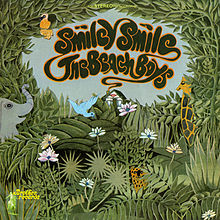
The class size is relatively small (a dozen – twelve – or so students), the room has three brightly coloured tables and a variety of coloured chairs. There are vibrant murals on the walls, somewhat reminiscent of the Beach Boys’ ‘Smiley Smile’ LP cover

My teaching props include Polly – a puppet parrot of a psychedelic green hue, and Mike the mischievous yet well-meaning Monkey. Yes – I get to play with puppets AND get paid for it. Sometimes life ain’t so bad.

The students are around four or five in age, and love Mike and Polly – they tolerate my presence as a necessary evil.

I am admirable assisted by two very sweet young ladies, TAs, whom I ‘love to bits,’ (expression indicating a strong liking – in English we use ‘love’ quite liberally – we love coffee, love TV shows, love a shirt etc. This is not the same in other languages – in Swedish, for example, love is ONLY used for personal relationships.)

My class this Saturday is at level 3, so they are able to count, are familiar with the alphabet, can sing basic songs, follow instructions, ask basic questions, know colours, and are continuing to expand their vocabulary.

I want to push them further because they are motivated and, at this age, can absorb a new language easily. I am rather older, and find it a Herculean task to learn even one or two new words (and as for pronunciation – forget it !). As such, I’ve banned the use of the word ‘fine’ as in, “How are you ?” “I’m fine.” (see my earlier blog ‘Don’t say, “I’m fine.” https://thaypaulsnotes.com/2018/12/19/dont-say-im-fine/

Instead: I’m good, great, very well, thank you … I’ve also started to make the students use the terms ‘Activity Book’ or ‘Pupil Book’.

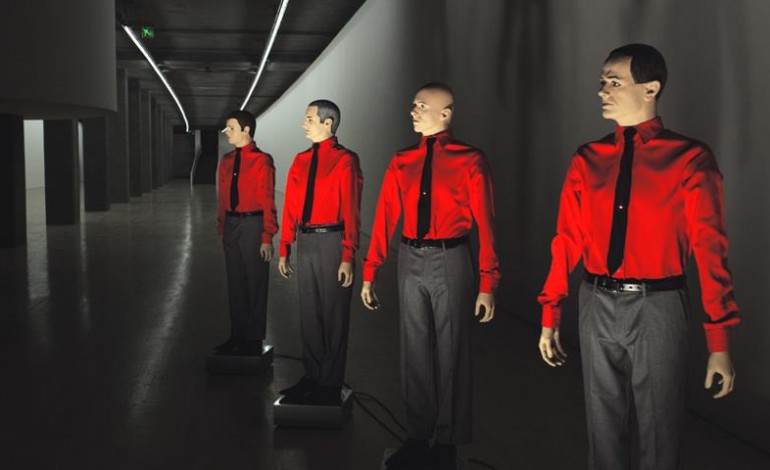
Also, we can impart language in a more natural way; we can use various words / expressions repeatedly so the students acquire language as opposed to being taught the vocabulary. For example, a student’s work can be described as ‘excellent’, or being told ‘well done.’ Apart from the new words, they are hearing longer, multi-syllable words, and basic collocations – words that go together to form one unit of meaning. Another ‘trick’ I have is to sing to myself the Kraftwerk song ‘We are the robots.’ https://www.youtube.com/watch?v=D_8Pma1vHmw

I sing, under my breathe, the chorus and then mime the four notes played on synthesiser. Just four simple words, but so effective for English learners, especially Asian countries where plurals are formed in a different style.

For are start we have some basic grammar – subject + verb ‘to be’. Vietnamese verbs do not alter according to subject. Students may start to learn ‘I am’ but here are introduced to ‘We are.’ The noun is robots – can’t go wrong there – everyone loves robots ! From a pedagogic view, the plural sound in introduced and drilled, repeatedly. By copying the song, they automatically repeat the -s plural sound AND apply it here after a difficult ‘t’ sound – the ‘ts.’ Lastly, we employ the notorious English ‘the’ ðə sound. The students are having an English lesson without even knowing it !

LESSON PLAN

Today I’ll start with a musical game, ‘Musical Statues.’ To tie-in with a previous lesson, I could use either ‘Sit Down’ by James or ‘Stand’ by REM (previous lessons taught stand up / sit down).   http:// https://www.youtube.com/watch?v=Ew7Zkkucos8  https://www.youtube.com/watch?v=AKKqLl_ZEEY   

With younger classes I use a ‘montage of attractions’, a term I came across in a book on the Russian film director Sergei Eisenstein, and itself adapted from engineering. It means placing different elements together to form a unified whole, as in cutting a film, or attaching pipes. We need to keep interest and motivation / energy levels up, and this is achieved by varying the games and activities, changing after five or so minutes, before boredom and apathy set it. Thus, after musical statues (in which I am ably assisted by Mike the Monkey to see which of the students are really NOT MOVING), we’ll have ‘student as teacher’ session. One student will mime some action from last week and the class have to shout out the correct expression (sit down / open a book / put the bag on the table etc). They can then continue this at their tables, changing the ‘teacher’ so all students are active.

Next, I’ll repeat the ‘on/in/under’ song – quite simply, the three words sung with accompanying gestures and then a four-beat hand clap. It’s a fun way to introduce the students to prepositions. We could then put Mike around the room and ask where is he ? “Under the table,” “On the chair,” and then extend their speaking skills by asking for an adjective (usually a colour) + noun construction: “Mike’s on the yellow chair.”

After, I’ll distribute some writing boards and marker pens, and start saying the alphabet … when I stop, the students, as a team, have to write the next letter, both capital and lower-case, i.e. “A, B, C ….. ?”

Following, there will be a CD song, re-inforcing prepositions and adjective + noun sentences.

For a new activity, we turn to phonics – sound production / pronunciation. Today I’ll focus on the letters ‘R’ & ‘T’. I’ll prepare a slide of various words beginning with the two letters. The class will them form two lines and are given a sticky ball to throw. One side shouts out a word and one member from the opposing side must throw at said picture. Points awarded for direct hits, sound effects for total misses !

Then time for a fun song to practice the ‘R’ sound. What better than this famous British song:

https://www.youtube.com/watch?v=SXmk8dbFv_o

‘Run, rabbit, run’ – sung quite slowly and clearly enunciated.

This should bring us to the book work and the introduction of continuous verbs. The subject is ‘What am I doing ?’ followed by five illustrations. The students will listen to a CD, then repeat.

Lessons usually end with a colouring session, allowing them to choose a picture and encouraging values such as sharing, being polite and being fair.

Then it’s High-Fives all around (to Mike; they don’t care a fig about me !) and good bye, see you next week … By this time, it’s lunch. I need a break, I need a coffee, I need a fresh shirt and I need to know how I can be as popular as Mike the Monkey. Somehow, I don’t think it’s ever going to happen. To quote Kurt Cobain, “Oh well, whatever, never mind.”

Friends (men): Teaching personality adjectives and occupations

28th December 2018

I use this sheet for many classes, usually for personality adjectives, as well as occupations. It’s adapted from a class I took at International House, London.

For higher level classes, you could also use this to illustrate the adage ‘don’t judge a book by its cover.’

The students have to guess the personality of my friends, just by looking at them; their expressions, posture, dress sense, hair style etc. Then they have to try to guess the occupation.

This is a great way to introduce new vocabulary and job titles. Additionally, students can learn that many adjectives are not necessarily positive or negative, for example ‘serious’. Being serious could be very positive (in a professional context) but negative in other situations.

I’ve put some sample adjectives and jobs after the last photo, as well as the answers to their current occupations.

Peter
David
Alex
Victor
Simon

Personality adjectives:

aggressive / arrogant / calm / funny (haha) / funny (crazy) / generous / honest / humorous / kind / mean / modest / polite / quiet / reliable / rude / selfish / serious / thoughtless / trustworthy /

Occupations:

estate agent / plumber / DJ / mechanic / bouncer / surgeon / accountant / actor / cook or chef / Uber or GrabBike driver / insurance agent / bank clerk / detective / businessperson / barista / lawyer / shop manager / unemployed / slacker

IELTS STUDENTS:

Use this as a basic for building complex sentences

EXAMPLE: In my opinion, Peter, who is the first gentleman, has a white-collar job, such as banking, insurance or management. I say this because of the way he’s dressed, a suit and tie. Furthermore, he is extremely well groomed by which I mean his hair is very neat as well as being clean-shaven. He appears very diligent. I’m positive he works hard, sometimes burning the candle at both ends.

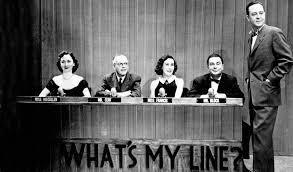
TV Trivia: What's My Line? | 50+ World

Peter is unemployed. He has an MA in Business Studies and is currently looking for work, so he is sending out his CV and photo.

David is a DJ

Alex is an actor. He is also a Buddhist so normally has shaven hair. However, he is very big and strong, so he gets cast as gangsters or bad men, despite being very gentle and soft-spoken in real life.

Victor is a self-employed plumber.

Simon is a doctor. He is highly professional and serious, but is seen here on holiday, after a few sangrias (wine cocktails). Someone took a photo with a flash, so his eyes look wide and big.

Classroom Games.

I’ll be using abbreviations throughout these blogs so for clarity, here’s a short run-down of the most common ones:

Back to Board (B2B). Any activity where a student can’t see what is behind them, but has to guess or deduce from clues by the other students. It could be the name of a famous person, or a small YouTube clip. I often show a funny film and drill students how to describe what they see using the subject – verb – object formula. 

Call My Bluff (CMB). Based on the British TV show, students are put into groups and given a list of higher-level words. Each word has three definitions, two false, one true. The students have to read out the word, maybe varying the pronunciation each time, state the type of word (noun, verb etc) and a definition. The other team has to guess the correct answer. This can be a fun way to introduce new vocabulary.

Family Fortunes (FF). This works well with larger classes. Students are put into small groups and given a board and marker. The teacher then asks for four answers to a general question. The students ‘win’ imaginary money for each answer that matches the teacher’s four. Example: I have been to four places in Viet Nam, not counting HCM City. What are those four places ? Other good questions are my four favourite Vietnamese dishes, four things I like (and dislike) in VN and favourite types of films or music.

Snakes and ladders (SNL). Based on the popular children’s board game, ideally, space permitting, I use the floor of the classroom. With markers (NOT permanent markers, mind you), the students mark out a board, a large square. On some squares there is a red dot meaning go back 2 spaces, or a blue square, go forward 1 or 2 squares. One square is ‘haha’ – the player has to return to their original place. In a big enough room, I use students who begin at opposite corners, and have to complete one circuit to win. I ask questions which any one in the team can answer – or you could ask students individually – and then they roll a die. In a smaller room, I just make the game on the whiteboard. This can be very exciting and it’s a good idea to establish the rules first i.e. is it first past the end square OR exact number to finish. This game can sometimes be too popular and become too boisterous.

Stop the bus (STB).  This is a simple question and answer games, used to warm up or wind down classes. The teacher asks a question, the students shout out the answer, but first have to shout, “Stop the bus !” If they answer without the STB, no points are awarded. The game can be slightly varied, using different nouns e.g. Stop the Taxi, Stop the Grabbike or even, with a lively class, make them get up and sing, “Stop in the name of love.”

Word Battleship (WB). I often use this as a warm-up exercise. On the board draw a 4×4 grid, labeled A – D and 1 – 4. Assign different scores to each square on a separate sheet. Ask sixteen questions (can be general knowledge or a review of recent lessons, grammar, vocabulary). If the student gets the answer right, they can choose a square and you write in the number. I usually have 5 as the lowest, then 10, 20, 50 and one 100-pointer. To engage all students, you could ask them questions individually.

Word cards. I got this from an IELTS website. Make a list of recently – learnt words and expressions. The number and complexity will depend on the level of the class, but at least five or six but no more than ten. Print out and cut into individual word units. Put them in a small container. The students are placed in small groups and given the container with words. Each student has to speak on a basic theme using as many words or cards, as possible, within a set time. They can spread the words in front of them and drop them back into the container once they have been uttered.