Fjord in Norway, north EuropeShopping mall in SingaporeDisneyland, USASt Petersburg, Russia
Name
Which site do you want to visit most
Why ?
What is the weather like there (use adverbs)
What can you do there ?
What could be a problem ?
I would like to visit all the sites. However, if I have to choose one, I will visit St Petersburg in Russia.
St Petersburg is a very beautiful city, with many amazing buildings. The city is very famous, and I have read about it in many books.
I think the weather is quite hot in summer, and also it stays very light, even at night. However, it can be extremely cold in winter.
St Petersburg has so many museums and galleries. I want to see all of them. Also it would be fun to walk around and take many photos.
I don’t speak Russian so that could be a problem if people can’t speak English. Also, it may be extremely cold, so I will need a lot of thick clothes. Finally, I will need to buy some Russian money.
Objectives: review recent vocabulary, encourage more student-to-student talking, develop sentence building skills, practice the third person form with ‘he’ & ‘she.’
It’s early Sunday morning, so time to wake with Mr James Brown. Younglings … how do you feel ?
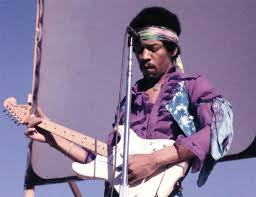
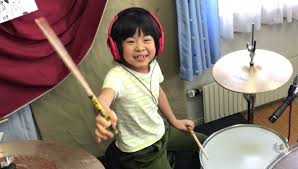
Tell me about these people. He is or she is …
She is ……….He is ……
He is very …..
She is very ….
The top cats are able to form basic sentences such as:
I can run however I can’t fly
New vocabulary included the five sense
s _ _ // h – – – // s – – – – // t – – – – // t o – – – //
Warm Up: What can he or she do ?
Ask your partner what he or she can do
What can you do ? What can’t you do ?
Here, my wonderful TA will ask me, then tell the class, in order to model how to answer
Ask Thay Paul – what can you do ?
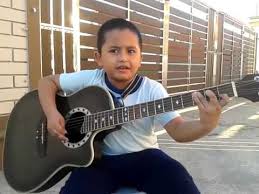
I can play guitar however I can’t play piano
Tell the class:
He can play guitar however he can’t play piano
Next – using the new vocabulary in a sentence form. What can he or she do and what can’t they do ?
Example:
She can see a butterfly however she can’t hear a butterfly.
She can touch a butterfly however she can’t taste a butterfly.
She can __________ a pizza however she can’t __________ a pizza
He can ________ a guitar __________________________
A compendium of classroom activities, warm up games and reviews.
Firstly, let’s get rid of this despicable habit of teaching younglings “How are you ?” “I’m fine.”
NO ONE says “I’m fine,” in the real world !
In my class, we get down and get funky. When I ask my group how they are, they reply:https://youtu.be/U5TqIdff_DQ
What better way to start a Sunday morning class ?
One purpose is to encourage writing; a senior Vietnamese official explained to me that Vietnamese customers are not used to writing. In my own experience, I have seen how hard it is to make the class, regardless of age, write down new words. It can take up to ten minutes to get the whole class to write down as little as five words. They have to find paper, pen etc, then they look bewildered at the task presented to them … they will often write down one, maybe one and a half words, then simply stop.
Therefore, I want to get them used to writing from an early age. To facilitate this, allocate a specific time when the lesson stops and the class have to write down new words.
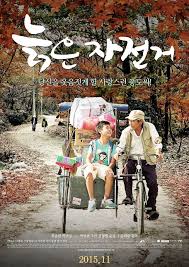
From the Chinese film ‘Not One Less’ Dir Zhang Yimou, 1999 and starring a young, non-professional actor Wei Minzhi
I’ve found that using hand gestures can serve an a mnemonic; allow me to illustrate. I put my thumb up, I then hold my palm up, finally I put my thumb down. This has been used to help students build a sentence with a positive verb, a negative one and an advanced discourse marker.
This helps the younglings remember how to produce a sentence such as:
I can swim however, I can’t fly
The sentence introduces younglings to a contraction (can not = can’t) as well as a higher level discourse marker (or connector) ‘however’ (instead of merely using ‘but’). Furthermore, I drill the STRESS on the negative ‘can’t‘.
So, what vocabulary do they know ?
Thank you for your question. At this stage, they know many animals, basic body parts (finger, thumb, hand etc), about twenty adjectives, and basic verbs.
Additionally, they are able to form basic sentences.
It’s now time to move into present continuous, from “I drink” to “I am drinking.” We shall start by celebrating Mid Autumn Festival, a major holiday in Viet Nam. Here’s a song which uses the continuous “singing,” as well as new vocabulary such as “holiday,” and “lantern.” https://www.youtube.com/watch?v=JTWwgI17kTs
It is correct to capitalise the ‘m’ in moon IF we are referring to our Moon. We only have one, let’s not upset it (yes, I know it’s a popular question, ‘How many moons does Earth have ?’ and the answer seems to increase every year due to space debris both natural and man-made, not to mention that now some scientists think Earth actually DOES have two … but this is Level 2, let’s not confuse the poor blighters too much).
And now, without further ado …
Warm up games: If possible, make these team games as friendly competition makes the activities more engaging.
Teacher Says – this is great because it is kinetic, and helps to pass the opening minutes while students are arriving.
Word Bomb or Mind Map – board a simple word (e.g. animals), younglings have to shout out answers. Could try colours, body parts, food, clothes depending on class ability.
Magic Bag – I open my bag and ask “What’s in my bag ?” Class has to shout out (or write) possible items I would have in a school bag. This reviews vocabulary from a previous book. As an extension, when they see the item, they have to describe it with two or three adjectives.
Screen Test (based on a children’s TV show from the 70s) – show a short video clip, just a minute or so. Then ask questions. For example, in the Mid Autumn Festival Song, we could ask:
What is the first word we see ?
How many windows does the house have ?
How many lanterns were orange ?
What lantern did the boy hold ? A star, a fish or a doll ?
What colour dress does the girl wear ?
How many dancing moon cakes were there ?
Bonus Question: Can you name 4 different lantern shapes ?
Run and Write – any game that involves the younglings leaving their seats and writing on the board. One version is to have students write a word that begins with ‘a’, then ‘b’ … and so on. Just one person at a time (to avoid possible accidents … I only have limited space in my classroom).
Memory Recall – choose 4 – 6 students and give them a flashcard from a previous lesson. Today, we could use feelings (sad, happy, hungry, thirsty, hot & cold). Younglings stand at the front of the class and hold their card up. Class shout out the words. Then the younglings hide the cards behind their backs and change the order in which they are standing. Now I ask, for example, “What does Ms Linh have ?”
Pair work talking – this is vital in breaking the teacher- student dynamic; we need to promote more student to student interaction, but making this work is a slow train coming. Arrange class in pairs and make them ask each other basic questions. At this age (my class is in the 7 – 9 age range), it may be difficult to get boys talking to girls … at 17 – 19 it may be impossible getting boys to STOP talking to, or trying to impress, girls … but that is a different story.
Subjects could include:
How are you ? (to which the answer must not be “I’m fine.”
What animals do you like ?
What is your favourite colour ?
Do you have a brother or sister ? How many ?
What food do you like ? Can you swim ? Can you play piano ?
Hope this helps. Feel free to leave any comments or suggestions.
I’ve spent so much time reading books about classroom activities, looking at websites and blogs only to reject the vast majority as not being suitable for my level of students. Here are a couple of games that have been successful over the years, in different centres and with different ages, though I usually employ them with students aged between 6 and 10. Adapt them as you wish, and have fun.
Word Battleship
This is based on the old paper and pencil game (later upgraded for the electronic and computer age).
A
B
C
D
1
2
3
4
Word Battleship
Board a grid as above (add more cells as required). Put the class into teams.
[I let them choose their own names, and if a student says, ‘Errrrrr,” then that’s the name I give them … additionally, this always gets a laugh]
Ask the teams questions based on previous lessons, general knowledge, whatever suits your class. You could either elicit an answer from the team as a whole, or individual members.
If the student answers correctly, they are allowed to choose a cell, example “C3.” On a separate sheet, have the same grid with scores assigned to each square. In the example that follows, C3 would score 25 points.
The following questions were used to review past tense grammar, as well as forming collocations:
Put the sentences into the past tense (simple past). Say complete sentence.
1 Last week we learn about technology
2 I buy a new iPhone last night.
3 Michael Jackson write many good songs.
4 Oh, no … I do not do my homework !
5 Have they decide what printer to buy ?
6 He see all the ‘Avengers’ films in one day !
7 It’s Friday ! I think today was Wednesday !
8 On holiday, I walk along the beach.
9 My grandmother send me an email.
10 Have you play the new video game ?
Complete the collocation
11 (go) to the cinema [I _______ to the cinema]
12 (play) guitar
13 (take) a photo
14 (chat / go) online
15 (do) voluntary work
16 (make) a decision
A
B
C
D
1
25
50
10
5
2
10
25
100
25
3
50
10
25
5
4
5
25
10
50
Snakes and ladders
Another activity based on a classic game. I first used this in a very energetic class of 9 – 11 year olds and, thanks to the size of the room, I was able to draw a grid on the floor and use students as ‘counters’, to move around the ‘board’.
If that isn’t possible, just board a grid like so:
START
GO FORWARD 2
GO BACK 1
GO FORWARD 1
HA HA BACK TO START
GO BACK 3
FINISH
All you need is a die or dice and different colour board markers. As before, arrange the class in teams, then ask each team a question. The student who answers then throws the die (preferably NOT at the teacher but one thing at a time), and I chart their progress on the board. You can decide whether or not the students need an exact score to land on Finish or not … play it by ear.
[ ‘dice’ is generally accepted for both singular and plural. For English-language learners it’s probably better to use ‘dice’.]
Encourage students to use at least two adjectives before the noun. (Vietnamese is similar to French in that the adjective follows the noun, so students have to think counter intuitively).
Practice using determiners (it is, they, those)
Practice sentence building (I can swimhowever I can’t fly)
Practice intonation and stress – avoid robot speaking 🙂
Warm up
Use appropriate hand gestures to drill the four new adjectives:
fast / slow / noisy / quiet
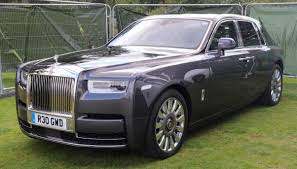
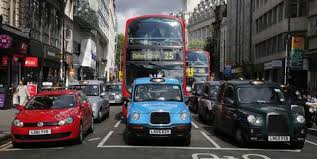
Thay Paul is from London. London is very big. London has many cars. Look:
Also London had many big red buses. Also, I can see many taxis. Some are black, some are blue and some are grey.
London has many big red buses. The buses are slow and noisy
(use the gestures so the students shout out the adjectives. Repeat with these pictures):
The new blue car is ______________ and ____________
The small new white car is __________________ and _____________
The old grey, yellow and red car is __________ and ____________
Today, we shall learn the story of Theseus and the Minotaur. This story is over 3 000 old, and comes from the country of Greece. Here is the flag of Greece:
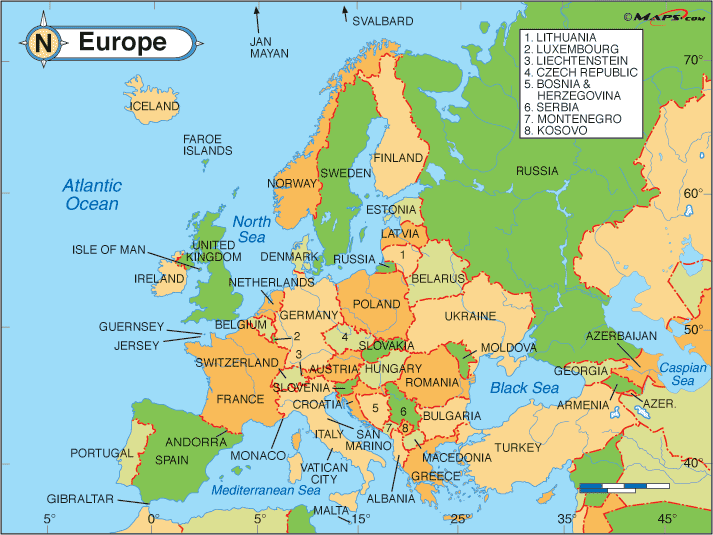
Greece is in Europe. It is a very hot country, and has many stories from history. The capital city is Athens.
Athens, the capital of Greece
Have you ever seen something like this before ?
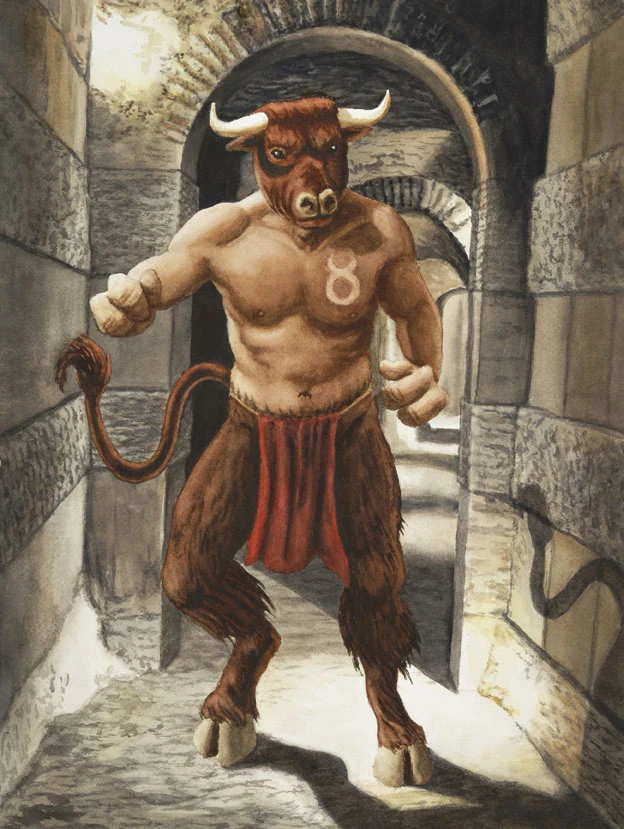
This is the Minotaur, half man, half bull. He was extremely strong, extremely angry and very, very scary. He lived near Greece, on the island of Crete:
The Minotaur lived underground in a big maze called the labyrinth. Every year, the King of Athens had to send 14 children for the Minotaur to eat. This is a labyrinth, a huge maze. It is very easy to get lost inside a labyrinth.
The king had a son called Theseus. He was a hero. He decided to go and kill the Minotaur.
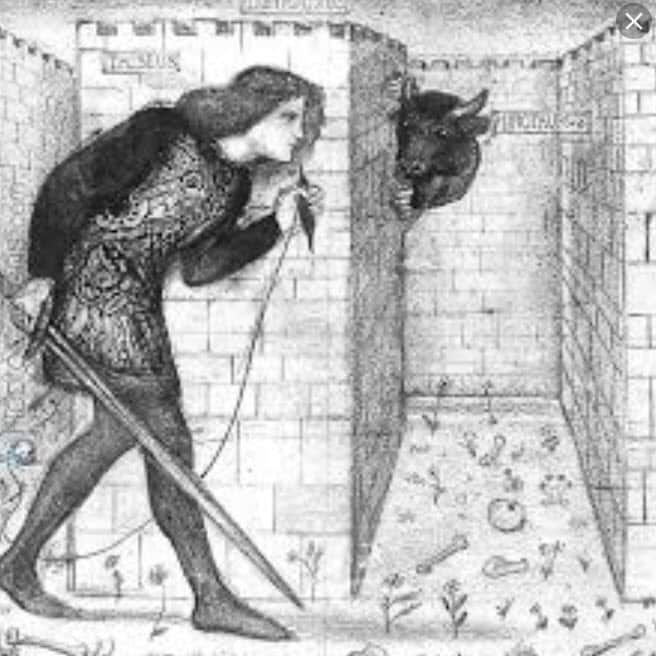
The King of Crete had a daughter called Ariadne. When she saw Theseus, she decided to help him. She gave Theseus a big ball of string. He tied it to the door of the labyrinth, then used it so he wouldn’t get lost:
Theseus found the Minotaur.
They had a long fight because both Theseus and the Minotaur were very strong. Finally, Theseus won and killed the Minotaur.
Then he returned to Athens with Ariadne. The people were so happy, and Theseus became a hero in Greece.
Some sample questions to help get a class speaking to each other IN ENGLISH, and prepared to do some work. I use these with students aged about 9 – 12, at lower-intermediate level.
We start with a survey where the students have to walk around, speaking to each other and trying to …
Find 3 people who:
Name // 1 // 2 // 3 //
Hobby
Play an instrument
Draw or paint
Read books
Watch films
Learn English
Have a pet What pet ?
For advanced students, encourage them to probe for more information – what books are read, what instrument(s) are played, etc.
Speaking exercise
This can be done in pairs, small groups or as a class survey.
What was the last film you saw ? Did you like it ?
How many people live in your house ?
What is hard about learning English ?
How often do you chat online ?
Which social media sites do you use ?
What is your favourite food ?
Do you often eat western food ? Do you sometimes eat fast food ?
Have you tried Korean or Japanese food ? What did you think ?
5th December for 7th December 2019 Super Safari 1 U 6, L 3 & 4 (pp. 50 – 51)
Today’s objective is to impose stronger classroom management and to introduce some new activities. The class has some new students, and it’s their first time in a classroom. Last week one of the new students was hard to control, running around the room, then drawing over the walls. Naturally, bad behaviour becomes contagious so it needs to be stopped … immediately.
From experience, I have seen that rewards work better than punishments; I shall make a chart and each week assign colour stars to each student based on their behaviour. Each week, the students will be able to see how they have performed.
Furthermore, I’d like to introduce a story section. At this age (mostly around 4), a very short story using basic vocabulary is sufficient. After I tell the story, I will repeat and the students can help me retell it.
Another change will be the games. I’ve tried ‘musical statues’ or ‘freeze’ but that hasn’t worked out so well. While some students stay still, others, mostly the boys, start doing an Irish jig or windmill impressions or forming fists and moving closer and closer to me. Hitting the teacher will be an instant BLACK MARK.
It can be frustrating getting a lesson started as students (or rather their parents) arrive up to fifteen minutes late and each new arrival diverts the attention of the class. Therefore, it’s good to start with a song, and YouTube has a vast selection of suitable material. Naturally, a song featuring ‘Hello’ is appropriate.
This can be played twice and the students can act out the emotions (I’m good, great, wonderful).
Next – a physical activity. Here we can use Teacher Says or Mike (the monkey) says:
Stand up // sit down // jump // hop // put your hands on your head // wave hello
Next – a review of last lesson’s new vocabulary (bird, rabbit, fish, cat). I’ll put the flashcards around the room. After, I’ll ask for two students to find a certain card (while making sure no other students jumps up and joins in). The student that finds it will hold it up and ask the class, “What is it ?”. I drill for “It’s a …” form of answer.
The students that haven’t participated yet can take part in the next activity. I will show them a card and they have to act or mime that animal, while the other students must shout out the name.
Next – story time. Our class puppet is Mike the monkey. Student can sit of front of the whiteboard.
They must ask, “Hello, Mike, how are you ?”
(the TAs’ help is invaluable here, as it is for the entire lesson. In fact, the TAs make the lesson work much more than I could ever do).
Mike says, “Today I am sad.”
Students ask, “Why are you sad, Mike ?”
Mike, “I don’t want to be a monkey.”
Students, “Why not, Mike ?”
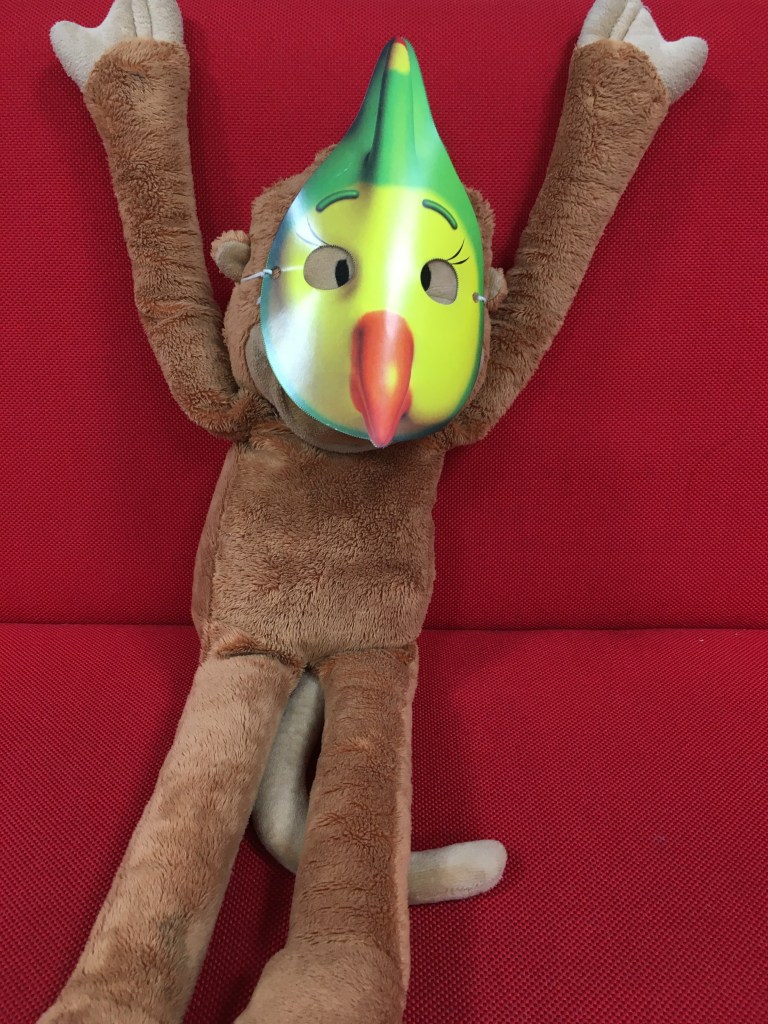
Mike, “I want to fly like Polly.”
Yes, Polly can fly (mime flying).
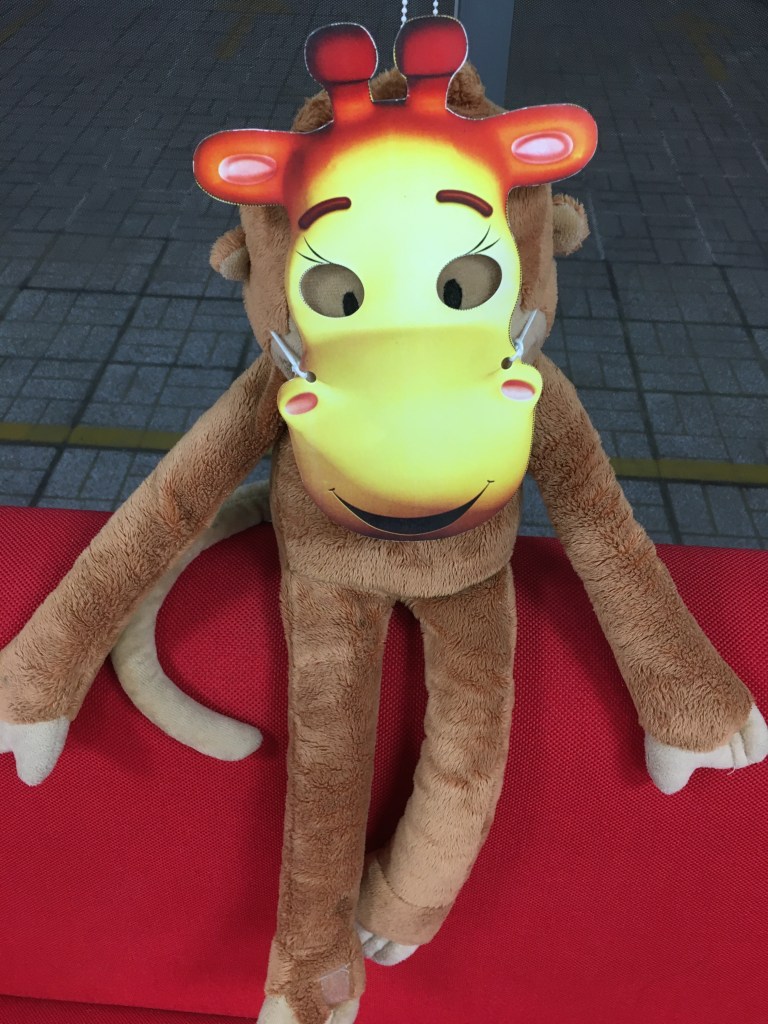
Mike, “I want to be big and strong like Leo.”
Yes, Leo is big and strong.
Mike, “I am small. I want to be big like Gina.”
Yes, Gina is big. VERY big.
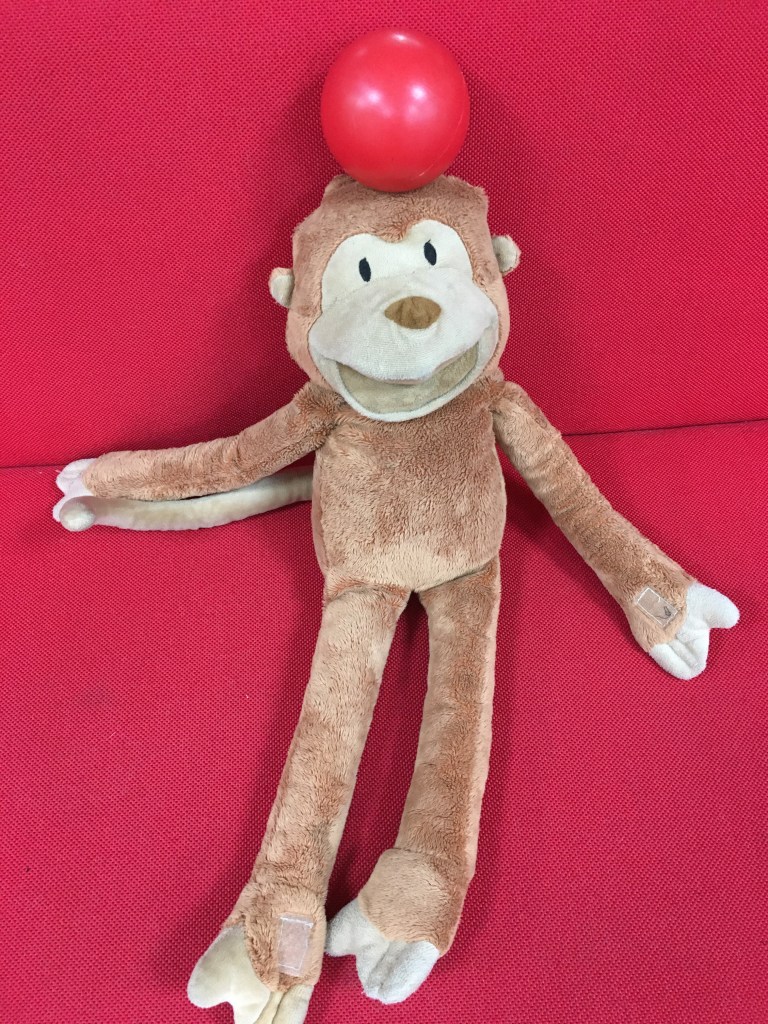
But Mike … you are very funny. Class … where is the ball ?
Mike is funny
Repeat story but give out masks to four of the students, so they can act Polly, Leo, Gina & Mike. Possibly most students will want to take part, so it can be re-enacted as required. Make sure students copy the actions and repeat key words.
Mike is now teacher …
Thay Mike. “Is the ball big or small ? What colour is it ? It’s a small red ball.“
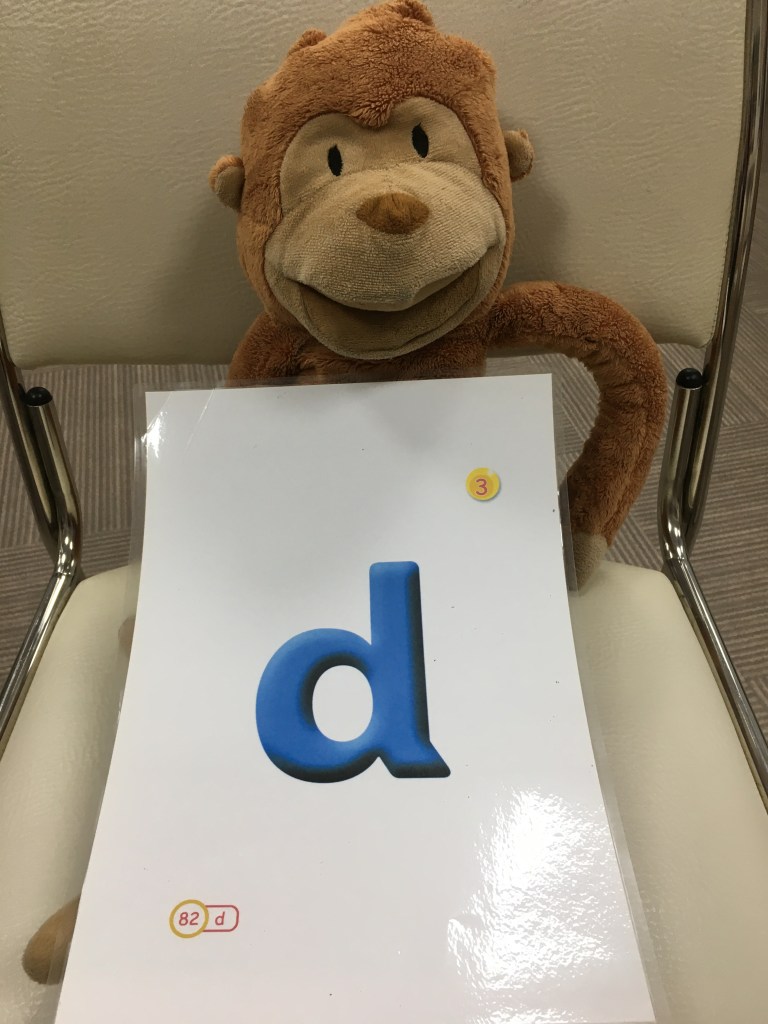
“Excellent ! Now, what letter is this ?”
Excellent ! Letter ‘d’ … ‘d’ is for dog.
Hand out as many markers as possible and see how many students can write ‘dog’. Some students still write ‘d’ as a ‘b’. By the end of the block, I would like the students to be able to write some basic words.
Next – Thay Student: Choose a student and they will tell the class what to do, for example ‘sit down’, ‘stand up’, ‘jump’, ‘be Polly’, ‘be Leo.’
This should easily take us into, if not over break time (always good to have more planned) after which is book work and activity books.
Today’s new verbs are: fly, swim, jump and walk. Once the students have learnt the pronunciation, they can practice. Which of these animals can fly … swim .. ?
Finally, at the end of the two-hour lesson (which is challenging for both students and staff), we can unwind with some colouring, but even here, the teaching continues. The TAs and I go around the class and ask them informal questions about their drawing and the colours they use. Meanwhile, we play a song that features some key vocabulary and show an image that could inspire our budding artists and allows them to develop their innocent imagination.


































 Thay Paul's Notes