IELTS: Chunking Express. Final Lesson.

4th March 2019

Tonight is my final class before the speaking test, and it’s jammed-packed with language skills such as listening, pronunciation and, not forgetting, speaking.

The words in bold indicate the way native-speakers sometimes link words together, to form one linguistic unit, a process referred to as ‘chunking’ in the IELTS book (though I had not previously come across this term).

This is defined on the Cambridge English Dictionary website as:

chunking

noun [ U ] /tʃʌŋ.kɪŋ/ specialized

a way of dealing with or remembering informationby separating it into small groups or chunkshttps://dictionary.cambridge.org/dictionary/english/chunking

In terms of the Speaking Test, it will help students sound more natural, more fluid, so is very beneficial, along with learning fixed expressions and an idiom or two. But first, as the students will be arriving in dribs and drabs, we’ll need a warm-up before the lesson can start in earnest. Let’s use some examples from the film alluded to in the heading, Wong Kar-Wai’s ‘Chungking Express’ (1994).

I will show three still of character inter-action. The students have to give me as much information as they can (description) and tell me, in their opinion, what is happening. The stills:
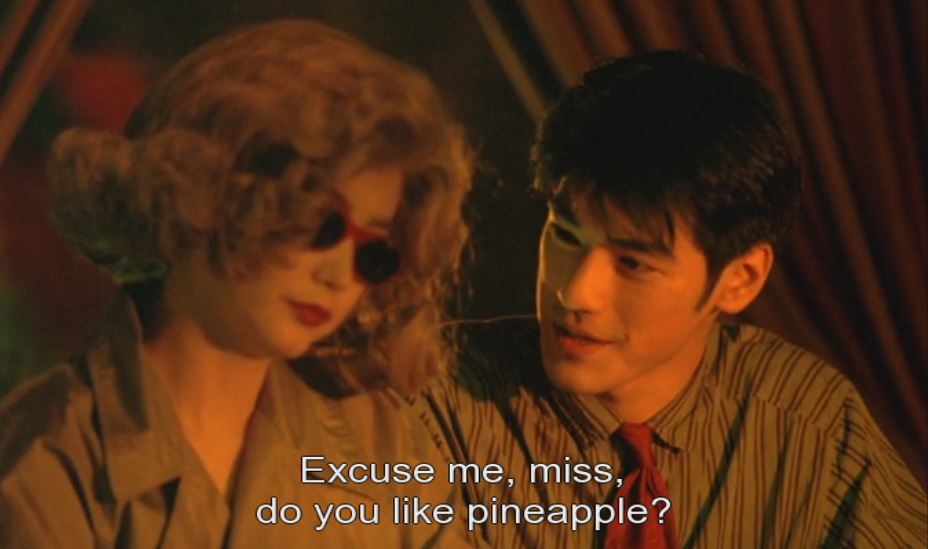
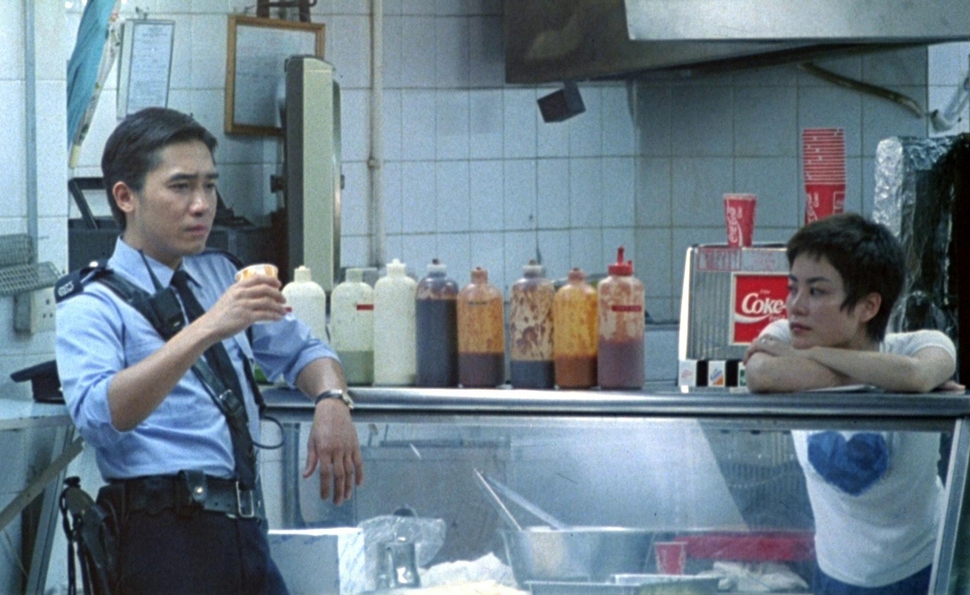
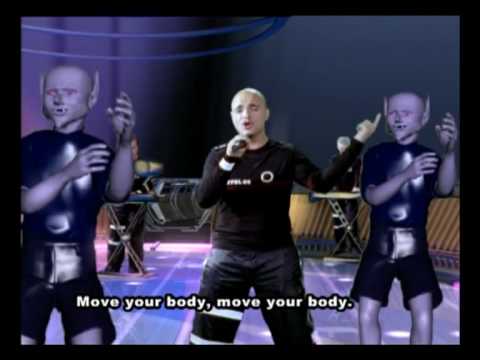
To help the students, I will guide them: where are the characters, how are they dressed, what is their body language ? We can then move on to ‘reading’ a picture. Look at the colours – which are warm, which are cold ? How close are the characters ? The woman in the first picture is wearing sunglasses inside and an obvious wig and heavy coat – why ? What is the relationship between the policeman and fast-food worker in the second ? Follow the eye-lines, look at the space between them look at how the bottles on the counter go from blues (cold) to red (hot, passion, love) as they move from cop to the girl. As a final clue, what symbol is on her T-shirt ? Finally, how would they characterise the meeting in the last photo ? Do they appear friendly ? Is there a social-economic or class issue ?

This is one of my favourite films, the acting is great and the cinematography is breathe-taking. The American director Quentin Tarantino is also a big fan of the film, so here’s a link into a listening exercise. Tarantino is from the US, so let’s see how much the students can understand from a ‘real-life’ video (from 0:00 – 0:45):

https://www.youtube.com/watch?v=DX8aUixCpek

What film was Wong Kar-Wai making ?

Who was in it ?

What expressions does Tarantino use to indicate a long time ?

We then move to a controlled practice session. Over the past weeks, the students have learnt new vocabulary and expressions but, unless they are used, they will be forgotten … and we can’t have that. So, time for some small group work:

I’m planning a trip to Nha Trang (a beach town in South Vietnam, about an hour’s flight from Ho Chi Minh City). I have two hotels in mind, but I need advise from some Vietnamese. They also have to use as many of these words as possible:

visually stunning / mouth-watering / you get what you pay for / spectacular / a waste of money / significantly / somewhat / according to / how can I put it ? 

Students must tell me about the hotels, the area, the food and which one they would choose for me:

Victory Hotel 2* Rooms not very clean, no view. No complimentary breakfast.

Sandy Bay Hotel 4* Much more expensive, although it has breakfast buffet, and room has a balcony with view of the sea. 

Trip Advisor recommends Sandy Bay, but they said Victory was dirty and very over-priced.

Local food is great

WILF (What I’m looking for): can the students describe the scenery and food ? Can they compare the price and quality difference ? Can they use expressions appropriately ?

With the adjectives, I’ll be listening out for intonation – ‘spectacular !’

To quote another source of information, ‘according to’ and for the prices, the 4* is ‘significantly more’ expensive than … Then, in conclusion, can they make a judgement – ‘a waste of money’ or accepting that high quality means high prices, ‘you get what you pay for.’

By now it’s time for the book work, and we have a lot to get through tonight.

The speaking practice involves a two-minute talk about an electronic device. The books offers some ‘stepping stones’, guides about what to say. To help the class, I’ll model an answer showing discourse markers, adjectives and adverbs, as well as some ‘low-frequency’ vocabulary (or ‘better words,’ if you will). My topic will be my Kindle.

A Kindle ebook

There should be a short introduction (one or two sentences), then each point arranged in different paragraphs, then ending with a short conclusion. The book suggests saying:

How long you have had it ?

How often you use it ?

What you use it for and

Why you use it so often.

They don’t all have to be answered, and other points can be made, but the speaker should be aiming for two minutes without repetition, hesitation or deviation.

My Kindle

One of my favourite electronic devices is my Kindle, an ebook reader, which is small and light. I always take it with me when I travel; I’d be lost without it.

The Kindle is primarily a way to buy, store and read books in electronic format. At first, I wasn’t convinced, I liked reading real books. However, books take up a lot of space and, at least in the UK, are rather expensive. When I saw what a Kindle can do, and that so many books are free, I was hooked ! I had to get one. I bought my device in 2014 and I’m still using it today.

As mentioned, I use my Kindle for reading. Literature and poetry is one of my passions. Instead of going to a shop, I just browse the online store, click and wait for it to download. With reasonable wifi, this can just take a minute or so … then I can start reading. It is no surprise that ebooks are ubiquitous in the UK.

Although I read a lot, the Kindle is more than just an ebook. It has wifi so I can access the internet, can play music, write notes and play games.

The wifi is vital, especially when I travel. I can maintain contact with friends and family, watch YouTube if the hotel TV is less than enthralling, or read travel guides such as Trip Advisor. Naturally, I can also book tickets or make reservations and therefore pay significantly less.

I recently travelled to Thailand to meet some friends. I didn’t want to buy a new SIM card, and my friend only had an old phone, so there was a dilemma; how to stay in touch ? Thanks to my Kindle, I had email access, so we could plan when and where to meet. 

I can’t watch Vietnamese TV, due to the language barrier. Consequently, the Kindle plays an even bigger part of my life, as I need some way to relax after toiling away for hours at work.

The choice of books is amazing. In the stores, a single book can cost around £10, but recently I downloaded the entire output of the Russian writer Tolstoy for less than £1.50 … incredible !

Kindles come in many shapes and sizes, so before you buy, you need to ascertain how you’ll be using it. For example, do you want a basic ebook reader, just for books, or the latest model with wifi ? This will, naturally, affect the cost. Then you have to decide upon the extras, for example how much storage space do you require, or a super-fast charger or protective case ? All of these bump the price up considerably.

If you’re interested in purchasing one, I have some information for you. I did a quick Google search and saw prices started at under 2 million VND, averaged around 5 million, but some were over 15 million. That, for me, is too extravagant.

In conclusion, my Kindle is very much a part of my life. It accompanies me everywhere. I simply don’t know what I would do without it.

Speaking for two minutes can be quite daunting and challenging, even for a native speaker. I will try to encourage the class to expand on their work as much as possible. They can do this by giving examples or lists, using personal experiences or giving full reasons for their choices.

This exercise will probably be the centre-piece of the lesson, as they’ll need time to prepare and perform. I won’t embarrass anyone by making them read aloud, but instead, I’ll circulate and offer help and tips where necessary.

As it’s the last lesson, the later part of the class can be for fun activities, maybe some general knowledge questions, or sentence building exercises, where we start with a basic sentence and see how far we can develop the story.

Kindergarten:Surfin’ Safari Level 1

2nd March 2019

Last week was my first meeting with this class, so I had to familiarise myself with what they studied so far, what they could and couldn’t do.

The TAs at my centre are amazing, and I am assigned two for each of these KG (Kindergarten) classes. They informed me that the children could speak but not write. In a nutshell, they knew basic colours, numbers and instructions (‘hands up’, ‘sit down’ and the like). Also, the ABC was still being learnt, so last week I began with a great video using characters created by Richard Scary. The ABC starts at 3:20, ending at 4:00: https://www.youtube.com/watch?v=Nog9FBW9cTo&t=284s

I was given a book by Richard Scary back when I was four (I’m NOT saying what year that was !) and still have it. I made the class sing along, then do a ‘Run ‘n’ Write’ game, each student running to the board to write an assigned letter. It is a kinetic activity and involves all the students.

Some characters from Richard Scary.

The pattern for young learners is to do many different games and types of games, to maintain attention and interest. It’s the ‘montage of attraction’ I’ve referred to in previous blogs; basically how the separate parts all fit together as in engineering or film editing.

The advantages are that the students like routine and repetition, so the same games can be played most weeks, allowing for some variation. The objectives are to get the students producing English: speaking, writing, listening and eventually reading. Listening cannot be under-estimated. At this age, the students are like sponges – they absorb everything, so learning occurs at at much faster rate. This dwindles with age, hence I’ve been in Vietnam over three years and can barely form a sentence.

New vocabulary, expressions and pronunciation can be acquired just by listening to the teachers, so I ask my TAs to use key words repeatedly (e.g. ‘excellent’, ‘good work’, ‘well done’) thus expanding their lexical resources (sorry, I just didn’t want to repeat the word, ‘vocabulary’). Music too has a tremendous impact. An inane Europop song can be a wonderful learning opportunity as the lyrics are repeated AND are learnt in a fun way. As such, last week I used this song, which, I have no shame in admitting, I actually LOVE: Eiffel 65 with ‘Move Your Body’

https://www.youtube.com/watch?v=Nog9FBW9cTo&t=284s

Clip from the original video. Repetition of basic sentences is a great learning device.

And so … to tomorrow’s lesson:

It’s a basic class; the students know some vocabulary, colours and numbers, and we’re developing their sentence-forming skills by making them say their names (either ‘My name is …..’ or ‘I’m …… ‘ featuring the contraction of I am).

First, it’s good to do a quick and energetic warm up. We did Musical Statues (Freeze) last week, so today we’ll try Musical chairs. This class is not so large (about 11 or 12) so we’ll have the class in two groups walking around their table. The TA will make sure they understand the rules, but we are also drilling common classroom features such as chairs and tables. This seems a great video, as today we’re introducing the word ‘train’ : https://www.youtube.com/watch?v=QYhKyqQ3zXg

When the music stops, the students race for the chairs. Thos who are unlucky have to answer a question, then we continue. While the children are standing, we can do a ‘Teacher Says’ game, basically a ‘Simon Says’, but here used to drill simple expressions such as ‘clap your hands’, ‘sit down’, ‘stand up’ etc and then acting out animals (which is always fun).

Leading on from this, another game and a chance to learn new vocabulary. I’ll prepare a slide of new animals. The children form two teams and have to throw a sticky ball at the board, aiming for the names animal. The aim (ah-hem) is to get one team to tell the other at which animal to throw. Ideally they’ll be able to say, “Throw at the chicken,” but it may just be, “Chicken !” It’s a start. My new animals will be:

Water buffalo, common in Viet Nam
Panda to practise the plosive ‘p’ sound.
Shark to practise the ‘sh’ sound.
Chicken for the useful ‘ch’ sound.
A tiger, so they can learn different types of big cat (they already know lions).

Moving on, we come to the lesson and focus on numbers. Around the room, I’ll stick various flash cars depicting numbers. I’ll ask for two students to find me a number from one to four. They will run like little nutcases and grab the card. They then have to bring it to me and say, “Here you are,” and then write the number (just figure) on the board.

I like to make the students speak to each other in English as much as possible, and it’s fun to make one student ‘thay’ or teacher. That student will hold the flash card and ask the class to show him or her 1 or 2 etc and the class will hold up the right number of fingers.

The book work reinforces new vocabulary and numbers. To break the book work, they will colour a train picture I have prepared for them:

I also like to play a short video to show life outside of Vietnam. Here’s the London Tube at rush hour:

https://www.youtube.com/watch?v=S8LRlwCx4yY

There is no underground system in Viet Nam, so this should be an eye-opener. We can also see if the students are able to understand any of the instructions the guard say.

If time allows, we can watch the ABC video again, or just focus on some of the letters, giving the letter, the sound and an example:

B – bbb (sound) – ball.

At this age, we can’t overload them with work, so there could be some colouring, but still looking for any opportunity for the class to speak English.

And then, my weekend is over and I can go home … to prepare lessons for tomorrow, my last IELTS class before their oral test but that, as they say, is for another blog.

Young Teens: course review.

27th February 2019

This is my final class with this group as they have tests next week, conducted by the Vietnamese staff. Therefore it is a review lesson, going over recently-acquired words and practising listening skills.

It threatens to be quite passive (although this class is anything but passive) so I need to start with some energetic team games, focussing especially on speaking.

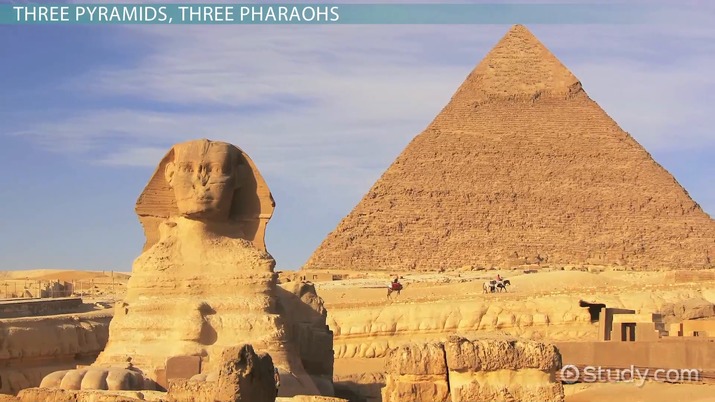
To begin, a STB game based on the previous unit (‘Special Places’). I’ll show various pictures of world landmarks and ask about them, for example where is this:

Bonus points for naming the mythological creature, and for asking the riddle with which it is associated. Other sites include the Taj Mahal, the Parthenon, a lighthouse, and the recently-discovered Hang Soon Dong cave here in Vietnam.

Here we can review UNESCO and world heritage sites. Vietnam currently has eight sites on the UNESCO list – how many can the students name ? https://whc.unesco.org/en/statesparties/vn

Next a ‘run ‘n’ write’ activity. I’ll board an incorrect sentence and the students must correct. I need about seven sentences to give everyone a chance to take part:

What London like

was the weather what like

We goes on a boot trap (in past tense)

It weres (ADVERB) interesting

£75 is ext … exp …

You should criss the rood careful

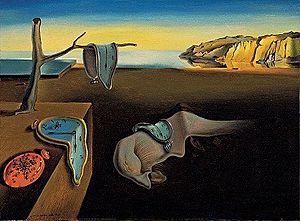
Dali were a really famous lawyer.

As a bonus, can they draw a Dali-esque clock ?

Next we can have small group work. I shall show various photos and they have to write a short piece using as many adjectives and adverbs as possible:

really / quite / very / not very /

expensive / popular / delicious / boring / exciting / scary

carefully / easily / quickly / noisily

psycho / palace / famous for / in common / gadget.

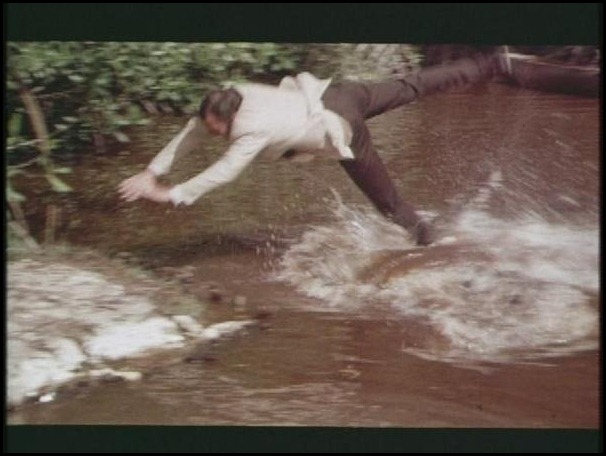
As usual, it helps to give a model to serve as an example. I shall use this photo:

‘Live and Let Die’ (1973)
James Bond escapes from some extremely scary alligators.

In this picture, the British spy James Bond is surrounded by some very scary alligators who are extremely hungry. He tries using his magnet gadget on his watch but it doesn’t work. Bond is famous for escaping from very dangerous situations. Quickly, he runs across the water stepping on the backs of the creatures. Bond films are incredibly popular because they are amazingly exciting. Do you find them interesting or boring ?

Now for the students:

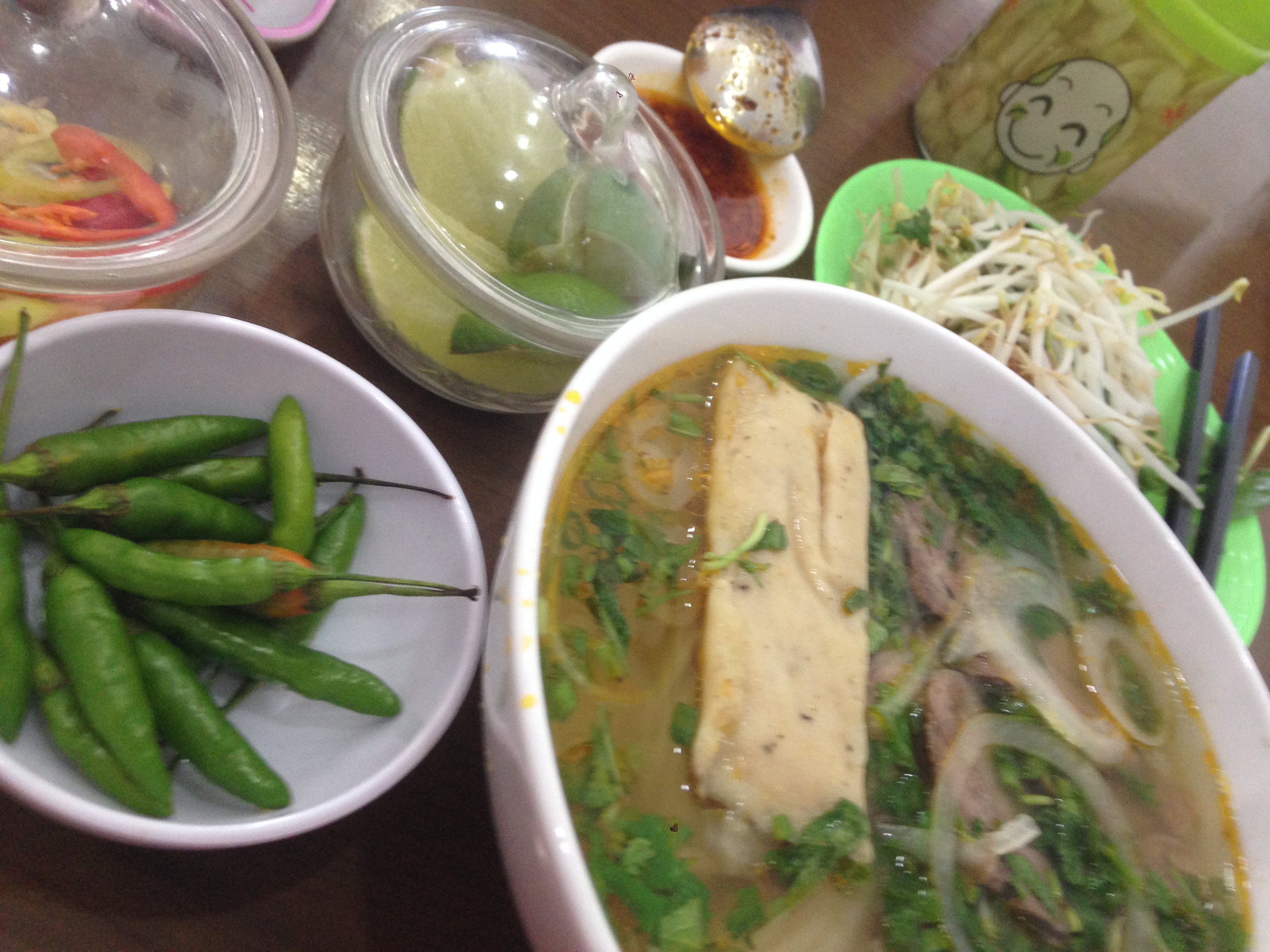
Typical Vietnamese food
The magnificent Heath Ledger as the Joker in ‘The Dark Knight’ 2009.
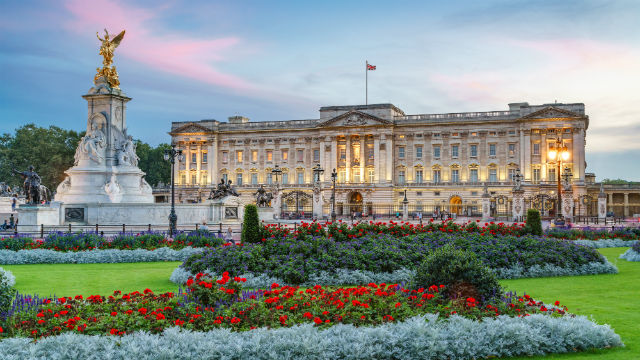
London’s Buckingham Palace, home to the King.
Dali and friends.

To end the activity section, an opinion poll. This makes the students get up and ask classmates for their views, so listening and speaking skills are utilised – and no teacher-talking-time !

This survey will be based on Special Places. The students are offered a choice of four locations: The Pyramids of Giza, the Parthenon in Athens, The Taj Mahal in India and Buckingham Palace in England.

Which site do you want to visit most ?

Why ?

What is the weather like there (use adverbs) ?

What can you do there ?

What could be a problem ?

After this, it’s time for the book work and assigned lesson plan. As mentioned, there is a lot of listening and video watching, so that should occupy most of the remaining time.

To finish we need a high-energy game. ‘Family Fortunes’ is good as it makes the students work together, and can be a test of general knowledge. I could ask: name four countries in Europe, four typical dishes from USA, four famous singers etc.

A list of class games can be found in a previous post: https://thaypaulsnotes.com/2018/12/17/note-explanations/

If the energy is just not there, I can always play a YouTube clip of funny animals, or a song (in English) that has been requested.

Let the students leave smiling … but also prepared for next week’s tests.

Please Note: All photos are taken from Google Images or free photo sites, and are used for educational purposes only. No copyright infringement or offense is intended. If I have used your photo or image, and you wish me to remove it, just ask. This site is not monetized, I run it on my own dollar. Thank you.

Adult Class Level 1: Can’t get there from here.

26th February 2019

Tomorrow night’s class is heavy on speaking and listening. One theme is travel, focusing on getting to the airport or station. I’ve noticed that students in all classes, of all ages, prefer activities to actual bookwork. Hence, I shall do maybe up to an hour of ‘games’ designed to practise and reinforce vocabulary, introduce new expressions and, mostly, get the students producing English among themselves.

Again, I’ll be able to recycle material from other classes, adapted to the news of these specific students.

Firstly, I’ll introduce some common fixed expressions. Three should be enough at this level:

Long time no ….

At the end of the …

Better luck next ….

‘At the end of the … ‘ is a very common expression, especially used by footballers in post-match interviews. Here is just one example: 

https://www.youtube.com/watch?v=VIucUjHlMbE

I will play this 2 or 3 times, asking the students what it is about and can they hear the expression (which is said twice).

Next up, a quick review of new vocabulary. I’ll show some definitions and the students have to give me the word or phrase:

What you think of something when you just see it (two words)

Something you want to do or achieve in life – a

Sending a file, picture or music using email –a

An adjective meaning very good – a

Expression meaning you have chosen the best area or shop or office – Y c t t r p.

The third activity is to practise speaking and using new language. Students are put into small groups and take turns speaking. The topic shall be travel, and the students have to use the following:

amazing / attachment / incredibly / predict / first impressions / you’ve come to the right place

With all speaking exercises, it helps if the teacher or a top student models first, so that all the students understand what they have to do. I shall use the same words but my theme shall be food:

On Saturday, I was out shopping and I felt very hungry. I went into a restaurant and my first impression was not encouraging. It looked a bit dirty and I predicted that the food wouldn’t be very exciting. However, they had an interesting menu with vegetarian options, which was amazing ! I ordered some pho and salad and it was incredibly delicious. I thought to myself I’ve come to the right place. I took some photos so I’ll send them to you by attachment on my next email.

The following activity maintains the groups. This activity shows three options for getting downtown from the airport. There are also three pairs of people who arrive at different times and have different requirements. The students must read the information and discuss the merits of each method. Then they must advise the travellers which method is best suited to their needs. This activity can be found on a previous blog, and the link is:

https://thaypaulsnotes.com/2019/02/10/ielts-have-love-will-travel/

While they students work, the teacher shouldn’t interfere unless directly asked, or give too many extra instructions; the students need time to work alone and develop language skills. However, I can listen out for any mistakes in grammar, pronunciation etc. At the end of the exercise I can board these and the class can make corrections. This prevents an individual student becoming embarrassed.

Before the book work (today it’s listening to videos and answering comprehension questions), there is one more exercise from a book. The subject is ‘have you ever done it ?’ and the students are presented with 14 situations. There are given the base verb and have to answer the questions making sure to use both positive and negative answers. For example:

I ………… Star Wars films (see) I have seen all the Star Wars films

I ………. to Thailand (go) I have been to Thailand

Then it’s time for the assigned work. I’ll aim to work and leave about 15 minutes for some informal games. The Family Fortune (FF) game is very popular; here groups are given a board and marker and have to write four answers, some general knowledge, some about me. Examples from last night are:

Four countries in Europe

Four ways to say ‘hello’ except in Viet or English.

Four foods from Italy (here we have a lot of fun with exaggerated pronunciation). What better teacher than Christoph Waltz from ‘Inglorious Basterds’ ?

https://www.youtube.com/watch?v=rq7qm3T3cPE&t=186s

This scene can have two roles. First we compare how a Brit would respond to hearing of someone having an accident (turn our heads, look very sympathetic and say ‘Ahhhhhh, poor you,’). Then we see how Mr Waltz’s character responds (0:54 – 1:34). In the film, a young lady has broken her leg and the German inquires how the accident happened.

The Italian pronunciation scene begins at 2:24.

Inglorious Basterds 2009 (Dir Quentin Tarantino)


We can alternate with some personal questions such as ‘What will I do after work ?’, ‘What are four things I dislike about Vietnam ?’ and what four instruments can I play ?’ (It doesn’t matter if I can only play one, it’s just a test of vocabulary, and it makes me seem much more interesting !)

IELTS: warm up games.

25th February 2019

This is the penultimate class before the speaking test, and the assigned work involves a fair amount of reading and listening. Therefore, I want to introduce more speaking activities so the students can practice and I can check for pronunciation and correct use.

We’ll kick off with a warm up – I’ll board some fixed expressions and the students must complete them:

Long time no …..

At the end of the ….

Better luck next ….

Same thing, day in ……

There’s someone for ……..

(Answers at the end)

At the end of the … is a very common expression, especially used by footballers in post-match interviews. Here is just one example: https://www.youtube.com/watch?v=VIucUjHlMbE

The last expression leads into the second activity, ‘Lonely Hearts.’

I’ll re-use the photos from a class I took last week, where I show three men and three woman with a very brief bio of each one. The students have to match them up, then speculate on what the outcome of the date will be …

The activity can be found on this blog: https://thaypaulsnotes.com/2019/02/20/adult-class-level-1-computer-world/

After, there will be a quick-fire vocabulary game to go over the meaning of recently-learnt words and expressions.

something that is everywhere, very common, easily found

Quoting a fact from somebody else

An adverb that means much more

An adverb that is mild, a little, a little more

To repeat something

(Again, answers at the end)

The next game is Desert Survival. Students are put into two groups and given a sheet with a number of items. They have to work together to decide upon five items ONLY that will help them survive in the desert.

Desert survival

You need to select five items below to help you survive in the desert.

Factors to consider:

food, drink, heat, cold, injuries, attracting attention, wildlife

First aid kit / matches / rope / knife / compass 

cigarettes / blankets / barrel of water /flare gun /torch

magnifying glass / Beatles CD  / make-up set / dried food 

grammar study book / Angry Birds game / air rifle / sun block

Negotiation language

I see your point but … /  that’s interesting, however …

I’m not sure about that  / I can’t go along with that 

I don’t feel that is entirely right / I fail to see the merits

I respectfully disagree / I find your contention somewhat flawed

Your case (arguement) is not without value, but …

Have you fully considered the implications of your decision ?

The students have to practice the given language and negotiate with each other, then with the other team. We need to find a consensus of five items.

This will probably be enough to take us to the book work.

The first item is the difference between ’cause’ and ‘make’

Look at this sentence:

There was a recession in 2008 because of the collapse of the housing market.

This can be re-written, to alter the style of writing:

Because of the collapse of the housing market, there was a recession in 2008

The collapse of the housing market caused a recession in 2008.

We can see ’cause’ in because of. Here, we are talking about a thing (the housing market). When we talk about the effect on people, we usually use ‘make.’

The recession made many people loose their jobs.

In the area of Ho Chi Minh where I live, there are a lot of open-air karaoke singers, and a vacant lot hired out for wedding parties.

On Saturday, a wedding party caused a lot of noise.

The guests made a lot of noise

Listening to drunken people screaming karaoke makes me angry !

Additionally, ’cause’ is more informal, while ‘make’ is frequently used in informal collocations:

The delay was caused by heavy traffic. The delay made me late.

The heavy traffic caused me to be late. The incessant noise caused me to be angry

This is a more formal than ‘made me late’ but the sentence structure has to be altered; to be is added before the adjective (late).

After, with about thirty minutes left, the energy and motivation will probably be somewhat low (to say the least), so an activity to wake them up and to encourage them to speak and express their views. I shall simply write two contentious issues on the boards, in the hope of provoking the students:

Vietnamese are so lazy

Vietname should be part of China

I am expecting a vociferous outcry, but the object here is to let the students gather their ideas and verbalise them in a suitable way for IELTS.

They will need to give their opinions, use adverbs, and back them up with reasons.

Finally, we can play a Family Fortune (FF) game. Students are put into small groups and have a set time to come up with four answers. These can be learning based (e.g. four adverbs of degree), new vocabulary or general knowledge questions. To make it more fun, I could ask questions regarding my experiences (I have lived in four countries; which ones ? What are my favourite Vietnamese dishes ? What do I like more in VN than UK ? etc).

Hopefully the class will be happy at 9.00 pm, NOT because the lesson is over, but because it has been worthwhile … probably a mixture of the two !

The answers: see / day / time / day out / everybody

ubiquitous / according to / significantly or remarkably / quite or somewhat / reiterate.

Young Teens: deeply, madly, truly.

21st February 2019

Yes, it’s adverb time. This class was introduced to them last week, while I was happily sipping a beer in Thailand, a remarkably beautiful country which, despite being quite close to Vietnam, has a significantly different culture, atmosphere, vibe.

Tonight’s class focuses on speaking, so I’m hoping for a lively session with all students enthusiastically participating.

To begin with, there are several types of adverb:

I use a mnemonic device to help me remember the five main types: DF MPT (degree, frequency, manner, place, time).

I shall look at the adverbs they learnt last week and make a ‘run & write’ game. Class will be split into two teams; I’ll board or say a word (careful, fast, angry etc) and one person from each team will have to write it as an adverb.

To reinforce, I’ll select one of the more outgoing students to act out various scenarios, for example the student can walk carefully, speak quietly, eat quickly. Thus the students will have both written and spoken some basic adverbs.

Next, I shall try a new game, introduced by a song from The Who ‘Who are you ?‘ (which people may know as the theme from CSI:Vegas): https://www.youtube.com/watch?v=v_3ks7-OjGc    

I’ll just use the opening bars (some versions have lyrics which are inappropriate for the classroom !)

In this game, I will put the students into small groups, and give one pupil a paper with some basic information on it:

Four People

NAME: Alan NAME: Jane

FROM: Cambridge FROM: Manchester

WEATHER: Mild and sunny WEATHER: Wet, grey, rainy

JOB: Student JOB: Lawyer

LIKES: Reading books LIKES: Shopping online

Rowing Films Badminton Cats

WHY IN VN: Exchange study WHY IN VN: Work for UK company

BEST: Lots of museums BEST: Good wifi, interesting history

WORST: Traffic & pollution WORST: Scams, noise, traffic

OPINION: Great place but too noisy

OPINION: Fascinating but walk carefully

NAME: Peter NAME: Anna

FROM: Birmingham FROM: New York

WEATHER: Grey, cold WEATHER: Very cold, very hot in summer

JOB: Journalist JOB: Electrician

LIKES: Making models LIKES: Sudoku

Travelling Football Piano Meeting friends

WHY IN VN: Writing a story WHY IN VN: Travelling around Asia

BEST: Meeting Vietnamese people BEST: Cheaper prices. Good food

WORST: Too hot. Food too spicy WORST: Extremely hot and sticky

OPINION: Incredibly noisy and humid OPINION: Amazingly fun place.

This is an exercise to help students form questions. A great way to start a speaking exercise is simply to model it first, eliciting as much information from the students. For example, I could board answers and ask the students what questions could they ask to get these answers. To broaden their vocabulary, I will demonstrate various approaches;

To enquire about my job:

What do you do for a living ?

What do you do ?

What is your occupation ?

How do you make a living ?

For my likes:

What do you like doing in your free time ?

What are your hobbies ?

What kinds of things are you into ?

The students ask the chosen student questions, then report back to the class. To make sure all the class are paying attention, I’ll ask questions and award points. It is common situation that students who are NOT presenting have very limited interest in other students who are speaking.

Depending on time, I will add a quick game where I board a basic sentence and the students have to elaborate by adding adjectives and, now, adverbs.

The student is good – The intelligent student works extremely well.

The food is nice / The weather is hot / The homework was hard / My cat is lazy.

And onto the bookwork. Today’s book mentions Cambridge (which they read about before with reference to the boat race), Buckingham Palace in London (which most of the students know is the home of the Queen) and Bristol in west England, which, I am sure, will be unknown to the students: https://www.youtube.com/watch?v=khM7tjui86Q

This is quite a good video, as it is just visual (thus giving the students a little break, as well as introducing them to a new city), and it can be followed up by asking what people can do there ? What kind of buildings did they see ? Would they like to go there ? What did they think about it ? Interesting or boring … and then use adverbs to make their answers more interesting.

Also, I like to let the students hear different accents because in the real world, they probably will not be listening to English teachers speaking slowly, carefully and in Standard English, but to people from all over the English-speaking world or, more likely, non-native speakers. Locals from Bristol have a different accent to mine (east London but with Standard for work), so here is a short clip illustrating the difference, and it has subtitles: https://www.youtube.com/watch?v=2qKBRnyWleU

The students can try to copy the sounds and also learn everyday fixed expressions. All in all, I’m hoping it’ll be an exciting and active class.

In keeping with the emphasis on speaking, in the reading section, one section of the class can read one paragraph, then close their books while the other students ask them questions, so here we have reading with speaking and listening skills being practised.

Adult Class Level 1: Computer World

20th February 2019

Today’s lesson is about the internet, what it’s used for, what vocabulary is associated with it and how men and women spend their time online. The main topic is ‘do men and women use the internet in different ways ?’

As a quick warm-up, the students can shout out different websites that are famous, and how they would be categorised (social media, news, commercial, blog etc).

No doubt ‘YouTube’ will be mentioned and here is a short video which ties in with the theme of a previous lesson (‘What do you want to do with your life?’). Here, 100 children are asked what they want to be. The students have to write down as many jobs as they hear, so they practice listening skills. Additionally, the children are from USA, so their accents differ from mine, exposing the class to a variety of Englishes. Some speak very clearly, other mumble so turning this into a game could be fun: https://www.youtube.com/watch?v=RUup841pZrs

Statistics are widely available to show internet usage by region and by gender. One good example may be found here: https://www.statista.com/statistics/491387/gender-distribution-of-internet-users-region/

The chart can be used as an exercise in data reading and use of comparatives for example, where are the highest users of the internet and, conversely, the lowest ? Do more men or women go online ? Then adverbs can be employed to stress the difference.

We can see that, with the exception of the Americas, men use the internet slightly more than woman in their geographic area. Regarding the Americas, the amount of women compared to men is not significantly higher. Over 80% of European men access the net, but less than 20% of African women do so. Asia is often seen as being in the forefront of technology (think of Japan, South Korea, Hong Kong) yet has a surprisingly low percentage of users, less than 40% of women compared to nearly 80% of women in Europe. What could be the reasons for this ?

High-tech Asia, yet less than 40% of Asian Pacific women actually use the internet.

However, this is a level 1 class so we don’t want to delve too deeply into the reasons, we want to get the students up and talking, and one of the best ways is make them conduct a quick survey among their classmates.

Internet Survey 

Question Name Answer

How often do you go online ?


Do you use the internet for work and/or study ? How ?


What social media sites do you use regularly ? How often ?


Have you ever bought or sold anything online ?


What is good about the internet ? What is the worst ?


This is an adult class, so I’m sure someone may refer to dating sites. this will lead us into the next activity, ‘Lonely Hearts’. Here, I’ll show three men and three women, each with a brief biography, stating their likes and what they are looking for in a partner. The class, in small teams or pairs, have to match each man to a woman, then predict what will happen on the date.

This allows the students to be creative, while encouraging the use of opinion phrases and building sentences by giving reasons to support their ideas.

PETER. Age 46. Lawyer. Likes cooking, travelling, wine, driving, tennis. Divorced, 2 children. Looks for quiet lady with no children, to look after the house and him.

JAMES. Age 26. IT worker. Likes music, dancing, going to clubs, beach holidays. Single. Looks for young lady who is loud and fun, likes to party.

David. Age 22. Model. Likes fashion, clothes, cocktail bars, smoking cigars. Looks for a women who is a model so we can look great together. Must be very beautiful and wear expensive clothes.

Jane. Age 22. Likes fashion, clubbing, kittens, holidays in the sun. Looks for a man with a steady job and ‘down-to-earth’. Non-smoker only.

Lisa 28. Banker. Likes quiet restaurants, badminton, travelling. Looks for a mature man with good income for long term relationship. No boys, please !

Emily. 20. Likes dancing, fashion, going out with my friends. Movies. Wants a young, cute boy-friend so we can go to parties together. No boring old men, please !

This exercise can be used to elicit adjectives as well; the students can describe the physical appearances, and what they think the people are really like.

All the time, I’d like to encourage the students to talk more in English, reduce the teacher- student dynamic, have more open-class discussions. One way to facilitate that is to maybe repeat something controversial and see how the class react to the comment. For example, a man may say that women only use the internet for social media and gossip, men use it for important things.

Obviously, my job is to encourage students to speak with each other, to take a back seat or, as we put it, to cut down on ‘teacher-talking time.’ I’m certainly not here to foster my views or disagree with the class. However, if I feel a conversation is in danger of becoming contentious, I can point out that in Europe, USA, Australia (called ‘the west’ for convenience) such views would be unacceptable on the grounds of sexism or racism. We don’t just teach the English language; we introduce students to western culture and norms.

Young Teens: Unesco Sites.

31st January 2019

Lesson Plan

What happens next: Show four clips and ask students to guess what will happen next. Introduce the word ‘predict’, model, then encourage the use in sentences (I predict the man will ….).

Following the clips and slides about fortune telling, the students can interview each other:


What are you going to do for Tet Holiday ?
Do you believe in fortune telling ? Why ?
Have you had your fortune told ? Why not ?
Do you have any superstitions ?
Do you think you are going to pass your English test ?
What special things are you going to do at Tet ?

The students must ask two classmates the same question and then record the response. If needed, prompt with questions about special Tet customs.

With the video clips, what better way to start than with former President G.W. Bush: The clip I want starts at 7:14

The following should please my students as it involves some fighting). 

Finally, this clip can start at 0:05

https://www.youtube.com/watch?v=FPyFzLeRYpg 

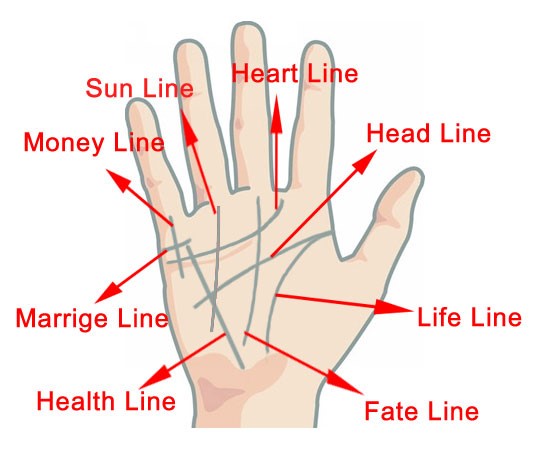
On the board I’ll write some collocations – reading palms, telling fortunes, predicting the future.

Role-playing: the students can pretend to tell their partner’s fortune. The subjects, more appropriate to this age, can be: school, future job, university, holiday, a surprise, travel, making a new friend.

Before the book work, featuring World Heritage Sites, a short video. Students must try to remember as much information as possible https://www.youtube.com/watch?v=1tpA11u2jdQ

Real-world examples are a great way to introduce new vocabulary and phrases. In this clip, I can focus on: former / iconic / sparking interest / pass up the opportunity.

On slips of paper, I’ll write the ten sites, while on the board, I’ll write ten countries. The students, in pairs and as a race, will have to find the site associated with the country and stick it on the board. A chance to burn off some energy before the book work. If the class is too rowdy after a fun game (which can happen, a victim of its own success), I’ll do a quick Hangman game using vocabulary from a previous lesson (sonnet, conscious, reporter, lawyer, suddenly, meanwhile …)

After the bookwork, I can do some more run ‘n’ write games. I’ll write an incorrect sentence on the board and a student from each team must rewrite. First one to finish, including punctuation, wins.

I’m not expecting a lot of motivation so close to a major holiday, so we can end with a video of their choice. As long as it’s in English … teaching without teaching, and letting them leave with a smile … hopefully.


Recycling lessons: “Reissue, repackage, repackage …”

31st January 2019

One of the less interesting aspects of teaching is lesson planning; I can easily spend an hour or more trying to make activities or find suitable video clips for a class. It can be worthwhile if said activity is a success, but quite often the reverse occurs leaving one with a sense of futility. All that time wasted …and for what ?

To counter this we can, with the necessary tweaking, use and reuse parts of previous lessons for different classes and thereby justify the time spent on creating slides that may only have been employed for a few minutes (having taken considerably longer to create).

It’s early afternoon, I have two more classes at my centre this week, one for young teens the other for actual teens, and I’m not entirely enamoured of either class. Still, needs must … so I open the student book, and see the subject is UNESCO (which should be interesting) but then I see the vocabulary; words such as ‘heritage’. I see the general knowledge section, mentioning places such as Pompeii, then referencing the Tower of Hercules. My students are Vietnamese and most, if not all, attend public schools. At age ten, eleven, twelve, it is highly unlikely they will know these places. It is also highly unlikely they will want to know these places.

There’s going to have to be some pre-teaching before the main book work and, as it’s Tet Holiday next week, I’m think I’m justified in making the lesson more game or activity based. Tet is also a time of tradition and superstition, which was the subject of last night’s adult class, so I will be able to re-use some slides, video clips and class work. The adults were at level 1, so their language skills are about the same, if not less, then these young teens. Furthermore, I will adapt and recycle for tomorrow’s class thus making the effort totally viable in terms temporal (“I never knew you wrote such bloody awful poetry,”).

As in cinema, my centre favours a ‘show don’t tell approach.’ Therefore, I’ll show a short YouTube clip about Unesco. There will be ten sites, and I’ll write the countries on the board. On paper, I’ll write the names of the sites and I’ll stick them around the room, making sure that they remain there and not torn down, eaten or generally mutilated in some way. Telling students (at least in Vietnam) NOT to do something is an sure-fire invitation for them to do exactly what they have been admonished NOT to do and I kid you NOT. In my first centre, which was modest and low-tech, the rooms had old, cantankerous CD players. Students were told not to touch them. I walked into class one day and found one boy sitting with the plug in his mouth, sucking happily away. He wasn’t a Kindergarten child … he was in his early teens.

Back to the use of video clips; I seem to spend an inordinate amount of time searching for appropriate clips. So many videos take forever to start, with opening credits and endless introductions that are merely exercises in tautology. If one can find a clip that “does what it says on the tin,” bookmark it – It’s gold.

I can also reuse slides showing various aspects of Tet Holiday and ask the students what they mean – what is ‘lucky money’ ? What special food is eaten, what clothes are worn … and why ? At this age, some role-playing could be fun … the students can act out for me the procedure for giving and receiving lucky money.

Another useful teaching ‘trick’ is to reverse the class dynamics, and have the students teach me Vietnamese, correct my pronunciation and grade my performance. They learn different English skills here, to instruct as opposed to being instructed, and as it’s fun and they are in control, it doesn’t seem like a lesson … but it is. We teachers can be a pretty sneaky bunch … we have to be … however the only object is to make sure the students leave the class having learnt new words and been given the chance to practise using them. The ends justify the means.

Adult Class Level 1. Cross my palm with silver …

30th January 2019

The theme of tonight’s class ?

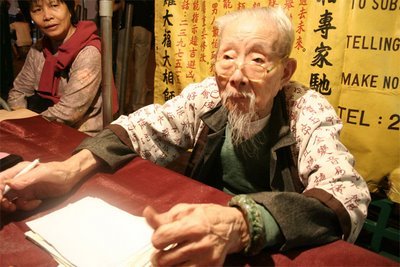
It doesn’t take a fortune teller to predict tonight’s lesson is about … fortune telling, predictions and the use of the future tense phrase ‘going to.’ Firstly, I will make some predictions about tonight’s class:

  1. Most students will be late
  2. I shall ask students to work together and speak English; they shall speak in Vietnamese
  3. At least one student will fall asleep
  4. During the reading and listening section, there will be sighs, yawns and clicking of pens
  5. I shall encourage students to get up, move around, speak with different partners; nobody will move.

And now, without further ado, the lesson plan

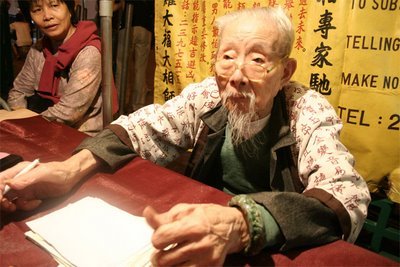
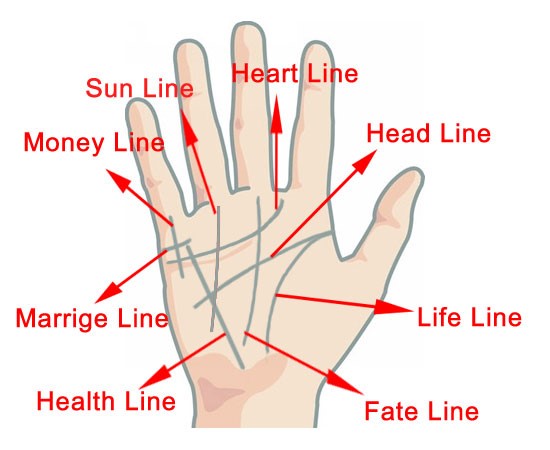
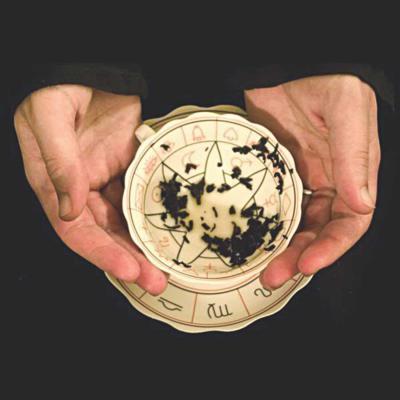
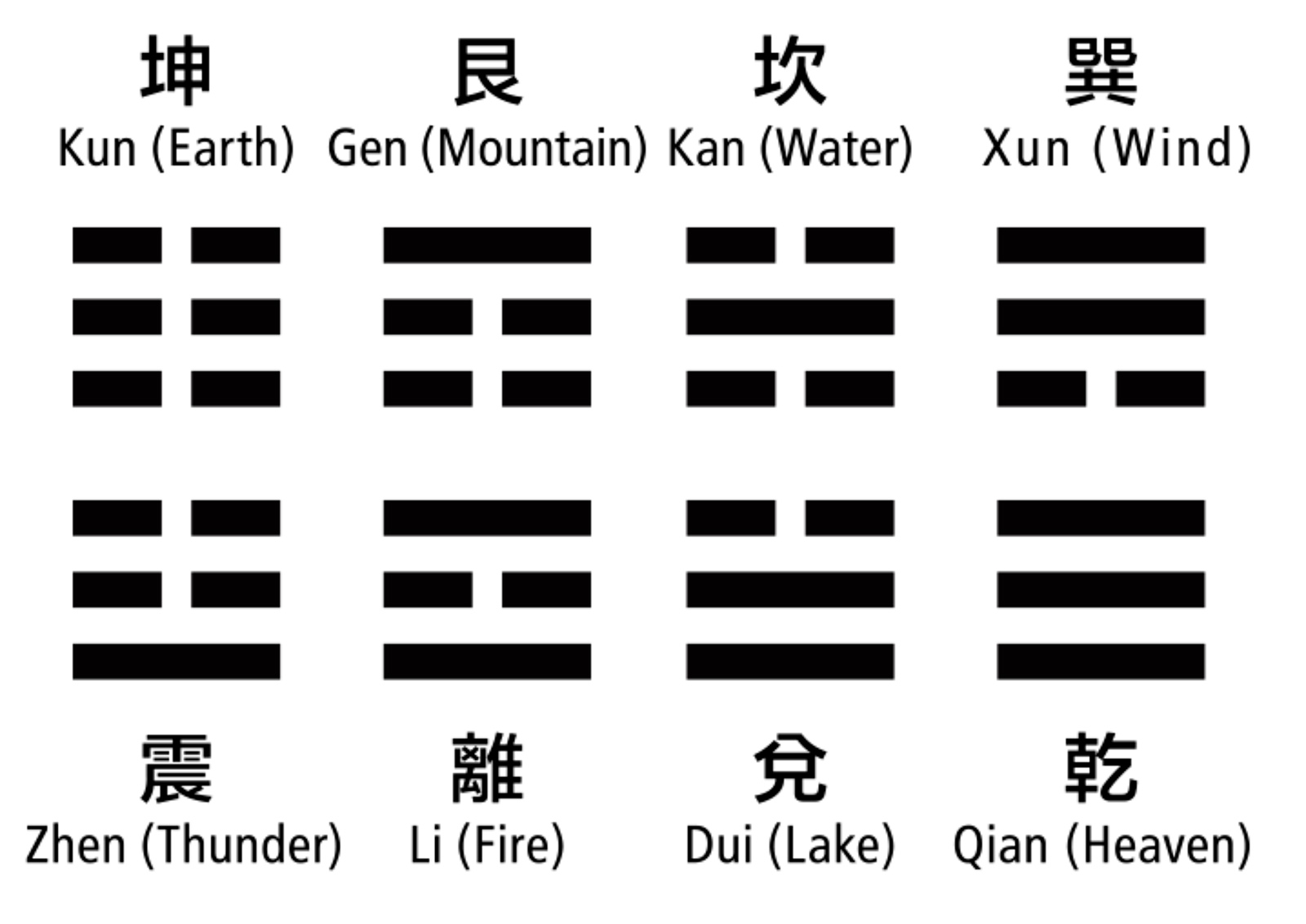
I’ll show a slide of the above five images and elicit feedback. This will lead into the first speaking activity, where I want to combine the theme with practising ‘going to’, as well as getting the students up and talking. To this end, I’ll prepare a questionnaire. The students have to interview each other.

What are you going to do for Tet Holiday ?


Do you believe in fortune telling ? Why ?


Have you had your fortune told ? Why not ?


Do you have any superstitions ?


Do you think you are going to pass your English test ?


What special things are you going to do at Tet ?


The students must ask two classmates the same question and then record the response. If they need some prompting about special Tet customs, I can show the following webpage and ask them if they agree:

https://www.victoriahotels.asia/blog/10-things-to-know-about-lunar-new-year/

As it’s Tet next week, and this is the last lesson of the short teaching block, I want to make the lesson more entertaining. Tying in with the theme of predicting future actions, I’ll show some funny clips. I’m sure you can guess the task; the students watch a normal situation, then have to predict what happens. What better way to start than with former President G.W. Bush: The clip I want starts at 7:14

https://www.youtube.com/watch?v=JhmdEq3JhoY

Next one is the elephant clip at 1:54

https://www.youtube.com/watch?v=sUVuaja6u0E

The following should please my students as it involves some Chinese (the Vietnamese have certain views on the Chinese, but this is not an appropriate forum to discuss that).

https://www.youtube.com/watch?v=4H4gLEOmWrY

Finally, this clip can start at 0:05

https://www.youtube.com/watch?v=FPyFzLeRYpg

And so … to books. My classes generally focus on the passive activities of reading and listening, hence my desire to promote as much speaking as possible. After the books, there will be some role-playing games where the students will be given some cards (depicting money, travel, luck etc) and they have to ‘read’ their partners fortune. We could see who can make the most outlandish predictions. New vocabulary can be generated by a ‘word bomb’ game, using the word ‘luck’, for example how to form the adjective from the noun and vice versa (success and successful), as well as encouraging the use of adverbs; he will be tremendously successful, she will be incredibly famous, they will marry and be unbelievably happy.

If time allows, I can do an exercise where students practise opinion phrases. I can play some English-language music, maybe three excerpts from three different genres, and ask what they think of them; which are their favourites and why.

After Tet, the students have some English tests. I will offer to help, ask the students if they want to revise any subject, if they want me to go over any grammar. I think we can all predict the answer to that one.