Young Learners, Level 4: We’re all going on a summer holiday

23rd November 2019 E Up 4 U8 L2 (updated from June 15th 2019)

Warm Up: Summer Holiday and ‘Screen Test’ game. First watch the clip: https://www.youtube.com/watch?v=Xddl8fpf2uA

Class put into groups of three or four. Each team given a name of a European city, such as London, Venice, Barcelona and Paris.

First question – in which countries are your cities ?

Next ‘Screen Test’: The students watch the opening song then have to answer multiple choice questions.

1) What was the road sign at the beginning of the clip ?

London // Berlin // Paris ?

2) What was the number of the bus ?

9 // 19 // 28 ?

3) What colour was the first car behind the bus ?

red // white // blue ?

4) How many children wore a hat ?

1 // 2 // no children

5) How many men were riding bicycles ?

3 // 4 // 6 ?

6) How many women were in the car ?

3 // 4 // 5 ?

BONUS POINTS – Can anyone sing the song – just two lines

“We’re all going on a summer holiday // we’re all going for a week or two.”

Image result for cliff richard driving bus

Last lesson the subject was future tense and activities. Therefore, I shall board some times – this afternoon /  tomorrow / next Monday / next Thursday / next weekend / next month

Under these, I shall write some scrambled nonsense, e.g. ‘who as ees’. The students, placed in teams, have to elect one person to find the corresponding flash card somewhere in the room (‘see a show’) and then say a third-person sentence e.g. “He’s going to see a show this afternoon.’

Information gathering: Class into three or four groups. One member will be going away and the others in the team have to get information from him or her, then present to the class.

Team 1: Going to Phu Quoc island / is going next month / will be staying in a hotel near the beach / will be going swimming / is going with family

Team 2: Going to London / is going next week / is going to see a show / is staying with family / is going with older sister.

Team 3 : Going to Ha Noi / is going next Tuesday / is going on a bus tour / is going to stay in a big hotel / is going with school

Team 4: Going to Dak Lak Province / is going tomorrow / is going to ride an elephant / will stay in a tent / is going with VUS TAs

The selected member will stand at the front of the class with the information sheet. One teammate must run up, ask one question then tell the rest of the team, who will write the information down. Then a different teammate will run up and ask.

Planning a day out

I have a niece and nephew coming to Saigon. The teams have to plan a day for them including what to see and do, how to travel and what to eat. Of course, they need to but some souvenirs, so where are the best places ?

My ‘niece & nephew’.

We shall probably have to board many ideas first. Where do tourists go in HCM ? What is traditional food ? How can they travel ? Do the girls want to take the niece and the boys take the nephew only ?

Hopefully, this will encourage a lot of speaking and ideas and I can show a map of HCM to help.

And if the students are still drawing a blank (or being too lazy to think), this could inspire them: It’s spoken in English, with text, but with Viet accent (can start at 0:20 seconds)

 https://www.youtube.com/watch?v=G0tncoIxT1s

As with all ‘real-world’ videos, the film should be stopped and new words or expressions boarded. The students are later made to write the words down (the majority will simply NOT do any kind of writing unless pressured), and then encouraged to use them where appropriate.

That should easily cover the first hour. After the break, we hit the books, do the workbooks and fast-finishers get an activity sheet, while I can spend at least some time checking the pronunciation and grammar.

Young Learners, Level 3: My town.

11th July for Saturday 13th July 2019. Everybody Up, U 2 L 1

Warm Up: Musical statues

Board write: to review recent lessons. Put class into small teams and give a mini board and marker. Have one of the top students read out the following:

To make an omelet we need ….

To make a smoothie we need …

To make a fruit salad we need …

To make a milkshake we need …

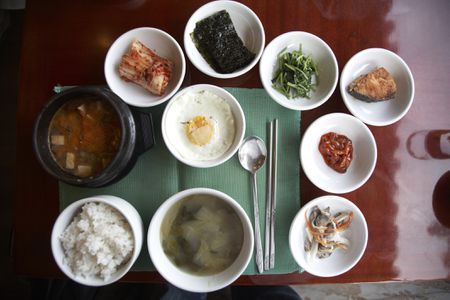
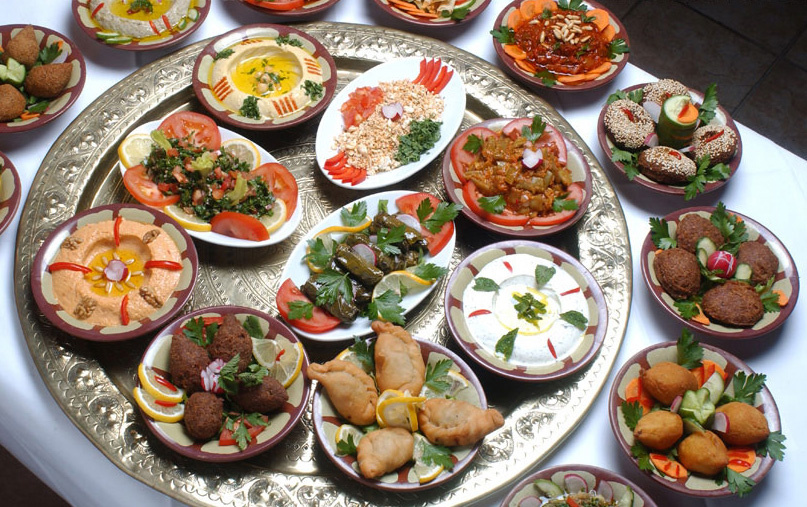
What can you see ? to review ‘be healthy’ show some typical breakfasts. Elicit as much information about the photos as possible:

English breakfast
USA breakfast cereals
Swedish breakfast
Korean breakfast

Student talking time: Students must select which breakfast they like best then interview each other, and say why. What is your favourite breakfast ? Which one do you like ?

New vocabulary:

healthy

delicious

unhealthy

colourful

high sugar

hig fat

Class Vote: Who would like which breakfast ?

Whisper run ‘n’ write: class form into three or four lines. I whisper a word or phrase to the last person, that person whispers it to the nest and so on until we come to the first person who must run and write it on the board. This practices listening, speaking and basic writing.

Lesson lead -in: Our new topic is ‘Around Town’. Let’s elicit some buildings that one would find in a town. In teams, we can do Pictionary – I’ll tell one student per team of a building, they have one minute to draw it and for their team to guess.

(hospital, school, cinema or movie theatre, park, library etc)

Book work: teaching new vocabulary, and practising.

Walk the line: Arrange six new flashcards on the floor in a line. Have two students at opposite ends. They must walk the line, saying the cards. First to finish is the winner.

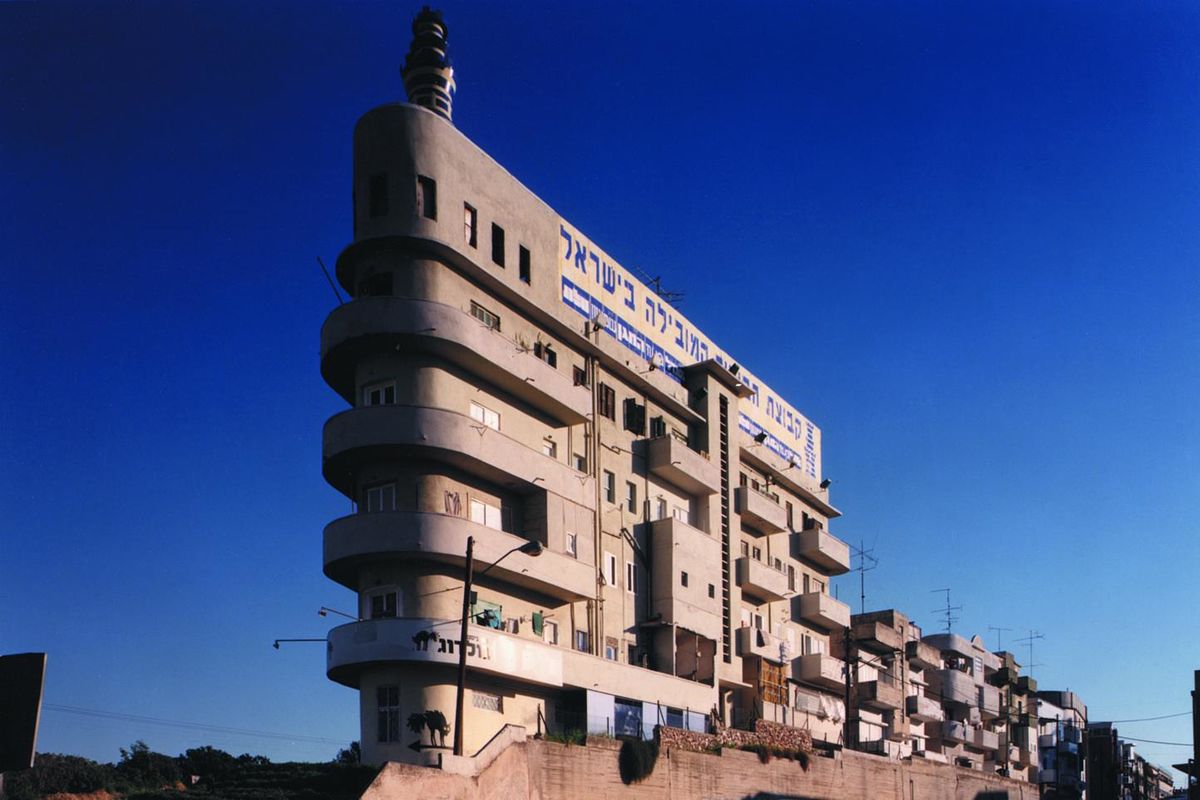
Group activity: to encourage group work and to review new vocabulary, the students in small teams are given a large sheet of paper. they can design and colour their own town. Special points for the most interesting town. To inspire them I can show Google images of:

Barcelona City, Gaudi architect, Sagrada Familia Temple, spain, sunset
Hong Kong
Tel Aviv, Isreal
Beijing, China

Young Learners, Level 4: This is the best part of the trip …

Saturday 15th June. Everybody Up 4, Unit 8 Lessons 1 & 2

My manager is very supportive, and concerned over my welfare; she tells me not to expend too much energy in class, especially on a Saturday when I can have three young learner classes. Imagine 50 – 60 children committed to screaming their heads off for as long and as loudly as possible …. Welcome, as the saying goes, to my life.

Last week I prepared quite a bit of work for this class, including general knowledge based on but not in the text book. Unfortunately, it was a minor holiday in Vietnam, and a lot of the top cat students were away and … it became apparent that my multi-media presentation of classical music and classic film, and using the students to represent the movement of the heavenly bodies was … yeah … a waste of time and energy. Not entirely true … three girls were interested, the rest stared at the floor or the ceiling or the clock, while the boys had a contest, who could be the biggest ignoramus. It was a tight contest; they all won.

So, this week, after a debilitating fever, painfully sore throat and constant sneezing, I’m sticking to the book, and devising activities that will make the students use the target language and the target language only (OK, maybe a few new words for the top cats).

It’s a gross generalisation, but in my experience, so many Vietnamese want to do the work as quickly as possible and then do nothing. This covers students from all my centres, TAs, office staff, public servants, contractors, builders … This may explain why my new apartment has cracks inside and out and why so many tenants have had to retile their floor as the original tiles simply broke leaving inches of dust and debris … but, I digress … and so, without further ado, the lesson plan:

Warm Up: Last lesson the subject was future tense and activities. Therefore, I shall board some times – this afternoon / tomorrow / next Monday / next Thursday / next weekend / next month

Under these, I shall write some scrambled nonsense, e.g. ‘who as ees’. The students, placed in teams, have to elect one person to find the corresponding flash card somewhere in the room (‘see a show’) and then say a third-person sentence e.g. “He’s going to see a show this afternoon.’

Information gathering: Class into four groups. One member will be going away and the others in the team have to get information from him or her, then present to the class.

Team 1: Going to Phu Quoc island / is going next month / will be staying in a hotel near the beach / will be going swimming / is going with family

Team 2: Going to London / is going next week / is going to see a show / is staying with family / is going with older sister.

Team 3 : Going to Ha Noi / is going next Tuesday / is going on a bus tour / is going to stay in a big hotel / is going with school

Team 4: Going to Dak Lak Province / is going tomorrow / is going to ride an elephant / will stay in a tent / is going with VUS TAs

The selected member will stand at the front of the class with the information sheet. One teammate must run up, ask one question then tell the rest of the team, who will write the information down. Then a different teammate will run up and ask.

Planning a day out

I have a niece and nephew coming to Saigon. The teams have to plan a day for them including what to see and do, how to travel and what to eat. Of course, they need to but some souvenirs, so where are the best places ?

My ‘niece & nephew’.

We shall probably have to board many ideas first. Where do tourists go in HCM ? What is traditional food ? How can they travel ? Do the girls want to take the niece and the boys take the nephew only ?

Hopefully, this will encourage a lot of speaking and ideas and I can show a map of HCM to help.

And if the students are still drawing a blank (or being too lazy to think), this could inspire them: It’s spoken in English, with text, but with Viet accent: https://www.youtube.com/watch?v=G0tncoIxT1s

As with all ‘real-world’ videos, the film should be stopped and new words or expressions boarded. The students are later made to write the words down (the majority will simply NOT do any kind of writing unless pressured), and then encouraged to use them where appropriate.

That should easily cover the first hour. After the break, we hit the books, do the workbooks and fast-finishers get an activity sheet, while I can spend at least some time checking the pronunciation and grammar.

Young Learners, Level 2: What a wonderful world

1st June 2019

Focus on four countries: Brazil, Canada, Egypt & South Korea

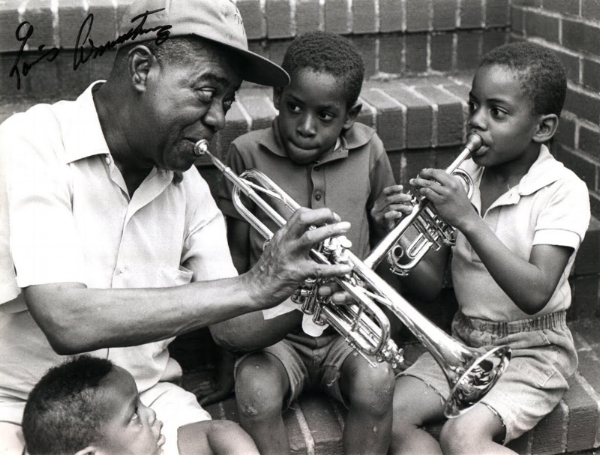
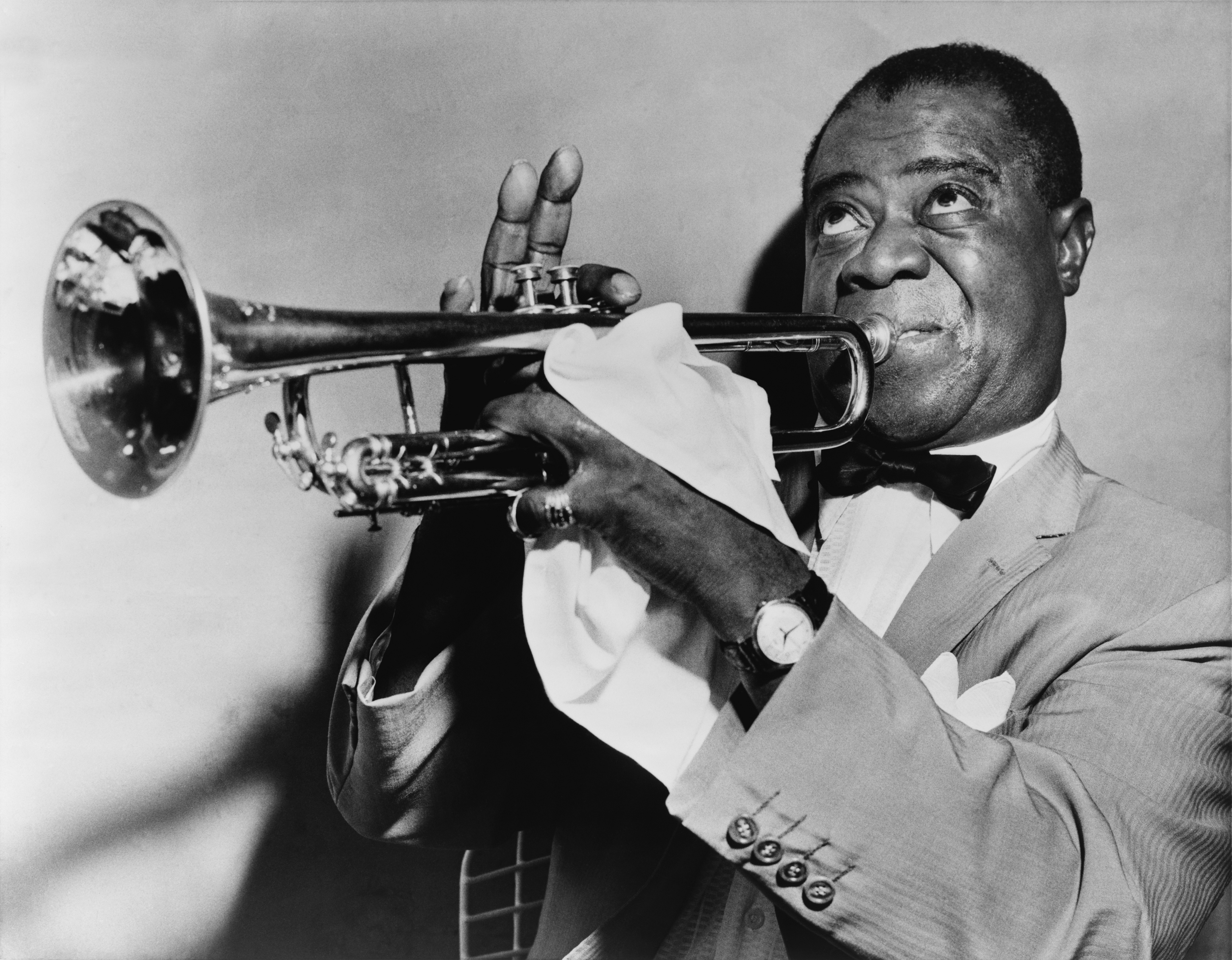
Any excuse to play Louis ‘Satchmo’ Armstrong:

https://www.youtube.com/watch?v=A3yCcXgbKrE

Here, I’m using the lyric sheet version. I can stop the video at various points and ask the students if they understand. Any new words will be boarded and, at a given time, the students will be told to write the words down.

This is a musical introduction to today’s lesson, which aims to expand their knowledge and awareness of other countries and cultures. The four countries chosen are represented by these people:

I shall put these together on a Powerpoint or slide and the students have to line up and throw a sticky ball at the person representing a specific country. My class enjoy getting up, mooching around and throwing things, so may as well incorporate their behaviour into an activity. Kill two birds with one sticky ball.

The students will be put into small groups and their task is find information about their given country, which will be posted around the room. To avoid chaos (as far as possible, these are young Vietnamese students and chaos goes, as they say, with the territory), one person per group will be responsible for gathering one piece of information.

But first, a review of how to tell the time (using ‘quarter past’, ‘half-past’, ‘quarter to’.)

When it’s 16.30 or 4.30 pm in HCM, what time is it in Brasil ? (6.30 am)

At 16.15, what are people doing in Toronto, Canada ? (5.15 am)

At 16.45 in HCM, what will people in Egypt be doing ? (11.45 am)

When it’s 17.00 or 5.00 pm in HCM, people in South Korea will be … what (at 19.00 or 7.00 pm)

The task is to get information about their countries, such as capital city, population, type of food, why it is famous and the weather.

They will then, under supervision, be allowed to choose images online to enhance their presentation.

This helps with their writing and speaking skills, as well as helping them work together as a team, each person with a specific role.

Now, for some more fun, what country is this song about ? We could make it into a musical statues games, as well, but the students have to walk in a certain way. https://www.youtube.com/watch?v=Cv6tuzHUuuk

We can also board the adjective form (Canada = Canadian, Korea = Korean etc)

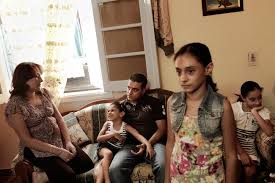
To review rooms of the house, the students can tell me about these pictures: I’m looking for the country, what the subject is doing, what they look like … try to develop their story-telling skills.

Next up, a quick summary: Where would they most like to live and why ?

What is different from Vietnam ?

Can they guess where this food is from ?

Now, to learn a little about history, here’s a kids’ video about Ancient Egypt: https://www.youtube.com/watch?v=Hra0ge-m7uk

Again, this can be used to introduce new words (‘huge’ occurs twice) ‘Pharaoh’ and the expression ‘for that reason’.

And then … time for book work but before that, a quick game … looking at the world map … what country begins with …. ‘A’ ? Then ‘B’, etc

Young Learners, Level 1: I spy, with my little eye ….

24th May 2019. Lesson Sunday 26th May.

One of the best things about staying with the same company and at the same campus, is the possibility of teaching the same lesson to different students, thereby cutting out a lot of planning time. Such is the case this Sunday, when I shall re-teach a lesson I previously planned in March.

However, this is will be my last class with this group; I have a new work schedule and my manager has kindly, not to say humanely, insisted that I have at least ONE day free. She also brings me tea when I am ill (a constant threat in Vietnam where the weather switches from unbearable hot to torrential tempests … and back again. Furthermore, the corridors can be over 30 degrees, while the classrooms are cold enough to store ice cream. I tell the powers that be to turn UP the room temperature (the students also sit there shivering or wearing jackets) to 28 … I tell them every lesson … every lesson … to quote Kurt Cobain, “Oh well, whatever, never mind.”

But now, without further ado, the lesson plan. Let’s kick off with:

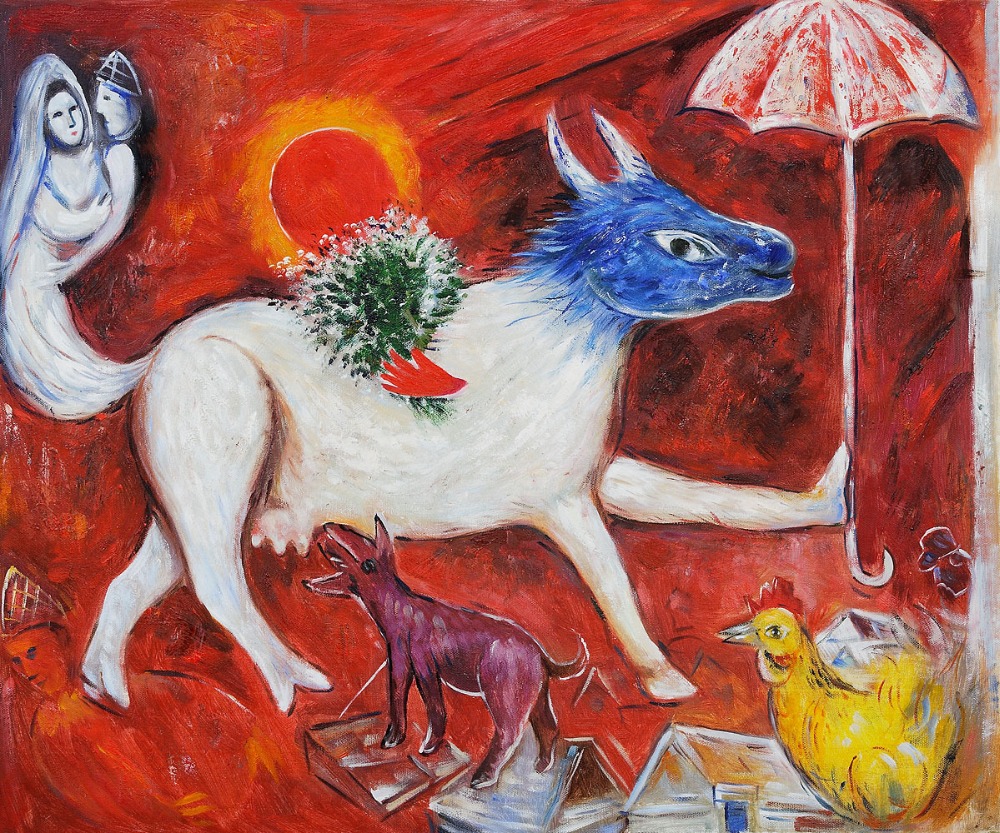
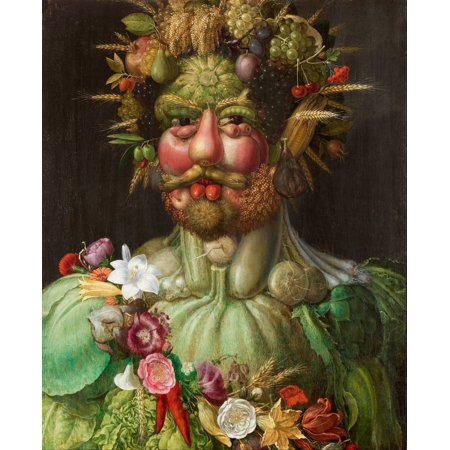
What can you see ? This tests the ability to form a basic “I can see a …..” sentence.

Marc Chagall
Arcimbaldo
Vietnamese folk painting.

Next up, ‘When the band comes marching in ‘, a kinetic exercise and also a way to introduce new vocabulary; here it will be musical instruments:

https://www.youtube.com/watch?v=1vpvFx0-uyI

We can use this for musical statues. The class size is very large, (20 students) the space limited, but the march tone will suit the limitations.

Moving on, back to seats, and I will teach them ‘I spy’

I look around the room and see something that they have learnt in a previous lesson (such as classroom accessories or animals), and say, “I spy, with my little eye … something beginning with …. ‘c’ “

The students then have to think of all the vocabulary they know (at this stage, somewhat limited), so the words will be ‘chair’, ‘table’, ‘pen’, ‘book’, ‘bag’, ‘teacher’, ‘student,’ and then pictures of animals that have been previously taped around the room.

Leading on from that, and time for more movement (or madness depending on your point of view), a flash card hunt. I will have various pictures of creatures taped to the wall, behind desks, under chairs … then ask, “What has eight legs … ?” then, “Six legs, four legs and a shell, four green legs and jumps ?” In twos, the students have to find said card.

Then it’s Grammar time. I drill and conjugate the verb ‘to have’

First I practice with my TA, then select some of the top students to model. They will be given a flash card and say, for example:

I have a cat

You have a dog

He has a frog

She has a spider

They have a monkey

We have a card.

By giving cards to groups of six, all the students can participate at once.

Some students can come to the front and hold their cards. I will ask, “What does he have ?” and expect the answer in a sentence, “He has a ….” and not just shouting out the single-word noun.

Moving on up, it’s time for the a /an distinction. I’ll simply board the vowels and elicit words that begin with each one. Then I’ll show the grammar, ‘It is a cat, it is an elephant.’ I’ll board ten or so words and the class must shout out whether the article is ‘a’ or ‘an’ AND say the answer as a full sentence.

Next up, a quick writing game. In small groups, the students have to write words that they have recently learnt. These will be:

bike / kite / rope / ant / bear / frog / spider / turtle

Time for a wee break, so a short video of funny animals: https://www.youtube.com/watch?v=QpNXHJGfGYo

Can start from 01:17 – 02:12

Finally, a chance to boost their use of adjectives. I’ll ask for them to describe animals, miming to help them, until we have basic words such as ‘big’, ‘small’, ‘fast’, ‘slow’ and then introduce some more: ‘tiny’, ‘scary’ and ‘massive’. They have to write down the new words in their notebooks.

I will then ask them to describe an ant, an elephant, a spider, a cheetah

Furthermore, I want them to start using the common adverb ‘very’ – a spider is very small and very scary !

We then have our school’s spelling contest, student book work, workbooks and worksheets for the quick-finishers.

And then … lesson over and I say goodbye to this class. They can be VERY noisy … but also a lot of fun.

Young Learners, Level 1: Let’s get them speaking !

24th April 2019

This is the plan for my early morning class on Saturday. To set the scene, there are about 19 students, aged around 7 or 8. It’s a standard classroom; chairs with built-in desktops, and there’s not a lot of space for movement or activities. The students, therefore, are mostly confined to their seats for the two-hour session, not conducive to a productive lesson. Add to that loud students, slow students and the (seemingly obligatory) special-needs student(s), and we have a potential catastrophe … but there are ways to mitigate these issues …

Firstly, the assignment of a class captain. I choose the loudest, toughest boy and he becomes proxy teacher. Usually, they love the responsibility, while I’ve turned a problem into an asset.

Secondly, the ‘montage of attractions’, lots of different but related activities to prevent boredom as well as promoting as much participation as possible. To this end, I try to vary the lesson plan (the first hour is activities, the second, devoted to book work where I can also check students individually).

Thirdly, I really want to break the teacher – student dynamic; I want the students talking to each other in English. Sometimes I have the top students act as teacher, ‘Thay’, and address the class, but today I want everyone speaking to their partner in English. To do this, I’ve prepared a short series of questions they have to ask and answer. But first, a review about ‘what can you see ?’ and prepositions.

I’ll show this landscape and then attach various animal flashcards, asking ‘Can you see a frog ? Where is it ?’ and so on …

Now for the speaking interaction: with all speaking exercises, it’s good to model first. The questions I’ve chosen represent language they have already learnt and should be able to use. I’ll show the following questions, then drill an appropriate reply:

To prepare, I just need to stick some flashcards around the room (food, animals).

Can you see a tiger ? IF there is a tiger picture the answer is Yes, I can, if there is no picture then No, I can’t.

Do you like pizza ? / Yes, I do or No, I don’t.

What are these ? (showing flash card of toes) These are my toes.

How many marbles are there ? (showing picture of marbles) There are seven marbles.

How old are you ? / I’m …..

What can an elephant do ? An elephant can walk and swim and run.

I will then hand out a short questionnaire and, with the invaluable aid of my TA, monitor the class, making note of those who will not or are not taking part. The questions will be:

Can you see a zebra ?

Do you like cake ?

How many puzzles are there ?

How old are you ?

What can a bear do ?

When the first partner has finished, the second will have these questions:

Can you see an ant ?

Do you like rice ?

How old are you ?

How many games are there ?

What can a zebra do ?

The next activity is a ‘run ‘n’ write’. The class is split into teams and have to run to the board and write a word that has appeared in a previous lesson:

penguin / kangaroo / giraffe / science / animals / flower

We also get to review the plural form of nouns (games, marbles) plus the ‘an’ article before a vowel noun (an elephant). Next up … music time; an old favourite: https://www.youtube.com/watch?v=1vpvFx0-uyI

When the band… This could be used as a background to a musical statues game, but the names of the instruments will be highlighted. They then have to identify them:

Louis ‘Satchmo’ Armstrong … the one and only.
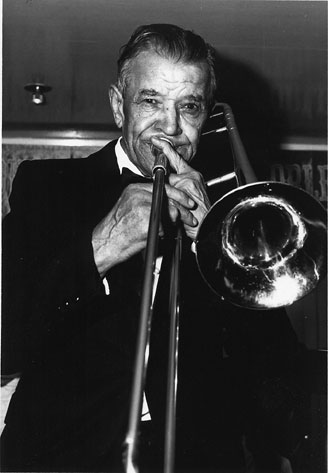
Kid Ory on jazz trombone
Johnny Dodds on clarinet
David Carradine as Bill playing Japanese flute.

Again, Thay Student time: a top student will ask the class:

Can you play …. trumpet ? … piano ? … guitar ?

Now a miming game. I will tell a student an instrument, and they will mime playing it. The opposite team has to guess, getting points for correct answers. Any kind of game or competition can really raise energy and motivation levels.

I want to move the lesson closer towards today’s subject (science, specifically parts of the body), so will select six students, giving each a flashcard from last week’s class. Very quickly, they will show their card to the class. Then I will ask ask which student has which card, but using the verb ‘to have’, i.e. “He has toe”, “She has arm.”

Finally, and if time allows because this already could be too long (no problem with that … a plan should be overlong in case any activity falls flat and a Plan B, C & D is needed), more ‘Thay Students’. They will review questions from last week, namely:

What are these ? These are my arms

What are these ? These are my toes

What are these ? These are my fingers

But, to stop them getting too complacent, some good old British irregularities:

What are these ? These are my feet.

Young Learners, Level 1: It’s all happening at the zoo.

9th April for 13th April 2019 E Up 1

I’m getting a head start on my weekend class planning, and here’s the projected plan for my early morning class of nineteen young learners (13th April). It’s a mixed bag; I have some ideal students, some good but hyper-active students, some ultra-shy students, some recalcitrant students, some who are learning nothing, some who want to learn nothing, and some special-needs students. Thankfully my TA is amazing, but we both end up with vocal chords ripped to shreds, and questioning the meaning of life, or at least the meaning of doing this job. And after, we have two other classes.

One technique is to use one student as class captain, usually the meanest and noisiest. The responsibility can make that student an asset in the un-winable war on noise. I also have recourse to employ John Bercow, Speaker of the House in the UK Parliament for assistance:

https://www.youtube.com/watch?v=H4v7wddN-Wg

John Bercow has it easy; he only has to control 650 politicians. I have 19 Vietnamese kids … no contest.

And so, without further ado, the plan (and the best laid plans of mice and men …)

In small teams, the students have to write the name of an animal that can fly, one that can swim, then jump, then hiss. This will help review names of animals and give writing and spelling practice.

For this, we pass out small, wipeable boards and marker pens. We also make sure that a different team member writes each time. I know some students will NOT participate, so I will make a note of their names and pass the information onto to Student Support.

Following this, I want to see if the students can use the prepositions ‘on, in, under’. We have 14 flashcards of animals. I’ll ask one student per team to put a flashcard in a certain place e.g. ‘Put the elephant on the board’, or ‘Put the turtle in the bag.’

After I have given one or two instructions, I’ll use the best students to act as ‘thay’ and they can continue giving instructions.

I also want to revise ‘Do you like ?’ and the response, ‘Yes, I do’, or ‘No, I don’t.’ In pairs, the students can ask each other this question, relating to various flashcards that I hand them. Again, I’m sure some students will refuse to open their mouths, and again, their names will be taken. Hopefully, once the parents are informed, the students will start to work in the class.

Next it’s back to old-school grammar drill, and we’re still on the verb ‘to have’. I’ll choose four students and hand them an animal flashcard. I shall model first:

I have a tiger, you have a monkey, he has a turtle, she has a lion.

The students repeat the pattern, while the cards get changed. This helps them learn animal names and the subject-verb agreement.

Finally, before the book work, a chance to practice ‘Can you see .. ?’

I shall model one question: Can you see the rhino ? Where is it ?

After, the students can come up and ask. I’m looking for the students to answer in sentences with correct prepositions.

Then we hit the books and do a project. Fast-finishers can do a work sheet learning new vocabulary and doing a word search. This gives me a chance to hear as many of the students as possible read a few lines from their work books and assess how they are improving, or otherwise.

This weekend, I have a break until 13.00 … and no doubt I shall need it.

Young Learners: Level 1, lesson 5: Parklife !

13th March for 16th March 2019 E Up 1

These are the notes for my new Level 1 class, early Saturday morning (16th March)

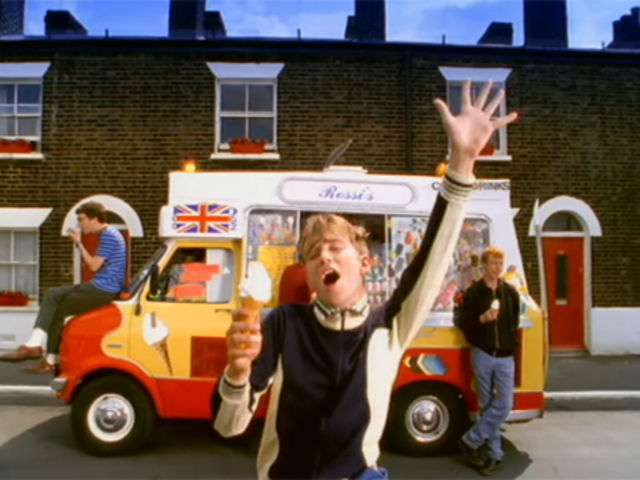
A clip from the ‘Parklife’ video by British band Blur. This shows a typical ice-cream van and terraced houses so common in the UK.

For this lesson, I’d like to try something ‘new’, an idea to really drill grammar at an early age so that it, hopefully, sticks and stays with the students. So first, the lesson objectives:

Theme: parks and nature vocabulary.

What can you see ? I see a flower (singular) I see flowers (plural)

Grammar: the verb ‘to have’

Warm up: Students normally arrive up to fifteen minutes late, so the first ten minutes of a lesson are spent on simple activities that will not be affected by the constant interruptions. At this level, two easy games are ‘Teacher says’ and ‘Musical Statues’.

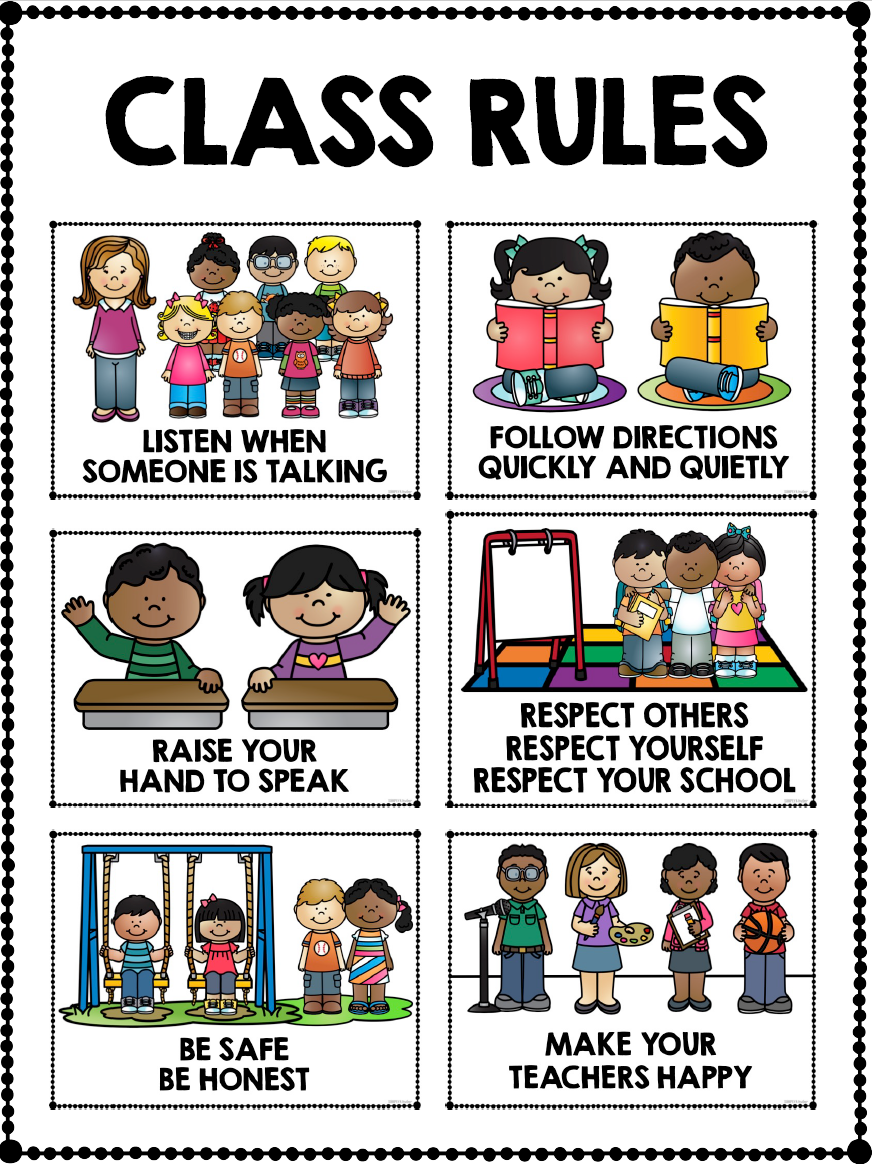
Class rules: This is my first time with these students, and I need to make a balance between a happy learning environment and a controlled working classroom. Easier said than done ! My experience in Vietnam tells me that this is a long-term goal. That notwithstanding, some basic rules, which the students will hear and repeat are:

English only

No fighting

Listen to teacher and to others when they speak

Raise your hand if you want to speak, leave the room, drink water

Sit nicely in your chair

No shouting

Revision games: After the rules, I’ll do some games with the purpose of reinforcing vocabulary from previous lessons. They have learnt some food words, and to say ‘I like’ or ‘I don’t like.’ I’ll put some flash cards of food around the room, ask for two students, then make them search for a certain card e.g.

“Where is … chicken ?”

They must find the card, then bring it to me, saying:

“Here you are,” to which I reply, “Thank you.”

One activity I like is to make the students ask each other questions in English. Thus, a student can hold up a card and ask, “What is it ?” (Normally the students, who shout their sweet little heads off in Vietnamese, can only manage a hint of a whisper in English). The answer has to be in the form of “It’s a …” and not just the single noun word shouted out, so “It’s a fish,” and not just “Fish !”

The students have to place the card on the whiteboard in one of two columns, either ‘I like it’ or ‘I don’t like it,’ then say it out loud. As you can see, making the students speak in English as much as possible is the aim.

I then need to asses their command of the alphabet. I expect that most will not be able to recite the whole ABC, so we’ll have a run and write game. Depending on the class size, I’ll have two or three teams running to the board and writing a different letter. For example Team one will write ‘A’, Team two ‘B’, Team three ‘C’, then Team one write ‘D’ and so on. this should be a fast game, and every member of the class will have to take part at least once. And then, onto grammar.
Over the decades, English teaching has moved away from grammar-based learning (conjugating verbs ad nauseam) to minimal grammar and more speaking. I’ve noticed that so many students, even after studying for years, STILL make basic mistakes with grammar. Therefore, I’m going old school:
With the TAs help, I’ll drill the verb ‘to have’:

I have
you have
he has
she has
we have
they have

Tôi có / bạn có /  anh ấy có /  Cô bé có  /
chúng ta có / họ có

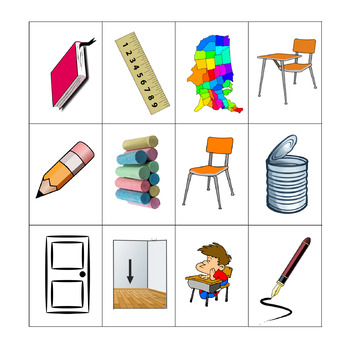
The verb ‘to have’ is one of the most useful, and after the drilling, we will put it into practice. The class have learnt (and hopefully remembered) some classroom items (ruler, pen, pencil, etc). I’ll give cards to some students and they must say, “I have a ruler, you have a pen.” After, I’ll ask some students to the front. They will hold cards and I will ask, “What does he have ?” and I will drill and repeat until the class is comfortable with “He has a …’ or ‘She has a ….”

The TA here will need to translate the verb ‘does’ as they may not have learnt it. However, by repeating the verb in a short simple question, they should acquire the meaning.

Then onto the book work. There are six words to learn:

flower, tree, rock, river, lake and hill.

After the students have seen the flash cards and repeated them, we need to see if they can name them correctly. After the drilling, a kinetic activity is a good idea, to get them up from their chairs and be lively. Team games are always good. Here, I can board the six flash cards and students have to throw a sticky ball and try to hit the picture. To make it more of a learning experience, the opposing team has to say what picture to hit. Thus, the students are speaking to each other, repeating the key vocabulary and acquiring new verbs (throw, aim) and expressions (well done, bad luck, excellent).

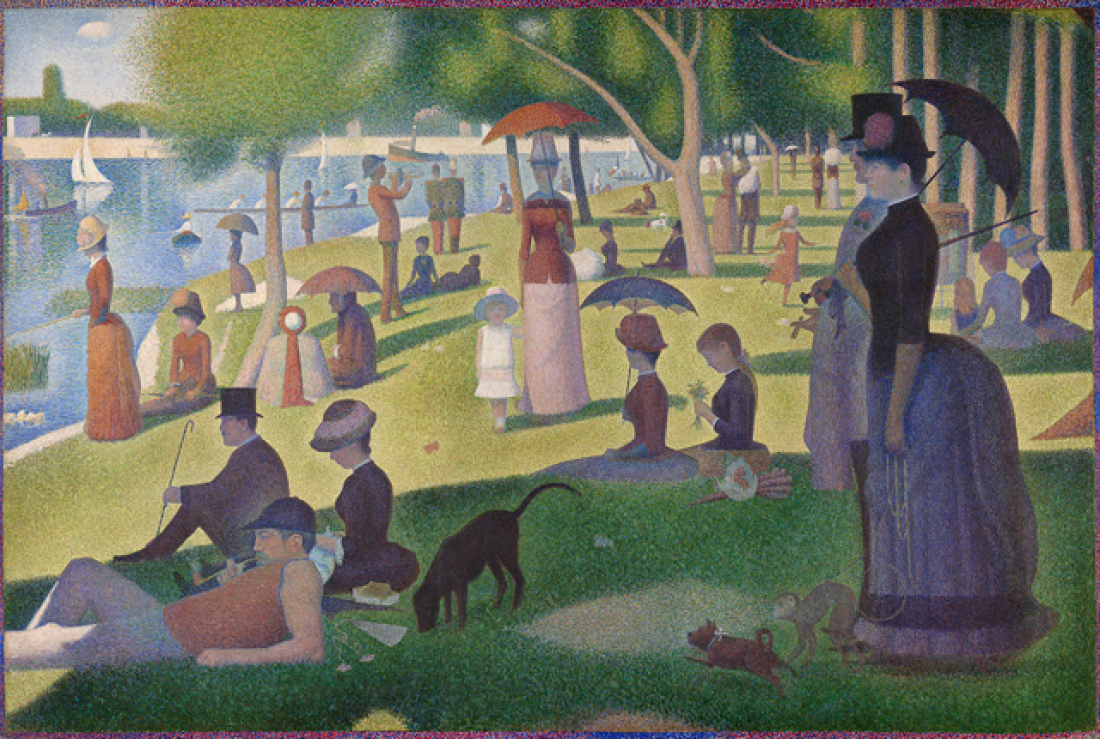
Now it’s the lesson and some culture. Our theme is ‘The Park’ and here is a very famous painting:

‘A Sunday on La Grande Jatte’ by Georges Seurat 1884

We can use this to illustrate plurals. In the painting there are two dogs. I will then stress the key question in this lesson:

What can you see ?

I see a monkey. I see dogs or even I see two dogs. How many boats, how many umbrellas, how many trees, how many lakes ?

And then, as in days of yore, back to grammar and conjugating the verb ‘to have’.

This could be seen as old-fashioned, will probably be seen as boring but, if it works, if students automatically say the correct verb, it will be worth it. We shall see.

Kindergarten Surfin’ Safari level 1: What is it ?

9th March for 10th March 2019 Safari 1

This is the lesson plan for the Sunday morning class, 10th March.

Lesson seek to teach new vocabulary and pronunciation, while also revising and practising various words from previous classes. Today’s focus is on basic sentence construction, asking and answering: ‘What is it ?’ It’s a ….’


What is it?
Cái gì đó? It’s a đó là ….

Last week, the students learnt some new animals, and that lesson can be found here:

https://thaypaulsnotes.com/2019/03/02/kindergartensurfin-safari-level-1/

We want to get the students speaking as much as possible, and to each other, not just the teacher – student dynamic. So, to kick off, the students will greet each other, saying, “Hello, I’m …. ” I shall first model this with my TAs, so the students can hear and then copy.

Then, to reinforce last week’s drill, we have an ABC song:

https://www.youtube.com/watch?v=75p-N9YKqNo

This is a different version to last week, and can be used to drill both the alphabet and different colours.

Then we have a ‘Teacher says’ game, which helps the students with listening skills, and being able to respond to instructions. The commands are based on previously-learnt directions such as ‘sit down’, ‘stand up’, ‘clap’, then I will introduce ‘click your fingers.’ I can demonstrate how, and introduce the word ‘thumb.’ Then we can imitate various animals. After this active game, we move into the target language.

I’ll put some picture cards on the board, basic objects that the children already know (book, ball, car, doll, chair) and ask ‘What is it ?’ Here, I will just get a single word answer (the noun), but I want the answer in the form of a question. Therefore, I will drill ‘It’s a ..’ This takes time, weeks, not minutes, but eventually it becomes natural. Parents can really help the students at home by copying this exercise and insisting on the answer being framed ‘It’s a …’ (of course, some nouns require ‘an’ not ‘a’ but Rome wasn’t built in a day !)

Then, to make it a game, two students have to run to the board and hit the appropriate card. After, they take the card and become ‘thay’ (teacher). They hold the card in front of them and ask the class, ‘What is it ?’ Now, many students at this age are very shy speaking English, so they get a lot of encouragement and praise.

Apart from the new vocabulary learnt from the books, students absorb so much from what the teachers say. Using this I, along with my magnificent TAs, repeat words and expressions designed to increase their vocabulary; excellent, well done, good job, the basic adverb ‘very.’ To get the students used to taking turns, I will point to a pair and say, ‘First John and Anna, then Bella and Tommy.’

Moving on, I want to get the class comfortable with the alphabet, letter order, pronunciation and an introduction to writing. Today I’ll highlight the letter ‘B’. They already know bag, ball, book and the colour blue. The students can share a mini writing board and practice writing the words. Next up, we need a more kinetic activity.

I teach basic prepositions (on, in, under) by a chant with actions and an easy clap pattern. We shall chant and then practice. I’ll put two chairs and a basket in front and ask the students, in pairs, to put a ball either on, in or under one of the aforementioned objects. The chairs will be of different colours, so it’s great to see how they are able to differentiate between them. All the time, I make the students says what is happening. When they are comfortable with the game, the students themselves can take turns giving instructions.

Today’s new vocabulary is related to the main topic of animals and pets. The four new verbs will be jump, walk, fly, swim. To change the pace of the lesson, I’ll show a quick video:

https://www.youtube.com/watch?v=hsEry8hGFiQ

This video is aimed at older children as the vocabulary is quite sophisticated, but I will be able to use the word ‘high’ and start to use superlatives (highest).

We can mime this actions, and match them to animals, until the students are comfortable with them. Later in the lesson, we shall revisit them to help the students retain the verbs.

And so, to the books, a mixture of listening, following instructions, colouring and pointing to the correct noun.

We will be near the end of the lesson so we want to finish with some fun activities. In a circle, the students will be grouped into rabbits, cats, birds or fish. When I say rabbits, the students in that group must stand up and jump; with birds fly, and so on.

To really drill ‘What is it ?’ the final game will be a student holding a picture card or flash card and asking the name. The answer must be in the form of ‘It’s a ….’

Finally, we say goodbye, see you next week. High fives and goodbyes.