This can be used to give some energy to the class (it starts at 7.40 am) as well as demonstrating how simple sentences are linked together. Students can practice:
“who doyou see ?” as opposed to the general robotic, mono-toned, “Who do you see ?”
Five jobs were mentioned – which ones ? (students will be in small groups and given a writing board and marker). Then they will have to write where those people work – on the board I will write ‘airport’, ‘ship’, ‘school’, ‘fire station’ & ‘hospital’. Two people will run to the board and write where a pilot, a doctor etc works.
SHOP WORK – role play
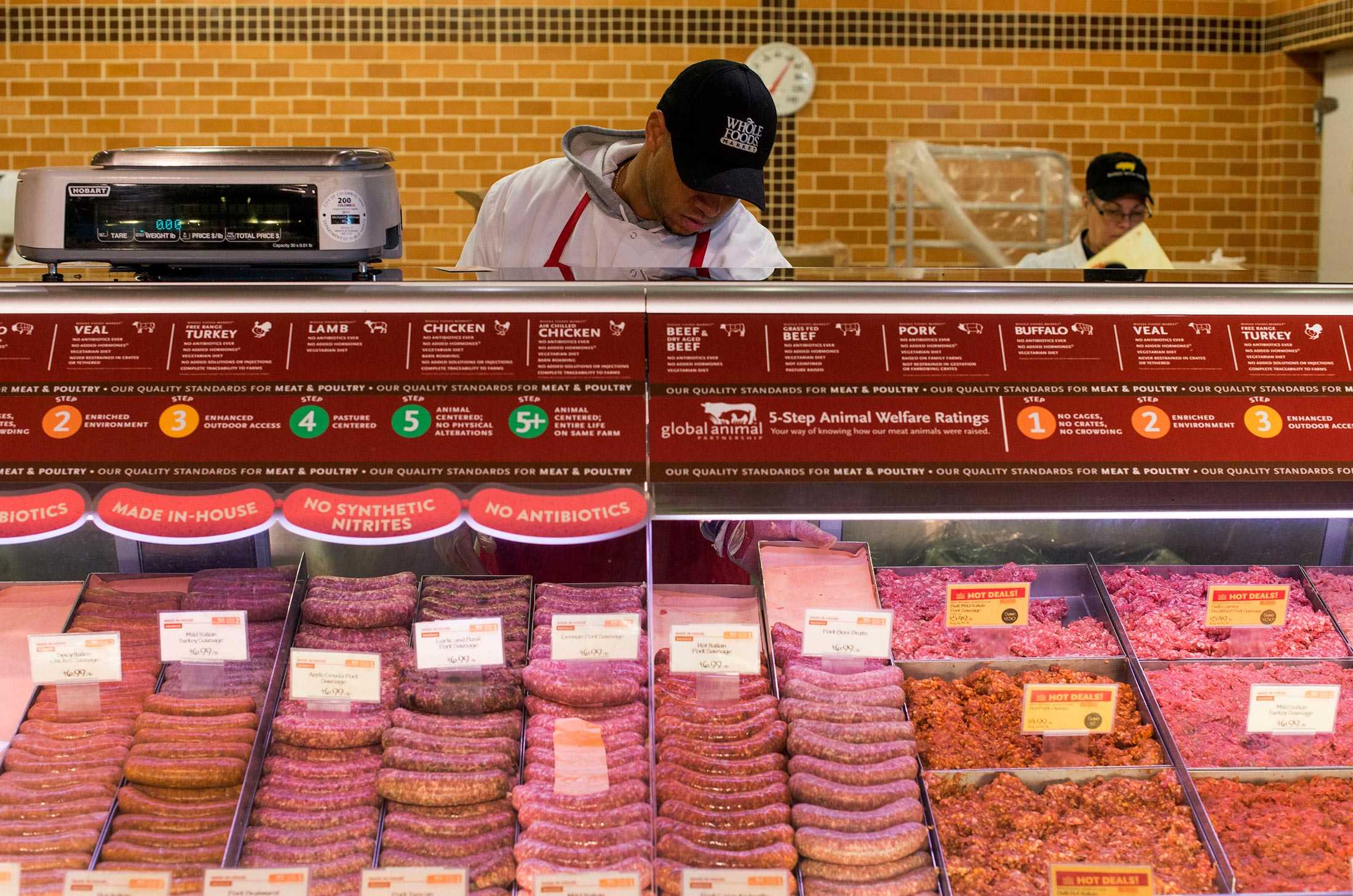
In this activity, half the students are shoppers, the other are shop-keepers.
The shoppers will need to buy some three items: They can go to as many of the ‘sellers’ as they wish and ask for the food (this will be food from Unit 1, as well as stables such as rice, bread, cheese, eggs and milk.) If the seller doesn’t have the item they ask for, they have to move on to another ‘store’. The winner is the first team to complete their list. No doubt, the students will want to change roles.
In terms of language being produced, the students have to ask, “Do you have some or any …?” or “I would like (two) eggs, please.”
The sellers must answer, “Yes, we do, how much or many would you like ?” or “Sorry, we have sold out.”
REVIEW
How do I make soup ? First, I go to the shops and buy ingredients, next go home and clean them, then cook them and finally eat !
I want to study Vietnamese; what should I do ? First …
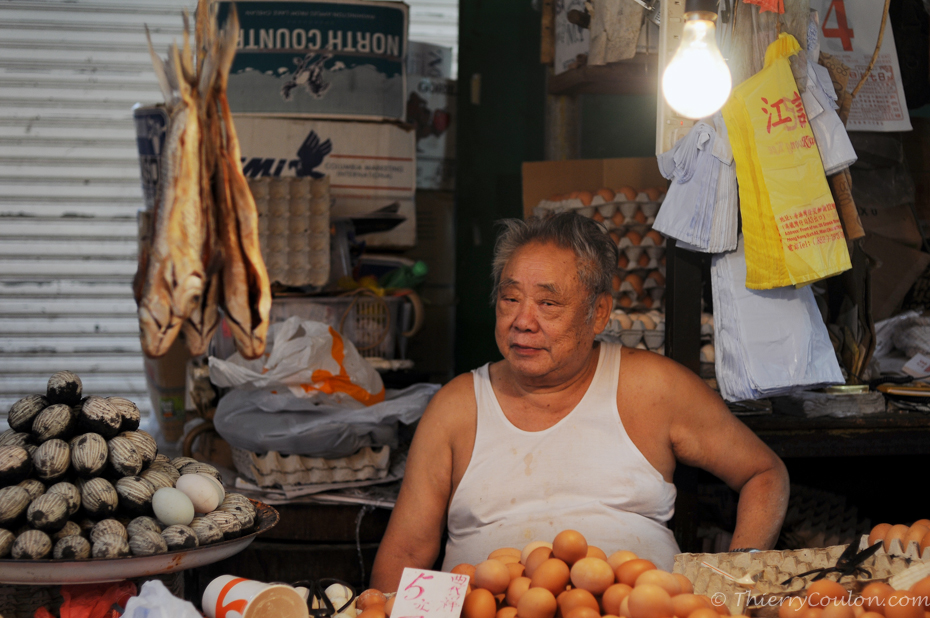
The man selling eggs is a little big. He needs to loose weight. What should he do ?
EXTRA VOCABULARY
Before the bookwork, pre-teach some adjectives that one would associate with various professions, such as:
busy
patient
intelligent
strong
hard-working
Five adjectives should be enough, and then repeated all lesson and over the coming lessons in order to help the students develop more colourful and interesting language (as opposed to an IELTS speaking test I recently monitored, where the only adjectives were ‘big’ and ‘nice’ despite the question asking the students to describe … but that is for another blog !)
And then we let the assigned book work take over, work book correction and handouts for fast finishers.
Please Note: All photos are taken from Google Images or free photo sites, and are used for educational purposes only. No copyright infringement or offense is intended. If I have used your photo or image, and you wish me to remove it, just ask. This site is not monetized, I run it on my own dollar. Thank you.
Tonight is a special speaking lesson, a preparation for the real test which this class will take at the beginning of September. Incidentally, last night I adjudicated a speaking test and was somewhat distressed by the lack of:
adjectives (even when the task was to describe something)
adverbs
low-frequency vocabulary
complex sentences
stress and intonation
WARM UP
So, to warm up, I will put the class into small groups and give them various words on strips of paper, words we have covered in the classes: adjectives, adverbs, discourse markers, compound nouns.
a major challenge / ubiquitous / punctual / binge shopping / significantly /bizarre /
remarkably / one the other hand / consequently / therefore / in my opinion /all’s well that ends well.
how do I say that in English ? / sky-high / traditional / developing /
The students have a set time to speak on a basic subject (shopping, music, internet etc) employing as many words as possible.
RELATIVE PRONOUNS
who For people: This is the man who sold me the fake Rolex !
which For things: We tried fish and chips which is delicious.
where For places: Let’s go to the shop where we saw the great bargains.
Whose Possessive: That’s the singer whose record we heard last night.
The car, whose driver was young, won the race.
Exercises
We arrived at a nice beach ______ we could swim and lie in the sun.
A man ______ mobile phone was ringing did not know what to do.
The patient, ______ had a serious disease, was taken to hospital immediately.
Smithsfield is a small village ______ people live a quiet life.
A boy ____ sister is in my class, was in the bank at that time.
I know a person ____ can speak seven languages.
We visited the church _____ is in the middle of the square.
It is a protected area of land _____ you can see a lot of interesting wildlife.
This dress is made of silk _____ is a very expensive and delicate material.
A police officer, _____ car was parked at the next corner, stopped and arrested them.
MANUFACTURING AND ECONOMICS
Tonight’s discussion focuses on manufacturing, so first I have to pre-teach some new vocabulary, as well as encouraging the students to think in long, complex sentences employing relative pronouns and discourse markers where appropriate.
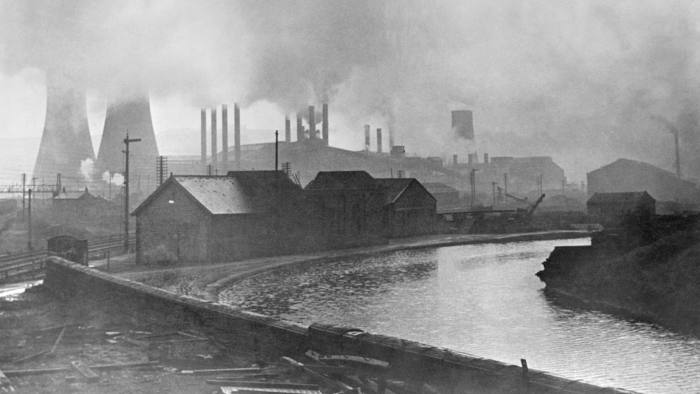
The United Kingdom had a great empire in the nineteenth century undoubtably due to the fact that the UK was the first industrial nation.
Factory workers in the UK during the industrial heyday
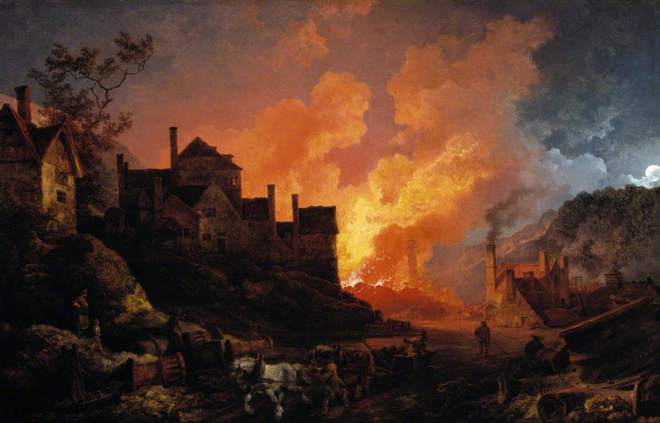
This had a profound, significant effect on the country as its economy turned from agricultural to industry. The UK could import raw materials from its overseas colonies and, by the use of new machinery, produce consumer goodsincomparably quicker and cheaper than by old traditional methods.
However, despite the wealth generated by this revolution, it caused many social evils:
Industrial pollution, which is still a global problem today, especially in developing countries, was prevalent and ubiquitous. The poet William Blake referred to the “dark satanic mills,” which blighted the lush English countryside. Social reformers and political philosophers commented on the disparity between the wealthy factory owners and the appalling working conditions of the operators, which often included young children, as well as a dreadful number of accidents and deaths due to the lack of safety laws. Furthermore, some people say that commercialism is a bad thing, such as seeing things simply in terms of making money, for example, selling toys based on ‘Star Wars’ or ‘Avengers’ films, or turning areas of natural beauty into golf courses, hotels and resorts, not to mention replacing old family shops by the massive super and mega-marts run by giant corporations.
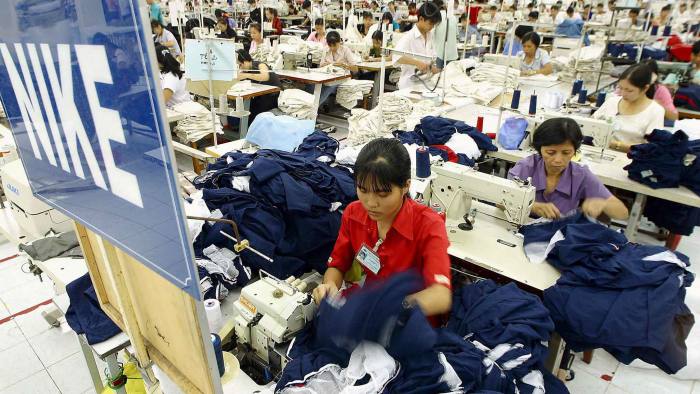
Gradually, workers conditions improved in developing countries, but at a cost. Rising labour (labor in US English) prices made the giant multi-national companies look abroad for cheaper workers, overheads and tax fees. Today, many companies have factories in south east Asia and China.
These have been criticised as being sweatshops, where workers are forced to do 12-hour shifts, often without adequate breaks, in addition to being paid a pittance in comparison to western workers. Many consumer goods are manufactured in south east Asia, including some high-end items such as designer clothing, furthermore, it is estimated that half the world’s iPhones are made in China.
As an outsider, but with an interest in the culture and history of Vietnam, I am aware of the sensitivity regarding Viet-Sino (Chinese) relations. In terms of size and population, China dwarfs Vietnam, yet despite the massive workforce in the larger country, some developed countries are investing heavily in Vietnam. Here’s a good news link from a USA business news station (with English subtitles).
This should be adequate to give the students a grasp of the vocabulary and some collocations needed to speak confidently about basic manufacturing although we have yet to delve deeper into Vietnam’s own economy and manufacturing traditions. The following is from WIKIPEDIA:
Although the industrial sector contributed 40.1% of GDP in 2004, it employed only 12.9% of the workforce. In 2000, 22.4% of industrial production was attributable to non-state activities. From 1994 to 2004, the industrial sector grew at an average annual rate of 10.3%. Manufacturing contributed 20.3% of GDP in 2004, while employing 10.2% of the workforce. From 1994 to 2004, manufacturing GDP grew at an average annual rate of 11.2%. The top manufacturing sectors — electronics, food processing, cigarettes and tobacco, textiles, chemicals, and footwear goods — experienced rapid growth. Benefits from its proximity to China with lower labor cost, Vietnam is becoming a new manufacturing hub in Asia, especially for Korean and Japanese firms. For instance, Samsung produces about 40% of its phones in Vietnam.
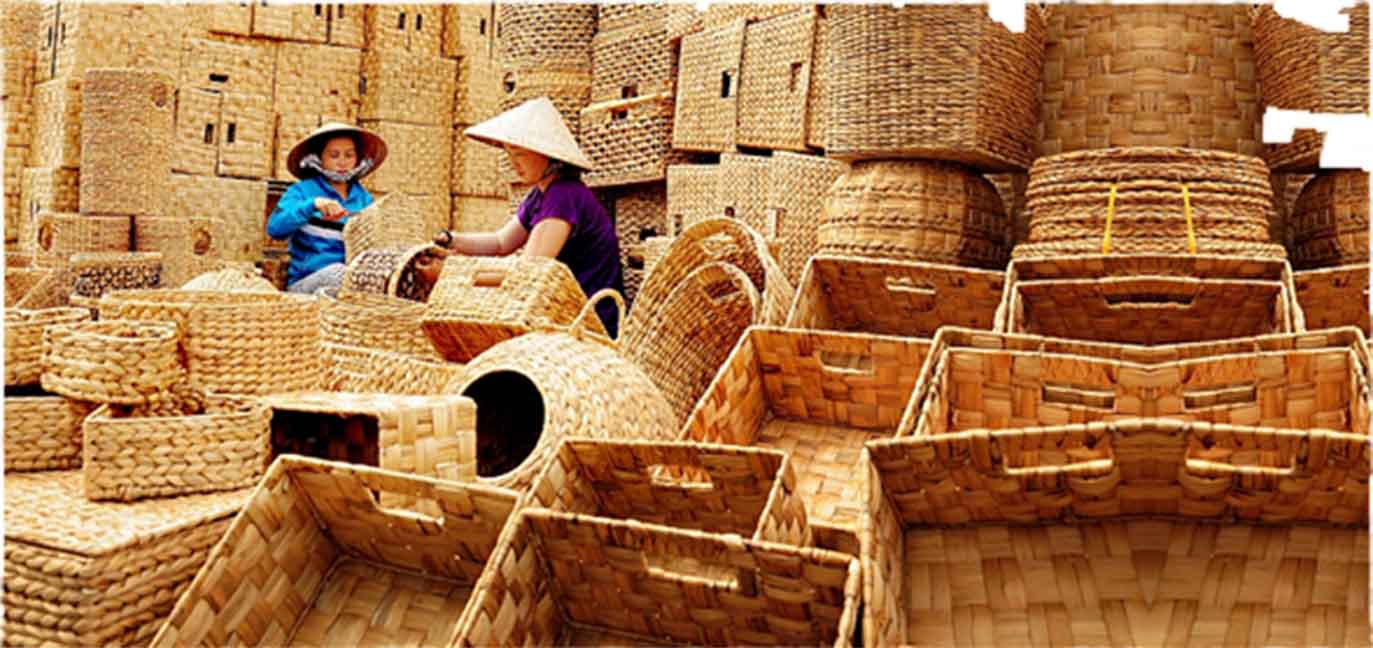
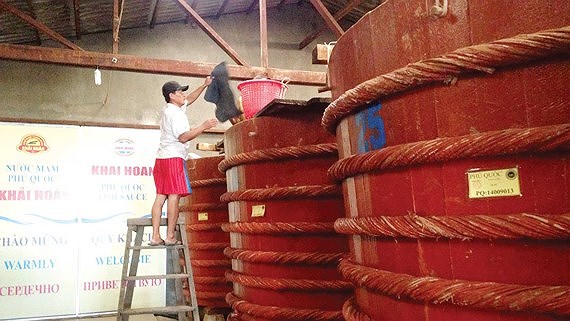
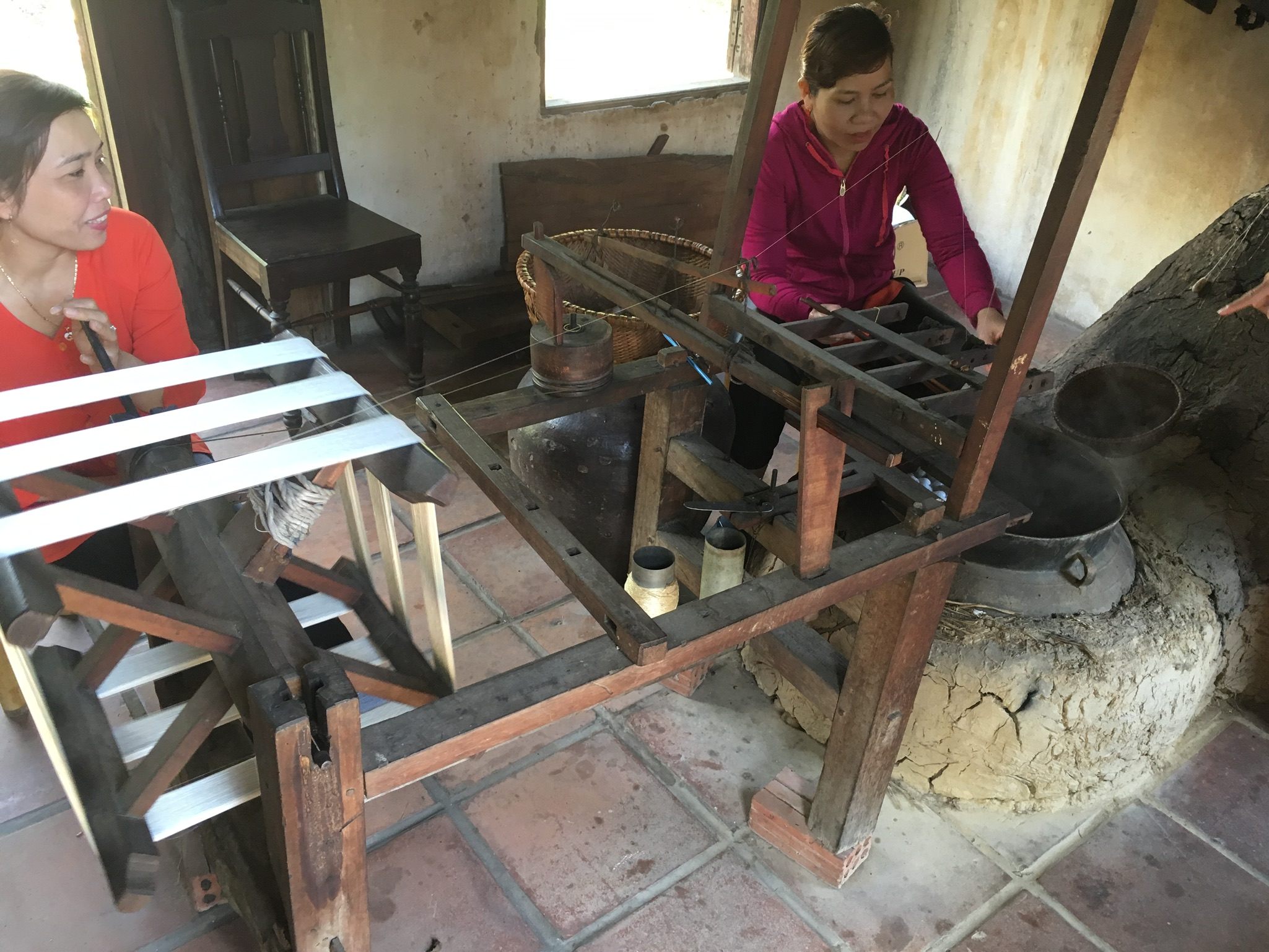
And now the students can take over. What can they tell me about traditional manufacturing ? How do they contribute to the local and national economy ? For example, on holiday in Phan Thiet (a seaside town a few hours train ride from Sai Gon), the only Vietnamese I saw were in the service industry (hotel staff, cleaners, restaurant workers, shop staff, tour operators etc). How do Vietnamese feel about this ? The cost of a hotel room may be more than they earn in a week or even a month. On the other hand, the tourism creates jobs and enable locals to make a living.
Obviously, this is an English class, though we have touched on economics, social philosophy, international relations and even poetry. The objective is to prepare the students for a future test where they may well have to speak about their country’s economy. I hope this will provide them with a basic grounding in vocabulary and some critical thinking, and mostly, being able to express their ideas.
Please Note: All photos are taken from Google Images or free photo sites, and are used for educational purposes only. No copyright infringement or offense is intended. If I have used your photo or image, and you wish me to remove it, just ask. This site is not monetized, I run it on my own dollar. Thank you.
Tonight is a new class and experience has taught me to downplay expectations. It’s also quite a large class, about seventeen students, so I’m expecting the whole spectrum of attitudes: motivated, respectful, attentive, apathetic, disrespectful, antagonist. Be that as it may, let’s go in with a positive attitude (and see how long that lasts).
For a new group it’s best to avoid direct questions as students can be shy about speaking in front of the class. However, they DO need to speak, so I’ve prepared a basic questionnaire for them to ask each other. They will need to get up and walk around, asking three different people some basic questions. Naturally, the questions are secondary; getting the students used to communicating with each other in English is the point.
Also, I have to accept that students will be arriving 15, 20, 30 minutes, maybe even an hour late.
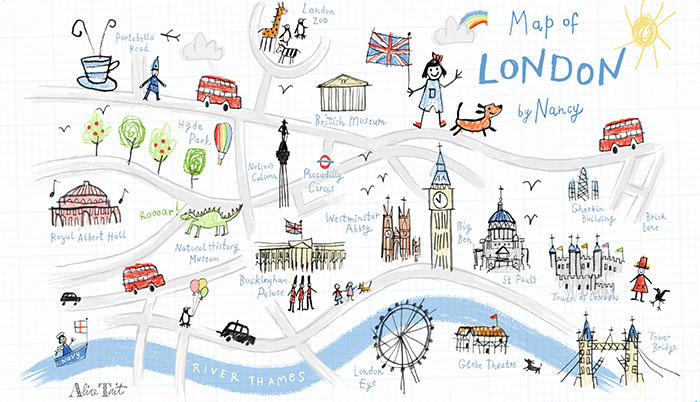
Judging the atmosphere in the room, I may actually start with some basic games, asking what they know about London or the UK. The students can be put into small groups to give them a safer speaking environment. If I feel it’s appropriate, I’ll show the ‘Kids Guide to London’ video on YouTube:
This may seem a little strange for an adult class, but it introduces natural speaking (how we link words together), new vocabulary and some fixed expressions. Also, an ‘adult’ class can mean students over the age of fourteen, and usually the classes are mostly comprised of students in their late teens … I’ll save my thoughts on those for another blog.
Tonight’s main focus is the third conditional
This is speaking from hindsight; We talk about something that happened to us in the past and how we would have changed it IF we had known some information.
A basic example: A visit a friend and it is her birthday, but I didn’t know. If I had known it was her birthday, I would have bought her a present.
Notice all the past tense verbs. Furthermore, would is commonly used in conditional sentences.
Now, this example is based on a true story that my history teacher told me back in London.
My teacher was a somewhat dishevelled gentleman in his mid-30s. Let’s call him Mr Bowditch:
Mr Bowditch, history teacher at an east London school
Mr Bowditch lived in a bedsit, which is basically renting one room in a large house and sharing the kitchen and bathroom with other tenants. His room was not particularly comfortable:
One night, Mr Bowditch was in his room and began to feel a little hungry. He wanted some chocolate so decided to go to the off-license and buy some sweets (an off-licence is a shop that sells basic food and sweets but also alcohol and cigarettes. It used to be open until 11.00pm when most shops would close around 6.00 pm). He decided to buy, among other items, some ‘Fry’s Turkish Delight’ a sort of jelly covered in chocolate:
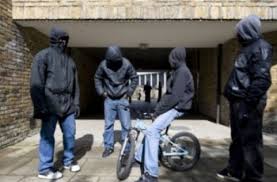
OK, so far so good. However, Mr Bowditch lived in a rather bad part of London, it wasn’t always safe to walk alone at night. Unfortunately, on the way home, Mr Bowditch meet the following young men:
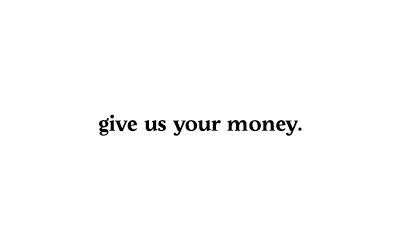
They called out to Mr Bowditch and stopped him walking. They demanded:
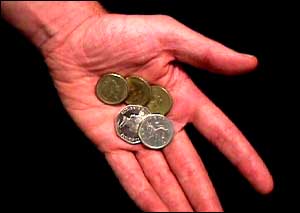
Mr Bowditch had none, as he had just spent his money on sweets (candy). They didn’t believe him and began to search him. He showed them:
That was all he had … a few pounds, about 100 000 VND. The men became very angry and aggressive. Suddenly, they heard a police car siren. The men tried to drag Mr Bowditch into the tunnel, away from the road but he is very tall and stopped them. As the police car got closer, the men ran away. Mr Bowditch has never eaten ‘Fry’s Turkish Delight’ again.
There are several instances of the third conditional in the above story.
If Mr Bowditch had bought sweets on his way home, he wouldn’t have gone out later and been mugged (mugged means being robbed, often with violence or the threat of violence).
If Mr Bowditch had gone to a different shop, he wouldn’t have meet the muggers.
If the police car hadn’t been passing, Mr Bowditch might have been seriously hurt.
If Mr Bowditch hadn’t been so tall, he would have been dragged into the tunnel and maybe beaten or worse.
The structure is the first clause starts with ‘If’ then using a comma before completing the sentence. The first verb can be positive or negative (in the examples, I use ‘had’ and ‘hadn’t’).
We use this to talk about things that DIDN’T happen.
At level 3, the books can be very text-heavy, and reading can be boring for students. As mentioned, I don’t know the ability and level of the students. One method is to have the students read just one paragraph and underline how many words they don’t know. If the amount is very high, then I know the level is too high … and I’m in trouble. I’ll have to improvise a lesson.
If (yes, let’s use conditionals) the reading poses no problems, I could have the students working in pairs. One student reads a paragraph and then tells their partner the main information. This is then reversed.
If the students want to learn, and come with energy and motivation, it should be a great lesson. However … this is not always the case … will time fly or will it drag ?
11th July for Saturday 13th July 2019. Everybody Up, U 2 L 1
Warm Up: Musical statues
Board write: to review recent lessons. Put class into small teams and give a mini board and marker. Have one of the top students read out the following:
To make an omelet we need ….
To make a smoothie we need …
To make a fruit salad we need …
To make a milkshake we need …
What can you see ? to review ‘be healthy’ show some typical breakfasts. Elicit as much information about the photos as possible:
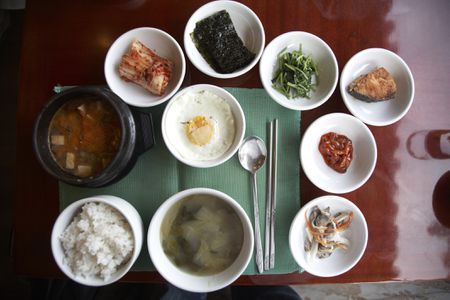
English breakfastUSA breakfast cerealsSwedish breakfastKorean breakfast
Student talking time: Students must select which breakfast they like best then interview each other, and say why. What is your favourite breakfast ? Which one do you like ?
New vocabulary:
healthy
delicious
unhealthy
colourful
high sugar
hig fat
Class Vote: Who would like which breakfast ?
Whisper run ‘n’ write: class form into three or four lines. I whisper a word or phrase to the last person, that person whispers it to the nest and so on until we come to the first person who must run and write it on the board. This practices listening, speaking and basic writing.
Lesson lead -in: Our new topic is ‘Around Town’. Let’s elicit some buildings that one would find in a town. In teams, we can do Pictionary – I’ll tell one student per team of a building, they have one minute to draw it and for their team to guess.
(hospital, school, cinema or movie theatre, park, library etc)
Book work: teaching new vocabulary, and practising.
Walk the line: Arrange six new flashcards on the floor in a line. Have two students at opposite ends. They must walk the line, saying the cards. First to finish is the winner.
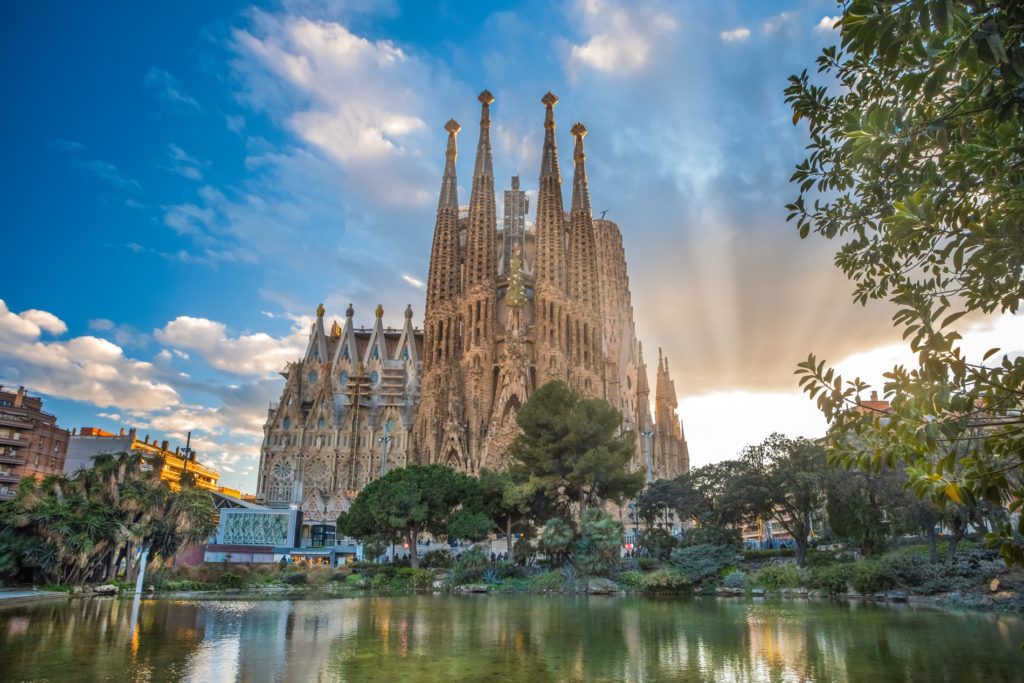
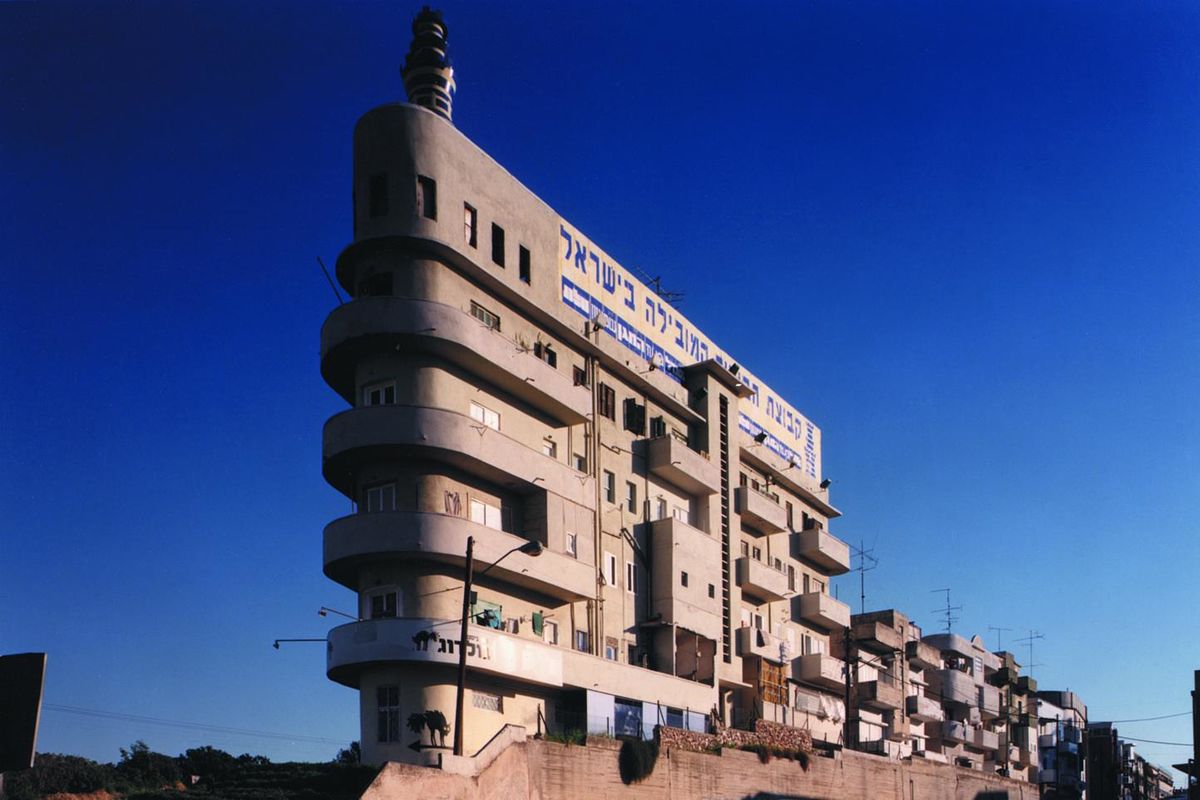
Group activity: to encourage group work and to review new vocabulary, the students in small teams are given a large sheet of paper. they can design and colour their own town. Special points for the most interesting town. To inspire them I can show Google images of:
Barcelona City, Gaudi architect, Sagrada Familia Temple, spain, sunset Hong KongTel Aviv, IsrealBeijing, China
For Saturday 6th July 2019. Everybody Up 3 (U 1, L 3); Everybody Up 2 (U 1, L2)
LEVEL 3
Unscramble and find
To review recent vocabulary, board the following:
ocprpno / toopat shicp / repepp / bagbcae / traew
Around the room stick some flash cards. In twos, students have to unscramble the word, then find the flashcard and stick it on the board, saying the word loudly and clearly. For the last one, there is no card, so the students will have to find some ‘traew’.
Word snap
Students put into small groups and given a board and marker. They have to write five items from the first lessons. They then ask another group, “Do you need (onion, carrot etc) ?”. The answer must be a sentence, “Yes, we do,” or, “No, we don’t.” The first team to guess all five items is the winner. For my class of 15, we can have four teams.
Vocabulary Review
From last week: Give me a word or phrase that means:
A lot, very much or many
Great
Two adverbs (HCM is hot / HCM is ___ hot)
A person who watches to make sure nothing bad happens
Run and write relay
Students, in teams, have to run to the board and write these words, one word per student. First student runs, writes then runs to the second student who has to be seated.
Vegetable or snack ?
Select a top student; that person becomes teacher and reads out various food items. Class must put hands up and say whether it’s a vegetable or a snack.
E.g. chocolate / carrot / potato / potato chips / soda / tomato / popcorn / corn / banana etc
Can change student-teacher. This also helps to break the usual teacher – student dynamic, and allows the students to spend more time speaking to each other in English.
After, we have a lot of prepared work today including a listening test and extended book work. Hopefully, there will be activities left over, for me to use in the next lesson.
LEVEL 2
This is a new class so I don’t know if it’s going to be good or a nightmare. In my experience, levels 1 & 2 are at least 50% classroom management and trying to control the students; the teaching is incidental and slipped in between shouting at students to sit down, stop talking, stop fighting etc …
Board: He is = he’s / She is = She’s / It is = It’s
Warm up: Mingle – get the students to walk around and ask each other their names:
“What’s your name ?” “My name is …. ” or “I’m ……”
Review: Flashcards from previous lesson.
Show a card and ask the students if they are … happy, sad, hungry etc. Answer to be in a sentence (“Yes, I am”, “No, I’m not”).
Run ‘n’ write: Show a card and say, “I am …” Students, in teams, one against each other, must write on the board, then slap the board and say the word loudly.
Pre – teach: Yes, he is / No, she isn’t
Using the same Lesson 1 flashcards, ask question, eliciting either a positive or negative answer which has to be in the above form, not simply ‘yes’ or ‘no’.
Book Work: Introduce new vocabulary
Sticky Ball
Quick, kinetic game. Put various flashcards on the board and the students, in two teams, have to aim for the correct picture, one team telling the other, thus encouraging more inter-student communication.
Charades. Select some top students. Show them an emotion flashcard, and they have to act it.
Book work, song and work book. Prepare handouts for fast finishers.
Friday 21 for Saturday 22nd June (Everybody Up 4, U 8 L 3)
Today we have a listening test which is scheduled to occupy fifteen minutes (five minutes of the actual test, ten minutes getting the students to find pens, sit down and shut up). This helps the teacher, as there is less of a lesson to plan, and so without further ado …
We are on the penultimate lesson, so now we’re reviewing and going over recently-learnt vocabulary and grammar. They had a class featuring basic ‘Do Not’ signs … red-edged circles enclosing a black image, struck through by a diagonal red line.
After ascertaining the meaning of the signs in the book ( ‘no photography’ etc), I’ll show then a sign I saw in a bathroom in Indonesia. It contains some rather unusual prohibitions:
Of course, teaching students who are around 10 – 12 years means that I will have to hide the lower frame of the photo.
Then, an activity; the class is still young, and they enjoy drawing and being creative, basically anything that doesn’t involve a text book.
Activity: At our centre, we have a number of prohibitions. We can run through some of them and then the students, in small groups and equipped with a writing board and markers, must design a sign. The signs can be humorous as long as the humour is appropriate. For example, is this behaviour acceptable in class ?
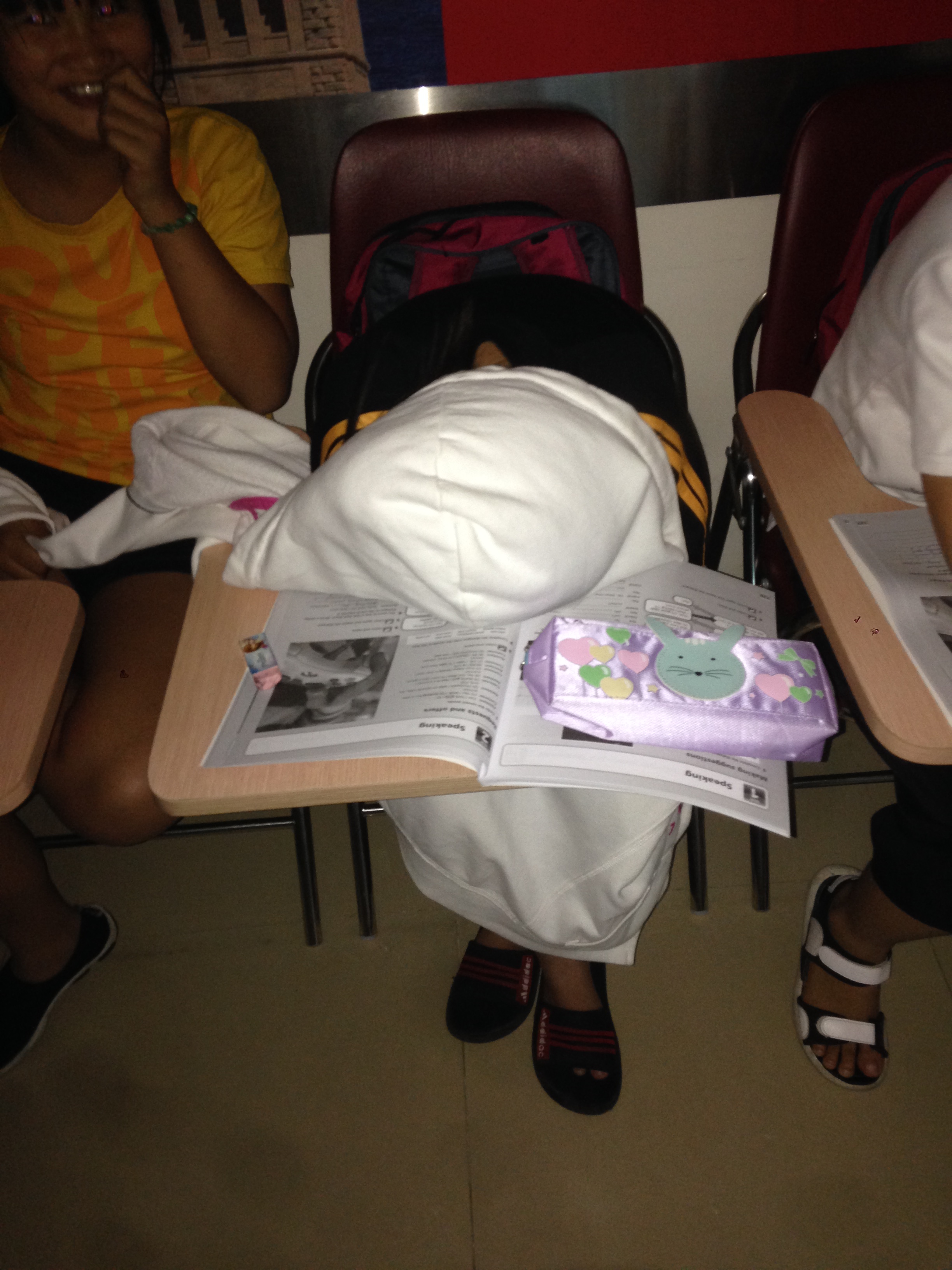
Could they design a ‘no sleeping in class’ sign ?
We could then have a little talk about the meaning of signs in society and how prevalent they are … at shopping malls and stations, computers and phone apps.
Next up – grammar: What are you going to do ?
The class has covered, ‘What do you want to be when you grow up ?’ and, ‘What are you going to do next week ?’
Here, I will board some verbs and some actions. The students must match them. I’ve added two higher-level words, to boost their vocabulary:
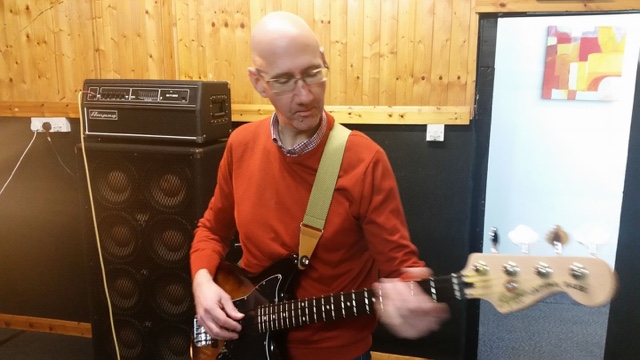
EXAMPLE: This is my friend Pete. He wants to be a great musician. Next weeks he’s going to practise bass guitar.
Jane wants to work with animals. Next week she’s going to …
Martin wants to be an actor. Next week he’s going to …
Anna wants to swim in the ocean. Next week, she’s going to …
Tony wants to be a scientist. Next week he’s going to …
The verbs and actions:
purchase (buy) / experiments
visit / Shakespeare
conduct (do) / the zoo
read / snorkel and flippers
If there’s a few minutes before break, then a quick game of Pictionary can be fun. Two teams, each in turn, send one member to the front. I give them a subject to draw and their team has a minute to guess.
The subjects could be: An astronaut / gondola / a kangaroo / a monkey on a motorbike / sleeping student and then they could draw a member of the class.
The final activity before the book work (and if time allows; the great thing about over-planning lessons is that anything that isn’t used can be employed in the following class) reviews travelling and what is needed. I’ll show four English-speaking countries. The students, in four teams, will be assigned one country.
What will they need to bring with them ?
Why do they chose these items ?
What is unusual about these places, or different from Viet Nam ?
What would you do there ?
NEXT – the students have to identify the places:
And so … to book work, work books and … the bell !
Here, I’m using the lyric sheet version. I can stop the video at various points and ask the students if they understand. Any new words will be boarded and, at a given time, the students will be told to write the words down.
This is a musical introduction to today’s lesson, which aims to expand their knowledge and awareness of other countries and cultures. The four countries chosen are represented by these people:
I shall put these together on a Powerpoint or slide and the students have to line up and throw a sticky ball at the person representing a specific country. My class enjoy getting up, mooching around and throwing things, so may as well incorporate their behaviour into an activity. Kill two birds with one sticky ball.
The students will be put into small groups and their task is find information about their given country, which will be posted around the room. To avoid chaos (as far as possible, these are young Vietnamese students and chaos goes, as they say, with the territory), one person per group will be responsible for gathering one piece of information.
But first, a review of how to tell the time (using ‘quarter past’, ‘half-past’, ‘quarter to’.)
When it’s 16.30 or 4.30 pm in HCM, what time is it in Brasil ? (6.30 am)
At 16.15, what are people doing in Toronto, Canada ? (5.15 am)
At 16.45 in HCM, what will people in Egypt be doing ? (11.45 am)
When it’s 17.00 or 5.00 pm in HCM, people in South Korea will be … what (at 19.00 or 7.00 pm)
The task is to get information about their countries, such as capital city, population, type of food, why it is famous and the weather.
They will then, under supervision, be allowed to choose images online to enhance their presentation.
This helps with their writing and speaking skills, as well as helping them work together as a team, each person with a specific role.
Now, for some more fun, what country is this song about ? We could make it into a musical statues games, as well, but the students have to walk in a certain way. https://www.youtube.com/watch?v=Cv6tuzHUuuk
We can also board the adjective form (Canada = Canadian, Korea = Korean etc)
To review rooms of the house, the students can tell me about these pictures: I’m looking for the country, what the subject is doing, what they look like … try to develop their story-telling skills.
Next up, a quick summary: Where would they most like to live and why ?
Today, two classes at level 4. The first is a substitution; I don’t know the students, but on the other hand, I’ll be able to recycle or adapt exiting material to plan the lesson.
The second class is my usual group, from 10.10 – 12.10.
Today should be better as I have stopped my Level 1 class (nineteen students of screamers, shouters, special needs, no motivation, no memory, no idea why there are in a classroom being spoken to by a strange man in a strange language and, of course, some very sweet, well-behaved students who, unfortunately, are being restricted in their learning by the amount of classroom management I have to do). I’m just covering this first class for a week, and I have to do a review of their last two units.
As a warm up, I’ll ask the students what they know about London, maybe using some Google images to help them (possibly British food, Sherlock Holmes, a London football club, a street market).
Recent units have included space exploration, future careers and travel so I’ll kick off with a familiar children’s guide to London:
I will stop the video at key places and elicit responses, and to board new vocabulary. The students will be made to write down new vocabulary and then use them throughout the lesson.
Next up, a board write – small boards are handed out to groups and they have to write down answers. Points for the first team to finish. The questions can be about space (but must be taken from the class book, nothing too advanced).
What do you call a person who travels in space ?
Is that a man or a woman ?
Are people heavier or lighter in space ?
How do people get into space /
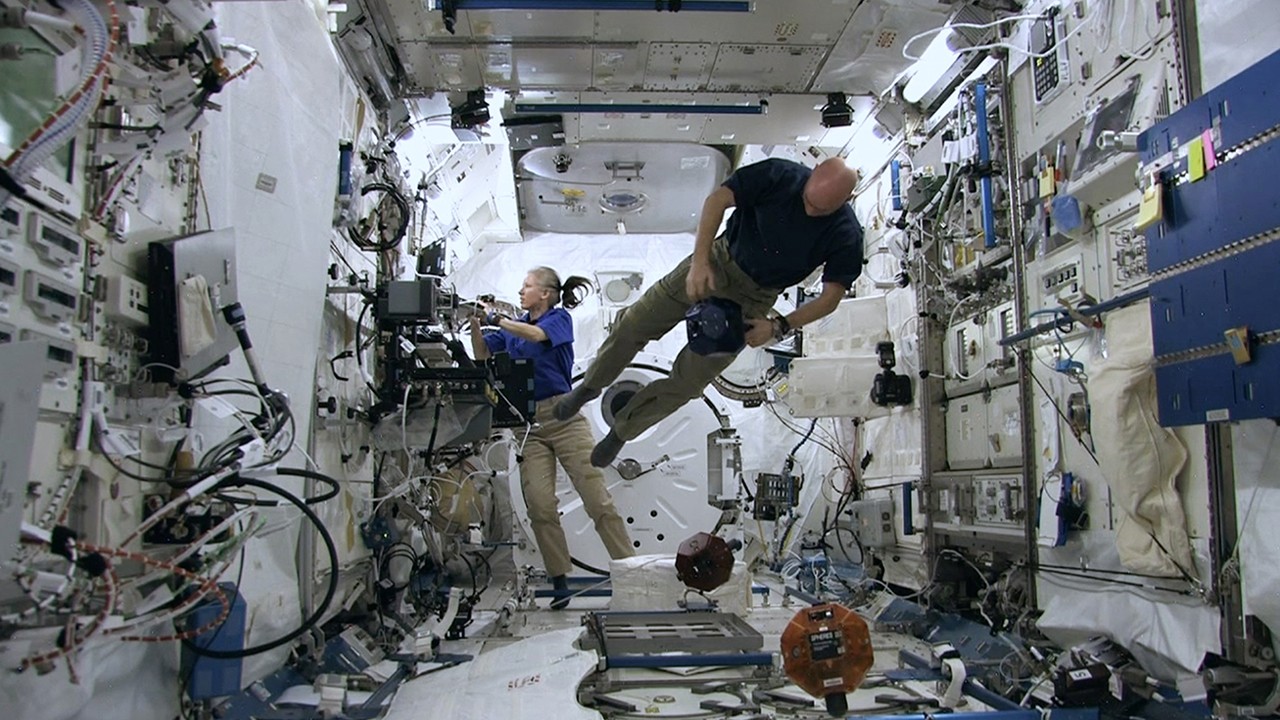
What is the ISS ?
Why is this man floating ?
To cleanse the palette, a quick kinetic activity. I shall hide six flash cards around the room and ask the students in pairs, to avoid a stampede, to find them. Instead of asking directly I will give them clues, e.g. if you want to buy something, you need this paper (money), after swimming, you use these to get dry (towels).
Next activity, I prepare four information sheets for the students about New York, London, Norway and Venice. The students, in small groups, will then have to present their city and answer questions. I shall awards points for good questions, to encourage the students to speak.
Julie lives in New York
She is a scientist
She wants to see a show
She takes a taxi
She brings lots of money
Next weekend, she will fly to London and stay in a hotel
Peter lives In London
He is an actor
He wants to ride a horse
He takes a bus
He brings a towel and extra clothes
Next weekend, he will go to the beach and swim in the sea
Anna lives in Norway
She is an astronaut
She is on holiday.
She takes the ferry to get home
She wants to go climbing and swimming
She goes to space by Space Shuttle.
Martin is on holiday in Venice
He is a journalist
He lives in Berlin, Germany. He is going home next Tuesday.
In Venice, he travels by gondola
He wants to see famous paintings
He likes to go on boat tours
The questions from the other students can use the patterns they have learnt, such as, “When is he going ?”, “What will she do ?”, “How will he get there ?” etc.
This should be enough activity before the book work and checking. Hopefully it will be a gentle way into my heaviest day, three classes of young learners. Hopefully …
Tonight is a new class, a block of four lessons, and phrasal verbs dominate the session – they almost take over. These, like idioms, can be very confusing for a learner, yet are an integral part of everyday English. Don’t give up, keep on trying and you’ll pick it upin next to no time.
First, as a warm up, we’ll go over some recent lessons and see how much of the lingo (slang for language), the students have picked up. They recently had a lesson about choice, confusion and making decisions … or not making decisions. Being unable to act, or to decide is known as procrastination … and is a flaw in one of Literature’s most famous characters, the prince of Denmark; I’m referring to none other than Shakespeare’s Hamlet. This quote may be familiar …
Shakespeare is a world-famous writer, and a great example of British culture … but what about Vietnam ? If I wanted to read some classic Vietnamese texts, what would the students suggest ?
The task is for the students, in small groups, to decide upon one suggestion for each of the following.
To begin with, the Great British seaside. the sun rarely peeks out so when it does, we rush off to the seaside. What can you see here:
Blackpool, a famous seaside town in north England.
The seaside is associated with building sandcastles, donkey rides, deck chairs, paddling, pier, sun cream and ice cream. I want to visit a typical Vietnamese beach town. Where is the best … and why ?
Now, seasides and travelling help us build up an appetite … so what to eat ? What do the students think of a traditional British breakfast (not that I’ve ever eaten one ! It’s not exactly vegetarian-friendly) ?
Again, I want to try a traditional Vietnamese breakfast. What should I eat, where should I go, what should I drink ?
Now, being British, and a teacher to boot (as well), I enjoy a beer (or two …). Here’s a typical British pub:
I’m not sure such places exist in Vietnam, but what do I know ? Maybe the students can help me ? Where could I go to drink beer and which is the best Vietnam brand ?
This is just a quick game to occupy the first part of the lesson (while students are still arriving). Let’s keep the theme of being decisive, tied in with phrasal verbs. We’ve had Shakespeare and ‘high’ culture; now it’s time to be more ‘popular’. British people over a certain age and yes, that includes me, will recognise this number (slang for a song): The music doesn’t start until around the 0:30 mark.
cigarettes / blankets / barrel of water / flare gun / torch
magnifying glass / Beatles CD / make up set / dried food
grammar study book / Angry Birds game / air rifle / sun block
Negotiation language
I see your point but … that’s interesting, however …
I’m not sure about that I can’t go along with that
I don’t feel that is entirely right / I fail to see the merits
I respectfully disagree / I find your contention somewhat flawed
The students, first in small groups, then as a class, have to decide upon five items to help them survive in the desert. Some items are multi-purpose, for example, a CD is useless in terms of listening to music, but the reverse could be used as a mirror, to reflect the sun, while the sides are sharp and could be used for cutting. Cigarettes are loathsome and not usually associated with long life … however … in the desert, they could save your life. Snakes hate cigarette ash so, at night, light the tobacco and sprinkle the ash in a large circle, then you can safely sleep inside.
And then time to hit the books.
The early bird catches the worm … do the students understand this saying ? What do they think it means ?
To end the lesson, we could try a Family Fortunes game … in small groups, I ask questions and require four answers. They will usually be about me, for example, what four instruments can I play, what four sports do I do ? which four places have I been to in Vietnam, what do I like most about Vietnam, etc ….
And … not forgetting … what quote from Shakespeare do they know ? And they’re not going home until they say it.
One of the best things about staying with the same company and at the same campus, is the possibility of teaching the same lesson to different students, thereby cutting out a lot of planning time. Such is the case this Sunday, when I shall re-teach a lesson I previously planned in March.
However, this is will be my last class with this group; I have a new work schedule and my manager has kindly, not to say humanely, insisted that I have at least ONE day free. She also brings me tea when I am ill (a constant threat in Vietnam where the weather switches from unbearable hot to torrential tempests … and back again. Furthermore, the corridors can be over 30 degrees, while the classrooms are cold enough to store ice cream. I tell the powers that be to turn UP the room temperature (the students also sit there shivering or wearing jackets) to 28 … I tell them every lesson … every lesson … to quote Kurt Cobain, “Oh well, whatever, never mind.”
But now, without further ado, the lesson plan. Let’s kick off with:
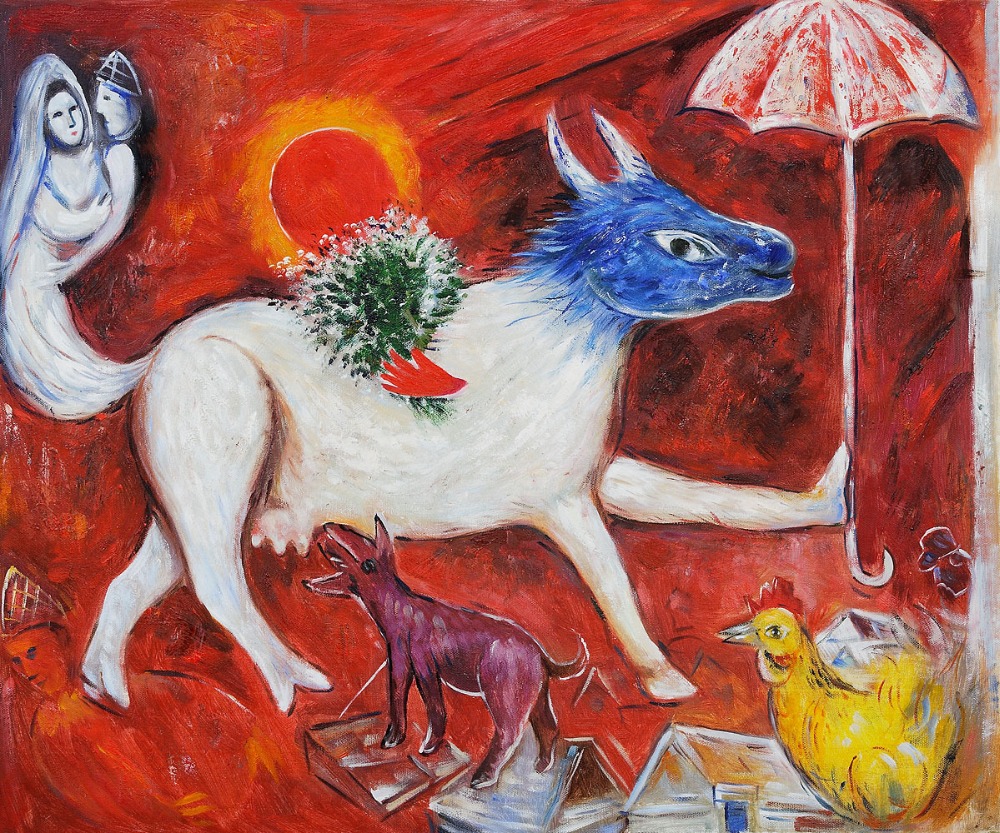
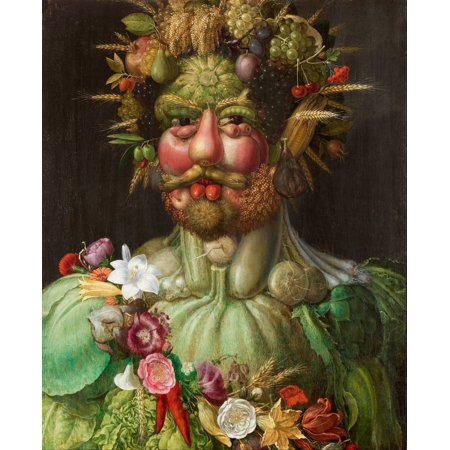
What can you see ? This tests the ability to form a basic “I can see a …..” sentence.
Marc ChagallArcimbaldoVietnamese folk painting.
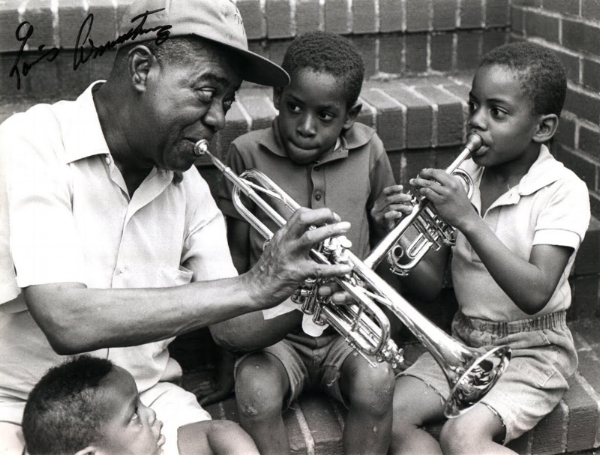
Next up, ‘When the band comes marching in ‘, a kinetic exercise and also a way to introduce new vocabulary; here it will be musical instruments:
We can use this for musical statues. The class size is very large, (20 students) the space limited, but the march tone will suit the limitations.
Moving on, back to seats, and I will teach them ‘I spy’
I look around the room and see something that they have learnt in a previous lesson (such as classroom accessories or animals), and say, “I spy, with my little eye … something beginning with …. ‘c’ “
The students then have to think of all the vocabulary they know (at this stage, somewhat limited), so the words will be ‘chair’, ‘table’, ‘pen’, ‘book’, ‘bag’, ‘teacher’, ‘student,’ and then pictures of animals that have been previously taped around the room.
Leading on from that, and time for more movement (or madness depending on your point of view), a flash card hunt. I will have various pictures of creatures taped to the wall, behind desks, under chairs … then ask, “What has eight legs … ?” then, “Six legs, four legs and a shell, four green legs and jumps ?” In twos, the students have to find said card.
Then it’s Grammar time. I drill and conjugate the verb ‘to have’
First I practice with my TA, then select some of the top students to model. They will be given a flash card and say, for example:
I have a cat
You have a dog
He has a frog
She has a spider
They have a monkey
We have a card.
By giving cards to groups of six, all the students can participate at once.
Some students can come to the front and hold their cards. I will ask, “What does he have ?” and expect the answer in a sentence, “He has a ….” and not just shouting out the single-word noun.
Moving on up, it’s time for the a /an distinction. I’ll simply board the vowels and elicit words that begin with each one. Then I’ll show the grammar, ‘It is a cat, it is an elephant.’ I’ll board ten or so words and the class must shout out whether the article is ‘a’ or ‘an’ AND say the answer as a full sentence.
Next up, a quick writing game. In small groups, the students have to write words that they have recently learnt. These will be:
bike / kite / rope / ant / bear / frog / spider / turtle
Finally, a chance to boost their use of adjectives. I’ll ask for them to describe animals, miming to help them, until we have basic words such as ‘big’, ‘small’, ‘fast’, ‘slow’ and then introduce some more: ‘tiny’, ‘scary’ and ‘massive’. They have to write down the new words in their notebooks.
I will then ask them to describe an ant, an elephant, a spider, a cheetah
Furthermore, I want them to start using the common adverb ‘very’ – a spider is very small and very scary !
We then have our school’s spelling contest, student book work, workbooks and worksheets for the quick-finishers.
And then … lesson over and I say goodbye to this class. They can be VERY noisy … but also a lot of fun.
























 Thay Paul's Notes