Young Learners, pre-teens: introduction lesson.

2nd April 2024

I begin by eliciting class rules then a good old STB, replacing ‘bus’ with ‘taxi’. What do they know about UK ?

Try the birthday horseshoe game: here, one part of the room represents January, the opposite, December. The students must stand in a horse-shoe shape, according to when their birthday falls.
A run & write activity. I write incorrect sentences on the board. Split class into teams), and one member must rewrite the sentence correctly:

What are your name ?

I eats fruit

How old is you ?

What is your hobbies

He like swim

What you do think

There isn’t a chocolate

Why is your friend

Today’s theme is Free Time. The warm-ups should review previous lessons and

Word Bomb – Hobbies – what do they do in their free time ?

(Play sports / do homework / make models / go swimming)
Students can mime an activity, and drill full collocation:

Then use the Mingle – interview sheet. This will get the class up and active before break time, and after sitting through book work and listening exercises. The exercise can also encourage students to introduce themselves:

Find 3 people who:

Name                                      

Hobby

Play an instrument
Draw or paint
Read books
Watch films
Learn English
Have a pet
What pet ?

ɑ          ɔː         əʊ

In teams, read out:    

model        disco      show    on    door      go       walk 

Players must identify the correct phoneme

Pre-teaching:   Match the words with the meanings

describe                        planned, in order, not a mess

imagine                        having to do too many things

typical                          feeling you have too much work

pressure                      normal, usual

organised                    to tell what something looks or like

community                 to think about something

stressed                       the place or area where you live

Please Note: All photos are taken from Google Images or free photo sites, and are used for educational purposes only. No copyright infringement or offense is intended. If I have used your photo or image, and you wish me to remove it, just ask. This site is not monetized, I run it on my own dollar. Thank you.

What’s the problem with your city … and what’s the solution ?

9th January 2024

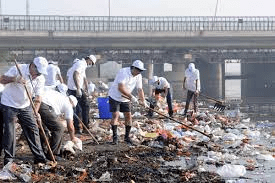
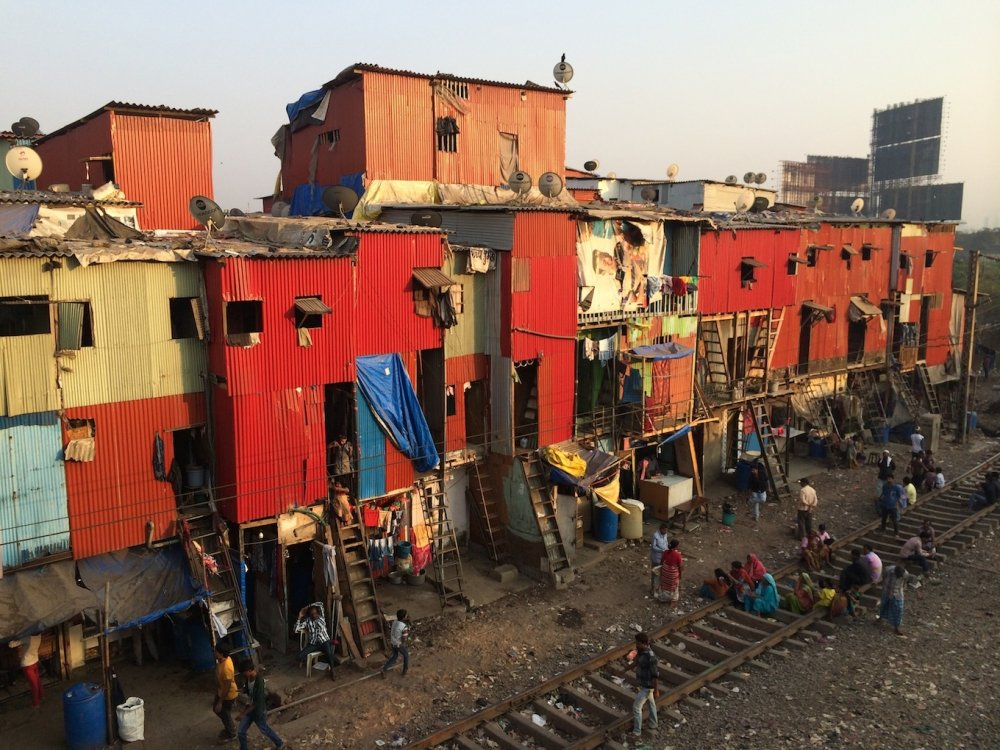
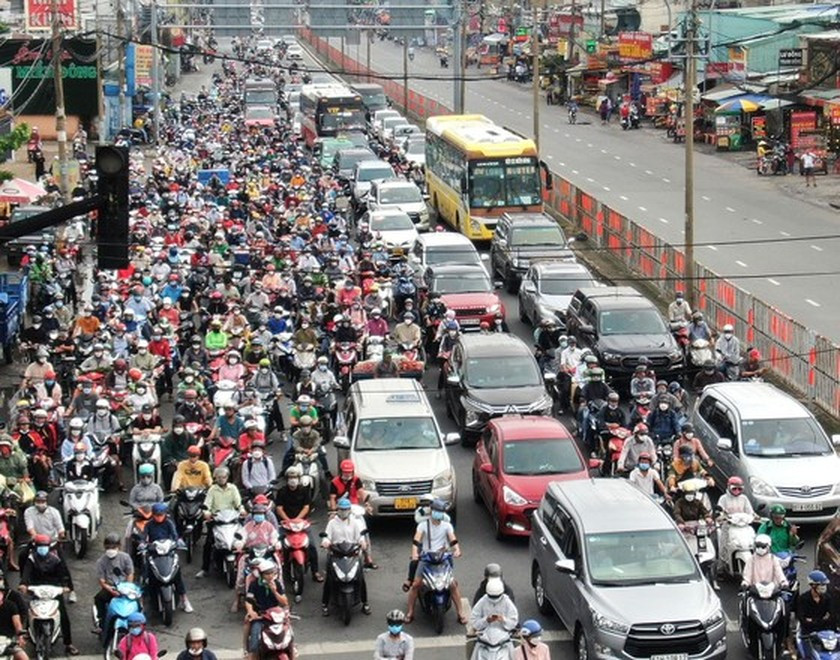
Does this look like your city ?

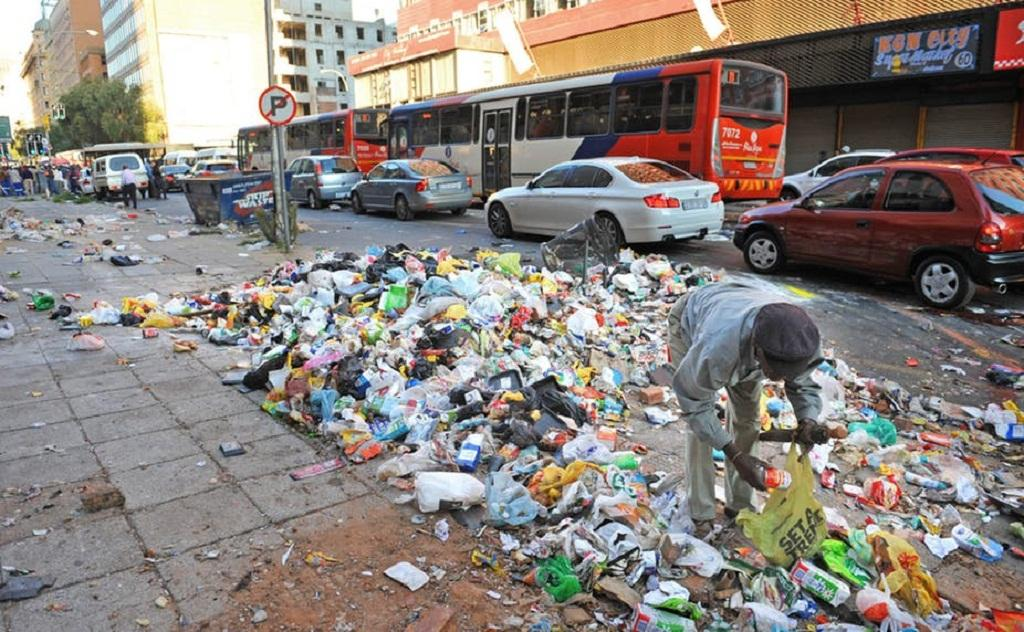
Or is it more like this … ?

An exercise for students to use critical thinking, and to practise speaking.

First we shall let the students work in pairs, discussing today’s question:

Let’s kick off with some useful vocabulary

You may start like this:

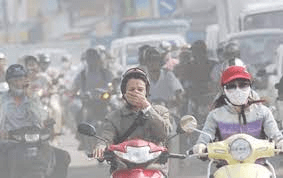
Then talk about pollution (air and water),

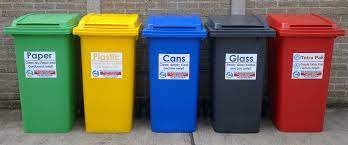
litter (paper, plastic, food, bottles, cans etc)

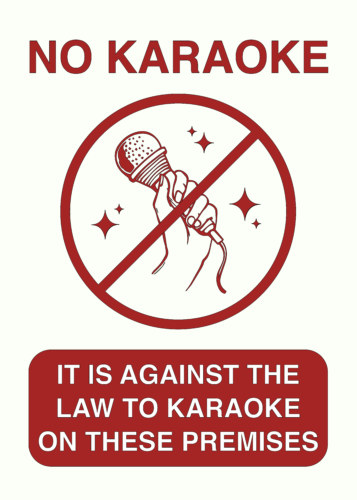
noise (karaoke, motorbikes, street vendors, building work)

traffic (is it fun or safe to drive ?)

How can we make rivers cleaner ?

How can we make the roads less congested ?

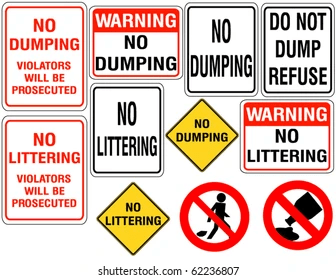
How can we stop people littering ?

How can we reduce noise pollution ?

Please Note: All photos are taken from Google Images or free photo sites, and are used for educational purposes only. No copyright infringement or offense is intended. If I have used your photo or image, and you wish me to remove it, just ask. This site is not monetized, I run it on my own dollar. Thank you.
Young Learners: tell me more, tell me more !

26th September 2023

One of the purposes of teachers asking questions is to give students an opportunity to practise their speaking skills; vocabulary, syntax, intonation etc.

However, many times students, of all levels, will merely answer the question in as few words as possible, and they need to be encouraged to elaborate on their responses.

Teachers are taught to refrain from asking ‘Yes,’ or ‘No,’ answers:

A better option would be:

Hopefully this will elicit a more suitable reply.

And so to work … my young learners have speaking tests soon. Here are some exercises to help boost their scores.

First we need our vocabulary toolbox. Let’s start with some adjectives:

Now some linking words:

Finally, a smattering of expressions and idioms:

Let’s dive in ! Work in pairs and ask each other the following questions:

Tell me about your house or apartment

(where is it, how many rooms, what does their room look like, what colour is it, what toys do they have, do they have pets ?etc)

Tell me about your school

(Name of the school and address, their favourite subjects and teachers, why do they like them, their friends, what do they do at break time, do they play sports or music ? etc)

Tell me about food you love and food that you hate

Tell me about a film you love

Where would you most like to visit ?

What job would you like to do. What job would you hate ?

Please Note: All photos are taken from Google Images or free photo sites, and are used for educational purposes only. No copyright infringement or offense is intended. If I have used your photo or image, and you wish me to remove it, just ask. This site is not monetized, I run it on my own dollar. Thank you.
Young Learners – let’s get talking !

28th August 2023

We have had lots of writing lessons and planning – time to boost our English speaking by practice, practice and … practice.

Do you like milk tea, water, juice or coffee ?

Where do you go to drink ?

With whom do you go ?

What do you like about the place ?

Summer Project: make a toy theatre

3rd August 2023

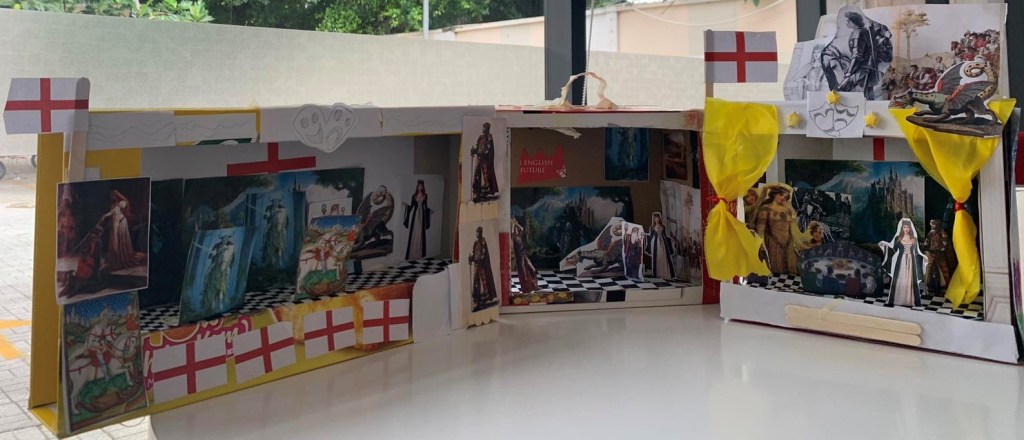
Extending the concept of recycling, and phasing out plastic, this project shows how to turn old cardboard boxes into toy theatres with just scissors, sellotape, colour paper, wooden sticks … and imagination.

The subject was King Arthur, and my manager printed out some great colour pictures.

An introduction to the King Arthur story, myth or legend may be accessed here: https://thaypaulsnotes.com/2022/04/20/young-teens-king-arthur-the-sword-in-the-stone/

Without further ado, let’s build some theatres.

The first theatre was made from a large box, and I just cut out a central square and a side panel. I found some old yellow material in my house, so the students could make curtains or a backdrop.

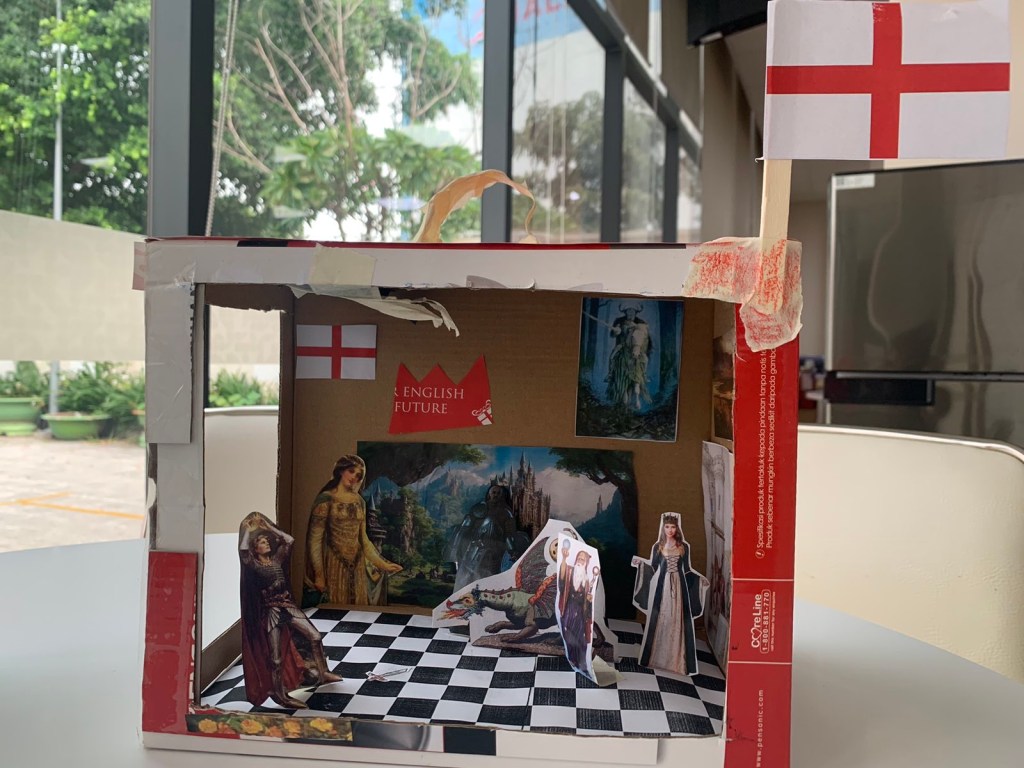
The middle theatre is my first attempt (I am hopeless at art and crafts, as you can see). The box was not ideal, being oblong, so the theatre is tall and thin, but it at least gives an idea how an old box can be transformed.

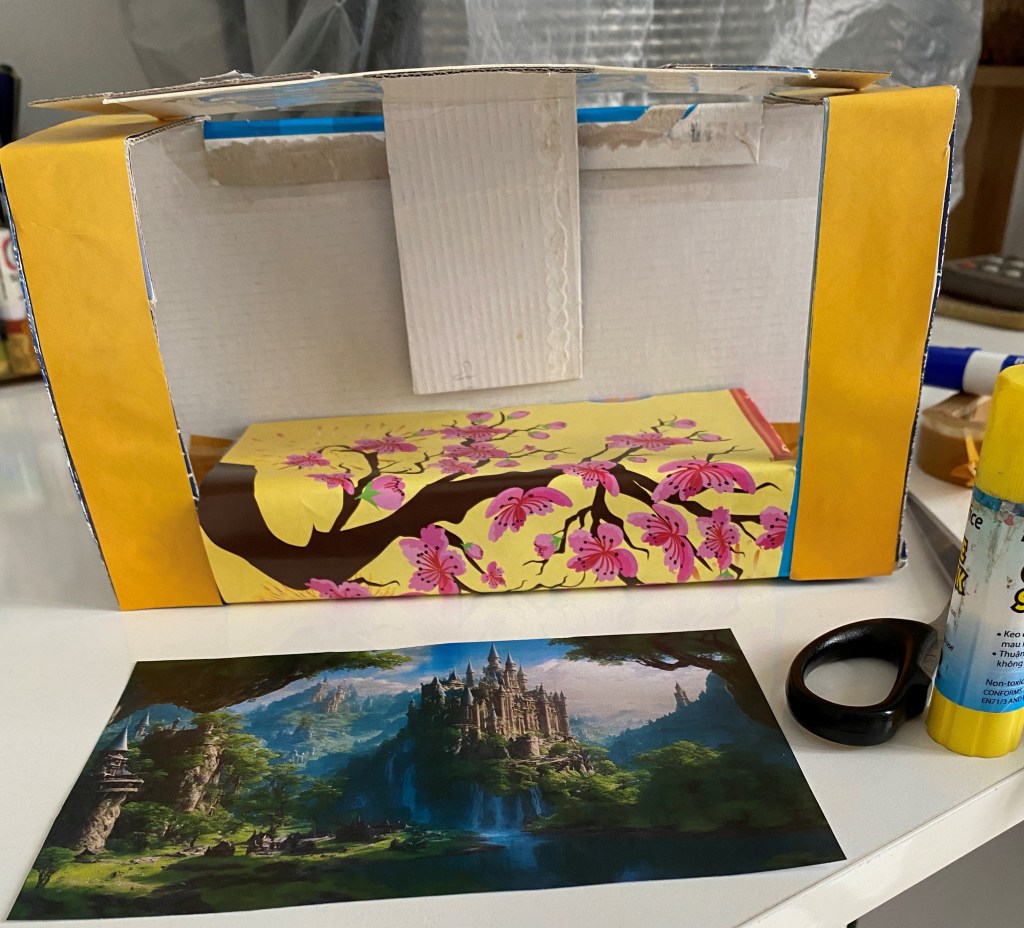
Now, this is how I turned an old electric toothbrush box into a palace of dreams and fantasy.

First, I flattened the box, and cut away the flaps. Then I made a stage by folding and taping down the front panel.

The side panels form the frames for the sides and roof.

Next, decorate with paper. I used adverts from a free newspaper with large areas of bright colour. I selected a picture for a backdrop, an impression of Arthur’s Camelot.

1

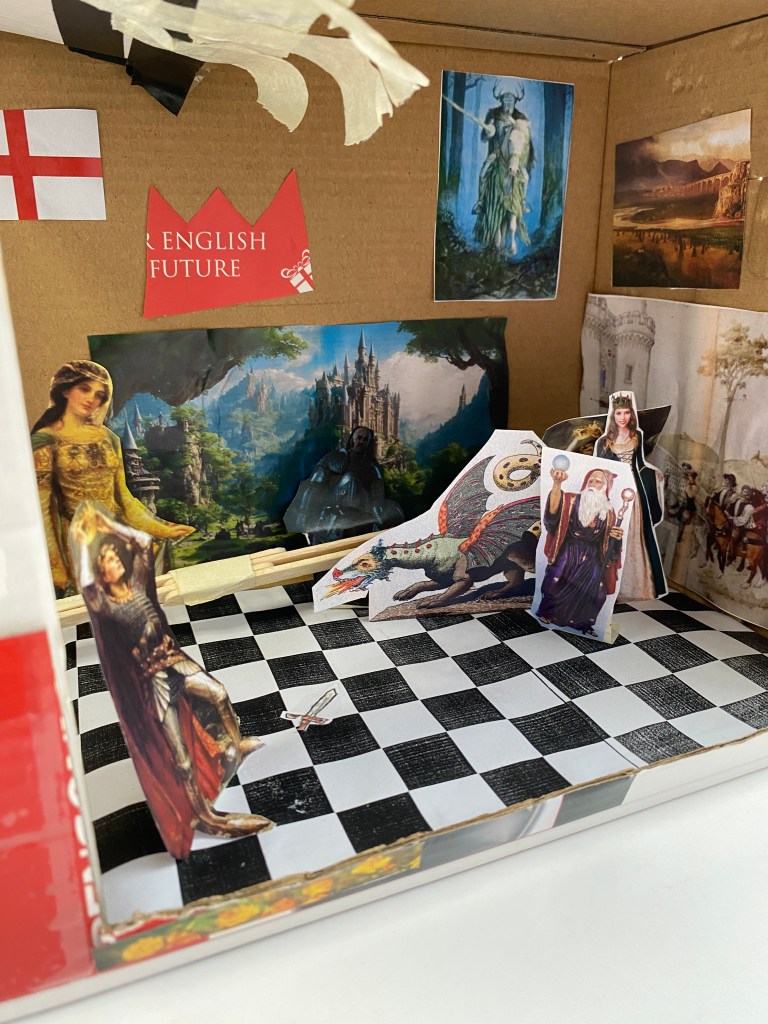
Finally, just cover all remaining areas with paper. Cut out the characters and attach them to wooden sticks.

Our Summer Class, working in teams, produced these dioramas of drama:

1

Summer Project: Make an Amazon River fact chart

26th July 2023

A companion blog may be accessed here: https://thaypaulsnotes.com/2020/10/19/young-learners-level-5-amazon-rain-forest-quiz-and-comparisons/

Worksheets for this lesson may be found at the end of the blog

TASK 1:

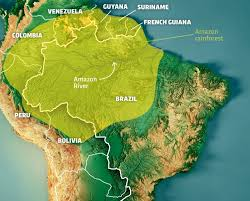
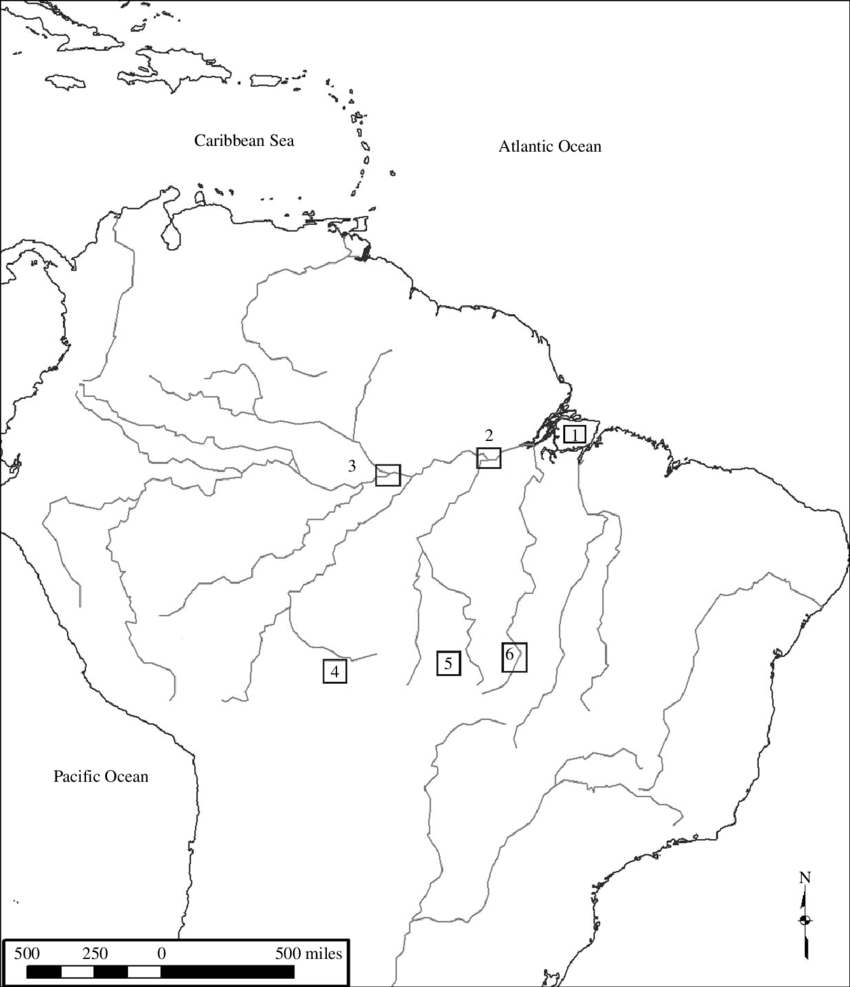
Draw the Amazon River. Where can you find this information ? Also, write the names of the countries.

TASK 2:

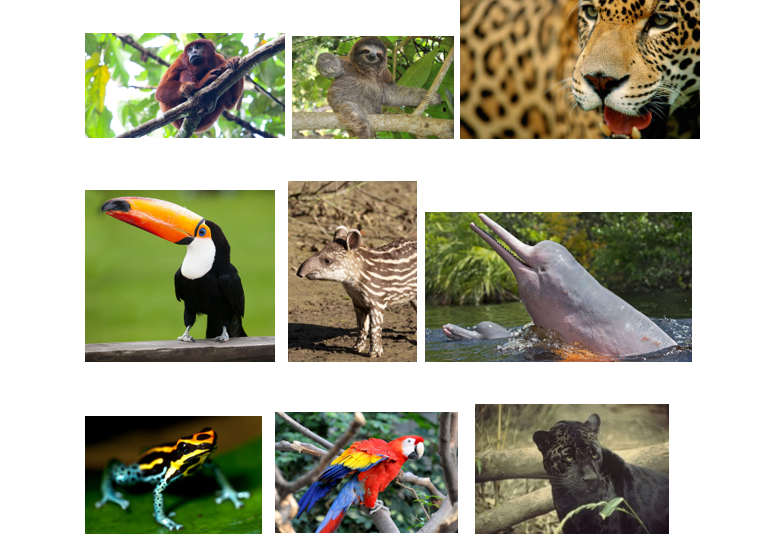
In teams, write the many animals you would find in the Amazon Rainforest.

Animals In The Amazon Rainforest: Pictures, Info & Facts
Giant Anteater
Giant ant-eater

Let’s delve deeper (let’s learn more)

Use comparatives and superlatives:

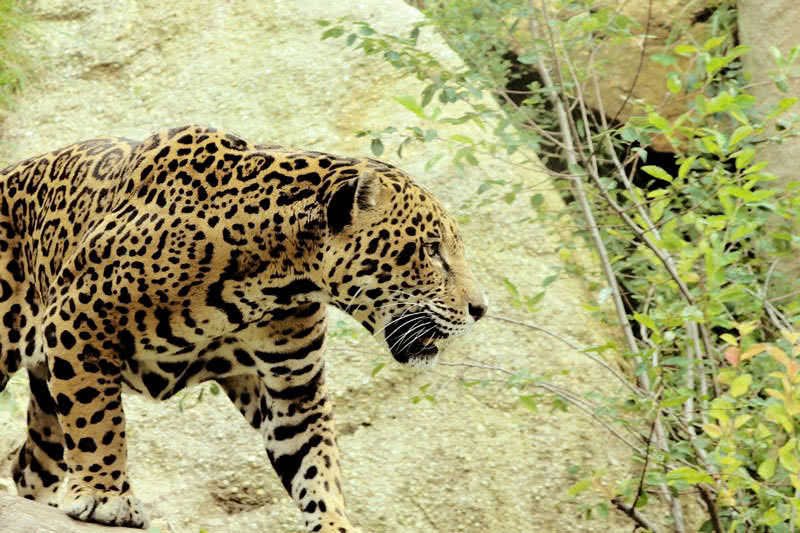
A jaguar is a big cat BUT not as big as a lion. A lion is not as big as a tiger.

A lion is bigger than a jaguar but a tiger is the biggest.

A capybara is a rodent (like a mouse or rat).

Capybara
A Capybara

A rat is _______________ than a mouse but a capybara is the ____________ rodent.

What is wrong with this sentence ?

Black Caiman
A caiman – a type of alligator.

A caiman is big but an alligator is more big and a crocodile is most big.

A caiman is a reptile – it is _______________ dangerous reptile in the Amazon. Reptiles have thick or scaly skin. They can live in hot weather and salt water.

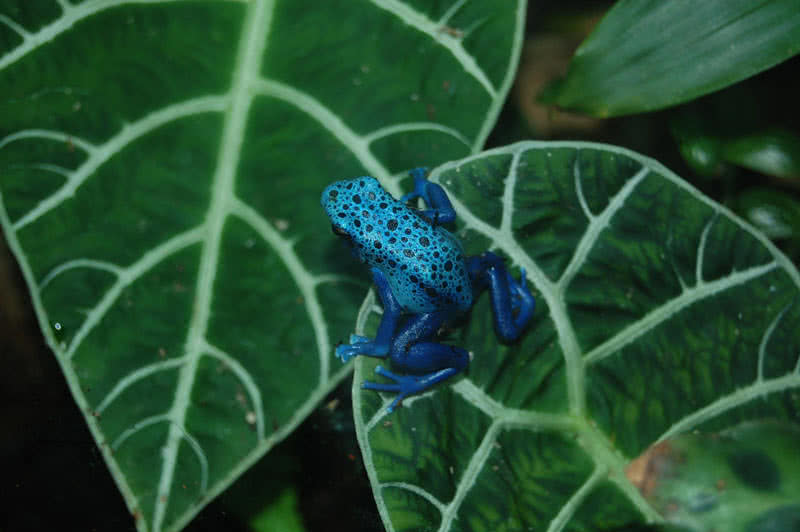
A frog is amphibian – amphibians need water to live and only have soft delicate skin. They cannot live in saltwater (like the sea). If you see frogs or toads, it can mean that the water is good.

TASK 3:

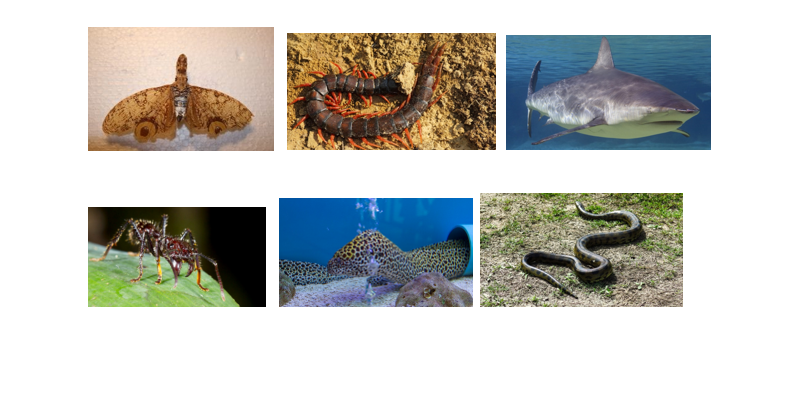
Next put these animals in order of danger, first, second and third then write a sentence using a comparative and the superlative

poison dart frog
poison dart frog
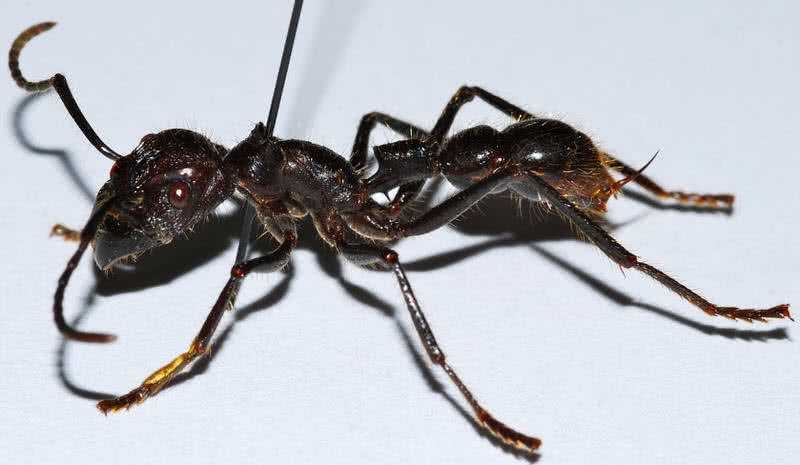
bullet ant
bullet ant
jaguar
jaguar

The answers

Why We Should All Care About the Amazon Rainforest - ethical.net

Number 3: bullet ant

Number 2: jaguar

Number 1: poison dart frog

Did you know ?

A jaguar has ___ _____ powerful bite. A jaguar bite is _____ powerful than a lion.

A bullet ant has _____ _____ painful insect sting. The sting is 30 times ______ painful than a bee sting.

The poison dart frog has different colours. The golden poison dart frog is ____ _____ poisonous.

NOW … time to learn more:

QUIZ

Where is the Amazon Rain Forest ?

How many countries does it spread across ?

It is known as the lungs of the planet … why ?

How many different types of fish are there ?

Name 3 deadly creatures.

What is the loudest creature ?

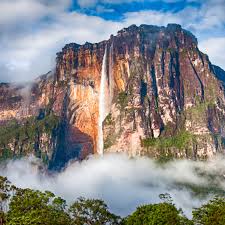
The Salto Angel waterfall is the ___________________ in the world

How To Visit Venezuela's Beautiful Angel Falls - TravelAwaits

Answers:

South America // 9 // it produces 20% of the world’s oxygen // 3 000 // poison dart frogs, jaguars, snakes, spiders, piranhas // a toucan // largest at 979 metres.

TASK 4:
Cut and and glue onto your Amazon chart some of the animals that can be found in the Rainforest.

Make a fact chart – write down any information that you find fascinating

Worksheets

Amazing Amazon Rainforest facts

Please Note: All photos are taken from Google Images or free photo sites, and are used for educational purposes only. No copyright infringement or offense is intended. If I have used your photo or image, and you wish me to remove it, just ask. This site is not monetized, I run it on my own dollar. Thank you.

We are the Robots ! Found art and latent imagination

15th July 2023

Today’s subject was life-changing inventions. I had previously introduced the class to early C20th collages, mixing paint with newspaper headlines, as well as ‘found art’ – items of rubbish (trash, garbage) that could be utilisied in an artistic manner.

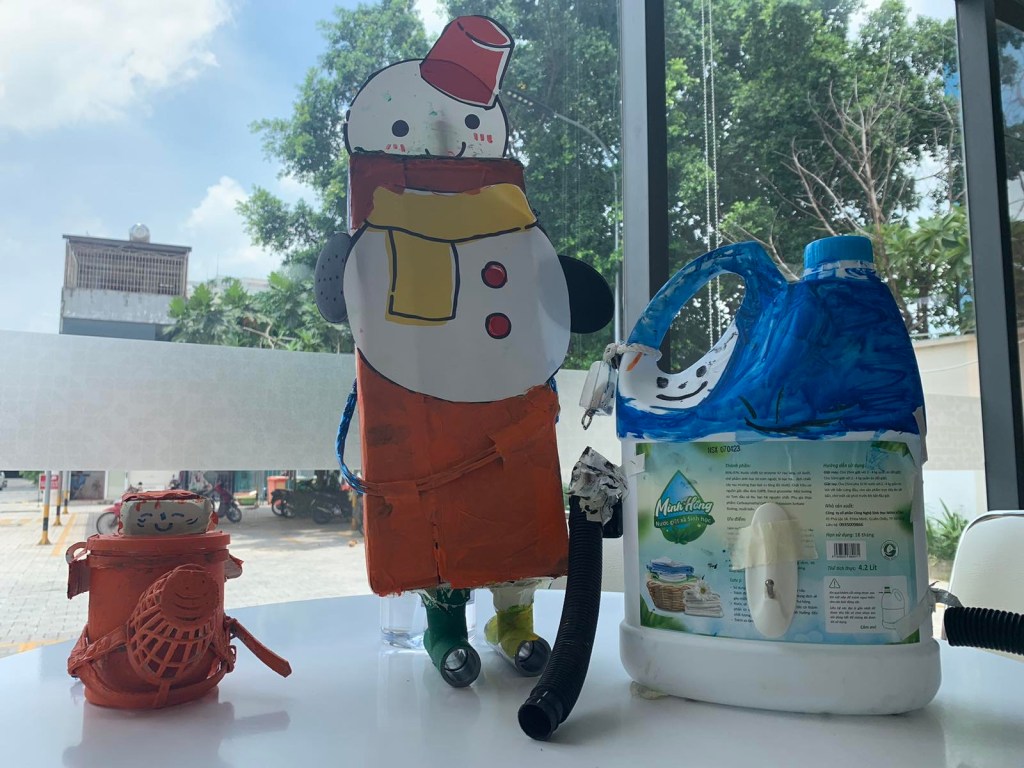
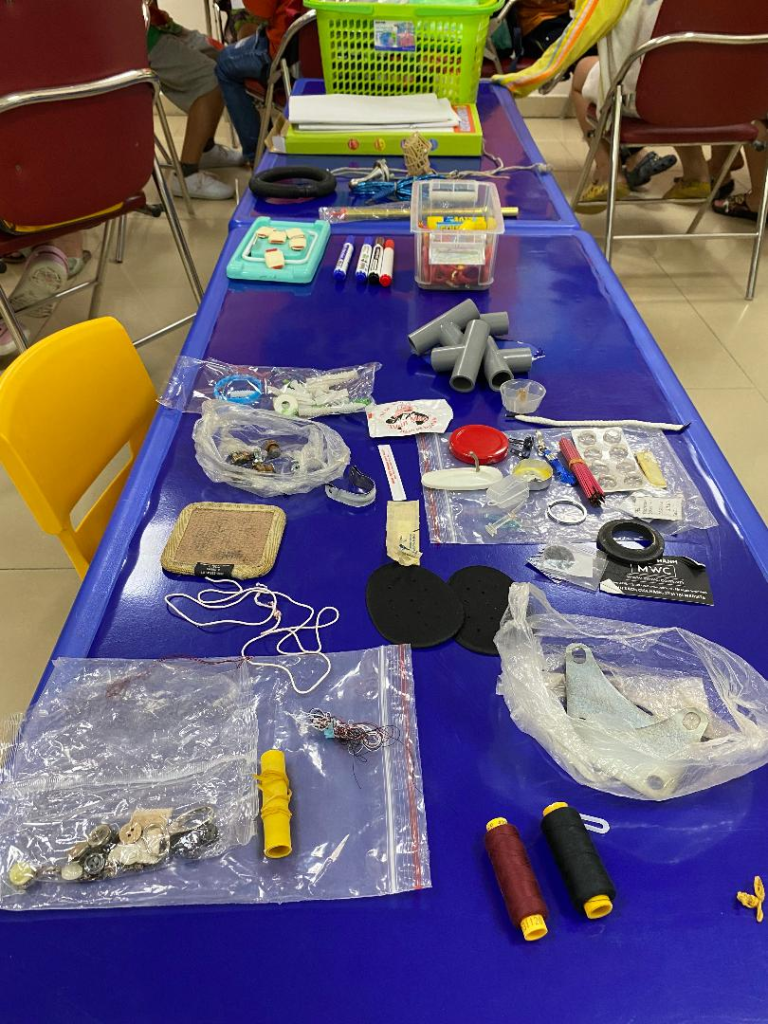
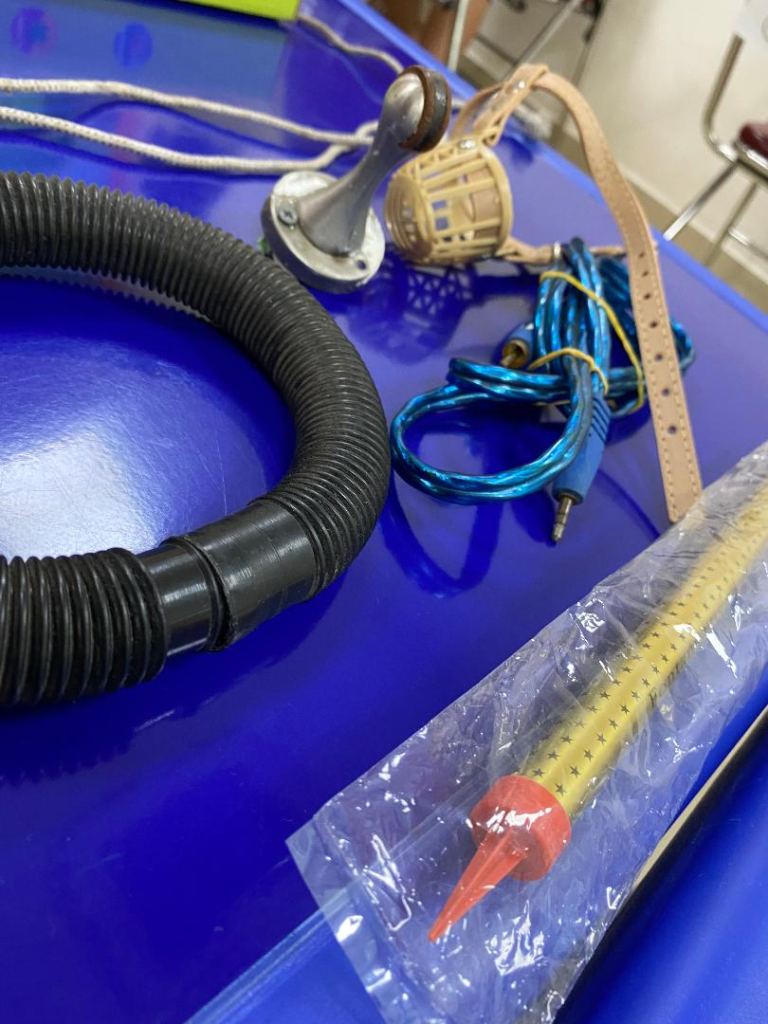
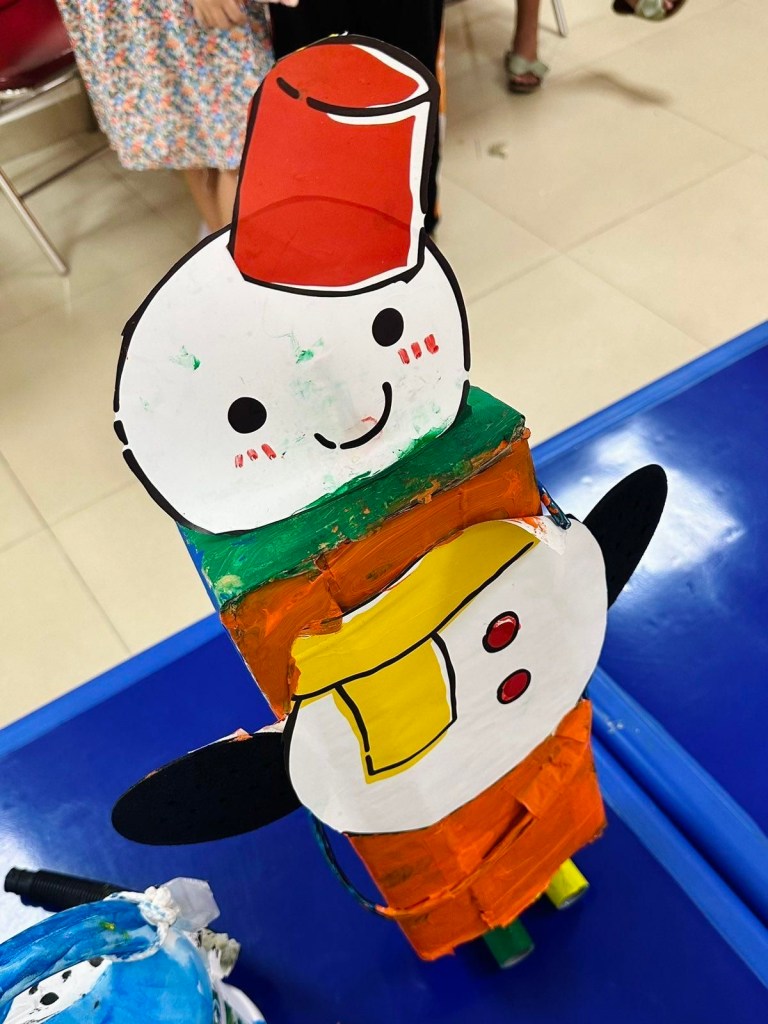
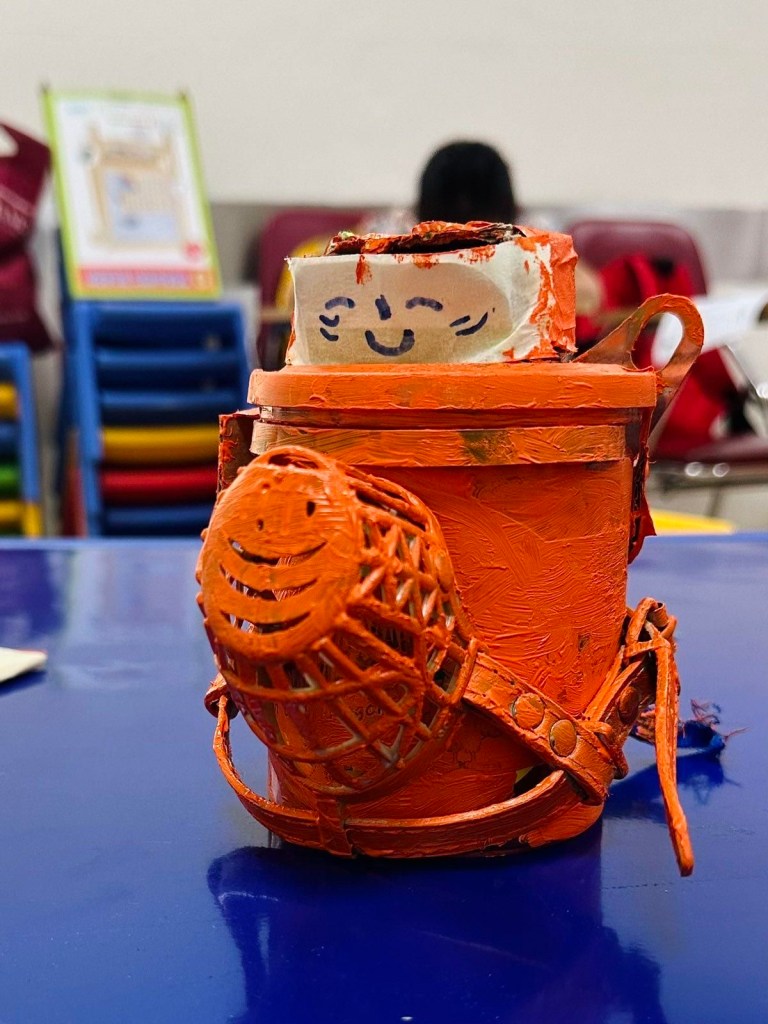
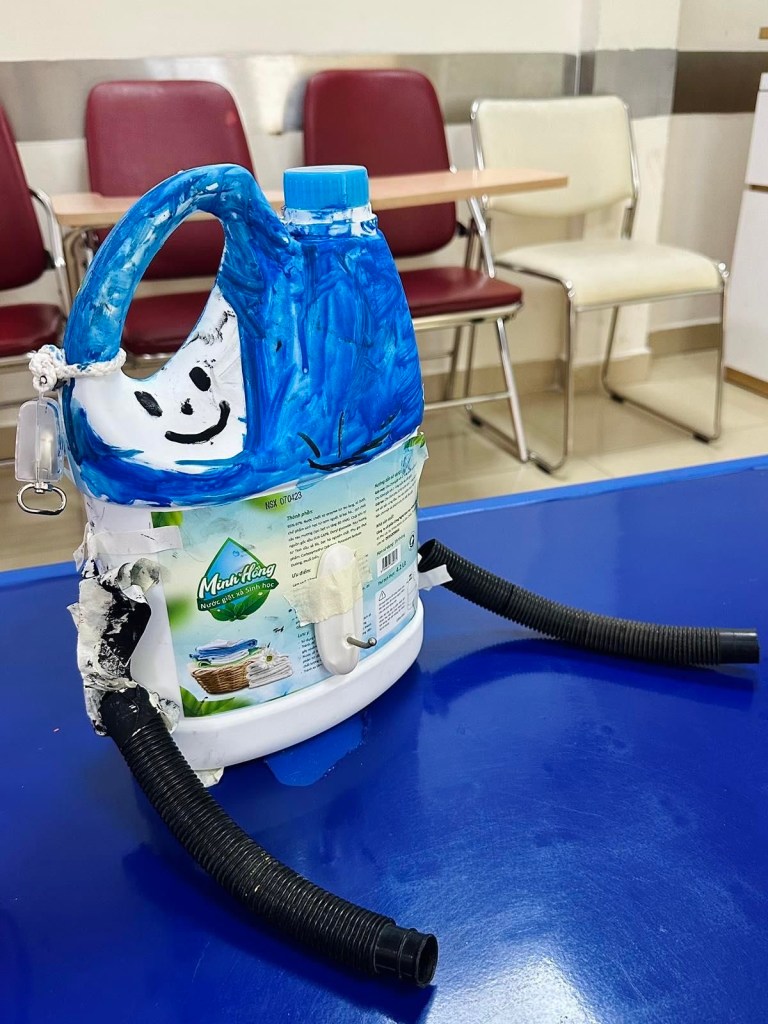
Let’s take that a step further. I searched my house for items that could be used to create three robots.

First, a main body: I used a detergent bottle, a hard-plastic container and a rectangular cardboard box.

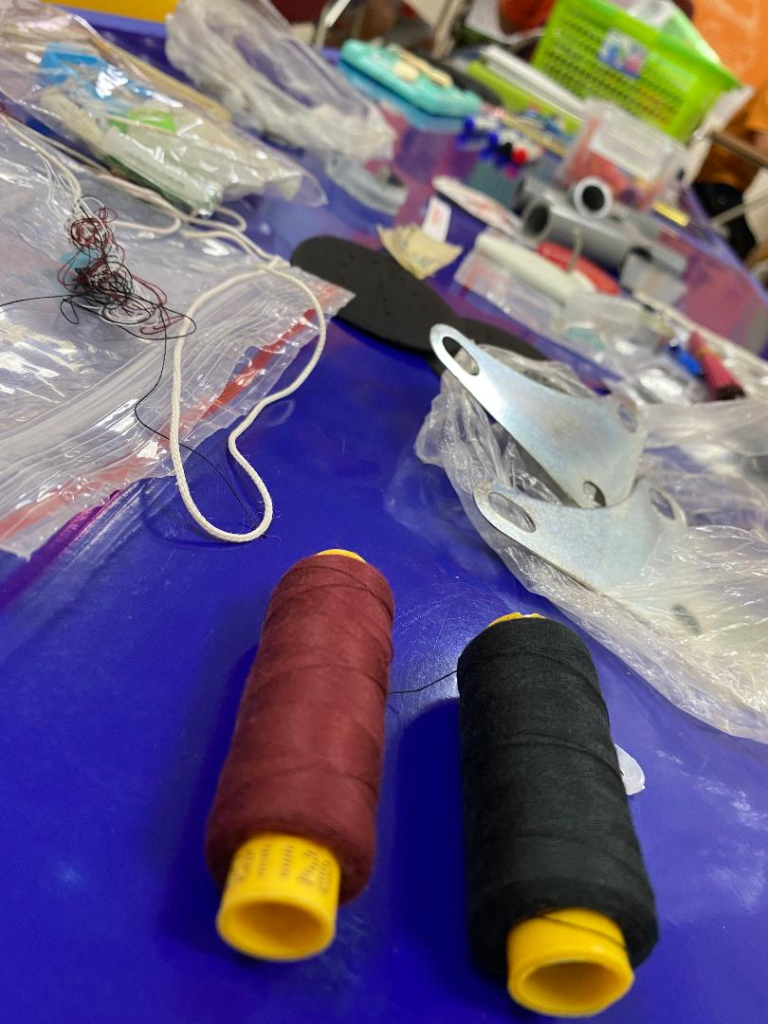
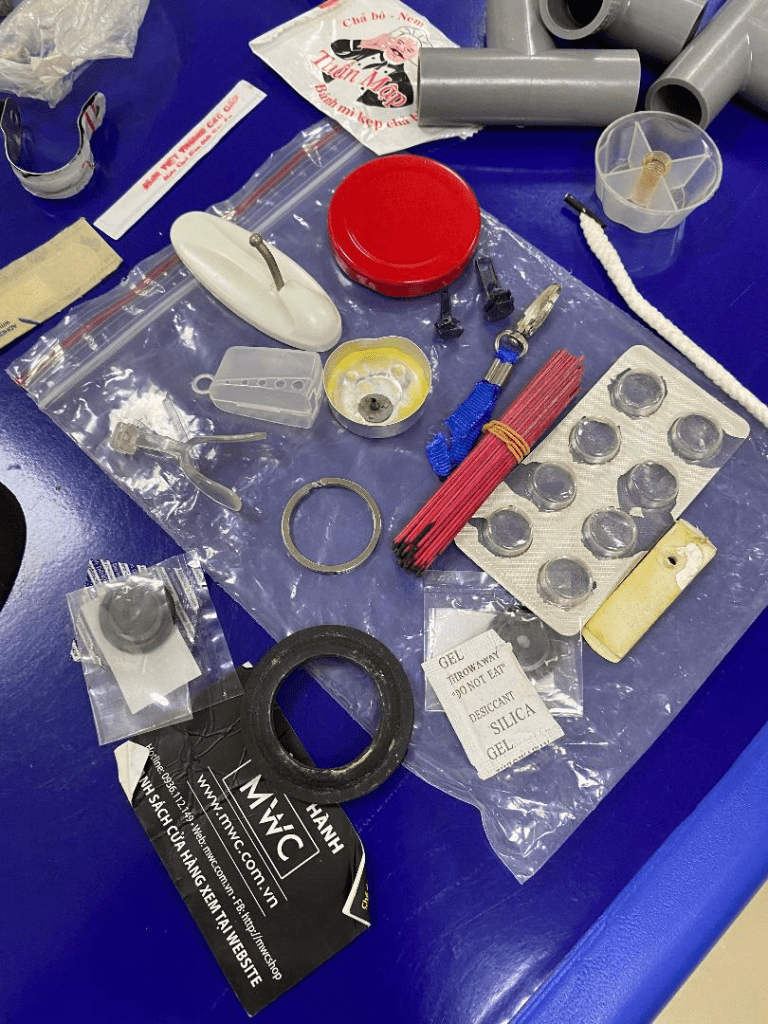
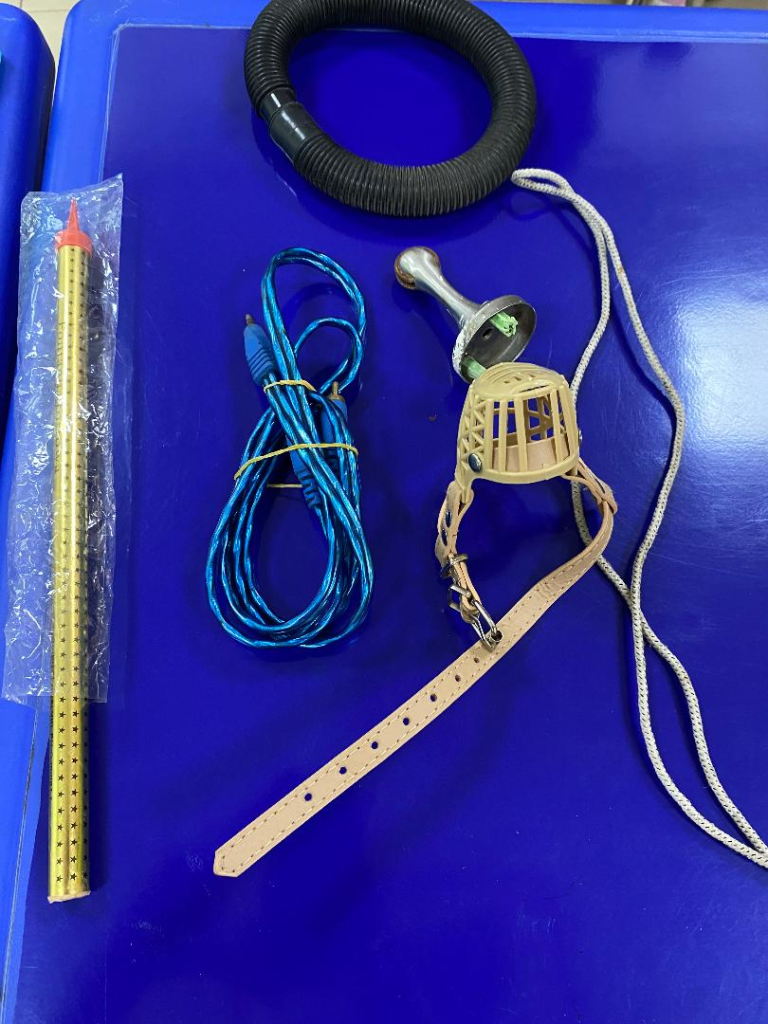
As can be seen, I found cotton, hard plastic, buttons, bangles, empty medicine blisters, food jars, adhesive handles, incense sticks, bits of old plumbing … etc, etc, etc.

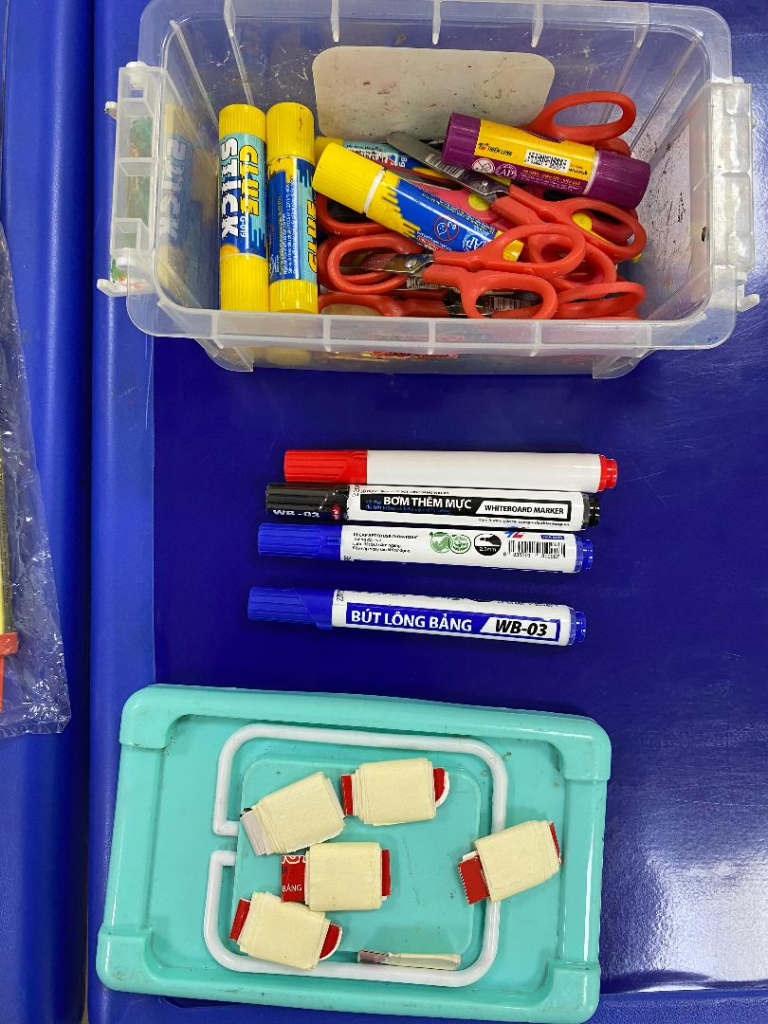
Some good old sticky tape and glue sticks, markers, scissors and crayons:

Et puis …

Maybe we have a future worker at Lucasfilm here ?

The Teleporting Penguin – A Summer School Project.

28th June 2023

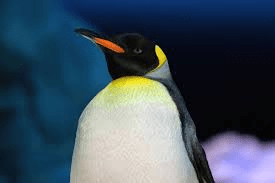
June 21st in Antarctica. The sun did not rise; it was night for 24 hours and the temperature was less than -50°C.

How do penguins keep warm ?

Percival Penguin couldn’t sleep, he had many penguin problems that kept him awake, so he went for a walk.

Penguins like walking some can walk up to _______ miles.

Really, Percival was in love with Heather Penguin and he wanted to find a lovely heart-shaped rock to give to her.

Why do male penguins give rocks to female penguins ?

However, he couldn’t see where he was and suddenly … he fell, and kept falling and falling, down and down.

When he stopped falling, he stood up and saw

“Oh la la ! Where am I ?” he cried. The night was gone, it was sunny and it was really, really hot, at least 12°C. However, there was a huge white monster. Percival was scared but curious.

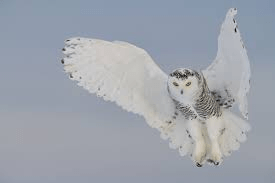
Just then, Percival saw another amazing sight – a bird that could fly ! That was impossible !

Penguins are birds but can’t fly – why not ?

“Upon my soul, what have we here ?” said the new friend.

“My name is Percival Penguin, please to meet you. Can you tell me where am I ? I need to meet my Heather.”

Just then a new friend appeared and asked, “Does your Heather wear leather in hot weather or only feathers ?” This was Di O’Nisiss, another strange creature.

Poor Percival was perplexed, he didn’t know where he was or who these animals were. The white bird flew down next to him.

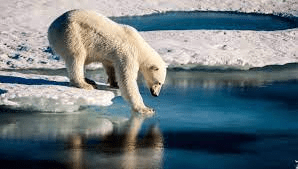
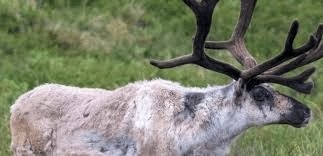
“Hello, I am Athena. I’m a snowy owl. Di O’Nisiss is a reindeer and that,” pointing with her wing, “Is Erik Polar bear.”

Penguins never meet polar bears – why not ?

“The white monster ?”

“He isn’t white, he’s brown,” corrected Di O’Nisiss

Why are white polar bears actually brown ?

“I think Percival, you are very far from home. Welcome to the Arctic. How did you get here ?”

“I’m not sure. One minute I was walking, the next I fell and fell and fell …”

“He found a teleport,” said Di O’Nisiss. “Are you hungry ?”

“Oh, yes, I would love to eat some ______ ”

What do penguins eat ?

“Shall we go for a swim ?” Percival asked Athena.

“A swim ?” replied Athena, “Are you loco ? Birds don’t swim they fly”

Percival was very confused.

“What a crazy place ! Birds fly but don’t swim, white bears are brown, night is day, cold is hot. Everything is upside down.”

“Well,” answered Athena, “Everything IS upside down. Let’s get some lunch then we will tell you all about the Arctic … and you can tell us about the Antarctic.”

NOW … your turn

Finish the story. You may write and draw a comic if you wish. How does Percival get back to the Antarctic and does he find a rock for Heather.

First some facts you need to include:

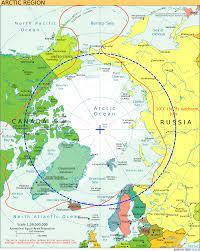
The Arctic is sea surrounded by land.

The Antarctic is land surrounded by sea.

  North Pole  South Pole
Where?  At sea – 700km to nearest land  Inland – 1,300km to nearest sea
Height  Up to 2m above sea-level  2,835m above sea-level
21st June  Midsummer, 24hr. light  Midwinter, 24hr. dark
21st December  Midwinter, 24hr. dark  Midsummer, 24hr. light
Is there a physical marker  No, it would drift off in a few hours  Yes, moves 10m a year
Temperature  +13°C to -43°C  -12.3°C to -62°C

Source: https://www.coolantarctica.com/Antarctica%20fact%20file/antarctica%20environment/antarctic_arctic_comparison.php

The Arctic region contains plains, mountains, rivers and lakes, hills, and tundra. Tundra has no trees but lots of grass and plants, so has food for animals. Antarctica is 98% ice. 

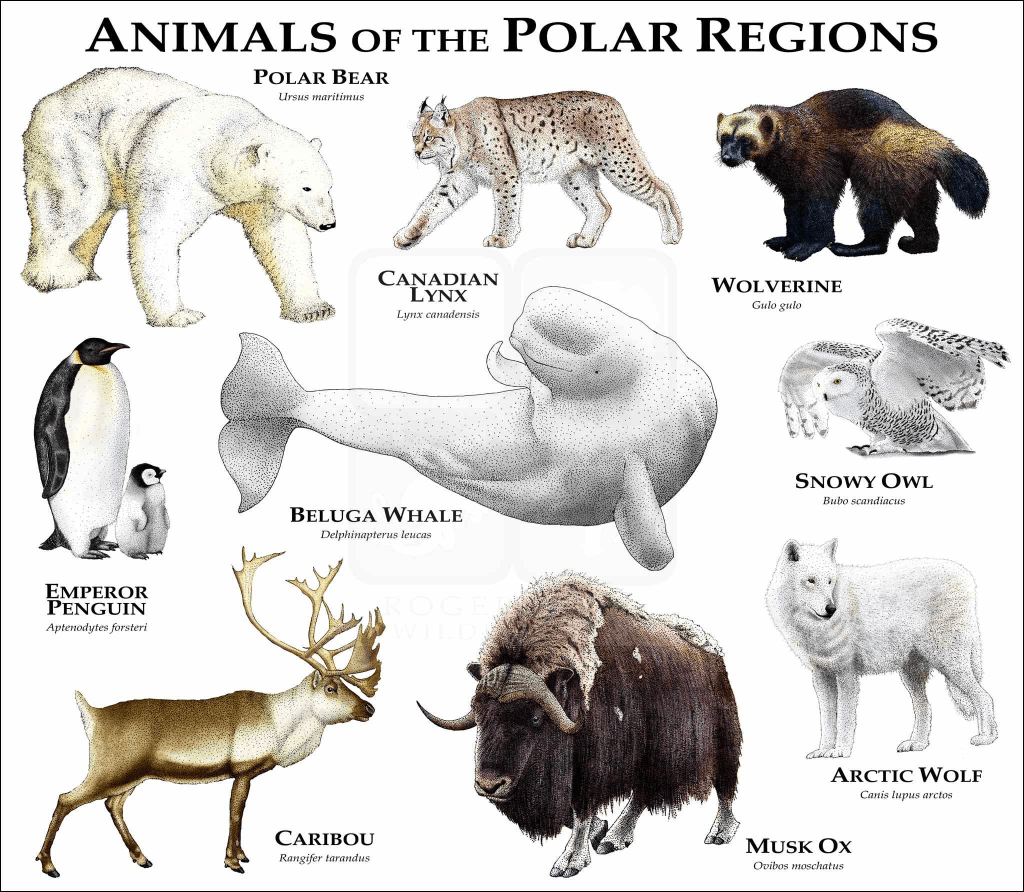
The Arctic has many large land animals including reindeer, musk ox, lemmings, arctic hares, snowy owls, squirrels, arctic fox and polar bears. The sea has walrus, seals and some whales.

The largest land animal in the Antarctic is an insect, a wingless midge, less than 1.3cm long. There are no flying insects. Apart from penguins, there are also seals.

About 4 million people live permanently in the Arctic region. Nobody lives permanently in Antarctica.

Please Note: All photos are taken from Google Images or free photo sites, and are used for educational purposes only. No copyright infringement or offense is intended. If I have used your photo or image, and you wish me to remove it, just ask. This site is not monetized, I run it on my own dollar. Thank you.
Thay Paul’s Video Lessons. Level 1, Video 2

9th June 2023

The second lesson for level 1 students is now available on YouTube.

Part 1 is a warm up where students shout out the letters they see.

Part 2 develops sentence-building skills. The students must say what zoo animals they see using colour adjectives

EXAMPLE

I see a black and white panda.

Some students will be able to add additional adjectives:

{angry, beautiful, big, cute, dangerous, hungry, intelligent, scary, strong}

Young Learners, Level 4. Introducing yourself

5th June 2023

The Korean actress Shin Min-an from the film ‘A Bittersweet Life’

Today’s task is to introduce yourself to your classmates. First give some basic information, then tell us what you like doing. Finally, what you would like to do in the future.

EXAMPLE

Hello, my name is John and I’m from Australia. I’m an English teacher, and I have been in Vietnam for about 2 years.

My hobbies are reading books, watching films and listening to music.

In Vietnam, I have been to Ha Noi and Hue. I was blown away by all the old buildings.

really want to visit Hoi An and Halong Bay.

{Photo from Google Images}

Maybe you want to study abroad, in London, or the US ?

about: with time. I have been studying English for about 6 months.

really: adverbs I am happy / I am really happy [stronger and more interesting]

continuous verbs: I like to read / I like reading /

Remember to use our expressions:

over the moon / I am [was] blown away

it cheers [cheered] me up