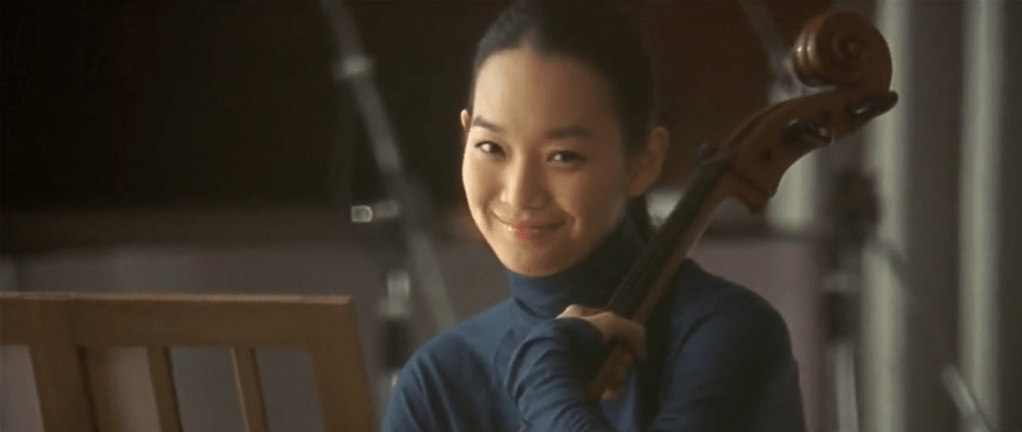
The Korean actress Shin Min-an from the film ‘A Bittersweet Life’
Today’s task is to introduce yourself to your classmates. First give some basic information, then tell us what you like doing. Finally, what you would like to do in the future.
EXAMPLE
Hello, my name is John and I’m from Australia. I’m an English teacher, and I have been in Vietnam for about 2 years.
My hobbies are reading books, watching films and listening to music.
In Vietnam, I have been to Ha Noi and Hue. I was blown away by all the old buildings.
I really want to visit Hoi An and Halong Bay.
{Photo from Google Images}
Maybe you want to study abroad, in London, or the US ?
about: with time. I have been studying English for about 6 months.
really: adverbs I am happy / I am really happy [stronger and more interesting]
continuous verbs: I like to read / I like reading /
once in a lifetime experience / never to be forgotten / unbeatable prices / book now to avoid disappointment / best decision you’ll ever make
holidays to suit all budgets , from 7* luxury to backpacking
Structure:
To begin with / furthermore … additionally / the fact is … / therefore
Demonstration with an advert for London:
Now is the perfect time to visit London, England’s glorious capital.
To begin with, the weather is perfect for walking, so you can enjoy the lush parks, world-famous museums and incredible, unbelievable shops such as Harrods, Selfridges and so many more.
Furthermore, there is something for everyone … and more ! Like sports ? Go to one of the many Premier League football games. Love shopping ?
The fact is, everything is here – shop till you drop !
Additionally, if you adore culture – soak up hundreds of years of history.
Flights from TSN airport daily. Seven-day all-inclusive package tour starting from only 50m VND ! All transfers and transport included. Air-conditioned mini bus with Vietnamese-speaking guide.
Therefore, don’t delay … book TODAY !
Sell a holiday
Advertising vocabulary and intonation
Prepare a presentation to market / sell a holiday.
Review: New vocabulary
sensational / once in a lifetime / luxury / all-inclusive / unforgettable experience / mysterious / majestic / breathtaking / visually-stunning
book now to avoid disappointment / exhilarating / world-famous
local food / new cultures / visit our website / worth every penny
fun for all the family/ the perfect getaway /
Plan a tour of your city for my friend
My friend Ethan is coming to visit your hometown
It is his first time in your hometown. He likes history, traditional food, and he wants to buy souvenirs.
Think about:
What time to start
What to do first
Logistics – how Ethan can get around the city (subway, bus, taxi, Grab or Uber)
Food – where to eat and what to choose. Remember, he only speaks English
Where to go (remember the heat OR the rain could be an issue / a problem).
I start by writing the word ‘travel’ on the board, and see how many avenues spread out from it. Start with the grammar; what type of word is it (noun) but it can be made into a verb (to travel, travelling) and the students should remember how to apply it to a person (traveller).
Then we have expressions such as ‘travel broadens the mind.’
We have this quote which introduces metaphor – the world as a book:
Then more pedestrian aspects of travel; how do we travel (transportation), preparation (booking tickets, hotels, visas etc), what do we bring with us (different clothes, sun cream, currency, sun glasses etc). How about culture shock ?
Next, what are the positive aspects of travelling (new cultures, fun, adventure, relaxation) and conversely, the negatives (delays, waiting in soulless airports, getting ripped off, tourist traps, bad hotels etc)
Pair work: students have to write a short passage using ‘although‘ and ‘despite‘ to encapsulate their travel experiences or wishes.
EXAMPLES: Although I absolutely love travelling, there are many drawbacks. Firstly, there is the cost; it can be incredibly expensive what with plane tickets and hotels not to mention having to eat out in restaurants. Despite these issues, travelling can be so relaxing or exciting, seeing new places and doing new things or simply as a break from our normal lives.
Vietnam has many beautiful towns and places of interest although I have only been to a few of them despite travel being relatively cheap in this country. We can fly everywhere within one or two hours, at very reasonable prices although some cheap airlines, such as Vietjet, are notorious for delays.
I have always wanted to visit Beijing in China which is not excessively far from Sai Gon. Despite that, I haven’t been because I am not sure about the visa and how expensive it would be to visit. Additionally, I hear some negative things such as terrible pollution and many tourist scams. Despite the drawbacks, I really want to see the Great Wall, the Forbidden Palace and all the temples. Although Vietnam and China have a complicated relationship, most Vietnamese would agree that Chinese food is delicious.
These exercises help to increase vocabulary and confidence. Furthermore, the repetition helps to make the target language part of the students’ lexical resources.
As a break from the book work, I’ll show the class a vlog from YouTube, two tourists who come to Sai Gon and what they think of the city: https://www.youtube.com/watch?v=2iw_K-1AmVk
How do the tourists feel about the city ? As residents, do you agree with the review ?
Students can discuss the video using the following language:
I agree totally // I agree to an extent // I disagree // I’m not entirely sure // No way ! They don’t know what they are talking about !
Group work: Prepare a guide to Sai Gon for tourists.
Allow students access to the class computer for Google images if required.
Include
What to see and do // where and what to eat // what to buy //
What they can do for entertainment
Travel tips
Safety and scams
Cultural differences – what should people do or NOT do in Vietnam ?
Use of interesting adjectives to describe the city centre.
Groups can then present to the class, with all students taking turns speaking. I shall be listening for relevance, pronunciation and use of expressions and discourse markers. Furthermore, I may learn some interesting tips.
My friend Andy is coming to Sai Gon
Using ‘should’ to give advice or information, make suggestions for Andy.
He loves history … what should he visit or see ?
He loves traditional food … what should he eat ?
He can’t ride a motorbike … how should he travel ?
He likes a beer a night (!) … where should he go ?
My Thai friend is coming to Vietnam:
Ms Namsum is young and energetic. She’s into (really enjoy) clubs, sightseeing and shopping.
I suggest she starts the day with a traditional bowl of pho then goes to Sai Gon centre. She can walk there from her hotel in District 1 or take a taxi (Vinasun or Malin ONLY). She will be out of the heat and has a lot of shopping choices and places to eat or grab a coffee. She could rest at her hotel in the afternoon, then go to Nguyen Hue walking street when it gets cooler in the evening. She has many restaurants in this area. Furthermore, there are many English-language menus. Finally, she can go to Bui Vien street where there are many clubs and bars, as well as many tourists speaking English.
What do they students think ? Is that a good plan ? Have I missed something important ?
Language to use:
I see your point
That’s a good idea but …
If I may make a suggestion …
I’m not sure that’s such a good idea.
For example – That’s a good idea but you haven’t thought about sightseeing.
Or
Bui Vien can be very noisy so I’m not sure that’s such a good idea for a young lady on her own.
Two of my friends, Tom and David who are both actors, are coming to Sai Gon. The students, in groups, have to arrange a fun day including sightseeing, shopping, eating and transportation. Then they have to compare their itineraries and exchange views and opinions. The students learn how to politely disagree with each and put forward their ideas and support their choices.
Tom and David
PLAN A DAY FOR TOM & DAVID
Where can they eat ?
What could they see or visit ?
How can they travel around ?
What can they buy as souvenirs ?
Where could they go at night ?
What safety advice would you give ?
What you need to know:
Both are 45-years old. They have good jobs and a good income. They like history and culture. They really enjoy good food and wine. Neither speaks any Vietnamese. They are too old for very loud clubs but they don’t mind having a few beers and maybe seeing some live music.
The students can make a presentation, and use the computer for images or maps to illustrate their plan. Then the other team can explain what they have organised, and the reasons why. I will decide which team has made the best choice.
Activity: Plan a day out for my friends.
Thay Paul with Tina and Michael.
I have two friends arriving in Sai Gon (or your city). They want a typical, authentic experience. Plan a day for them. It must include:
Breakfast
A museum
Somewhere for a snack
An interesting building or location
Lunch
Souvenir shopping
Something to do in the evening
Give tips and advice.
How do they travel around ?
What are their options and estimate the prices.
Try to use as much new vocabulary as possible, words and expressions.
Directions to Pham Ngo Lao Street District 1 // Directions to a city centre street.
Ask for help. Other must offer as much help – how to get there, the best way, the price, the dangers. Body language – distance, expression, intonation, eye contact etc
Is Sai Gon safe ?
Can you understand Vietnamese people speaking English ?
Do you agree with their points ?
Are there any words you didn’t understand ?
Do you have any bad experiences ? Tell the class your anecdote.
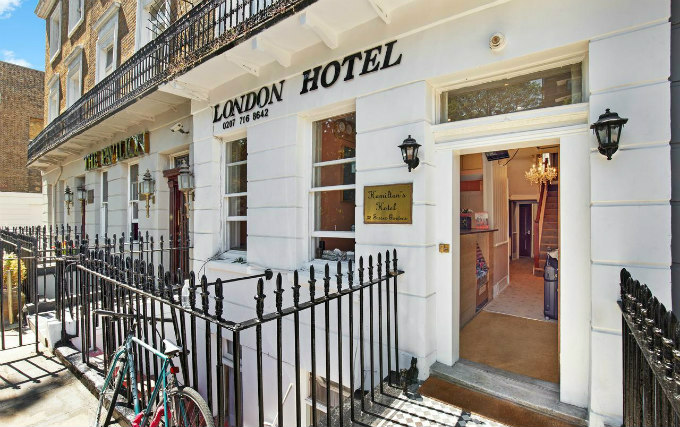
Word bomb– what do you think of when I say ‘hotel’ ?
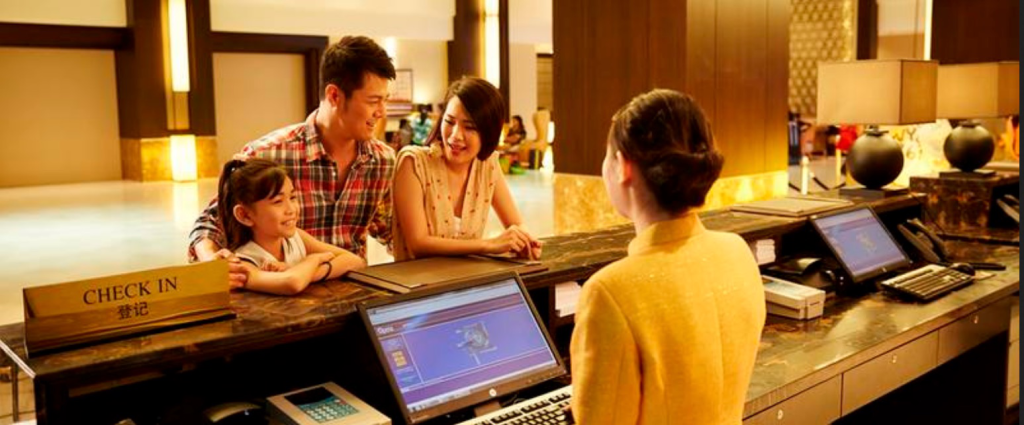
Checking in to a hotel
Vocabulary:
reception / lift or elevator / single or double room / king size bed or twins /
first floor / complimentary breakfast / key deposit / luggage storage / safe / mini bar
What would the conversation be ?
Reception: How may I help you / May I ask your name ? / Can I see your reservation code ? / That’s fine. You stay for three nights ? / May I have your passport, please ? / You’re in room 237. That’s on the second floor / Thank you. Sign here, please / Yes, the lift is just over there. / Naturally, as well as a hair dryer, coffee machine and mini bar. / Enjoy your stay.
Guest: Hello, we have a reservation / We booked a room online / My name’s ….. / Certainly, it’s on my phone. / Yes, that’s right. / Absolutely. / Correct. / Just a second; here you are./ Is there a lift ? / The second floor ? / Is there a safe in the room ? / Perfect. Thanks very much
Make a conversation. One student will be the reception, the other(s) a guest or guests.
Write your own conversation
You are in a hotel bar and you meet another guest. Start a polite conversation, but you have to use your English.
Greet each other
Why are you in this city ? (holiday or on business)
Offer to buy a drink (accept or decline – maybe you don’t drink alcohol)
How long are they staying ? What do they think of the hotel ? What can they do in the area around the hotel ?
Small group work
You are two married couples who meet on a tour and are staying at the same hotel OR you are on a business trip and meet some other business people.
Use the following sentences, as well as your own, to make a conversation. try to keep speaking for as long as possible by using small talk techniques (oh, really / that’s interesting / tell me more / what do you do exactly ? / where is that ? / Sounds interesting)
My wife and I are delighted to meet you
Shall we go to the bar or cafe ?
Can offer name first (I’m Simon, what’s your name ?)
Would you fancy a drink … ?
Is there anywhere special to do here ?
Sorry, I have to get my head down, it’s been a long flight (I need to sleep).
My colleague and I were going out to eat.
I fancy a beer or something alcoholic
Oh, I’m sorry, I didn’t ask where you are from.
Reasonable (cheaper)
Would you like to join us ?
Peckish (little hungry)
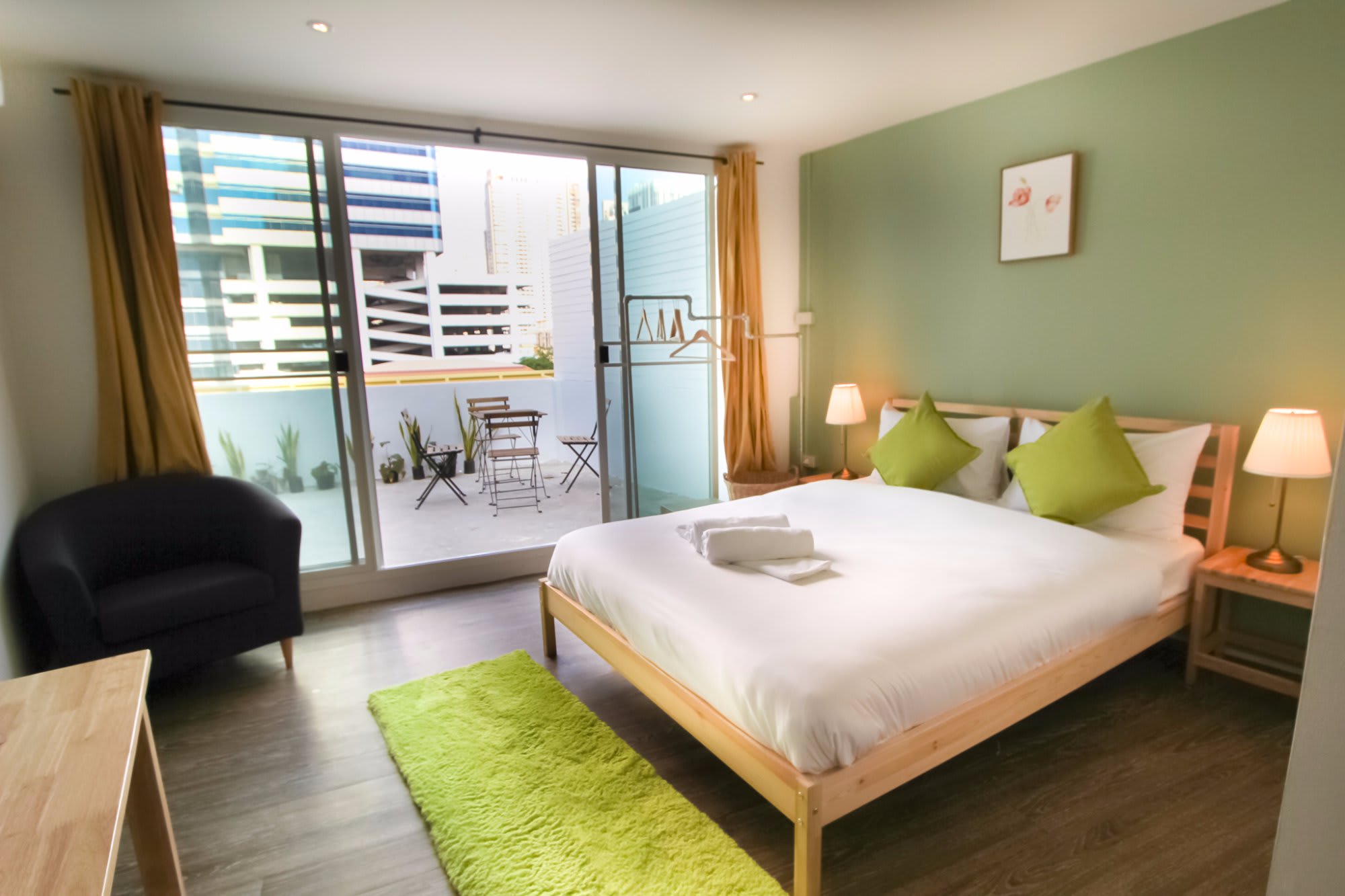
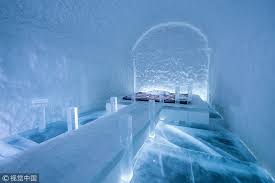
What do you think of these hotel rooms ?
What do you think of the design ?
Would you like to stay in any of these ? Why, or why not ?
This level of English is for students who live, or plan to live, in English-speaking countries.
I advise my students to learn Standard English, as that will help them to communicate with other non-native speakers. Clarity in both pronunciation and meaning is paramount (of most importance).
However, that is NOT how everyday people speak in everyday situations. Therefore, here’s a set of examples and new vocabulary that you will need. Furthermore, you will feel more confident, using the language and vernacular of those around you.
Dialogue practice
phrasal verbs / collocations / idioms / adverbs
vocabulary:
fond – to like something.
more than likely = very probably, about 90% sure.
sip – to drink a very little.
rival – competitors
A: Hi, how’s it going with you ?
B: It’s going incredibly well today. I want to celebrate. Fancy a beer ?
A: I’m not so fond of beer, I prefer coffee. How does that sound ?
B: Brilliant ! Highlands or Coffee bean ? Which one ? I can’t make up my mind.
A: Is Highlands far ? They are Vietnamese, a rival to the American company.
B: It’s quite far. We ‘ll have to take a taxi. More than likely it will rain.
A: Let’s get a move on before it rains cats and dogs.
B: Too right ! We’ll have to give up getting a taxi once it rains. Let’s go !
At the coffee shop
A: Watch out! The coffee’s incredibly hot. Just sip it. What are you up to now ?
B: Just texting the office. They seem rather busy.
A: You should take a break. Tell them to just do their best.
B: Hold your horses… there ! Finished. Piece of cake.
A: You want some cake ?
B: No, hahaha. ‘Piece of cake’… means no problem. Having said that …
A: Right ! The cakes look amazingly tasty. Shall we … ?
They buy two gloriously large cakes
A: Let’s dive in ! Wow … I must admit, this is remarkably good. How’s yours ?
B: I think it’s too big for me. Let me try some … oh, blimey, that’s awful !
A: Yes, afterwards, we’ll need to work out.
B: A minute on the lips, a lifetime on the hips !
A: Do you have a minute ? I’d like to go over something with you.
B: Sure, what’s on your mind ?
A: Which video do you think is better for the students ? We need to inspire them.
B: This one looks good … oh, hold on … the vocabulary is very difficult … good !
NOW … YOUR TURN
Write a short dialogue scene about planning a holiday
An extended scenario that can be used for three speakers, or two, whatever the class needs. Here, a student goes to an expensive private language centre to enquire about course requirement and prices.
You will notice a lot of idiomatic speech as well as expressions. These are designed to show you how to use them in everyday conversation … have fun !
Dialogue Practice
A student comes to the office to get some information about courses
Objective: practice expressions and pronunciation of contractions.
Student Good evening, I’m looking for an English course
PEC 1 You’ve come to the right place !
PEC 2 How may we assist ? What exactly are you looking for ?
Student Well, I’d like to improve my pronunciation, as well as my grammar.
PEC 1 Seems to me that you are already quite good at English.
Student You’ re most kind, but one can always better oneself.
PEC 2 We’ve an interesting class starting soon … it’s upper-intermediate.
Student Yes, I’d prefer to hit the ground running. When does it start ?
PEC 1 Hold on, let me check …..
telephone rings
PEC 2 Hello, PEC … oh, hold the line please, she’s busy. OK, she’ll call back soon.
PEC 1 There’s a class commencing the day after tomorrow .
Student Or maybe a private lesson ?
PEC 2 I can check … bear with me … yes, with teacher John. He’s passionate about teaching.
Student Sounds good. May I ask the fee ?
PEC 2 Certainly …. she writes the price down on paper and hands it to the student.
Student Blimey ! I’ll have to think it over and get back to you. I must work now.
Present perfect I have been to Ha Noi / I’ve been to Ha Noi
Idioms and expressions – bucket list
A: Hello, how’s it going ? Long time no see.
B: Yes, I’ve been in Ha Noi.
A: Amazing ! I want to go. I’ve never been there. It’s on my bucket list.
B: Really ? You must go, the food is great.
A: I’ve heard the people are not nice.
B: They are not the friendliest people in the world, but they are not so bad.
A: What were you doing there ?
B: Knocking on doors ! I had interviews for new companies.
This conversation is more complex and features more idioms and expressions
A: I’m sick of my job ! I need to change.
B: I’ve also been on the lookout for a new job. My job is so tedious !
A: Mine too. Same thing, day in, day out. But … it’s a job. Oh, Tom was fired.
B: No ! Why ? I’ve known him for a long time.
A: He was cooking the books.
B: You’re pulling my leg !
A: Yes ! Really, he went to Boston. He’s got a new job.
B: Good for him ! Now we should go to Boston.
cooking the books = writing false numbers in the accounts – a serious crime
You’re pulling my leg ! = joking with me
Downtown Boston, a very historic US city
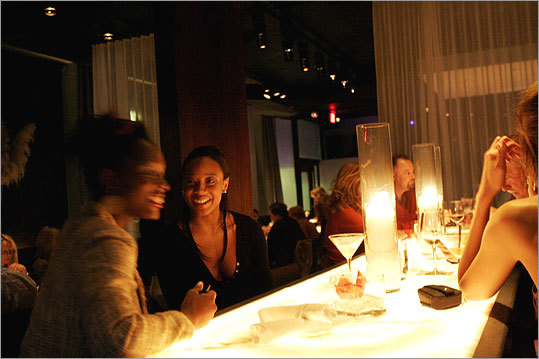
A night out in Boston
Now, a quick customer service dialogue:
US restaurants serve LARGE portions
Speaking practice:
Try acting this out in the classroom, encouraging body language and appropriate intonation.
Café worker: Next, please! What would you like? Andi: Can I have a burger, please? Café worker: A cheese burger or double cheese burger? Andi: Double cheese burger, please. Café worker: Anything else? Andi: Yeah, I’d like some banana cake. Café worker: Would you like a drink? Andi: Yes, can I have an apple juice, please? Café worker: OK, so that’s one double cheese burger, one banana cake and an apple juice. What’s your table number? Andi: Table 3. How much is that? Café worker: That’s £8.37, please. Andi: Here you are. Café worker: Thank you … that’s £10.00 … and £1.63 change. Next, please …
As always, I use these exercise to introduce idioms and expressions, as well as demonstrating how adverbs and adjectives can be used in everyday conversation.
Speaking practice:
Pat Well, I’m exhausted. I need a damn fine cup of coffee and a big piece of pie.
Sam There’s a Highlands over the road, or we can go to Coffee Bean or Milano.
Pat I’d prefer Tran Nguyen but it costs an arm and a leg. Highlands is also incredibly expensive.
Sam But great quality and superb cakes. Come on, I’m starving, I need coffee now !
Pat OK, hold your horses hahaha. After we can meet up with Thay Paul.
Sam Sounds good. Now … shall we have chocolate cake or fruit cake … ?
costs an arm and a leg = very expensive
hold your horses = please be patient and wait
Inside Highlands
Highlands Coffee, a Vietnamese coffee chain
Sam Hi, I’ll have a large cappuccino, please. What do you fancy ?
Pat Tough decision. I’m going for the cheesecake and a slice of blueberry pie.
Sam Oh, me too. Big slice, no, only joking, I have to watch my weight.
Pat I think you look great. Lets also get some chocolate cake and we can share.
Sam Brilliant. Oh, did I show you my recent photos ? Here, on my phone.
Pat Let me see … oh, so funny. Who’s that ? The man next to Niall ?
Sam That’s Jimmy, he’s in Niall’s band. He plays drums and drinks like a fish !
Pat And that’s you, a selfie. You look adorable. Butter wouldn’t melt in your mouth !
A very sweet young lady – butter wouldn’t melt in her mouth
drinks like a fish = drinks a lot of alcohol
Butter wouldn’t melt in your mouth ! = looks very sweet and nice … but can be very naughty
Don’t invite him to your party – he drinks like a fish !
A sample of different speaking situations to help you practice:
Past simple
Idioms
Picture description
Going to a bank
Coffee shops
Talking about your children
Easter in UK
Simple Past
To kick off, two friends, Kim & Lyn are catching up, asking what they have done recently.
Kim Good evening, how are you ?
Lyn Very well, thank you. Long time no see.
Kim Yes, I’ve been out and about.
Lyn Really ? What did you do ?
Kim Well, I found agreat restaurant in District 1. I went there with Peter and Jenny. We tried food from England.
Lyn Yes, I heard about it. I got an email from Mary. What did you eat ?
Kim We ate roast beef and potatoes, and drank lots of hot, sweet tea.
Lyn Wonderful! Did you try the beer ?
Kim You know beer’s not my cup of tea !
Lyn How about Peter ?
Kim Oh, my goodness, he drank so much. He nearly fell over. What he didn’t drink, Jenny finished off.
Lyn I didn’t know she drank.
Kim She drinks like a fish. I spoke to Mary as well. She went to Thailand and brought back some gifts. The children loved them.
Lyn She is very sweet. I began to write her an email but then Peter phoned me. Would you like some tea ?
Kim Oh, now you are like an Englishperson.
Lyn Certainly !
Idiom: bear with me = wait a little time / a few minutes / a moment
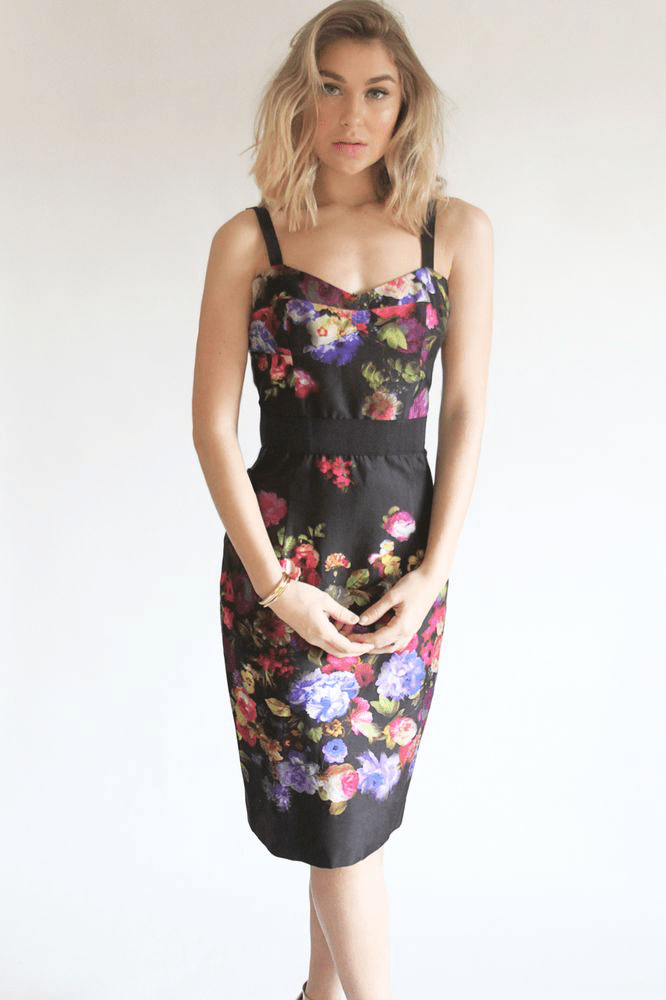
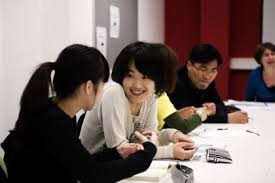
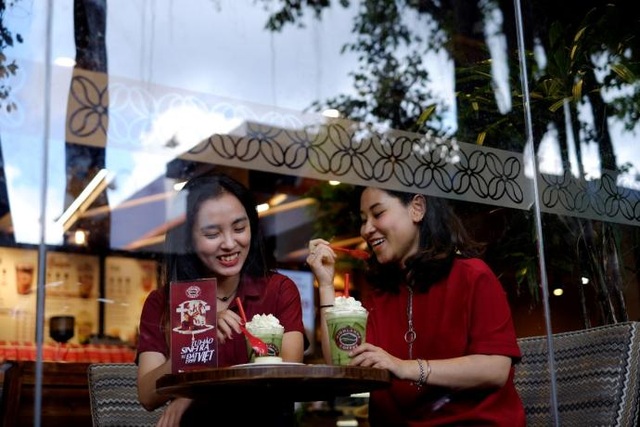
Describe what you see in this photo. Use as many adjectives as you can.
I notice a lack of adjectives and adverbs in my students’ speech; they are able to complete abstract exercises, but I want to hear them incorporate what they’ve learnt into everyday talk, a natural feature. Therefore, the best way is practice … and practice.
Tell me what you see in the above photo. Adjectives can apply to what YOU think of the ladies (beautiful, gorgeous, plain, ugly), their age, origin, size, hair, clothes. However, I want to hear sentences.
Example: The gorgeous young Asian lady with the long black hair, is wearing a cute floral dress
(floral = flower pattern)
Now, verbs … describe their actions
Subject first; do NOT start with ‘She,’ or ‘They.’
Where are they ? What are they doing ? What have they been doing ?
How are they dressed ? How do they look (emotions)
What do you think they are talking about ?
Conversation practice Bank
Two friends are in a coffee shop
Cath This is a great cup of coffee ! Ok, what shall we do next ?
Di I have to run to the bank. I need to deposit some money.
Cath Good idea, I want to use an ATM. I also need to buy some dollars.
Di You can check the exchange rate at my bank. It’s not far, we can walk.
Cath Oh, I love your earrings. They are so cute. Mine are so ordinary !
Di No, yours are sweet. Mine look valuable but they are fake.
Cath Really ? They look amazing. A very unique design.
Di So kind. OK, have you finished your coffee ?
Cath Bear with me … oh, no … it’s started raining cats and dogs !
How many adjectives can you see ?
Speaking practice:
Pam Your daughter is gorgeous. Like an angel. She looks like you.
Uma Yes, but she takes after her father. She is very grumpy when she’s tired or hungry.
Pam My son is usually very good, he sleeps like a log, but now he’s teething.
Uma Ahhh, poor little thing but it will pass. Does he still keep you up at night ?
Pam Well, a little but not too much. I give up reading or watching films.
Uma I get it ! We have a reading group. Sounds good ?
Pam Hmmm … let me think about it and get back to you. OK, I must run … bye.
Speaking practice:
Bea What a day ! It was non-stop. No time to think. I need some coffee
Lyn Here you are. Tell me all about it, from start to finish.
Bea Firstly, I overslept, so I had to jump in the shower and skip breakfast. I was grumpy.
Lyn You ? No, you are always so sweet. Nearly always haha.
Bea Then I nearly got into an accident with some stupid Grabbike man.
Lyn Oh, some are so nice but others are total idiots !
Bea Exactly. Afterwards, my computer crashed at work and my boss yelled at me
Lyn What a terrible day. Now you need some coffee and a big piece of pie.
Speaking practice:
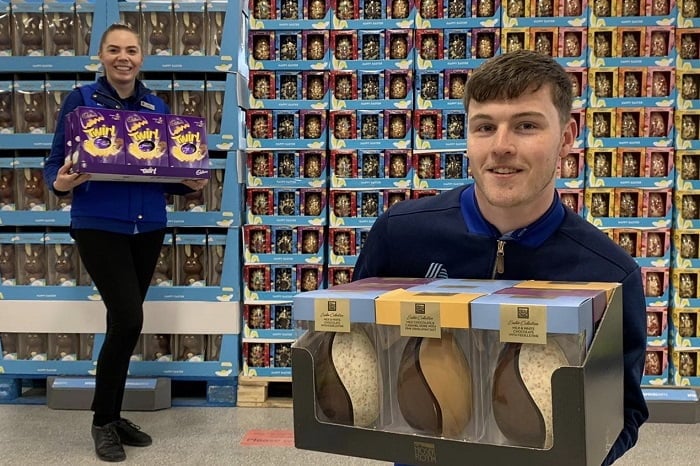
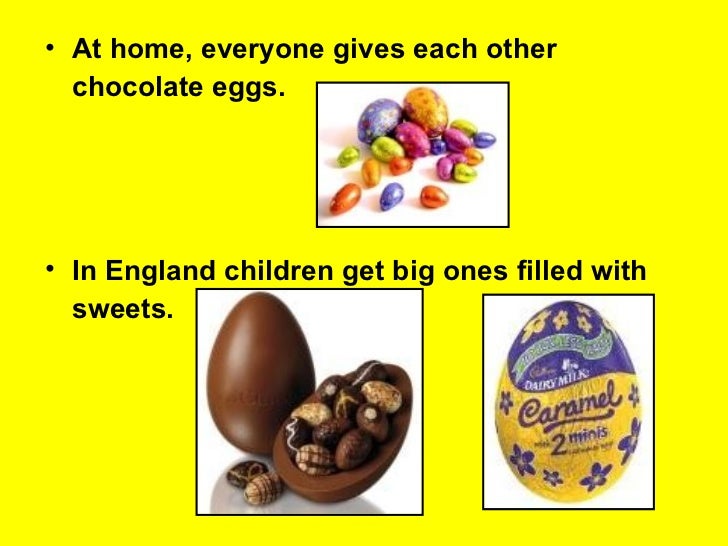
Nina Have you seen this western tradition ? They give chocolate eggs at Easter.
Eva Are you serious ? I adore chocolate. Who gives them ?
Nina Well, parents give to children, husbands give to wives, boyfriends to girlfriends.
Eva I haven’t seen them. Can you tell me about them ?
Nina Sure, it’s a large piece of chocolate shaped like an egg.
Eva I like the sound of that. A giant chocolate egg, sounds like heaven.
Nina That’s only part of it. Inside the egg, there are more chocolates.
Eva Ok, next year I am going to England. I will eat like a pig. A chocolate pig !
Today’s theme is the use … the correct use … of discourse markers.
Furthermore, speakers MUST NOT say ‘like’ or ‘kinda’.
It is a pet peeve of mine to hear people interrupt the flow of a conversation with the unnecessary and incredibly irritating application of the word ‘like’ as a … totally incorrect … discourse marker [or discourse particle]. To illustrate, at a previous centre, a centre with a very prestigious reputation, I heard some US teachers say the following:
“I went out last night and had, like, two beers.”
“Are you looking for, like, an apartment
This filters down to the students, some of whom deliberately say ‘like’, because they think it makes them sound American and cool. I correct that misconception; it makes them sound that they are unable to complete a simple sentence. When I notice this as a problem, I tell the student to listen to themselves and count how many times they use ‘like’ erroneously.
And so, to work …
Practice how to speak fluently and with the correct use of linking words. For example:
however // having said that // although
firstly // following that // after that // and then finally
Just a minute
Students must speak for a minute with no deviation, hesitation or repetition.
Students can select a subject and then ask another student or team to speak for a minutes. Otherwise, choices could be:
books // local food // foreign food // clothes shopping // music // siblings //
Speaking Test
You meet a fellow traveller at the airport when your flight is delayed. Make small talk conversation including idioms and expressions.
To make this more of a competition, award two points for every idiom, one for every expression, and additional points for discourse markers.
Topics can be:
Talk about the flight. How bad the airline is, frequently late. Do they fly often ?
Introduce yourself. Why are they flying ? Business or pleasure ?
Ask about work – do they like it ? Where do they work ?
Ask about family … but not too personal
Ask about where they live
REMEMBER to react, and to use stress and intonation.
Oh, really // how interesting // tell me more // where is that exactly ? // Oh, right // Me too ! // I had a similar experience //
Conversation practice
You have plans to go to a new restaurant but one of you can’t make it because something turned up. Apologise and give the reason why you must change the plan. Offer alternative suggestions.
Example:
Hello, Sharma ? I’m so sorry, I can’t make it tonight.
Sharma will ask why. Give your reason
Have to work late // family member is ill // have an exam tomorrow // missed bus // not feeling well // have to attend a family event //
Activity 2
In the UK we try to hide our emotions, keep a stiff upper lip, but sometimes people can get angry. Repeat the exercise, but this time, the person waiting is in a bad mood.
Now the person waiting does not accept your excuse.
This the the third time you’ve cancelled ! // I’ve already been waiting 30 minutes // You only tell me NOW ! // I don’t care, get here now or never call me again ! //
How could you apologise and offer to make it up to her ?







































 Thay Paul's Notes