Tonight’s subject is relationships, and the book work seems well-balanced, with vocabulary, listening and speaking exercises. However, this is quite a strong group and appear motivated. With that in mind, I push them to learn more, in order to prepare them for their next class, which will be the quantum leap into IELTS.
However = discourse marker, better than just saying ‘but.’
With that in mind = expression meaning ‘because of that.’
in order to = to help for the future – I am learning Vietnamese in order to speak to my students.
quantum leap = massive (very, very large) jump forward or progression
Bearing in mind that Vietnamese operate on ‘elastic time’ (a polite way of saying the students turn up in dribs and drabs, ie, ten, twenty or thirty minutes late), so I can’t start any serious teaching until the whole class is present. Therefore, I use some warm up activities.
Egyptian students preparing for their lesson
Warm Up: Call My Bluff.
This is a vocabulary-building exercise. I introduce a new word, then give three possible definitions. Students have to deduce, or just guess, the correct meaning.
1. Ubiquitous
– adj means something that is very common, everywhere
– noun equipment used in scuba diving
-name used towards close friends or family
2. Significant
– noun a small built-in safe in a hotel
– adj something very special, different or important
– verb to paint Chinese or Japanese characters with great care
3. Consequently
– adverb discourse marker meaning because of that, this happened
– noun a person who cheats other people to get more money
– verb a type of pass in football that leads to a goal being scored.
4. Extrapolate
– noun a chair used by a dentist, that can be lowered or raised
– verb to get only important information from a lot of text
– adj something made from different materials or many different colours
Then students have to write four sentences using the new words, as well as trying to repeat them throughout the lesson.
I’m not going to give you the answers – look up the definitions yourself, it will help you to learn.
Warm Up: What is the name, to you, of …
What is the name of your mother’s husband ?
What is the name of your mother’s sister ?
What is the name, to you, of your mother’s brother’s son.
What is the name of your father’s mother ?
What is the name of your father’s mother’s father
Next stage is sentence building:
I am from London. It is an expensive city.
To combine these pieces of information, we use the relative pronoun ‘which‘:
I am from London which is an expensive city.
We replace the pronoun ‘it’ with a relative pronoun ‘which’ and create a longer sentence. This skill is important / vital / imperative to attain a good IELTS score.
Try these:
Kimmy is from Tokyo. It is very crowded.
Tony is from New York. It is a vibrant city.
Scott wants to visit the War Museum. It is in District 1.
Lisa teaches in Beijing. It is the capital of the PROC (People’s Republic of China).
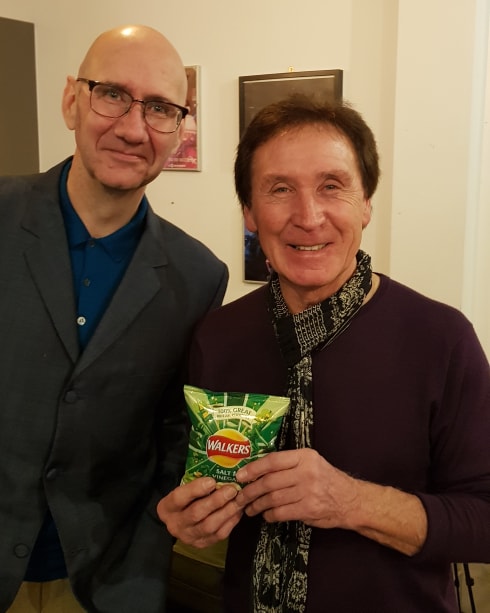
Moving on … My friend
Peter on the left, with famous drummer Kenny Jones
When we link information about a person, the pronoun, ‘he’ or ‘she’ is replaced by the relative pronoun ‘who.’
On the left is my friend Peter. I met him in 2010. I met him in London.
On the left is my friend Peter, who I met in London ten years ago.
On the left is my friend Peter, who I met in 2010 in London.
Try linking these: Remember to replace ‘he’ and use ‘who’ but you have to change the sentence.
Peter is Irish. He was born in Dublin // Peter, who is Irish, was born in Dublin
Peter loves music. He can play saxophone, keyboards, guitar and bass.
Peter is 40 years old. He is bald, and wears glasses.
Peter plays bass. He has a video on YouTube.
Peter is with the drummer Kenny Jones.He played in The Small Faces in the 1960s.
Be careful with the last one. The pronoun ‘he’ is about Kenny Jones.
Be careful with the next two. We only need ONE relative pronoun:
The drummer Kenny Jones.He played in The Small Faces in the 1960s. He is withPeter.
The Manager Mr Smith. He is from Australia. He is going to travel to Mexico.
The manager, Mr Smith who is from Australia, is going to travel to Mexico.
Students, working in pairs or small groups, must come up with a storline for these couples.
Describe these two people. What are they wearing ? What are their personalities ? What do you think they do ?How do they meet ?
Be creative and feel free to use dialogue.
How do they know each other ?
What will happen when they meet ?
Will they get on ?
Will they have a terrible time ?
How about these
How do these two know each other ?
Try to invent an interesting, fascinating story line. Maybe they haven’t met since there were born ?
Now, let’s get creative:
Write a short story using dialogue and adjectives.
MOTIVATION: why do the characters do what they do ?
PLOT: what happens … and why ?
CHARACTERS: make sure each one is an individual and speaks differently.
Ideas:
Where do they meet ?
How do they meet ?
How do they know each other ?
What do they think of each other and how do they express it ?
EXAMPLE:
Boram, a young Korean lady, is at home getting ready to go out. She has put on her favourite white and pink dress and, with her lucky pink bow in her luscious chestnut hair, looks absolutely stunning.
Today she is going to meet her cousin who is coming to Seoul for the first time. Boram needs to practice violin, because she plays in the university orchestra and they have an important concert coming up, however, she is concerned about her cousin getting lost in the big bewildering city. That is typical of Boram, always putting other people first. She is a very sweet and thoughtful caring lady.
[In the first sentence I named the lady – Boram. Therefore, we can use a pronoun – she – because we know the subject]
This listening is quite hard, but the website allows you to pause and replay, as well as seeing the text.
New vocabulary: attractions – famous sights, places to visit
guide – a person to show you around a building or area.
fantastic – adjective meaning very good
I’m sure that .. – to be certain or to be 100% . I’m sure that it will rain today.
not my cup of tea – idiom meaning I don’t like it / it’s not my interest
What would you like to see in London ?
What do you think of … ?
New vocabulary
exciting / interesting / stressful / expensive / scary / historic / crowded / exclusive / unmissable / world-famous / intimidating / not my cup of tea (not what I like) /
From the top = to start at the beginning.
As you can see
Tourists at The British MuseumOxford Street for shoppingDocklands, a new financial district with expensive housing Street food in LondonA walking tour, with a guide, around old London
Job – // What do you do ? // What line are you in ? // where they work
where they live
how long they have lived there (present perfect)
are they married ? If so, do they have children ? How old are they ?
the weather- // Do you think it will rain later ?
NOT about money, religion, why NOT married, or don’t have children.
To answer:
Oh, really // You don’t say right ! // That sounds interesting // Tell me more
Wow, fascinating // Do you like your job ? // How long have you been married ?
How old are your children ? Do you have a photo ? // What are you studying ?
Practice:
In a new class, ask each other some general questions. This is best done in pairs, so students don’t feel embarrassed speaking in front of the class. See how long you can keep the conversation going.
Fell free to add new questions.
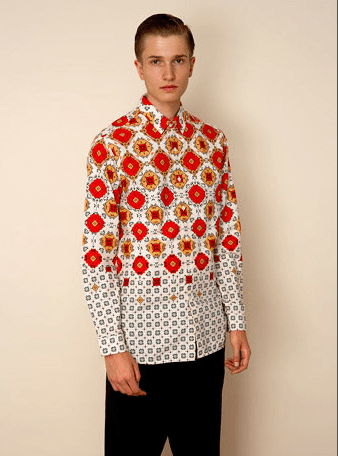
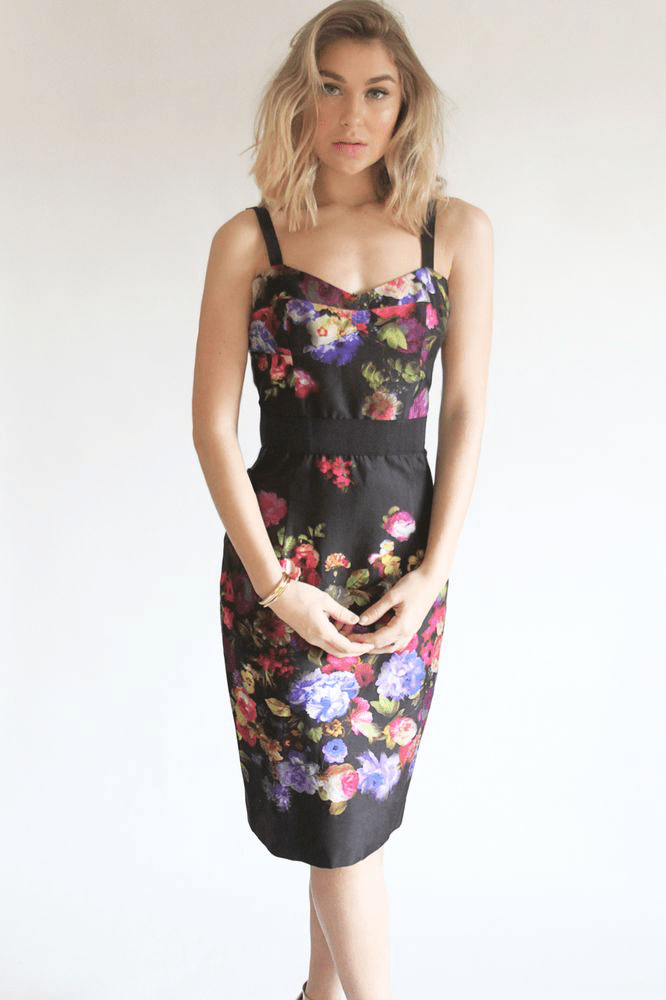
Clothes
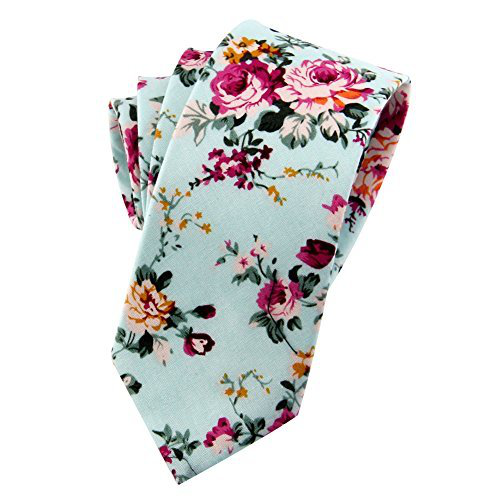
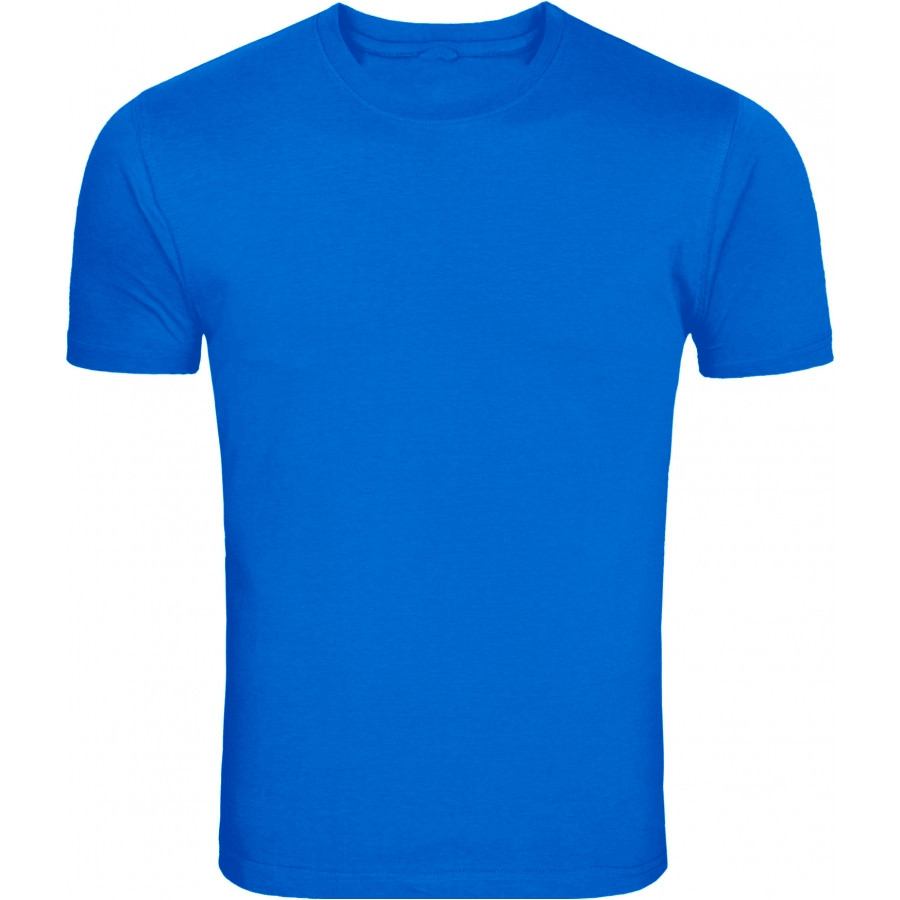
Which clothes do you like ?
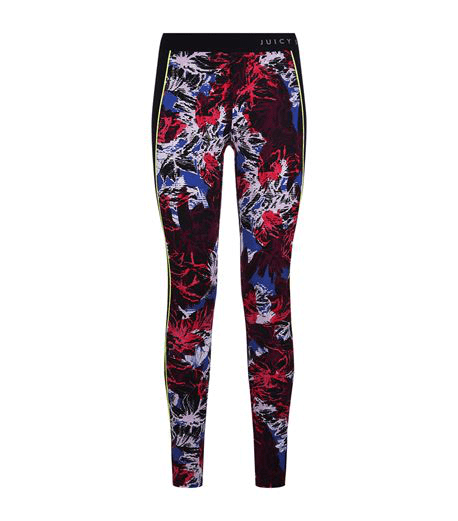
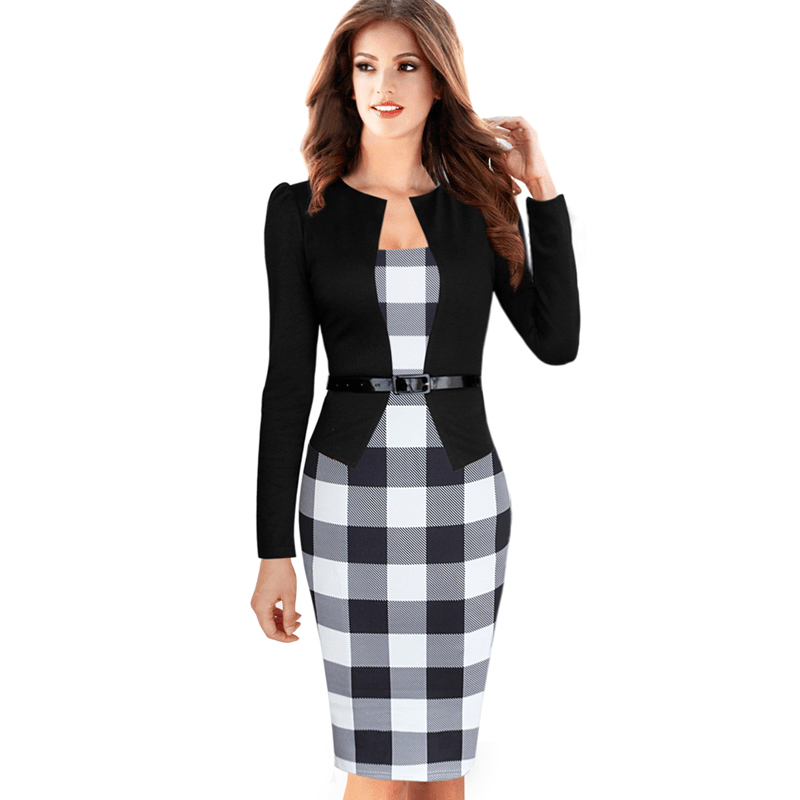
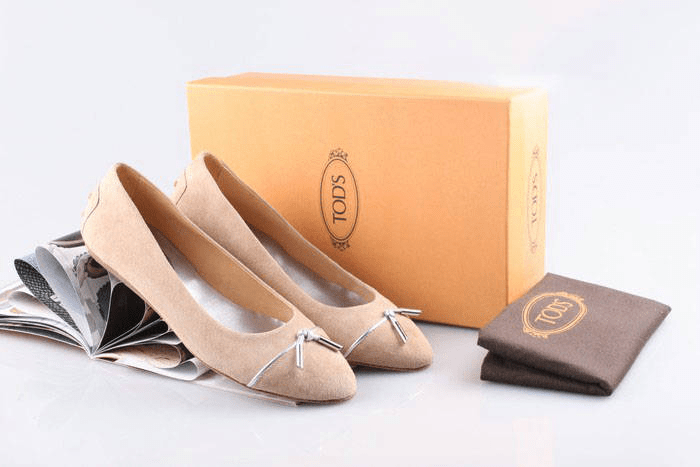
Express what you feel about these clothes, whether or not you would buy them, or do you know someone who would like them ?
Vocabulary:
I choose the because it’s …
stylish // cool // beautiful // colourful // great quality // chic // really suits me
fashionable // trendy // so modern // really with it // I feel a million dollars //
however, you may feel it is …
expensive // ugly // gaudy // bad taste // not my style // old-fashioned // hideous //
This was a one – to – one lesson for a lady about to retire and move from Vietnam to Boston, USA. The assigned book work was about a young man climbing mountains and hang-gliding; I felt this was more appropriate to my student’s needs.
Deciding what to buy
You are on a shopping trip to the USA
Which of these items would you buy ? Which appeal to you ? Which hold no interest ?
Vocabulary
That looks wonderful // I need to try it (them) on first // That’s good quality
No, that’s a rip off (too expensive) // That’s not my style // That really suits me
You must be joking ! // Brilliant ! // Wrap it up ! // Do you take credit cards ?
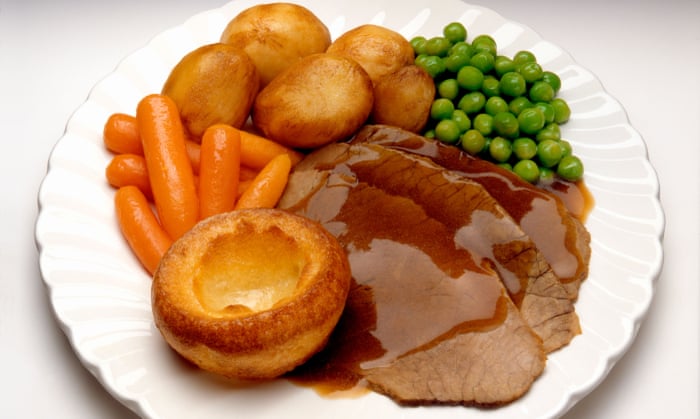
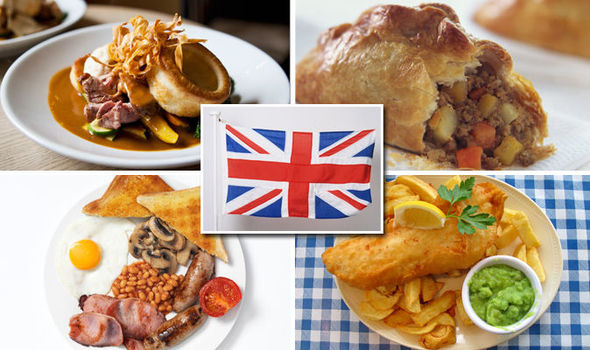
To whet your appetite, have a look at these traditional British dishes. Do you know what they are ?
Top left: Sunday roast – roast meat, potatoes, vegetables and yorkshire pudding.
Top Right: cornish pasty – baked pastry filled with meat, potatoes and carrots.
Bottom Left: traditional English breakfast – fried bacon, sausage, egg, tomato and mushrooms, with baked beans and toast.
Bottom right: fish and chips, with mushy peas (the green paste in the small bowl).
Idioms and collocations
tea / cherries / nutshell / cucumber / carrot
Growing up is hard, life isn’t always a bowl of _________ .
He walked in, as cool as a _________ , and told the boss he wanted a pay rise.
We’re going to try using a _________ and stick approach
I’m not a fan of karaoke, it’s not my cup of _________ at all.
To put it in a _________ , philosophy is very difficult.
Answers at end of the blog
Language
Prefer and rather
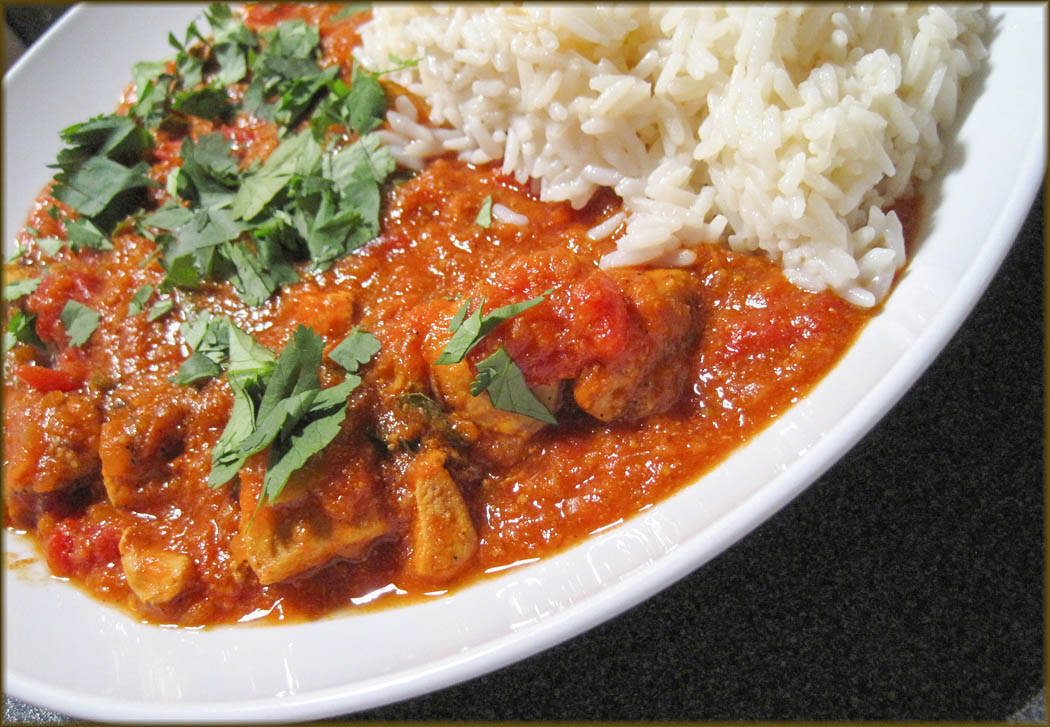
Which do you prefer ? Which would you rather eat ?
I prefer Indian food to English food. I’d rather have a good spicy curry than boring old meat and potatoes.
Now you try: Which do you prefer … which would you rather have ?
Greek saladInstant Korean noodles
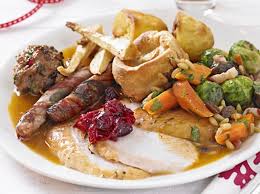
Traditional British Christmas. What do you think of this food ?
Roast turkey with stuffing, roast vegetables (sprouts, carrots, potatoes, parsnips), baked ham
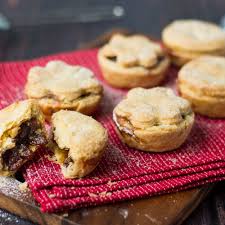
Christmas pudding with brandy cream, mince pies, gingerbread men
What traditional food do you eat in your country ?
Sentence building
What is the most unusual food you have tried ?
As a Brit abroad I have often had comments and questions, such as, ‘So what do you actually eat ?’, ‘I hear British food isn’t so great …’ or ‘Do you even have a traditional meal ?’ At first I thought this was just a stereotype that existed in Europe, but I have recently begun to ask myself, is our food really that bad?
In comparison to our neighbours, British food has never been seen as a delicacy like French cuisine. Perhaps when people think of British food they think of sandwiches, or the simple and unhealthy fish and chips. Although perhaps simple and unhealthy, fish and chips is delicious, as is a cornish pasty(meat and vegetables in pastry).
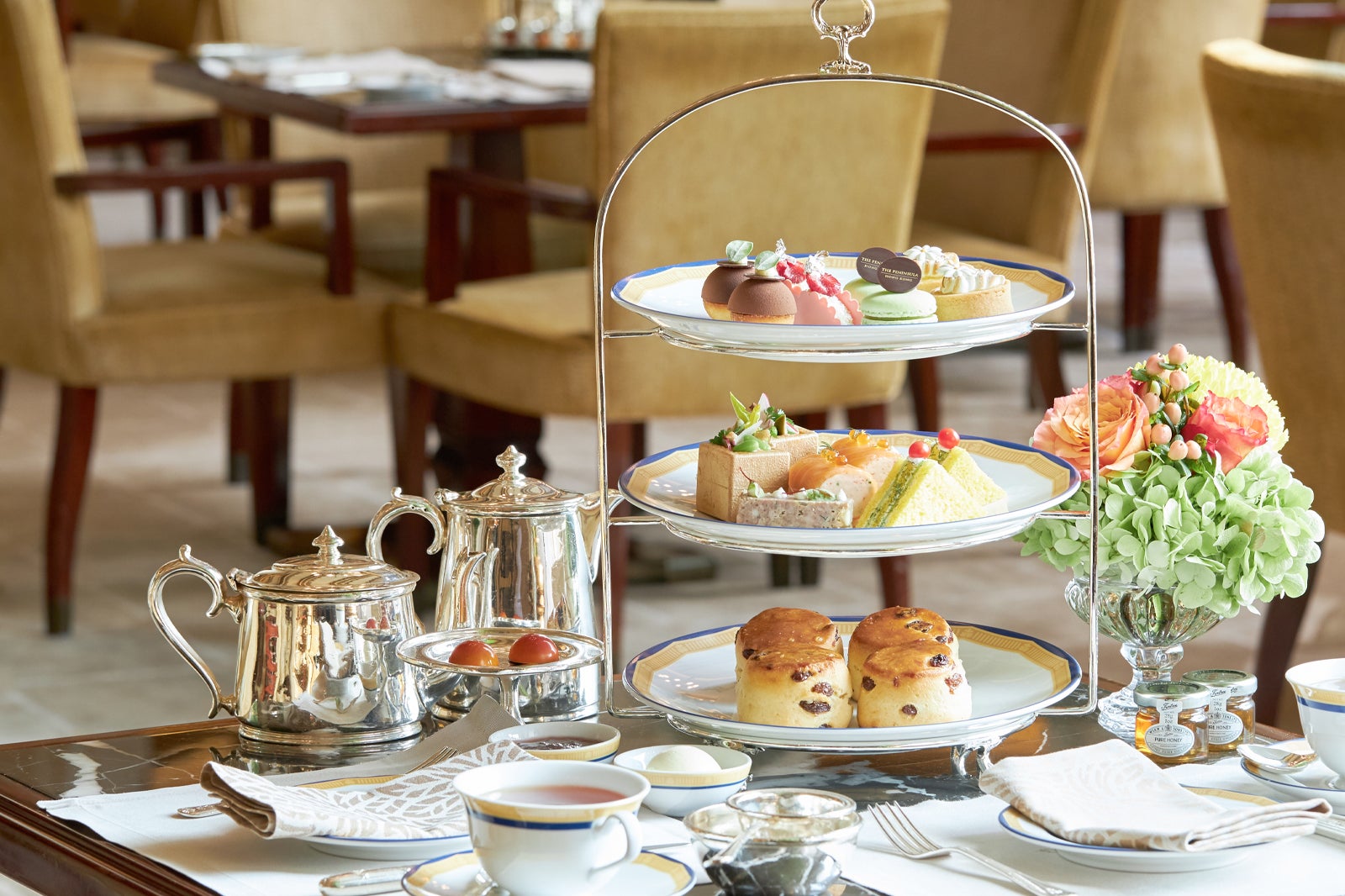
We have a meal for breakfast: the incredible combination of eggs, bacon, sausage, beans, mushrooms and bread (the cooked Breakfast), we have a meal for Sundays (roast lunch) with meat, vegetables and gravy (sauce), and we even have a tradition for between lunch and dinner (afternoon tea) with the two best things: cake and tea.
So it may be because I’ve eaten British food all my life, but I personally think that it is much better than its reputation!
Vocabulary to learn: look these up if you don’t know the meaning.
in comparison to …
stereotype
delicacy
cuisine
combination
reputation
Idioms:
bowl of cherries / cool as a cucumber / carrot and stick / not my cup of tea / in a nutshell.
This lesson aims to introduce students to a wider range of vocabulary, phrases and expressions, and then gives them an opportunity to role play and act out the language.
A plan such as this only works with motivated students, and can be very fun for both learners and the teacher.
Print outs or photos of various consumer items will enhance the lesson, but first:
vocabulary
SHOPPING
Which shops do you like and why ?
Use these words and phrases to help you write your answer:
big, small, fresh, clean, cheap, expensive, near my house, convenient
range of choice, quality, cost, location, crowded
store layout (what does it look like ? Is it easy to find things ?)
staff helpfulness: average (normal), exceptional, non-existant !
value for money (good quality at a good price)
bargains (good quality and great price)
Interior of a Waitrose supermarket in the UK Food shopping is not always a pleasant experience
Haggling
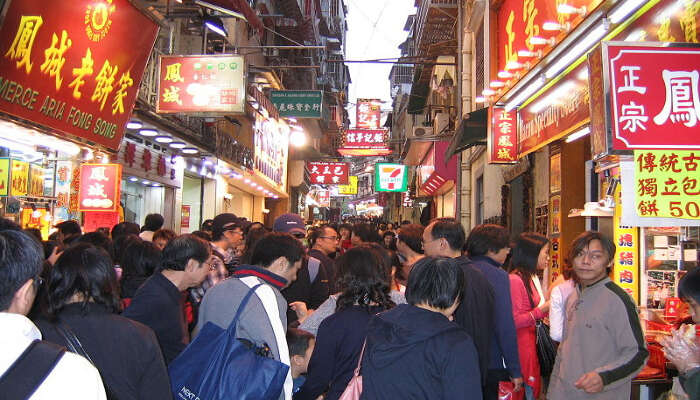
This is the practice of trying to get a better or lower price for an item. This doesn’t happen in shops, which have a fixed price, but is common, indeed even expected, in markets, depending on the location and culture. Be careful – too much haggling can upset the trader.
haggling can be an art – there are many guides online
Expressions: I wasn’t born yesterday / you’re having a laugh !
[I will pre-teach these expressions in a class, but online students will have to look them up. If you ever need help, just leave a message]
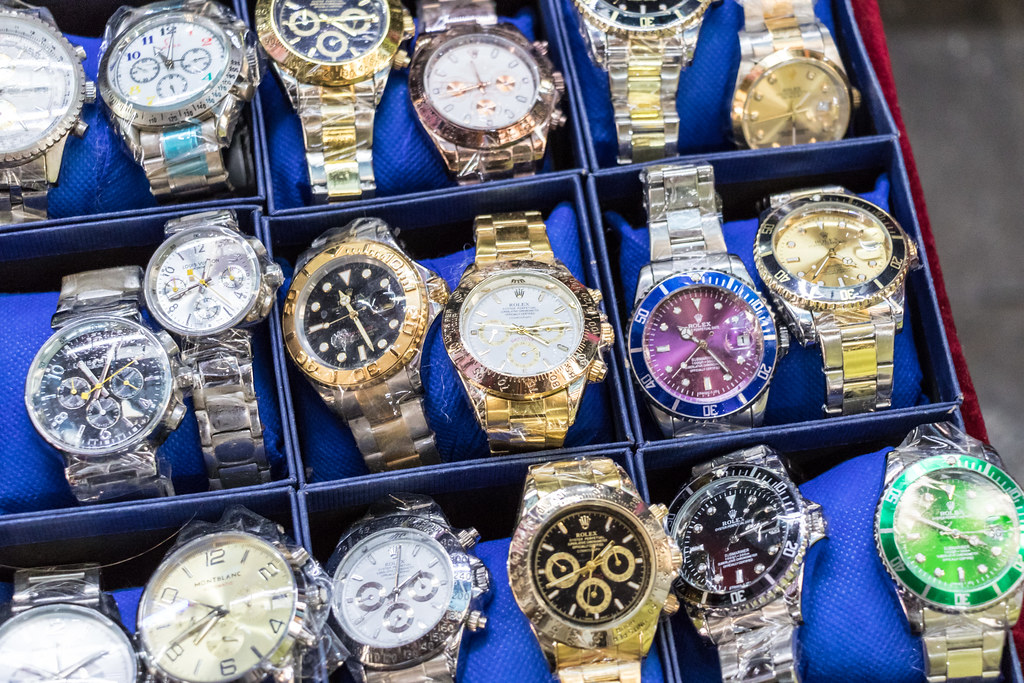
What do you think is meant by ‘GENUINE FAKE’ ?
Make a conversation:
One is a market-trader, the other a customer.
You can choose the item(s): watch, phone, T-shirt, food etc.
The language is informal, intonation can be strong but still be polite.
EXAMPLE:
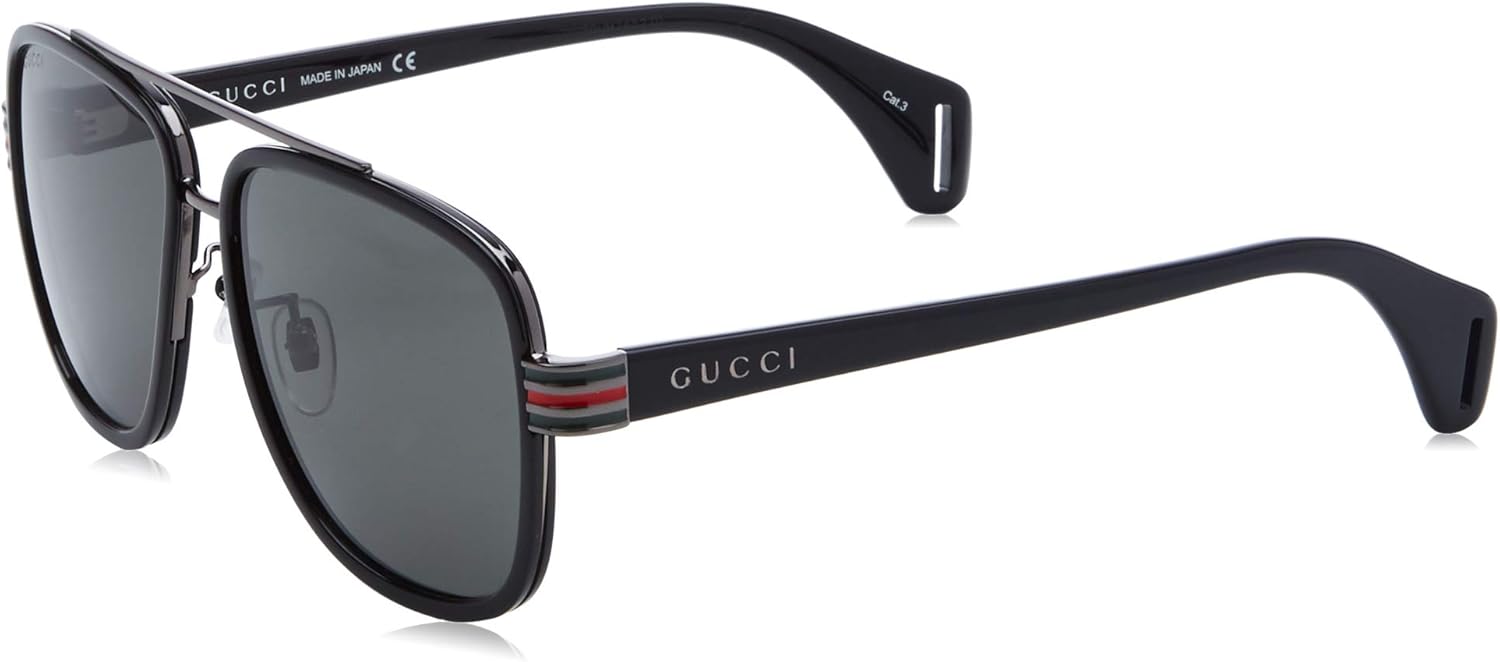
Here, the trader sells ‘genuine fake’ sunglasses
Customer: How much are these sunglasses, please ?
Trader: Oh, those are genuine Gucci, made in France. I can let you have for the special price.
Customer: Gucci … really ?
Trader: Absolutely, look … it says ‘Guchi’ here. Try them on … they are perfect for you.
Customer: Hhhmmmm, ‘Guchi’ … OK, how much are they ?
Trader: To you, my first customer, special price. Only $50
Customer: Are you having a laugh ! I’ll give you $5 tops, no more.
Trader: These are genuine Gucci … OK, OK, just for you, $45. They come from France.
Customer: Gucci are ITALIAN ! What a rip-off. I’m out of here.
Genuine Gucci sunglasses
With a larger class, have three students selling the same type of item but in different setting, for example:
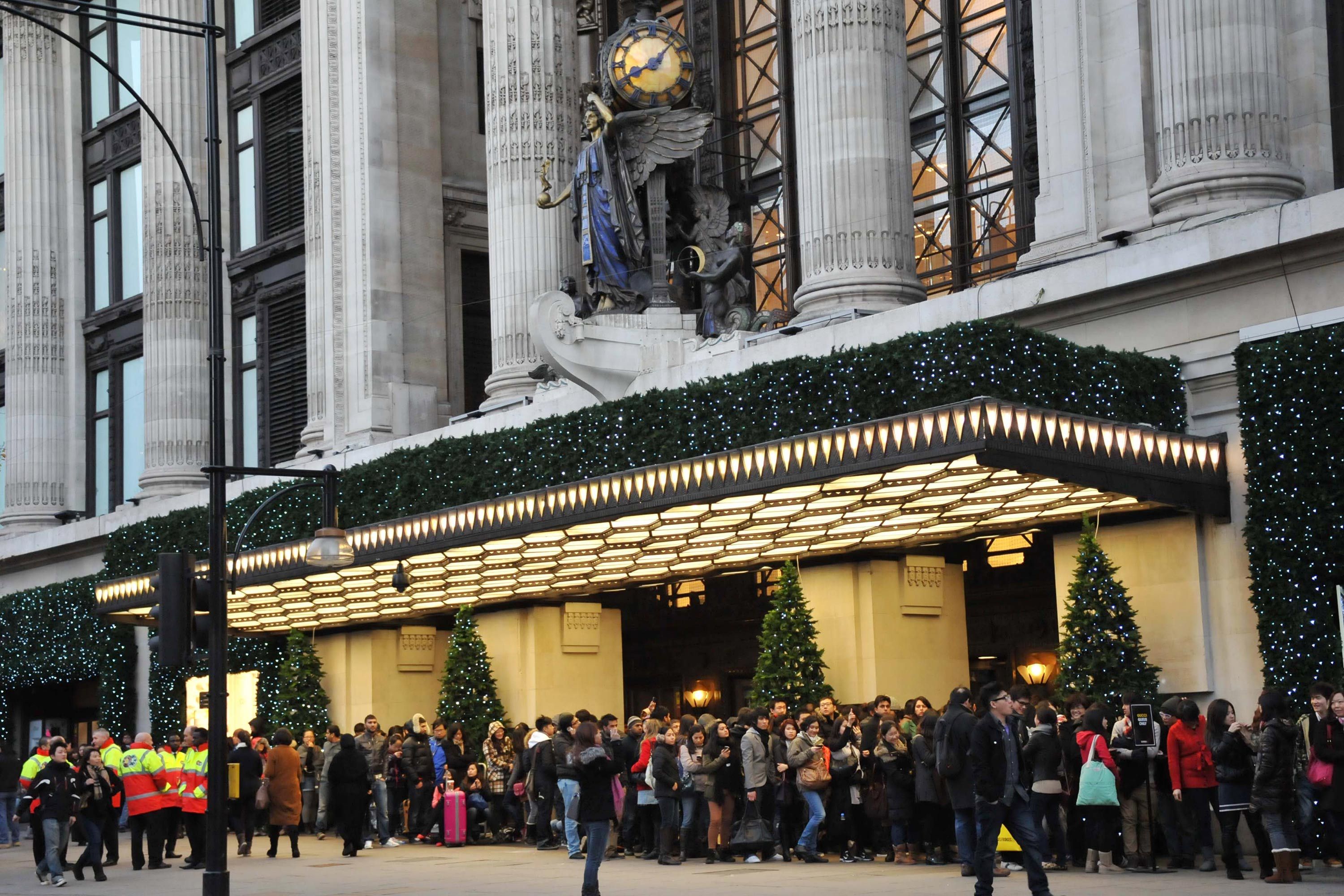
a department store,
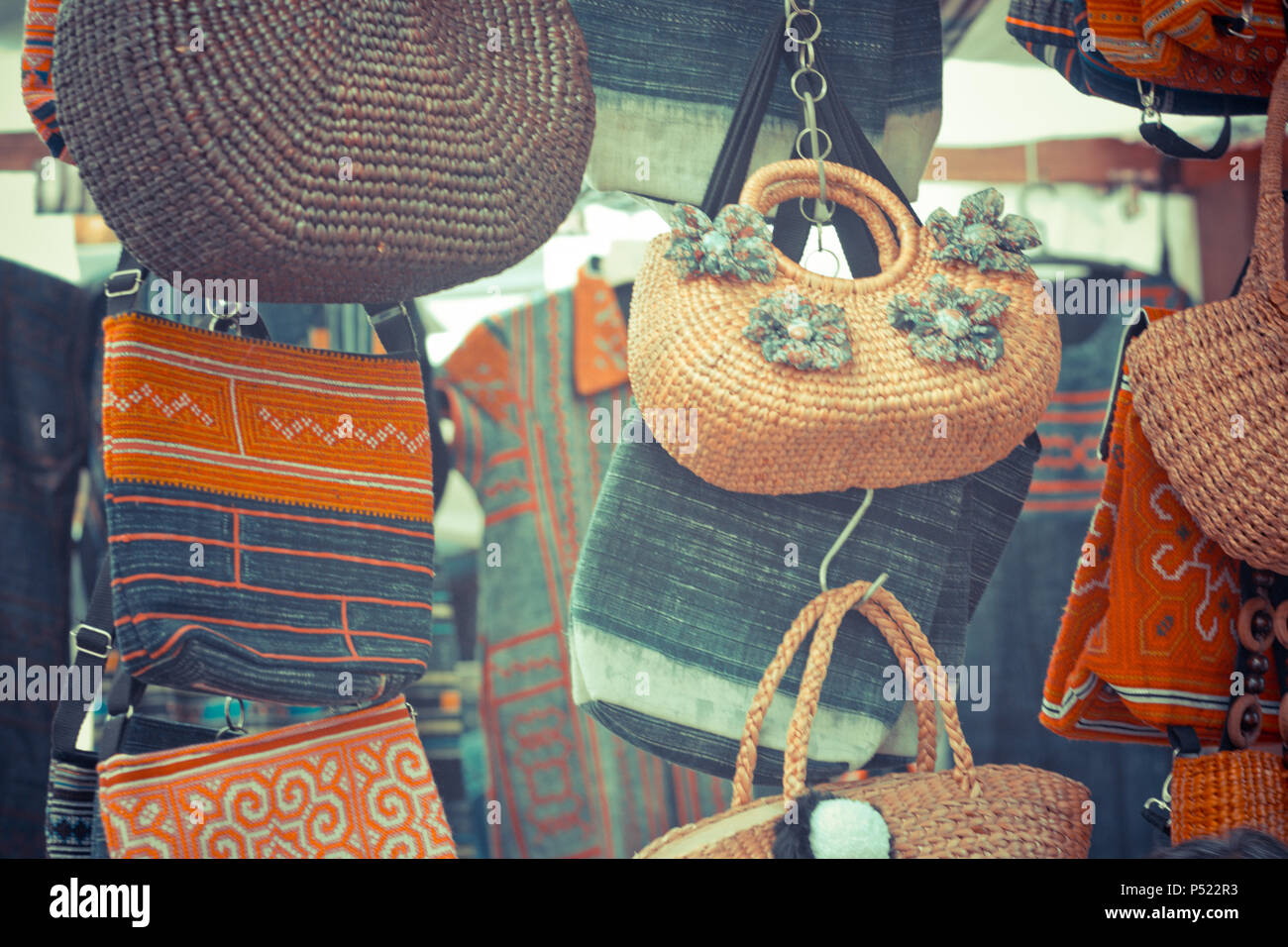
a shop having a sale
and a street market
To make it more realistic, the students have to alter their vocabulary to suit the store, that is, polite standard English for the department store, everyday English for the shop and more slang and idioms for the street market.
The items could include:
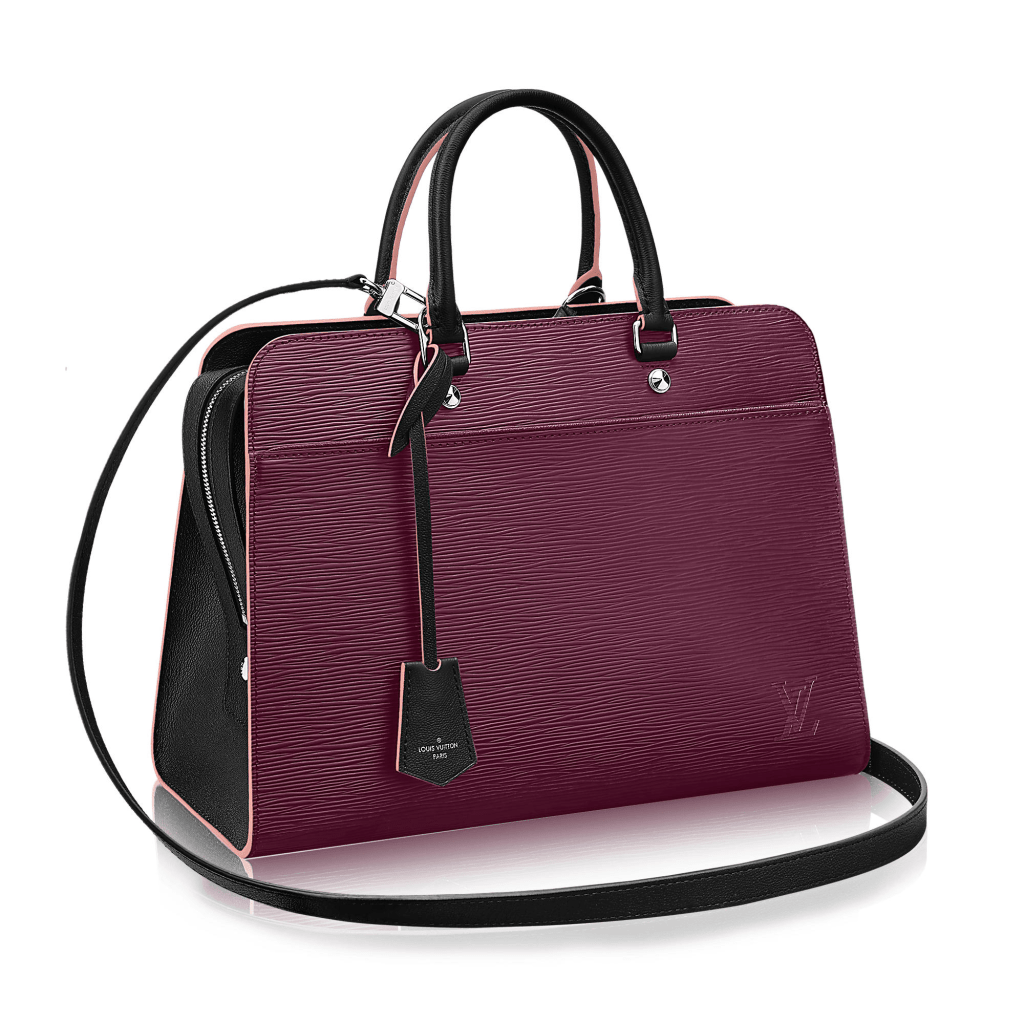
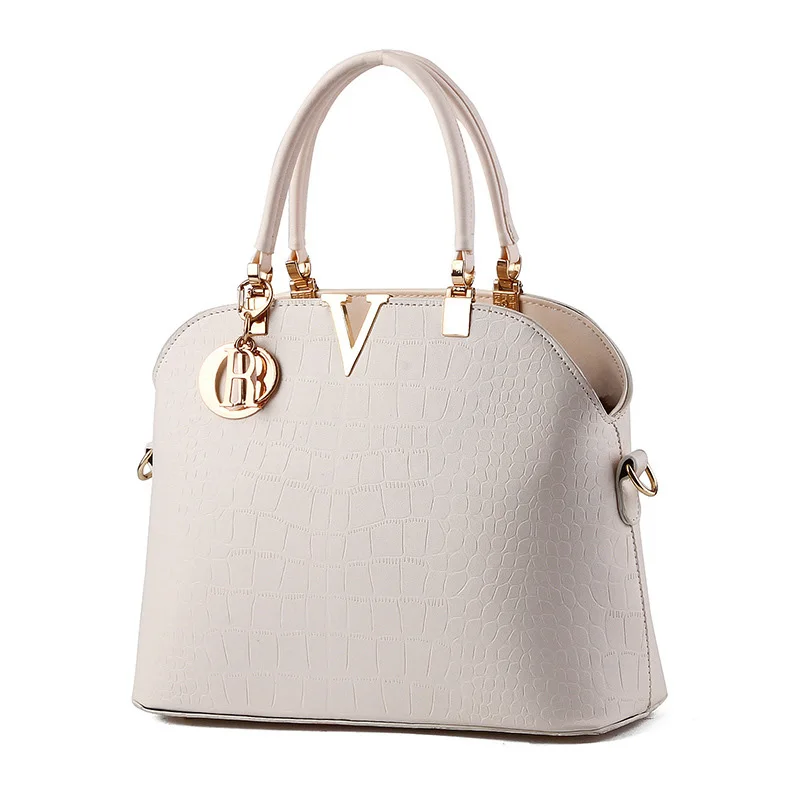
Handbags:
Set your own prices to reflect the realities of where you live.
As I constantly inform my students, IELTS is not a typical English class … it is IELTS English by which I mean, students have to demonstrate a command of the language that includes a wide range of vocabulary, the confidence to speak fluently, the correct stress and intonation to keep your listener engaged, the ability to form complex sentences and link them with appropriate discourse markers. Additionally, a knowledge of how English is REALLY spoken, to wit, sounding like the student has been interacting with real native-speakers, not merely repeating verbatim from a text book, is a must.
Piece of cake, no ? (an English idiom – you will need to learn some basic expressions, phrases and idioms to make your spoken language more natural and interesting).
OK, let’s break it down. IELTS requires a lot of work, study and practice. Students that come to my class expecting to kick back and be entertained are in for a shock, and then some. As such, I will not be defining the idioms I employ in this blog, e.g. Piece of cake – YOU will have to look them up yourself.
Don’t worry, young lady, I’m here to help you. Having said that, if you’ve been on a three-month course and you’ve left it to the last week to study … then you will probably fail, and deservedly so. Yes, life in the IELTS lane is tough, it’s dog eat dog (though ‘devour’ would be a more IELTS-friendly word than ‘eat’).
Where to start ?
OK, IELTS wants what they term ‘low-frequency’ words. Basically, look at your English; replace any basic adjective or verb or indeed noun, with a ‘better’ word, a word that would be used by the higher-educated native speaker. Your best tool here is a thesaurus of which there are many online, or downloadable for free.
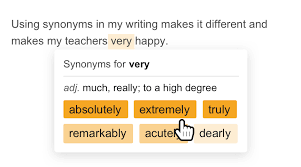
It works thus: Let’s start with a very basic adverb ‘very’. This is too simplistic for IELTS, so type in the word and click enter.
A number of words will appear. As above, the darker-shaded words are what the computer’s algorithm indicate would be more suitable, while giving additional options in lighter shades.
The proof of the pudding is in the eating – so let’s try it: rewrite these sentences using low-frequency words:
I think Bangkok a better destination than Chiang Mai
She bought a cheap bag
The film was good
Stage Two
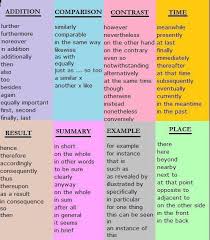
Linking ideas with discourse markers. I give all my students a print-out of common words and expressions that must be consulted and utilised. I hope that all my students take them home and study them religiously. Conversely they may use the paper to line the bottom of a bird cage. In all reality, the majority of students say, ‘Thank you,” have a glance, put said sheet in their bag and forget all about it. Consequently, several weeks later, the students are still resorting to ‘and’, ‘but’ with a possible ‘however’.
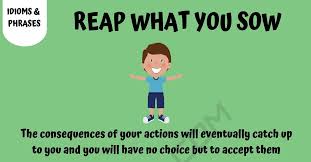
You can lead a horse to water but you can’t make the horse drink
Discourse Markers
I recommend my students learn at least two from each section.
Adverbs are incredibly powerful and so easily inserted into everyday text
I worked at another large and prestigious language centre, and had the pleasure of marking some essays by teenagers. From twelve pieces of ‘writing’, I found only ONE adverb.
Adverbs add information and interest to your language, but my students seem to avoid them like the plague. They may deign to insert a ‘very’ to please me … but it doesn’t ! I expect, nay, DEMAND more.
Without further ado
An example. IELTS will give students a very open-ended subject and then expect a well-constructed piece of writing, or fluent, coherent speech upon said subject, with no deviation, hesitation or repetition. It is a chance for the student to perform a solo, to demonstrate how much they have learnt and studied … or otherwise … generally it is ‘otherwise’.
Time for an anecdote. I was teaching one class, and endeavouring to give them ample opportunity to speak and practice English. Nobody spoke. If I selected some students, they would make an appalling act of not having heard the question, or to answer in a single word. Some students even began laughing that teacher was asking the class but nobody was responding. Hilarious … but he who laughs last, laughs longest. I decided this class was a waste of my time (because it WAS a waste of my time) and left them to their fate … CUT TO some weeks later, it’s the day of their speaking test … suddenly, they are running up to me for help, “What should I say ?”, “I don’t know what to do”, “I’m going to fail.” Temptation was to tellthem where to go ( that is an expression that does NOT imply direction !), but I gave them what help I could in the minute I could spare. Needless to say … most of the class were disappointed with their score, and no doubt, upon arrival at the family nest, were met were screams and derision. And no doubt they put the blame squarely where it belongs … on the foreign teacher !
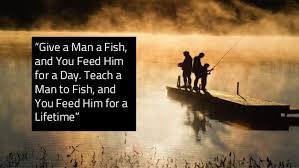
The concluding line was an example of irony. I’m not going to tell you what irony is, look it up for yourself ! Do you want a fish or a fishing rod and knowledge of how to catch your own fish ?
So now, a fairly run-of-the mill IELTS question:
Tell me about your favourite gadget
This piece is, as one would expect, quite lengthy and jam-packed with information and detail. I don’t expect you to write or speak at this level … but I expect you to TRY.
As you read, look out for:
Low-frequency words
adverbs
adjectives
discourse markers
complex sentences (sentences which coney more than one piece of information)
expressions, phrases and idioms
THEN – practice reading aloud. Not just once and, “Teacher, finished,” but again … and again … and again. Yes, this is not entertainment but it WILL help you get the score you want from IELTS
My Kindle
One of my favourite electronic devices is my Kindle, an ebook reader, which is small and light. I always take it with me when I travel; I’d be lost without it.
The Kindle is primarily a way to buy, store and read books in electronic format. At first, I wasn’t convinced; I liked reading real books. However, books take up a lot of space and, at least in the UK, are rather expensive. When I saw what a Kindle can do, and that so many books are free, I was hooked ! I had to get one. I bought my device in 2014 and I’m still using it today.
As mentioned, I use my Kindle for reading. Literature, including poetry, is one of my passions. Instead of going to a shop, I just browse the online store, click and wait for it to download. With reasonable wifi, this can just take a minute or so … then I can start reading. It is no surprise that ebooks are ubiquitous in the UK.
Although I read a lot, the Kindle is more than just an ebook. It has wifi so I can access the internet, can play music, write notes and play games.
The wifi is vital, especially when I travel. I can maintain contact with friends and family, watch YouTube if the hotel TV is less than enthralling, or read travel guides such as Trip Advisor. Naturally, I can also book tickets or make reservations and therefore pay significantly less.
I recently travelled to Thailand to meet some friends. I didn’t want to buy a new SIM card, and my friend only had an old phone, so there was a dilemma; how to stay in touch ? Thanks to my Kindle, I had email access, so we could plan when and where to meet.
I can’t watch Vietnamese TV, due to the language barrier. Consequently, the Kindle plays an even bigger part of my life, as I need some way to relax after toiling away for hours at work.
The choice of books is amazing. In the stores, a single book can cost around £10, but recently I downloaded the entire output of the Russian write Tolstoy for less than £1.50 … incredible !
Kindles come in many shapes and sizes, so before you buy, you need to ascertain how you’ll be using it. For example, do you want a basic ebook reader, just for books, or the latest model with wifi ? This will, naturally, affect the cost. Then you have to decide upon the extras, for example how much storage space do you require, or a super-fast charger or protective case ? All of these bump the price up considerably.
If you’re interested in purchasing one, I have some information for you. I did a quick Google search and saw prices started at under 2 million VND, averaged around 5 million, but some were over 15 million. That, for me, is too extravagant.
In conclusion, my Kindle is very much a part of my life. It accompanies me everywhere. I simply don’t know what I would do without it.
Now … YOUR TURN
Write a piece about YOUR favourite gadget, using the above as a model
Best of British to you
Please Note: All photos are taken from Google Images or free photo sites, and are used for educational purposes only. No copyright infringement or offense is intended. If I have used your photo or image, and you wish me to remove it, just ask. This site is not monetized, I run it on my own dollar. Thank you.
Hello everyone,I welcome you to my blog page, and may I take this opportunity to thank ALL OF YOU who have visited my site. Having nearly 100 visits for a teaching blog is extremely gratifying.
Now, without further ado, let’s jump straight in, “Time waits for no man.”
A famous quote from the English writer Geoffrey Chaucer
First off the bat, a little plug for my friend ‘Pete’ who has an online radio show on Mixcloud. If you’re interested, you can listen here: https://www.mixcloud.com/flatwoundssounds/
The playlist is a mix of Jazz, Blues, Soul, R ‘n’ B & Rock ‘n’ Roll. However, in terms of an English lesson, listen to his narrative between songs. Although Pete lives in Birmingham now (central England), his accent betrays his Kent, (south-England) origins. Listen to how his voice deviates from Standard English.
A Propos (speaking about) of music, my last lesson featured two songs, one Nubian, the other a 50s Rock ‘n’ Roll number:
Nubia is a region that encompasses south Egypt and north Sudan
One of my online students has chosen the English moniker ‘Ivy’; consequently, this song is for her.
Now, time to get down to work. I introduced the class to some expressions; therefore we need to revise and practice:
between you and me // let’s get it over and done with // my hands are tied // off the cuff
I would like to let you go home early but …..
……… I think students have too much homework
Jazz musicians are famous for their spontaneity; they often play ………..
Oh, man ! We have to clear up after the party. Oh, well, ……….
Collocations
collect / raise / undertake / boycott
Charities run campaigns to ……….. money
I’m going to ……….. shops that treat their staff poorly
Scientists need to ……. further research into the Corona Virus
There is little recycling, if any, in Vietnam. We need to ……… awareness of the importance to the planet.
ART
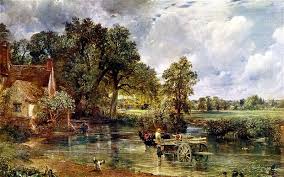
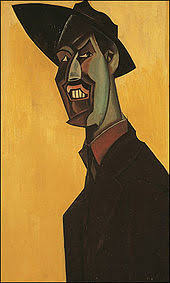
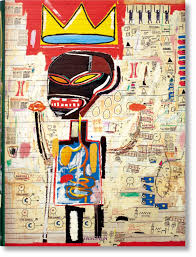
Giving opinions – remember, there is no ‘right’ or ‘wrong’ answer; the exercise is to help you express what YOU feel when you see these works of art.
Expressions:
It’s not my cup of tea // it doesn’t appeal to me // I just don’t get // I see no artistic value // I have no time for it.
OR … positive:
It’s very uplifting // the picture speaks to me // I’m drawn to the image // it is ineffable (unable to be expressed in words) // it transcends language.
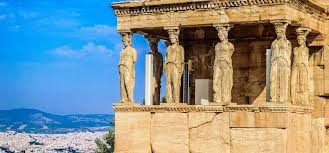
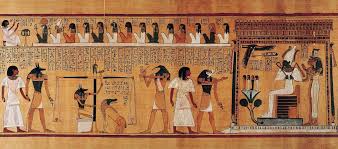
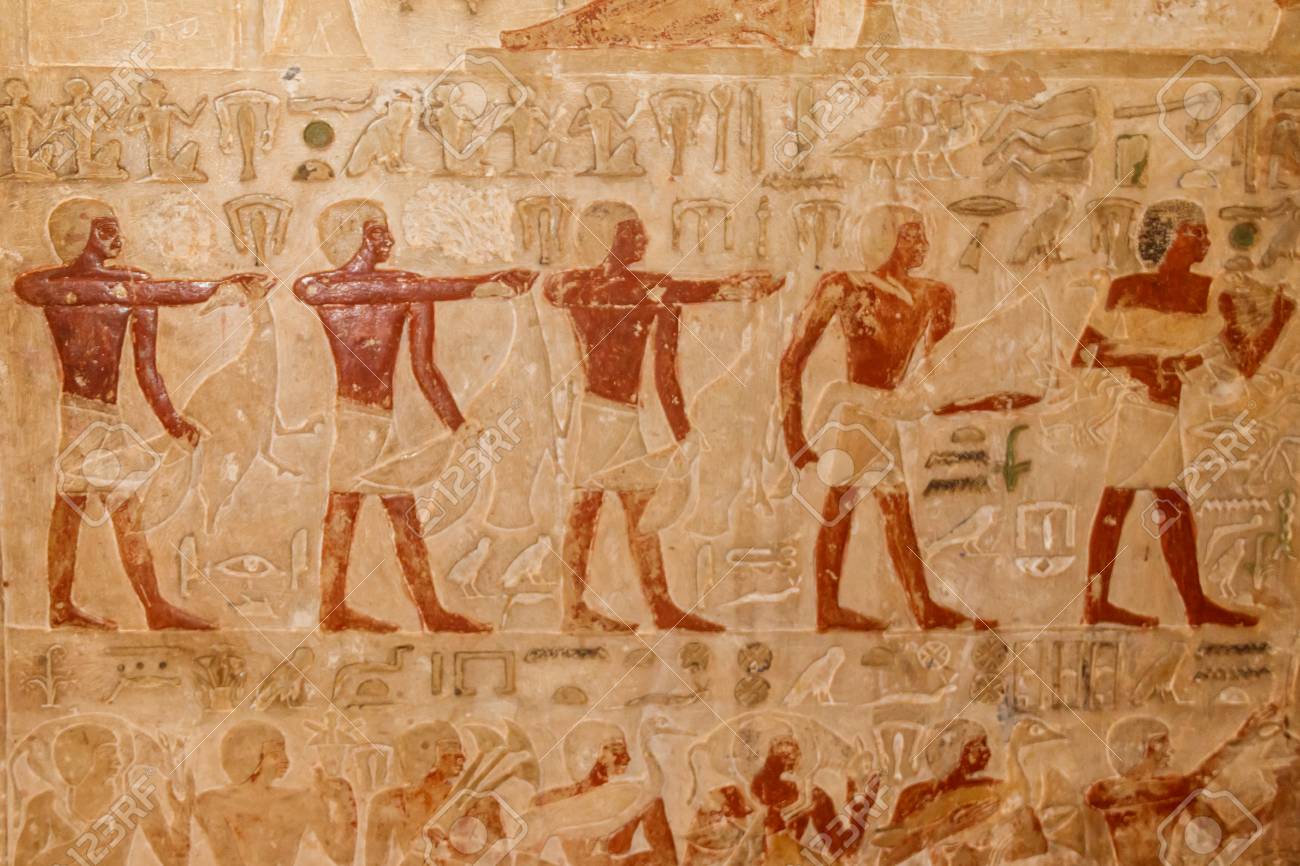
John Constable 1821Wyndham Lewis 1921Jean-Michel Basquet 1980sAncient Egyptian art
NOW – a curious point … how can a civilisation that can construct these:
only represent the human form like this:
How perfect are the Pyramids ?
“The builders of the Great Pyramid of Khufu aligned the great monument to the cardinal points with an accuracy of better than four minutes of arc, or one-fifteenth of one degree,” Glen Dash, an engineer who studies the Giza pyramids, wrote in a paper published recently in The Journal of Ancient Egyptian Architecture … ” https://www.livescience.com/61799-great-pyramid-near-perfect-alignment.html
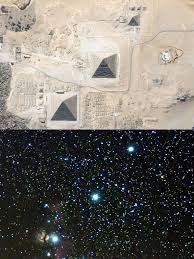
Now, take a look at his ariel view, showing the layout:
At this juncture, let’s take a little diversion, from ancient Egypt to ancient Greece.
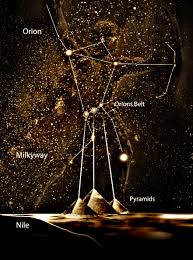
The night sky has 88 constellations, many named after characters or creatures from Greek mythology. I’d like to focus on one, the giant hunter Orion. This is his constellation, and is one of the more easier groups to see, especially at this time of year:
These random stars (which may in fact be many millions of light years apart) were seen by the Greeks thus:
You see the hunter with his bow and arrow, but I wish to draw your attention to the three stars arranged diagonally in the centre, the ‘belt’ of the hunter. Compare those with the arrangement of the Egyptian pyramids:
How would you account for this ? Coincidence or conspiracy ?
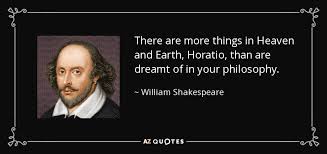
Let’s leave the last word to our National Poet, William Shakespeare, with this famous quote from Hamlet:

















/african-american-neighbors-greeting-each-other-over-fence-137924297-5a9863920e23d900370c683e.jpg)












/https://www.thedailymeal.com/sites/default/files/story/2017/00%20header%20shutterstock_521196844.jpg)















 Thay Paul's Notes