Making the news, across the world, is the continued spread of the Corona Virus.
This is a topic which is affecting millions of people, and having a significant impact on the global economy but of course … health comes first.
I’m writing from Vietnam, where precautions were implemented rapidly. Schools were closed, for example, so my centre is offering online-classes.
I recommend students read as much ‘real-life’ English as possible, not rely solely on the text books, so I was interested by this clip from the BBC, specifically aimed at Vietnamese.
This is a speech by POTUS (President of the United States), Donald Trump. The purpose of this blog is not politics BUT to encourage students to listen to the language and thereby learn new words and expressions: https://www.youtube.com/watch?v=twd60cPH7t0
The clip has Viet subtitles so is a great way to learn expressions, vocabulary as well as HOW native speakers speak … where we put the stress and intonation.
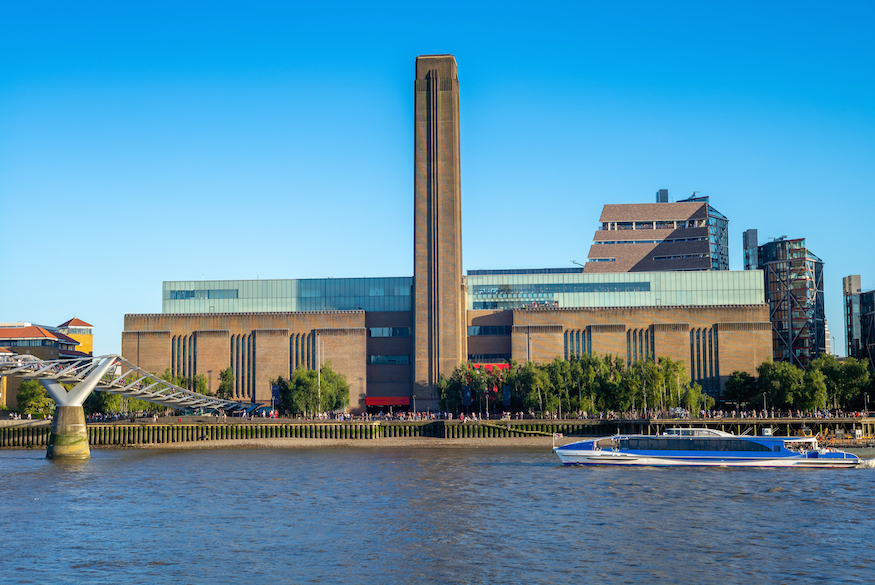
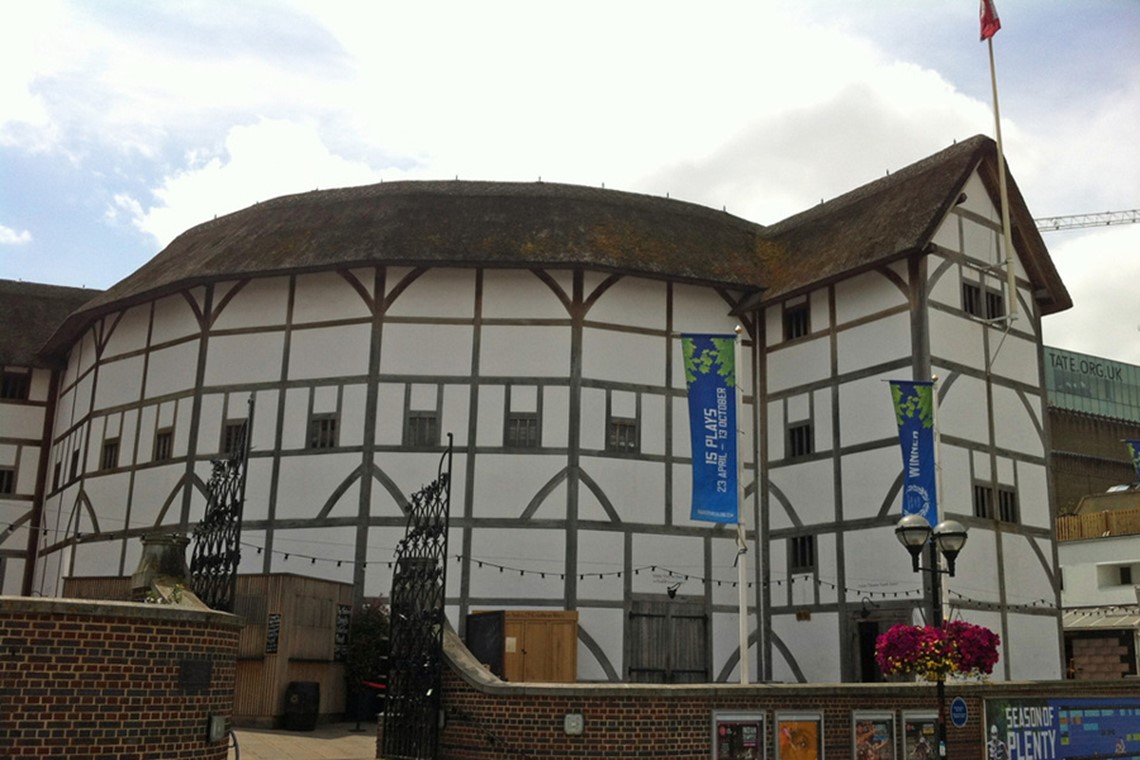
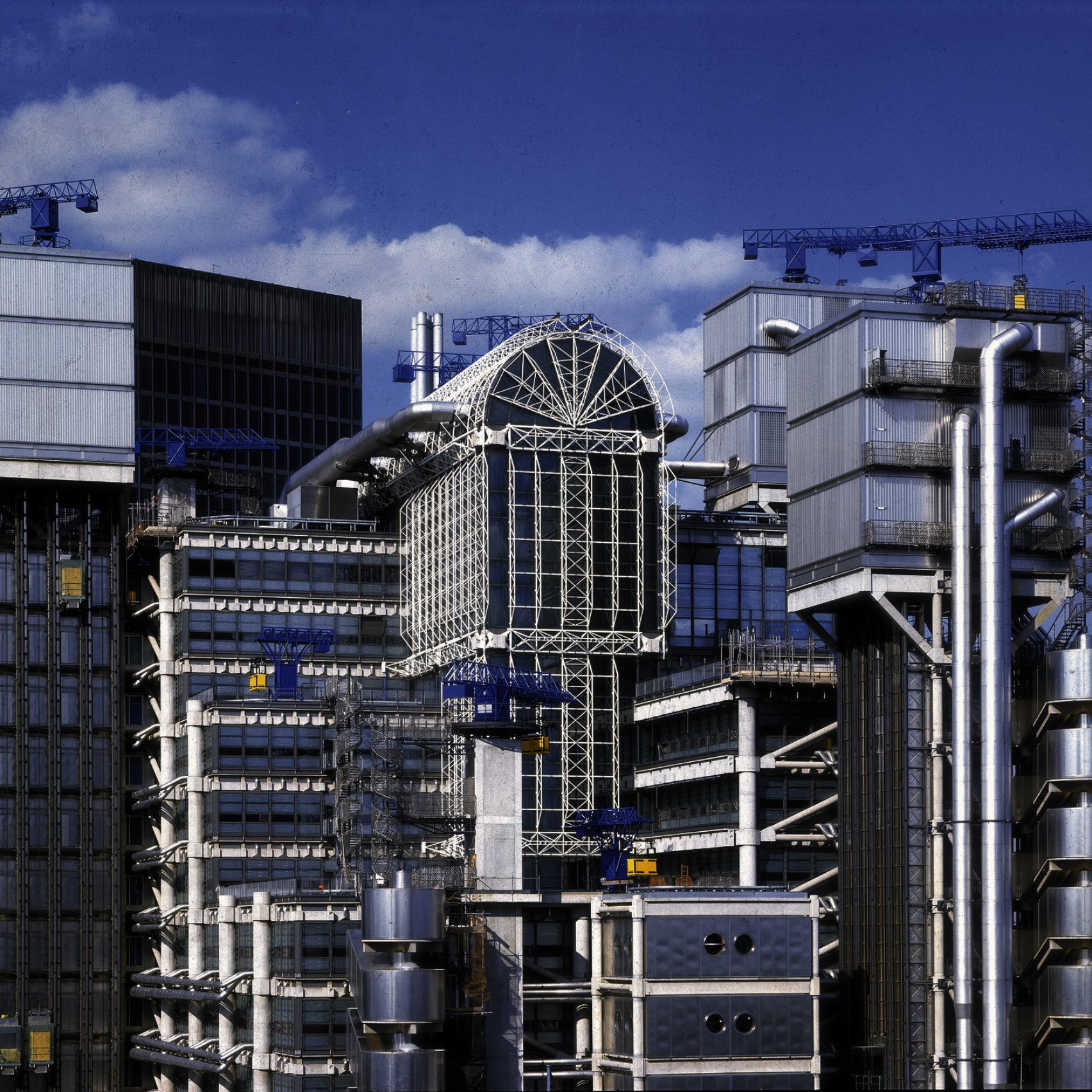
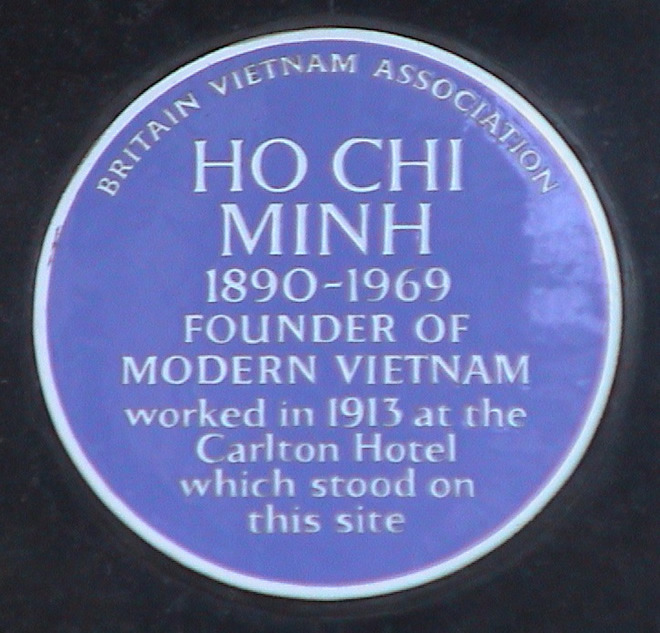
These are photos of real buildings in London. Can you guess what they were / are ?
Can you guess ?
ONE: Tate Modern art gallery – it used to be a power station, hence the large, imposing scale and tall chimney.
TWO: It was the smallest police station; it had a telephone and space for one officer. No longer in service. This is in a corner of Trafalgar Square.
THREE: Shakespeare’s Globe Theatre. This is a reconstruction; the original building burnt down in the C17th.
FOUR: Lloyds Building. Lloyds of London are an insurance company, providing financial services.
FIVE: This is New Zealand House, near Trafalgar Square. The building itself is rather nondescript but, for my Vietnamese students, there is a feature of interest …
SIX: A Blue Plaque stating that Ho Chi Minh once worked at a hotel that stood on this site. There are many Blue Plaques around London saying where famous people lived or worked.
New vocabulary
imposing– powerful or scary-looking. Normally police stations or government buildings
reconstruction– rebuilding (in this example, made to look like the original The Globe Theatre)
nondescript – nothing special, ordinary, plain
stood on this site- a building WAS here but is now gone (demolished / torn down)
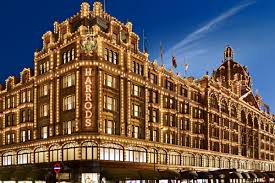
England doesn’t really manufacture – our wealth is derived (comes) from services such as banking, finance, insurance and teaching !
Synth pop
(listening & British pop culture)
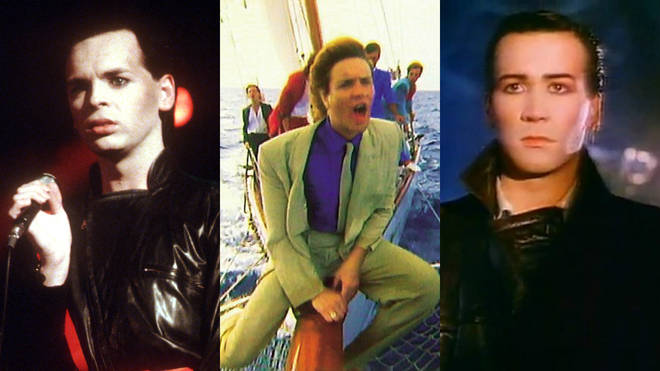
Electronic music from the early 1980s. The band is called Human League, the song, a chart-topper (was No. 1 in the music charts), is called ‘Don’t You Want Me.’ What do you think ? Is it up your street (you like it) or not your cup of tea (you don’t like it) ?
Trigger You never know what you’ve got till it’s gone.
Jim Hey ? Yeah, I suppose you’re right there, Trigger.
Trigger I know how much it can hurt. I had a relationship break-up a few years ago. She worked in my council depot. (local government office)
Mike (barman) She was a lady roadsweeper ?
Trigger Oh, no, she was management … real high-flyer … you had to go to her when you wanted a a new broom ! Linda … nice girl, had a funny eye. Never knew if she was looking at me or seeing if the bus was coming. Anyway, she’d heard about this little hotel down Henley-on-Thames (outside London) and she said to me, “How about spending a weekend there ?”
Del-boy (on phone) What sort of money we talking about ? Well, I’ll have to pop down and see you, won’t I, eh ?
Mike Yeah ?
Trigger What ?
Mike What happened ?
Jim Was it a nice weekend ?
Trigger Yeah, at least I thought it was, but she didn’t wanna see me no more after it.
Jim Well, I don’t like to pry, Trig but …
Mike No, no, no … it’s a bit personal.
Del Hang on, Bronco … Trig ! What ‘appened ?
Trigger She got jealous ! I ‘eard later, through friends, that she wanted to go with me.
Jim I’ll have a large scotch, Mike !
What was wrong with the weekend ? What was Trigger’s mistake ?
Do you notice how in parts of London, native speakers drop the ‘h’ so we have “What ‘appened ?” instead of “What happened ?” “I ‘eard, ” instead of “I heard.”
London, my hometown, is a multi-cultural world city. However, there are some problems. For students who live in S.E. Asia, the weather will be awful; grey skies, bitter wind, freezing, depressing rain.
A second factor is money. Unless one has a good job and a good income, London can be a hard place to live.
How does she link her ideas together and keep talking ?
REMEMBER: listening to native speakers in a great way to improve your English. I suggest you only listen to SHORT pieces … maybe just ten or twenty seconds. Write down any new words or phrases. Listen again, then repeat. Speak along with her. Listen to how native-speakers link words and use intonations. Notice how often we use expressions.
Quick thinking
What famous buildings or attractions can you think of in London ?
To help you, here’s a video about Top 10 London Attractions
Which ones appeal to you ? Expand your sentences. Explain why you are interested. Conversely, say which ones don’t appeal to you, again giving your reasons. Try to incorporate these idioms:
Not my cup of tea – a polite way of saying you don’t like something
Right up my street – something that you really like or enjoy
EXAMPLE: I don’t want to go to the ballet, it’s not my cup of tea. However, watching a football game is right up my street.
London, naturally, is a big city and you will probably have to use buses or the Tube (underground trains) at some point. So how to get around ?
Watch the video then explain how someone can travel on public transport in London.
Now, this video is chockablock (full) of new words and expressions. I’ve selected a sample:
about which more later / bank fees on transactions / hang around
get in everybody’s way / money put onto / top-up / cap
pay-as-you-go / stick (as verb) / as long as it’s nice and fresh / escalator
as far as …. concerned / obvious /on no account swipe
you’ve got to / the thing about …… is / particularly weirdos
get charged / get skinned / reasonable / Routemaster
Now, by listening to the video, and using a dictionary, you try to make some sentences using these new words or phrases.
Here are some examples foryou:
On no account tell anybody your PIN number for your bank card.
Prices are so high in central London, you can easily get skinned (pay TOO much).
The thing about the British Museum is that is can get so crowded.
Don’t stand in front of the escalators or you will get in everyone’s way.
Give a summary of ‘getting around’ London by public transport.
What are the ‘dos and don’ts’ ?
How many different kinds of transport is the Oyster valid on ?
Famous Londonders – real and fictional
Who is the most famous detective in literature ? Most of you would probably say Sherlock Holmes … but have you read him ? This is a great site for English learners – literature but in simple, everyday English
I am an English man, so I always drink damn fine tea. In order to make tea I naturally need boiling water. In my house I have an appliance which boils water. It plugs in to the electric and can boil water in just a few minutes. However, it has no other purpose.
Think of something you use everyday – but don’t make it too obvious.
Notice all the discourse markers– expressions that don’t add any information, but allow him to think while he keeps talking (examples: all right, yeah,) and expressions (it hit the $300 mark – means the price was $300).
Dialogue
Present perfect, past continuous and questions. Listen for adverbs
Mark: Have you been to Germany ?
Amy: No, not yet. Have you ?
Mary: Yes, twice. I have (I’ve) visited Berlin and Munich.
Amy: Which did you like best ?
Mary:Well, Munich is very clean, elegant and stylish, but quite expensive.
Amy: And Berlin, the capital ?
Mary: I was working there for six months. It was really cool.
They continue after eating a big piece of pie.
Amy: Sounds like you had lots of fun !
Mary: Oh, yes ! The food was cheap and the people were incredibly friendly.
Amy: How about the weather ? I have heard it can be cold.
Mary: It was terrible ! Every day it rained cats and dogs.
Amy: You must have been so glad to get back to Vietnam. (glad = happy)
Mary: Yes, but I miss the German trains and buses; they were so reliable.
How different is England to Germany ?
This is an interesting question because, despite both being Northern European countries with similar climates and a shared language root, both nations have very strong national identities.
Historically, there is an obvious difference; the two World Wars. This originated from economic conflicts to actual conflicts which consequently altered the map of Europe.
There are many cultural differences, the English see the Germans as very efficient, hard-working, punctual albeit lacking any sense of humour.
Putting myself in their shoes, and based on my experiences of Germany, we Brits are seen as aloof and isolated, preferring tea-breaks to solid work.
These factors notwithstanding, the two countries have a lot in common; protestant religion, not Catholic (mostly), a love of both football and beer. Even our Royal Family has German blood.
Now with Brexit, it will be interesting to see what develops over the next generation. We can only speculate whether the nations move closer together or further apart.
Many interviews have similar questions. Read the following and then role-play with a partner. Feel free to add your own information, or make up something new.
Possible questions:
What experience do you have ? // What do you know about the company ? // Have you ever had to work to a deadline ?
Tell me about yourself
I was born in …. and I graduated from …. University in 2014 with a major in Business Administration. Since then I’ve had two year’s experience in administrative work at ABC and XYZ Corporation.
I’m a very organised person, well-balanced and efficient. I’m hard-working and dedicated.
In my free time, I like to travel and I love to paint. Furthermore, I enjoy going out having coffee with friends.
What do you know about (COMPANY) ?
XXX are an established company with a good reputation. They help …….. and there are over (xx) sites in VN (or your country).
What are your strengths ?
I feel I am easy-going, hard-working, careful and diligent. I think my greatest strength is my positive outlook, even during times of stress. I can work under pressure and I really enjoy a challenge. Lastly, I like working in a team.
What are your weaknesses ?
Well, my English isn’t perfect, so this will be a great chance to improve. Maybe I can be a little quiet sometimes; that’s why working as part of a team will help bring me out.
Can you give an example of when you had to deal with an angry customer ?
One time, a customer didn’t like the price of a visa, and he began shouting and getting angry. I asked him if I could explain the reason. I then told him how it wasn’t our fault, but that I understood his anger and said sorry. Then I told him he could check elsewhere, but we would still be happy to serve him. He calmed down, said sorry to me and bought the visa and was happy.
Where do you see yourself in two years ?
My short-terms goals are to work hard and efficiently, so I can master this job. However, in the long-term, I would be interested in possibly doing more courses so I could be a manager.
What can you bring to the job ?
I’m very friendly and enjoy working with people. I always try to be happy at work and share my positive outlook. I’m very motivated and open to learning. I’m very excited about being a part of this great company.
Do you have any questions ?
May I just ask, what career opportunities are there at XXX ?
It is not a good idea to ask immediately about salary, money and bonuses, although this is an important part of the interview process.
Firstly, this job is an ideal match for my skills and experience.
Secondly, …
Above all, the reason I want this job is …
Key words:
highly motivated
can work on my own initiative
proactive
team-player
ready for a challenge
Speaking Practice:
Now you have some new words and phrases, interview each other again, making sure to really sound like the ideal person for the job.
Working in English. Being a TA (teaching assistant)
How would you handle (answer) these questions ?
How often do you communicate in English ? Have you ever used English in a work environment ?
Two teachers need things at the same time; how would you prioritise ?
How would you deal with a rude teacher ? What would you do if you had a problem with a certain teacher ?
Could you work as a team member ? Could you take orders from a younger person ?
Some students come to you and say they don’t like a certain teacher. What would you tell them ?
Teachers earn much more than Viet staff. How do you feel about that ?
Some parents may be very angry about a grading a teaching gave. If they came and shouted at you, how would you cope ?
Can you give an example of a time when you dealt effectively with an angry customer ?
How do you see this role ? What do you imagine you’ll be doing ?
The work may become routine. Do you think you will get bored ?
Part of the job-description involves keeping a safe environment. What do you think that means ?
A child has a nosebleed; what would you do ?
A child is being noisy and shouting when the teacher speaks. What would you do ?
A child swears in class, but his parents are angry at you when you criticise the student. However, the teacher insists you phone the parents to complain.
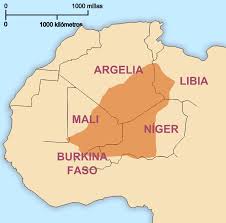
The Tuareg are a large group of Berber people from many different ethnic groups who live in the Sahara region of northern Africa. No one really knows where they first came from …
Conversation practice: New person at work // past-time expressions
Photo description
What is happening here ?
Never start a story with a pronoun (he, she, they, it). Tell what the subject is, or tell what the people are doing.
NOT ‘They are laughing.”
I can see two ladies (add adjectives – their age, their background), what they are wearing, where they are and what do you think they are doing … how do they know each other … are they close friends ?
Warm up game:
Show these pictures. One student sits facing away from the image, and the others have to describe it. See how accurate the student can be.
Work in pairs. One is new to your company and the other has to show him / her the ropes (show the new staff what to do, how the job works, where things are).
Make conversation:
First – small talk (general questions, where did he work before, where does she live)
Next – explain about the subsidised lunch (lunch is not free but is much cheaper than a normal restaurant).
New staff can ask about the food at local coffee bar or restaurant.
Older staff can offer suggestions to eat somewhere or a great local cafe.
New staff can ask about shopping, coffee shops, watching football in cafes.
Bonding – seeing what you have in common.
What (films, books, music) are you into ?
Would you like a coffee / tea / water ?
Pronunciation Quiz
What words are being said ? Teacher, or a student, reads out these pairs of words. Students must decide which is being said.
Cheese or cheers // Ship or sheep // close (the door) or close (near) //
work or walk // heard or hurt // house or ours // open or a pen
Past time expressions
Not for a long time / not recently / oh, I can’t recall it was so long ago
quite recently / fairly recently / about a month or so ago
last week / last month / last year / yesterday / just this morning
the day before yesterday / a fortnight ago / ages ago / I’ve never done that
What could these two friends be saying to each other ?
Put class into two teams (or more depending on size). They have to write and then act out a conversation using FIVE of the above time expressions.
Example: Let’s call them Yen and Haamida
Yen: Have you seen Anthony ?
Haamida:Not for a long time. How about you ?
Yen: Yes, I saw him the day before yesterday.
Haamida: Didn’t he go to Scotland last month ?
Yen: No, that was ages ago. Oh, did you finish your essay ?
Haamida: Yes, just this morning.
Do not use any of the examples !
Now try this situation. The two people are not so amicable (friendly).
To help: what is the relationships between the two ? Boyfriend / girlfriend ? Husband & wife ? Brother & sister ? Neighbours ? Actors rehearsing or actors in a play ?
Word bomb– what do you think of when I say ‘hotel’ ?
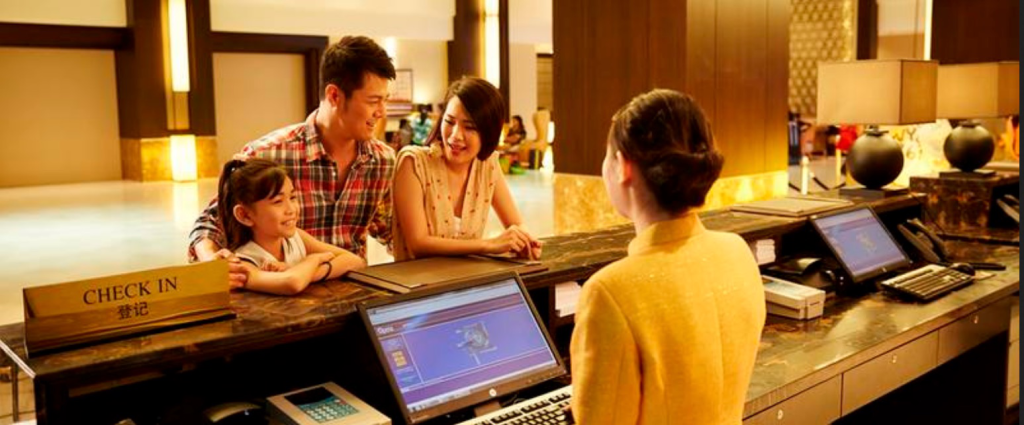
Checking in to a hotel
Vocabulary:
reception / lift or elevator / single or double room / king size bed or twins /
first floor / complimentary breakfast / key deposit / luggage storage / safe / mini bar
What would the conversation be ?
Reception: How may I help you / May I ask your name ? / Can I see your reservation code ? / That’s fine. You stay for three nights ? / May I have your passport, please ? / You’re in room 237. That’s on the second floor / Thank you. Sign here, please / Yes, the lift is just over there. / Naturally, as well as a hair dryer, coffee machine and mini bar. / Enjoy your stay.
Guest: Hello, we have a reservation / We booked a room online / My name’s ….. / Certainly, it’s on my phone. / Yes, that’s right. / Absolutely. / Correct. / Just a second; here you are./ Is there a lift ? / The second floor ? / Is there a safe in the room ? / Perfect. Thanks very much
Make a conversation. One student will be the reception, the other(s) a guest or guests.
Write your own conversation
You are in a hotel bar and you meet another guest. Start a polite conversation, but you have to use your English.
Greet each other
Why are you in this city ? (holiday or on business)
Offer to buy a drink (accept or decline – maybe you don’t drink alcohol)
How long are they staying ? What do they think of the hotel ? What can they do in the area around the hotel ?
Small group work
You are two married couples who meet on a tour and are staying at the same hotel OR you are on a business trip and meet some other business people.
Use the following sentences, as well as your own, to make a conversation. try to keep speaking for as long as possible by using small talk techniques (oh, really / that’s interesting / tell me more / what do you do exactly ? / where is that ? / Sounds interesting)
My wife and I are delighted to meet you
Shall we go to the bar or cafe ?
Can offer name first (I’m Simon, what’s your name ?)
Would you fancy a drink … ?
Is there anywhere special to do here ?
Sorry, I have to get my head down, it’s been a long flight (I need to sleep).
My colleague and I were going out to eat.
I fancy a beer or something alcoholic
Oh, I’m sorry, I didn’t ask where you are from.
Reasonable (cheaper)
Would you like to join us ?
Peckish (little hungry)
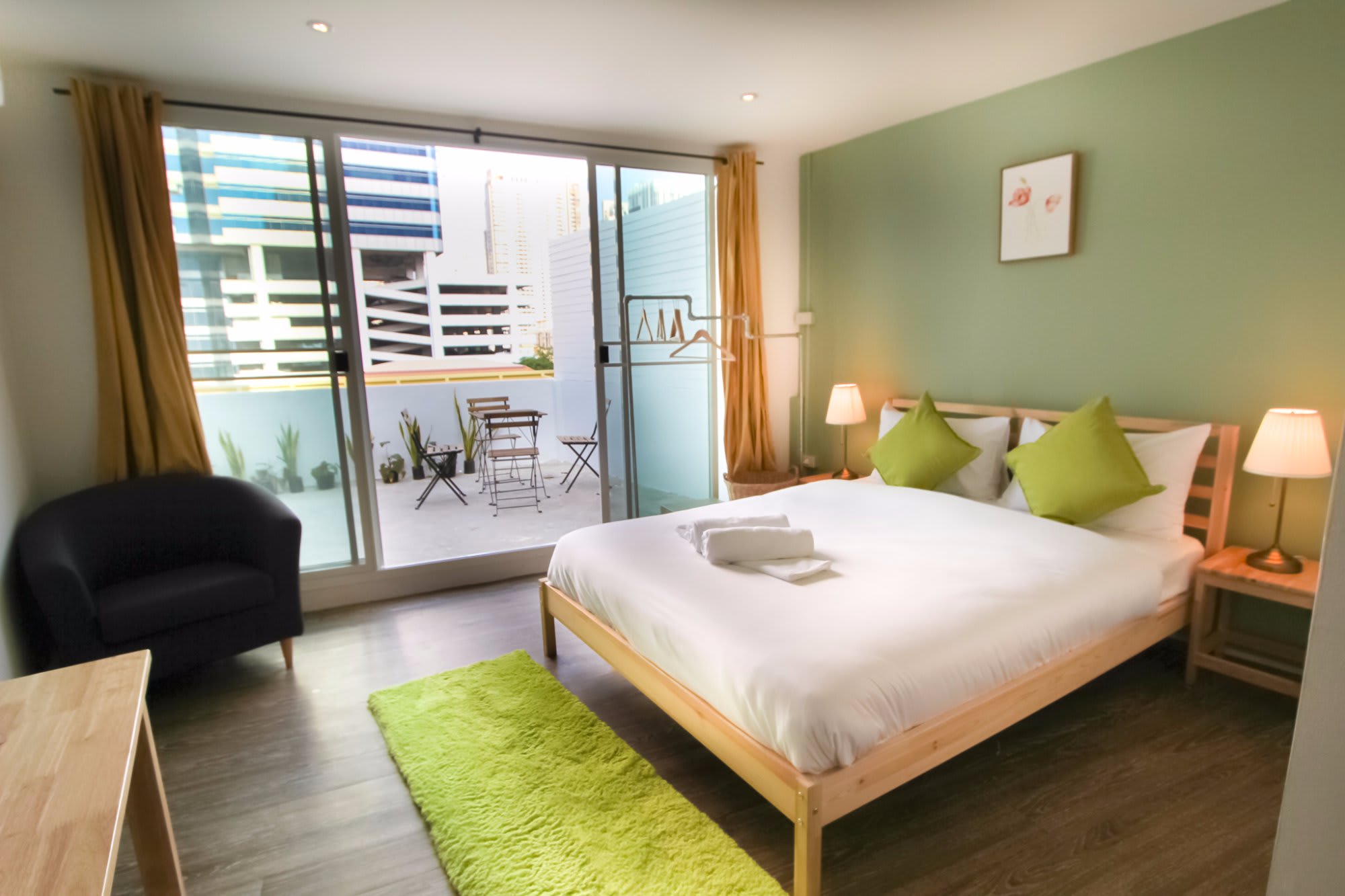
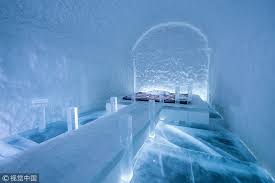
What do you think of these hotel rooms ?
What do you think of the design ?
Would you like to stay in any of these ? Why, or why not ?
Warm up: Ask students about problems at work. Encourage them to share their own stories.
Computers
The network is down (LAN or WAN)
My computer has crashed
The wifi is slow
I forgot my password
The printer is jammed / the ink has run out
I can’t access the file
Staff
We get on well together
We’re on the same wavelength (think the same thing)
He doesn’t pull his weight (doesn’t do his share of work)
My boss is a slave-driver (ironic / irony)
You’re not the boss of me !
He gets on my nerves ! (He annoys me)
General conditions
We need a pay-rise ! (we need more money for this job)
The air-con is too high / too low
It’s a great atmosphere here (it’s a nice place to work, people are friendly).
It’s not the friendliest place in the world ! (it’s not a happy or friendly office).
The commute is too long (time travelling to/from work).
Create a scenario:
What could the problems be ? Work in pairs or small groups. What would you do in these situations ? How would you feel ?
It is 11.55 am, just five minutes before lunch. You missed breakfast and are very hungry but then your supervisor comes to YOU and demands that you write some emails and check some files.
It is 16.00, you are tired and want to go home. You have to send some emails to Germany but … what could go wrong ?
The air con is on 18 degrees. You are very cold and only have a thin shirt.
You need to print out a file but the printer has jammed.
You try to send an important file to a college’s computer but the wifi is slow … and then your computer crashed.
You have some angry costumers … very angry !
An incident at work
Your colleague, John Harris, had an accident in the workplace.
Watch the first clip (0.00 – 0.40)
You have to report to your manager.
What was the task ?
What happened exactly ?
Were all safety procedures followed ?
What should have happened ?
Vocabulary
Idioms and expressions:
Very busy:
I’m snowed under / I’m up to my eyes in work / I’m working flat out /
Very quiet, not much work:
We are having some down time / It’s a quiet period / The place is deserted /
Time phrases– think of sentences using:
recently / nowadays / once in a while / in the long term / a few years ago
Talk about your work-day using a time phrase and an idiom.
Talk about some problems at work. How did you solve them ?
Have you ever had an angry costumer ? How did you deal with them or handle the situation ?
As drunk as a ….. // As dead as a ….. // As brave as a ……
As free as a ….. // As gentle as a …… // As quiet as a ……
If you need some help with the ‘drunk as a ……’ question.
Conversation Practice
Make sentences with these words or expressions:
In a class, write out the words on paper and distribute to the students, either individually or in groups. Give them a time limit and award points for each word used, plus bonuses for interesting or creative sentences.
spectacular / visually stunning / you get what you pay for / mouth-watering / a waste of money / significantly / according to / how can I put it ? / Somewhat / incredibly / as good as gold / as drunk as a skunk /
Reported Speech
Also known as ‘indirect speech’, reported speech is used to tell what someone has said.
Example:
Three Japanese students, Keiko, Rina & Mei are looking at their new university. Keiko, in the black cardigan says:
Keiko: Now I feel as wise as an owl.
However, with all the street noise, Mei didn’t hear so she asks Rina (who wears a pink and white striped top).
Mei: The building is stunning, but what did Keiko say ?
Rina: She said that she felt as wise as an owl.
Rina uses the past tense to tell Mei what Keiko said – she said she felt as wise as an owl.
Look at these:
Susan: “Mary works in an office.” This is Susan speaking directly.
→Susan said (that) Mary worked in an office. This is someone telling what Susan said.
Notice how the verb changes from present to past tense (‘works’ to ‘worked’).
Susan: “I work in an office.”
→Susan said (that) she worked in an office.
Notice how the pronoun changes from first to third person (‘I’ to ‘she’).
Exercises:
Rewrite the sentences using reported speech
1 ‘Ellie can use my phone,’ said my brother.
1 My brother said that Ellie could use his phone.
2 Benjamin: “I often have a big hamburger.”
2 Benjamin said (that) he often has a big hamburger.
(Pronoun changes from ‘I’ to ‘he’). Here Benjamin is talking about an event that happens frequently, so we keep the present tense ‘have’ but change it to the third-person form ‘has’.
Benjamin frequently eats big hamburgers. Because this is a repeated action, we always use present tense, even in reported speech.
3 ‘I don’t want to sit next to Sam,’ said Jenny.
4 Hannah: “They live in Boston.” Again, this is a present tense situation.
5 Tyler: “Ian doesn’t invite girls to his parties.”
6 Linda: “Did Max fly to London two weeks ago?”
7 Robert: “Dennis often downloads the latest tunes.”
Free speaking exercise
There is a work party and the managers want to know which food to serve.
The options are:
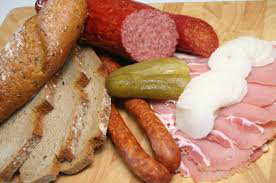
vegetarian / Korean / sea-food / western fast-food / traditional German cuisine
Korean foodBurgers, french fries, fried chickenTraditional German food … and beer.
Discuss which food to choose. Run through the pros and cons of each one. Also think about entertainment. Use recently acquired vocabulary:
Expressions:
I adore / I really enjoy / I’m into
I don’t mind … I quite like …. I can take it or leave it
I’m not keen on …. It’s not my cup of tea (idiom, means I don’t like it)
I can’t stand (noun or pronoun) ……. (seafood) / I can’t stand it !
Spicy / bland / hard to eat / unhealthy / fatty
not used to it / doesn’t appeal
you can’t please everyone / each to their own / fussy eater











































:max_bytes(150000):strip_icc()/GettyImagesAntonioGuillem-5afdcc88119fa80037fcbd43.jpg)





 Thay Paul's Notes