Have students repeat until their grammar is perfect. Make games, see who can conjugate the verbs clearest and quickest.
Now … practice:
First let’s use an adjective:
happy / sad / lucky / hard-working / lazy
Let’s start with the adjective ‘happy’
I am happy // I’m happy
you are happy // you’re _______
he _____ \
she ______ \
it _______\
Mr John ______ \
we ____ \
they ______
The verb ‘to have’
I have
you have
he has
she has
it has
Ms Jane has
we have
they have
Now … practice:
Let’s use some common nouns
sister (or twin sister) / piano / dog / new book
I have a ____
you ____ ______
he ___ _________
she ___ _______
Ms Jane ____ _______
we ____ ______
they ____ _______
OK, Snoopy, enough is enough … but we have just started; more blogs to follow.
Please Note: All photos are taken from Google Images or free photo sites, and are used for educational purposes only. No copyright infringement or offense is intended. If I have used your photo or image, and you wish me to remove it, just ask. This site is not monetized, I run it on my own dollar. Thank you.
There are some great websites for learning English.
[websites are plural and countable]
There is some ice-cream at VinMart.
[ice-cream is uncountable]
We use ‘any’ for a negative or a question
There aren’t any parks near my home.
There isn’t any French cheese.
Are they any good films playing?
Do you have any English tea?
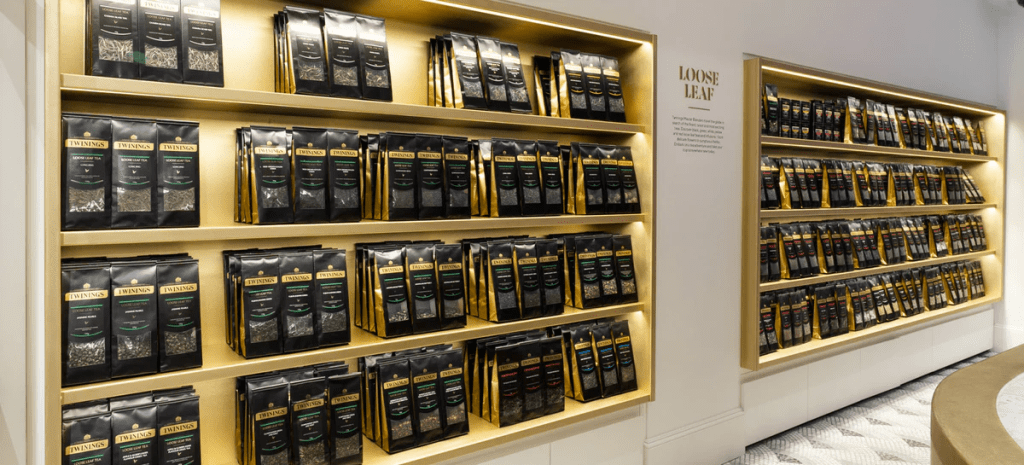
Twinings tea shop, London
NOW … YOUR TURN
1 Do you have ______ questions about the new project?
2 Let me give you _______ advice.
3 You don’t need to bring ____ paper. There will be ______ print-outs available.
4 There will be _____ visitors from Germany coming. Do you know ____ German?
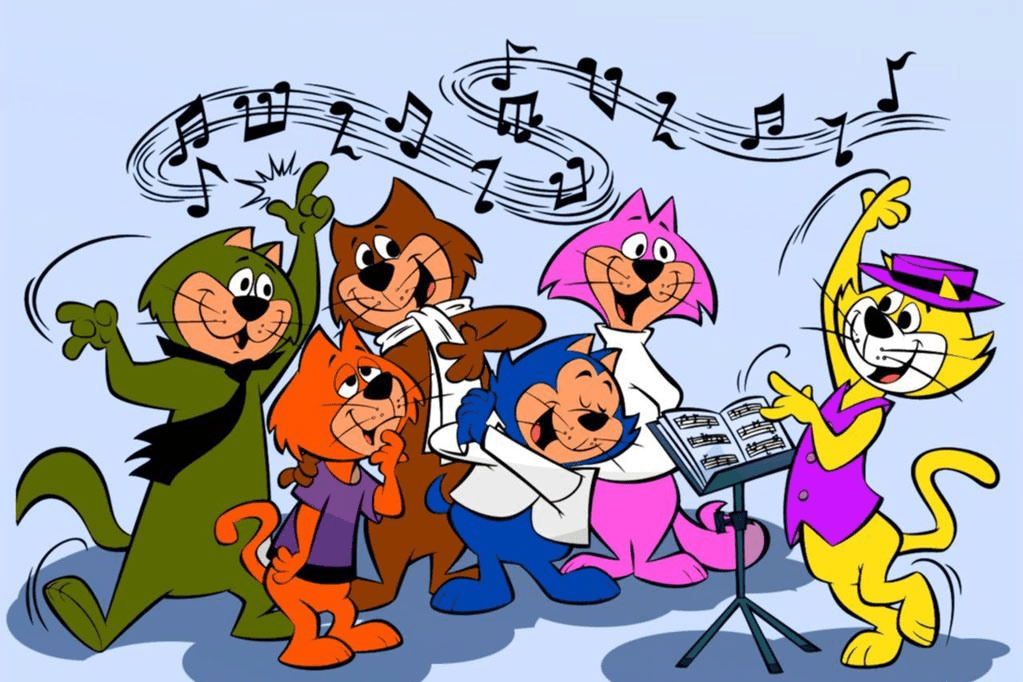
For Top Cats
Speaking practice:
Jim I can’t wait for Tet. Do you have any plans?
Ann Of course! I’m going to watch some films and get some rest.
Jim Have you bought any special food?
Ann I don’t have any time for shopping. I’ve still got some juice. How about you?
Jim I need to buy some fruit, some biscuits, and do I need any special food for Tet?
Ann Absolutely ! You must buy some cakes and some sweets.
Jim Anything else? I need some advise.
Ann Just make sure you have some beer. A LOT of beer. Cheers!
Please Note: All photos are taken from Google Images or free photo sites, and are used for educational purposes only. No copyright infringement or offense is intended. If I have used your photo or image, and you wish me to remove it, just ask. This site is not monetized, I run it on my own dollar. Thank you.
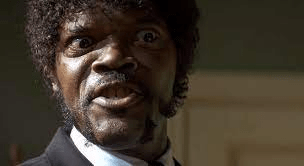
Take a look at the man in the photo. He is very happy – can you think why ? Maybe he is watching football and his team, Mexico, scored. He is shouting.
How is he shouting ? Happily ? Quietly ? Loudly ?
those three words are adverbs of manner – that just means how someone does something.
In our picture the man shouts loudly.
We take the adjective loud and add -ly
Let’s make that into a better sentence.
Are you ready Top Cats ?
I want three adjectives, a verb and then an adverb of manner. Also, give me a reason
Ça va ?
EXAMPLE: The handsome, young, Mexican man is shouting loudly because his team scored a goal.
Lets build a library of adverbs. Take these adjectives and make them adverbs. Be careful with words that end in ‘y’.
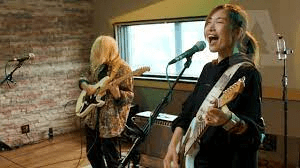
The young lady is from Korea – what is the adjective ? What is she doing, where is she, and how does she feel ? Let’s move on
I don’t think this man is very happy. What do you think ?
To whom is she speaking ? Does she want us to be noisy ? Is the phone call a secret ?
The Japanese band Tricot. They play guitar so …
Do you think riding a motorbike like this is a great idea ? Be careful, Keanu.
If he did this in MY class, what would I do ?
Bye bye – see you next week.
Please Note: All photos are taken from Google Images or free photo sites, and are used for educational purposes only. No copyright infringement or offense is intended. If I have used your photo or image, and you wish me to remove it, just ask. This site is not monetized, I run it on my own dollar. Thank you.
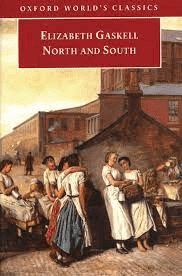
Margaret Hale, the protagonist in the novel ‘North and South’ returns to her childhood home, and revisits her old school. The new school mistress, who has made drastic changes, cajoles Margaret into giving an impromptu lesson.
One student is having difficulty with the ‘a’ sound.
“A, an indefinite article,” said Margaret mildly.
“I beg your pardon,” said the Vicar’s wife … “ (the new teacher).
The children had been taught to refer to ‘a’ as an adjective absolute. Margaret sat down “abashed.”
“The children knew more than she did. Mr Bell turned away, and smiled.”
(Chapter XLVI Once and Now)
Mr Bell, who is a fellow at Oxford and therefore very educated, passes no comment, yet his body language sufficiently expresses his opinion.
I had not come across an adjective absolute before. I could have taken the blue pill and kept on reading, or taken the red pill; I switched over to Google and began my descent into the rabbit hole of grammar taxonomy.
Others word forms have subdivisions; nouns can be proper, concrete, collective etc, verbs can be transitive or intransitive, and there are several types of adverbs.
Fortunately, the nomenclature is more frightening than the definition. So, without further ado let’s have a rabbit about adjectives (1), starting with the adjective absolute.
Most adjectives can be modified, e.g.
London is very expensive.
The book is extremely confusing.
Studying Vietnamese is quite difficult.
However, some adjectives do not need to be modified; they are superlatives (the biggest, the tallest) or binary (either yes or no). An old joke cracks that a woman phones her mother and tells her that she is a little bit pregnant. Of course, a woman is or is not pregnant.
Show, don’t tell:
A mark of 25% is unacceptable.
The building was destroyed in the fire.
Dinosaurs are dead.
The hostages were set free.
Modifiers such as absolutely, completely, totally may be used for emphasis.
The holiday was totally perfect.
My shirt is completely ruined.
I’m afraid it is absolutely impossible for you to get into Cambridge with those grades.
Now we know why Mr Bell “turned away, and smiled.”
I mentioned the rabbit hole because there are over a dozen types of adjective. Should you be interested, here’s some links to enlighten you:
What is different about helping verbs can and like & want ?
Can uses verb 1, but like & want use infinite (to + verb 1)
Now … Your turn
Write 3 sentences using can, like & want.
Remember:
can + verb 1 // like + infinite // want + infinite
Only good grammar can defeat Thanos …
Good Luck !
Please Note: All photos are taken from Google Images or free photo sites, and are used for educational purposes only. No copyright infringement or offense is intended. If I have used your photo or image, and you wish me to remove it, just ask. This site is not monetized, I run it on my own dollar. Thank you.
Basic grammar is a continual problem with my online classes, that and the stubborn reluctance [contumacy for those who like to learn new words] to write down new words, or to learn from their mistakes.
Basic grammar is basically lacking.
Many older student will, I am sure, have traumatic memories of conjugating verbs endlessly, without ever applying them in real-life situations. Hence, I propose a synthesis; drilling of verb ending, and then applying them in simple sentences.
Enough preamble, let’s go to work !
The verb ‘to be’
Only teach constructions in upper level classes
I am // I’m
you are // you’re
he is // he’s
she is // she’s
it is // it’s
Mr John is // Mr John’s
we are // we’re
they are // they’re
Have students repeat until their grammar is perfect. Make games, see who can conjugate the verbs clearest and quickest.
Now … practice:
First let’s use an adjective:
happy / sad / lucky / hard-working / lazy
Let’s start with the adjective ‘happy’
I am happy // I’m happy
you are happy // you’re _______
he _____ \
she ______ \
it _______\
Mr John ______ \
we ____ \
they ______
Secondly, let’s use a continuous verb (verb + ing)
reading / playing / swimming / watching TV / eating
I am reading
you ___ _______
he __ _________
she __ _______
It __ _______
Mr John __ _____
we __ ______
they __ ________
The verb ‘to have’
I have
you have
he has
she has
it has
Ms Jane has
we have
they have
Now … practice:
Let’s use some common nouns
sister (or twin sister) / piano / dog / iPad / new book
I have a ____
you ____ ______
he ___ _________
she ___ _______
Ms Jane ____ _______
we ____ ______
they ____ _______
OK, Snoopy, enough is enough … but we have just started. More blogs to follow.
Happy 2022, the Year of the Grammar
Please Note: All photos are taken from Google Images or free photo sites, and are used for educational purposes only. No copyright infringement or offense is intended. If I have used your photo or image, and you wish me to remove it, just ask. This site is not monetized, I run it on my own dollar. Thank you.
The English language, despite having a multitude of idioms, slang, vernacular, dialects, neologisms etc, can be easier to learn than other languages when it comes to the definite article. I am referring to the word ‘the’.
English nouns have no gender; the language doesn’t have the complex German structure of declension when the word ‘the’ changes depending if the noun is the subject, object or indirect object.
However, it’s not all plain sailing. English speakers employ declension when it comes to pronouns. Please allow me to illustrate:
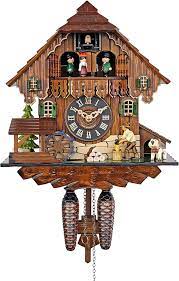
A cuckoo clock, invented in Germany (not Switzerland, as is often believed).
I bought this clock from a friend so it now belongs to me. It is my clock, it is mine.
However, with the wrong declension:
Me bought this clock from a friend so it now belongs to mine. It is I clock, it is my.
Last night, a level 6 class (aged around 10) were having a lesson on conservation. The examples were all in the second person (your), and the students were having problems changing the pronoun. Hence, this blog:
Let’s go to work
Let’s keep it simple. There are three cases:
the subject, the object and the possessive
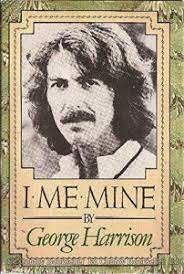
I, Me, Mine
In our example I bought this clock from my friend, the first noun is ‘I’ (subject)
so it now belongs to me. (object)
It is my clock, it is mine. (possessive)
Now … let’s practice
I // me // my or mine
you // you // your or yours
he // him // his
she // her // her or hers
we // us // our or ours
they // them // their or theirs
EXAMPLE: What can you do to stay healthy ?
I can exercise. Being healthy is important to me. These are my weights. They are mine.
How about changing the pronoun ? Tell me about this man:
He is very funny. Many people like him. It is his dog. The dog is his.
Tell me about this lady
— is very happy. I can not beat — in a game. — racket (bat) is very expensive. It is —-.
Let’s use ‘you’
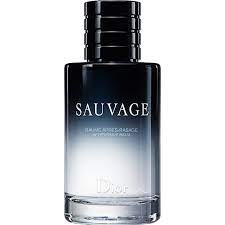
— can wash your hair. I will buy some cologne for — . It is —- cologne, it is —– .
Tell me about these people
—- are American. If you go to the USA, maybe you will meet —-. This is —– flag, it is ——.
Please Note: All photos are taken from Google Images or free photo sites, and are used for educational purposes only. No copyright infringement or offense is intended. If I have used your photo or image, and you wish me to remove it, just ask. This site is not monetized, I run it on my own dollar. Thank you.
Idioms are used frequently in conversational English, not to mention formal and informal writing, and in song lyrics. Additionally I have heard British politicians, speaking in Received Pronunciation, employ an idiom in two in their remarks.
Generally students like having a few idioms under their belt, as it makes them feel that they are closer to everyday English, and can hold their own in a conversation.
Therefore, here is a one-stop shop for various idioms I’ve introduced over the years. Now, put your nose to the grindstone and get cracking.
Idioms
it’s raining cats and dogs
it costs an arm and a leg
piece of cake
I’m burning the candle at both ends
once in a blue moon
pass with flying colours
turn over a new leaf
Another string to (your) bow – a new skill or learning experience
bear with me – please wait a very short time (usually spoken as opposed to written)
bit of a sore point – something that makes you sad or angry
down in the dumps – depressed, unhappy, feeling gloomy
hit the ground running – to start something immediately and with all your energy
like a madhouse – a place or area that is crazy, too noisy, too busy etc
run of the mill – ordinary, typical, normal, usual, boring
up in arms – to be very angry about something, to protest strongly
you take your life in your hands – doing something that is extremely dangerous
tickled pink = very happy – I’m tickled pink
fit as a fiddle = very healthy
Keep an eye on = watch something carefully
under the table = to give money to someone unofficially
kick the bucket = to die (informal) Did you hear ? Old Tom kicked the bucket.
A spanner in the works = a serious problem
In the right ball park (US) = not correct but close
On the right track (UK) not correct but close
veckteezy.com
Learning the ropes = learning what the job involves
Snowed under = very busy
number-cruncher = a slang term for an accountant
cooking the books = writing false information in accountants – a serious crime
Let’s call it a day = We can finish work now
Can you run that by me again ? = Please repeat.
tea / cherries / nutshell / cucumber / carrot
Growing up is hard, life isn’t always a bowl of _________ .
He walked in, as cool as a _________ , and told the boss he wanted a pay rise.
We’re going to try using a _________ and stick approach
I’m not a fan of karaoke, it’s not my cup of _________ at all.
To put it in a _________ , philosophy is very difficult.
Please Note: All photos are taken from Google Images or free photo sites, and are used for educational purposes only. No copyright infringement or offense is intended. If I have used your photo or image, and you wish me to remove it, just ask. This site is not monetized, I run it on my own dollar. Thank you.
Warm Up: A kinetic run ‘n’ write exercise. I will say a simple sentence in the present tense; students have to write the past tense. Class can be split into two or three, depending on size, each with a different colour marker.
You act in a play / I ride an elephant / She win a competition / He read a big book / We learn English /
In English, we often talk about what we were doing at some time in the past.
For example:
Last night I was in a café drinking coffee.
We show past tense by
1 a word or words that show the past e.g. Last night, yesterday, this morning
2 the past tense form of the verb e.g. I am = I was / he is = he was
Then we use a continuous verb to say what someone was doing i.e. verb+ing (playing, reading, working)
Last night he was in his room playing guitar.
Yesterday she was at school writing in her book.
Last week they were at a party singing songs.
How did the children feel ? They felt …
Now we can use past simple and past continuous:
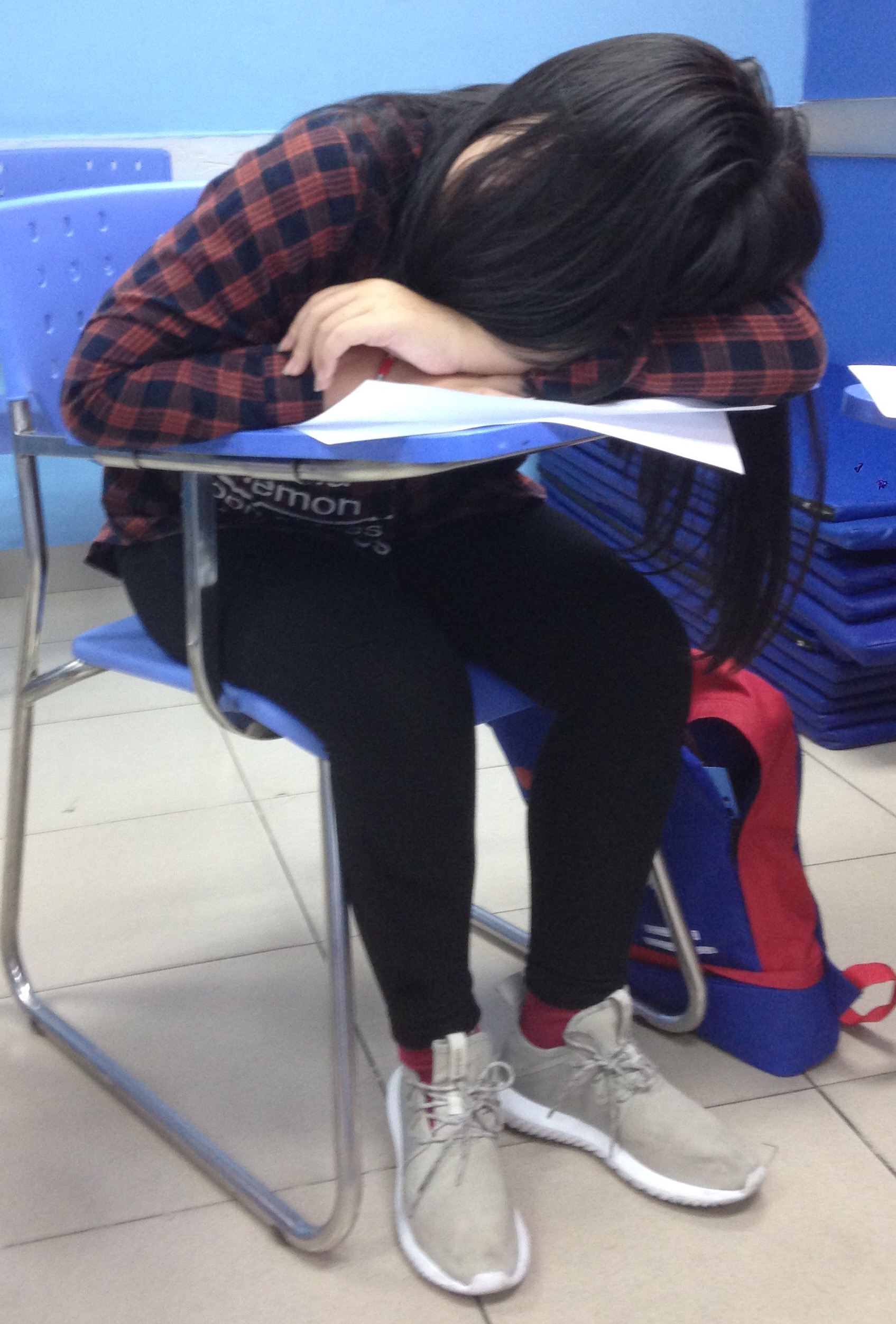
When I came to class, the student was sleeping.
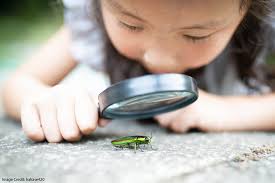
When I called my sister, she was studying insects.
When I found my friends, they were looking at the stars.
Now … Your turn
When I found my friends, they were …
To make your English more interesting, we can change the word order:
When I found my friends, they were collecting leaves
They were collecting leaves when I found my friends
NOTICE: no comma in the second sentence
Change the word order:
When I found my friends, they were identifying trees
When I found my friends, they were picking strawberries
When I found my friends, they were finding animal tracks
Please Note: All photos are taken from Google Images and are used for educational purposes. No copyright infringement or offense is intended. If I have used your photo or image, and you wish me to remove it, just ask. This site is not monetized, I run it on my own dollar. Thank you.
Regular verbs: just add -‘ed’. However, as you see, in this list only one common verb, ‘want’, is regular.
NOTE: ‘to be’ is different:
I am hungry / You are hungry / She is hungry / We are hungry
Now, practice: In groups of three or four, ask each other questions in order to feel more natural using the past tense. Let’s start simply:
What did you do today ?
Each student takes turns describing their day. Use these photos to help you.
Extra practice:
buy / drink / surf the internet / help parents / cook / do homework
Present tense ——– Past tense
act —— acted
go —- went
learn —— learned OR learnt
play — played
read —– read (pronounced ‘red)
ride —— rode
sleep —– slept
watch —- watched (pronounced ‘watch -t‘)
win —- won
What is the past tense ?
I act in a film. Last week I ______ in a film.
I go to London. Last year I _______________ to London.
I ride an elephant. Last month I ___________ an elephant.
I learn English.
Last Saturday, we ___________ English with Mr Paul.
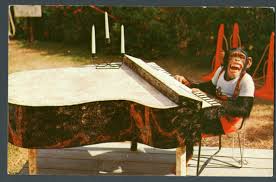
The monkey plays piano.
Last night, the monkey _________ piano.
She reads a book. Last Sunday she _____ a book.
He sleeps all day. Yesterday he _______ all day.
I watch the amazing Spiderman.
Last week I ______ the amazing Spiderman.
Put these verbs into the past tense, then complete the sentences:
want ———
take ———
decide ———
see ——–
buy ——–
think ——–
learn ——–
I —— to stay in bed this morning
She —– great photos with her new iPhoneX
We have —— to go to Thailand for Tet
Last night I —- a great film !
He —- food for Christmas from Harrods.
Tuesday ! I —— today was Wednesday
We —– about past simple in our lesson.
Pronunciation guide
In English, verb can be regular or irregular.
Regular verbs add -ed or -d in the past tense.
EXAMPLE:
I walk to work // I WALKED to work
I play guitar // I PLAYED guitar
She smiles on TV / She SMILED on TV
They dance in T-ara // They DANCED in T-ara
-ed past tense verbs pronunciation
Words have 3 end sounds:
‘t’
‘d
‘id’
If the word ends with:
ch / f / k / p / s / sh / thi – The sound is ‘t’ look = ‘lookt’
t /or / d/ – The sound is ‘id’ visit – ‘visitid’
Other sounds are ‘d’ bang = ‘bangd’
What is the correct pronunciation for these regular verbs ?
Look = Looked // laugh = laughed // end =
beg = / visit = / kiss =
brush = / breath = / love =
Read these sentences:
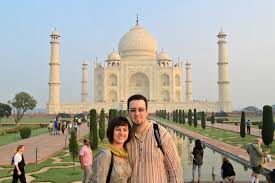
He cleared up the mess / He rolled up the newspaper / I have visited India
No Homework ! That sounded good / Teacher shouted, ‘No way !’
We all worked hard today / Tom talked so much /
The students played many games and laughed.
They have visited India
She has banged the drum !
Please Note: All photos are taken from Google Images or free photo sites, and are used for educational purposes only. No copyright infringement or offense is intended. If I have used your photo or image, and you wish me to remove it, just ask. This site is not monetized, I run it on my own dollar. Thank you.



























 Thay Paul's Notes