Sentence order – exercises for you to practice rearranging the words in a sentence to make your English more interesting. This is especially useful for IELTS students.
Vocabulary – a feature just on boosting your command of the English language, and finding higher, or better, low-frequency words for basic English.
Vocabulary
Objectives:
Increase vocabulary. The average native-speaker uses about 2 000 words. You can boost your vocabulary by learning verbs, adverbs and adjectives which can be easily found by a Google search. Also, use an online thesaurus.
Speak in longer sentences. Say what you want to say (make your point), then elaborate by giving examples, adding reasons and maybe an anecdote. Along with this, give the opposite view by using conjunctions such as ‘however’, ‘on the other hand’ etc.
Pronunciation. Many native speakers have a problem understanding English learners, so we will practise slow and careful enunciation, intonation and stress.
excessive/ biased / appropriate / opponent / in opposition to / beat / currently / not my cup of tea
hold your horses / debate / borrow / lend / expect / lease / terrible
Which words would you employ / use ?
Brazil beating Costa Rica was ……..
This film is extremely violent, it’s not ………. for children.
The politicians are ………. the issue of land-………. to the Chinese.
You can ……. money from a bank, but they …… it at a high interest rate.
The match was so ………… However, Spain – Portugal was ………
The man said Ha Noi was the best city, but he is from there so he is ……….
People were on the streets ………. and ………… against higher taxes.
The man went to prison for forty years just for littering. That was ………….
I haven’t finished yet, ……………………..
TV, radio, internet news and newspapers are called the ……..
New vocabulary:
aggravate – to make worse
tensions – bad feelings
keep a lid on it – stop something getting worse, or not to tell someone. We’ve got a new boss coming, but keep a lid on it (don’t tell anyone).
set up – start to do something. Fred is going to set up a new business.
knock out – (from boxing) to hit someone so they fall and stay down for 10 seconds
to eliminate someone / thing
Historically (adverb from history) – something that has happened over a long time.
They are currently ——– between China and Vietnam. This is nothing new as —— the two countries have had conflicts.
The government are introducing policies to ———— on inflation (prices rising).
President Trump visited North Korea to ease ——- between the two countries. He must be careful what he says or he may ———— the situation.
England have ———– Colombia so I am ———(a great word for happy). However, the greatest shock was Germany being ———— at the group stage.
The coverage in the Chinese media is not impartial, it is unbelievably ——— . However, this is nothing new; the media is the USA is also ———- towards either the left or right.
Project: Look at these headlines from the UK media. Could they happen in your country ?
A story about the Queen’s second son, Prince Andrew, and a sex scandal.
A left-wing paper writing about a right-wing Prime Minister.
Calling the England football manager a ‘turnip-head’.
Changing sentence order:
John read comic books as a boy. As a boy, John read comic books.
Mary sent two emails then went home. Mary went home after sending two emails.
Try changing these:
Watt worked as a maker of mathematical instruments but later found himself working with steam engines.
If we had to give credit to one inventor, it would probably be Karl Benz from Germany. Many suggest that he created the first true automobile in 1885/1886.
Sherlock Holmes is a fictional private detective created by British author Sir Arthur Conan Doyle
Japan’s high speed bullet trains, also known as Shinkansen trains, offer visitors an experience like no other with speeds reaching up to 320 km/hr !
under the table (giving money to get something done quickly) / over the top (something that is too much or a person behaving too loudly).
In Asia, giving money under the table is, sometimes, the only way to get something done.
In USA many TV presenters are so loud, they are completely over the top.
Building longer sentences:
Make these simple sentences into a longer piece by using discourse markers, adjectives and adverbs and opinion phrases:
I work at ATS. My job make me tired. I have many projects to do. My co-workers are nice.
Relative pronouns– who (person), which (thing), where (place).
Adverbs– add information
Opinions– I feel, I believe, in my opinion, from my point of view.
Discourse markers – although, despite, however …
ATS, where I work, can be extremely tiring because there are many projects which, I feel, are very challenging. Having said that, there are many wonderfully friendly colleagues who make me feel happy.
Write a short piece about your school, university or work:
Sentence building:
although / despite / albeit
Can be used like ‘but’ and ‘however’. .. sentence structure may need to change:
Peter likes driving although he hates traffic. ONE sentence
Although he hates traffic, Peter loves driving. TWO clauses
King BBQ is very good albeit very busy NEVER starts a sentence
Despite being very busy, King BBQ is great. NOTE despite + verbing
King BBQ is great despite being very busy (or costing very much / having no beer.)
We love our jobs despite the fact that we have to work long hours.
Write longer sentences using albeit, although or despite.
T_ara are adorable. Their music is nothing special.
Vietjet is cheap. The flights are frequently delayed.
Korea is beautiful. The weather can be cold. (Also add adverbs)
Rolex watches are astronomical. They are good quality
Music vocabulary:
rhythm / beat / melody / production / arrangement / vocals / lyrics / solo
Genres (types of music): pop / rock / country and western / punk / classical / jazz blues / opera / R ‘n’ B / techno / rap
What kind of music do you like ? Ask your classmates, and try to keep the conversation alive for as long as possible. You can say what genres you like, then give examples of artists and special CDs or records. How do you buy music, how do you listen to it (computer, CD, iPhone, MP3 player ?) Do you play an instrument ? Would you like to play something ? Do you ever go to concerts ?
Phrasal verbs:
give in / turn off / start off / put out / cut down/ cut out/ put up with
1 I’m working too much, therefore I must _________ on my hours.
2 You can’t smoke here ! ____________ that cigarette.
3 We have to _________ so much noise and dirt here in Cat Lai (industrial area).
4 I always __________ to my wife when she demands something; it is easier !
5 Time to knock off. Before you go, make sure to _________ your computers.
6 For health reasons, my doctor advised me to _________ fatty food.
7 The film ___________ great, but soon became too complicated.
Speaking practice:
You are at a job interview and have to introduce yourself. Start by giving some facts, your educational background and how long you have worked in your current/ present job. Describe your personality and finish by saying what you like to do in your spare time.
Example:
I was born in …. and I graduated from …. University in 2019 with a major in Business Administration. Since then I’ve had two year’s experience in administrative work at ATHA and followed that with a stint in SLH Corporation.
I’m a very organised person, well-balanced and efficient. I’m hard-working and dedicated.
In my free time, I like to travel and I love to paint. In addition, I enjoy going out and having coffee with friends. I also support Barcelona and enjoy playing badminton after work.
Vocabulary booster:
I live in a:
quiet, residential street. Peaceful at night.
lively and busy commercial area, many shops
dirty and dusty industrial part of town. Very noisy.
My home is a / an:
apartment and I live alone
rented room share with friends
house live with family
pros and cons – advantages and disadvantages
adverbs of degree (very, extremely, incredibly, remarkably, unbelievably)
I travel to work by:
Motorbike. It’s quite / rather far and extremely stressful.
Use Grabbike. It’s very convenient albeit rather expensive.
On the bus. Although it’s incredibly cheap, it’s not very pleasant.
Idioms and expressions
At work I find myself doing the same thing day in day out. It’s tedious.
Learning English is, for me, easy, a piece of cake. It’s very important and fun.
In my free time:
I enjoy watching films and playing sports. I am competitive !
adore hanging out with my friends and family.
love shopping. I can spot a bargain and I hate being ripped off !
Learning English:
in my opinion, is vital for the future. It’s imperative we learn.
is a necessary task. It’s awkward and frustrating, but I need it.
is highly enjoyable and relaxing. I love to improve my mind.
The War Remnants Museum is
extremely popular with tourists, a major attraction in the city.
well laid-out and organised. The exhibits are fascinating.
very sombre and thought-provoking. Well worth a visit.
educational and essential. We can discover much there.
not suitable for children, though I would recommend it to adults.
Increase your word power
Part 1: Match the basic words with others of similar meaning
For example boring = tedious
interesting / on time / forgetful / live (I live in) / smart (clever) / get (by hard work) attain / absent-minded /fascinating / punctual / intelligent / reside
Part 2
unhappy / honest / not often / tired / place / reliable // exhausted / seldom / miserable / trustworthy / dependable / environment
Part 3
small or unimportant / try / make / great / happy / not nice / / endeavour / jovial / prepare / insignificant / nasty / brilliant
Practice:
John is so forgetful; he is _______________
German manufacturers are reliable; they are ____________
The increase is very small; it is _______________
The plane was on time; the service is very _____________
She is so clever; she is very ______________
Now make sentences with the new words. Put class into teams and they have to make sentences with five new words e.g. (for example):
After studying for three years, John attained his BA Degree.
Use these phrasal verbs in new sentences – BUT in the past or continuous tense.
give in / give up / put up with / put off / take off / start off
New Vocabulary
passive smoking
nightmare situation
how can I put it ?
a fair comment ?
peer pressure ?
emulate
inconsistent
willing = happy to do something
luke-warm
concise = short and to the point.
sneaky = crafty, cheeky
I am __________ to help you with your homework.
Please be short and _________ when you give a speech.
The audience was only _____________ after the band played.
People can get cancer just by _________________ .
I have so much work to do and have a meeting with my boss; it’s a ______________
A miscellany of lesson notes aimed specifically at basic-level English
Contents :
Introductions
Daily routines
Describing clothes
Discourse markers
Driving expressions
Grammar – adjectives // helping verbs // comparatives & superlatives // I used to // modal verbs // much or many ? // past tense exercises // possessives // relative pronouns // should or shouldn’t // some or any // I need // verbs – most common verbs present, past and past participle.
Listening comprehension
Vocabulary – new words and expressions
Vocabulary – film
Vocabulary – Kitchen
Vocabulary – what do you need ?
Sentence building
Speaking practice – introductions // repairs // future tense
Travel language
Warm-up activities
Introducing yourself:
If you meet a new friend or business acquaintance
Hello, how are you ? Very well, thank you, and yourself ? / I’m great
Are you a family man ? Yes, I have a wife and two kids
You married ? No, my job leaves me no time for romance !
Do you have kids ? Ha, I’m married to my job
Where did you train ? I got my degree from …….. University
I majored in business admin.
I studied at ……..
How do you relax ? I enjoy sports and meeting up with friends
How do you unwind ? I just crash on the sofa and watch movies
What do you do in your spare time ? I love to travel and drink beer.
Where do you see yourself in five years ? Senior manager !
On an island in Thailand / Still working here !
Daily routines
My routine:
In the morning:
07.00: Get up. Wake up
07.05: Brush my teeth, (Get washed / have a wash / shower) put on clothes / get dressed
07.15: Eat breakfast.
07.45: Go to work / go to my company/ go to my job
08.00 -17.00: Work.
09.45 – 10.00: Coffee break
12.00 – 13.00: Go out for lunch / lunch
17.00: Check out and go to eat dinner. Take another break and eat
17.30: Go back to company and continue working. Knock off / finish work
19.00: Go to swimming pool. Go swimming
20.00: Go home and talk with family. Hang out / spent time with my family
22.00: Read books or play games
23.00: Go to bed / Go to sleep.
Grammar note:
we can use an infinite or continuous form
She starts to work at 7.30 OR she starts working at 7.30.
What is your typical free day ?
How was your day ?
Did you have agood day ? A so-so day or a bad day.
Did anything unusual happen or was it same old, same old ?
In the morning, I went to my company then I went to the bank.
After that, I went home.
[NOTE: never ‘to home’, ‘to swimming’ or ‘to shopping.’ I went shopping, then went home]
After lunch I went to a customer and we spoke about the new project. After we said goodbye, I came here to study English.
Replace ‘went‘ with:
visited / travelled to / had to go to (means very important) / drove / saw / met with
Describing clothes
Patterns
Plain T-shirt – no pattern, no writing or design.
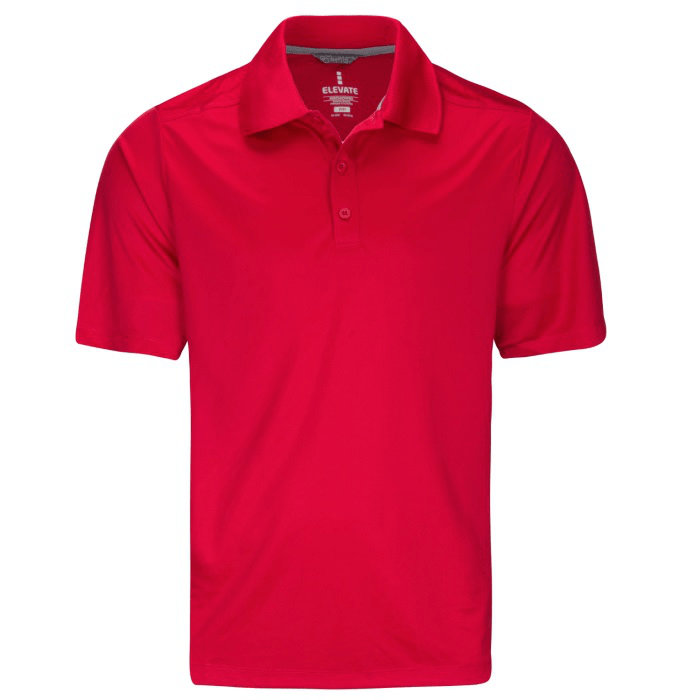
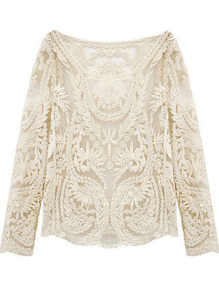
A striped dressA striped shirtA checked jacket or coatA flower or floral skirtA spotted tieA polo shirtA tracksuitBaggy jeans made from denimTight jeansCardigan lace blousedesigner trainers or sneakersBusiness suit, shirt and tie
hot, cold, sweet, bitter, Vietnamese, weak, strong, expensive, Indian
Now add a reason – ‘because’, ‘as’
I love good strong coffee because it wakes me up and I also adore sweet Indian tea in the evening as it helps me to unwind.
Make longer sentences:
I like Sai Gon but I don’t like Ha Noi
I like films and I like games
My friend likes street food but he doesn’t like restaurants
Vocabulary – adjectives
standard / higher / / opposite / higher
good / brilliant // bad / terrible
beautiful / gorgeous // ugly / hideous
interesting / fascinating // boring / tedious
expensive / over-priced // cheap / bargain
modern / hip / trendy // old-fashioned / out-dated
gentle / calm // angry / hot-headed
big / massive / huge // small / tiny
important / significant // unimportant / insignificant
tiring / exhausting // relaxing / peaceful
Helping verbs: have / want / need /go / like
Subject + helping verb + infinite …..
I have to find my mobile phone // She goes to work // He needs to relax
Write sentences for these pictures:
He wants ….
She likes ….
Negative: He doesn’t …
Grammar – comparatives and superlatives:
big / bigger / biggest (-er / -est for small words)
interesting / more interesting / the most interesting (more / the most for longer words)
Sai Gon is bigger than Ha Noi
Chinese is the most difficult language to learn
Make sentences:
London expensive Sai Gon
Thailand hot Canada
Moroccan food spicy French
Action films exciting rom-com (romantic-comedy)
I used to …
When I was young, I used to play football. Now I am too old !
I do NOT play football NOW. I played football when I was young
Write sentences. Example: When I was young, I used to read comics.
When I lived in Germany I used to …
Grammar: possession
This pen belongs to me, it is mine.
The laptop belongs to Jane, it is _______
It’s John’s book, it belongs to ______
We all work for HLS, it is ______ company.
Give this to Anna and Gary, it is _______
Grammar: modal verbs
Modal verbs are helping verbs that show
permission (sự cho phép)
possibility (khả năng)
can / could / have to / must / might / should
can’t / couldn’t / don’t have to / mustn’t / mightn’t / shouldn’t
1. Ted’s flight from Amsterdam took more than 11 hours. He must be exhausted after such a long flight. He might prefer to stay in tonight and get some rest.
2. Hiking in the mountains ______ be dangerous. You _____ research the route a little more before you start.
3. You _____ take your umbrella today. The weatherman said there’s a storm in Nha Trang and it ______ rain this afternoon.
4. When you have a small child, you ______ leave small objects lying around. Such objects _____ be swallowed.
5. I _____ believe she said that to the supervisor!
6. Jenny’s wedding ring is enormous! It ______ be very expensive.
7. Please water the plants. If they don’t get enough water, they _____ die.
Try to make sentences:
I need to…. She wants to… You have to… We like to … He hates to …
Much or many ? A little or a few ?
[a few = countable / little = uncountable]
Is there much work left ? I really want a little free time to run some errands.
There are ….. shops in the mall. I need to buy …… items
Is there ….. beer in the fridge, or do I need …… more ?
There are only a … millionaires inVietnam but they have so ….. money.
There are far too ….. karaoke singers. I need …….. peace.
PAST TENSE EXERCISE:
Complete the exercise with the verbs inside the box.
buy
catch
cost
drink / fall / hurt / sell
teach
throw
win
spend / write
choose one of these verbs and use the past tense form
1. Mozart ……. more than 600 pieces of music.
2. ‘How did you learn to drive?’ ‘My father …….. me.’
3. We couldn’t afford to keep our car, so we ……. it.
4. I was very thirsty. I ……… the water very quickly.
5. Paul and I played tennis yesterday. He’s much better than me, so he ……. easily.
6. Don ……. down the stairs this morning and his leg.
7. Jim …….. the ball to Sue, who …….. it.
8. Ann …….. a lot of money yesterday. She ……. a dress. It ……. £100
Grammar – Present Perfect
Present perfect:
Subject + have/ has + past participle
I have been to Ha Noi
She has visited London
They have seen that film so many times but (they) have never understood it.
I have read ‘My Sassy Girl 1’ although I have not read ‘My Sassy Girl 3’
(I haven’t read)
Have you read any good books recently ?
To talk about something in the past but not when it happened
He has looked at the report – YES
He has looked at the report last week – NO
(He looked at the report last week) just use simple past
Can use with ‘for’ and ‘since’
I have lived in HCM since 2010
I have lived in HCM for seven years
Exercises: Put these sentences into present perfect
I John (read) your email several times. John has read your email …. 2. She (wear) that skirt many times. 3. My family (visit) Brazil a few times. 4. I (eat) already. 5. Mia (finish) her homework. 6. You (break) the glass again. 7. They (pay) for everything. 8. It (never snow) like that. 9. I (meet) Anna once. 10. We (see) him before.
Grammar – Relative Pronouns:
who For people: This is the man who sold me the fake Rolex !
which For things: We tried fish and chips which is delicious.
where For places: Let’s go to the shop where we saw the great bargins.
Whose Possessive: That’s the singer whose record we heard last night.
The car, whose driver was young, won the race.
Exercises
We arrived at a nice beach ______ we could swim and lie in the sun.
A man ______ mobile phone was ringing did not know what to do.
The patient, ______ had a serious disease, was taken to hospital immediately.
Smithsfield is a small village ______ people live a quiet life.
A boy ____ sister is in my class was in the bank at that time.
I know a person ____ can speak seven languages.
We visited the church _____ is in the middle of the square.
It is a protected area of land _____ you can see a lot of interesting wildlife.
This dress is made of silk, _____ is a very expensive and delicate material.
Grammar: should / shouldn’t
Complete the sentences. Use the verb in brackets. Sometimes the verb will be nagative Use contractions where possible.
It’s cold. You … a cardigan. (wear)
She’s always tired. She … to bed late every night. (go)
… now? (we / leave)
You … some fruit or vegetables every day. (eat)
The students … their mobile phones in the exam. (use)
You … the teacher to help you if you don’t understand the lesson. (ask)
People … fast in the town centre. (drive)
… the dress or the skirt? (I / buy)
Grammar: ‘some’ or ‘any’
we use ‘some’ for a statement
we use ‘any’ for a negative or a question
There are some great websites for learning English. PLURAL / countable
There is some Czech beer on sale at VinMart. PLURAL / uncountable
There aren’t any beer clubs near here
We don’t have any French cheese
Are they any good films playing ?
Do you have any English tea?
1 Do you have ______ questions about the new project ?
2 Let me give you _______ advice.
3 You don’t need to bring ____ pens or paper. There will be ______ print-outs available.
4 There will be _____ visitors from Germany coming. Do you know ____ German ?
Speaking practice:
Jim I can’t wait for Tet. Do you have any plans ?
Alf Of course ! I’m going to watch some films and get some rest.
Jim Have you bought any special food ?
Alf I don’t have any time for shopping. I’ve still got some beer. How about you ?
Jim I need to buy some fruit, some biscuits, and do I need any special food for Tet ?
Alf Absolutely ! You must buy some cakes and some sweets.
Jim Anything else ? I need some advise.
Alf Just make sure you have some beer. A LOT of beer. Cheers !
Grammar: I need
subject need (helping verb) infinite verb (to + verb) completion
I need to visit a dentist
She needs to stop buying clothes !
subject need (helping verb) article / determiner noun
He needs a laptop / I need the report
We need some overtime / She needs a bottle of water
I need tôi cần // I want tôi muốn
1 I ____ to visit Thailand. 2 He ______ to find a job now !
3 Her mother ____ her to get married. 4 Do you ____ to see Twin Peaks ?
5 She can’t go out, she _____ to finish her homework.
6 They _____ new shirts but they ______ to buy computer games instead.
Some items are essential (very important) Some are useful
Some are luxury items (don’t really need them)
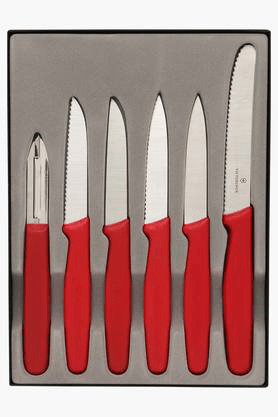
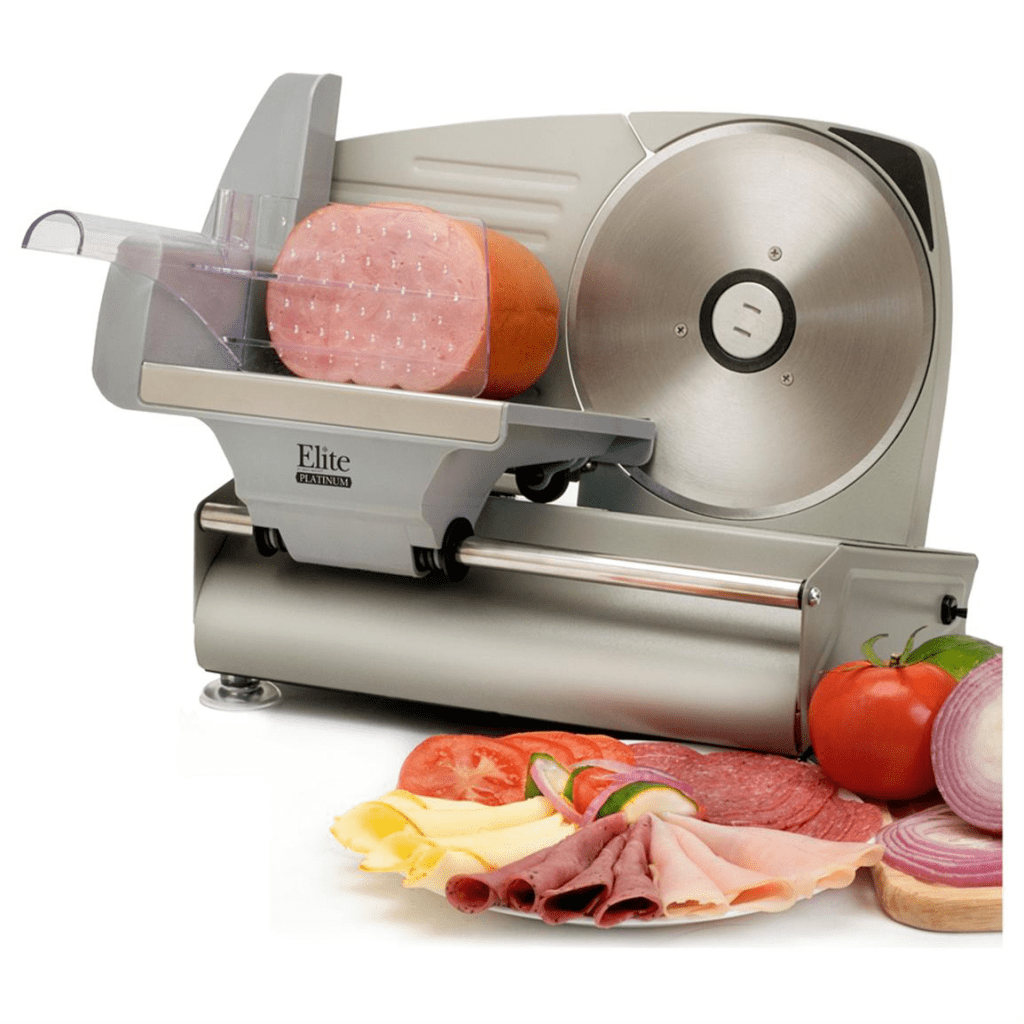
EXAMPLE: I think a fridge is essential. However, a meat slicer is a luxury item.
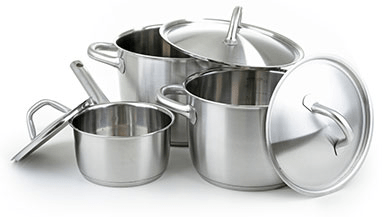
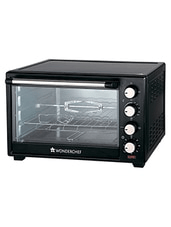
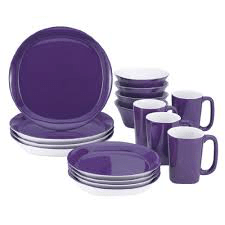
toaster cooking pots set of knives (one knife, two knives)food mixermicrowave ovenplates and cupsmeat slicerrefrigerator (fridge)kettlevegetable peelerkitchen timer
What are they made of and what are they used for ?
EXAMPLE: A toaster is made of metal and is used to toast bread.
What do you need …. ?
What do you need to make pho ?
What do you need to ride a motorbike ?
What do you need for a party ?
What animals do you need for a zoo ?
What do you need to do before you go out ?
Women wear perfume, men wear after shave
Sentence building
Sentence building – verb practice
REMEMBER: ‘to be’ is different:
I am busy / you are busy / she is busy
I was busy / you were busy / she was busy
I was quite busy / really busy / I was extremely, incredibly busy !
I have been busy / you have been busy / she has been busy
Look at this picture: describe what you see
First – what is the subject ? A man
What does he look like ? Adjectives
What is he wearing ? Colour, material, pattern
Where is he ? What is he doing ?
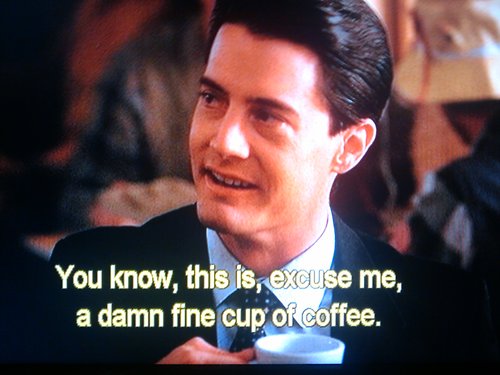
A young man with short dark hair, dressed in a dark suit, white shirt and black and white spotted tie is sitting in a restaurant or coffee shop. He is drinking from a small white cup. We know he is drinking damn fine coffee !
Write the subject first ( A young man ). THEN, you can use pronouns (he).
Write long sentences for one of these pictures.
Speaking Practice
Colin Good morning, I’m Colin.
Mike Pleased to meet you, Colin. I’m Michael but call me Mike.
Colin Thanks, Mike. Have you worked at ….. long ? (a long time ?)
Mike Yes, quite long; about five years. Oh, I like your phone.
Colin Thank you. It’s an LG which is much better, I think, than Apple.
Mike Where did you get it ? (buy it)
Colin Tokyo, where there are so many phone stores.
Mike I really want to go ! Have you met Ms Mi who works in HR ?
Colin Not yet … but she looks very pretty ! (gorgeous / adorable)
Exercise 2
Ben Excuse me … is this seat taken ?
Fred I’m sorry ?
Ben May I sit here ?
Fred Oh,by all means. I’m Fred.
Ben Pleased to meet you, Fred. I’m Ben. Are you German ?
Fred Yes, from Berlin, which is the capital. I’m here for three days.
Ben Then you should go to Ben Thanh market where you can buy a Rolex.
Fred Too expensive. My job is great but the salary is terrible !
Ben Ms Na, who works in HR , has a Rolex. Only 400 000 VND.
Fred Really … ? Fake ?
Ben That’s it ! Made in China ! You have a meeting here ?
Fred Yes, with Ms Na; she is gorgeous and so adorable… is she married ?
Ben Yeah … she’s my wife !
Exercise 3
Something is either working OR not working
The watch is working The watch is broken – it is not working
I am repairing it – it WAS broken, now it is working again. It has been repaired.
The motorbike is broken. It needs to be repaired / fixed / mended
The mechanic is repairing / fixing / mending the motorbike
It is repaired / fixed / mended
Peter Hi, Mark. How’s it going ? (how are you ?)
Mark Not bad. However, I have a problem. My laptop’s broken.
Peter Oh, dear. What kind is it ?
Mark It’s a PC (personal computer).
Peter Oh, I understand. They are good but sometimes are flawed.
Mark Where can I get it fixed? Do you know somewhere ?
Peter Sure, no problem. There are many shops near here.
Mark Can you take me ?
Peter Sorry, my bike has a problem. It’s not working.
Mark I’ll take a look. Maybe I can mendit. I enjoy fixing engines.
Peter Brilliant. It costs so much to repair a bike.
Mark And it costs so much to use Grabbike every day !
Exercise 4
Dialogue practice (ordinal numbers, phrasal verbs, future tense)
Harry and Martin are chatting at work.
Harry What are you going to do tonight ?
Martin I will knock off about 6, then I’m going to the cinema.
Harry What are you going to see ?
Martin Not sure. My girlfriend’ll choose. I’m picking her up later.
Harry Sounds fun ! I’m going to drop off my laundry, then I’ll go swimming.
Martin What days are your taking off for Tet ?
Harry The 14th, 15th and 16th. Then I’ll come back to work.
Martin Why ? Do you have to finish off some work ?
Harry No, I want to start working on the 4th German project.
Now practice – in small groups or pairs, what are YOU going to do tonight or on your free day ?
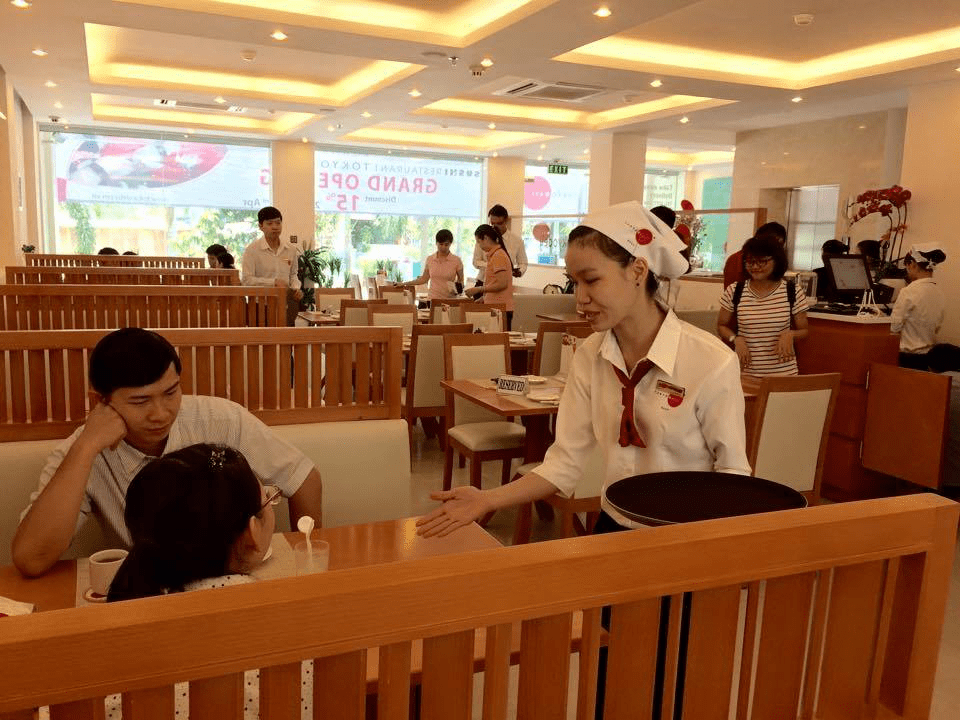
Tokyo Deli for sushi Keep fit, join a gymVinCom centre, Vietnamese shopping mall.Play computer games
Example:
After work, I will go to the cinema // This weekend I want to drink beer
Tonight, I’m going to meet some friends // I will hang out with my Thai girlfriend.
Use adjectives and extend the sentences:
After work, I will go to the big cinema at Diamond Plaza to see a new American movie.
On Saturday, I’ll (I will) meet my beautiful Thai girlfriend and we will eat delicious and healthy sushi.
Travel Language
What do we do when we go to the airport to catch a flight ?
Take a taxi/ buy a ticket / board the aeroplane / go through security
claim baggage / go thorough immigration / go though customs
check in / buy duty-free / pack your bags
Questions:
You are flying from Sai Gon to Hue. Where do you go in the airport ?
What will you do at check in ?
What documents do you need ?
How can you check in ? Two ways …
What happens at security ?
Warm upexercises
Things you love, things you hate ! Try to make long sentences using adverbs and discourse markers (linking words such as furthermore, additionally, however, although etc)
What do you see here ?
Start with the subject or subjects.
What are they doing ? Where do you think they are ?
In the UK, we do have a morbid fascination with murder. This man is Alfred Hitchcock who made films from the 1920s to the 1970s, mostly suspense, thriller or murder dramas. ‘Hitch’, who was born where I live in east London, made many famous films but in my opinion ‘Psycho’, which was filmed in black and white in 1960, is his best.
Do you know these British characters ?
What do the book titles mean to you ?
Sentence building:
Do you like to read murder mystery books or to watch murder films ?
Plan – don’t just answer ‘yes’ or ‘no’ ! Make a short introduction, just one or two sentences:
I enjoy all types of films, however I especially like a good mystery ….OR
I don’t really read much because I am so busy studying. However …
Say what film or book you like, tell me about the author and other books.
Tell me about the story and then why you think it’s good
Conclusion – “Maybe this book is not for everybody, but if you enjoy a great mystery story, then I would recommend it.”
Vocabulary building: Some useful words –
thrilling // suspense // gripping // well-written // superbly acted // atmospheric // creepy // scary // a page-turner // I was on the edge of my seat.
However, we must move from the world of fiction to the world of fact. Before we move onto a true story from the USA, let’s keep it closer to home.
What can the students tell me about Lê Hoàng Hùng ?
Students can work in small groups. They have five minutes to make a short presentation. Information can be found on these sites:
Then it’s time to get to tonight’s topic – murder, unsolved crimes and mystery. The lesson focuses on the mysterious death of the actress Natalie Wood. To introduce her, I’ll show a short clip of her acting, then the actual news report on TV on her death:
That clip, which has English captions, is from the film ‘Rebel Without A Cause’, from 1955. Now for the news footage:
Grammar: tag questions
Are you from Korea ? (a normal question, where we don’t know the answer)
You’re (you are) from Korea, aren’t you ? (using the tag ‘aren’t you’ to confirm what we think or know)
Take the pronoun (here it is ‘you’) and then the verb (‘are’). Invert the verb, that is, make it negative then add the pronoun. Hence ‘are’ becomes ‘are not’ = aren’t – aren’t you ?
Try these: First, decide on the appropriate pronoun (he, she, it, we etc).
Bangkok is the capital of Thailand, ……….. ?
Natalie Wood was American, …………….. ?
We still don’t know who killed her, ………….. ? (here the verb is negative, so make it positive)
He’s a brilliant actor, ………….. ?
For the remainder of the lesson, I want the students to talk, talk and talk (and, yes, I mean in ENGLISH !)
Firstly, they can review tonight’s book work and air their views, thus enabling them to review negotiation language (I see your point but …. // I can’t go along with that // you raise an interesting point // I’m not sure I entirely agree … etc).
Questions:
What did they think of the subject ? (interesting, relevant, morbid, inappropriate)
Do they enjoy reading as part of class time ? Do they feel that is a good way to learn ?
How was the listening ? How much could they follow (understand ?)
What is their opinion on the amount of new vocabulary encountered ?
Naturally, I expect other students to play Devil’s advocate – to argue a point even if they personally don’t fully agree with it.
EXAMPLE: “Playing Devil’s advocate, I would say the best way to learn vocabulary is to read new words and see how they are used in a sentence.”
Activities – Just a minute
Here, students work in pairs – there are given a very open subject (work, food, family, their hometown etc) and have to talk for one minute without hesitation, deviation or repetition.
Students can be given new questions and then made to change partners regularly.
Also, encourage peer help – allow the students to correct each other, as well as giving advice and encouragement.
And finally … Mysteries – what do you think ? True or false or … ?
The Loch Ness Monster from Scotland
Area 51 in Nevada, USA. Did an alien spaceship crash here and aliens come to earth ?
Please Note: All photos are taken from Google Images or free photo sites, and are used for educational purposes only. No copyright infringement or offense is intended. If I have used your photo or image, and you wish me to remove it, just ask. This site is not monetized, I run it on my own dollar. Thank you.
I want my students to know present and past tense of common verbs, a range of adjectives (both positive and negative) and a good selection of nouns. Additionally, I’d like them to be able to put them together in long sentences, and start to use English contractions.
And so, to kick off (to start), a past tense exercise.
Ask your neighbour, “What did you do today ?”
I will give present tense verbs – students must use the past tense.
Example:
This morning, I go out and drink coffee: This morning I went out and drank coffee.
Later, I meet an old friend and we have lunch together and talk and laugh.
In the afternoon, I sit in the park, play guitar and sing songs.
Adverbs – these make your English more interesting and give more information.
Sai Gon is hot. Sai Gon is so // very // extremely // incredibly hot.
Sai Gon has delicious food – Sai Gon has extremely delicious food and it’s so cheap.
NOW – sentence building:
I love Sai Gon because it’s so hot. Additionally, the food is incredibly delicious and very cheap. However, it can be extremely noisy, dirty and polluted.
Tell me about Nha Trang: Speak about hotels / food / how to get there / things to do
Tell me about these clothes and the people:
Language to use:
beautiful / stunning / eye-catching
cotton / silk / leather / straw / denim (jeans)
short hair / medium-length hair / shoulder-length hair / long hair
teenager / young / in his 20s / middle-aged / elderly / old
Contractions: when we speak quickly, we contract (shorten words) to make a new sound.
Example:
I am = I’m / you are = you’re / he is = he’s / she is = she’s
I am happy =
You are sad
He is angry
She is very eye-catching
I will = I’ll (sounds like ‘eye – all’)
Tomorrow, I will go to work = Tomorrow, I’ll go to work
I’ll send you an email tonight
Call me after 5pm, I’ll be free then.
Conversation Practice:
I want to speak to my sweet lovely student Ms Tram. However, she is at work.
Caller: Hello, may I speak with Ms Tram, please ?
Receiver: Certainly. Who’s calling, please ?
Caller: My name is ……….
Receiver: I’m sorry, could you repeat that ?
Caller: No problem. My name’s ……..
Receiver: Could you spell that, please ?
Caller: Surely (of course) . . . . . . . .
Receiver: Thank you. Hold the line, please. I’ll connect you.
Caller: Absolutely. I’ll hold.
Receiver: I’m afraid Ms Tram has just gone to lunch.
Caller: Again ? She’s always eating hahaha.
Receiver: I’ll transfer you to her office, then you can leave a message.
Caller: Great idea. Thanks a bunch !
Receiver: You’re welcome
Finally, where did Ms Tram go for lunch ?
What did she order ? Did she like the food ?
Adjectives for food:
delicious / bland / spicy / filling / appetising / healthy / unhealthy / vegetarian / traditional
protein / carbohydrates / fat / fibre / vitamins /
fried / deep-fried / baked / boiled
Please Note: All photos are taken from Google Images or free photo sites, and are used for educational purposes only. No copyright infringement or offense is intended. If I have used your photo or image, and you wish me to remove it, just ask. This site is not monetized, I run it on my own dollar. Thank you.
How would you describe this lady ? Where is she ? What is the day like ? How adjectives add information and colour to speech and writing.
Making lemonade out of lemons – this is an expression which means making something good happen out of something bad. Allow me to elaborate – I was taking a Level 1 adult-talking class. The work is all prepared for me, with powerpoint slides and recordings, as well as print-outs. However, the theme was quite advanced for this level. The subject was economics, vocabulary included such gems as ‘manufacturing’ and ‘exports’. All very interesting, but far above the resources of a beginners’ class. And then the students arrived … after a few introductory questions, it became clear that I would have to abandon the lesson and somehow improvise a class at beginner level.
As the class consisted of young ladies, I chose hair and clothes … and how to use adjectives to build up setences.
It is understandable that students focus more on learning nouns and verbs, with just a smattering of common adjectives. However, I think it’s a good idea that students learn and be encouraged to use two or three adjectives from an early stage, so it becomes a natural part of their English (as well as boosting their scores in oral tests).
So, back to my class; three young ladies with very limited English but, fortuitously, also with three different hairstyles.
Let’s start very simply; Ms Kim (this is a Google image, not my real student) has long hair. OK, but we can add more … what colour is it … is it straight or wavy ? Finally, let’s be polite and complimentary … Ms Kim has beautiful long wavy brown hair.
The students may have to learn hairstyles or shapes (wavy, pony-tail, bangs, pleated), and students should learn a small number of new words every lesson. It helps if they can see them in the class and then use them in controlled speaking.
So, without much effort, their sentence length had doubled. Next to Ms Kim was Ms My
Once the students had a word bank and some practice, they were able to describe Ms My as having a beautiful long black ponytail, or beautiful long black straight hair, tied into a ponytail. Fortunately Ms Anh has a different style.
But now, it was clear my students were comfortable with ‘beautiful’ so time for some synonyms – stunning, gorgeous, eye-catching. Ms Anh has medium-length hair or, as I insist on a full sentence:
Ms Anh has gorgeous medium-length brown hair. But we can go further – let’s compare Ms Anh’s hair with Ms Kim – both have brown hair, yet different shades. Thus we introduce dark and light:
Ms Anh has eye-catching medium-length dark-brown hair.
It’s also very rewarding to hear students start building sentences after struggling to say three or four words just five minutes earlier. And so, we continue … let’s turn to jewellery using the students themselves as examples; someone will have earrings (studs or long), another will have a neckless, a bracelet, rings etc. I ask Ms Anh to show her ring … it is gold, while Ms My has a silver one. Or, at least silver-coloured !
Then we turn to clothes, and first elicit different types of material and patterns:
silk // cotton // denim // leather //
plain // floral // striped // checked
So now, when they see a picture like this, the students will be able to describe the lady’s hair, jewellery and clothes and by extension, the room in which she is situated.
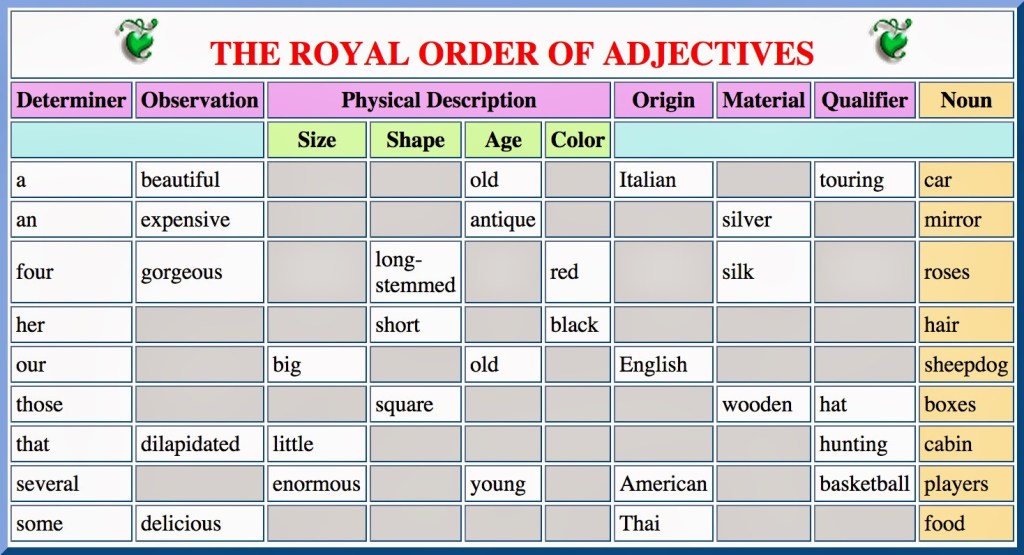
In terms of grammar, there is an order of adjectives, though I would not introduce this too early on. Instead, I would stress the opinion word is first, while size is before colour (eye-catching short light-blue skirt).
Now, let’s return to the first picture, a young friend of mine whom we shall call Ms Ngoc. Students can work together and give me as much information as they can. This includes her hair, clothes but also what she looks like, where she is and what time of day. Furthermore, how does the weather look ? How does she look ?
Finally, a good activity is to board some common adjectives and have the students give the opposites or antonyms:
This is continued in subsequent lessons, so students become used to incorporating two or maybe three adjectives in sentences. And them or course … we have adverbs … but that is another story !
7th October for 8th October 2019. AEF 8A (1, 5 & 6), pp. 74-75, 77
Sentence building – becoming fluent and coherent
Use
adverbs
adjectives
opinion phrases
linking words and discourse markers
new vocabulary
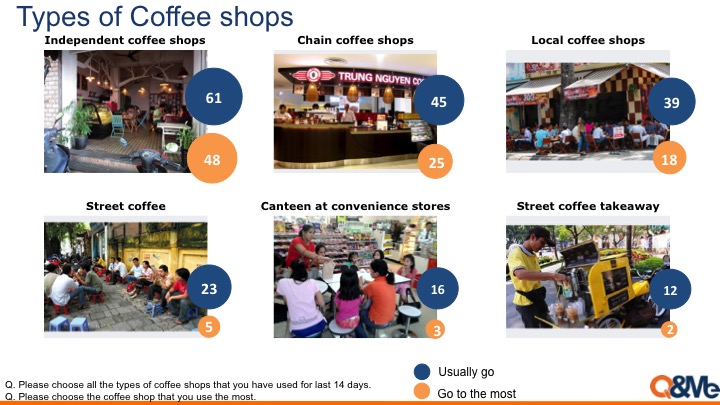
Vietnam is famous for coffee; coffee shops are ubiquitous. In fact, there are so many, it’s hard to see (difficult to understand) how they stay in business let alone turn a profit.
Be that as it may, let’s use this as a learning opportunity. To practice making longer sentences, and as a warm up exercise, the students can ask each other, “Where do you go for coffee ?”
Tips:
Don’t answer the question directly and immediately; Begin with a short introduction:
Sai Gon has so many coffee shops, some are cheap while others can be quite expensive although they have a wide range of delicious coffee. Personally, I like going to …
Then
Ask
How MUCH do you like it (adverbs) ?
What kind of coffee (adjectives) ?
What do you think about this ? (opinions)
WHY do you like it (give reasons)
Interesting words, phrases, idioms
Personally, I like Tap Coffee which is an independent shop where I live. I enjoy going there so much because the owner is very friendly and tries to speak English with me. There isn’t a lot of choice, so I order cappuccino with hot, fresh milk. In my opinion, it is good value and tastes delicious. What I like about the shop is the free wifi, the comfortable chairs and the atmosphere. Furthermore, it is usually very quiet and it therefore a good place to read. I love to put my feet up, kick back and sip my damn fine coffee.
Before the exercise, elicit and board as many relevant words and phrases as required. The students have a discourse marker list, so I could insist that they use certain words (moreover, therefore, consequently etc). Additionally, I’ll need to explain vernacular phrases such as ‘kick back’ and ‘put my feet up’.
IF a student doesn’t like coffee, then they can say where they go and what they drink. IF they don’t go anywhere or like anything (yes, I have had that in a class), then they can explain WHY NOT!
Key vocabulary: ambience // aroma //atmosphere
Now, their turn; after this model, they must tell me about their favourite app on their phone. Give them five minutes to write a short piece.
After, the students can read to each other, and we can incorporate their answers into tonight’s grammar: reported speech.
For example, Ms Jane is speaking with Mr Tony:
Jane, “I really love the iTunes app.”
Tony, “Oh, for me, I prefer YouTube because I can watch music videos. I will send you a link to The Beatles.”
This is called direct speech. If I want to repeat what they said, I use indirect or reported speech. Look what happens to the subject and the verb:
Jane said that she really loved the iTunes app. (or She said she really loved …)
The subject changes from 1st person (I) to third person (she), while the verb alters from simple present to simple past.
What happens with Tony ? Look for the verb(s) then put them into simple past. Change pronouns to the 3rd person.
Now – changing reported speech back to direct speech.
He said the egg was perfect
(Change the past simple verb to simple present)
Now, here’s the actual quote (around the 2:28 mark):
This is one of my favourite clips about Sai Gon: Mark Weins eating a fairly typical Viet breakfast … but enjoying it SO MUCH !
Student Survey
Student must ask three people, what they usually eat for breakfast, and drink, as well as where they eat; do they go out, or cook at home ? Following that, they have to report to the class on their findings, using reported speech e.g.
She said (that) she usually cooked at home, but occasionally ate out when she felt too tired.
Then we have the book work and grammar practice. To end, we can have an eyewitness game. Students work in pairs, one having their backs to the board. On the screen, I show a man or lady. The first student has to describe, in as much detail, what is happening and how the person looks. Give them a minute or two. Then, the second student must report to me what they have learnt. Finally, they are allowed to see the picture, to compare the reported speech with the actuality. Photos could include:
Here’s a chance to explain what you’re doing now, then to say what you want to do in the future:
NOW // DISCOURSE MARKER // FUTURE
Currently // however // I plan to
At the moment // although // I would love to
Right now // though // I have my heart set on
EXAMPLE:
Currently I am studying however I plan to work in business.
Now that was a very basic response, no way adequate for an IELTS class, so how to extend it, using L-FWs and idioms.
REMEMBER: always be thinking of a suitable idiom. The subject is study, so we have:
burning the candle at both ends // put my nose to the grindstone // pass with flying colours
So, let’s rock ‘n’ roll !
Currently I am studying at ABC University, which is in District 7, putting my nose to the grindstone in order to pass with flying colours. However I plan to find a job in the business field such as banking or investment in order to buy a modern house as well as supporting my family, who have supported me through my studies.
NOW … YOUR TURN
Make IELTS sentences from these details:
studying English
saving up money
working with a charity
Choose the one you that appeals most to you.
To assist : At the moment, I am working for an animal charity because I detest the horrific treatment of animals althoughI would love other people to share my views
Explaining your answers – give examples and reasons
Some people are cruel to animals: explain – give an example (s) and then your reasons. You will have to use Part III styles introductions because the subject is so broad and general.
Complex sentences, which you will need to get a respectable IELTS score, are actually quite simple to form as they merely require two or more pieces of information in one sentence.
Ms Jane is from Seattle which is the biggest city in Washington state, USA.
We know where Jane is from as well as something about the city of Seattle. Now, we can add more information by saying something about Jane, such as her profession.
Ms Jane, who is a medical students, is from Seattle which is the biggest city in Washington state, USA.
Do you know this actor ?
Mr Bean, who is played by the actor Rowan Atkinson, is extremely popular and tremendously successful, being shown all over the world, not forgetting his appearance at the London Olympics in 2012.
This example has been extended by adding more adverbs and adjectives. We know the actor’s name, how popular he is, as well as learning that he was part of the UK Olympics and when that was.
DON’Tanswer immediately but introduce the answer by repeating or rephrasing the question:
That’s a very interesting question
Well, there is so much to say about that subject, where shall I start ?
It’s funny you put that question to me because earlier today I was just thinking about …
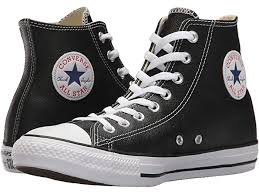
One of my students mentioned that she was saving up for a pair of Converse trainers:
It’s funny you put that question to me because earlier today I was just thinking about what I would buy if I had the money.
I have my heart set on buying a pair of Converse, which is an American company with a star logo, who make very fashionable footwear.
To make the sentence more interesting, as well as complex, I simply stated the country, the logo and what they produce … piece of cake, hey ?
OK, your turn … write a complex sentence about these products. Additionally, practice writing different types of introductions:
LG phone from South Korea
Rolex watch from Switzerland
Playstation 5Honda Airblade, a Japanese company
22nd July 2019
Here are some tips to help you expand your sentences, as well as incorporating language use that IELTS examiners will expect. Also bear in mind that the way you speak, the para-linguistics, is equally important.
I enjoy coffee (a little / incredibly) because it helps bring people together as well as making our minds become quite active and somewhat excited. Coffee, from my point of view, is essentially useful if we use it in moderation. On the other hand, coffee can be a dreadful waste of money not to mention having a detrimental effect on our health such as insomnia. Despite the negative aspects, coffee makes me feel over the moon!
EXERCISE: Where do you drink coffee ?
Plan –
Introduction: one complex sentence.
Where do you go ? Do you go to many different types ? What do you usually order ?
Why do you go there ? What are the good points ? How often do you visit ? With whom do you go ? How long do you spend there ?
Compare the store with another (price, choice, comfort, amenities).
Are there any negative aspects ? Price, location, crowds, parking etc.
Conclusion: one sentence summary of what you have said.
IF you don’t drink coffee, then you can explain why not, and where you like to go to hang out with friends. Even if you never go out, you can talk about that as it will afford you the opportunity to give reasons and build more complex sentences.
Highlands Coffee, a popular chain in Vietnam.
Practice adjectives by describing this photo.
Increase your word power
Match the basic words with others of similar meaning
For example boring = tedious
interesting attain on time fascinating
forgetful miserable live (I live in) jovial
smart (clever) exhausted
unhappy punctual
happy feasible
possible reside
tired intelligent
get (a qualification) environment
place absent-minded
Interviews
What is your favourite beer ?
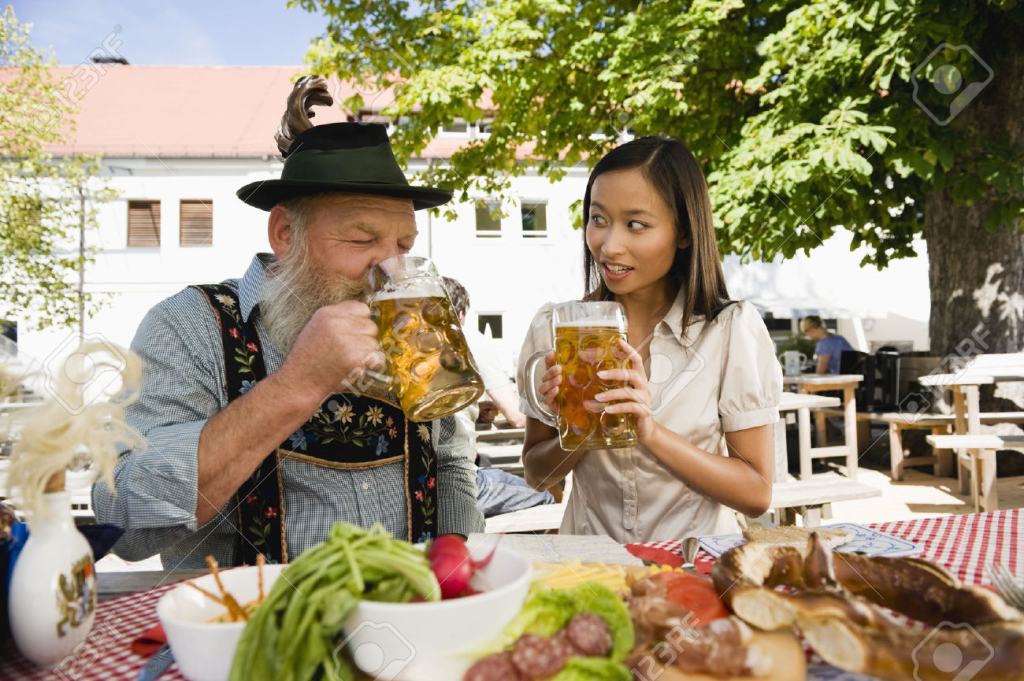
Well, I like many beers but my favourite is Czech beer. For example, Pilsner, Budweiser or Staropramen. I think the taste is very good as well as being excellent quality.
Along with Czech beer, I also really like Mexican beer such as Corona or Desperado.
Having said that, these beers can be expensive so sometimes I just drink Vietnamese beer, maybe Saigon Red or 333 because they are much cheaper.
1 Answer the question in a proper sentence
2 Give examples
3 Give reasons
4 What else ?
5 An opposite conjunction (but, however, having said that, on the other hand)
6 What instead ?
Remember to use adverbs and adjectives to make your speech more interesting
Well, I like many beers but my favourite is Czech beer.
For example, Pilsner, Budweiser or Staropramen.
I think the taste is very good as well as being excellent quality.
Along with Czech beer, I also really like Mexican beer such as Corona or Desperado.
Having said that, these beers can be expensive
so sometimes I just drink Vietnamese beer, maybe Saigon Red or 333 because they are much cheaper.
Ask each other some of the following questions:
The interviewer must keep asking questions until the speaker has nothing more to say.
Interviewer can ask, ‘Why do you say that?’, ‘What other reasons?’ ‘Why else ?’
Do you think sports are good ?
What do you like about working for your company ? / Attending your school ?
Do you spend, save or invest your money ?
What films do you like best ? Do you go to the cinema or watch at home ?











:max_bytes(150000):strip_icc()/GettyImages-507241723-f1780787dfd54d75bd128e7d8a0dd746.jpg)






































































![Fostering Rescue Dogs at R House in Saigon, Vietnam w/ Geneva, Alex, Thien [EN VERSION] | TÂM SHOW - YouTube](https://thaypaulsnotes.com/wp-content/uploads/2020/12/image.jpeg?w=300)




 Thay Paul's Notes