Seahorse Productions: ‘Bad Faith’, Berlin, GERMANY 2005

6th May 2020

Filmed in Berlin, yet our story starts in Paris …

Existentialism, rebirth, personas and inner truth

Magda Champs Elysées *** - The Paris bouquinistes: discover the ...

Walking along the iconic bookstalls of Paris, by the historic Seine, I found a copy of this book:
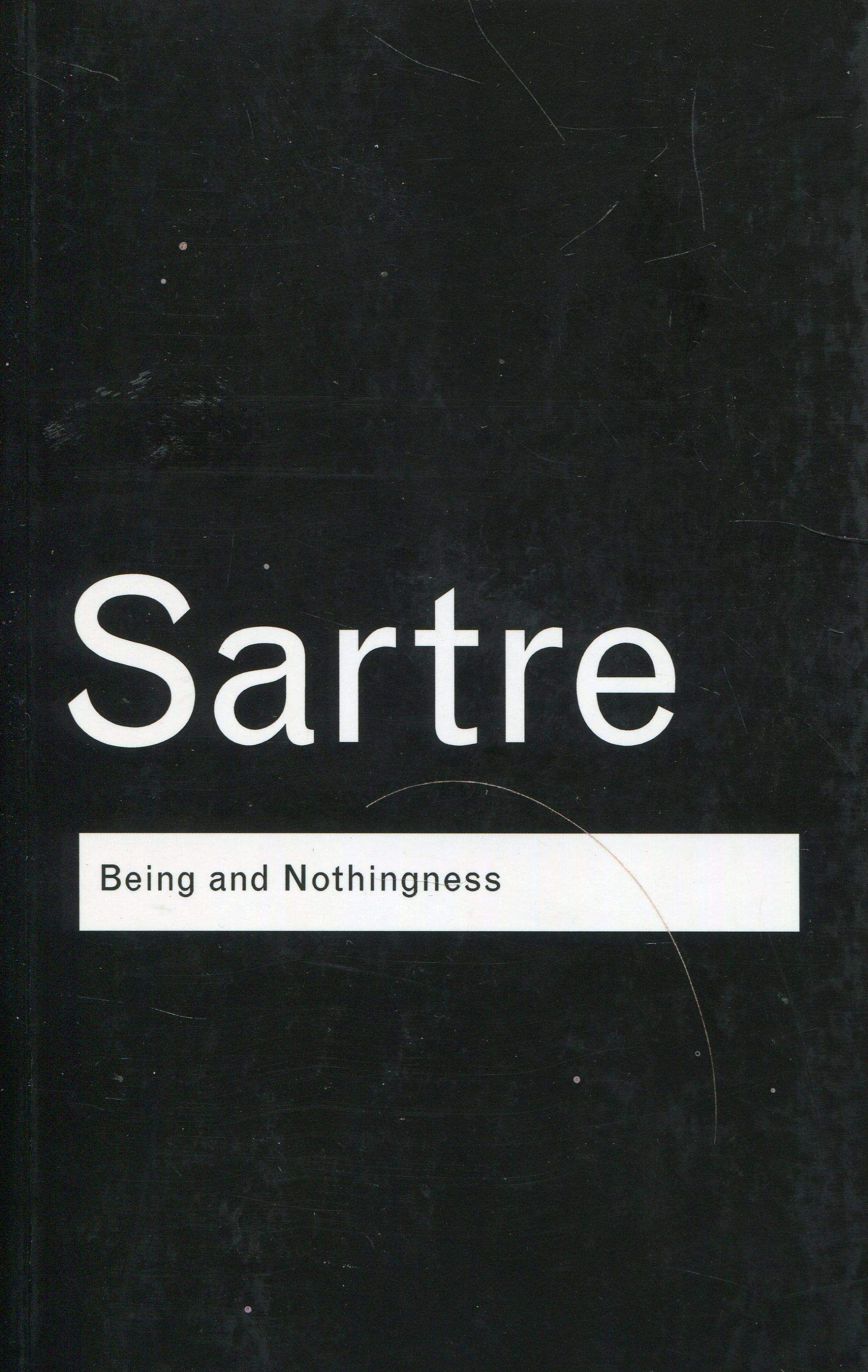
Being and Nothingness: An Essay on Phenomenological Ontology ...

The philosophy by Jean-Paul Sartre was the inspiration behind my 2005 film, ‘Bad Faith’.

Jean-Paul Sartre (Author of Nausea)

To encapsulate a weighty, heavy-going and often impenetrable book (at least to me) in a succinct sentence or two, Sartre discusses the concept of bad faith (mauvaise foi) whereby people adopt a false persona or identity, become affected, fake, inauthentic and, as a consequence, loose their freedom.

Freedom was a major issue in the writings of Sartre, so please use the internet to discover more if this interests you.

The story of ‘Bad Faith’ takes place over one single day, in Berlin. An English man, Alan Francis (Russell Shaw) has arrived early in the morning, planning to pay a surprise visit to an old friend, an actress named Julie Retore (Natasha Kepsi). They haven’t met for a long time, but Alan has an offer for her … he is about to make a film and wants Julie to play the female lead.

They meet and discuss old times, and how their lives have changed. However, when Alan offers her the film, Natasha senses their may be more to his offer than would appear on the surface.

The film can be viewed here:

https://www.youtube.com/watch?v=_4ogP5mfuUw

LIGHTS

CAMERAS

ACTION

The film contains a number of French references, the work of author Marcel Proust, the films of Jean-Luc Godard and the soundtrack features Francis Poulenc. Julie is seen drinking in a French-style cafe, while we hear actress Julie Delpy singing (in French) in the background. Julie also speaks a few words of French to a young student who has forgotten his book (the French poet Rimbaud). The area where the two protagonists meets features a large French church, and Julie’s surname comes from a character in the French-language film ‘Messidor’ (1979).
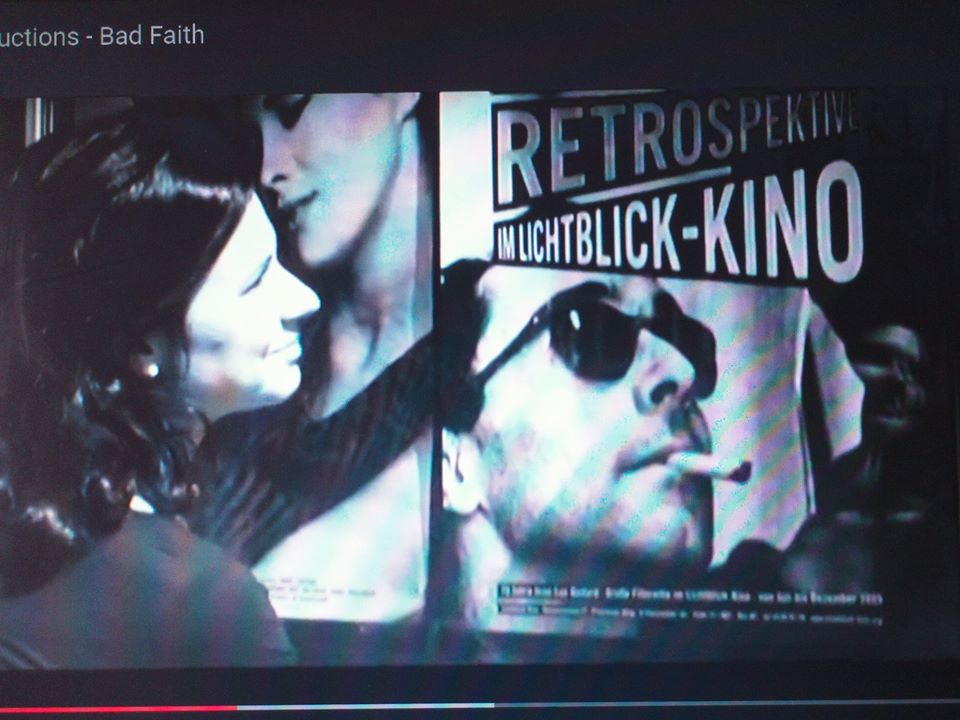
The issue of Bad Faith is exemplified by the contradictory characters. Alan appears confident, indeed, over-confident, optimist, yet admits to being terrified (in a moment of relatable honesty). Julie, by contrast, appears natural and content as she deals with the minor annoyances of her daily life. Her modest demeanor serves to highlight the affected manner of Alan’s ‘performance’. As Julie points out, it’s “Not enough for you to be a director, you have to look like one, too,” to which Alan admits is “Just an image.” We, like Julie, question this … is it a just image ?

What is apparent is that Alan and Julie had some kind of relationship in the past, when they worked together in tiny theatres, performing for tiny audiences. I deliberately left the extent of the relationship open … I want the audience to decide (just friends, boyfriend & girlfriend, one-night stand, one in love, the other wanting a platonic relationship, etc).

During the script readings, I allowed the actors to invent their own back story and NOT to tell me … so even I don’t know their history.

As the day comes to an end, Alan has to be honest about what he wants, and the scene becomes somewhat embarrassing to watch. We see that Julie is open and honest, she doesn’t want to pretend or hide behind personas anymore. Tellingly, Alan doesn’t seem to understand … or want to understand.

A final ‘clue’ is when Julie returns to her work (and eagle-eyes viewers may spot a tiny photo of Julie Delpy at the front of the desk). We see a copy of Alan’s script upon which Julie places a copy of Proust, a book whose title has been approximately translated as ‘Remembrance of Things Past’.

So which one is really free ? We hear that Alan has to work under producers and acquiesce to their decisions. Julie is alone, but she seems to have choice over what work she does or doesn’t do. Is she happy ? Does she regret her choice ? Will Alan’s film be a success ? All of these are left unanswered. The crux of the film is the interaction of the two leads. If Alan had been less over-bearing and demonstrated humility, would the outcome have been different ? I will let you decide.

CREDITS

Natascha Kepsi

Russell Shaw

David Graber

Steffi Muller

Bjorn Langhans // Christine Muller and Philipp Pressmann

Harri Ansorge, Russell Shaw & Paul Pacifico

Cameras and Edit: Harri Ansorge

Foley Artist: Max Bauer

A film by Paul Pacifico

Seahorse Productions & IRRAH

BERLIN 2005
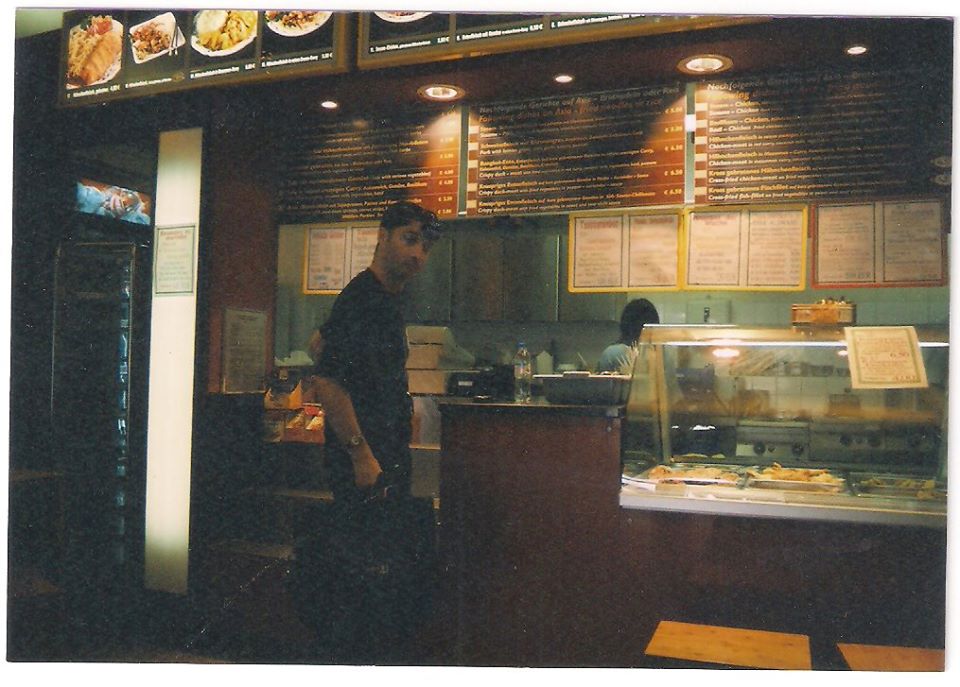
Buying lunch at a Kina Imbiss (small Chinese restaurant) Alexamderplatz Station, Berlin.
Photo by Russell Shaw

Business English: Accountancy

6th May 2020

Jan Sanders van Hemessen (Hemessen c. 1504-1556 Antwerp) | Double ...
Jan sanders van Hemessen 1504 – 1556, Antwerp
1950s Office | Office with typewriters, adding machines, vertical ...
A 1950s office with adding machines, filing cabinets and typewriters
How to Become an Accountant: Skills, Degrees | All Business Schools
Property Management Accounting & Reporting Software - AppFolio

Cách giữ chân nhân tài của Big 4 - unitrain.edu.vn

New vocabulary

Look up any words you don’t know.

loophole

firm

audit

involvement

stock

None of the Big Four firms is a single firm; rather, they are professional services networks. The Big Four are the four largest professional services networks in the world, offering audittaxation, corporate finance and legal services. They handle the vast majority of audits for publicly traded companies as well as many private companies. They used to be the Big Five until the fall of Arthur Andersen in 2002, following its involvement in the Enron scandal.

Enron used loopholes and poor financial accounting to hide billions of dollars of debt. The company’s stock which rose to over $90 a share in mid 2000, fell to less than $1 by November 2001.

Enron - The Biggest Fraud in History - YouTube

Accountancy words / expressions

annual accounts // I am working on our annual accounts

asset // Make a list of all our assets

budget // We need to increase our budget

business expenses // We must reduce our business expenses

cash flow // Keep an eye on the cash flow

New idioms / collocations

Change of plan = to stop what you are doing and start something new

to handle something = to take care of something

to get hold of someone to speak to or meet someone

Hell breaks loose = will be a lot of trouble

to be into something = to like something very much

more or less = not 100% but almost.

I beg to differ = polite way to disagree

Dialogue Practice:

Two friends are chatting about their work day:

Two asian businesswomen talking during coffee break in modern ...

KIM: Hello, how’s your day been ?

Tina: Oh, so-so. And you ? Did you finish off the reports ?

KIM: Yes, more or less. 

Tina: You better make sure they’re finished. You know what the Director’s like.

KIM: I know. If things aren’t done, all hell breaks loose !

Tina: Better keep on his good side. What else do you need to do ?

KIM: File some invoices, send off some emails and I need to get hold of Anna in HR.

Tina: I think she’s off sick today. 

KIM: That’s a pity. Did you finish the wages ?

Tina: Yes, piece of cake ! Now I’m going through all the bank statements for the last quarter.

KIM: Not cooking the books I hope. Are we still going out tonight ?

Tina: Oh, sorry, I can’t know. Something’s come up.

KIM: What ? I thought you wanted to see the film. Johnny Depp’s in it.

Tina: I know, but I have to work late. Why don’t you ask the Director ? He’s really into cinema.

KIM: I don’t think so !

Tina: Why not ? He’s such a charming man.

KIM: Well, I beg to differ. He’s an old windbag and he drinks like a fish !

Portrait beautiful indian business woman smiling happy ...

New expressions:

off sick = not at work because of illness

old windbag = someone who speaks and speaks and speaks !

drinks like a fish = drinks a LOT of alcohol

cooking the books = making false entries in the accounting

Business English: What’s on the agenda ?

5th May 2020

Job interviews, and vocabulary for business meetings

AirAsia India Career For Freshers In 2020 [Apply Now Online]

Writing exercise

A candidate is writing to inquire about a vacancy at your factory:

Dear Owner,

Please allow me to introduce myself. My name is Nguyen Trung Hieu and I am 22 with a business degree from TDT University in HCM City.

I wish to start my business career and your company has a very good reputation.

Do you have a position for me within your organisation ?

I have worked as bookkeeper for my uncle’s business in Nha Trang Province and also I worked at Coffee House when I was a student in order to make some extra money.

Please write back if you can help me

Yours respectfully

Nguyen Trang Hieu

How would you reply to this request ?

What were the positive and negative attributes of this letter ?

Now … your turn. You want to apply for the job with Air Asia in India (don’t forget, flight attendants can be both men and women, although the advert doesn’t emphasis this fact).

How would you write the letter ?

What facts are important ? What skills do you think you need ? What type of personality is best suited to this service-orientated job ?

How to Write an Amazing Common App Essay (2020-2021) - Examples ...

Meeting language

Small Business Strategies that Make a BIG Difference | Santander ...

Here is a transcript of a short business meeting. Look at all the non-standard English, the phrasal verbs, idioms and expressions that make up so much of natural English.

Read the text and role play, focusing on intonation and stress.

Right … I think we should start now. Thanks. 

  1. OK, so, is everybody here? Who are we waiting for? Hmmm … well, I think we’ll have to make a start without them. We’ve got a lot to get through this afternoon. 
  2. Right, well, as you know, the purpose of today’s meeting is to see where we are with the marketing plan, and to work out what we still need to do before the launch, which is now just six weeks away. 
  3. By the end of the meeting, we need to have a list of firm action points for the next month. Hopefully we’ll then need only one more meeting next month to tie up any remaining loose ends.
  4. Did everyone get a copy of the agenda I sent round? OK, good. 
  5. As I say, we’ve got a lot to get through, so please let’s stick to the agenda. I’ve set aside two hours for this meeting, and we really can’t afford to run over. Ideally, we can cover everything in an hour and a half. Does that sound reasonable? 
  6. Ah, Helena, come and take a seat. We started without you. 
  7. So perhaps we can get the ball rolling by going through the list of action points from the last meeting. 
  8. Bill, you were going to look into the costs of the various options that came up last time. Could you tell us what you found out?

Now match the nine steps in the meeting introduction (1–9) to the descriptions.

  1. Stating the desired outcome. 
  2. Introducing the first point on the agenda. 
  3. Getting people’s attention, interrupting small talk 
  4. Handing over to the first speaker. 
  5. Dealing with non-attendees. 
  6. Dealing with a late arrival. 
  7. Explaining time limits and procedures. 
  8. Stating the purpose 
  9. Checking people have seen the agenda. 

Answers at end of blog

African Companies Crucial to Change Africa's Economy | Umaizi
A successful conclusion to a meeting

Answers:

Right … I think we should start now. Thanks.  = 3) Getting people’s attention

  1. = 5) Dealing with non-attendees
  2. = 8) Stating the purpose
  3. = 1) Stating desired outcome
  4. = 9) Checking agenda
  5. = 7) Time limits
  6. = 6) Late arrival
  7. = 2) First point
  8. = 4) Handing over to first speaker

Adult Speaking Class, Level 2: Travel talk

5th May 2020

This blog will help intermediate students develop sentence-building skills, based around the theme of travel and how to relate your experiences or wishes.

New adjectives

stunning // playful // family-friendly // authentic // world-class

New expressions

It takes your breathe away //

The ________ is breathtaking //

An unforgettable experience //

No trip to …. would be complete without …

New verbs

create // seem // include // remember // spend // demonstrate

To warm up … use the new vocabulary to express your feelings about the following photos:

Halong Bay (Ha Long Bay) - Everything you Need to Know about ...
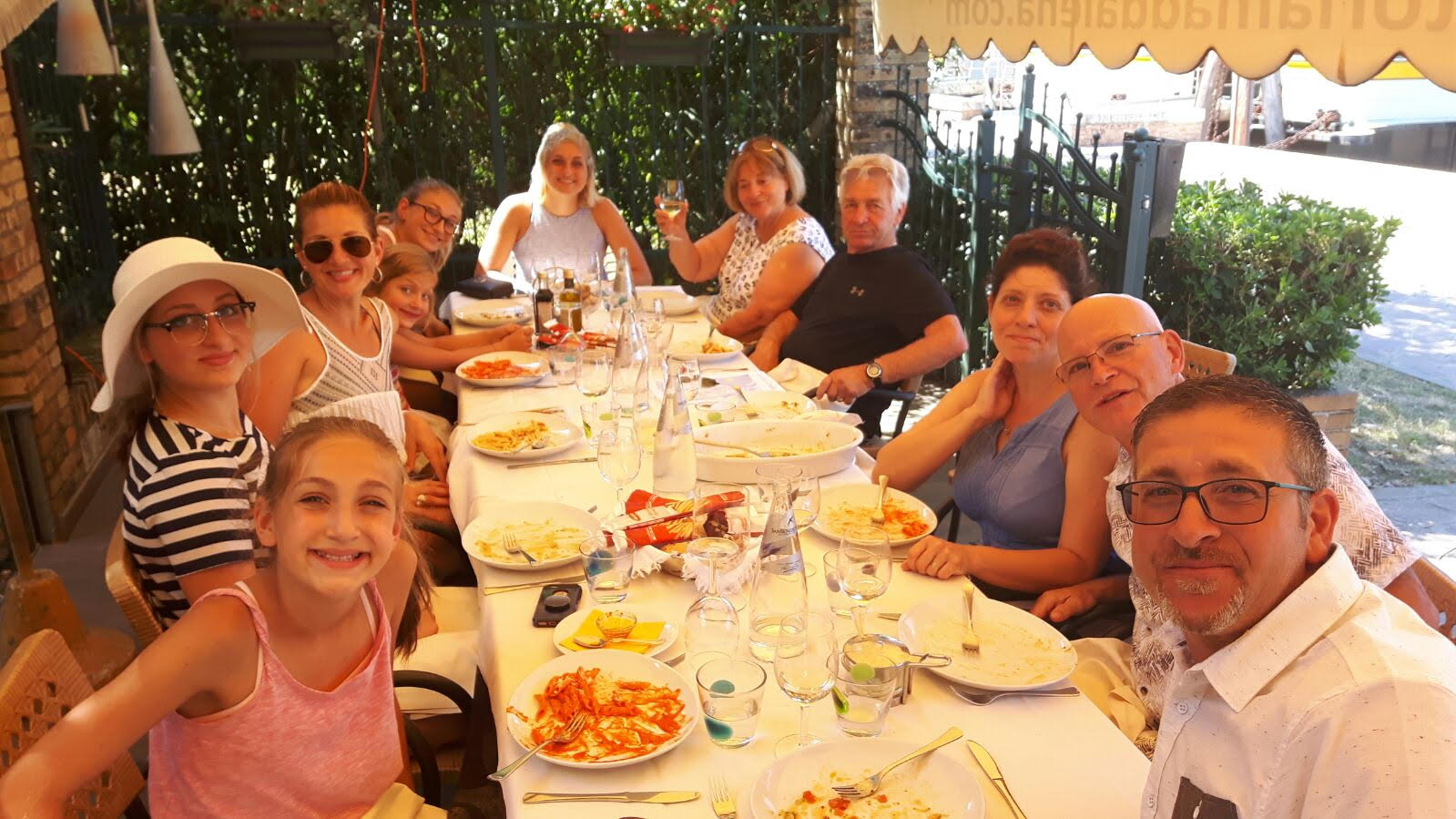
The Insider's Guide to Organize Family Tours in Italy - Find Your ...
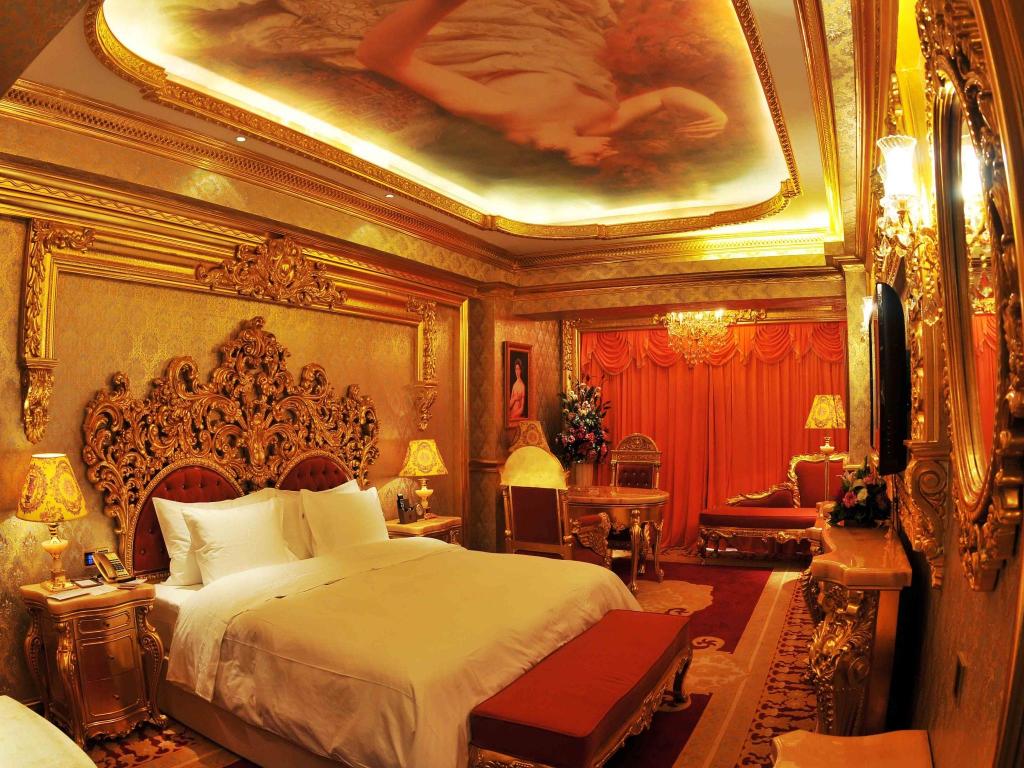
Nanning Dibai 7 Star Hotel | Nanning 2020 UPDATED DEALS $40, HD ...
Where to find the best Tudor sights in England - Telegraph

Make complex sentences using these words or phrases

Example: I recently stayed in a world class, seven-star hotel which was an unforgettable experience for example; the chef created such spectacular food.

Now … your turn

Tower Bridge, London
Machu Picchu travel | Peru - Lonely Planet
Micchu Picchu, Peru
Designer labels and luxury goods
Cloud 9 Cute Maid Cafe - Experience Anime in Pop Culture at ...
Cute Maid Cafe, Japan
The Ledge, Willis Tower | 10 views that will test your fear of ...
View from the Willis (Sears) Tower, Chicago, USA
How to Eat Scary Insects, Worms, and Bugs in Thailand
Trying some of the local food in Thailand
Gallery: Dynamo Performs Bus Levitation Stunt On Westminster ...
The British magician Dynamo tries a new way to ride a bus.

Adult Speaking Class, Level 2: May Day

5th May 2020

May Day

Compare May Day in the UK and in Viet Nam

How do you ‘read’ these pictures ?

In the UK, it a pagan celebration. In other countries, it is more political.

[pagan = a religion where many gods may be worshipped and dating back before Christianity]

History

The first mention of a May Day celebration dates back to the Roman times, and a celebration of the goddess Flora.

Flora,Roman Goddess of flowers. OK , so she is not a real person but Flora certainly had an influence in early Greek and Roman societies and later in the art world. But alr. Andrea Mantegna, Greek And Roman Mythology, Flora Flowers, Moon Garden, Sacred Feminine, Luca, Beltane, Italian Painters, Gods And Goddesses

This would be a festival over several days, and included theatre performances.

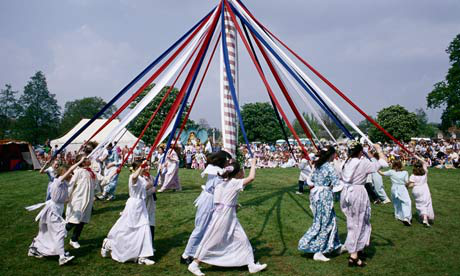
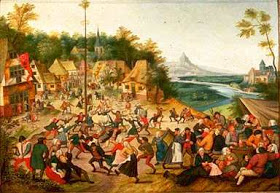
May Day continued to be associated with fertility and the worship of mythological or pagan gods. The celebrations would often involve dancing around a maypole, and crowning a May Day Queen.

Dental products and supplies as a wholesale worldwide

A modern may pole, this one from Sweden, where it is now used to celebrate Midsummer, not the traditional 1st May.

Britain has a long tradition of May Day celebrations, from at least the C15th. However, many church leaders objected to the pagan origins (worshipping old gods, not the one Christian God) and celebrations were banned in many places.

Today, May Day celebrations are not so popular, and in cities, one is more likely to see political demonstrations, than prancing on the village green

In 1889, 1st May was selected as the International workers’ Day

What do you think about these photos ? Political, or cultural ?

How about these photos from Nigeria, UK and Hawaii ?

May Day: APC, PDP, others felicitate with Nigerian workers
Video ~ The Kings Morris Dancers | King's Lynn Online
leis

In Hawaii, May Day is a little different. The flower necklaces, or leis, are given to people as a sign of friendship, celebrating the culture of Hawaii or the ‘aloha spirit.’

The festival is celebrating in school and communities, with many free concerts, dancing, guest speakers and food.

However, it is not all peace and love:

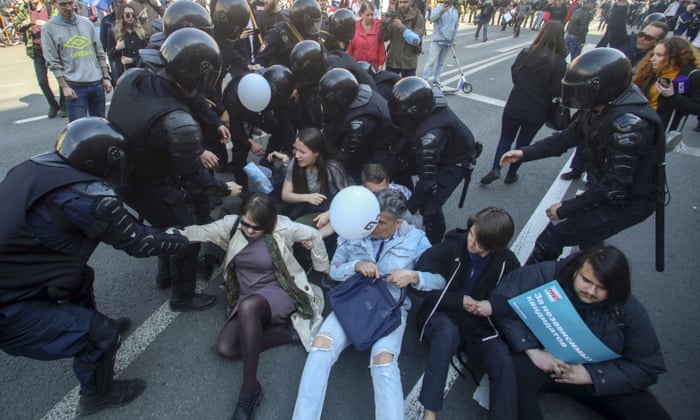
Clashes as May Day protesters march in cities across Europe ...

Protesters clash with police in Berlin, Germany.

Meet The Man That Made A Decision That Saved Your Life And You Don ...

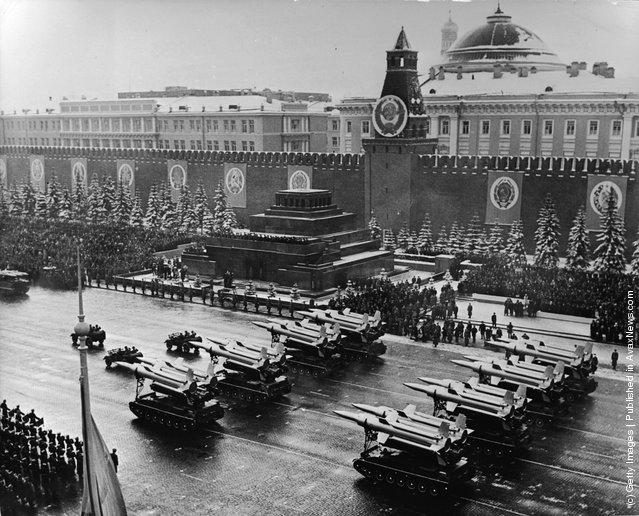
During the time of the USSR, May Day parades were held, with seemingly endless displays of tanks, soldiers, missiles and weapons of all description.

In Hong Kong in 2019, protesters used May Day to demonstrate about bad working conditions.

In Literature, we have the American writer Nathaniel Hawthorn, ‘The Maypole of Merry Mount’:

Early American Literature: The Maypole of Merry-Mount

Seahorse Productions: ảo tưởng (Dreams) 2020

30th April 2020

This is my most recent film, ảo tưởng, which translates as ‘dreams’ but with a sense of disillusion.

Filming took a number of years, as I had to juggle the availability of my lead actress, not to mention trying to find the time and energy myself after working full-time at various schools and language centres.

Another big challenge was getting around; I don’t have a motorbike and Sai Gon has no subway system. I’ve not even mentioned the heat; I’m used to filming in north Europe, not the tropics.

Additionally, I had a series of camera problems. I intended to use my pocket Samsung camera W200. The first shots were ‘in the can’ ( the university scene) only for me to accidentally delete them. Soon after the camera, which had filmed in London and came with me to Thailand, Cambodia & Viet Nam, died.

Next I borrowed a Samsung Galaxy 5 phone, only to discover it has no ‘steadycam’, so when I played the recordings back, I was shocked at how shaky there were.

After that, I had a great LG phone, with manual options for focus, light, filters etc … but that phone also died. I next used my iPhone 5 but, as related in an earlier blog, that was caught in the monsoon of Sai Gon’s rainy season. I got the dreaded red screen, and that phone died.

Finally, I was able to finish the film on my new iPhone 6S.

I could have shot some more cutaway shots (scenes of the city, without any of the actors) but i thought it was time to finish the film.

In Vietnam, where I’m currently based, I have an Apple Mac Book (though it’s approaching the end of days, I fear), but in London I have a Samsung laptop using Windows, and has Movie Maker. During a recent trip, I cut the film in two days (with a lot of very un-British shouting cursing and cussing; I have NO computer skills or patience to deal with the fact that I have no computer skills).

Finally, I posted it to YouTube … and now it is available for everyone.

I’m not going to explain the film here, I’d much prefer viewer to watch it and make their own decisions or explanations, although I’d be happy to discuss any points people may wish to raise.

Heartfelt thanks to: Ms Quynh, Ms Mi, Ms Hoang, Ms Phuong & Ms Hang and the wonderful music of Mr Richard Lewis and the experimental aural soundscape of Herr Harald Ansorge and the encouragement of Ms Lorna ‘Ace’ Le Bredonchel & Mr Martin O’Shea

Lights

Cameras

Action

https://www.youtube.com/watch?v=hZQvWlknJpc

IELTS, Mindset: Complex sentences

30th April 2020

The correct sequence of tenses for complex sentences

Today we’ll concentrate on building longer, more interesting sentences, altering sentence structure, and applying discourse markers and relative pronouns in order to be proficient in meeting the IELTS requirements.

Let’s kick off with some basic sentences, each containing one fact.

Park So Yeon ( 박소연) - MyDramaList

Park So-yeon is from South Korea. She performed under the name ‘Soyeon’. She was in the band T-ara from 2009 – 2017.

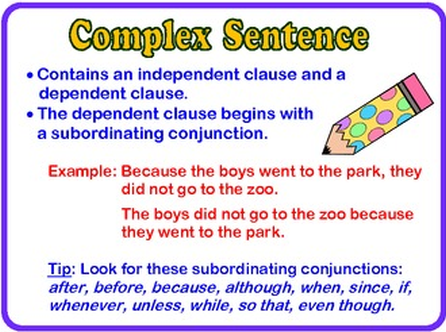
One possibility is to make a longer, main sentence (an independent clause) then break it up with some extra but not essential information (a dependent clause):

Park So-yeon, who performed under the stage name Soyeon, was a member of the South Korean group T-ara from 2009 until they broke up in 2017.

Here, I employed a relative pronoun (‘who’) to introduce the dependent clause, and altered the sentence slightly, adding some extra words.

Another, more advanced, option, which I recommend experimenting with as it will impress the examiner, is to start with a dependent clause. Allow me to demonstrate:

Performing under the name Soyeon, the South Korean singer Park So-yeon achieved fame as a member of the band T-ara, with whom she played from 2009 until 2017.

You will, no doubt, notice that the grammar may have to change, that is altering the verb form, by which I mean transforming the simple past into present continuous.

Now, you can guess what’s coming, it’s your turn to practise. I realise that not all of you are so enamoured of T-ara and South Korean women as I am, therefore, for that express purpose, I have selected three examples and you merely have to choose the person that most interests or appeals to you:

Daniel Craig thừa nhận sẽ thủ vai điệp viên 007 lần thứ năm - Phim ...

Daniel Craig is an actor. He is most famous for playing James Bond. His wife is Rachel Weisz. She is also an actor.

Thandie Newton Net Worth | Black actresses, Beautiful celebrities ...

Thandie Newton is an English actress. She has three children. She studied at Cambridge University. She was in Mission Impossible II with Tom Cruise.

Taiwan's Tsai Ing-wen to visit US, angering Beijing - Nikkei Asian ...

Tsai Ing-wen is president of Taiwan. The official name of the country is the Republic of China. She has been president since 20th May 2016. She was the first woman to be president of ROC Taiwan.

Next stage is to introduce some information and then offer up an alternate view, that is to say, a critical response which can be achieved by the use of appropriate discourse markers.

Let’s focus on the most recent Noble prize laureate ( Literature):

Handke in 2006

Peter Handke is an Austrian writer. His first novel was published in 1966. The English title is ‘The Hornets’. Handke was critical of the Noble Prize. In 2014, he called for the award to be abolished. Many people were critical of Hendke winning because he had supported the Serbia cause in the breakup of Yugoslavia.

There is a lot of information here, some purely factual (dates, nationality) some regarding the reaction to the award.

The Austrian writer Peter Hendke, whose first novel ‘The Hornets’ was published in 1966, was awarded the Noble laureate in 2019 despite his previous comments calling for the abolition of the award. Furthermore, there was a lot of criticism surrounded the announcement due to Hendke’s support of the Serbians during the Yugoslavian war.

Alternately:

Although there was a lot of negative critical reaction, Peter Hendke, an Austrian writer whose first book was published in 1966, received the Noble Prize for Literature in 2019 in spite of the fact that he had previously called for the award to be abolished. The writer, whose first book was titled ‘The Hornets’, had additionally expressed views supportive of Serbia which caused a backlash once the winner of the award was announced.

Your Turn:

Either write about somebody famous, somebody you admire or write something about yourself, making sure to include something positive and negative.

Next time, we can work on introductions, how to respond to IELTS questions by leading into the answer as opposed to simply answering directly.

T-ARA Comeback Cancelled! - Soyeon And Boram Leave The Group But ...

Business English: Office chat

29th April 2020

How would you describe the activity in these photos ?

Picture of young angry woman blaming her friend in the business ...
25 Interesting Facts About The Wolf of Wall Street | KickassFacts.com
How tough is an investment banker's life? - BBC News

Use expressions of opinion – 

In my opinion// I believe // I feel // (It) seems to me // I assume 

They look like // In my view // (He / it) appears to me // I imagine 

Business Talk

General questions 

Do Workplace Wellness Programs Work? Yes, But it Depends…

How is it going ? // How are you ? // how are you doing ?

How is it going with the new software ? // How is the new software ? // Any problems with the updates ?

Are you busy ? // Can you give me a hand ? = Can you help me ?

Can you take over from Jill ? = Can you do what Jill is doing now ?

Have you made any progress // Have you made any headway ? // Are you working well on a big task ?

How did your interview go? = How was the interview ?

How did the meeting go?

Get back to me by 5 ? = Contact me by 5 o’ clock

Did you hear back from IT ? = Did IT contact you ?

What are you up to ? = What are you doing

What are you working on ? Can mean at the moment OR in general

Idioms

Learning the ropes = learning what the job involves

snowed under = very busy

Let’s call it a day = We can finish work now

Can you run that by me again ? = Please repeat.

REMEMBER – saying ‘what ?’ can be quite rude in English; better to say:

Sorry ? Excuse me ? Pardon ?

Asking about current projects: 

  1. What are you working on at the moment ? 
  2. How is it going with your new assistant? 
  3. Have you made any progress with your big project?

a) She is a little slow because she is still learning the ropes

b) We are preparing wages

c) It’s a big job but we’re making headway

Asking about recent events: 

  1. How did your presentation go last week ? 
  2. How was your business trip? When did you get back ? 

a) It was great, thanks. I got back Monday evening.

b) Really well. Powerpoint is so useful !

Asking about news: 

  1. What’s new? 
  2. Did you hear back from that potential big customer yet? 
  3. What have you been up to in your department? 

a) Not yet, I’ll have to chase him up

b) In my job ? Nothing is new, same old thing, day in, day out !

c) We have been doing our year-ends.

Asking about plans and predictions 

  1. When do you think they will finally sign the contract? 
  2. Did you go to the conference this weekend? 

a) No, I couldn’t make it, I was snowed under.

b) We should get their signature by Friday. 

Glitch– a computer term meaning any small, unexplained problem with IT – now used to mean any small problem in life.

To "Learn the ropes" means to learn the... - Eurocentres ...

Business English: Time management

29th April 2020

These Business English blogs are aimed at upper-intermediate level students, and will include everyday phrases, expressions and idioms relating to various aspects of conducting business and workplace conversations.

Note down any phrasal verbs or expressions that you don’t know. A great way to improve your English is to add such language elements to your everyday speech, rather than just using text-book, standard English.

Business meetings

Checklist for an Effective Sales Meeting | SCORE

One view about how to plan a meeting:

Are all meetings cost-effective ? As the seconds tick away, you’ll start to appreciate what a terrible waste of time – and money– most meetings are. 

So what can you do? 

Firstly, make sure everyone arrives on time. No excuses. If five people at a meeting are sitting around waiting for a sixth person to turn up, just think how much money you are throwing away.

Secondly, get most of the work done before the meeting: send round detailed agendas, telling them what they need to do to prepare for the meeting. That means the meeting itself can focus on problem-solving and decision-making rather than wasting time explaining.

Thirdly, stick to the agenda. Don’t let anyone hijack the meeting by chatting about something irrelevant. Don’t let them take over yours. 

Fourthly, set a time limit and stick to it. There’s nothing worse than a meeting that goes round and round in circles with no decisions ever being finalised. A time limit can be a great way to focus everyone’s minds on the purpose of the meeting and the need to achieve something concrete … and then to go back to work and start implementing the decisions. 

Of course small talk has its place, but that place is not a meeting. 

This is one point of view – do you agree with it ? 

To what extent does small talk have a place in meetings ? 

Talk about your experiences. Does it vary from person to person and culture to culture ?

Boardroom Meeting Successful Asian Chinese Business People - Stock ...

This is a contrary (opposite) opinion; how do you evaluate this viewpoint ?

If you’re serious about making your meetings more effective, you need to give the participants plenty of time to ask questions, take the conversation in new directions, say things which may or may not be relevant, and above all, get to know each other. Of course, you need to make sure things don’t get out of control, but that means finding a sensible balance between small talk and getting down to business. 

A company which does not tolerate small talk may get things done more quickly, but that doesn’t mean it’ll do things the best way, making full use of the skills and ideas of its employees … and it may well find that it loses its best employees and its customers just as quickly. 

Which view do you agree with, and can you explain your reasons. Alternately, you may wish to select elements from both examples and make your own plan.

Asking about current projects: 

Complete using present continuous (verb + ing)

  1. What ___ you ___ ( work) on at the moment ?  // What are you working on at the moment ?
  2. How ___ it ___ (go) with your new assistant ? 
  3. ___ you ___ (make) any progress with your big project ? 

Asking about recent events: (use past tense)

  1. How ___ your presentation ___ (go) last week? 
  2. How ___ (be) your business trip ? When ___ you ___ (get) back? 

Asking about news: (uses past perfect)

  1. ___ you ___ (hear) back from that potential big customer yet? 
  2. What ___ you ___ (be) up to in your department? 

Asking about plans and predictions : future tense

  1. When do you think they ___ finally ___ (sign) the contract? 
  2. ___ you ___ (go) to the conference this weekend? 

Now match the questions with some answers from below. Try to practise with a friend or colleague

a) A little, but it’s very slow. We’re still tied up with the financing side of things, so it doesn’t feel like we’re getting anywhere. 

b) Absolutely! I’m giving a presentation! I’m really nervous about it, actually.

c) Ah, nothing, really. Nothing ever changes! Busy as usual. 

d) It was useful, but really exhausting. I just got back on Tuesday, so I’m still trying to get back on top of my inbox. But I’m glad I went. I made a few potentially useful contacts. 

e) Next week, hopefully, but they’re still not happy with our service charges, so it might still all fall through. 

f) Not bad, actually. He’s on a steep learning curve, but he’s trying hard, and he’s got a lot of potential. 

g) Really well. We had a good turn-out, and some people said nice things about it. Whether anyone actually buys the product as a result is another question!

h) We’re about to start working on the new marketing plan. It’s not due to be launched for another two months, but it takes a really long time to get ready.

i) We’ve been really busy preparing for next week’s quality inspection. We’re nearly ready, but there are still a few big jobs to finish. 

j) Yes, they emailed us this morning with an order for 500 units, so it looks like it’s all going ahead. Very exciting. 

Lastly, the final point on our agenda – what do you think of this list ?

It indicates what British people say and what they REALLY mean.

British business language translation - Tom McCallum - Medium

Adult Class, Level 3: Generally speaking …

28th APRIL 2020

This is a review blog, a chance to take stock of recently acquired language, and to practise using it.

My lovely students are very interested in learning British culture, notably the art of drinking tea:

101 — How to drink your tea? - Millennial thoughts on business ...

As opposed to the rather uncouth, uncultivated drinking habits of Vietnamese men:

Ugly Delicious' Season 2 Review: David Chang Grows Up and Gets ...

Is this true of ALL Vietnamese men … of course not, hell no !

I also have another lovely young lady, but sometimes she can look a little scary, like the ghost from the Japanese film, ‘The Ring’:

The Murdered Japanese Girl That Inspired "The Ring," One Of The ...

This is a very strange film so all Japanese films are weird. Is that a fair statement ? No way, you don’t know what you’re talking about.

Our last lesson was based on stereotypes – and a link to a previous blog can be found here:https://thaypaulsnotes.com/2019/08/16/adult-class-level-3-class-1-stereotypes/

From the book, we came across:

Generally speaking // in general // tend to // usually

Adverbs of probability:

definitely // probably // possibly // unlikely // definitely not !

Adverbs of time:

always // frequently // usually // sometimes // occasionally // rarely // never

From the blog, we studied agreeing:

To what extent do you agree ?

I agree / I agree 100% / I agree to an extent / There may be some truth there /

I disagree / I totally disagree / That is very unfair / That is offensive /

That’s just a stereotype / I know for a fact that isn’t true !

Now combine to form some stunning, well-constructed responses.

Example: Apple computers never break

Generally speaking, I would tend to agree as I have had a Mac Book for several years without any serious problems, whereas with my Windows laptop, I frequently have issues such as waiting for updates or very slow downloads.

Exercise – How do you react to these contentions:

Men should earn more money than women for the same job.

Everything from Korea is top quality.

All tourists from USA are obese and unhealthy.

All British people are exceptionally polite, helpful and utterly charming.

You will ONLY get a good job IF you speak English.

All Vietnamese students are lazy, disrespectful and only want to sleep.

JokyLand.com | SLEEPING STUDENTS
A typical Vietnamese student … to what extent do you agree ?