Top Gear is a famous British show about cars, motoring, driving and crashing !
Here is an opportunity to hear British English being spoken at a natural pace, and to learn new expressions and colloquialisms (everyday spoken words, not usually found in student text books).
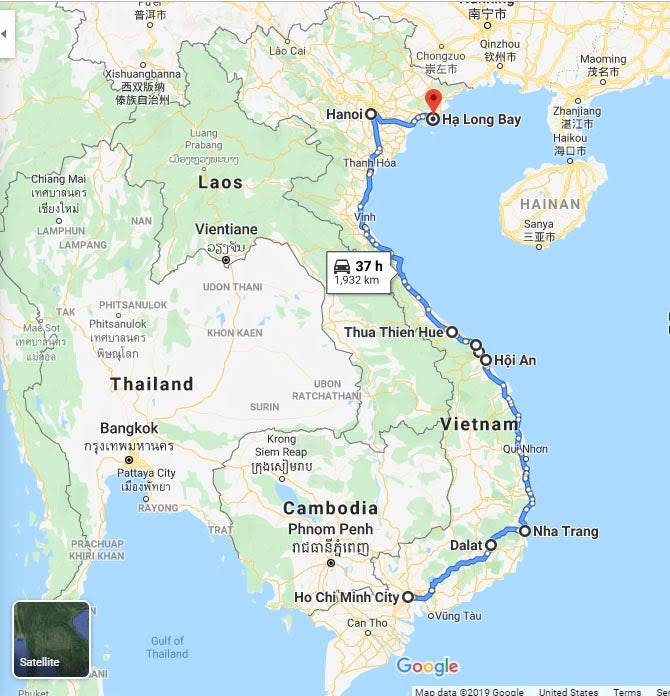
Top Gear Vietnam
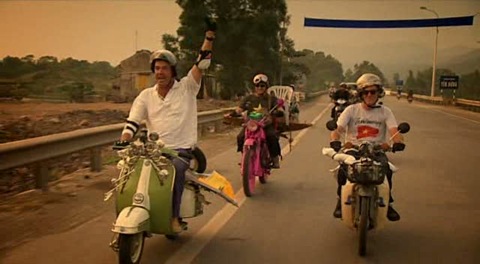
The chaps arrive in Vietnam are are given a challenge … to buy a car for 15 million Dong. That sounds a lot of money, but it is nowhere near enough to buy a car, not even an old, second-hand one. Instead they decide they can only afford motorbikes.
This blog will teach you how to talk about plans – what you will do later in the day.
The grammar will be future tense, and I’ll show you standard English and some everyday expressions.
I will … after work OR After work, I will … (standard English)
Example: I will play football after work OR After work, I will play football
Try these:
watch a movie // cook for my family // go shopping // play computer games
When I finish work, I’ll (I + will = I’ll) … a contraction
Later, when I knock off work … (knock off = finish) a UK expression / phrasal verb
Practice:
Make sentences, using these phrases. I give you an example:
I’m going to // I will (I’ll) // I plan to // I intend to // I’m thinking of …
After work, I’m going to a restaurant
Try to extend the sentence by giving more information:
After work, I’m going to take my family to a restaurant.
When I knock off, my family and I will go to a fast food restaurant because my son loves fried chicken and chips.
Now your turn:
What will you do after work ? See how long you can make your answer.
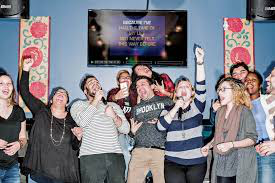
Tell me what you see in the photos.
I have some answers at the end of the blog.
Sample answers:
After work, I plan to drink beer. // I intend to drink beer after work with my two best friends.
When I knock off, I’m going to stay home // After I knock off, I’m going to play computer games and eat junk food. // After work, I plan to watch TV and eat crisps, chocolate and cake.
Tonight, I’m thinking of singing karaoke. // Later, I’m thinking of meeting my friends and going to sing karaoke because it’s a lot of fun.
After work, I will take my girlfriend to a restaurant. // Tonight is special because I will take my girlfriend to a romantic restaurant. // This will be a special night because I intend to ask my girlfriend to marry me so I’m going to take her to an expensive romantic restaurant.
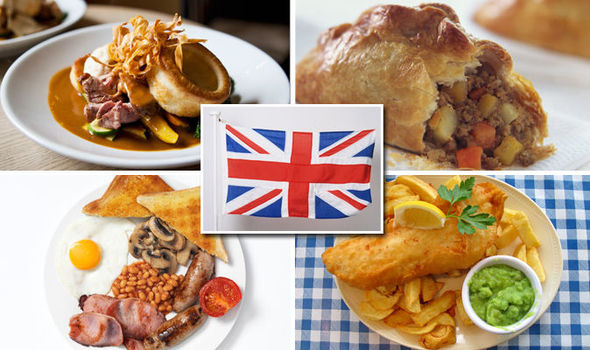
To whet your appetite, have a look at these traditional British dishes. Do you know what they are ?
Top left: Sunday roast – roast meat, potatoes, vegetables and yorkshire pudding.
Top Right: cornish pasty – baked pastry filled with meat, potatoes and carrots.
Bottom Left: traditional English breakfast – fried bacon, sausage, egg, tomato and mushrooms, with baked beans and toast.
Bottom right: fish and chips, with mushy peas (the green paste in the small bowl).
Idioms and collocations
tea / cherries / nutshell / cucumber / carrot
Growing up is hard, life isn’t always a bowl of _________ .
He walked in, as cool as a _________ , and told the boss he wanted a pay rise.
We’re going to try using a _________ and stick approach
I’m not a fan of karaoke, it’s not my cup of _________ at all.
To put it in a _________ , philosophy is very difficult.
Answers at end of the blog
Language
Prefer and rather
Which do you prefer ? Which would you rather eat ?
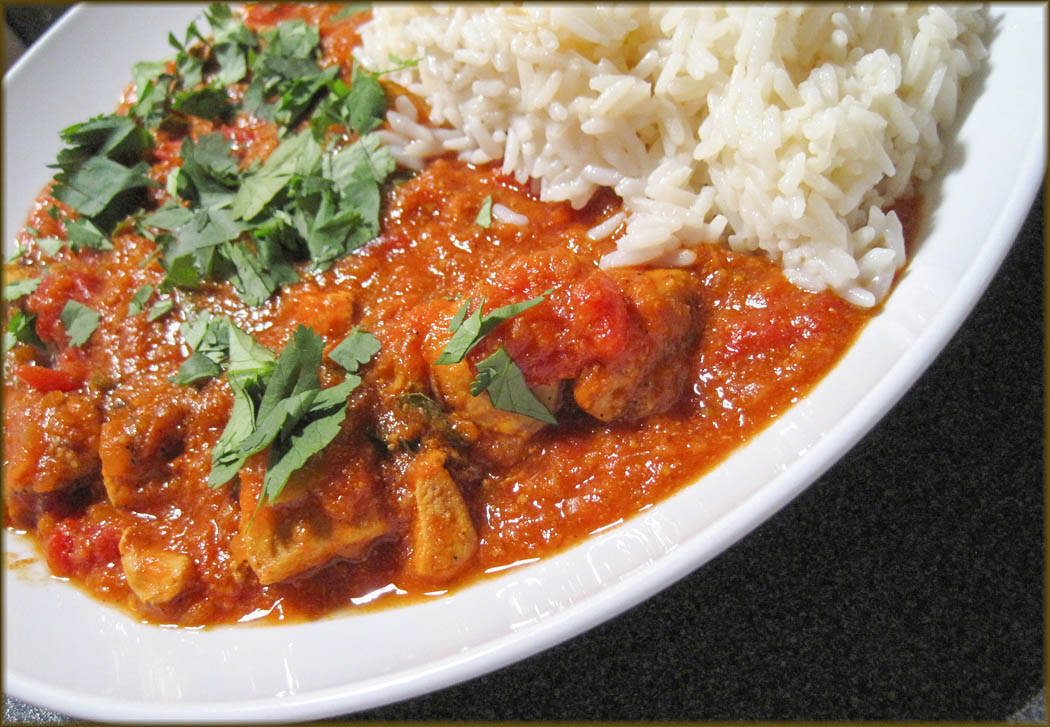
I prefer Indian food to English food. I’d rather have a good spicy curry than boring old meat and potatoes.
Now you try: Which do you prefer … which would you rather have ?
Greek saladInstant Korean noodles
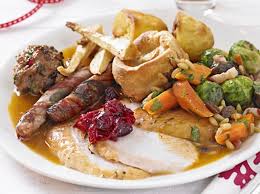
Traditional British Christmas. What do you think of this food ?
Roast turkey with stuffing, roast vegetables (sprouts, carrots, potatoes, parsnips), baked ham
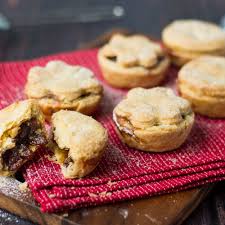
Christmas pudding with brandy cream, mince pies, gingerbread men
What traditional food do you eat in your country ?
Sentence building
What is the most unusual food you have tried ?
As a Brit abroad I have often had comments and questions, such as, ‘So what do you actually eat ?’, ‘I hear British food isn’t so great …’ or ‘Do you even have a traditional meal ?’ At first I thought this was just a stereotype that existed in Europe, but I have recently begun to ask myself, is our food really that bad?
In comparison to our neighbours, British food has never been seen as a delicacy like French cuisine. Perhaps when people think of British food they think of sandwiches, or the simple and unhealthy fish and chips. Although perhaps simple and unhealthy, fish and chips is delicious, as is a cornish pasty(meat and vegetables in pastry).
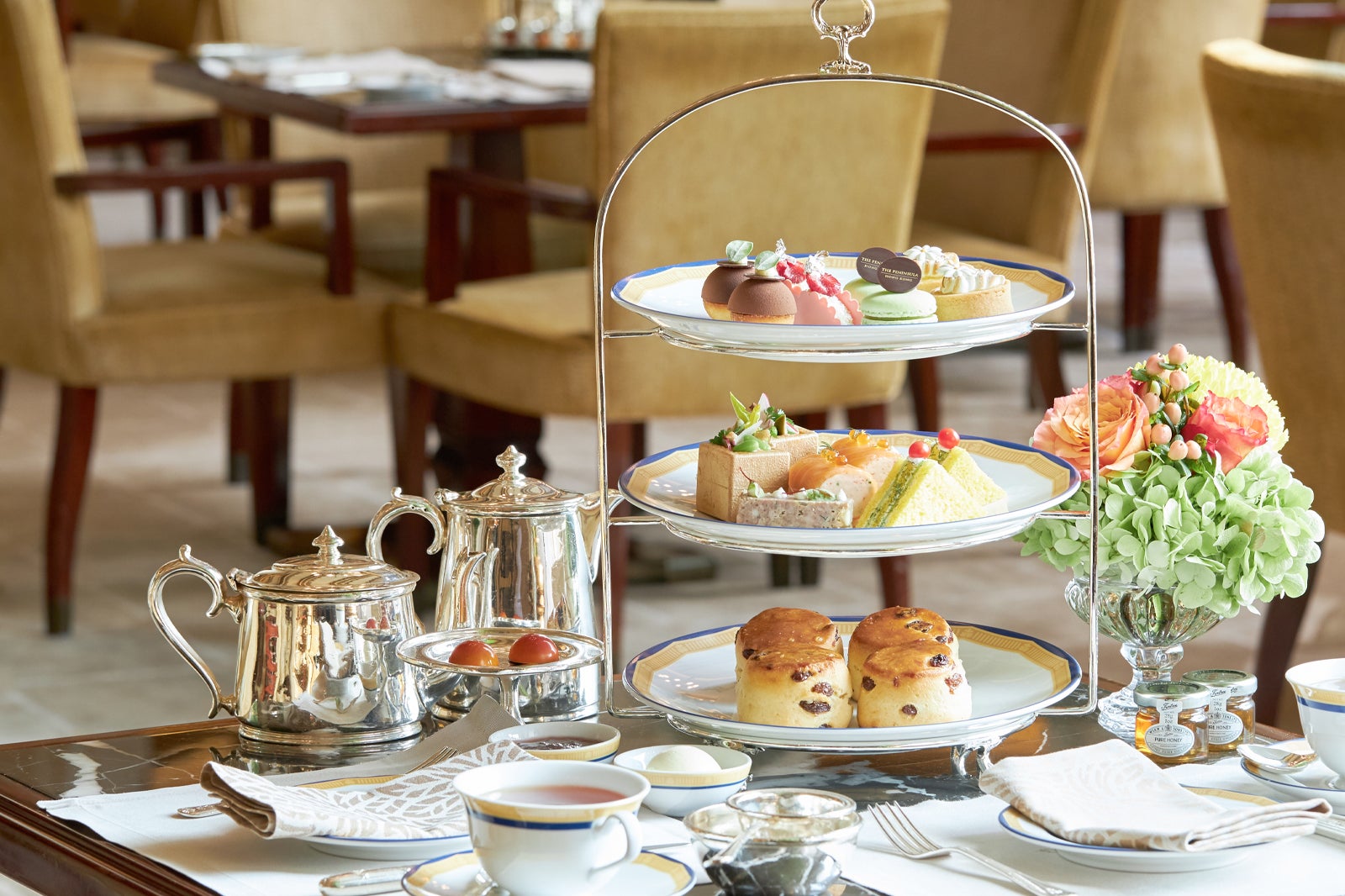
We have a meal for breakfast: the incredible combination of eggs, bacon, sausage, beans, mushrooms and bread (the cooked Breakfast), we have a meal for Sundays (roast lunch) with meat, vegetables and gravy (sauce), and we even have a tradition for between lunch and dinner (afternoon tea) with the two best things: cake and tea.
So it may be because I’ve eaten British food all my life, but I personally think that it is much better than its reputation!
Vocabulary to learn: look these up if you don’t know the meaning.
in comparison to …
stereotype
delicacy
cuisine
combination
reputation
Idioms:
bowl of cherries / cool as a cucumber / carrot and stick / not my cup of tea / in a nutshell.
The following is a list of opinion phrases, aimed at expanding your vocabulary as well as enabling you to practise the linking sounds required in order to sound like a native speaker.
“In my experience…” // “As far as I’m concerned…”
“I’m absolutely convinced…” // “Speaking for myself…”
“In my opinion…” // “Personally, I think…”
“I’d say that…” // “I’d suggest that…”
“I’d like to point out that…” // “I believe that…”
“What I mean is…” // “It’s obvious to me…”
“It seems to me …” “This could possibly …”
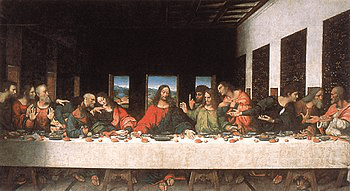
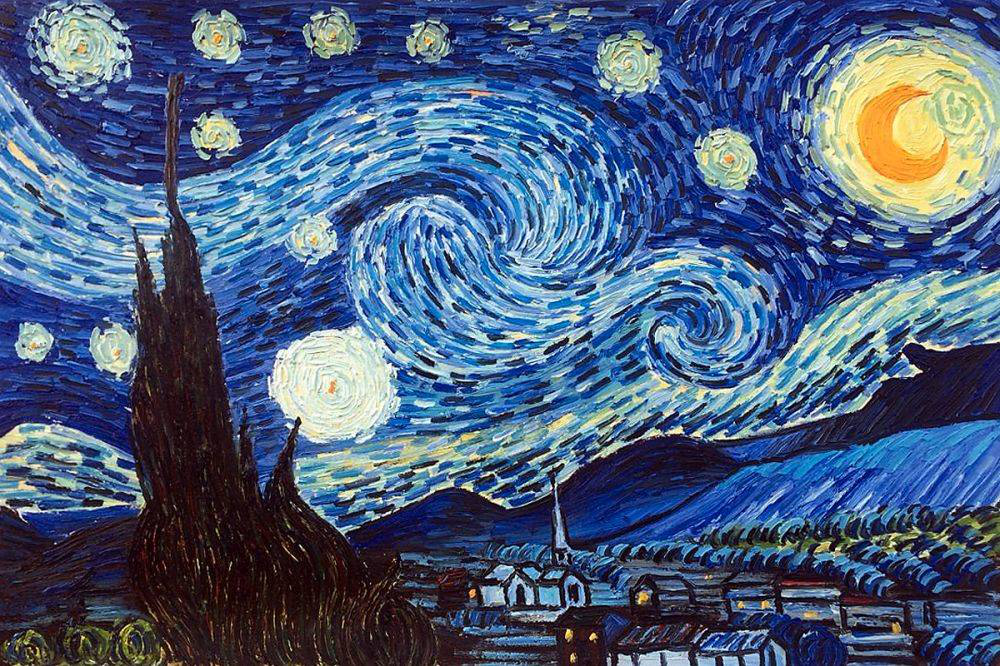
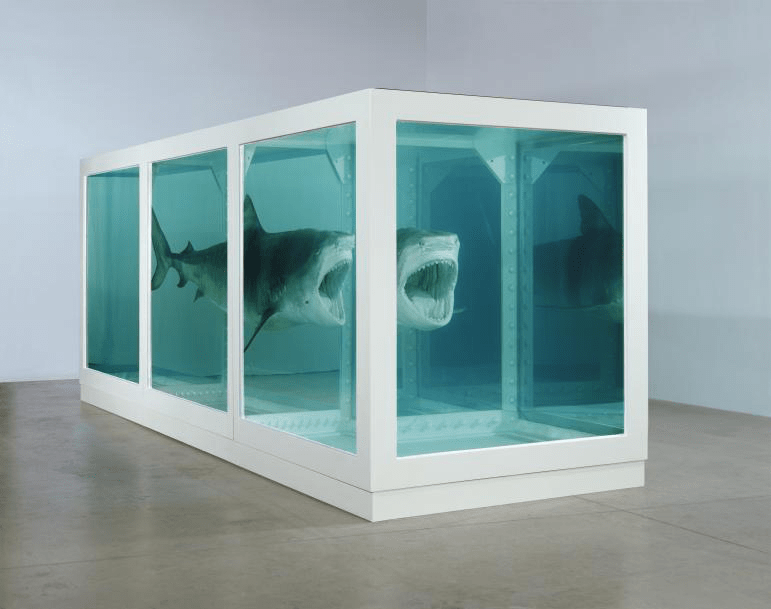
What do you think of the following works of art ?
The Last Supper by Leonardo 1490s
As far as I’m concerned, this mural painting is one of the greatest achievements of European culture.
Personally, I think the painting is overrated. I can’t see what is so special about it.
Now, your turn. Use the above expressions; what do you think about …
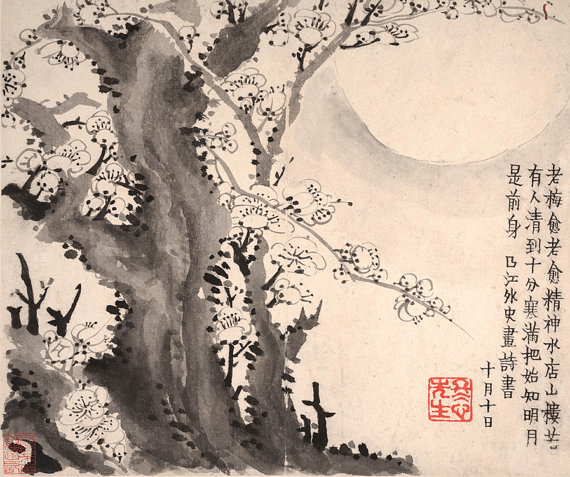
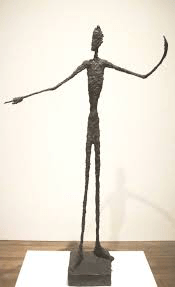
Dance at Bougival by Renoir 1883Chinese landscapeMan Pointing by Giacometti 1947Socialist Realism from Viet NamStarry Night by Van Gogh 1889Lobster Telephone by Dali 1936Traditional Korean paintingThe Physical Impossibility of Death in the Mind of Someone Living by Damien Hirst 1991
Taiwan has featured in many online news clips recently. Here are some which caught my eye (made me notice) and which, furthermore, will be useful for students to practice listening to ‘real-world’ English speaking; the rhythms, stresses and intonations of everyday speech.
As with other blogs, I will drop in certain phrases or expressions, which I will highlight. In addition, there will be a lot of new vocabulary in the listening clips. Watch them in short sections, writing down any new words or phrases.
Feel free to ask me to explain anything you can’t understand
Additionally, I’d like to share a blog from my online friend, Silk Chatters, who is based in the USA, and writes extremely interesting articles. One such article, a blog which caught my eye, is about being critical when listening to news reports. Silk ends her blog with:
Question what you read and hear, and avoid a steady diet of one type of information, it’s as bad for the mind as eating only one type of food is for the body.
I know she will be delighted if you read and ‘like’ her blog.
In the UK, we pride ourselves on having a free press – newspapers, TV and other media are able to write what they want without fear of persecution (there are exceptions, naturally, but that is outside the scope of this blog).
However, newspaper readers generally know the political views of the paper they’re reading. In the USA I believe I’m right in saying that many TV news stations report the news according to their political opinions … or of those who own the station. For example, Fox News is seen as Republican (right-wing), while CNN is viewed as Democrat (left-wing).
Readers in the USA, please correct me if I am mistaken.
Therefore, when you see or read news, remember to ask questions and try to check the facts for yourself. A sophisticated readership will necessitate more sophisticated journalism … ideally … and what can be more ideal than the search for truth ?
The Corona Virus, COVID 19, continues to spread, and there are opposing theories as to its origins. The consensus is that it started in Wuhan Province, Mainland China. Taiwan, which is so close, has relatively few cases (at time of writing, 388 cases with 6 deaths compared to the official figures for China 82, 052 and 3, 339).
Relations between China and Taiwan are contentious (if you don’t know the history, the internet will help to fill you in – give you information)
Taiwan, whose capital is Taipei, “Shall be a democratic republic of the people, to be governed by the people and for the people.” Tsai Ing-wen is the President, and she features in our first clip: A YouTuber called Potter King met Tsai Ing-wen, and angered China by addressing her as ‘President’.
We now move on to a video clip that went viral. Dr Bruce Aylward was asked about Taiwan being admitted to the WHO (World Health Organisation). This is what happened:
‘The Guardian’ is seen as a liberal, left-leaning paper, and is probably more for the educated reader than mass circulation. As such, the language will be challenging but rewarding for English-language students.
In the interests of fairness, I will show the WHO reaction to the above interview, which was somewhat awkward or embarrassing, to say the least.
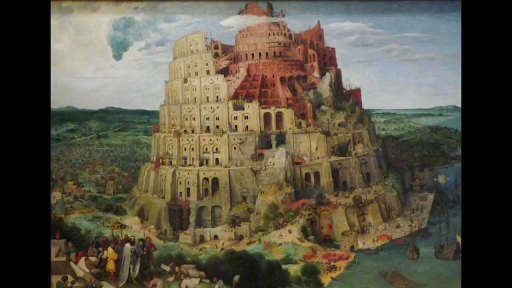
Are we getting close to the Biblical Tower of Babel ?
Tower of Babel by Peter Breughal 1563
For those who are interested in the story, here is the extract from The Bible, Genesis 11
Genesis 11 New International Version (NIV)
The Tower of Babel
11 Now the whole world had one language and a common speech. 2 As people moved eastward,[a] they found a plain in Shinar[b] and settled there.
3 They said to each other, “Come, let’s make bricks and bake them thoroughly.” They used brick instead of stone, and tar for mortar. 4 Then they said, “Come, let us build ourselves a city, with a tower that reaches to the heavens, so that we may make a name for ourselves; otherwise we will be scattered over the face of the whole earth.”
5 But the Lord came down to see the city and the tower the people were building. 6 The Lordsaid, “If as one people speaking the same language they have begun to do this, then nothing they plan to do will be impossible for them. 7 Come, let us go down and confuse their language so they will not understand each other.”
8 So the Lord scattered them from there over all the earth, and they stopped building the city.9 That is why it was called Babel[c]—because there the Lord confused the language of the whole world. From there the Lord scattered them over the face of the whole earth.
This lesson aims to introduce students to a wider range of vocabulary, phrases and expressions, and then gives them an opportunity to role play and act out the language.
A plan such as this only works with motivated students, and can be very fun for both learners and the teacher.
Print outs or photos of various consumer items will enhance the lesson, but first:
vocabulary
SHOPPING
Which shops do you like and why ?
Use these words and phrases to help you write your answer:
big, small, fresh, clean, cheap, expensive, near my house, convenient
range of choice, quality, cost, location, crowded
store layout (what does it look like ? Is it easy to find things ?)
staff helpfulness: average (normal), exceptional, non-existant !
value for money (good quality at a good price)
bargains (good quality and great price)
Interior of a Waitrose supermarket in the UK Food shopping is not always a pleasant experience
Haggling
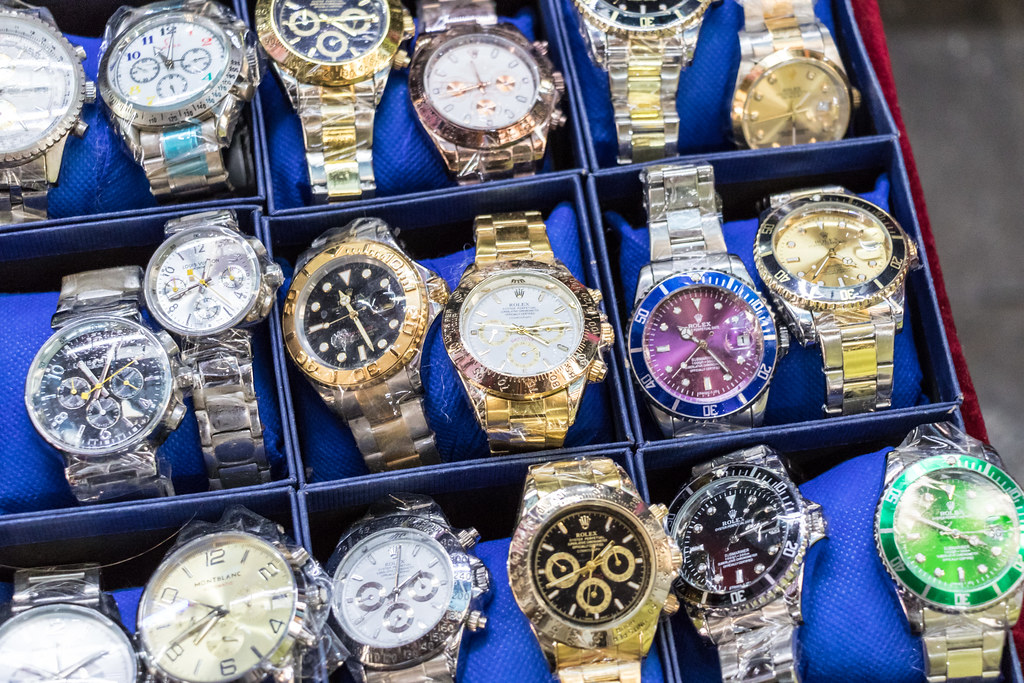
This is the practice of trying to get a better or lower price for an item. This doesn’t happen in shops, which have a fixed price, but is common, indeed even expected, in markets, depending on the location and culture. Be careful – too much haggling can upset the trader.
haggling can be an art – there are many guides online
Expressions: I wasn’t born yesterday / you’re having a laugh !
[I will pre-teach these expressions in a class, but online students will have to look them up. If you ever need help, just leave a message]
What do you think is meant by ‘GENUINE FAKE’ ?
Make a conversation:
One is a market-trader, the other a customer.
You can choose the item(s): watch, phone, T-shirt, food etc.
The language is informal, intonation can be strong but still be polite.
EXAMPLE:
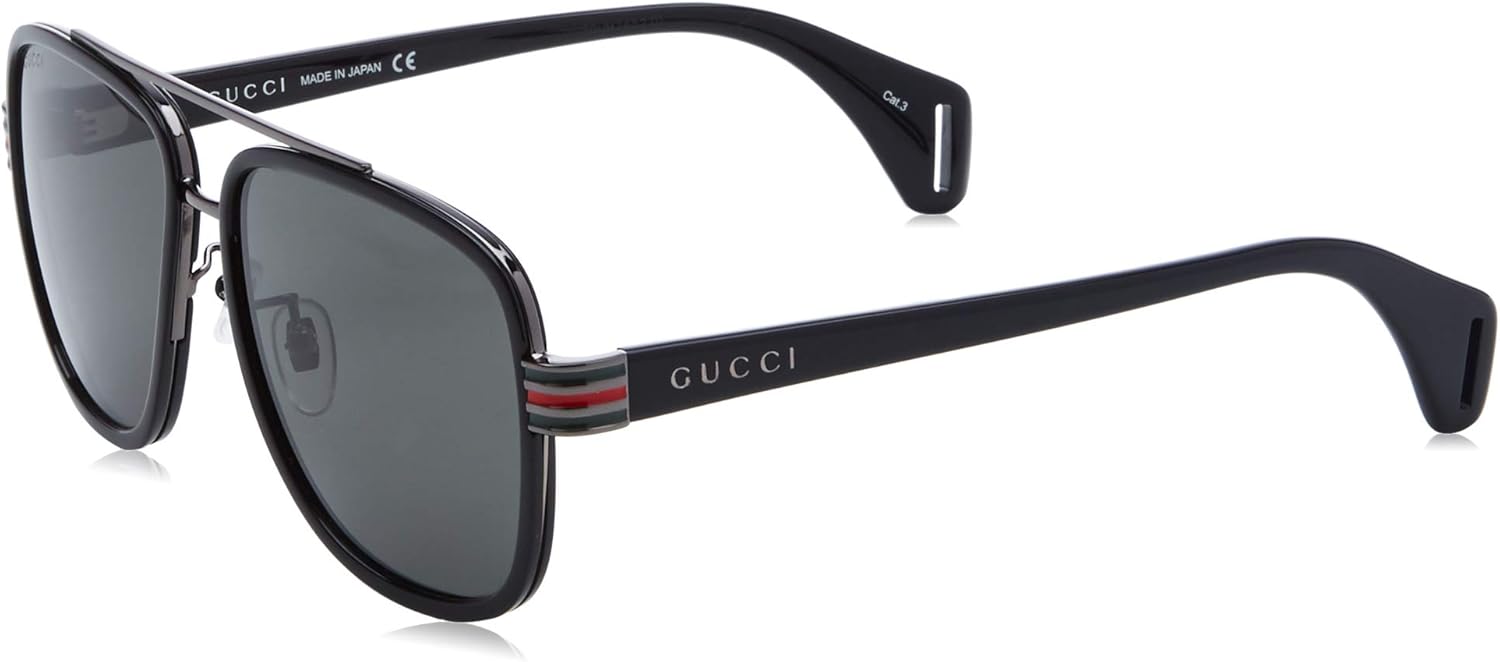
Here, the trader sells ‘genuine fake’ sunglasses
Customer: How much are these sunglasses, please ?
Trader: Oh, those are genuine Gucci, made in France. I can let you have for the special price.
Customer: Gucci … really ?
Trader: Absolutely, look … it says ‘Guchi’ here. Try them on … they are perfect for you.
Customer: Hhhmmmm, ‘Guchi’ … OK, how much are they ?
Trader: To you, my first customer, special price. Only $50
Customer: Are you having a laugh ! I’ll give you $5 tops, no more.
Trader: These are genuine Gucci … OK, OK, just for you, $45. They come from France.
Customer: Gucci are ITALIAN ! What a rip-off. I’m out of here.
Genuine Gucci sunglasses
With a larger class, have three students selling the same type of item but in different setting, for example:
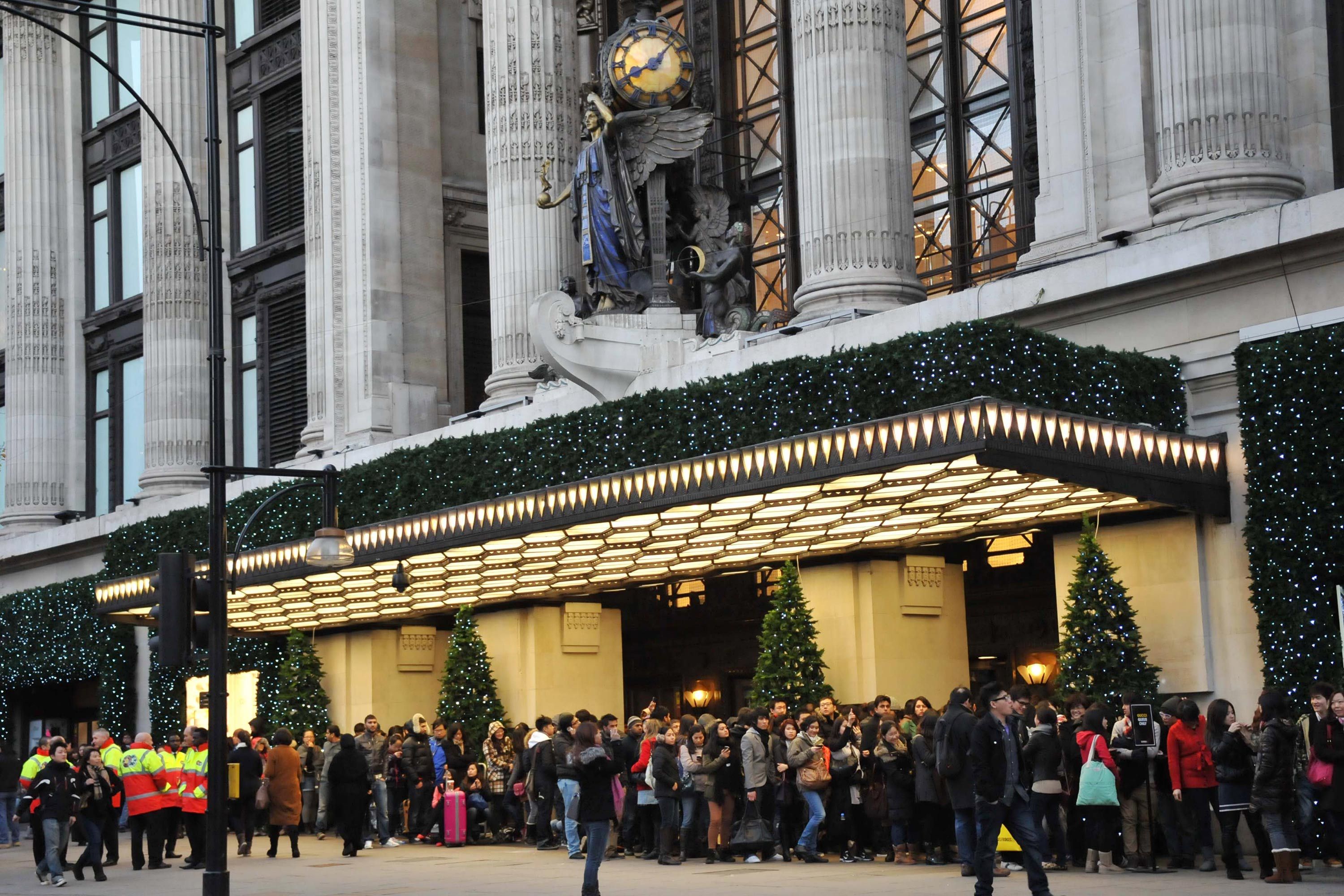
a department store,
a shop having a sale
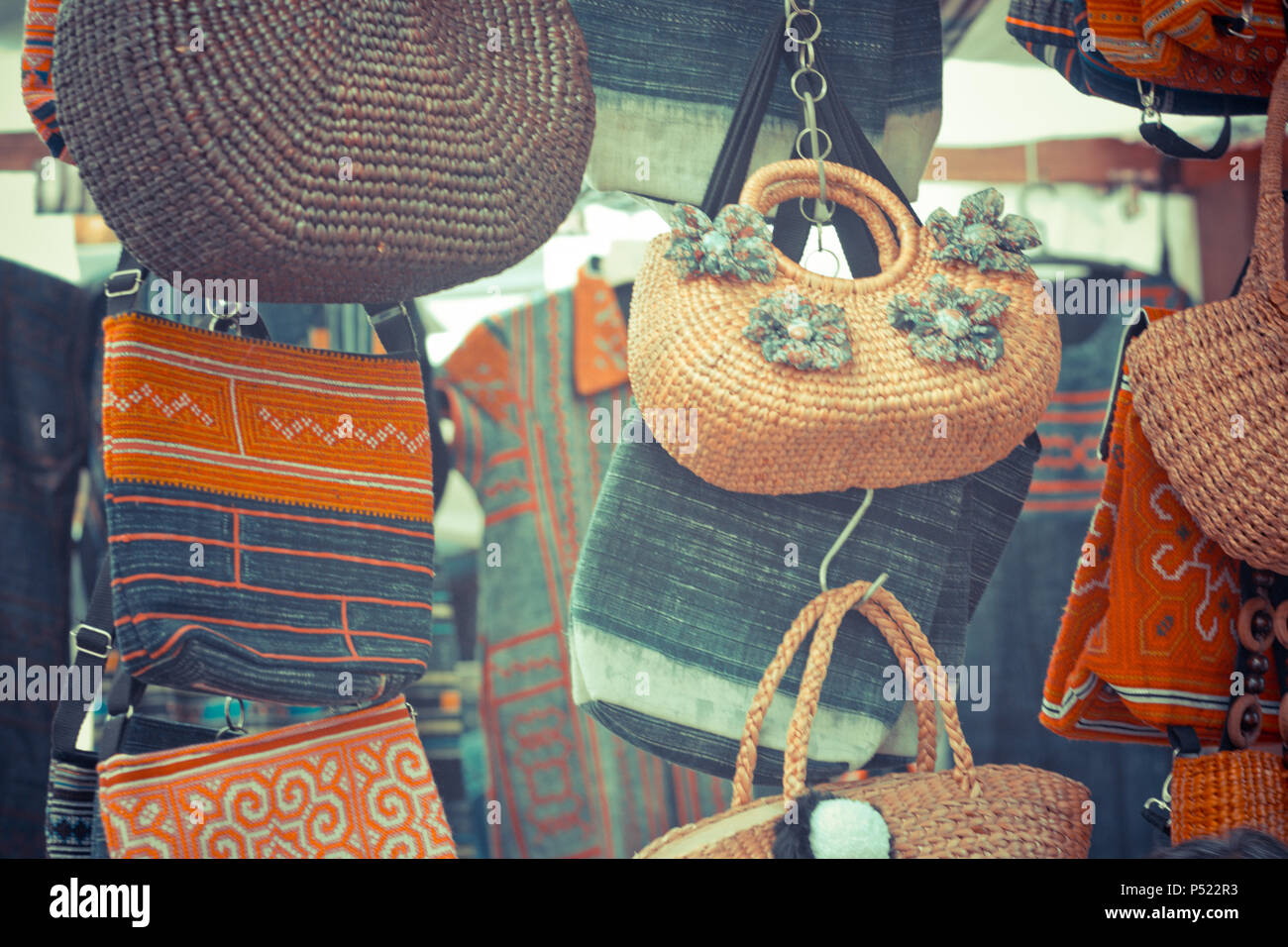
and a street market
To make it more realistic, the students have to alter their vocabulary to suit the store, that is, polite standard English for the department store, everyday English for the shop and more slang and idioms for the street market.
The items could include:
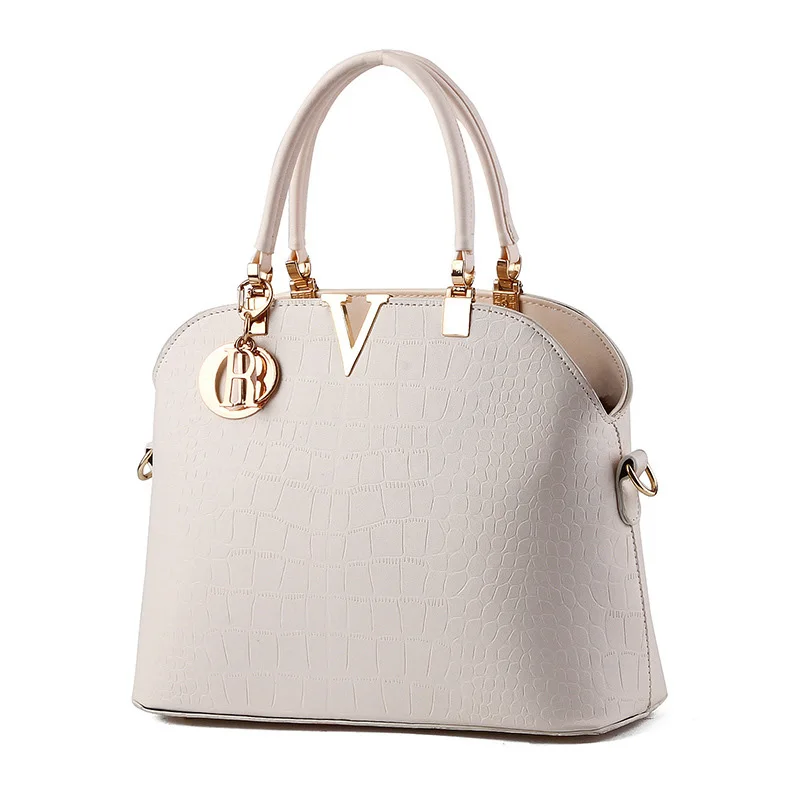
Handbags:
Set your own prices to reflect the realities of where you live.
Firstly, let me start by wishing you all the best. I hope you are staying safe and well. Aside from the medical implications of this pandemic, the widespread lockdown is affecting people’s psychological health, their jobs and therefore their financial security.
As the death toll in my native UK approaches five thousand, our Prime Minister has been hospitalised, and people are being advised to stay indoors, self-isolate and maintain social distancing.
Against this backdrop, I have two recent clips to help my students.
I appreciate that learning English isn’t a priority at the moment, but my school remains open (for online teaching) so people can continue working and therefore have money to pay living costs and help the economy continue.
On the 5th April, Queen Elizabeth II addressed (spoke to) the nation.
For students, this is a chance to hear Queen’s English, as spoken by the Queen. Not only will this assist your pronunciation, but you will also encounter many new words and expressions.
As listening is very hard, I suggest only playing ten or twenty seconds, then replaying until you feel confident that you understand. After, copy, imitate the accent, listen for stress and intonation.
I am speaking to you at what I know is an increasingly challenging time. A time of disruption in the life of our country: a disruption that has brought grief to some, financial difficulties to many, and enormous changes to the daily lives of us all.
I want to thank everyone on the NHS front line, as well as care workers and those carrying out essential roles, who selflessly continue their day-to-day duties outside the home in support of us all. I am sure the nation will join me in assuring you that what you do is appreciated and every hour of your hard work brings us closer to a return to more normal times.
I also want to thank those of you who are staying at home, thereby helping to protect the vulnerable and sparing many families the pain already felt by those who have lost loved ones. Together we are tackling this disease, and I want to reassure you that if we remain united and resolute, then we will overcome it.
I hope in the years to come everyone will be able to take pride in how they responded to this challenge. And those who come after us will say the Britons of this generation were as strong as any. That the attributes of self-discipline, of quiet good-humoured resolve and of fellow-feeling still characterise this country. The pride in who we are is not a part of our past, it defines our present and our future.
The moments when the United Kingdom has come together to applaud its care and essential workers will be remembered as an expression of our national spirit; and its symbol will be the rainbows drawn by children.
Across the Commonwealth and around the world, we have seen heart-warming stories of people coming together to help others, be it through delivering food parcels and medicines, checking on neighbours, or converting businesses to help the relief effort.
And though self-isolating may at times be hard, many people of all faiths, and of none, are discovering that it presents an opportunity to slow down, pause and reflect, in prayer or meditation.
It reminds me of the very first broadcast I made, in 1940, helped by my sister. We, as children, spoke from here at Windsor to children who had been evacuated from their homes and sent away for their own safety. Today, once again, many will feel a painful sense of separation from their loved ones. But now, as then, we know, deep down, that it is the right thing to do.
While we have faced challenges before, this one is different. This time we join with all nations across the globe in a common endeavour, using the great advances of science and our instinctive compassion to heal. We will succeed – and that success will belong to every one of us.
We should take comfort that while we may have more still to endure, better days will return: we will be with our friends again; we will be with our families again; we will meet again.
But for now, I send my thanks and warmest good wishes to you all.
The second clip is from the newly-appointed leader of the Labour Party, Sir Kier Starmer. This clip has English subtitles:
anti-Semitism: prejudice and hatred towards Jewish people
NHS: the National Health Service
poignant:feeling of strong sadness
play its full part: to do a job properly
we will shine a torch on: we will look carefully at something and discuss it if we disagree.
to call something out: to speak if you think someone has made a mistake or is doing something wrong.
You will hear many new expressions in this speech. Write down words and phrases you don’t know, look them up online, then try to use them in your English.
WARNING: THIS BLOG CONTAINS IMAGES OF WAR THAT ARE NOT SUITABLE FOR YOUNG READERS
April 30th is a national holiday in Vietnam. My Vietnamese students should know why, other students can probably guess.
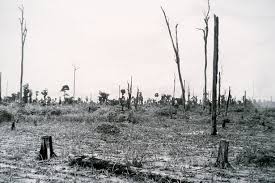
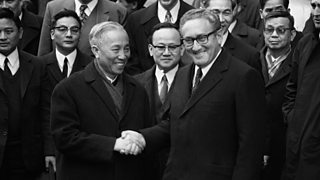
Describe this photo:
What is the subject ? What is the background and history ? Why is this picture significant ?
What happened after this snapshot?
background– recent story or history to some event.
significant (adjective) – very important or large.
significance (noun) / significantly (adverb)
snapshot– a moment in a photo – captured by time.
In this photo we can clearly see …
The photo shows …
The photo depicts …
Vocabulary:
war / conflict / civil war / agent orange / reunification / peace treaty / ceasefire / chemical warfare / the seat of government / reeducation / education growth / Le Duan / public opinion / anti-war sentiments / Vietnam War Memorial, Washington DC / My Lai / Kim Phuc
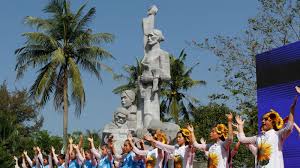
Use the above vocabulary to describe the following photos. Organise your thoughts, then employ discourse markers to link your ideas together.
If you are not certain, you may use expressions such as:
I’m not entirely sure, but I think …
This would seem to show …
I’m not familiar with this image …
Practice speaking in complex sentences by using relative pronouns (who, where, which, whose)
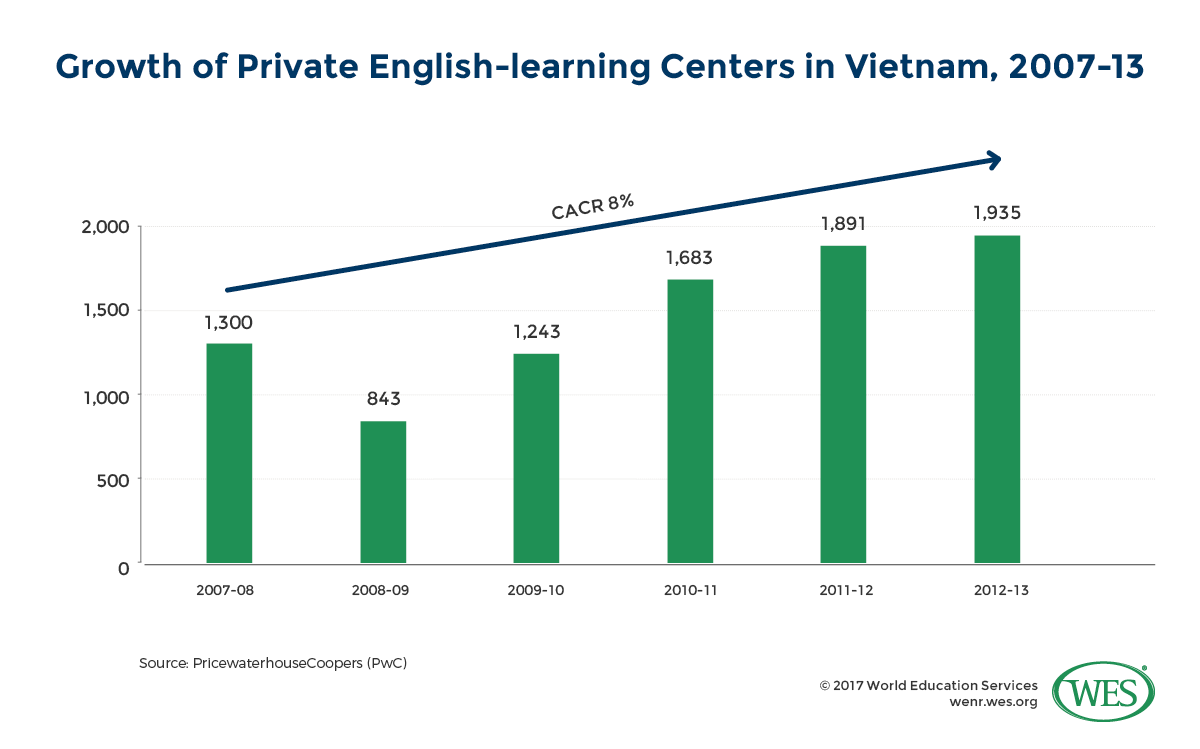
This is a great opportunity for IELTS students to interpret the information represented on this graph. What is the trend ? What is the anomaly ? How would you categorise the fluctuation in figures from 2007 – 2010 ?
War Memorial in USATo commemorate the My Lai massacre in Vietnam
WARNING:
NEXT PHOTO MAY DISTURB SOME READERS
THIS IS ONE OF THE MOST ICONIC PHOTOS, NOT JUST OF THE WAR IN VIETNAM, BUT OF THE TWENTIETH CENTURY.
THERE ARE NO ADJECTIVES CAPABLE OF DESCRIBING THE IMAGE.
THE PHOTO HAS BEEN CREDITED WITH TURNING AMERICAN PUBLIC OPINION AGAINST THE WAR.
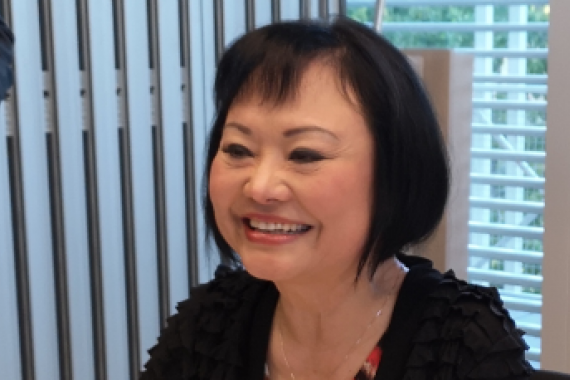
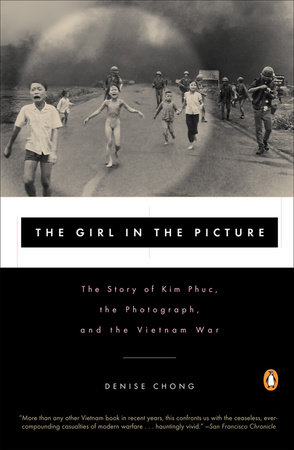
Ms Kim Phuc, aged 9, after her village was bombed June 8th 1972Ms Kim Phuc now, UNESCO Goodwill Ambassador.Ms Phuc’s story can be read in this (highly recommended) book.
The story so far … we have two young Asian cousins who are about to meet each other, after a long time. Boram, a caring, thoughtful young music student, is going to the train station to meet Leon, also a musician, who is travelling to Seoul but doesn’t know the city. Despite having a busy schedule, Boram insists upon meeting Leon and making sure he is safe.
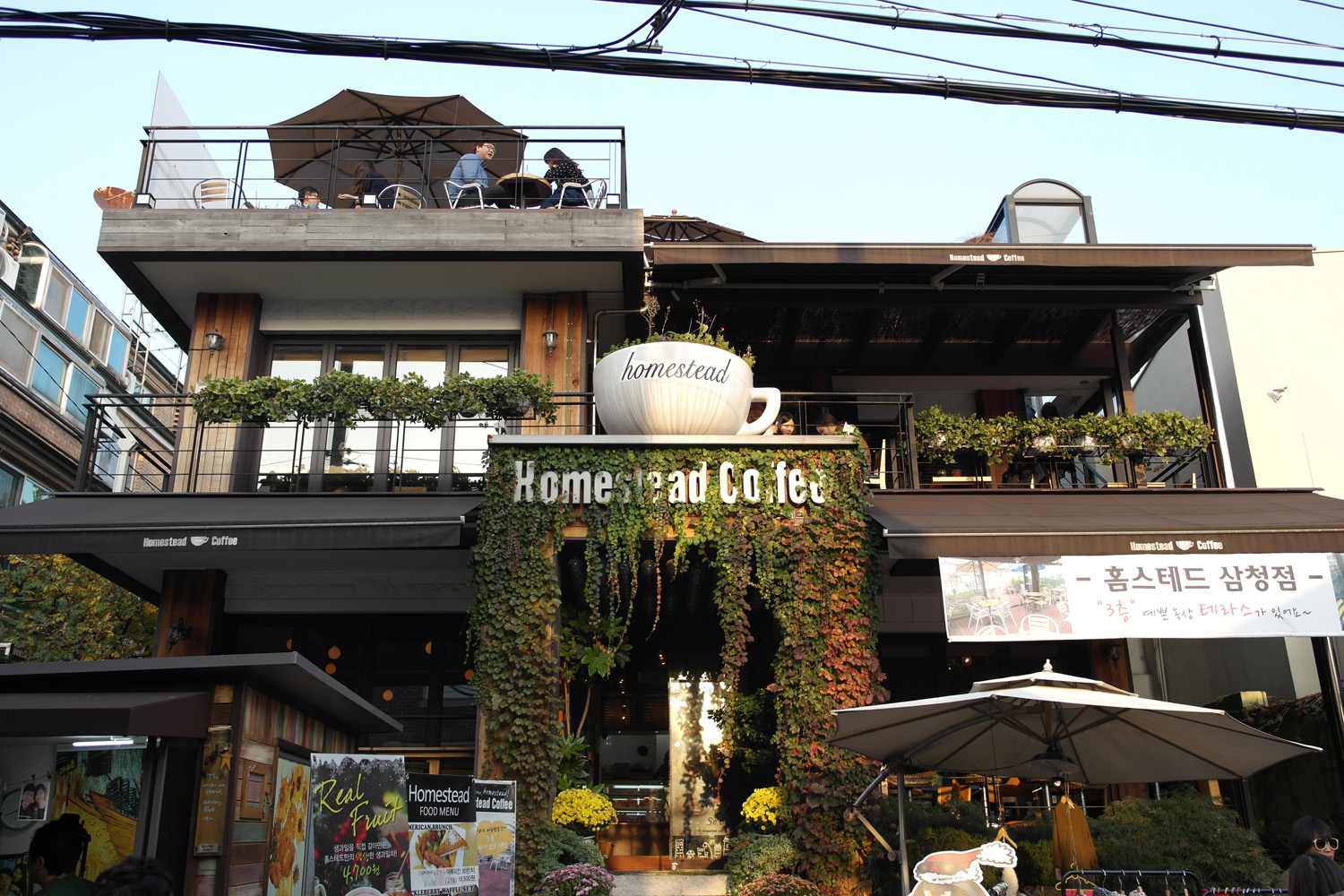
After his journey, Boram feels certain Leon must be hungry and in need of coffee. She decides to take him to a great cafe near the station. They can talk and get to know each other.
Boram pays for the drinks, and they go to find a table:
Here, there are introducing themselves. The conversation may go something like this:
Boram: How was the journey ? Are you tired ?
Leon: No, I’m Ok, thanks. This coffee looks great. Wow, how long has it been ?
Boram: Hhmmm, let me think … it must be six years since we last meet. How are your parents ?
Leon: Both very well, thank you, and they send you a little present. So, mum says you play piano ?
Boram: Violin. I play in the university orchestra. You’ve grown so much !
Leon: Of course, I’m not ten anymore haha. You play ? Can I hear you sometime ?
Boram: Actually, I’m playing this afternoon. If you like, I can take you and introduce you to some of my friends.
Leon: That would be cool. You are so kind. I insist on buying you lunch to say thank you.
That was a fairly natural exchange of pleasantries. They both appear nice people, and very polite. However, it is not very exciting or interesting. So, let’s make Leon less grateful and more self-centred:
Boram: How was the journey ? Are you tired ?
Leon: Oh, man … it was like … boring, you know. No hot girls on the train.
Boram: Oh. Sorry. How is your coffee ?
Leon: It’s terrible, We have much better in Busan. This place is lame. Don;t you know any cooler joints ? You look a bit boring. Mum says you’re a musician ?
Boram: Yes, I play vio…..
Leon: I’m a musician, I play bass in a radicle hip-hop, thrash-metal band.
Boram: I’d love to hear your band.
Leon: Ha ! I don’t think so. We don’t make music for little girls. This is real music.
Boram: Oh, well, would you like to hear my orchestra play ?
Leon: Yeah.
Boram: Great ! We are playi …
Leon: No, idiot, I’m joking, I can’t listen to that old crap ! Hey, can you give me some money ?
What do you think of Leon now ? Not so nice, hey ? See how he interrupts Boram, mocks her music and then demands money ? He’s a ‘nasty piece of work.’
Let’s turn the tables. How about if Boram, despite looking angelic and ‘butter-wouldn’t-melt- in-her-mouth’ appearance, is in reality arrogant, impatient and thoughtless.
Leon: It is so nice of you to meet me. I haven’t been to Seoul before on my own.
Boram: I had no choice. My mum made me, I don’t want to waste my time here.
Leon: And thank you for buying the coffee. I was really tired.
Boram: Mum gave me the money. Come on, drink it then I can go. I’ve got more important things to do.
Leon: Oh, I don’t want to keep you if you’re busy …
Boram: ‘Busy’ ? I have rehearsals in two hours and I have to go all the way across the city to meet you. Ridiculous, a grown man like you needs me to hold his hand.
Leon: Really, if you need to go, it’s ….
Boram: Well, if you say it’s Ok, I’ll go. You know the way ? If not just ask someone or, I don’t know, get a taxi. Do you have my phone number ?
Leon: No, what is i… ?
Boram: Oh, it doesn’t matter, I’m to busy to pick up. I gotta go.
That should change our perception of Boram. Not so friendly now, is she ?
Try writing short dialogues for different situations:
1: Leon really wants to see the top museums
2: Boram wants Leon to meet her friend, she thinks they would be good together
3: Leon is having an interview for a job and he is very nervous. Boram supports him.
4: Boram wants to take Leon shopping for new clothes. Leon likes his clothes and they have a playful argument.
5: They discover they really don’t like each other but they have to stay together because they are family.
And now … what to do if you’re stuck at home, self-isolating, and have lots of time to kill. My internet friend, Rachel Kim, from South Korea has a tip about a new craze sweeping her homeland:Dalgona coffee:
Please Note: All photos are taken from Google Images or free photo sites, and are used for educational purposes only. No copyright infringement or offense is intended. If I have used your photo or image, and you wish me to remove it, just ask. This site is not monetized, I run it on my own dollar. Thank you.






/https://www.thedailymeal.com/sites/default/files/story/2017/00%20header%20shutterstock_521196844.jpg)































 Thay Paul's Notes