I love all types of music, but one of my favourites is Jazz. It can be exciting, or thought-provoking, upbeat or mellow, but it’s always different.
Unlike other types of music, Jazz is spontaneous. This means that you never hear the same song the same way; each performance is different.
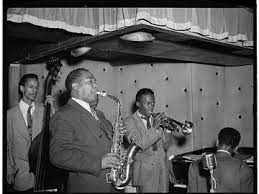
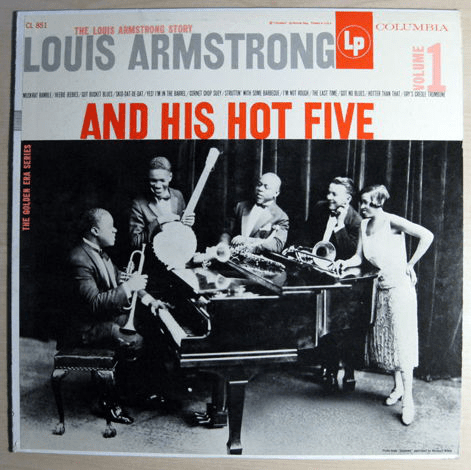
Jazz started in New Orleans but moved up to Chicago, New York and even west to California. The first records were made in 1917 and the first true Jazz genius was Louis Armstrong. If you want to hear jazz, you should listen to his records from the 1920s.
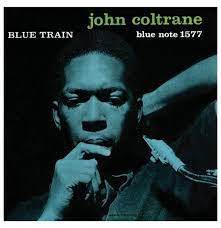
You may know some famous Jazz artists such as Miles Davis, John Coltrane or Charlie Parker. I can recommend these musicians to you as first-rate examples of Jazz.
I hope this has made you curious about Jazz, and that you go online to listen for yourself. Who knows, maybe you too will learn to love Jazz.
Please Note: All photos are taken from Google Images or free photo sites, and are used for educational purposes only. No copyright infringement or offense is intended. If I have used your photo or image, and you wish me to remove it, just ask. This site is not monetized, I run it on my own dollar. Thank you.
Arrange class into small groups, named after famous architects from English speaking countries, e.g. Christopher Wren, Frank Lloyd Wright & Amanda Levete
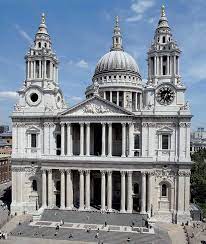
Sir Christopher Wren
St Paul’s Cathedral, London
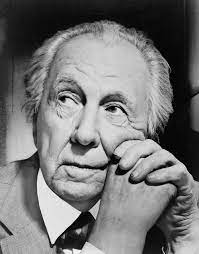
Frank Lloyd Wright
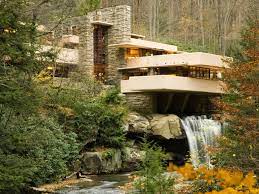
Fallingwater Building, Pennsylvania, USA
Amanda Levete
MAAT Museum, Lisbon
Therefore we have Team Wren, Team Levete & Team Wright
Game 1 Synonyms: give me a better word for …
yummy // good // big // very small // smart // very friendly // someone from Korea // scared // not easy // not clean // has a lot of money //
(1 point for each correct answer)
Game 2:Correct these sentences …
The Science book is very boring or bored.
I feel so excited or exciting about learning English.
She was disappointed or disappointing about the Japanese film.
(2 point for each correct answer)
Game 3: Make sentences using adj + noun
EXAMPLE:
Qri from K-pop band T-ara
The beautiful lady is a popular singer in a Korean group.
The Korean woman is smiling. She is cute and happy. She has long, brown hair.
Qri is a popular singer. She is Korean and is a fantastic dancer.
Team Wren:
The scientist Albert Einstein. He was born in Germany.
Team Wright:
This lady was born in Russia
Team Levete:
This lady was born in Zambia
(2 point for each adjective + noun structure)
Game 4: Adjective salad bar.
Look at the photos. Choose one you like and make a sentence or sentences. However, you will earn more points by using higher-level adjectives.
Earn 1 point for using these adjectives:
big, fat, friendly, happy, new, old, sad, small, young, yummy
We have ‘visited’ many amazing and unusual places in our lessons, and met many friendly, outgoing people.
So, where do YOU want to go ?
Tell me where, tell me why and tell me something about the country.
EXAMPLE:
I want to visit Korea because it is a very beautifulcountry and has many friendly and outgoingpeople. The food is spicy but delicious and very healthy. The history is amazing and the museums are very interesting.
(2 point for each adjective + noun structure, 1 point for every other adjective.)
Please Note: All photos are taken from Google Images or free photo sites, and are used for educational purposes only. No copyright infringement or offense is intended. If I have used your photo or image, and you wish me to remove it, just ask. This site is not monetized, I run it on my own dollar. Thank you.
Idioms are used frequently in conversational English, not to mention formal and informal writing, and in song lyrics. Additionally I have heard British politicians, speaking in Received Pronunciation, employ an idiom in two in their remarks.
Generally students like having a few idioms under their belt, as it makes them feel that they are closer to everyday English, and can hold their own in a conversation.
Therefore, here is a one-stop shop for various idioms I’ve introduced over the years. Now, put your nose to the grindstone and get cracking.
Idioms
it’s raining cats and dogs
it costs an arm and a leg
piece of cake
I’m burning the candle at both ends
once in a blue moon
pass with flying colours
turn over a new leaf
Another string to (your) bow – a new skill or learning experience
bear with me – please wait a very short time (usually spoken as opposed to written)
bit of a sore point – something that makes you sad or angry
down in the dumps – depressed, unhappy, feeling gloomy
hit the ground running – to start something immediately and with all your energy
like a madhouse – a place or area that is crazy, too noisy, too busy etc
run of the mill – ordinary, typical, normal, usual, boring
up in arms – to be very angry about something, to protest strongly
you take your life in your hands – doing something that is extremely dangerous
tickled pink = very happy – I’m tickled pink
fit as a fiddle = very healthy
Keep an eye on = watch something carefully
under the table = to give money to someone unofficially
kick the bucket = to die (informal) Did you hear ? Old Tom kicked the bucket.
A spanner in the works = a serious problem
In the right ball park (US) = not correct but close
On the right track (UK) not correct but close
veckteezy.com
Learning the ropes = learning what the job involves
Snowed under = very busy
number-cruncher = a slang term for an accountant
cooking the books = writing false information in accountants – a serious crime
Let’s call it a day = We can finish work now
Can you run that by me again ? = Please repeat.
tea / cherries / nutshell / cucumber / carrot
Growing up is hard, life isn’t always a bowl of _________ .
He walked in, as cool as a _________ , and told the boss he wanted a pay rise.
We’re going to try using a _________ and stick approach
I’m not a fan of karaoke, it’s not my cup of _________ at all.
To put it in a _________ , philosophy is very difficult.
Please Note: All photos are taken from Google Images or free photo sites, and are used for educational purposes only. No copyright infringement or offense is intended. If I have used your photo or image, and you wish me to remove it, just ask. This site is not monetized, I run it on my own dollar. Thank you.
Please Note: All photos are taken from Google Images or free photo sites, and are used for educational purposes only. No copyright infringement or offense is intended. If I have used your photo or image, and you wish me to remove it, just ask. This site is not monetized, I run it on my own dollar. Thank you.
Firstly, a big hello to all my readers and followers in India. I want you all to know how much I appreciate you taking the time to check out my blog. Thank you so much.
Exercise one: Find out some basic information about India from the internet, such as capital and major cities, population, food, religion, imports and exports.
I give you four minutes to do an Internet search, then present to class. DO NOT simply read from Wikipedia.
Exercise two:
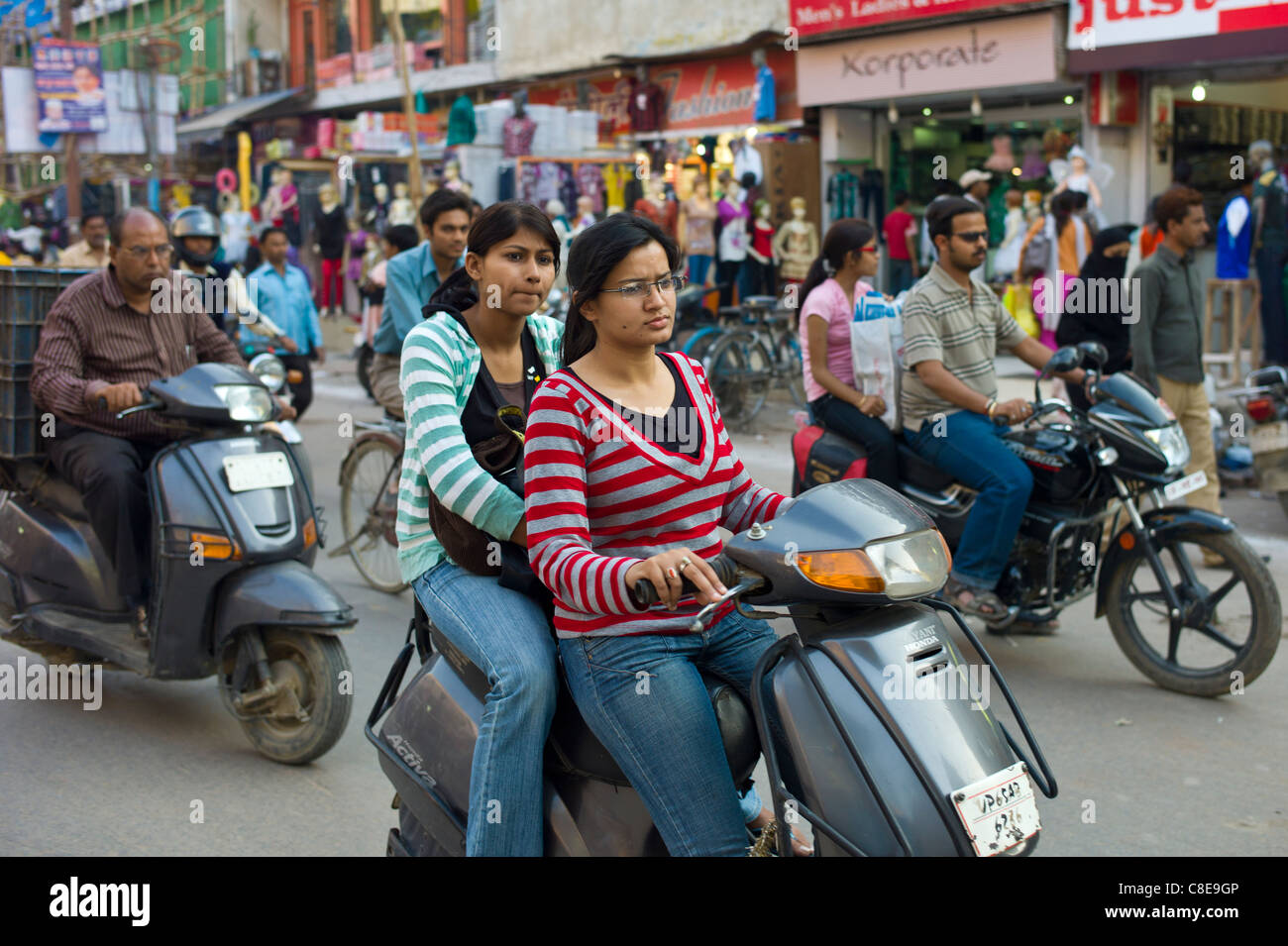
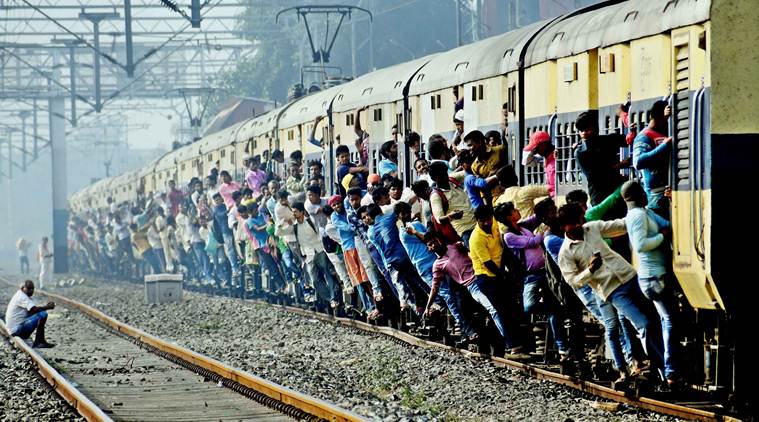
Adjectives: look at the photos and describe what you see.
Does this look like YOUR city ? What is similar, what is noticeably different ?
Vocabulary building and listening
In the real world, most students will not be communicating with English-language teachers, but probably with other non-native speakers, so learning to appreciate and understand English spoken with a ‘new’ accent is an extremely useful skill. Here’s a great video which features a charming young Indian lady teaching new vocabulary:
Listen for at least five words you didn’t previously know. In small groups ask each other:
What impressed you ? What disturbed you ? Would you like to go there ? If so, why, if not, why not ?
Here is a chance to practice adjectives, linking words and using the word ‘because’ – giving reasons, supporting your comments.
Famous Indians
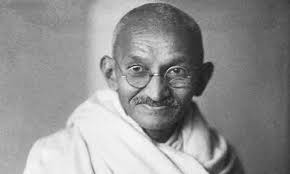
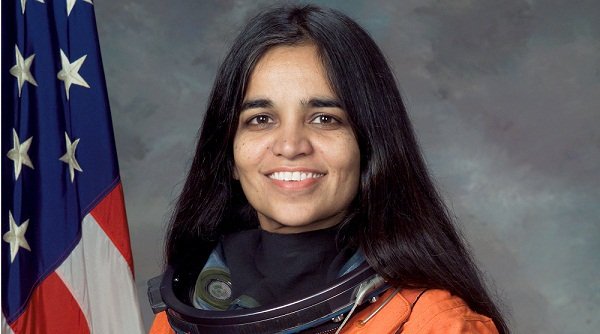
In small groups, you have to make a short presentation about one of these famous Indians:
Mahatma Gandhi
Siddhartha – the Buddha
Kalpana Chawla
The class have five to ten minutes to research information, speed read and extract relevant facts with which to enlighten the class. Follow up, tell me about some Indian artists or sports stars.
And now, goodbye from this mysterious, exotic land. Hope to meet you very soon …
Please Note: All photos are taken from Google Images or free photo sites, and are used for educational purposes only. No copyright infringement or offense is intended. If I have used your photo or image, and you wish me to remove it, just ask. This site is not monetized, I run it on my own dollar. Thank you.
Tomorrow I have a class taking their IELTS speaking test. Thus, I present a reminder about what you need to say in order to:
ace the test
pass with flying colours
hit that baby right out of the ballpark
I will be listening for the following:
Fluency – use of discourse markers. WITHOUT A WIDE RANGE OF DISCOURSE MARKERS YOU WILL NOT GET HIGHER THAN A ‘5’.
Lexical resources – Low-frequency words (big words). Know synonyms and multi-syllable words to impress the examiner. Not to mention, a sprinkling of idioms, phrases, phrasal verbs. Paraphrasing is very important
Grammar – it’s OK to make a few mistakes, grammatically, but what we want to hear are complex structures – basically, altering the structure of a sentence or including several pieces of information in one sentence by using relative pronouns.
Stress and intonation – listen to native speakers and COPY how we speak, when we stress words, when we ‘swallow’ letters, our body language.
To elucidate:
Fluency – Ability to speak at length without noticeable effort. A good range of discourse markers and connectives. Answer is coherent and pertinent. Self-correction is totally acceptable.
Lexical Resources – A wide vocabulary to cover a variety of topics. Low-frequency words. Ability to form collocations. Use of everyday as well as less common idioms and expressions. Paraphrasing, by which I mean rephrase the question you have been asked – don’t just repeat the exact wording.
Grammatical Range – A combination of simple and complex sentences. Generally error-free. Verb tenses must be correct, and subject must agree with verb form.
Pronunciation – Must be clear and easily understood. Effective use of stress, intonation and rhythm. If you are telling a happy story, sound happy.
In the morning, my students are like bears with sore heads
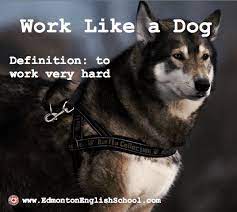
Man’s best friend
I’m a newt, and I’ll have you know I’m totally sober
NEWT: As pissed as a newt – Informal British English meaning to be drunk.
SIDEBAR: This is is very unusual saying, but around 200 years ago, young teenage sailors were known as ‘newts’. It didn’t take much alcohol for these boys to become very drunk, hence the expression.
OWL: To be a night owl – someone who stays up late, maybe all night.
PANDA: To have panda eyes – night owls and insomniacs often have black rings around their eyes, like a panda. I first heard this in Malaysia.
QUAIL: To quail at something – to be afraid or nervous about something.
RED HERRING: A false clue in a mystery or detective story
NOW LET’S TAKE THESE EXPRESSIONS OUT FOR A SPIN
When did you last sleep ? You ____________________________________
The police followed a clue but it was just a _____________________
My neighbour is a real _____________________ playing music all night.
I have toothache but I __________ at going to the dentist.
Did you hear him sing karaoke ? He was ___________________________ !
Are you ready for some more ?
SWAN: Swan song – a final appearance.
TIGER: A tiger mum – a mother who pushes her children to study and study and study.
UNICORN: Life isn’t all rainbows and unicorns – sometimes life is hard and we have to deal with problems (tell me about it).
VULTURE: The vultures are circling – vultures wait for animals to die, then they swoop down and eat the dead body, so this expression means something very bad is about to happen.
WHALE: Having a whale of a time – having a wonderful time, really enjoying yourself.
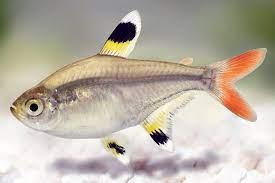
X: Give me a break ! However, check out this little beauty:
This is an X ray tetra, a non-aggressive fish found in the Amazon
YAK: To yak or yakking – to talk non-stop, usually about nothing important.
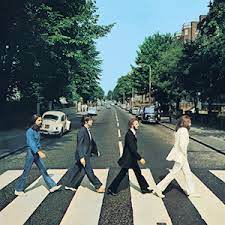
ZEBRA: Zebra crossing – black and white marking on the road. In the UK, cars usually stop to allow people to walk safely. In Viet Nam … hhmmmm not so much (i.e. never).
The most famous zebra crossing in the world. From The Beatles ‘Abbey Road’ LP
Speaking of The Beatles, allow me to quote from ‘A Hard Day’s Night’
The party was amazing, we all had _________________________
The show was her last ever, it was her ________________________
Will you stop _______ ! I can’t think !
Walk to the ________________________ because this road is dangerous.
She has a _____________________ who makes her study English every day.
The business is losing too much money. The _________________________
I have to pay my rent, my student loan, my electric bill. This is no fun ________________________________________________________
Just because you’re having online classes, with different teachers, (lucky you) doesn’t mean you should stop expanding your knowledge of weird and wacky English expressions, and let me tell you, you won’t find many of these in those cotton-pickin’ textbooks.
English speakers use animals as:
metaphor (my neighbour is a pig)
simile (she drinks like a fish)
idiom (look what the cat dragged in)
adjective form (he is rather bovine – like a cow, she moves with a feline grace – like a cat)
Today, I’m going to introduce you to expressions featuring animals, some of which may not be suitable for polite company …hey, you want to learn REAL English … that’s how we speak !
Now, without further ado …
ANTS: Ants in your pants – when someone can’t keep still, is always moving about which can be very irritating.
BATS: Bat-shit crazy – NOT used in formal, standard English. This is more common in US English to describe someone who is acting very strangely.
CATS: To let the cat out of the bag – to tell a secret, to tell something you were not supposed to disclose.
DOGS: Gone to the dogs – someone or something that was once respectable but is now dirty, useless etc.
ELEPHANT: Couldn’t hit an elephant – implies that someone is very bad at something for example, if they had a rifle they wouldn’t be able to hit a very large target.
SIDEBAR: “They couldn’t hit an elephant at this distance,” are the famous last words of John Sedgwick, an officer in the Union army in the US Civil War. He meant that the enemy was so far away, they couldn’t possible hit a massive target let alone a single man. Sedgwick was, ironically, shot and killed by the enemy. Read more here:
FISH: Like shooting fish in a barrel – refers to something that is so easy, no effort at all is required to be successful.
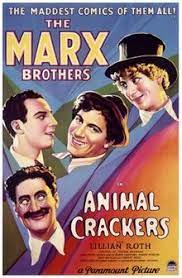
Groucho Barks ?
At this point, time to stop and reflect, practice what you’ve learnt. What expression fits ?
He used to be a respectable professional, but his wife left him he began drinking and now he’s _______________________________
The bloody woman next to me on the plane just wouldn’t sit still. She had ___________________________________
I’m never teaching that class again ! The kids are all __________
This job is so easy, it’s _________________________________
Oh ! I knew they had a secret. Now the _____________________
Don’t worry about Peter, he’s so bad, he _______________________
Hahahah ants in my pants, I love that one !
Ready for some more ? OK, let’s kick it !
GOLDFISH: Living in a goldfish bowl – a life with no privacy, everyone can see what you do, all the time.
HORSE: A dark horse – someone that has hidden talents or abilities
INSECT: Go away, you little insect – not polite, used when someone is making you feel very uncomfortable, or is harassing you.
JACKASS: You jackass ! – again, very informal signifying a silly or stupid person.
LION: Taking the lion’s share – taking the biggest amount of something.
MONKEY: Too much monkey business – too much madness or uncontrollable behaviour
Practice makes perfect so … kick it !
You spent $100 on that Relox watch, made in China ! _____
Being famous is awful, everyone taking photos all the time, it’s like _____________________________________
I can’t work for this company anymore, I don’t trust them, ________________________________________
As the CEO, he took ___________________________ of the bonus.
I don’t want to buy those cheap fake sunglasses, go away you _________
Wow, Julie wrote this ? It’s so good, she’s a real _________________ always so quiet in class.
OK, enough for one blog, I’ll continue N – Z if there’s any interest, I’ll continue N- Z even if there isn’t any interest. Now I gotta prepare for two online classes and a speaking placement test, drink tea (I am English, don’t forget) and hope my internet doesn’t act like a jackass and pack up on me.
A selection of short exercises to develop sentence building and encourage use of adjectives. Games aimed at students aged 7 – 12
Warm up game 1
Who can name a country or city beginning with ‘A’ … ? ‘B’ … ?
Warm up game 2
What country do you associate with:
sushi 2. hot curry 3. the White House 4. kangaroos 5. pizza ?
Warm up game 3
What animal is the biggest ?
How many eyes do most spiders have ?
What is more dangerous, a crocodile or an alligator ?
What does a camel have in its hump ?
What is the only bird that can fly backwards ?
What do pandas eat ? What do you call a baby kangaroo ?
Answers: A blue whale (up to 98 feet) // 8 eyes // crocodiles // camels store fat NOT water // hummingbird // bamboo // joey
Warm up game 4
Adjectives – words to describe a person or a thing
Example: The Kangaroo is small // cute // funny
Name an adjective beginning with ‘A’ … // ‘B’ … // etc
Students should be instructed to write down new words and then try to use them
Sentence building 1
What is your favourite film (or TV show, book) and why ?
EXAMPLE: I really love Star Wars because it is amazing and has many exciting space fights. The actor is incredible and the Princess is so beautiful. The film is sometimes funny and sometimes scary.
Sentence building 2
Tell me about your family ?
What do they look like ?
What are they like ?
EXAMPLE: I love my mummy very much because she helps me with my homework. She is small and has long black hair. She is friendly and happy. She likes to play badminton because it is healthy and fun.
Sentence building 3
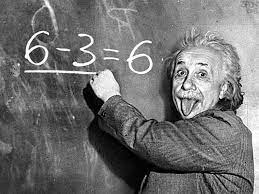
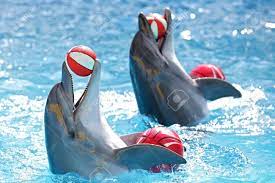
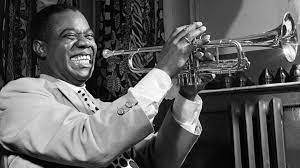
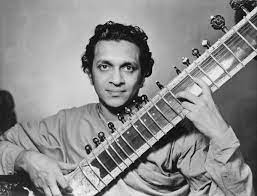
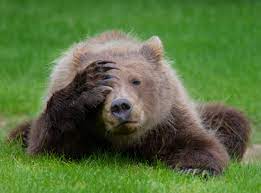
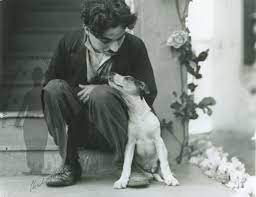
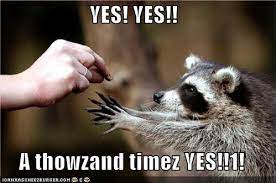
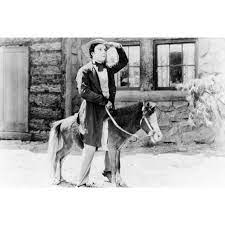
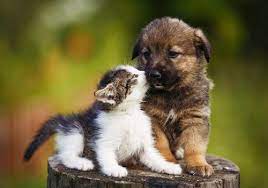
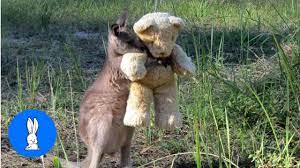
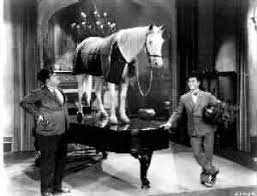
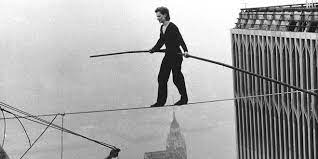
Write interesting stories about these photos. Use adjectives and long sentences


























 Thay Paul's Notes