The jump into scholastic hyperspace

10th August 2024

Students around the ages of 10 or 11 move up to a higher level, and a harder book. To ensure that the students are able to deal with these increased demands, I’ve prepared a short test.

Most of the questions are based on work covered in the previous blocks, along with some extra questions based on grammar and vocabulary that I have taught.

Students will sit apart. Anyone caught cheating will receive a ZERO score. I am serious.

1) Tell me three things you can see in the night sky

2) Use present continuous (verb + ing)

You eat // He plays // She watches //

3) Tell me something you:

always do

sometimes do

never do

4) Name the instrument AND write a sentence in the simple past (Verb 2) g______ / (guitar)

c_____ / d______ / f_____ / p_______

5) Use adverbs of manner. Turn the adjective into an adverb:

The children spoke (quiet) // The drummers banged (loud)

6) If you write a review of a book, show or film, what information do you use ?

7) What is simple past (Verb 2) for these Verbs ?

8) Write three questions with ‘wh’ words [where / what / why etc]

9) Tell me something a penguin can do and something a penguin can’t do.

10) Object pronouns

Nobody saw (he) // Did you see (we) // He couldn’t talk to (she)

11) Use these adjectives in amazing sentences:

interesting // gruesome // xenophobic // popular // important

Please Note: All photos are taken from Google Images or free photo sites, and are used for educational purposes only. No copyright infringement or offense is intended. If I have used your photo or image, and you wish me to remove it, just ask. This site is not monetized, I run it on my own dollar. Thank you.


Adult Class level 3: introduction lesson

22nd March 2024

Let us start with a quick welcome; students can be put in pairs and spend 3 or 4 minutes asking each other questions (names, age, likes and dislikes). Then they introduce their partners to the class.

I follow by asking the students where they think I am from, and in one class I heard, “Australia.” Couldn’t be further away. Sounds of laughter and of ice-breaking. One of the younger students recognised the British accent, then London was pinpointed as my hometown. 

First activity: stop the bus (STB) about the UK.

What is the second biggest city ?

Name of the famous clock. Name of our King.

Name of 007 (also a way to drill the notoriously absent final-s of James),

Traditional food (“fish & chips,”; again -s drill).

This combines ice-breaking games with some pronunciation and grammar drills.

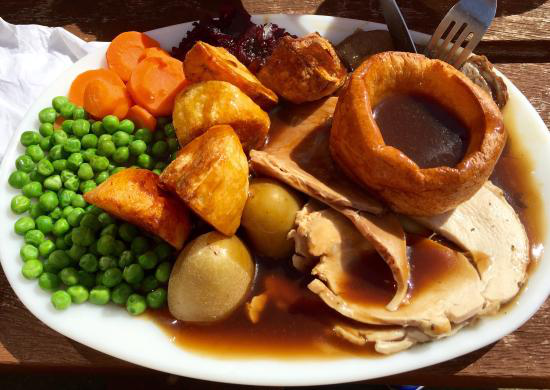
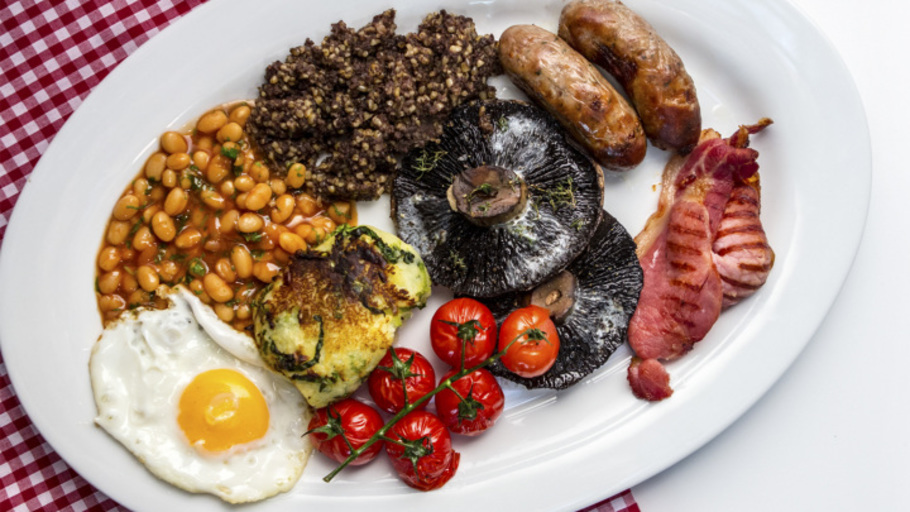
Partner work. I show four different examples of British food and four titles. Students had to match the title and image, with some pre-teaching. The activity:

Describing the food: can they name the dishes ?

What do they think of them ? (elicit adjectives)

Are they healthy ? if not, why not ?

Encourage all students to contribute, feel relaxed and comfortable, and confident to demonstrate their knowledge.

eating out

dig in

check out or check it out

pick up the cheque / bill

unusual      for instance      partly       attracted     ingredients        typical

Then using these in sentences:

What do you need to make pho ? (noodles, meat, vegetables, stock, herbs)

Those are the ingredients. 

What do you do every day ? (go to school or work, exercise, do homework, clean the house)

That is a typical day.

Viet Nam has great food, for instance pho, bun bo Hue, Mi Quang. What is the most unusual food you know ?

Today will be partly cloudy. The smell of the cooking attracted the young lady.

There has to be a lot of time for the students to speak with each other. Sometimes working in pairs, sometimes in small groups. Make sure the students have the vocabulary to do the activity, know what they have to do and feel motivated.

I live in HCM or I am living in HCM

What is the difference ? Why do we use one but not the other ? (This will be covered in other blogs)

Pronunciation: the stress on negative words

I like tea, she doesn’t like coffee.

Intonation: rising voice on questions 

Does she like tea ? Do you like British food ?

And finally ... students can ask their partner about things that they like: food, music, films, places etc

Please Note: All photos are taken from Google Images or free photo sites, and are used for educational purposes only. No copyright infringement or offense is intended. If I have used your photo or image, and you wish me to remove it, just ask. This site is not monetized, I run it on my own dollar. Thank you.
Future Worlds

26th February 2024

1 If you want to listen to music, you can use ____________________ . What is good about these ?

2 Smart phones have many _______ . Which ones can you name ?

3 To connect to the internet, you need __________ . Draw the symbol.

4 A computer that can be carried around is a _____________ . Why is it called that in English ?

5 Some schools use an ________________ ___________________ .

6 Singers use _______________________ to be much louder.

7 No need to buy books if you have an __________________________ . Do you prefer real books or these ? Why ?

8 If you want to use the internet, you need to ____ _________________ .

9 You wear these and it feels like you are in a different place ____________________ .

10 When the battery on a phone or tablet is low, you must ________ .

Robot police officers ? Why or why not ?

Robot doctors ?

Robot servers ?

Robot drivers ?

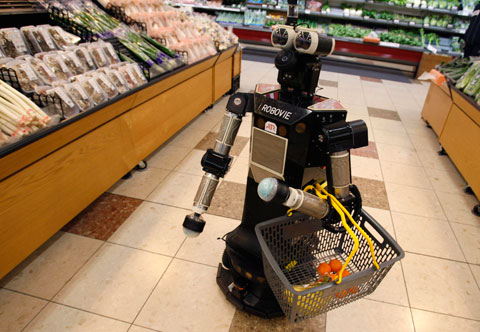
Robot shoppers ?

Robot cleaners ?

Which ones do you think are good ideas ?

Which ones do you not like.

Please Note: All photos are taken from Google Images or free photo sites, and are used for educational purposes only. No copyright infringement or offense is intended. If I have used your photo or image, and you wish me to remove it, just ask. This site is not monetized, I run it on my own dollar. Thank you.
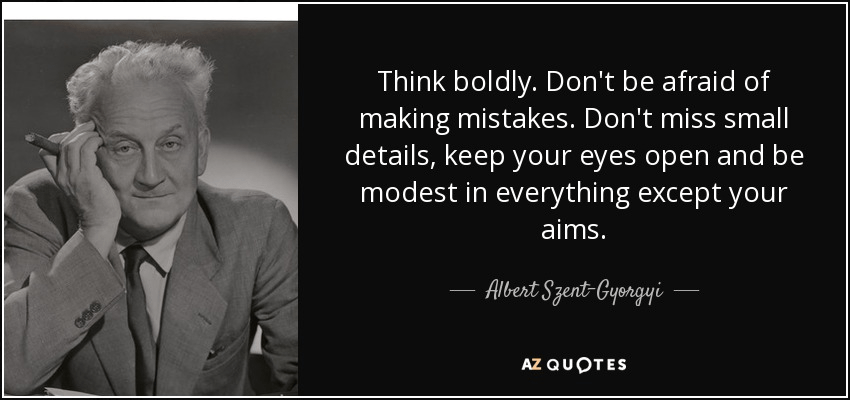
I want 100 Adjectives !

2nd August 2023

To improve your simple sentences, to develop skills to form amazing answers and remarkable responses, you need a large vocabulary.

Let’s continue with our mission to learn 100 adjectives.

The following 50 were suggested by one level 4 class:

1) amazing 2) angry 3) awesome 4) awful

5) bad 6) beautiful 7) big 8) brave 9) brilliant

10) clean 11) clear 12) clever 13) cheap

14) colourful 15) crunchy 16) cute

17) dangerous 18) deaf 19) deep 20) delicious

21) difficult 22) different 23) dirty 24) disgusting

25) electric 26) energetic 27) excited

28) fantastic 29) fast 30) funny (haha)

31) funny (strange) 32) fat 33) furry

34) generous 35) genius 36) good 37) great

38) hairy 39) happy 40) hard 41) heavy 42) high

43) hilarious 44) healthy 45) hollow 46) horrific

47) hot 48) hungry 49) hygienic 50) expensive

Whew ! Are you exhausted ? OK, Take 5,

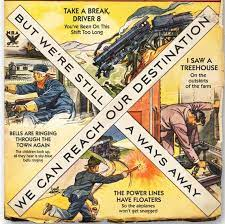
“Take a break, Driver 8.”

Ready ? Now, let’s practise:

Give me a sentence using the adjective ‘hilarious‘.

EXAMPLE: Buster Keaton and Charlie Chaplin are hilarious.

Task 1: Write sentences using:

hollow / expensive / generous / horrific / disgusting / crunchy

Task 2: Give me another word – a synonym – for:

a) very clean b) many colours c) terrible

d) very dirty e) smart f) not tired

Task 3: Write a short story using as many new adjectives as you can. Try these pictures to help:

One day, I was in a …

Task 4: Write your own story. I want at least 6 amazing adjectives. Good luck !

Please Note: All photos are taken from Google Images or free photo sites, and are used for educational purposes only. No copyright infringement or offense is intended. If I have used your photo or image, and you wish me to remove it, just ask. This site is not monetized, I run it on my own dollar. Thank you.

Young Learners, Level 1 & 2. The verb ‘to like’

21st April 2023

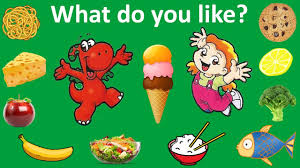
What do you like? Learn food vocabulary | English Lesson 11 - YouTube

Today we use the verb ‘like’

I like ice cream and I like fruit.

To make your sentences longer:

I like strawberry or chocolate ice cream.

I like all fruit. My favourites are apples and bananas.

Now … Your Turn

Ask your friends or tell me: What do you like ?

I like …

Match the answers with the pictures:

swimming

milk tea

toys

movies

cakes

Now make your sentences longer:

I + like + verbing + noun

I like buying toys / I like eating cakes /

I like ___________ milk tea.

Do you go alone or with friends ?

I like going shopping with my sister.

I like drinking milk tea with my ______ .

I like swimming with my _________ .

I like eating cakes with my _____ .

Finally, tell we where you like to do these things ?

I like to drink milk tea with my friends in the mall.

I like to go shopping with my mum at the market.

I like to buy toys at the _______ (where ?)

I like to eat cakes with my _______ at the _________ .

Please Note: All photos are taken from Google Images or free photo sites, and are used for educational purposes only. No copyright infringement or offense is intended. If I have used your photo or image, and you wish me to remove it, just ask. This site is not monetized, I run it on my own dollar. Thank you.
Young Learners, levels 3 & 4. Imagination AND grammar !

17th April 2023

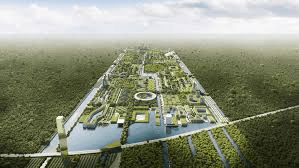
We have talked and written about perfect cities, and used our imagination. Now let’s talk about cities of the future.

(I use Present Simple, Verb 1, not future tense due to the class ability and level)

What do they look like ?

How are they different ?

Look at this picture and then read my description.

In the future the city has many tall buildings called skyscrapers. People live high in the sky. They can see all the city from their apartment.

The city has a lot of shops. The shops are open all day and all night. They sell food, toys and new phones.

My city is very colourful with many beautiful lights at night. Nobody is allowed to smoke and all cars are electric so there is less pollution.

The buildings have shops, hospitals, cinemas, schools and sports centers. People do not need to go outside if it is raining.

Some buildings are old fashioned but most are very modern.

Now … your turn

Write about a future city. Remember to use adjectives:

clean / expensive / futuristic / high / interesting / modern / old fashioned

Check your grammar – I want it to be perfect !

From Fritz Lang’s ‘Metropolis’ 1927

Please Note: All photos are taken from Google Images or free photo sites, and are used for educational purposes only. No copyright infringement or offense is intended. If I have used your photo or image, and you wish me to remove it, just ask. This site is not monetized, I run it on my own dollar. Thank you.
Young Learners, Level 4. Using adverbs correctly, elegantly, sensationally

15th March 2023

The young boys are playing roughly.

Last week, you changed these adjectives to adverbs.

beautiful // calm // careful // easy // good // happy // honest // polite // quick

angry // bad // careless // greedy // lazy // loud // nervous // rough // selfish // stupid

dangerous // fast // furious // mysterious // rare // serious // slow

You now have a word bank of adverbs. Let’s start to use them … correctly.

We’ll keep it really simple, ça va ? 

Remember – never start with a pronoun (he, she, it, they etc). Say what the subject is then what they are doing, then HOW they are doing the verb – use an adverb.

1) The tall man is hiding …

a) easily b) mysteriously c) greedily

2) The Korean girl is looking at her friend …

a) well b) calmly c) angrily

3) The talented musician plays his guitar …

a) very well b) nervously c) politely

4) The man in the white T-shirt eats …

a) greedily b) carefully c) honestly

5) The funny man rides the bus …

a) seriously b) dangerously c) beautifully

Now … your turn

Write sentences about these photos. Top Cats, I expect amazing adjectives, perfect grammar and creative thinking.

Please Note: All photos are taken from Google Images or free photo sites, and are used for educational purposes only. No copyright infringement or offense is intended. If I have used your photo or image, and you wish me to remove it, just ask. This site is not monetized, I run it on my own dollar. Thank you.

Young learners, level 4: using adjectives, adverbs and your imagination.

9th March 2023

You have learnt many adjectives, practised grammar in present and past tenses, and begun to form adverbs. Now it’s time to bring it all back home.

First, lets change some adjectives to adverbs. Are you ready ?

beautiful // calm // careful // easy // good // happy // honest // polite // quick

angry // bad // careless // greedy // lazy // loud // nervous // rough // selfish // stupid

dangerous // fast // furious // mysterious // rare // serious // slow

I will show you some photos and I want you to write a short piece using adjectives, adverbs and some creative thinking.

Please, Thay Paul, give us an example.

OK, look at the above photo. What adjectives describe the subject ?

The lady is: Asian / beautiful / cute / healthy / intelligent / kind / popular / young

She has: long, black, wavy hair.

She wears a (an) light blue / comfortable / expensive / fashionable dress.

Where is she and what is she doing ?

She is at work, in a bright / clean / modern office. Maybe she is at home in her quiet / new apartment.

She is working on a (an) expensive / fast / new laptop. Her work is difficult / easy / important.

How does she work ?

She is smiling, so maybe she works quickly, or happily or well. Maybe she has finished and can now relax.

So what’s the story ? Let’s use present tense (verb 1).

A beautiful, young, Asian lady is working happily on her new laptop. She has finished her difficult, English homework so she feels fantastic.

How many adjectives did I use ?

Where did I put the adverb ? After the verb ‘work’. Here I used the continuous form (verb + ing). So, put the adverb after a verb (Verb 1, Verb 2 or verb + ing).

Now … your turn

Please Note: All photos are taken from Google Images or free photo sites, and are used for educational purposes only. No copyright infringement or offense is intended. If I have used your photo or image, and you wish me to remove it, just ask. This site is not monetized, I run it on my own dollar. Thank you.

Young Learners, Level 4: adverbs of manner

28th February 2023

Take a look at the man in the photo. He is very happy – can you think why ? Maybe he is watching football and his team, Mexico, scored. He is shouting.

How is he shouting ? Happily ? Quietly ? Loudly ?

those three words are adverbs of manner – that just means how someone does something.

In our picture the man shouts loudly.

We take the adjective loud and add -ly

Let’s make that into a better sentence.

Are you ready Top Cats ?

I want three adjectives, a verb and then an adverb of manner. Also, give me a reason

Ça va ?

EXAMPLE: The handsome, young, Mexican man is shouting loudly because his team scored a goal.

Lets build a library of adverbs. Take these adjectives and make them adverbs. Be careful with words that end in ‘y’.

beautiful // calm // careful // easy // good // happy // honest // polite // quick

angry // bad // careless // greedy // lazy // loud // nervous // rough // selfish // stupid

dangerous // fast // furious // mysterious // rare // serious // slow

Now … time to create some brilliant sentences

The young lady is from Korea – what is the adjective ? What is she doing, where is she, and how does she feel ? Let’s move on

I don’t think this man is very happy. What do you think ?

To whom is she speaking ? Does she want us to be noisy ? Is the phone call a secret ?

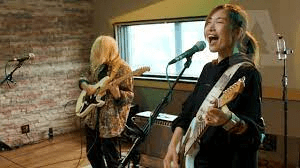
The Japanese band Tricot. They play guitar so …

Do you think riding a motorbike like this is a great idea ? Be careful, Keanu.

If he did this in MY class, what would I do ?

Bye bye – see you next week.

Please Note: All photos are taken from Google Images or free photo sites, and are used for educational purposes only. No copyright infringement or offense is intended. If I have used your photo or image, and you wish me to remove it, just ask. This site is not monetized, I run it on my own dollar. Thank you.

Absolutely about adjectives

6th January 2023

Margaret Hale, the protagonist in the novel ‘North and South’ returns to her childhood home, and revisits her old school. The new school mistress, who has made drastic changes, cajoles Margaret into giving an impromptu lesson.
One student is having difficulty with the ‘a’ sound.

“A, an indefinite article,” said Margaret mildly.

“I beg your pardon,” said the Vicar’s wife … “ (the new teacher).

The children had been taught to refer to ‘a’ as an adjective absolute. Margaret sat down “abashed.”

“The children knew more than she did. Mr Bell turned away, and smiled.”

(Chapter XLVI Once and Now)

Mr Bell, who is a fellow at Oxford and therefore very educated, passes no comment, yet his body language sufficiently expresses his opinion.

I had not come across an adjective absolute before. I could have taken the blue pill and kept on reading, or taken the red pill; I switched over to Google and began my descent into the rabbit hole of grammar taxonomy.

Others word forms have subdivisions; nouns can be proper, concrete, collective etc, verbs can be transitive or intransitive, and there are several types of adverbs.

Fortunately, the nomenclature is more frightening than the definition. So, without further ado let’s have a rabbit about adjectives (1), starting with the adjective absolute.

Most adjectives can be modified, e.g.

London is very expensive.

The book is extremely confusing.

Studying Vietnamese is quite difficult.

However, some adjectives do not need to be modified; they are superlatives (the biggest, the tallest) or binary (either yes or no). An old joke cracks that a woman phones her mother and tells her that she is a little bit pregnant. Of course, a woman is or is not pregnant.

Show, don’t tell:

A mark of 25% is unacceptable.

The building was destroyed in the fire.

Dinosaurs are dead.

The hostages were set free.

Modifiers such as absolutely, completely, totally may be used for emphasis.

The holiday was totally perfect.

My shirt is completely ruined.

I’m afraid it is absolutely impossible for you to get into Cambridge with those grades.

Now we know why Mr Bell “turned away, and smiled.”

I mentioned the rabbit hole because there are over a dozen types of adjective. Should you be interested, here’s some links to enlighten you:

https://learnenglish.britishcouncil.org/grammar/b1-b2-grammar/adjectives-gradable-and-non-gradable

https://www.thesaurus.com/e/grammar/what-are-the-types-of-adjectives/

Notes

(1) Rabbit is London slang for talk or talking