One of my students has chosen the English name ‘Cherry’, so this song goes down well (especially when I try, and fail, to hit those high notes).
Now, down to business
Past tense – what is the past tense for:
eat // drink // see // become // live // travel // ride // sleep
Moving on – complete the sentence:
Last night I _____ Chinese food
Yesterday he ______ hot, sweet tea
She ______ all night
Marco Polo _______ famous for his travel stories.
He ______ from I___ to C________
In Thailand, Mr Paul _____ a large grey intelligent elephant.
Also he _____ many beautiful colourful temples
Now, past continuous
Make sentences using continuous form. Remember – verb + ing
What are they doing ? They are telling stories
Use flashcards. Have students ask and answer the questions. Call two students, one from each team and have them stand on a mark. Awards points for pronunciation as well as correct answers. Drill class to make sure everyone is taking part.
Next hand out six flashcards, three to each team.
Ask them, “What were you doing when I drank coffee ?” They must answer in the present continuous e.g. I was setting up the tent.
Finally, have a student mime an activity. Only that student’s team may answer.
Please Note: All photos are taken from Google Images or free photo sites, and are used for educational purposes only. No copyright infringement or offense is intended. If I have used your photo or image, and you wish me to remove it, just ask. This site is not monetized, I run it on my own dollar. Thank you.
Which brings us to the theme of safety and the book work for the Saturday Class.
E up U 2, L 1
British culture
As a break, a little introduction to the UK and its history and traditions. The beginning of November sees Bonfire Night or Guy Fawkes Night
In 1605, a group of men wanted to kill the King of England, James I. They wanted to blow up the building where the King was going to be, so they hid 36 barrels of gunpowder under the building. However, the King’s soldiers found one of the men, Guy Fawkes, and arrested him. The King was safe ! To celebrate, people made giants fires called bonfires : https://www.youtube.com/watch?v=Wnq7aqHLCSM
Start and play up to 0:52 to explain the background, then from 3:25 and have the class copy the children in the video. This helps with pronunciation as well as learning new words, and learning about Britain.
We still do this today. Also, children help to make a Guy Fawkes from old clothes and old bags, and then adults put it on the fire. Finally, there are fireworks, sometimes at home, sometimes in parks so everyone can see.
Many different types of fireworks are used:
Some young children are holding sparklers – they have to wear gloves and be VERY CAREFUL.
Warm Up: A kinetic run ‘n’ write exercise. I will say a simple sentence in the present tense; students have to write the past tense. Class can be split into two or three, depending on size, each with a different colour marker.
You act in a play / I ride an elephant / She win a competition / He read a big book / We learn English /
In English, we often talk about what we were doing at some time in the past.
For example:
Last night I was in a café drinking coffee.
We show past tense by
1 a word or words that show the past e.g. Last night, yesterday, this morning
2 the past tense form of the verb e.g. I am = I was / he is = he was
Then we use a continuous verb to say what someone was doing i.e. verb+ing (playing, reading, working)
Last night he was in his room playing guitar.
Yesterday she was at school writing in her book.
Last week they were at a party singing songs.
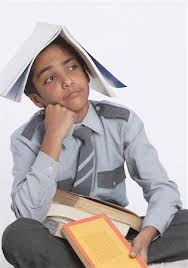
How did the children feel ? They felt …
Now we can use past simple and past continuous:
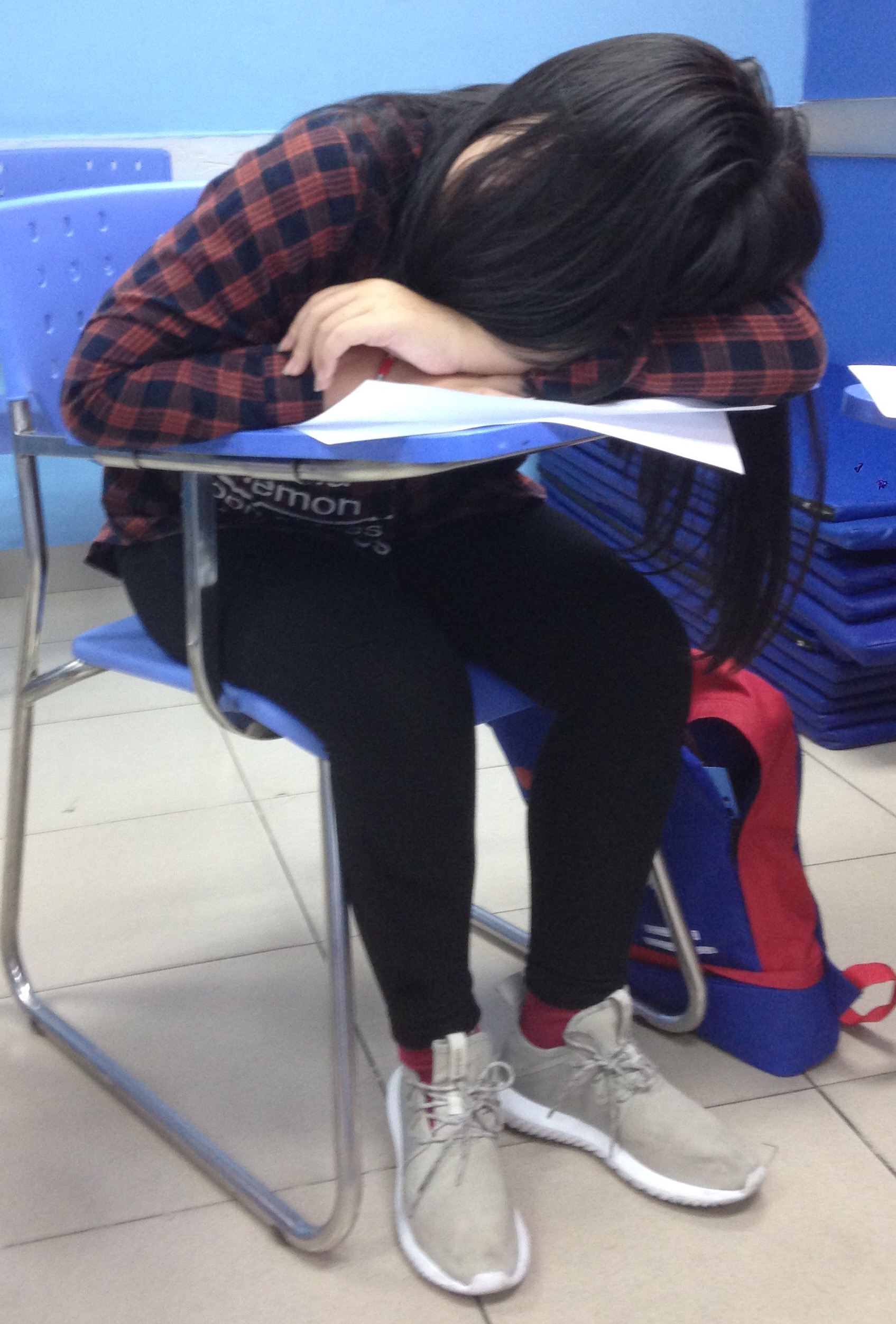
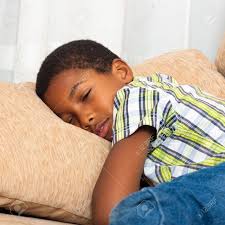
When I came to class, the student was sleeping.
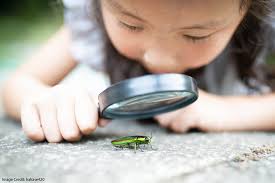
When I called my sister, she was studying insects.
When I found my friends, they were looking at the stars.
Now … Your turn
When I found my friends, they were …
To make your English more interesting, we can change the word order:
When I found my friends, they were collecting leaves
They were collecting leaves when I found my friends
NOTICE: no comma in the second sentence
Change the word order:
When I found my friends, they were identifying trees
When I found my friends, they were picking strawberries
When I found my friends, they were finding animal tracks
Please Note: All photos are taken from Google Images and are used for educational purposes. No copyright infringement or offense is intended. If I have used your photo or image, and you wish me to remove it, just ask. This site is not monetized, I run it on my own dollar. Thank you.
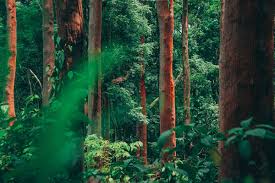
Warm Up – In teams, write three animals you would find in the Amazon Rain Forest.
Giant ant-eater
Let’s delve deeper (let’s learn more).
Use comparatives and superlatives:
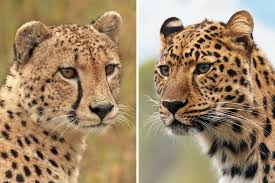
A jaguar is a big cat BUT not as big as a lion. A lion is not as big as a tiger.
A lion is bigger than a jaguar but a tiger is the biggest.
A capybara is a rodent (like a mouse or rat).
A Capybara
A rat is _______________ than a mouse but a capybara is the ____________ rodent.
What is wrong with this sentence ?
A caiman – a type of alligator.
A caiman is big but an alligator is more big and a crocodile is most big.
A caiman is a reptile – it is _______________ dangerous reptile in the Amazon. Reptiles have thick or scaly skin. They can live in hot weather and salt water.
A frog is amphibian – amphibians need water to live and only have soft delicate skin. They cannot live in salt water (like the sea). If you see frogs or toads, it can mean that the water is good.
Next put these animals in order of danger, first, second and third then write a sentence using a comparative and the superlative
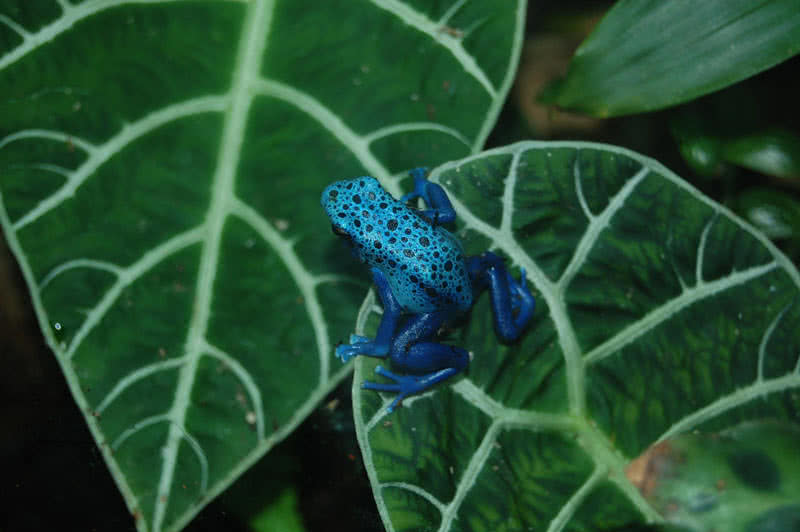
poison dart frog
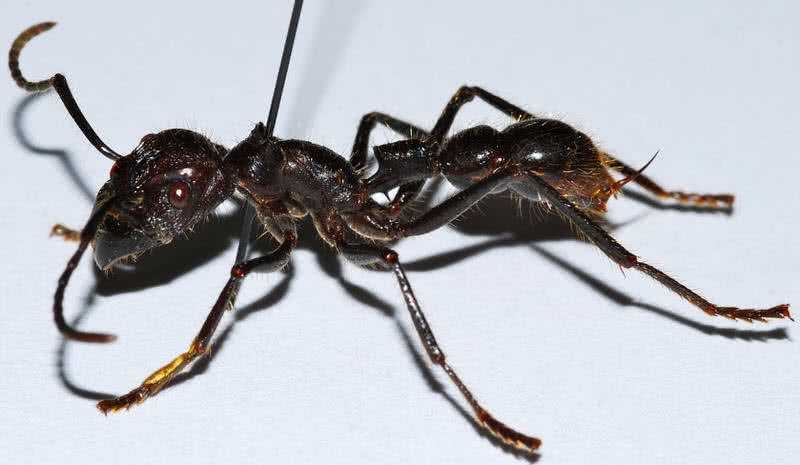
bullet ant
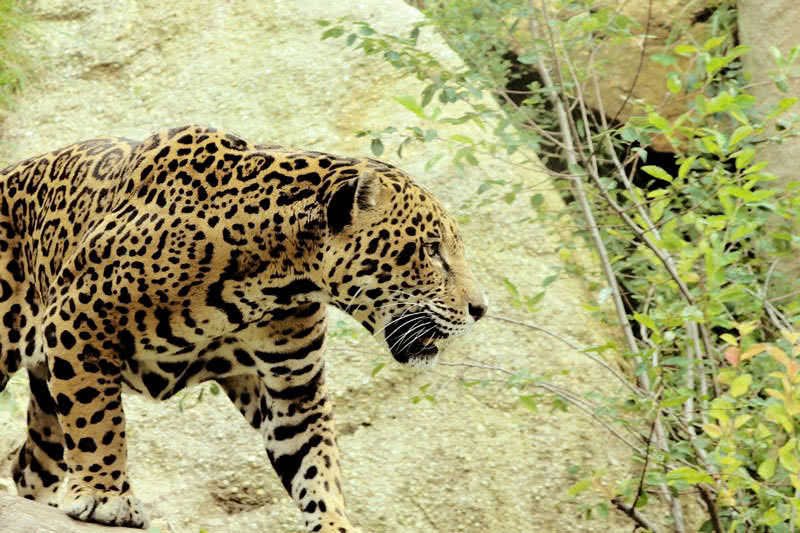
jaguar
The answers
Number 3: bullet ant
Number 2: jaguar
Number 1: poison dart frog
Did you know ?
A jaguar has ___ _____ powerful bite. A jaguar bite is _____ powerful than a lion.
A bullet ant has _____ _____ painful insect sting. The sting is 30 times ______ painful than a bee sting.
The poison dart frog has different colours. The golden poison dart from is ____ _____ poisonous.
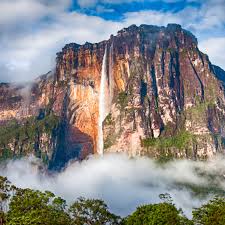
The Santo Angel waterfall is the ___________________ in the world
Answers: South America // 9 // it produces 20% of the world’s oxygen // 3 000 // poison dart frogs, jaguars, snakes, spiders, piranhas // a tucan // largest at 979 metres.
Objectives: review recent vocabulary, encourage more student-to-student talking, develop sentence building skills, practice the third person form with ‘he’ & ‘she.’
It’s early Sunday morning, so time to wake with Mr James Brown. Younglings … how do you feel ?
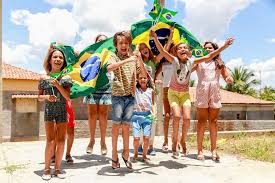
Tell me about these people. He is or she is …
She is ……….He is ……
He is very …..
She is very ….
The top cats are able to form basic sentences such as:
I can run however I can’t fly
New vocabulary included the five sense
s _ _ // h – – – // s – – – – // t – – – – // t o – – – //
Warm Up: What can he or she do ?
Ask your partner what he or she can do
What can you do ? What can’t you do ?
Here, my wonderful TA will ask me, then tell the class, in order to model how to answer
Ask Thay Paul – what can you do ?
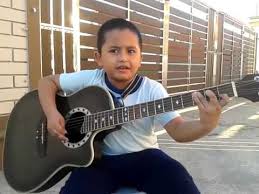
I can play guitar however I can’t play piano
Tell the class:
He can play guitar however he can’t play piano
Next – using the new vocabulary in a sentence form. What can he or she do and what can’t they do ?
Example:
She can see a butterfly however she can’t hear a butterfly.
She can touch a butterfly however she can’t taste a butterfly.
She can __________ a pizza however she can’t __________ a pizza
He can ________ a guitar __________________________
















:max_bytes(150000):strip_icc():format(webp)/148307334-58b5f5025f9b5860462d8064.jpg)
:max_bytes(150000):strip_icc():format(webp)/capybaraWC-58b5f50f5f9b5860462d9ab7.JPG)
:max_bytes(150000):strip_icc():format(webp)/blackcaimanGE-58b5f4f95f9b5860462d6d6f.jpg)




 Thay Paul's Notes