Please Note: All photos are taken from Google Images or free photo sites, and are used for educational purposes only. No copyright infringement or offense is intended. If I have used your photo or image, and you wish me to remove it, just ask. This site is not monetized, I run it on my own dollar. Thank you.
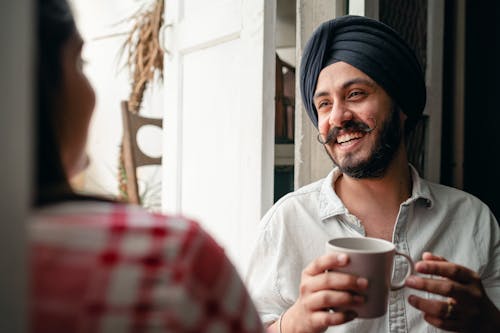
Let’s go to work ! What can you see in the first two pictures ?
Tell me about the lady. Who is the man ? How does he feel and why ? What does the lady do ? How does she look ?
Then the lady … ?
Finally the lady … ?
OK, Top Cats, give me your answers.
Points for using adjectives, correct grammar, and pronunciation.
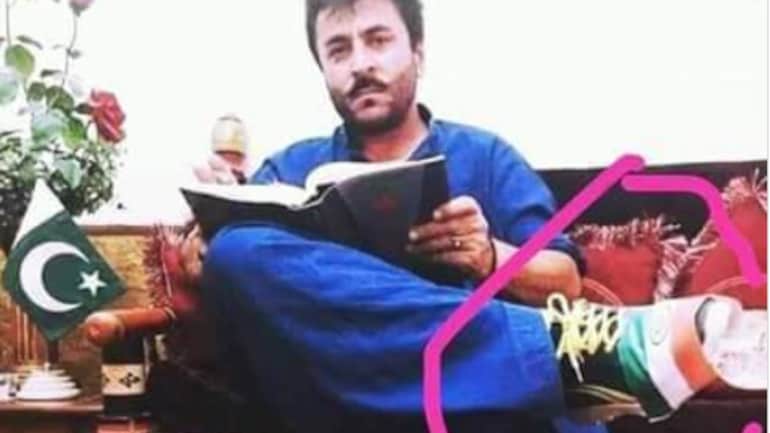
Image from India Today
EXAMPLE:
A young lady with long straight dark hair is at school. She is very tired and sleepy. She has a lot of boring homework.
Her daddy is very angry. He wants the lady to be intelligent not lazy.
The lady is nervous because she is so shy. She reads many big books. She is unhappy. However, she is hard-working.
Sometimes the books are exciting and she thinks it is important to learn.
She has a high score and her family are very happy.
The beautiful clever young lady has a great job. She is wealthy and has many valuable things. However, she is not selfish. She buys her family amazing presents.
NOW … Your turn
Tell me a story
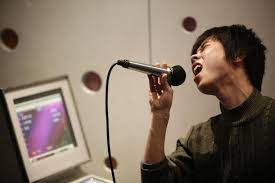
Tips: Tell me what the boy looks like. Tell me how he feels. Tell me what he does. Finally, what happens to the boy when he grows up ?
Please Note: All photos are taken from Google Images and are used for educational purposes. No copyright infringement or offense is intended. If I have used your photo or image, and you wish me to remove it, just ask. This site is not monetized, I run it on my own dollar. Thank you.
I have + adjective + noun. Pronouns + is + adjectives
EXAMPLE: I have a Japanese friend. She is clever and shy.
Royalty-free image from Google
The sentence has 3 adjectives. Tell me about your friend:
I have a … friend. He or She is … and …
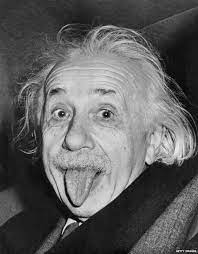
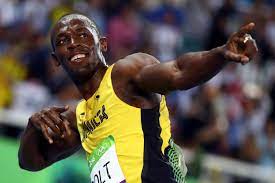
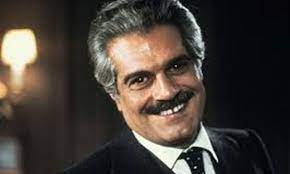
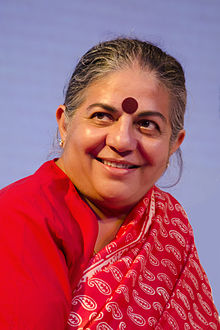
Tell me about these people:
This man is Greek. I have a Greek friend. He is …
Royalty-free image from Google
This lady is English. I have an ….
Royalty-free image from Google
This man is Japanese. I have a …
Royalty-free image from Google
Now, let’s talk about pets.
Royalty-free image from Google
I have a cute puppy. He is small, quick and happy.
Tell me about your pet.
Tell me about these animals:
Royalty-free image from Google
Royalty-free image from Google
Royalty-free image from Google
Bye bye from the friendly bear.
Please Note: All photos are taken from Google Images and are used for educational purposes. No copyright infringement or offense is intended. If I have used your photo or image, and you wish me to remove it, just ask. This site is not monetized, I run it on my own dollar. Thank you.
We have two very cute dogs however, they do not look the same. Let’s take two basic adjectives (big & small) and use them as comparisons.
big —– bigger
small —– smaller
The black and white dog is smaller than the black dog.
The black dog is bigger than the black and white dog.
To make your sentence more interesting, add more information:
The cute black and white dog is much smaller than the dangerous angry black dog.
The grammar rules:
For small words, just add ‘er’
small —- smaller // tall —- taller
big add ‘g’ + ‘er’ bigger
If the adjective ends with a ‘y’
ugly – replace y with ‘i’ then add ‘er’ —- uglier
angry —- angrier
For big words, use ‘more’
delicious —- more delicious // dangerous —- more dangerous // energetic —- more energetic
NOW … YOUR TURN
1 Tell me about the men (small, short, tall) then use the comparative.
2 Tell me about these two people.
3 Who is stronger ?
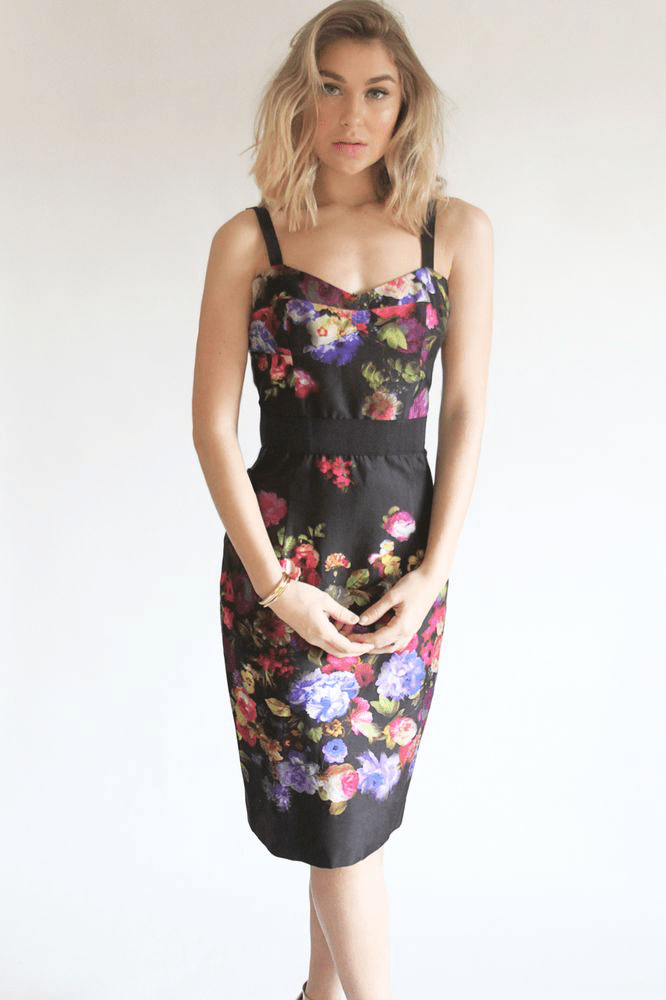
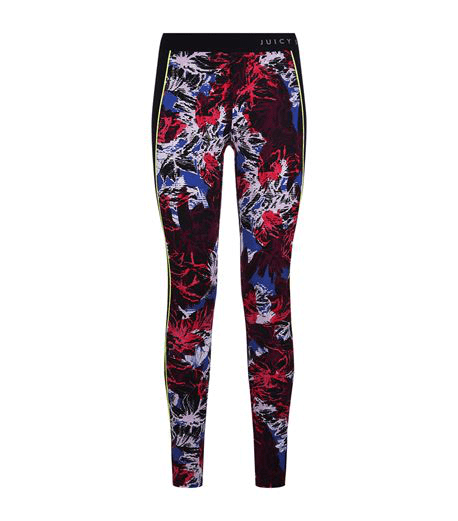
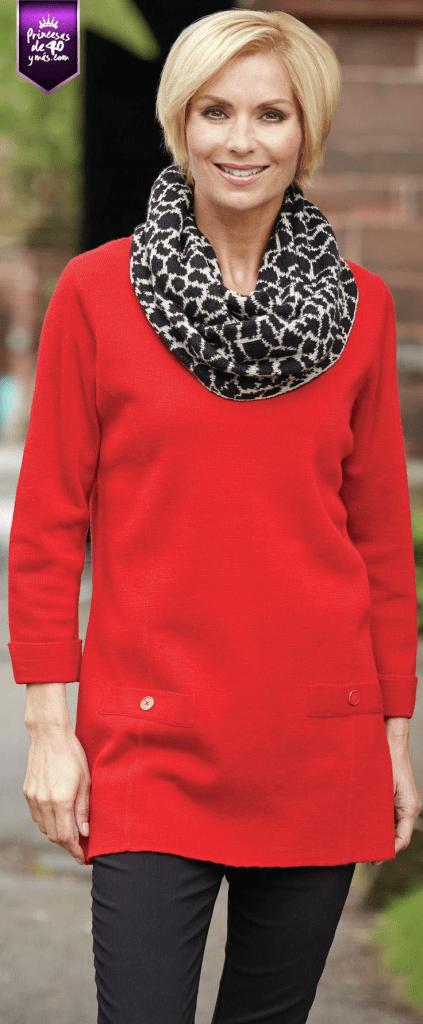
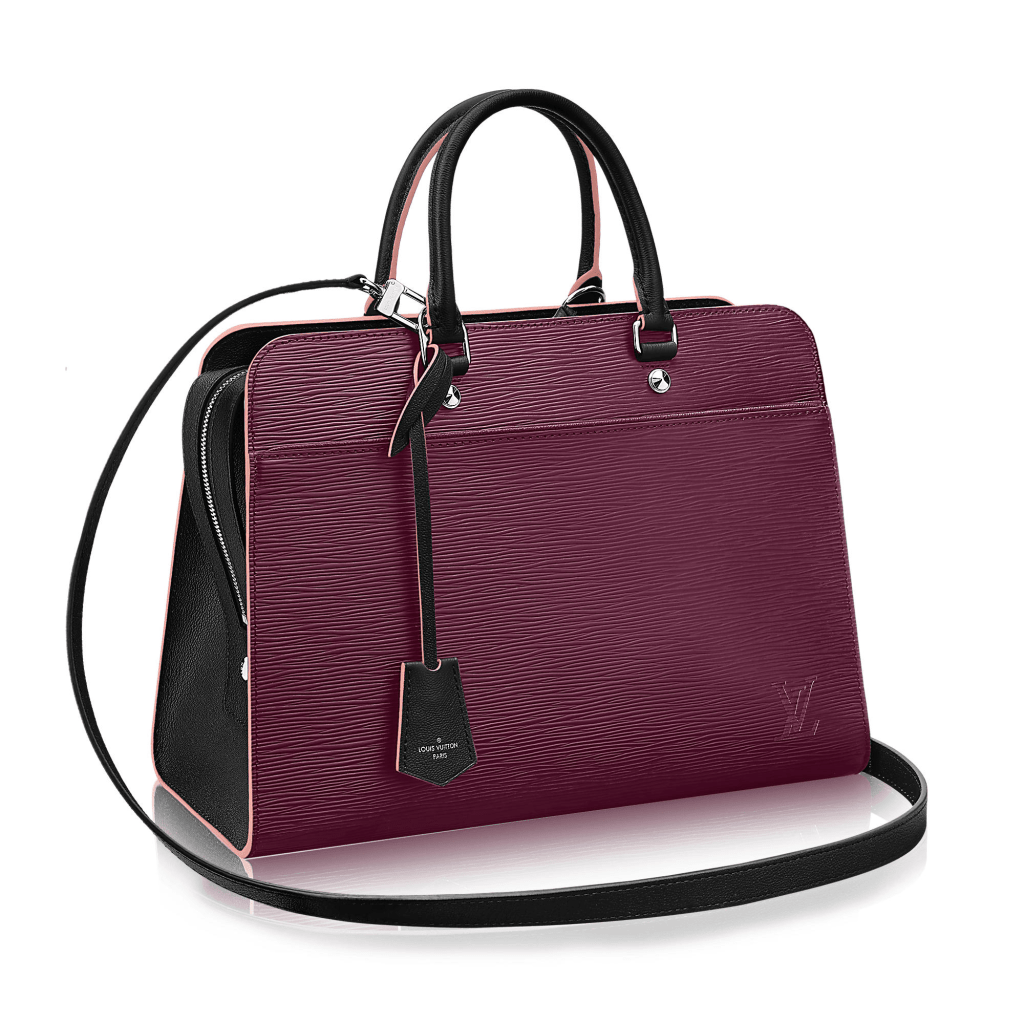
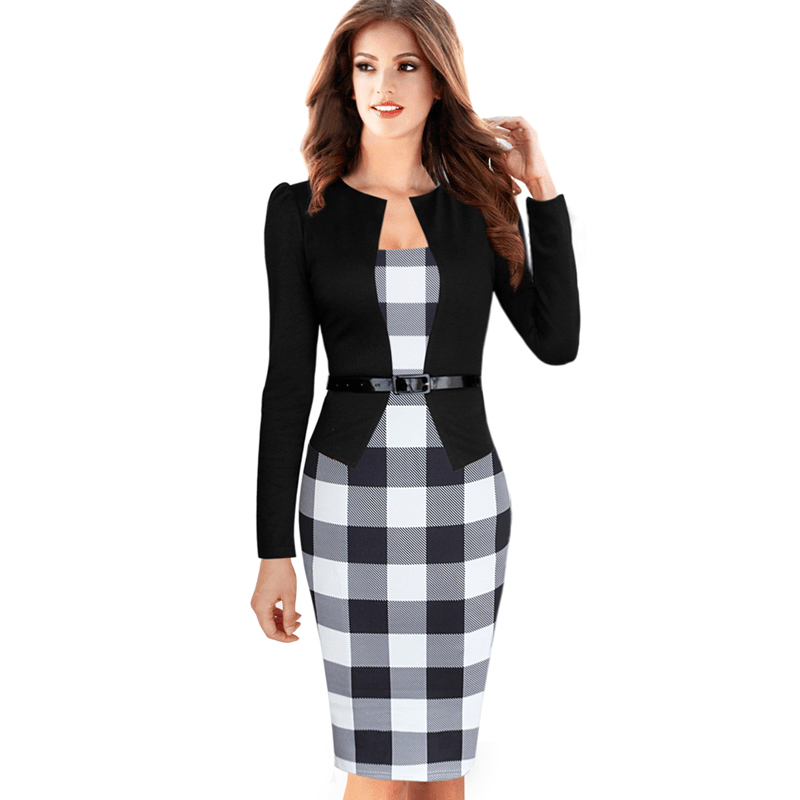
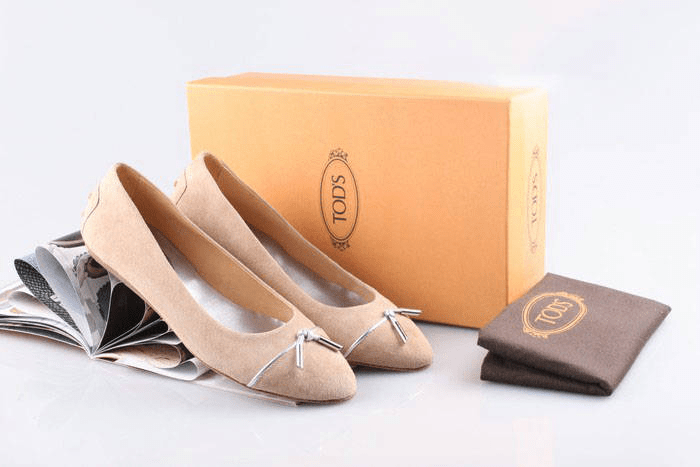
4 Compare these clothes. Try to give me three adjectives(pretty, thick, warm, plain, colourful).
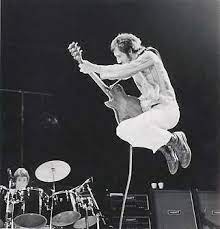
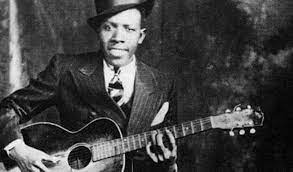
5 Compare these guitar players (energetic, exciting, amazing, boring).
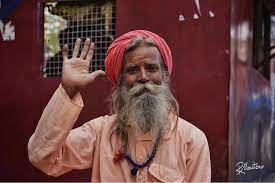
6 Tell me about these two people
Easy – yes, a piece of cake !
Answers:
1 One man is short, one man is tall. The man with glasses is taller. The man on the left is much shorter.
2 The man is older than the lady, the lady is younger than the man.
3 The man with the black T-shirt is much stronger. The man on the right is much weaker than the other man.
4 The black coat is thicker, warmer and cheaper than the second coat. The second coat is more colourful but uglier than the first coat.
5 The guitar player (guitarist) jumping is more energetic and more exciting than the other man. The second guitarist is more boring.
6 The beautiful cute young Asian lady is more friendly than the old American man. The old man with glasses and a beard is angrier and uglier than the smiling lady.
// sel____ // tal________ // unu_____ // valu____ (costs a lot of money)
// wea______ (if you can buy the Mona Lisa, you must be extremely wea_____) // Xenop_______ (do not like people from other countries) // ye__ – _____ (lasts for 12 months) // Zamb___ (person from Zambia)
Sentence building using adjectives is very easy. Even using basic adjectives can improve your English. Colours, sizes and where someone is from are all easy adjectives. Look at this example:
The flag is very large and is white with a red circle in the middle. The flag is Japanese.
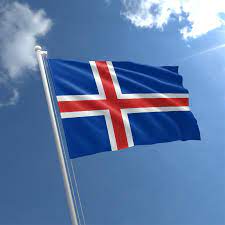
Look at these flags. Choose one and describe it to the class. Points for the students who guess which flag. Extra points if they know the country.
Friday is Reunification Day in Viet Nam, so provides us with a topical subject for this week’s lessons.
First up, the relative clause game. To encourage students to speak more fluently, and to use complex sentences as a matter of course, a little speaking activity. I shall recite a short extract at various points, I shall stop and ask a student for extra information including the correct relative pronoun. Got it ?
Yes, Thay Paul we got it … but can you give us an example, please ?
Oh, you know I will ! Let’s invent an English friend, Mr John … use adjectives to describe his personality and appearance, nouns to tell about his occupation and see how far we get. Ready ? Let’s go !
Mr John, WHO is from London, is on holiday in Sai Gon, WHICH is the biggest city in Viet Nam. John, WHO loves history, wants to visit the War Museum WHICH is located in District 1 and is an extremely thought-provoking experience. John, WHO is an estate agent, is quiet and a little serious although he is extremely friendly. John, WHO is 32 and unmarried, wants to learn about the war WHICH ended in 1975.
NOW … YOUR TURN
Sai Gon 2015
Ms Kim, WHO ____________, works in Sai Gon, WHICH ______________________. Kim, WHO __________________, wants to visit Ben Thanh Market WHICH ______________________ additionally __________________. Kim, WHO _________________________, wants to buy a birthday present for her mother WHO ___________________.
London 2010
Mr Peter, WHO loves ______________ , is killing two birds with one stone. He’s using his laptop WHICH _________________ to have a Zoom meeting with his business partner WHO _________________________ as well as drinking coffee at Mario’s WHICH ______________ . Because he lives in Italy, Peter WHO _____________________________ , speaks both English WHICH ________________________ and Italian because his wife WHO _________________________ was born in Rome WHICH ____________ .
Piece of cake, hey ? OK, on to this week’s exercises. We’ll continue with making a narrative.
I had a really bad day yesterday, Sunday. To help explain, here’s some extra vocabulary:
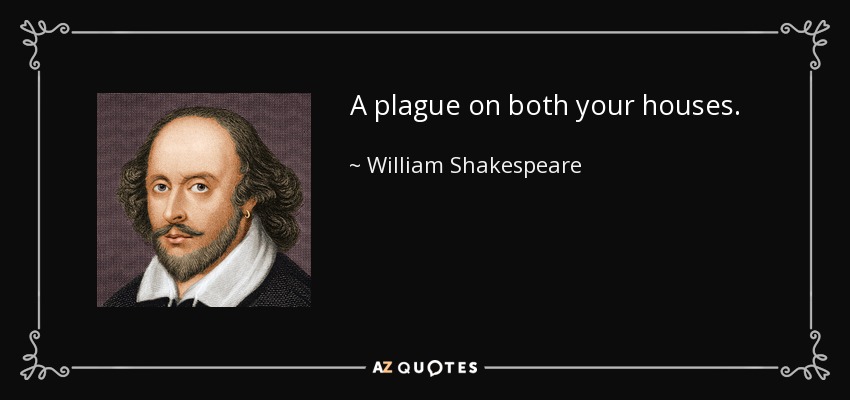
Vocabulary: cancellation / hyper-active / irritating / excruciating / connection / deafening / anti-smoking / culture shock / a real handful / “A plague on both your houses !”
Furthermore, she loves to wear Givenchy perfume but I prefer to spend my hard-earned* on Dior.
In the modern parlance, ‘Did you see what I did there ?’ I followed four auxiliary verbs (‘hate,’ ‘love,’ ‘like’ & ‘prefer’) with infinite verbs. I sense that I’ve already lost the interest of 90% of my readers with these grammar terms, but hold your horses and I’ll explain, I’ll ‘cut the crap‘, if you will.
OK, breaks down like this: an auxiliary verb is a ‘helping’ verb; we need more information to understand what the speaker means e.g.
I want … (what do you want ?) // He needs … (what does he need ?) // She loves … // We want … etc
An infinite verb simply means a verb in no tense (past, present or future). It is simply formed thus:
to + base verb
Examples: to eat / to go / to study / to procrastinate
Infinite has no tense, by which I mean it is incorrect to say,
“Last night I to see a film,” (past tense)
“She to go home,” (present) or
“Tomorrow he will to take a test.” (future tense).
We can combine an auxiliaryverb with an infiniteverb, as demonstrated in the heading and subsequent paragraph.
Occasionally, a student may question my use of grammar, or mention that they have been told a different rule, to wit, last night a student informed me that, according to a different teacher, auxiliary verbs such as ‘like,’ ‘love.’ ‘hate,’ HAVE TO BE followed by a continuous verb:
I hate shopping NOT I hate to shop
He loves watching films NOT He loves to watch films
We like drinking wine after work NOT We like to drink wine after work
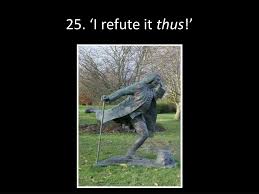
To Quote Dr Johnson:
“I refute it thus,” :
I like to play guitar / I hate to hear karaoke / I love to listen to my friend Pete’s online radio show
We can use hate, like, love and prefer with an –ing form or with a to-infinitive:
I hate to see food being thrown away.
I love going to the cinema.
I prefer listening to the news on radio than watching it on TV.
He prefers not to wear a tie to work.
In American English, the forms with to-infinitive are much more common than the –ing form.
There is a very small difference in meaning between the two forms. The -ing form emphasises the action or experience. The to-infinitive gives more emphasis to the results of the action or event. We often use the –ing form to suggest enjoyment (or lack of it), and the to-infinitive form to express habits or preferences.
So there you have it, straight from the horse’s mouth.
What can we learn from this ? Well, teachers are only human (mostly) and can make mistakes. Teachers who are not native-speakers often teach from books that may simplify grammar and may, inadvertently, be incorrect in their assertions. The books may be outdated; they may even be wrong.
Just because something is written in a book, doesn’t mean it’s true.
Check for yourself, be proactive in your learning; if you have internet access, check reputable websites.
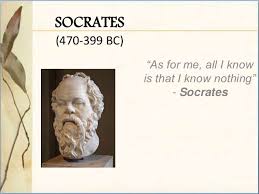
Furthermore even native-speakers can make mistakes and I’ll be the first to admit this (even if I don’t have the wisdom of Socrates, not by a long chalk).
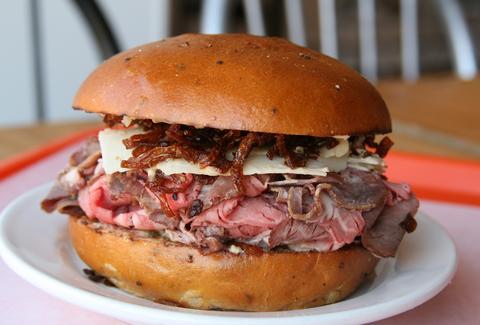
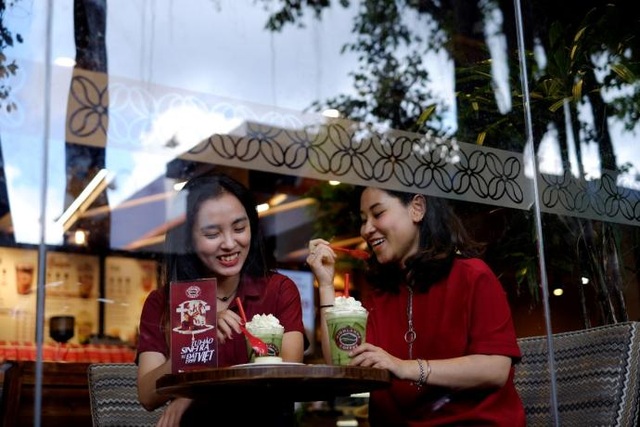
Describe these pictures, using adjectives and your opinions.
Highlands Coffee has great coffee, air-con and free wifi. Having said that, the service is a little slow, there are no waiters and the cost is unbelievably expensive !
Vietnam is famous for coffee; coffee shops are ubiquitous. In fact, there are so many, it’s hard to see (difficult to understand) how they stay in business let alone turn a profit.
Be that as it may, let’s use this as a learning opportunity. To practice making longer sentences, and as a warm up exercise, the students can ask each other, “Where do you go for coffee ?”
Tips:
Don’t answer the question directly and immediately; Begin with a short introduction:
Sai Gon has so many coffee shops, some are cheap while others can be quite expensive although they have a wide range of delicious coffee. Personally, I like going to …
Then
Explain:
How MUCH do you like it (adverbs) ?
What kind of coffee (adjectives) ?
What do you think about this ? (opinions)
WHY do you like it (give reasons)
Interesting words, phrases, idioms
Personally, I like Tap Coffee which is an independent shop where I live. I enjoy going there so much because the owner is very friendly and tries to speak English with me. There isn’t a lot of choice, so I order cappuccino with hot, fresh milk. In my opinion, it is good value and tastes delicious. What I like about the shop is the free wifi, the comfortable chairs and the atmosphere. Furthermore, it is usually very quiet and it therefore a good place to read. I love to put my feet up, kick back and sip my damn fine coffee.
Before the exercise, elicit and board as many relevant words and phrases as required. The students have a discourse marker list, so I could insist that they use certain words (moreover, therefore, consequently etc). Additionally, I’ll need to explain vernacular phrases such as ‘kick back’ and ‘put my feet up’.
IF a student doesn’t like coffee, then they can say where they go and what they drink. IF they don’t go anywhere or like anything (yes, I have had that in a class), then they can explain WHY NOT!
Key vocabulary: ambience // aroma //atmosphere
Grammar Note:
In a list of three, use one comma and a linking word (and):
The service is a little slow, there are no waiters and the cost is unbelievably expensive !
In a list of two, just use a linking word (and):
Mega Mart has amazing choice and is good value for money.
How to make Vietnamese coffee
Tell me: what do I need ? What type of coffee is best ? Where can I buy it ?
New verbs: pour / stir / fill up /
Make a long, fluent presentation.
Signpost expressions: used to help tell a story or a narrative. They allow the listener to help organise the information.
Useful words or expressions:
Firstly / afterwards / and then / following that /
don’t forget to … / you can always ….
lastly / finally / at the very end …
In your experience, what coffee is best ? Trang Nguyen, Highlands or Milano ? Maybe street coffee ?
Speaking practice:
Pat Well, I’m exhausted. I need a damn fine cup of coffee and a big piece of pie.
Sam There’s a Highlands over the road, or we can go to Coffee Bean or Milano.
Pat I’d prefer Tran Nguyen but it costs an arm and a leg. Highlands is also incredibly expensive.
Sam But great quality and superb cakes. Come on, I’m starving, I need coffee now !
Pat OK, hold your horses hahaha. After we can meet up with Thay Paul.
Sam Sounds good. Now … shall we have chocolate cake or fruit cake … ?
costs an arm and a leg = very expensive
hold your horses = please be patient and wait
Inside HighlandsCoffee Shop
Highlands Coffee, a Vietnamese coffee chain
Sam Hi, I’ll have a large cappuccino, please. What do you fancy ?
Pat Tough decision. I’m going for the cheesecake and a slice of blueberry pie.
Sam Oh, me too. Big slice, no, only joking, I have to watch my weight.
Pat I think you look great. Lets also get some chocolate cake and we can share.
Sam Brilliant. Oh, did I show you my recent photos ? Here, on my phone.
Pat Let me see … oh, so funny. Who’s that ? The man next to Niall ?
Sam That’s Jimmy, he’s in Niall’s band. He plays drums and drinks like a fish !
Pat And that’s you, a selfie. You look adorable. Butter wouldn’t melt in your mouth !
A very sweet young lady – butter wouldn’t melt in her mouth
drinks like a fish = drinks a lot of alcohol
Butter wouldn’t melt in your mouth ! = looks very sweet and nice … but can be very naughty






























































 Thay Paul's Notes