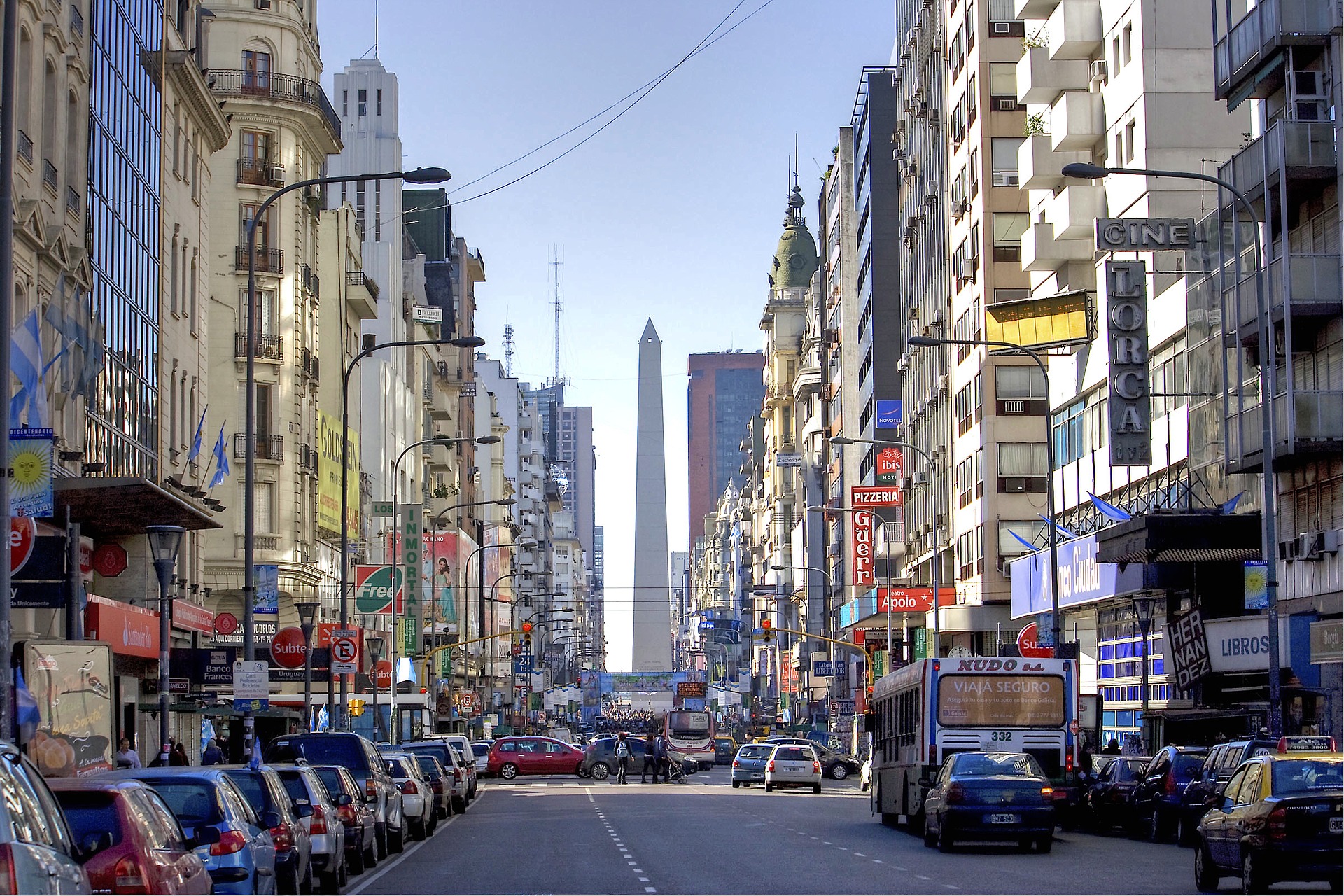
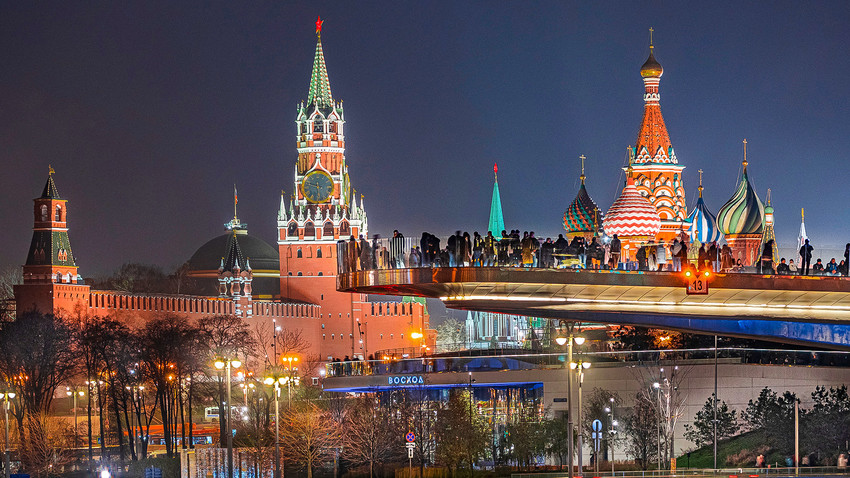
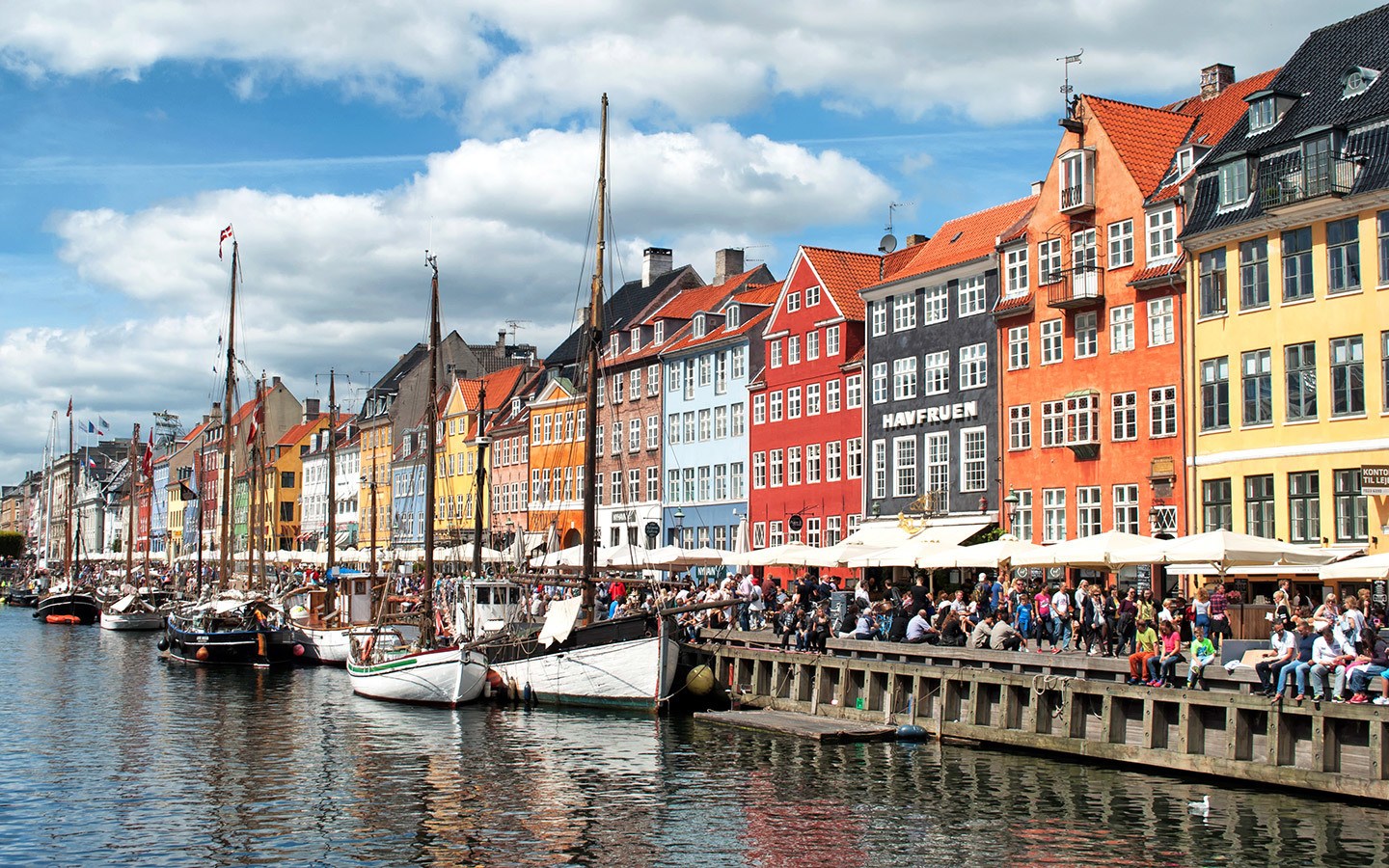
Look at the four photos. What do you know about the four places ?
What do you need to think about ?
They are all capital cities … will that make them cheap or expensive ?
Do they speak English there ? What is the temperature in winter and summer ? How would you find information ? What do you like to do on holiday ?
Extra activity – describe the photos in as much detail as you can. Use adjectives and make your voice sound excited (or unhappy).
Buenos Aires, capital of ArgentinaNairobi, capital of KenyaMoscow, capital of RussiaCopenhagen, capital of Denmark
Work in pairs – write or talk about these points:
Before I go – what do you need to do ?
While I’m in ________________, I’m going to _____________
Are there any places you don’t want to visit ? Why not ?
Pros and cons (good andbad points)
Buenos Aires:
Very colourful city with interesting buildings. Cheaper than some western cities.
In South America – could be a long flight (my class is in Vietnam). Language is Latin – American Spanish.
Nairobi:
National parks and museums. Some great food and can be cheap. English spoken.
Not very safe at night. Insects and bugs plus bad hygiene in some places.
Moscow:
Amazing culture and architecture. Generally safe for tourists. Lots to see and do.
Can be very expensive. Can be bitterly cold in winter. Most people have just basic or no English.
Copenhagen:
Friendly people, small city can be explored on foot. Great beer and healthy, fresh food. High quality standards. English widely spoken, like a second language. Safe.
Is notoriously expensive. Can be very cold and wet in winter. Very long flight (from Viet Nam).
Ask each other what they like best, where they would probably go, where they probably won’t go !
Advanced levels:
To practise complex sentences, make your own answers
The four cities are all interesting in their own way, but if I had to choose just one, I think I would probably select Nairobi in Kenya.
Firstly, I have never been to Africa and it look so different to Europe and Asia. Seeing those beautiful giraffes just walking past the window must be an amazing, unforgettable experience.
Secondly, I know that English is widely spoken in Kenya, so there should be no language barrier even though I expect a lot of culture shock.
However, I expect the heat will be a serious issue, so I must pack a lot of powerful sun cream, sunglasses and a hat. Additionally, i don’t really know much about the city, so I will have to read up.
In conclusion, I feel all cities offer something amazing but my choice would be Nairobi. I’m sure I will have an incredible time in Kenya.
Job – // What do you do ? // What line are you in ? // where they work
where they live
how long they have lived there (present perfect)
are they married ? If so, do they have children ? How old are they ?
the weather- // Do you think it will rain later ?
NOT about money, religion, why NOT married, or don’t have children.
To answer:
Oh, really // You don’t say right ! // That sounds interesting // Tell me more
Wow, fascinating // Do you like your job ? // How long have you been married ?
How old are your children ? Do you have a photo ? // What are you studying ?
Practice:
In a new class, ask each other some general questions. This is best done in pairs, so students don’t feel embarrassed speaking in front of the class. See how long you can keep the conversation going.
Fell free to add new questions.
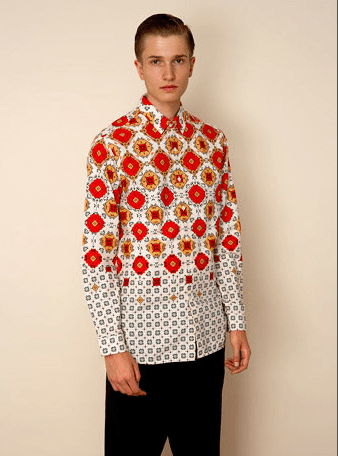
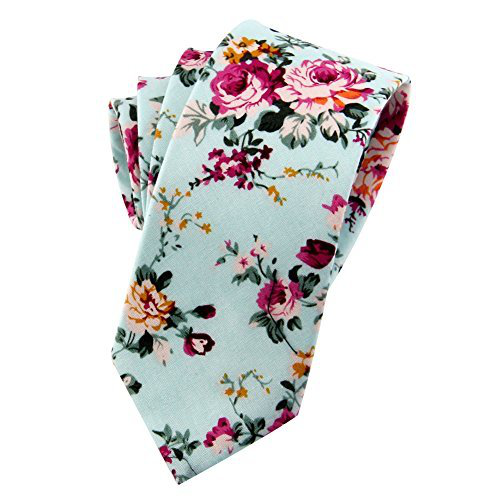
Clothes
Which clothes do you like ?
Express what you feel about these clothes, whether or not you would buy them, or do you know someone who would like them ?
Vocabulary:
I choose the because it’s …
stylish // cool // beautiful // colourful // great quality // chic // really suits me
fashionable // trendy // so modern // really with it // I feel a million dollars //
however, you may feel it is …
expensive // ugly // gaudy // bad taste // not my style // old-fashioned // hideous //
Today’s blog, or activity sheet, is about persuasion; the ability to change someone’s opinion or make them do what YOU want THEM to do. This is known as having ‘the gift of the gab.’
This skill is mostly associated with salesmen who, without cheating or lying, make their product sound so wonderful that you simply HAVE TO buy it … and then you get home and realise you have parted with your hard-earned money for something you don’t want, don’t need and will never use.
Before we kick off, let’s roll out some new expressions:
One born every minute = negative, means that the person is an idiot, who bought something useless.
He/She saw you coming = negative, means the seller thought you would buy the poor quality item or pay too much for it.
Paid over the odds = negative, means paying too much for something.
Could sell sand to an Arab = positive, means the seller is so persuasive, he could sell anything to anyone (here, people who live in the desert do NOT need to buy sand).
Unique = positive, only one or something totally different and special.
Examples:
You paid £50 for that shirt ? He must have seen you coming !
The hotel was $75, I think I paid over the odds.
She’s such a great seller, she could sell sand to an Arab.
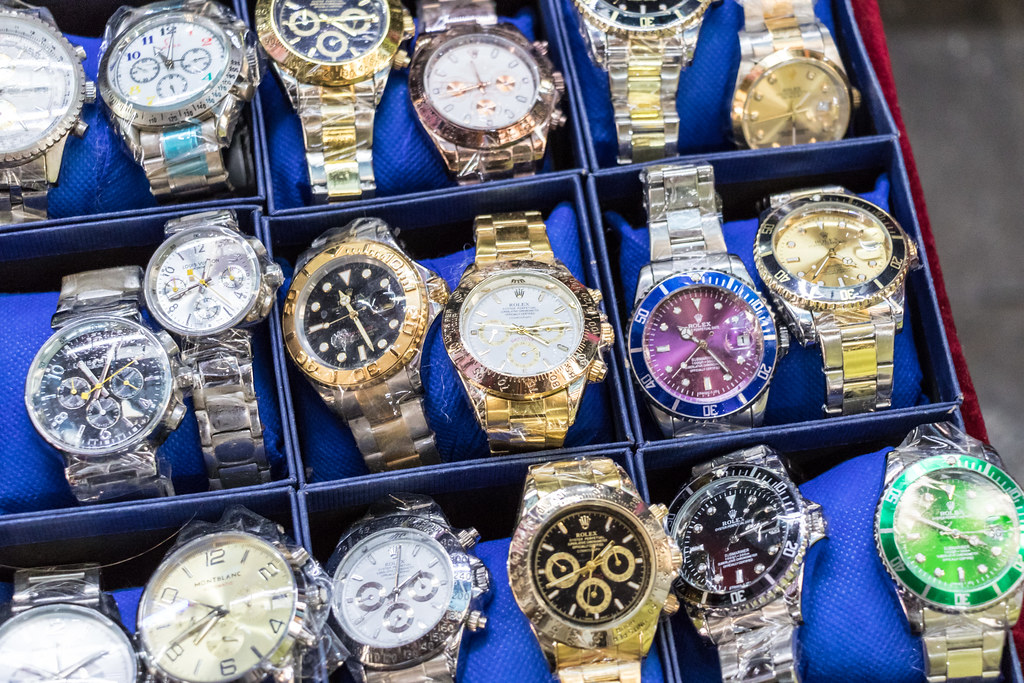
I can’t believe he though it was a real Rolex watch … for €30. Oh well, there’s one born every minute !
Activity
Welcome to
Mr Paul’s Wonderfully useful store
Here, you can find all sorts of incredibly useful and wonderful items.
The students have to practise their selling and persuasive skills, in order to sell these … ‘wonderful’ … items. As always, an example:
One grey sock
A truly wonderful sock (one), almost nearly perfect
Ladies and gentlemen, step right up, I have an absolute unique items for you. As you see, I have, just today ONLY, one beautiful delightful almost never-used silver-coloured sock, perfect for men, women or even children, yes, they can grow into it !
This amazing item, one of a kind, can be used for so many things, for example … have crying children ? Simply put the sock on your hand and … a PUPPET ! Guaranteed to stop all tears. Been shopping and have so many dirty, heavy coins ? No problem, simply put the coins in the sock. Having a party ? What would look better than this magnificent sock hanging proudly above the door ? Can use it for Christmas, Thanksgiving, Tet Holiday, Easter, Passover, Ramadan, Birthdays, Weddings … you name it … You CANNOT live without it …
You can have this priceless item for just £100 … OK, to you, today only … £75
Now … your turn
Write a ‘sales pitch’ for one of these items, think of some uses for it, then set a price. Try to convince your classmates to buy your unique item.
Some ideas for uses are at the end of the blog
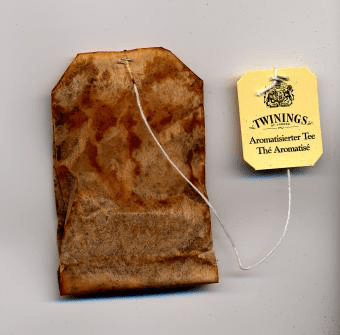
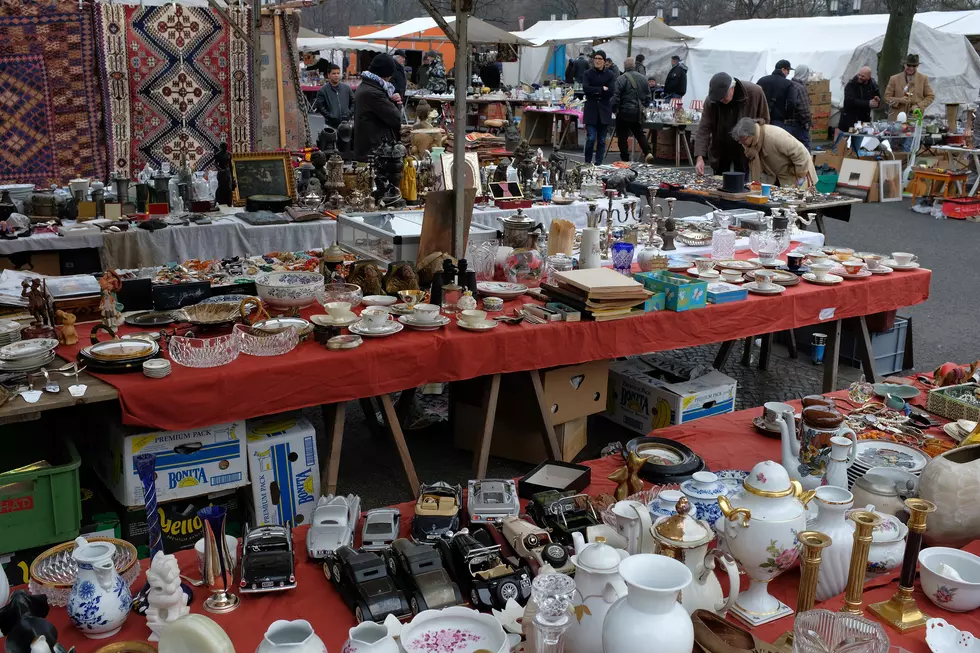
One old Tea-bagOld wine bottle corkOld banana skinBroken old umbrellaLovely old T-shirtA flea market where people can sell … anything. One person’s junk is another person’d treasure
Tips and ideas:
teabag – mint tea – gets rid of spiders & mice : put on eyes to reduce puffiness
This lesson aims to introduce students to a wider range of vocabulary, phrases and expressions, and then gives them an opportunity to role play and act out the language.
A plan such as this only works with motivated students, and can be very fun for both learners and the teacher.
Print outs or photos of various consumer items will enhance the lesson, but first:
vocabulary
SHOPPING
Which shops do you like and why ?
Use these words and phrases to help you write your answer:
big, small, fresh, clean, cheap, expensive, near my house, convenient
range of choice, quality, cost, location, crowded
store layout (what does it look like ? Is it easy to find things ?)
staff helpfulness: average (normal), exceptional, non-existant !
value for money (good quality at a good price)
bargains (good quality and great price)
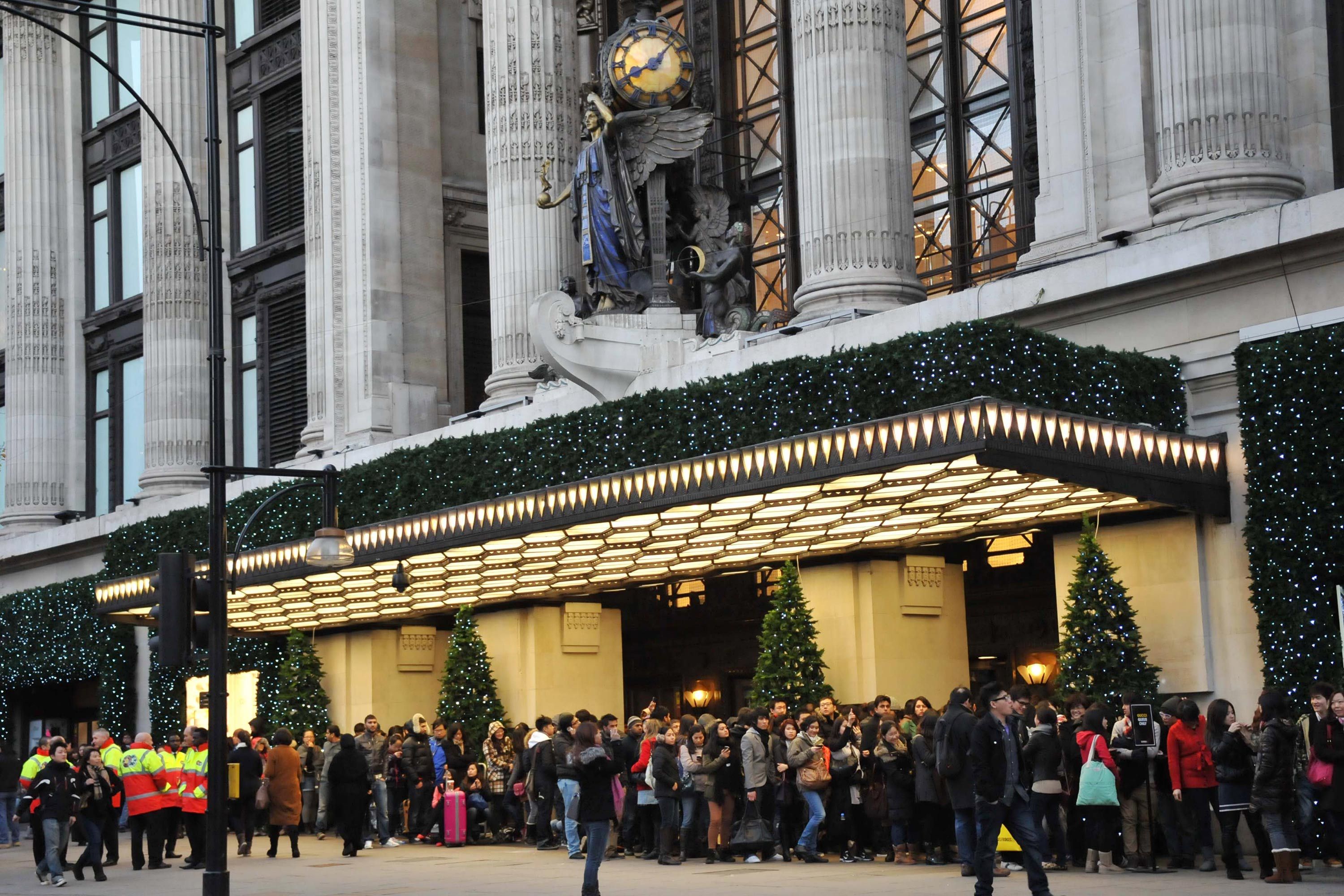
Interior of a Waitrose supermarket in the UK Food shopping is not always a pleasant experience
Haggling
This is the practice of trying to get a better or lower price for an item. This doesn’t happen in shops, which have a fixed price, but is common, indeed even expected, in markets, depending on the location and culture. Be careful – too much haggling can upset the trader.
haggling can be an art – there are many guides online
Expressions: I wasn’t born yesterday / you’re having a laugh !
[I will pre-teach these expressions in a class, but online students will have to look them up. If you ever need help, just leave a message]
What do you think is meant by ‘GENUINE FAKE’ ?
Make a conversation:
One is a market-trader, the other a customer.
You can choose the item(s): watch, phone, T-shirt, food etc.
The language is informal, intonation can be strong but still be polite.
EXAMPLE:
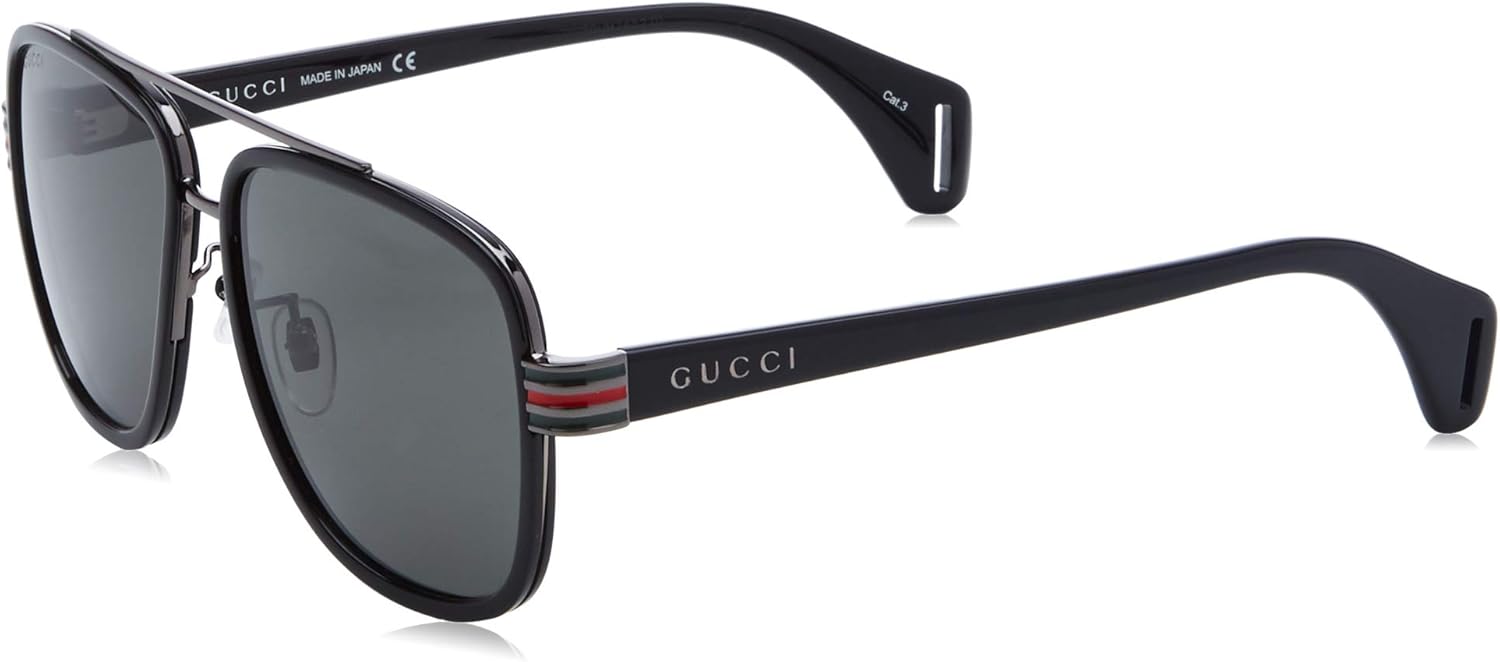
Here, the trader sells ‘genuine fake’ sunglasses
Customer: How much are these sunglasses, please ?
Trader: Oh, those are genuine Gucci, made in France. I can let you have for the special price.
Customer: Gucci … really ?
Trader: Absolutely, look … it says ‘Guchi’ here. Try them on … they are perfect for you.
Customer: Hhhmmmm, ‘Guchi’ … OK, how much are they ?
Trader: To you, my first customer, special price. Only $50
Customer: Are you having a laugh ! I’ll give you $5 tops, no more.
Trader: These are genuine Gucci … OK, OK, just for you, $45. They come from France.
Customer: Gucci are ITALIAN ! What a rip-off. I’m out of here.
Genuine Gucci sunglasses
With a larger class, have three students selling the same type of item but in different setting, for example:
a department store,
a shop having a sale
and a street market
To make it more realistic, the students have to alter their vocabulary to suit the store, that is, polite standard English for the department store, everyday English for the shop and more slang and idioms for the street market.
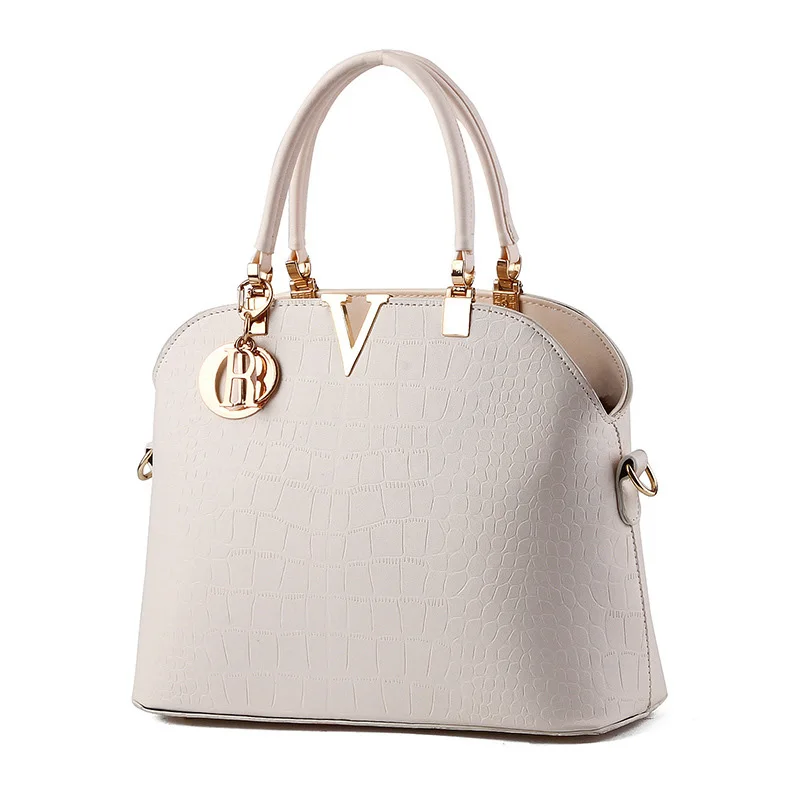
The items could include:
Handbags:
Set your own prices to reflect the realities of where you live.
A: My laptop is so slow. B: Buy a new one. A: I would if I had the money. B: Why is it so slow? A: That’s a good question. B: Did you take it to a computer shop? A: I would if I had the money. B: Well, I guess you have to live with it. A: Sometimes I want to throw it out the window. wanna B: You don’t want to do that. A: Why not? B: You might hit someone on the head.
Re-write but with smart phone instead of ‘laptop.’
Being a bit short – not having much or enough money.
A:Can I borrow £5? quid B: Sure. Why do you need it? A: I want to buy lunch. B: Where’s your money? [Pronunciation: Wheres yah monnnee ?] A: It’s not in my wallet. B: Your wallet is empty? A: I don’t have even one quid in it. B: Being broke is no fun. [Broke = having no money] A: Even if it’s only for a short while. B: It’s always good to have friends. A: Friends will lend you money when you’re broke. B: As long as you pay them back.
Write a similar dialogue but with different situations.
Vocabulary practice:
Look up the meaning of these words and expressions, then see how they’re used in the following dialogue.
truly / rather / somewhat/ quid / broke/ you what ?
Let me shuffle through my memory
run into / put up with / fun-filled / throughout the city
that’s a good question / this is the worst ….. in the world !
A You’ll never guess who I ran into last night.
B Who ? I was up to my eyes in work.
A Ms Cam. It was rather a surprise. I haven’t seen her for ages.
B Ms Cam ? Let me shuffle through my memory… oh, yes.
A Remember ? She was somewhat laconic at work, but after beer …
B Absolutely ! She doesn’t shut up ! I had to put up with her stories.
A Same thing last night. Nothing changes. But it was a fun-filled night
B Where’d you take her ? Anywhere fancy ?
A We started at a street bar but it was malodorous, so we took off.
B She drinks like a fish, I recall. What happened ?
A Hmmm … that’s a good question ! I had a few too many.
B That explains it – you look a bit sick. Did you drink cocktails ?
A Oh, did we ! This is the worst hangover in the world !
TRY to make your own conversation using some of the new vocabulary and expressions.
Ideas: buying something / wanting to go someone / having a bad day
Activity: Plan a day out for my friends.
I have two friends arriving in HCM( or your city). They want a typical, authentic experience. Plan a day for them. It must include:
Breakfast
A museum
Somewhere for a snack
An interesting building or location
Lunch
Souvenir shopping
Something to do in the evening
Give tips and advice.
How do they travel around ?
What are their options and estimate the prices.
Try to use as much new vocabulary as possible, words and expressions.
Directions to Pham Ngo Lao Street District 1 // Directions to a city centre street.
Ask for help. Other must offer as much help – how to get there, the best way, the price, the dangers. Body language – distance, expression, intonation, eye contact etc
Also back channelling. Nod your head, say, “Sure,” “Right.” “Oh, really ?”
Small talk …. Try to talk for as long as possible – then change subjects:
your home town / your favourite holiday / a great place to visit in your city / some great things about children / some terrible things about your city / family / favourite hobby.
Past simple/ past continuous
Look at the house map – say where you were last night and what you were doing
EXAMPLE: I was on the balcony, watering my plants.
I was in the bedroom, …………………
Famous for 15 minutes
Pretend you are famous – your partner will interview you on:
Sai Gon Today ! A live chat show from your work or school !
FIRST – why are YOU famous – what do you like doing best ?
Think of 6 questions. Examples:
When did you start ? When did you win your first award ? What was it like travelling to USA ? What are your plans for the future.
Who else works in a TV studio ? What equipment do we need to make a show ?
Adverbs of degree
very / so / extremely / = high, a lot
quite / somewhat = moderate / medium
Tokyo is ……….. expensive, while for Vietnamese people, Thailand can be ……………. expensive.
The test was …………….. (medium) difficult.
I ……… liked the film, but the book was better, it was …………….. good.
Free Speaking
Have you ever thought about trying or learning something new ?
Do you want to take up a new sport ? Start up a new business ?
Join up for a club ? Learn a new skill ?
Try to use some of the following phrases:
The job is repetitive ? It can be somewhat tedious.
Working everyday can have a negative effect on our health.
I feel it is not suitable for me. I am not suited to it.
My background is in engineering; I have no experience in business.
I may regret it if I don’t try – but it is a risk. Always a risk because it may be unsuccessful – it may fail.
Please Note: All photos are taken from Google Images or free photo sites, and are used for educational purposes only. No copyright infringement or offense is intended. If I have used your photo or image, and you wish me to remove it, just ask. This site is not monetized, I run it on my own dollar. Thank you.
Sentence order – exercises for you to practice rearranging the words in a sentence to make your English more interesting. This is especially useful for IELTS students.
Vocabulary – a feature just on boosting your command of the English language, and finding higher, or better, low-frequency words for basic English.
Vocabulary
Objectives:
Increase vocabulary. The average native-speaker uses about 2 000 words. You can boost your vocabulary by learning verbs, adverbs and adjectives which can be easily found by a Google search. Also, use an online thesaurus.
Speak in longer sentences. Say what you want to say (make your point), then elaborate by giving examples, adding reasons and maybe an anecdote. Along with this, give the opposite view by using conjunctions such as ‘however’, ‘on the other hand’ etc.
Pronunciation. Many native speakers have a problem understanding English learners, so we will practise slow and careful enunciation, intonation and stress.
excessive/ biased / appropriate / opponent / in opposition to / beat / currently / not my cup of tea
hold your horses / debate / borrow / lend / expect / lease / terrible
Which words would you employ / use ?
Brazil beating Costa Rica was ……..
This film is extremely violent, it’s not ………. for children.
The politicians are ………. the issue of land-………. to the Chinese.
You can ……. money from a bank, but they …… it at a high interest rate.
The match was so ………… However, Spain – Portugal was ………
The man said Ha Noi was the best city, but he is from there so he is ……….
People were on the streets ………. and ………… against higher taxes.
The man went to prison for forty years just for littering. That was ………….
I haven’t finished yet, ……………………..
TV, radio, internet news and newspapers are called the ……..
New vocabulary:
aggravate – to make worse
tensions – bad feelings
keep a lid on it – stop something getting worse, or not to tell someone. We’ve got a new boss coming, but keep a lid on it (don’t tell anyone).
set up – start to do something. Fred is going to set up a new business.
knock out – (from boxing) to hit someone so they fall and stay down for 10 seconds
to eliminate someone / thing
Historically (adverb from history) – something that has happened over a long time.
They are currently ——– between China and Vietnam. This is nothing new as —— the two countries have had conflicts.
The government are introducing policies to ———— on inflation (prices rising).
President Trump visited North Korea to ease ——- between the two countries. He must be careful what he says or he may ———— the situation.
England have ———– Colombia so I am ———(a great word for happy). However, the greatest shock was Germany being ———— at the group stage.
The coverage in the Chinese media is not impartial, it is unbelievably ——— . However, this is nothing new; the media is the USA is also ———- towards either the left or right.
Project: Look at these headlines from the UK media. Could they happen in your country ?
A story about the Queen’s second son, Prince Andrew, and a sex scandal.
A left-wing paper writing about a right-wing Prime Minister.
Calling the England football manager a ‘turnip-head’.
Changing sentence order:
John read comic books as a boy. As a boy, John read comic books.
Mary sent two emails then went home. Mary went home after sending two emails.
Try changing these:
Watt worked as a maker of mathematical instruments but later found himself working with steam engines.
If we had to give credit to one inventor, it would probably be Karl Benz from Germany. Many suggest that he created the first true automobile in 1885/1886.
Sherlock Holmes is a fictional private detective created by British author Sir Arthur Conan Doyle
Japan’s high speed bullet trains, also known as Shinkansen trains, offer visitors an experience like no other with speeds reaching up to 320 km/hr !
24th January for 30th January 2020. IELTS Bands 4 – 5.5 Unit 7
Firstly, a big hello to all my readers and followers in India. Yesterday I had over fifty visits from students from the sub-continent and I want you all to know how much I appreciate you taking the time to check out my blog. Thank you so much.
My Indian friends – what is the standard of behaviour in your classrooms ? In my centre, in Sai Gon, Vietnam, we have to employ classroom management (normally reserved for ‘young learners’) to adults. Namely, we have to continually tell the class:
No mobile / cell-phones in the classroom UNLESS it has been sanctioned by the teacher for educational purposes.
No eating, chewing gum, slurping drinks
NO CHATTING WHILE THE TEACHER IS TALKING. THE TEACHER IS HERE TO HELP YOU. FURTHERMORE, IN MOST CULTURES, THIS IS UNBELIEVABLY RUDE AND UNACCEPTABLE.
Take notes, write down new words, practice using them
The teacher is here to help YOU learn. We are not here to entertain you.
These are not MY rules – they are the rules of the centre. If you cannot abide by them, then stop coming to class, stop wasting everyone’s time and money.
Let’s leave the last word to Uncle Ho, bác hồ:
Understand, my Vietnamese classes ? Even Uncle Ho says you,
“need to work much harder.”
And now, without further ado, a warm up exercise to see how much the class has remembered from the last lesson … if anything.
Firstly, complete these phrases and then use them in sentences:
over the ______ // under the ________ // under ________ // more or ________
I’m over the …… because I passed my IELTS test.
Ms Linh is not here, she’s feeling under ………..
The class understood the video, more ……..
So many tests at school, the pupils were under ………
Secondly, what do these words mean, the make a short sentence using them:
I shall try to incorporate some teaching points about India in this blog which, although written before the Lunar New Year (Tet Holiday), is for next week.
The above sentence is an example of the type of English that is expected in order to pass the IELTS exam. As you can plainly see, it isn’t too difficult; I inserted a low-frequency word (‘incorporate‘), used a relative pronoun (‘which‘) in order to make the sentence longer and more fluent, then employed a discourse marker (‘although‘) to link contrasting ideas together in a coherent sentence.
To recap, what you will need to use in both writing and speaking are:
adjectives (but not just the most basic, common ones)
adverbs
low-frequency vocabulary
complex sentences (introduce extra information in supporting clauses)
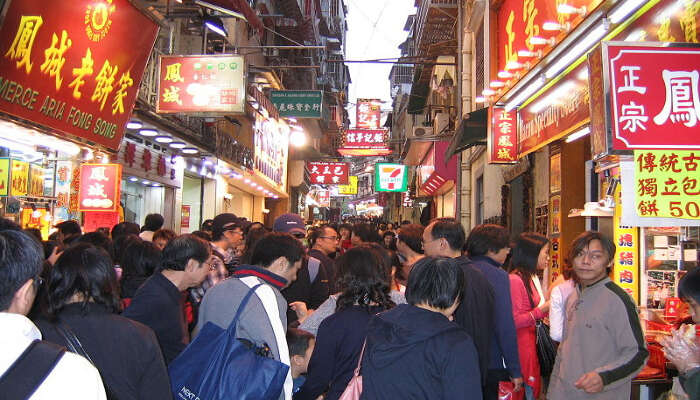
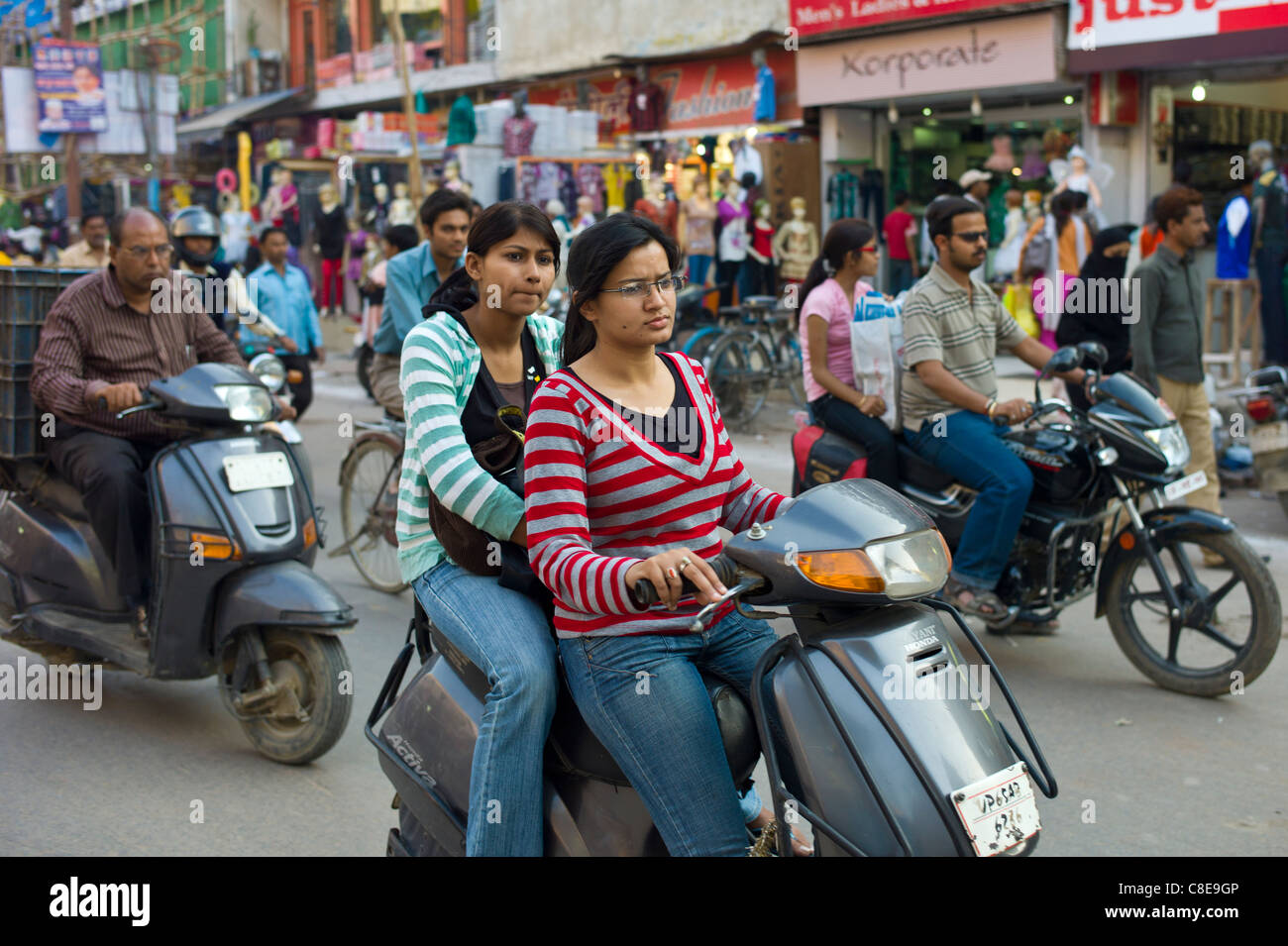
Does this look like YOUR city ? What is similar, what is noticeably different ?
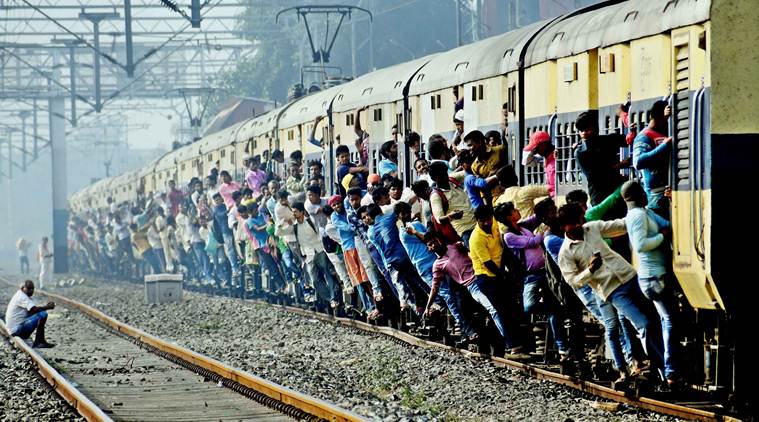
A typical commute to work ?
Vocabulary building and listening
In the real world, most students will not be communicating with English-language teachers, but probably with other non-native speakers, so learning to appreciate and understand English spoken with a ‘new’ accent is an extremely useful skill. Here’s a great video which features a charming young Indian lady teaching new vocabulary: https://www.youtube.com/watch?v=PKUxuD0m5A8
New Vocabulary:
Instead of using ‘very’ + adjective (I am very tired), use a single word:
Try to use ‘sagacious’, ‘exquisite’, ‘colossal’ and ‘spacious’
The classrooms in Block D are ……….. (big)
The furnishings are perfect, they are ……….
Building an underground train network is a ………… undertaking
The old man was ………. People came to him for advise.
This is also a listening skills exercise.
Do you have any problems understanding her ? Why ?
Listen for at least five words you didn’t previously know. In small groups ask each other:
What impressed you ? What disturbed you ? Would you like to go there ? If so, why, if not, why not ?
Here is a chance to practice adjectives, linking words and using the word ‘because’ – giving reasons, supporting your comments.
Famous Indians
In small groups, you have to make a short presentation about one of these famous Indians:
Mahatma GandhiSiddharta – the Buddha
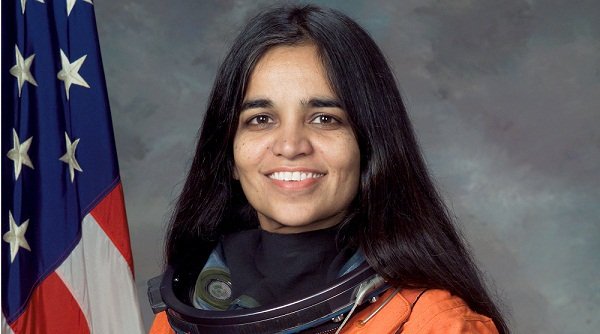
Kalpana Chawla
The class have five to ten minutes to research information, speed read and extract relevant facts with which to enlighten the class. Simply reading straight from Wikipedia is not permitted.
And now, goodbye from this mysterious, exotic land. Hope to meet you very soon …
Remember: you can increase sentences by using adjectives – just say what you see. Basic adjectives such as colours, sizes or materials will all add to your word count and make your speech more interesting (as well as improving scores in tests).
How does the woman feel ? What does she look like ? What is she wearing ?
I was delighted when I received your wedding invitation. (FIRST PERSON ‘I’, or use the THIRD PERSON – he/she/it/ a name)
The lady was delighted.
The young lady was delighted.
The beautiful young lady with long straight blonde hair, and wearing a pretty pink top, was delighted.
The young woman, who has long straight blonde hair, was delighted by the invitation.
Look at the photos of the three men and three women.
Read their likes and dislikes, and what they want out of life.
Try to arrange matches.
How successful will the dates be, do you think ?
PETER. Age 46. Lawyer. Likes cooking, travelling, wine, driving, tennis. Divorced, 2 children. Looks for quiet lady with no children, to look after the house and him.
JAMES. Age 26. IT worker. Likes music, dancing, going to clubs, beach holidays. Single. Looks for young lady who is loud and fun, likes to party.
David. Age 22. Model. Likes fashion, clothes, cocktail bars, smoking cigars. Looking for a women who is a model so we can look great together. Must be very beautiful and wear expensive clothes.
And now the ladies: which woman would be the best match for these men ?
Jane. Age 22. Likes fashion, clubbing, kittens, holidays in the sun. Looks for a man with a steady job and ‘down-to-earth’. Non-smoker only.
Lisa. 28. Banker. Likes quiet restaurants, badminton, travelling. Looks for a mature man with good income for long term relationship. No boys, please !
Emily. 20. Likes dancing, fashion, going out with my friends. Movies. Wants a young, cute boy-friend so we can go to parties together. No boring old men, please !
If the dates are successful, they could lead to weddings, married life and children … but we’ll save that for the next blog. In the meantime, here’s some clips of when the big day doesn’t go to plan. https://www.youtube.com/watch?v=NCkcU9h5ggc
under the table (giving money to get something done quickly) / over the top (something that is too much or a person behaving too loudly).
In Asia, giving money under the table is, sometimes, the only way to get something done.
In USA many TV presenters are so loud, they are completely over the top.
Building longer sentences:
Make these simple sentences into a longer piece by using discourse markers, adjectives and adverbs and opinion phrases:
I work at ATS. My job make me tired. I have many projects to do. My co-workers are nice.
Relative pronouns– who (person), which (thing), where (place).
Adverbs– add information
Opinions– I feel, I believe, in my opinion, from my point of view.
Discourse markers – although, despite, however …
ATS, where I work, can be extremely tiring because there are many projects which, I feel, are very challenging. Having said that, there are many wonderfully friendly colleagues who make me feel happy.
Write a short piece about your school, university or work:
Sentence building:
although / despite / albeit
Can be used like ‘but’ and ‘however’. .. sentence structure may need to change:
Peter likes driving although he hates traffic. ONE sentence
Although he hates traffic, Peter loves driving. TWO clauses
King BBQ is very good albeit very busy NEVER starts a sentence
Despite being very busy, King BBQ is great. NOTE despite + verbing
King BBQ is great despite being very busy (or costing very much / having no beer.)
We love our jobs despite the fact that we have to work long hours.
Write longer sentences using albeit, although or despite.
T_ara are adorable. Their music is nothing special.
Vietjet is cheap. The flights are frequently delayed.
Korea is beautiful. The weather can be cold. (Also add adverbs)
Rolex watches are astronomical. They are good quality
Music vocabulary:
rhythm / beat / melody / production / arrangement / vocals / lyrics / solo
Genres (types of music): pop / rock / country and western / punk / classical / jazz blues / opera / R ‘n’ B / techno / rap
What kind of music do you like ? Ask your classmates, and try to keep the conversation alive for as long as possible. You can say what genres you like, then give examples of artists and special CDs or records. How do you buy music, how do you listen to it (computer, CD, iPhone, MP3 player ?) Do you play an instrument ? Would you like to play something ? Do you ever go to concerts ?
Phrasal verbs:
give in / turn off / start off / put out / cut down/ cut out/ put up with
1 I’m working too much, therefore I must _________ on my hours.
2 You can’t smoke here ! ____________ that cigarette.
3 We have to _________ so much noise and dirt here in Cat Lai (industrial area).
4 I always __________ to my wife when she demands something; it is easier !
5 Time to knock off. Before you go, make sure to _________ your computers.
6 For health reasons, my doctor advised me to _________ fatty food.
7 The film ___________ great, but soon became too complicated.
Speaking practice:
You are at a job interview and have to introduce yourself. Start by giving some facts, your educational background and how long you have worked in your current/ present job. Describe your personality and finish by saying what you like to do in your spare time.
Example:
I was born in …. and I graduated from …. University in 2019 with a major in Business Administration. Since then I’ve had two year’s experience in administrative work at ATHA and followed that with a stint in SLH Corporation.
I’m a very organised person, well-balanced and efficient. I’m hard-working and dedicated.
In my free time, I like to travel and I love to paint. In addition, I enjoy going out and having coffee with friends. I also support Barcelona and enjoy playing badminton after work.
Vocabulary booster:
I live in a:
quiet, residential street. Peaceful at night.
lively and busy commercial area, many shops
dirty and dusty industrial part of town. Very noisy.
My home is a / an:
apartment and I live alone
rented room share with friends
house live with family
pros and cons – advantages and disadvantages
adverbs of degree (very, extremely, incredibly, remarkably, unbelievably)
I travel to work by:
Motorbike. It’s quite / rather far and extremely stressful.
Use Grabbike. It’s very convenient albeit rather expensive.
On the bus. Although it’s incredibly cheap, it’s not very pleasant.
Idioms and expressions
At work I find myself doing the same thing day in day out. It’s tedious.
Learning English is, for me, easy, a piece of cake. It’s very important and fun.
In my free time:
I enjoy watching films and playing sports. I am competitive !
adore hanging out with my friends and family.
love shopping. I can spot a bargain and I hate being ripped off !
Learning English:
in my opinion, is vital for the future. It’s imperative we learn.
is a necessary task. It’s awkward and frustrating, but I need it.
is highly enjoyable and relaxing. I love to improve my mind.
The War Remnants Museum is
extremely popular with tourists, a major attraction in the city.
well laid-out and organised. The exhibits are fascinating.
very sombre and thought-provoking. Well worth a visit.
educational and essential. We can discover much there.
not suitable for children, though I would recommend it to adults.
Increase your word power
Part 1: Match the basic words with others of similar meaning
For example boring = tedious
interesting / on time / forgetful / live (I live in) / smart (clever) / get (by hard work) attain / absent-minded /fascinating / punctual / intelligent / reside
Part 2
unhappy / honest / not often / tired / place / reliable // exhausted / seldom / miserable / trustworthy / dependable / environment
Part 3
small or unimportant / try / make / great / happy / not nice / / endeavour / jovial / prepare / insignificant / nasty / brilliant
Practice:
John is so forgetful; he is _______________
German manufacturers are reliable; they are ____________
The increase is very small; it is _______________
The plane was on time; the service is very _____________
She is so clever; she is very ______________
Now make sentences with the new words. Put class into teams and they have to make sentences with five new words e.g. (for example):
After studying for three years, John attained his BA Degree.
Use these phrasal verbs in new sentences – BUT in the past or continuous tense.
give in / give up / put up with / put off / take off / start off
New Vocabulary
passive smoking
nightmare situation
how can I put it ?
a fair comment ?
peer pressure ?
emulate
inconsistent
willing = happy to do something
luke-warm
concise = short and to the point.
sneaky = crafty, cheeky
I am __________ to help you with your homework.
Please be short and _________ when you give a speech.
The audience was only _____________ after the band played.
People can get cancer just by _________________ .
I have so much work to do and have a meeting with my boss; it’s a ______________
12th December for 14th December 2019 E Up 3, pp. 80 – 81
I’m covering this class for just one lesson (hopefully). There are 21 students and I think I’ve had this class before at a lower level. The first part of the lesson can be activities to go over the language learnt in previous lessons. This can take the form of a game, with students being placed in five groups and allowed to choose their team name.
1 Tell me about the men (basic adjectives) then use the comparative.
EXAMPLE: One man is short, one man is tall. The man with glasses is taller.
2 Who is stronger ?
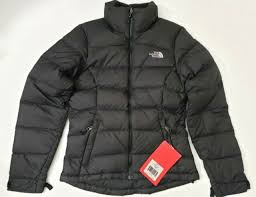
3 Give me three adjectives for these clothes.
Which one is thicker ? Which one is prettier ?
4 Write three heavy objects (things) then three light objects.
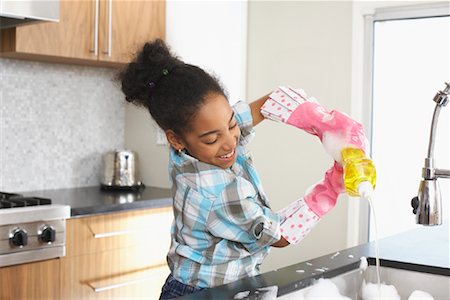
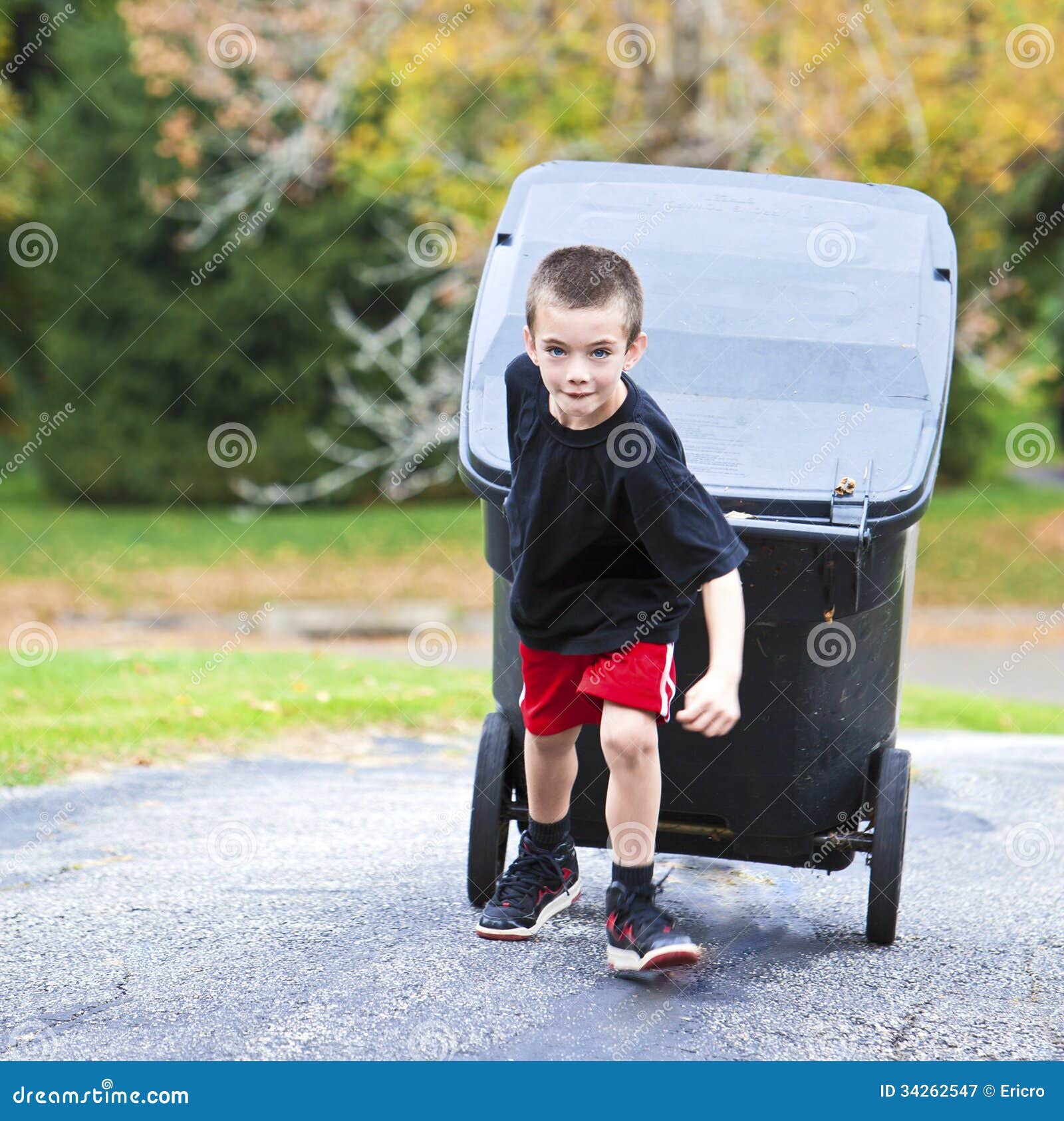
5 How can your help your mum and dad in your house ? Three ways to help out.
6 What does the young girl do before work ?
7 Now what is this boy doing after school ?
7 Always / usually / sometimes / never
In the morning, Teacher Paul ……….. drinks coffee
The students in this school are ……………. quiet.
Tell me something you usually do and something you do sometimes.
8 What three chores can you do on a farm ?
I need three things: a haircut, a book and some coffee … where can I go ?



























































:max_bytes(150000):strip_icc()/GettyImages-507241723-f1780787dfd54d75bd128e7d8a0dd746.jpg)










 Thay Paul's Notes