The Shins have a ‘Name for you’ … and I have some rules for students choosing English names for our English classes.
First, the name has to be ENGLISH, so no ‘Sans’ (a French preposition), no ‘Lavie’ (French for ‘life’, also the name of a bottled-water company).
No totally made-up names (Valhana is one example that comes to mind).
No titles (‘King’, ‘Christ’ … yes, I’m serious, one parent expects us to call his kid ‘Christ’)
and, in the name of all that’s gracious, no more:
Kelvin
Ken
Kenny
Nick
Nicky
The above names are DENIED
English is such a rich language, there is no need for every Tom, Dick & Harry to be called Ken (English humour).
Instead, choose from this list of short names:
Andy // Don // Fred // Guy // Ian // Jay // Jim // Len // Mark // Mick // Ray // Roy // Seb // Sid // Tim // Vic // Wes // Will// Zack
Please Note: All photos are taken from Google Images or free photo sites, and are used for educational purposes only. No copyright infringement or offense is intended. If I have used your photo or image, and you wish me to remove it, just ask. This site is not monetized, I run it on my own dollar. Thank you.
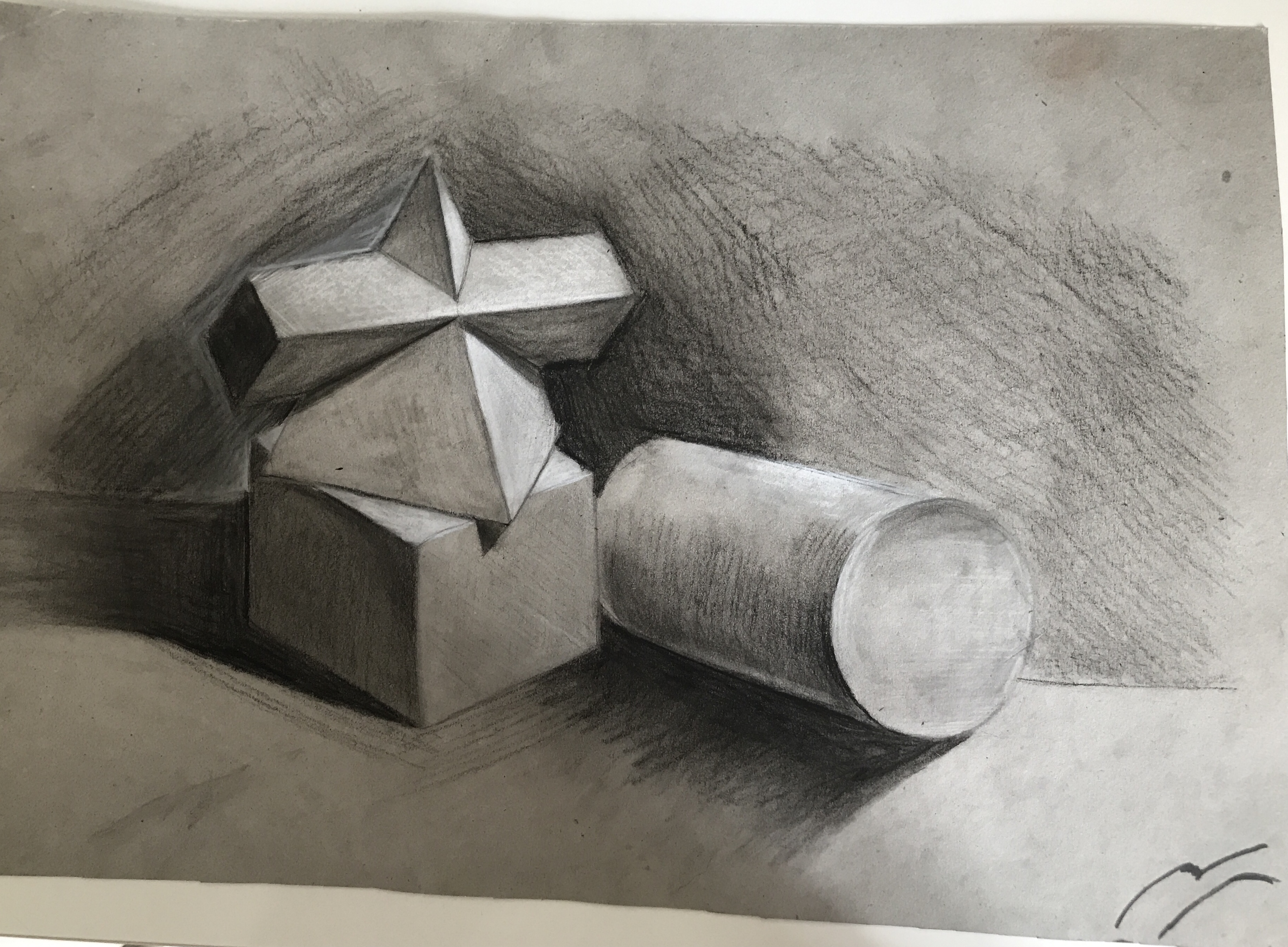
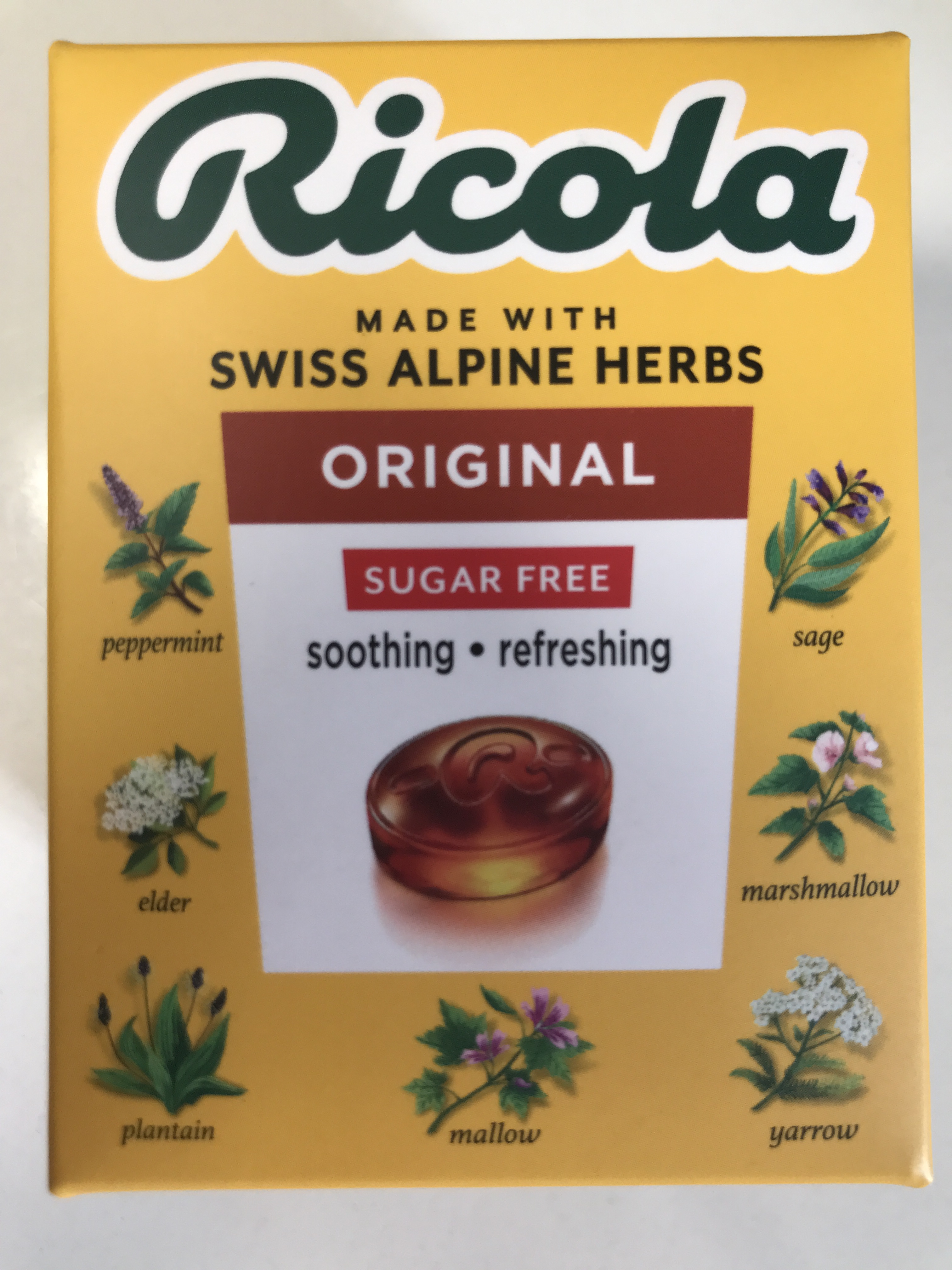
What a fantastic week – two gifts from two gifted students.
First up, an incredible piece of art from Top Cat Ruby who is around ten years old. I shall certainly have this framed.
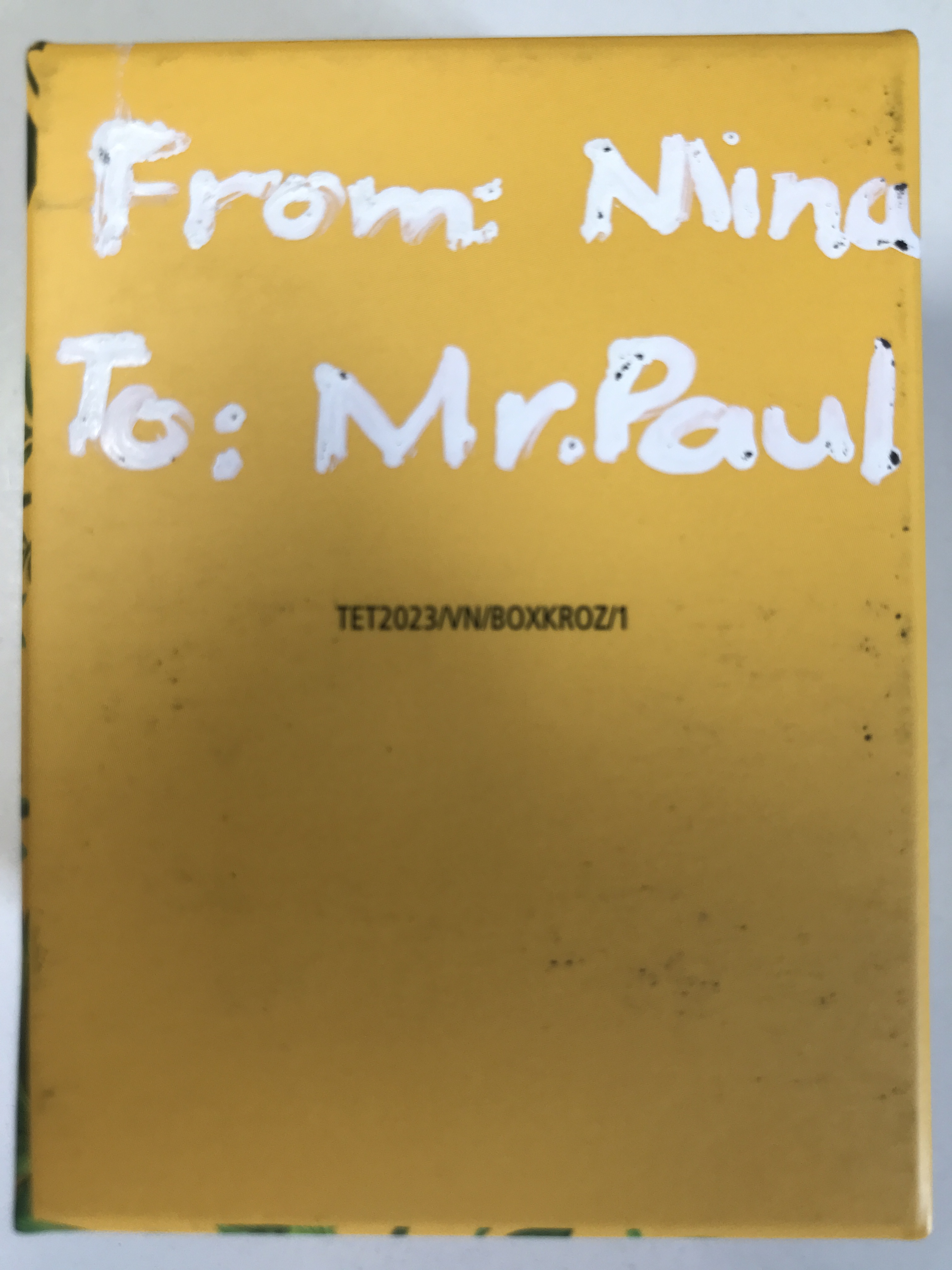
Next, a gift from a student I no longer teach but whose classroom is near to mine (so they can hear the music I play loudly). Teachers absolutely need throat pastels, and I’m always telling my students to avoid sugar so I was over the moon with this gift from Class Captain Mina.
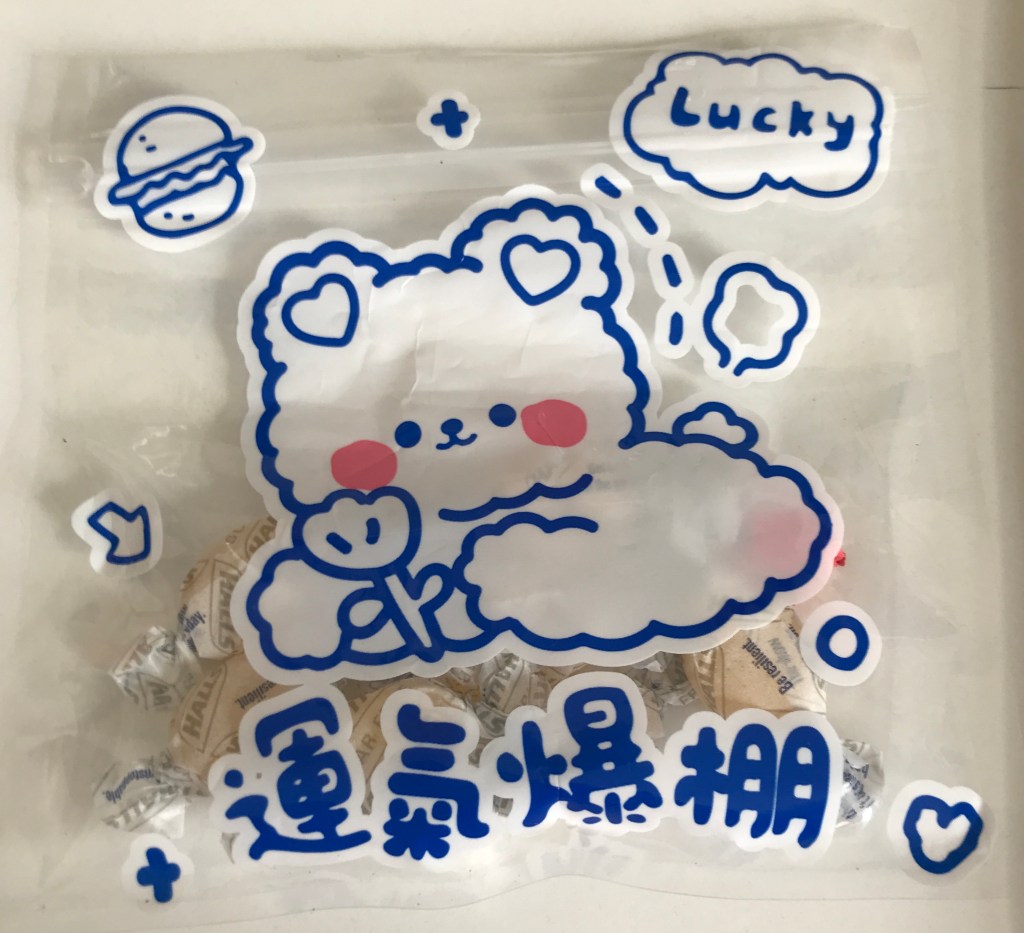
Thank you Top Cat Ruby, thank you Captain Mina … and not forgetting my irreplaceable TA Ms Huong, and her present:
However, Ms Huong probably gave me these to shut me up ! Regardless, thank you all so much.
The House of Gesundheit opened its doors. Before long, a parent charged in, dragging a sickly child. The Doctor of Gesundheit examined the child, increasingly concerned with the findings.
“I must conduct further tests,” the professional explained.
“Ah, no problem, my child always passes tests,” the self-assured reply, with a pat on the money bag.
As the doctor suspected, the poor child had cancer, but it was at an early stage. Help was available, a full recovery was expected.
“Ah, no, no, no, no, no, no,” the parent countered, “the hair will fall out, children at school will laugh. I will not have my child laughed at, I will not have my child looking like an egg ! No, no, no, just give the child some pills, some medicine and all will be well. I know my child. I know my child much better than you do.”
The Doctor of Gesundheit protested, remonstrated, pleaded. The words fell on stony ground. So many pearls, such a large swine.
Eventually the doctor had to acquiesce. Parent and child walked away, victoriously.
Some months later the parent returned, bursting into the House of Gesundheit, screaming, ranting, pointing an accusing, accursing finger at the doctor.
“You killed my child. I brought my child to you for help. Instead … I bury my child. You killed my child. You are a terrible doctor, you are a murderer !”
The other patients heard this and got angry, they sided with the grieved parent and shouted abuse at the disgraced doctor.
The House of Gesundheit closed down.
The doctor abandoned medicine and looked for work from village to village.
In a small grave in a small graveyard lies a small child. Over the coming years, the graveyard grew bigger and bigger.
‘Tomorrow Never Knows’ by Lennon & McCartney. August 1966
Please Note: All photos are taken from Google Images or free photo sites, and are used for educational purposes only. No copyright infringement or offense is intended. If I have used your photo or image, and you wish me to remove it, just ask. This site is not monetized, I run it on my own dollar. Thank you.
A quick shout-out to a great student, Ms Linh. Very briefly, I teach a 90-minute speaking class; the work is prepared form me, I just have to deliver the lesson, and check for pronunciation, intonation and stress.
Now, although the students choose which lessons and subjects to attend, they can find the subject rather tedious, the work repetitive and therefore, they get bored and when students get bored, they may project their annoyances onto the teacher, such as mumbling or whispering a response, yawning and sighing (loudly), avoiding eye contact or outright refusing to answer.
I had such a situation last night, a miserable wet Monday. I’m supposed to make the students repeat the target language until they can pronounce it perfectly … but it just wasn’t happening.
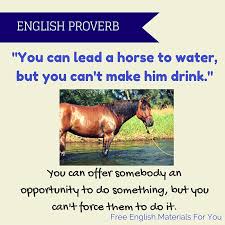
You can lead a horse to water but you can’t make it drink
Eventually, like pulling hen’s teeth, the class began talking more and trying to use the new expressions I had offered them.
At the end of the class, while some students couldn’t wait to split, one or two came up and were complimentary. The aforementioned Ms Linh said that although the subject was less than fascinating, she could see that I was really trying to make it interesting.
That was such a lovely thing to say, so now I say to you, Ms Linh:
Today’s theme is the use … the correct use … of discourse markers.
Furthermore, speakers MUST NOT say ‘like’ or ‘kinda’.
It is a pet peeve of mine to hear people interrupt the flow of a conversation with the unnecessary and incredibly irritating application of the word ‘like’ as a … totally incorrect … discourse marker [or discourse particle]. To illustrate, at a previous centre, a centre with a very prestigious reputation, I heard some US teachers say the following:
“I went out last night and had, like, two beers.”
“Are you looking for, like, an apartment
This filters down to the students, some of whom deliberately say ‘like’, because they think it makes them sound American and cool. I correct that misconception; it makes them sound that they are unable to complete a simple sentence. When I notice this as a problem, I tell the student to listen to themselves and count how many times they use ‘like’ erroneously.
And so, to work …
Practice how to speak fluently and with the correct use of linking words. For example:
however // having said that // although
firstly // following that // after that // and then finally
Just a minute
Students must speak for a minute with no deviation, hesitation or repetition.
Students can select a subject and then ask another student or team to speak for a minutes. Otherwise, choices could be:
books // local food // foreign food // clothes shopping // music // siblings //
Speaking Test
You meet a fellow traveller at the airport when your flight is delayed. Make small talk conversation including idioms and expressions.
To make this more of a competition, award two points for every idiom, one for every expression, and additional points for discourse markers.
Topics can be:
Talk about the flight. How bad the airline is, frequently late. Do they fly often ?
Introduce yourself. Why are they flying ? Business or pleasure ?
Ask about work – do they like it ? Where do they work ?
Ask about family … but not too personal
Ask about where they live
REMEMBER to react, and to use stress and intonation.
Oh, really // how interesting // tell me more // where is that exactly ? // Oh, right // Me too ! // I had a similar experience //
Conversation practice
You have plans to go to a new restaurant but one of you can’t make it because something turned up. Apologise and give the reason why you must change the plan. Offer alternative suggestions.
Example:
Hello, Sharma ? I’m so sorry, I can’t make it tonight.
Sharma will ask why. Give your reason
Have to work late // family member is ill // have an exam tomorrow // missed bus // not feeling well // have to attend a family event //
Activity 2
In the UK we try to hide our emotions, keep a stiff upper lip, but sometimes people can get angry. Repeat the exercise, but this time, the person waiting is in a bad mood.
Now the person waiting does not accept your excuse.
This the the third time you’ve cancelled ! // I’ve already been waiting 30 minutes // You only tell me NOW ! // I don’t care, get here now or never call me again ! //
How could you apologise and offer to make it up to her ?
As I constantly inform my students, IELTS is not a typical English class … it is IELTS English by which I mean, students have to demonstrate a command of the language that includes a wide range of vocabulary, the confidence to speak fluently, the correct stress and intonation to keep your listener engaged, the ability to form complex sentences and link them with appropriate discourse markers. Additionally, a knowledge of how English is REALLY spoken, to wit, sounding like the student has been interacting with real native-speakers, not merely repeating verbatim from a text book, is a must.
Piece of cake, no ? (an English idiom – you will need to learn some basic expressions, phrases and idioms to make your spoken language more natural and interesting).
OK, let’s break it down. IELTS requires a lot of work, study and practice. Students that come to my class expecting to kick back and be entertained are in for a shock, and then some. As such, I will not be defining the idioms I employ in this blog, e.g. Piece of cake – YOU will have to look them up yourself.
Don’t worry, young lady, I’m here to help you. Having said that, if you’ve been on a three-month course and you’ve left it to the last week to study … then you will probably fail, and deservedly so. Yes, life in the IELTS lane is tough, it’s dog eat dog (though ‘devour’ would be a more IELTS-friendly word than ‘eat’).
Where to start ?
OK, IELTS wants what they term ‘low-frequency’ words. Basically, look at your English; replace any basic adjective or verb or indeed noun, with a ‘better’ word, a word that would be used by the higher-educated native speaker. Your best tool here is a thesaurus of which there are many online, or downloadable for free.
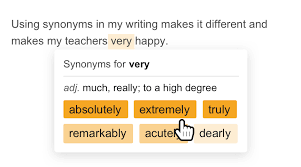
It works thus: Let’s start with a very basic adverb ‘very’. This is too simplistic for IELTS, so type in the word and click enter.
A number of words will appear. As above, the darker-shaded words are what the computer’s algorithm indicate would be more suitable, while giving additional options in lighter shades.
The proof of the pudding is in the eating – so let’s try it: rewrite these sentences using low-frequency words:
I think Bangkok a better destination than Chiang Mai
She bought a cheap bag
The film was good
Stage Two
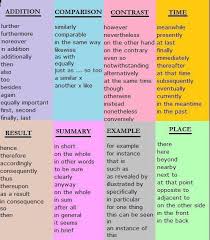
Linking ideas with discourse markers. I give all my students a print-out of common words and expressions that must be consulted and utilised. I hope that all my students take them home and study them religiously. Conversely they may use the paper to line the bottom of a bird cage. In all reality, the majority of students say, ‘Thank you,” have a glance, put said sheet in their bag and forget all about it. Consequently, several weeks later, the students are still resorting to ‘and’, ‘but’ with a possible ‘however’.
You can lead a horse to water but you can’t make the horse drink
Discourse Markers
I recommend my students learn at least two from each section.
Adverbs are incredibly powerful and so easily inserted into everyday text
I worked at another large and prestigious language centre, and had the pleasure of marking some essays by teenagers. From twelve pieces of ‘writing’, I found only ONE adverb.
Adverbs add information and interest to your language, but my students seem to avoid them like the plague. They may deign to insert a ‘very’ to please me … but it doesn’t ! I expect, nay, DEMAND more.
Without further ado
An example. IELTS will give students a very open-ended subject and then expect a well-constructed piece of writing, or fluent, coherent speech upon said subject, with no deviation, hesitation or repetition. It is a chance for the student to perform a solo, to demonstrate how much they have learnt and studied … or otherwise … generally it is ‘otherwise’.
Time for an anecdote. I was teaching one class, and endeavouring to give them ample opportunity to speak and practice English. Nobody spoke. If I selected some students, they would make an appalling act of not having heard the question, or to answer in a single word. Some students even began laughing that teacher was asking the class but nobody was responding. Hilarious … but he who laughs last, laughs longest. I decided this class was a waste of my time (because it WAS a waste of my time) and left them to their fate … CUT TO some weeks later, it’s the day of their speaking test … suddenly, they are running up to me for help, “What should I say ?”, “I don’t know what to do”, “I’m going to fail.” Temptation was to tellthem where to go ( that is an expression that does NOT imply direction !), but I gave them what help I could in the minute I could spare. Needless to say … most of the class were disappointed with their score, and no doubt, upon arrival at the family nest, were met were screams and derision. And no doubt they put the blame squarely where it belongs … on the foreign teacher !
The concluding line was an example of irony. I’m not going to tell you what irony is, look it up for yourself ! Do you want a fish or a fishing rod and knowledge of how to catch your own fish ?
So now, a fairly run-of-the mill IELTS question:
Tell me about your favourite gadget
This piece is, as one would expect, quite lengthy and jam-packed with information and detail. I don’t expect you to write or speak at this level … but I expect you to TRY.
As you read, look out for:
Low-frequency words
adverbs
adjectives
discourse markers
complex sentences (sentences which coney more than one piece of information)
expressions, phrases and idioms
THEN – practice reading aloud. Not just once and, “Teacher, finished,” but again … and again … and again. Yes, this is not entertainment but it WILL help you get the score you want from IELTS
My Kindle
One of my favourite electronic devices is my Kindle, an ebook reader, which is small and light. I always take it with me when I travel; I’d be lost without it.
The Kindle is primarily a way to buy, store and read books in electronic format. At first, I wasn’t convinced; I liked reading real books. However, books take up a lot of space and, at least in the UK, are rather expensive. When I saw what a Kindle can do, and that so many books are free, I was hooked ! I had to get one. I bought my device in 2014 and I’m still using it today.
As mentioned, I use my Kindle for reading. Literature, including poetry, is one of my passions. Instead of going to a shop, I just browse the online store, click and wait for it to download. With reasonable wifi, this can just take a minute or so … then I can start reading. It is no surprise that ebooks are ubiquitous in the UK.
Although I read a lot, the Kindle is more than just an ebook. It has wifi so I can access the internet, can play music, write notes and play games.
The wifi is vital, especially when I travel. I can maintain contact with friends and family, watch YouTube if the hotel TV is less than enthralling, or read travel guides such as Trip Advisor. Naturally, I can also book tickets or make reservations and therefore pay significantly less.
I recently travelled to Thailand to meet some friends. I didn’t want to buy a new SIM card, and my friend only had an old phone, so there was a dilemma; how to stay in touch ? Thanks to my Kindle, I had email access, so we could plan when and where to meet.
I can’t watch Vietnamese TV, due to the language barrier. Consequently, the Kindle plays an even bigger part of my life, as I need some way to relax after toiling away for hours at work.
The choice of books is amazing. In the stores, a single book can cost around £10, but recently I downloaded the entire output of the Russian write Tolstoy for less than £1.50 … incredible !
Kindles come in many shapes and sizes, so before you buy, you need to ascertain how you’ll be using it. For example, do you want a basic ebook reader, just for books, or the latest model with wifi ? This will, naturally, affect the cost. Then you have to decide upon the extras, for example how much storage space do you require, or a super-fast charger or protective case ? All of these bump the price up considerably.
If you’re interested in purchasing one, I have some information for you. I did a quick Google search and saw prices started at under 2 million VND, averaged around 5 million, but some were over 15 million. That, for me, is too extravagant.
In conclusion, my Kindle is very much a part of my life. It accompanies me everywhere. I simply don’t know what I would do without it.
Now … YOUR TURN
Write a piece about YOUR favourite gadget, using the above as a model
Best of British to you
Please Note: All photos are taken from Google Images or free photo sites, and are used for educational purposes only. No copyright infringement or offense is intended. If I have used your photo or image, and you wish me to remove it, just ask. This site is not monetized, I run it on my own dollar. Thank you.
Objectives: increase vocabulary and sentence building skills. Encourage more talking, especially between students, using target language.
Warm up: Just to get the student’s settled in (and to allow for students arriving up to an hour late) and to help them build longer sentences. Compare the following:
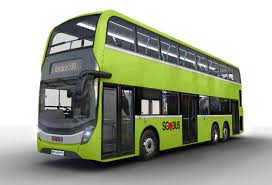
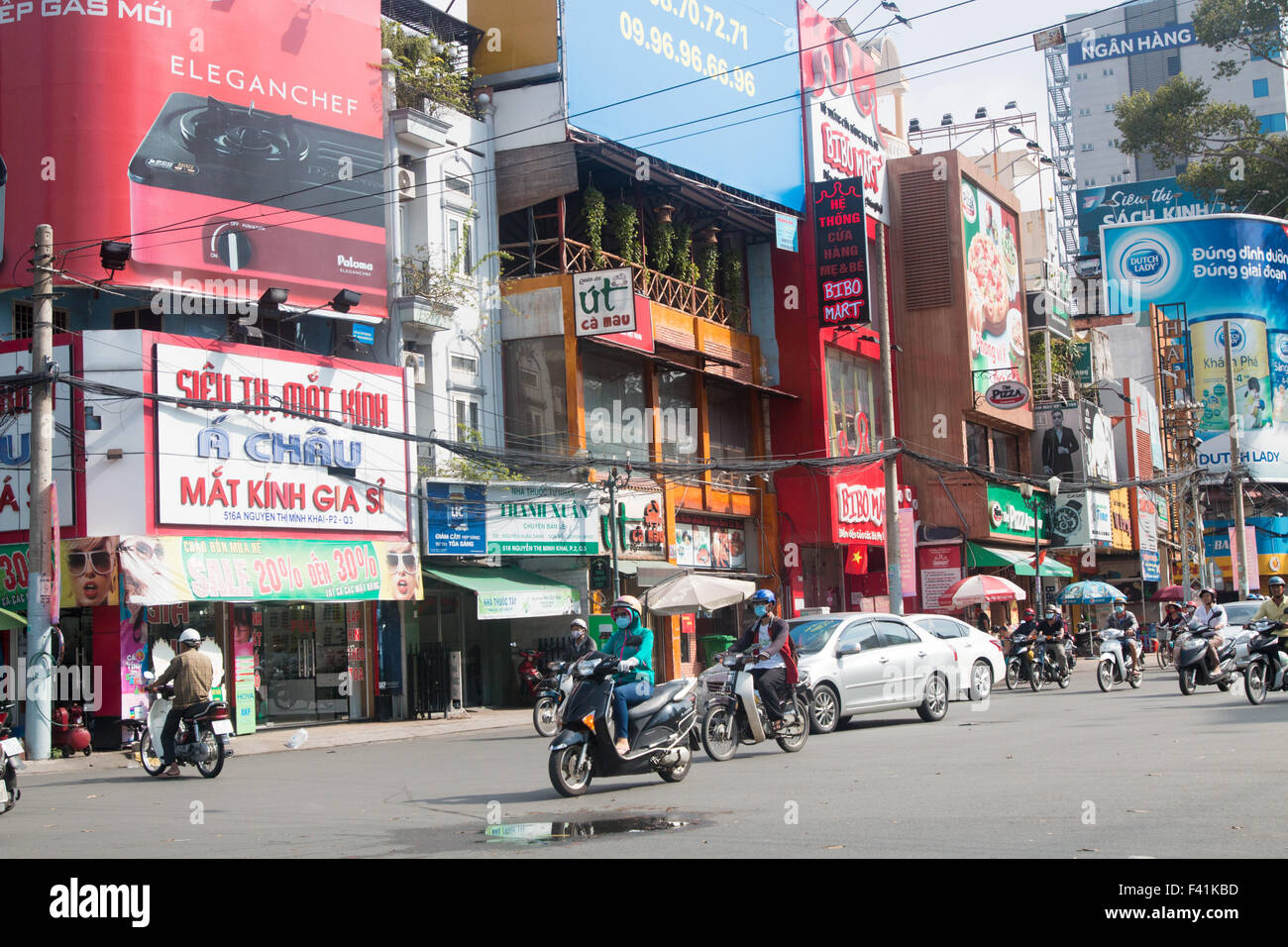
We have two public transport vehicles, two buses. The first is from Singapore, the second from Sai Gon.
EXAMPLE: The bus from Singapore is cleaner than the Sai Gon bus.
To extend this, using a relative clause:
The first bus, which is from Singapore, is cleaner than the second bus, which is from HCM City.
To further extend, using relative clauses and discourse markers:
The first bus is from Singapore, which is known for its cleanliness, and is the most attractive as well as looking the most modern of the two. Having said that, buses in HCM City, despite being somewhat dirty, are remarkably cheap, just 2 000 VND for students, 6 000 for adults.
Try making complex sentences from these pairs of images:
Winter in Scotland
December on the streets of Sai Gon
Playing chess
Harrods food hall
Street food, Sai Gon
Now compare these two songs: The former (first) is British from the 1980s. The band is The Specials, the song is called ‘Stereotypes’, the latter (last) is a modern pop song from Vietnam.
And that leads us into tonight’s theme: stereotypes. This means having an idea what people will be like because of where they are from, how they look, how they speak etc.
EXAMPLE: what do you think of this man:
What do you think of him – how he looks, how he’s dressed. What job do you think he does – does he even have a job ? Where does he live ? Is he, in fact, homeless and sleeps on the street ?
The answer …
He is music legend and Noble-prize winning writer and poet Bob Dylan
Discuss these stereotypes (noun) and stereotypical (adjective) images:
All Vietnamese men are lazy and constantly smoke
All Asian children are excellent at maths
All woman are obsessed (absolutely love) shoppingAll People from USA are obese (too fat) and talk too much and too loudlyAll English people drink tea … ALL the time
To what extent do you agree ?
I agree / I agree 100% / I agree to an extent / There may be some truth there /
I disagree / I totally disagree / That is very unfair / That is offensive /
That’s just a stereotype / I know for a fact that isn’t true !
Try to explain in full sentences giving reasons and using discourse markers.
Quick fire: In groups, discuss; what do you think of when I say:
Made in China
Thailand
People in Hanoi
Apple iPhones
What do you think of this image ? Does it represent the real Vietnam, or is it just to attract tourists ?
For Saturday 6th July 2019. Everybody Up 3 (U 1, L 3); Everybody Up 2 (U 1, L2)
LEVEL 3
Unscramble and find
To review recent vocabulary, board the following:
ocprpno / toopat shicp / repepp / bagbcae / traew
Around the room stick some flash cards. In twos, students have to unscramble the word, then find the flashcard and stick it on the board, saying the word loudly and clearly. For the last one, there is no card, so the students will have to find some ‘traew’.
Word snap
Students put into small groups and given a board and marker. They have to write five items from the first lessons. They then ask another group, “Do you need (onion, carrot etc) ?”. The answer must be a sentence, “Yes, we do,” or, “No, we don’t.” The first team to guess all five items is the winner. For my class of 15, we can have four teams.
Vocabulary Review
From last week: Give me a word or phrase that means:
A lot, very much or many
Great
Two adverbs (HCM is hot / HCM is ___ hot)
A person who watches to make sure nothing bad happens
Run and write relay
Students, in teams, have to run to the board and write these words, one word per student. First student runs, writes then runs to the second student who has to be seated.
Vegetable or snack ?
Select a top student; that person becomes teacher and reads out various food items. Class must put hands up and say whether it’s a vegetable or a snack.
E.g. chocolate / carrot / potato / potato chips / soda / tomato / popcorn / corn / banana etc
Can change student-teacher. This also helps to break the usual teacher – student dynamic, and allows the students to spend more time speaking to each other in English.
After, we have a lot of prepared work today including a listening test and extended book work. Hopefully, there will be activities left over, for me to use in the next lesson.
LEVEL 2
This is a new class so I don’t know if it’s going to be good or a nightmare. In my experience, levels 1 & 2 are at least 50% classroom management and trying to control the students; the teaching is incidental and slipped in between shouting at students to sit down, stop talking, stop fighting etc …
Board: He is = he’s / She is = She’s / It is = It’s
Warm up: Mingle – get the students to walk around and ask each other their names:
“What’s your name ?” “My name is …. ” or “I’m ……”
Review: Flashcards from previous lesson.
Show a card and ask the students if they are … happy, sad, hungry etc. Answer to be in a sentence (“Yes, I am”, “No, I’m not”).
Run ‘n’ write: Show a card and say, “I am …” Students, in teams, one against each other, must write on the board, then slap the board and say the word loudly.
Pre – teach: Yes, he is / No, she isn’t
Using the same Lesson 1 flashcards, ask question, eliciting either a positive or negative answer which has to be in the above form, not simply ‘yes’ or ‘no’.
Book Work: Introduce new vocabulary
Sticky Ball
Quick, kinetic game. Put various flashcards on the board and the students, in two teams, have to aim for the correct picture, one team telling the other, thus encouraging more inter-student communication.
Charades. Select some top students. Show them an emotion flashcard, and they have to act it.
Book work, song and work book. Prepare handouts for fast finishers.
These are the notes for my new Level 1 class, early Saturday morning (16th March)
A clip from the ‘Parklife’ video by British band Blur. This shows a typical ice-cream van and terraced houses so common in the UK.
For this lesson, I’d like to try something ‘new’, an idea to really drill grammar at an early age so that it, hopefully, sticks and stays with the students. So first, the lesson objectives:
Theme: parks and nature vocabulary.
What can you see ? I see a flower (singular) I see flowers (plural)
Grammar: the verb ‘to have’
Warm up: Students normally arrive up to fifteen minutes late, so the first ten minutes of a lesson are spent on simple activities that will not be affected by the constant interruptions. At this level, two easy games are ‘Teacher says’ and ‘Musical Statues’.
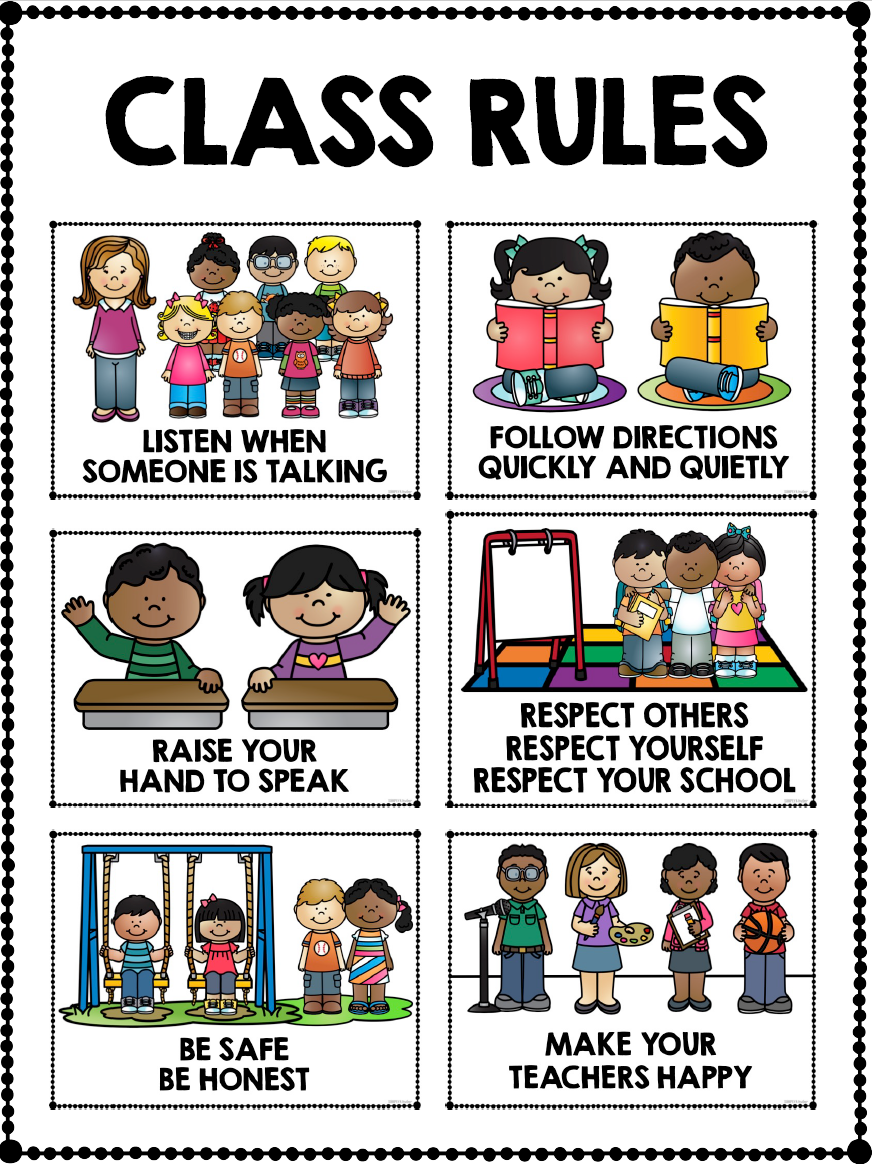
Class rules: This is my first time with these students, and I need to make a balance between a happy learning environment and a controlled working classroom. Easier said than done ! My experience in Vietnam tells me that this is a long-term goal. That notwithstanding, some basic rules, which the students will hear and repeat are:
English only
No fighting
Listen to teacher and to others when they speak
Raise your hand if you want to speak, leave the room, drink water
Sit nicely in your chair
No shouting
Revision games: After the rules, I’ll do some games with the purpose of reinforcing vocabulary from previous lessons. They have learnt some food words, and to say ‘I like’ or ‘I don’t like.’ I’ll put some flash cards of food around the room, ask for two students, then make them search for a certain card e.g.
“Where is … chicken ?”
They must find the card, then bring it to me, saying:
“Here you are,” to which I reply, “Thank you.”
One activity I like is to make the students ask each other questions in English. Thus, a student can hold up a card and ask, “What is it ?” (Normally the students, who shout their sweet little heads off in Vietnamese, can only manage a hint of a whisper in English). The answer has to be in the form of “It’s a …” and not just the single noun word shouted out, so “It’s a fish,” and not just “Fish !”
The students have to place the card on the whiteboard in one of two columns, either ‘I like it’ or ‘I don’t like it,’ then say it out loud. As you can see, making the students speak in English as much as possible is the aim.
I then need to asses their command of the alphabet. I expect that most will not be able to recite the whole ABC, so we’ll have a run and write game. Depending on the class size, I’ll have two or three teams running to the board and writing a different letter. For example Team one will write ‘A’, Team two ‘B’, Team three ‘C’, then Team one write ‘D’ and so on. this should be a fast game, and every member of the class will have to take part at least once. And then, onto grammar.
Over the decades, English teaching has moved away from grammar-based learning (conjugating verbs ad nauseam) to minimal grammar and more speaking. I’ve noticed that so many students, even after studying for years, STILL make basic mistakes with grammar. Therefore, I’m going old school:
With the TAs help, I’ll drill the verb ‘to have’:
I have you have he has she has we have they have
Tôi có / bạn có /  anh ấy có /  Cô bé có  /
chúng ta có  / họ có
The verb ‘to have’ is one of the most useful, and after the drilling, we will put it into practice. The class have learnt (and hopefully remembered) some classroom items (ruler, pen, pencil, etc). I’ll give cards to some students and they must say, “I have a ruler, you have a pen.” After, I’ll ask some students to the front. They will hold cards and I will ask, “What does he have ?” and I will drill and repeat until the class is comfortable with “He has a …’ or ‘She has a ….”
The TA here will need to translate the verb ‘does’ as they may not have learnt it. However, by repeating the verb in a short simple question, they should acquire the meaning.
Then onto the book work. There are six words to learn:
flower, tree, rock, river, lake and hill.
After the students have seen the flash cards and repeated them, we need to see if they can name them correctly. After the drilling, a kinetic activity is a good idea, to get them up from their chairs and be lively. Team games are always good. Here, I can board the six flash cards and students have to throw a sticky ball and try to hit the picture. To make it more of a learning experience, the opposing team has to say what picture to hit. Thus, the students are speaking to each other, repeating the key vocabulary and acquiring new verbs (throw, aim) and expressions (well done, bad luck, excellent).
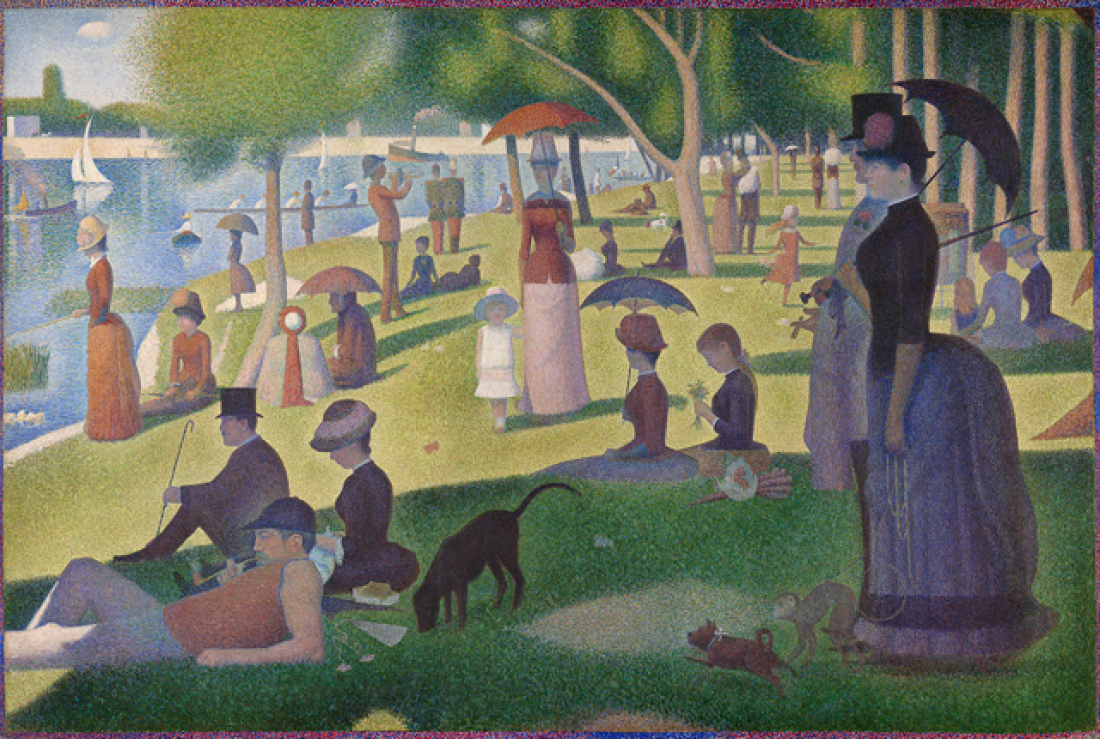
Now it’s the lesson and some culture. Our theme is ‘The Park’ and here is a very famous painting:
‘A Sunday on La Grande Jatte’ by Georges Seurat 1884
We can use this to illustrate plurals. In the painting there are two dogs. I will then stress the key question in this lesson:
What can you see ?
I see a monkey. I see dogs or even I see two dogs. How many boats, how many umbrellas, how many trees, how many lakes ?
And then, as in days of yore, back to grammar and conjugating the verb ‘to have’.
This could be seen as old-fashioned, will probably be seen as boring but, if it works, if students automatically say the correct verb, it will be worth it. We shall see.















:max_bytes(150000):strip_icc()/dv2015029-56a136155f9b58b7d0bd0d71.jpg)






 Thay Paul's Notes