Class will be arranged in four small groups and they will be assigned a city. The students have an hour to collect information, produce a short journal (with maps, photos, illustrations etc) and present to the class.
The destinations are:

London, Barcelona, Seoul & Rio de Janeiro
I shall provide some photo printouts for their covers.
The journal must include:
When to go // an itinerary // a famous museum or building // how the students got there
London: best time to go is in Spring // British Museum is free -Open daily 10.00 am – 5.00 pm // Take the Tube (subway) to Holborn // Hamleys Toy Shop – Open 11.00 – 5.00 // Take the 25 bus and walk down Regent Street.
Barcelona: Best time is May – June // Gaudi Church (Sagrada Familia) Open 9.00 – 7.00 pm // Take Metro Line 2 (subway) // Have a picnic in Gaudi park (Parc Güell) – Open 9.30 – 7.00 pm) -get there by taxi // At night walk along the famous street Las Ramblas and walk around the old town centre
Seoul: Best time is summer // Seoul Tower – take bus number 2 – Open 10.00 – 11.00 pm // Traditional village – take a taxi. // Walk around, visit small museums and try traditional food // At night, walk along city creek and try Korean street food.
Cheonggyecheon Stream in central Seoul
Rio de Janeiro: best time is February, for the Festival // Walk there from your hotel // Visit the Christ statue – take a taxi but go early morning. // Go to the beach at Ipanema – take the Metro Rio (Subway) // Try amazing Brazilian food like crazy beef or foot bug ! //
A database of subject and where to find them on this blog. Many of the categories are really for my own reference, but general readers may be interested in general topics such as Grammar, Writing, Listening, IELTS etc.
Thank you to everyone who has visited my site; it’s really appreciated.
A step up in the musical education of my younglings. After teaching them to say … to scream, “I feel good,” a la James Brown (because I cannot stand the pre-programmed, “I’m fine,”) we’re moving on to one of my favourite bands: The Smiths. This song has a reference to clothing albeit in rather high-level English. However, the motivated students, with repetition, can absorb so much and really boost their vocabulary. So, without further ado … The Smiths with ‘This Charming Man’ : https://www.youtube.com/watch?v=cJRP3LRcUFg
The lines in question start at 0:45 – 0:51
“I would go out tonight but I haven’t got a stitch to wear.”
This means that the singer doesn’t has any nice clothes to go out or has no money to buy new clothes
Play the song and the younglings have to shout out every time they hear the lyrics.
A major problem for students is pronunciation and also, in some classes, it can be rather tricky to get the students talking. Obviously, many learners are scared of mispronouncing and ‘losing face’ by their mistake.
This activity helps with both issues.
Arrange the class in small groups and hand each member an card. The students have to read out the information, while the other write down what they hear. Many of my students feel that work is something to be done as quickly as possible, but that will not work in this situation.
Instead, the other team members will need to check what is being said. This encourages slow, clear and careful pronunciation. To assist, use expressions such as:
Can you speak slower, please.
Would you mind speaking slower, please.
How do you spell that ?
Could you repeat that, please.
Sorry, I didn’t catch the phone number.
Let me confirm …
Is that ‘b’ as in blue or ‘p’ as in pink ?
Teachers: adapt to suit the level of your class. Add email address, specific requests etc
NB: all images are taken from Google searches, (including ‘royalty-free images’) and the information is purely fictitious. As I have readers from around the world, I wish to reflect this diversity in the photos.
These blogs are for education use, and are not monetised. No copyright infringement or personal offense is intended at all.
If I have included your image, please accept my sincere apologies, and I shall remove the picture.
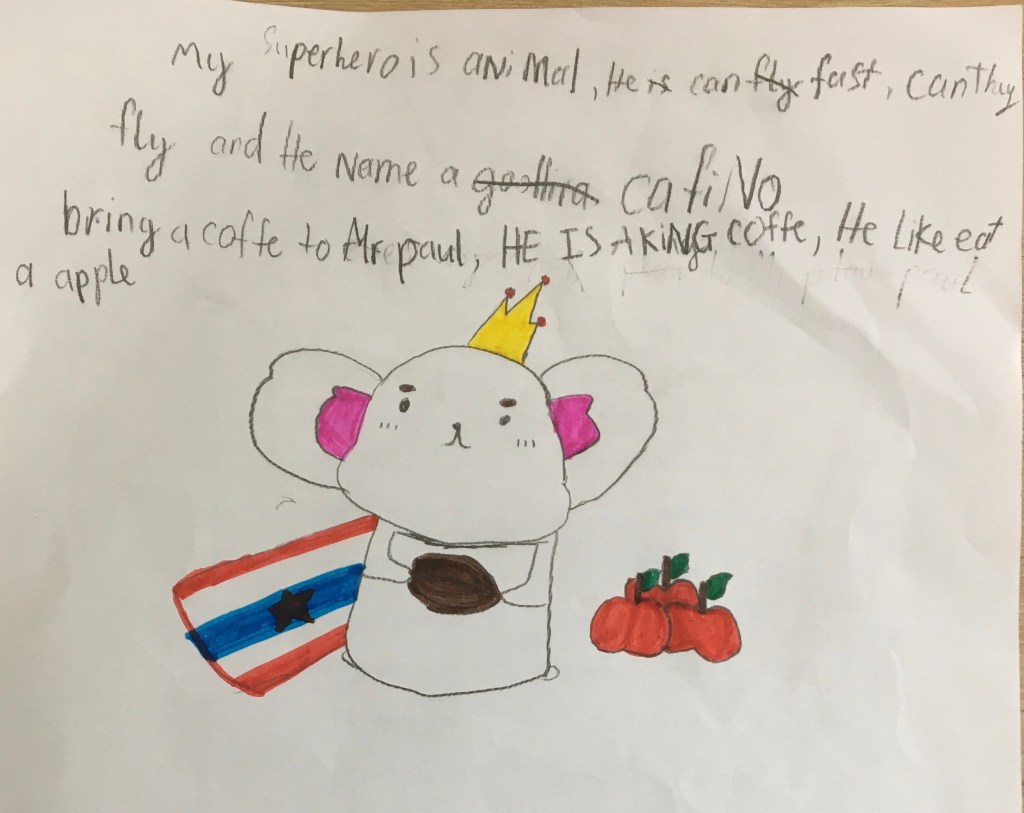
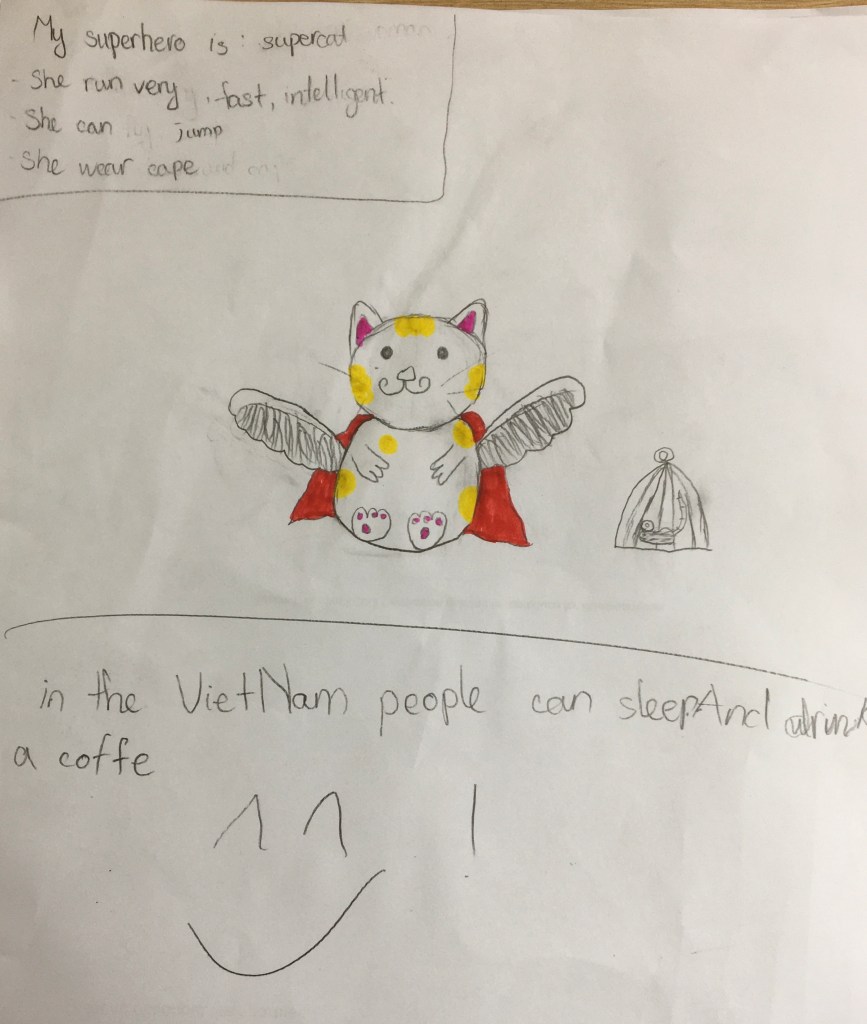
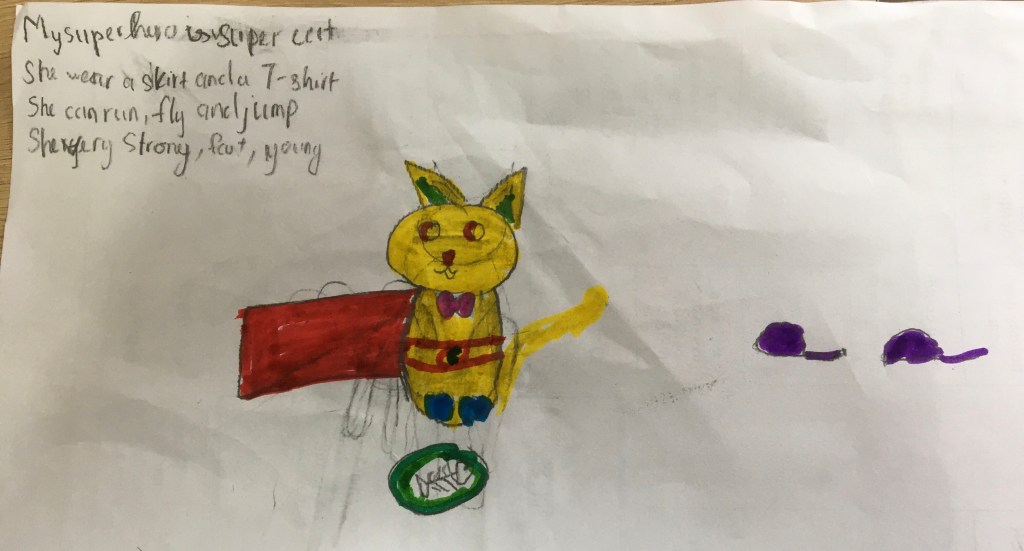
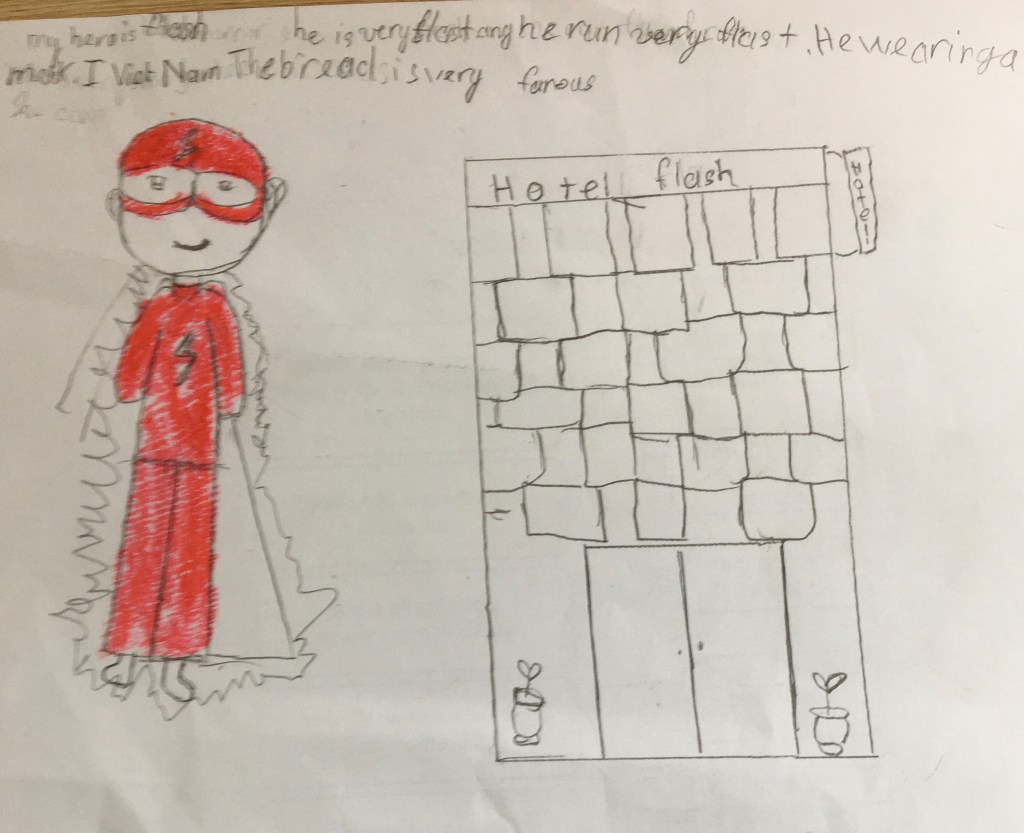
Objectives: review recent vocabulary, encourage more student-to-student talking, develop sentence building skills, practice the third person form with ‘he’ & ‘she.’
It’s early Sunday morning, so time to wake with Mr James Brown. Younglings … how do you feel ?
Tell me about these people. He is or she is …
She is ……….He is ……
He is very …..
She is very ….
The top cats are able to form basic sentences such as:
I can run however I can’t fly
New vocabulary included the five sense
s _ _ // h – – – // s – – – – // t – – – – // t o – – – //
Warm Up: What can he or she do ?
Ask your partner what he or she can do
What can you do ? What can’t you do ?
Here, my wonderful TA will ask me, then tell the class, in order to model how to answer
Ask Thay Paul – what can you do ?
I can play guitar however I can’t play piano
Tell the class:
He can play guitar however he can’t play piano
Next – using the new vocabulary in a sentence form. What can he or she do and what can’t they do ?
Example:
She can see a butterfly however she can’t hear a butterfly.
She can touch a butterfly however she can’t taste a butterfly.
She can __________ a pizza however she can’t __________ a pizza
He can ________ a guitar __________________________