Read this excerpt from a travel blog. How many adjectives can you see ?
This is my first visit to Turkey. It’s a wonderful place ! The people are friendly and the meals are delicious. Farmers here grow many different crops including many kinds of fruit. They also grow a lot of wheat, and the bread in Turkey is really good. Of course, the geography and climate in different parts of Turkey affect the kind of food farmers can produce in each region. In central Anatolia, the land is almost flat, and the weather is usually warm and dry. It’s a good place to grow crops and to raise animals such as cattle and sheep. High up in the mountains of eastern Turkey, farmers also keep animals as they can’t grow crops. Today, I’m visiting the coast of the Mediterranean Sea in southern Turkey. The weather here is hot and humid, but the fish and seafood are excellent.
features of a place, such as mountains, rivers, forest, desert
air with a lot of water in it
normal weather in a certain area
Turkish food
Welcome to Turkey
Grammar practice: past tense
Tell about your favourite, or more memorable holiday (UK English). You will have to use the past tense. Try to use adverbs and adjectives to describe the vacation (US English).
Activity:
Present a holiday using a mixture of advertising slogans and practical information. Remember:
It’s not what you say, it’s how you say it
Make your voice sound excited, as if this were the best holiday ever !
once in a lifetime experience / never to be forgotten / unbeatable prices
book now to avoid disappointment / best decision you’ll ever make
holidays to suit all budgets , from 7* luxury to backpacking
Structure:
To begin with / furthermore … additionally / the fact is … / therefore
Demonstration with an advert for London:
Now is the perfect time to visit London, England’s glorious capital.
To begin with, the weather is perfect for walking, so you can enjoy the lush parks, world-famous museums and incredible, unbelievable shops.
Furthermore, there is something for everyone … and more ! Like sports ? Go to one of the many Premier League football games. Love shopping ?
The fact is, everything is here – shop till you drop !
Additionally, if you adore culture – soak up hundreds of years of history.
Flights from TSN airport daily. Seven-day all-inclusive package tour starting from only 50m VND ! All transfers and transport included. Air-conditioned mini bus with Vietnamese-speaking guide.
Therefore, don’t delay … book TODAY !
Sell a holiday
Advertising vocabulary and intonation
Prepare a presentation to market / sell a holiday.
New vocabulary:
sensational / once in a lifetime / luxury / all-inclusive / unforgettable experience / mysterious / majestic / breathtaking
book now to avoid disappointment / exhilarating / world-famous
local food / new cultures / visit our website / worth every penny
fun for all the family/ the perfect getaway /
Plan a tour of your city for my friend
My friend Ethan is coming to visit your hometown
It is his first time in your hometown. He likes history, traditional food, and he wants to buy souvenirs.
Think about:
What time to start
What to do first
Where to go (remember the heat OR the rain could be an issue / a problem).
Irregular verbs are all different. A lot of common verbs are irregular:
have /had // do / did // say / said // be / was/were// go / went // get / got // make / made // take / took
Here are 7 verbs in the PRESENT.
Choose the correct verb AND use it in the correct tense.
teach / live / go / see / drink / am / have
Ms Ha (1) …….. drinking tea yesterday
when she (2) ……. an idea.
I haven’t (3) …….. my neighbours how to drink tea. I am sure they will be happy.
They have not (4) …… to the UK yet.
I have (5) …. in many cities in England.
Now I am in Viet Nam. I have (6) …. many wonderful sights,
but I have never (7) …… a cup of good, English tea.
Grammar – verb practice
Here’s the 15 most common:
infinite / present / past /past participle (verb 3)
1 to be / / am // was /been
you are / / were / been
2 to have / / have / had / had
3 to do // do / did /done
4 to say // say / said / said
5 to go //go / went / gone
6 to get // get / got / gotten
7 to make //make / made / made
8 to know // know / knew /known
9 to think // think / thought / thought
10 to take // take / took / taken
11 to see // see / saw / seen
12 to come // come / came / come
13 to want // want / wanted /wanted
14 to use // use / used / used
15 to find // find / found / found
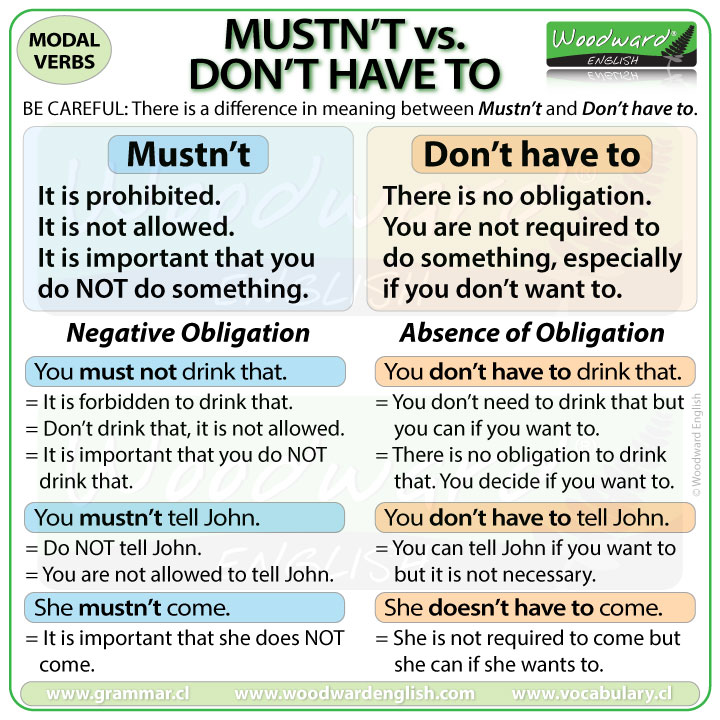
Grammar: must or have to ? mustn’t or don’t have to
must or have to ? don’t have to or mustn’t
have to = other people tell you // must = your decision
don’t have to = not necessary // mustn’t = is forbidden
You have to have a degree in order to be an engineer
I must stop eating at Lotteria (an Asian fast-food chain like McDonalds) !
You don’t have to bring any beer to the party.
You mustn’t run a red light or use your mobile phone on your motorbike.
The new James Bond film may be sold out.We ______ buy tickets NOW !
I hate parties ! Do I _____ go ?
You _______ eat too much popcorn; it’s bad for you.
You ________ be over 18 to see this film
You don’t ____ bring your passport to get intoa cinema in Viet Nam.
Answers: must / have to / mustn’t / have to / have to
Grammar: Phrasal verbs
Phrasal Verbsand collocations
Put
up with / the fire out / up / on a happy face
it in your own words / up or shut up !/ it away / it another way
Get
well soon / over it ! / on with it / away with murder / on the bus
back to work ! / with the program (US) / some fresh air
Complete the sentences:
She looks so sweet but she never does her job ! She gets …….. at work,
Come on, cheer up ! Put ……. and smile.
If you are so good, you do it ! Put ………..
We are all going to work on the new project together, so get …….. or get a new job !
She is not the thinnest lady in the world. OK, let me put ………. she’s fat !
Stop playing and do your homework. Get ……….
His Thai girlfriend left him. He needs to get ……….
Answers:
she gets away with murder (is allowed to do bad things) // put on a happy face // put up or shut up (don’t just talk about it – do it OR stop talking) // get with the program (do what everyone wants to do) // put it another way (to say something differently) // get back to work // get over it (stop being sad, and forget the past).
Sentence building
Linking words: and / as well as / and also / along with
These link positives sentences:
I like tea as well as coffee He plays football and also badminton.
How are they dressed ? How do they look (emotions) ?
Example
Tesco Lotus is quite cheap and also has a great choice.
but / however / having said that / on the other hand
These link positives to negatives / negatives to positives:
Jet Mart is convenient. Having said that, it is (it’s) extremely expensive.
Czech beer is fantastic quality, however it’s not easy to find in Sai Gon.
‘therefore’ is a conclusion word:
The Spanish supplier is reasonable (so-so) quality, but more expensive. Therefore, we will use the German supplier in future.
Photo descriptions
These can be a great way to encourage students to speak and build longer sentences and therefore become more confident in speaking and using English.
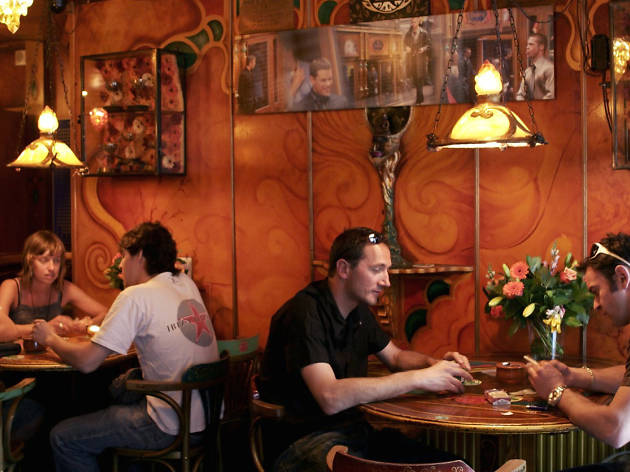
Describe what you see in this photo. Use as many adjectives as you can.
Subject first – Do not use a pronoun (he / she / they) Say what you see.
Where are they ? What are they doing ? What do they look like ?
How are they dressed ? How do they look (emotions) ?
What do you think they are talking about ?
Example
I see two young ladies … now try to add more adjectives:
I see two beautiful young Asian ladies. One has very long, straight brown hair. Her friend has medium brown hair, a little wavy.
The lady on the left has a white dress with flowers. The lady on the right wears a blue cotton dress.
Now what are they doing – use continuous verbs – verb + ing
They are talking, laughing and drinking coffee. They are in a nice coffee shop. I see some bags, one yellow, one orange, so I think they like shopping.
Now – your turn. Describe these photos:
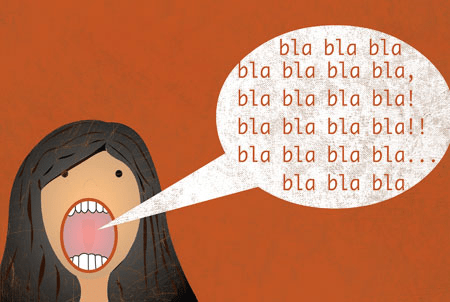
I see a very angry lady. She is …The lady likes to talk. She is …I see two young girls … maybe they are sisters …What do you see ? What are they doing ? Are they both happy ?What do you think about this ? How does it look ?
Listening:
I would normally read this aloud and then ask the students the questions. You can alter the speed, the natural chunking sounds, etc, to suit the ability of your class.
I usually go shopping once a week. I sometimes go to Big C but I like shopping at Mega Market. CitiMart is good but it’s a long way from my house. Mega Market is quite near my house so it’s easy to get there. It’s a big supermarket and it has everything I need, which is great. The best thing is that it’s not expensive so I can save money.
How often do I go shopping ? Where do I like shopping ? Why ?
What is the best thing about Mega Market ? Why don’t I go to Citimart ?
Vocabulary
Come/Go
Come is where you are NOW: Come here ! Go is for somewhere else: Go away !
I am in Vietnam so – I will goto Thailand, then comeback to Sai Gon.
Always ‘go to’ EXCEPT go home / go shopping / go swimming / go fishing
Kitchen items: What is it for ?
Look how native-speakers link words together:
What is a knife for ? What’s aknife for ? / Sounds like, ‘Whatsa kinffor ?’
A knife is for cutting meat and fish and also vegetables as well as fruit and, not forgetting, bread.
What is a spoon for ? Whatsa spoon for ?
A spoon’s for eating as well as stirring drinks and not forgetting cooking.
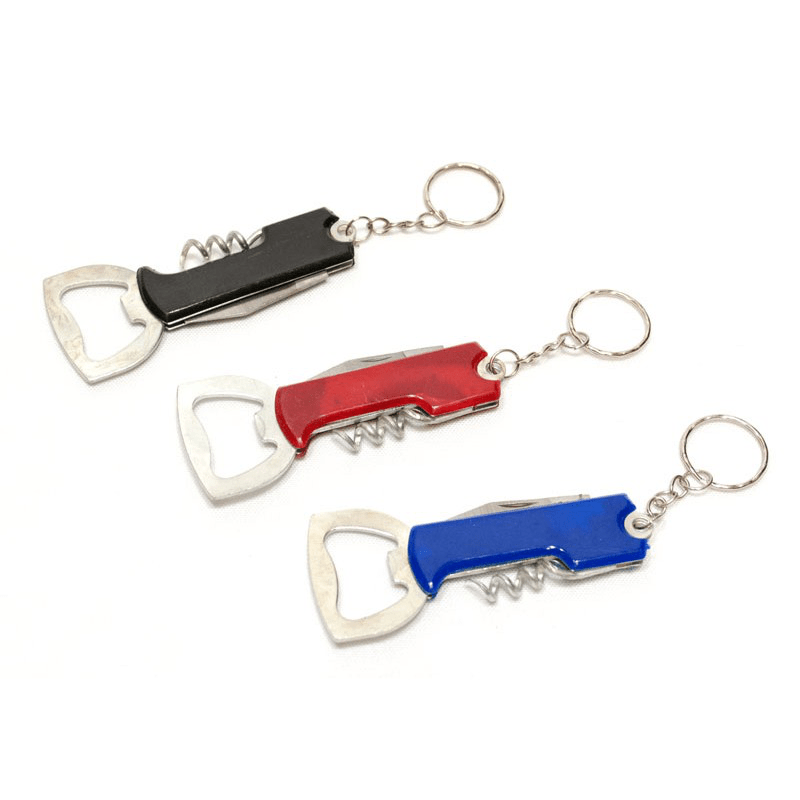
What are they for ? They are / they’re scissors (sis zerss) a pair of scissors
multi = many / multi-purpose = many uses
corkscrew / bottle opener / sharp / blunt
scissorsBottle openers, corkscrews and key-chains Potato peeler
Tom (to be) born in Sydney and (arrive) in Viet Nam in 2015. He (work) as an engineer in District 1 but (want) to work near his home in Go Vap. Last week, his wife (have) a party. Firstly, she (buy) a fancy new dress and shoes then (cut) her hair. She (dance) all night and we (hear) her singing. In the morning, she (catch) a plane and (fly) to Australia.
Grammar:Reflexive verbs:
Notice the reflexive verbs:
You may find yourself / you may ask yourself
What are they doing ?
He is shaving … /// She is looking at …
The man is teaching …… lip-readingThey are enjoying …
Past time expressions
Not for a long time / not recently / oh, I can’t recall it was so long ago
quite recently / fairly recently / about a month or so ago
last week / last month / last year / yesterday / just this morning
the day before yesterday / a fortnight ago / ages ago / I’ve never done that
Pronunciation Quiz
What words are being said ?
Cheese or cheers / Ship or sheep / close (the door) or close (near)
work or walk / heard or hurt / house or ours / open or a pen
Sentence Building &Speaking Subjects
laptops / holidays / engineering / travelling
motorbikes / family / living in your hometown / modern life / traditions
Introduction
1st point
2nd point
anecdote (personal story)
conclusion
Laptops are an incredibly useful piece of technology. They can be used for work, hobbies, music, and to stay in touch with friends.
I use my laptop every day. I plan lessons and use the internet to search for lesson notes, English language games and interesting video clips to show my students.
Because I live so far from my home country, I find the internet essential. I can maintain contact with friends and family by using: Skype, Facebook, Viber, Instagram … well, there are so many social media sites.
I like Apple; I know there are very expensive, but they seem to work so well. I rarely have a problem with my computer which is great because I know nothing about IT.
There was one issue I had in Vietnam. My plug snapped and I had to buy a new cable. I eventually found a store in Quan 3. I had to wait 30 minutes but finally a man came with an ‘Apple’ plug … and it was less than half the UK price.
To conclude, laptops are part of my life. I use them every day for work, relaxing and chatting with friends.
Tips: If you need time to think before answering, use one of the following phrases:
Let me think (about it)
How can I put it … ?
What’s the word … ?
What is happening ?
Make long sentences: what are the people doing, what are they wearing, what do they look like ? Then, why are they doing it ? What is the story ?
Speaking Practise:
Holiday in Canada
Ron and Sid are on holiday in Canada. They are hungry but it’s cold outside.
Ron Come on, there’s a KFC franchise nearby. I’m starving !
Sid Sounds good, let me get my coat … and hat and gloves and scarf.
Ron Yeah, it’s freezing outside. This is worse than Sapa.
Sid Tell me about it ! It takes me 10 minutes to put all these clothes on.
Ron They have shovelled the snow so the path is safe. Are you ready ?
Sid Ready ! I love staying here although it’s so cold.
Ron According to the news, this is the worst winter for 16 years.
Sid Let’s go. I need some hot chicken.
Ron And some damn fine coffee.
Note the expressions ‘this is worse than …’ & ‘according to’
It is cold in Sapa BUT it is much colder in Canada: This is worse than Sapa.
John said Peter was leaving: According to John, Peter was leaving.
Try these sentences:
It is noisy in New York but much nosier in Sai Gon: This is worse than New York !
Karaoke was loud on Friday but louder on Sunday:
The test was hard on Monday but much harder on Tuesday:
New Boss
Nick and Fred are discussing (talking about) their new boss
Nick Have you seen the new boss ? She looks very professional and a little scary.
Fred No, I have spoken to her. She’s quite friendly although a bit serious.
Nick I like her business suit. Is it a designer label ? It looks expensive.
Fred Maybe it’s French or Italian. I think she will be dependable.
Nick She can’t be worse than the old boss. He had a screw loose !
Fred He was a little arrogant and very bossy. And hard as nails.
Nick He was crazy. According to Jerry, he didn’t want to pay any bonuses.
Fred That’s why he got such a negative backlash. I’m glad he’s gone.
Nick Jerry and I are also very glad.
Reflexive verbs:
Sam Allow me to introduce myself. My name’s Sam and I’m Australian. Good day !
Pat Hi, Sam, nice to meet you. How did you get here ? By Uber or taxi ?
Sam No, mate, I drove myself. My wife and I always drive ourselves.
Pat Yeah, taxis are a luxury. Sorry, I’m Pat. Please help yourself to beer.
Sam I like the sound of that. Are you the one that wrote me the email ?
Pat Yeah. Sorry if my English is not perfect; I’m teaching myself.
Sam No problems, you speak well. Those people are really enjoying themselves.
Pat Of course, Vietnamese love free beer but we behave ourselves.
Sam Not me ! Last time I had too much, I fell down and hurt myself.
Pat Where’s your wife ? I think I saw her earlier ? She has blonde hair, right ?
Sam Nah, she’s a brunette. She’s out buying herself a new dress. And new shoes !
Pat I get it ! I do the working, my wife does the spending.
Symbols
Sid It’s so cold in Germany. Have you ever experienced snow or minus temperatures ?
Lyn No, never, I hate the cold. Hang on a minute … yes, I was in Sapa once.
Sid I’m going there once the schools break up. Are you going to the staff party ?
Lyn Possibly. What time do the festivities kick off ?
Sid Around seven I guess. What are those pictures ? Is it for a project ?
Lyn Yeah, exactly. I have to make a presentation about countries so I’m using symbols.
Sid OK, let’s see … I know three lions means England and the eagle represents USA
Lyn The hammer and sickle, of course, is Russia. Do you know the towers ?
Sid Malaysia. Kuala Lumpur. I was there on business once. Amazing food.
Lyn How about the other two ? The first one is a mythical creature.
Sid From Egypt, near the pyramids. Remind me of the name.
Lyn The Sphinx. She has a woman’s face, a lion’s body and an eagle’s tail.
Sid The last one ? That’s Jesus … hang on a minute … I know, in Brazil, right ?
Telephone speaking
Listening practice: IELTS listening to phone numbers (0.55 – 3.06)
Listen out for:
You can get hold of me / you can reach me at (phone number) = my number is ….
Mia:
Hello, you’ve reached the marketing department. How can I help?
Rich:
Yes can I speak to Rosalind Wilson, please?
Mia:
Who’s calling please?
Rich:
It’s Richard Davies here
Mia:
Certainly. Please hold and I’ll put you through.
Rich:
Thank you.
Mia:
Hello, marketing.How can I help?
Rich:
Could I speak to Jason Roberts please?
Mia:
Certainly. Who shall I say is calling?
Rich:
My name’s Richard Davies .
Mia:
Just a second – I’ll see if he’s in. Hang on a moment, I’m just putting you through.
Vocabularybooster:
Match the words with their opposite meanings
generous // hard working
reliable // light-hearted
serious // arrogant
lazy // selfish
modest // unreliable
Please Note: All photos are taken from Google Images or free photo sites, and are used for educational purposes only. No copyright infringement or offense is intended. If I have used your photo or image, and you wish me to remove it, just ask. This site is not monetized, I run it on my own dollar. Thank you.
12th December for 14th December 2019 E Up 3, pp. 80 – 81
I’m covering this class for just one lesson (hopefully). There are 21 students and I think I’ve had this class before at a lower level. The first part of the lesson can be activities to go over the language learnt in previous lessons. This can take the form of a game, with students being placed in five groups and allowed to choose their team name.
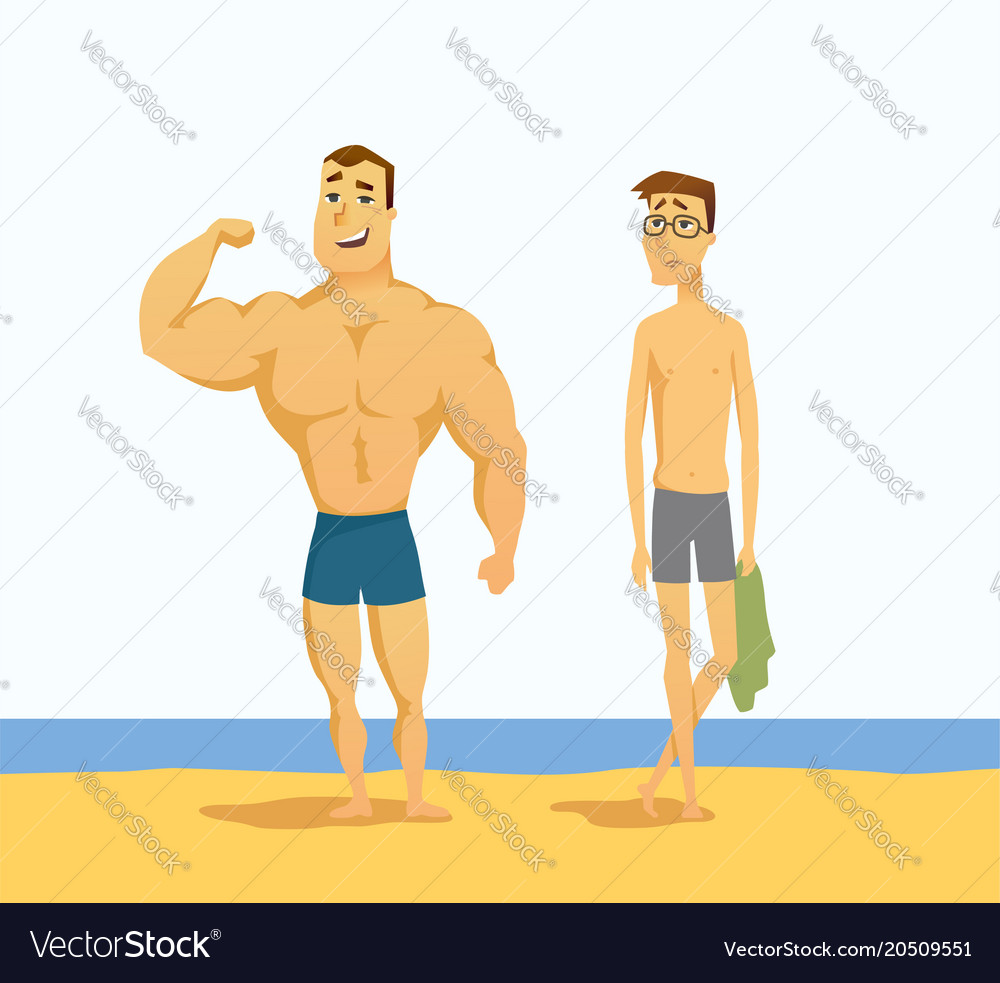
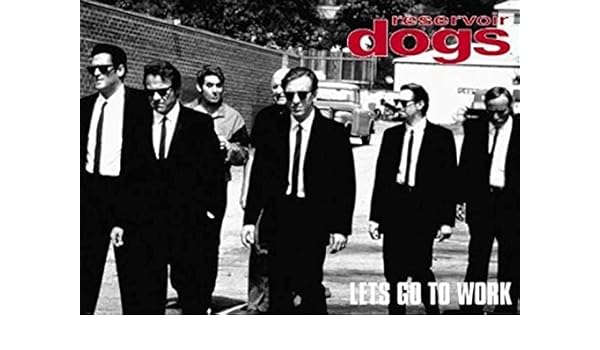
1 Tell me about the men (basic adjectives) then use the comparative.
EXAMPLE: One man is short, one man is tall. The man with glasses is taller.
2 Who is stronger ?
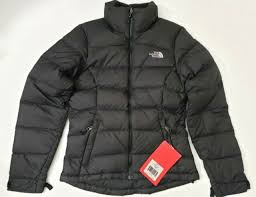
3 Give me three adjectives for these clothes.
Which one is thicker ? Which one is prettier ?
4 Write three heavy objects (things) then three light objects.
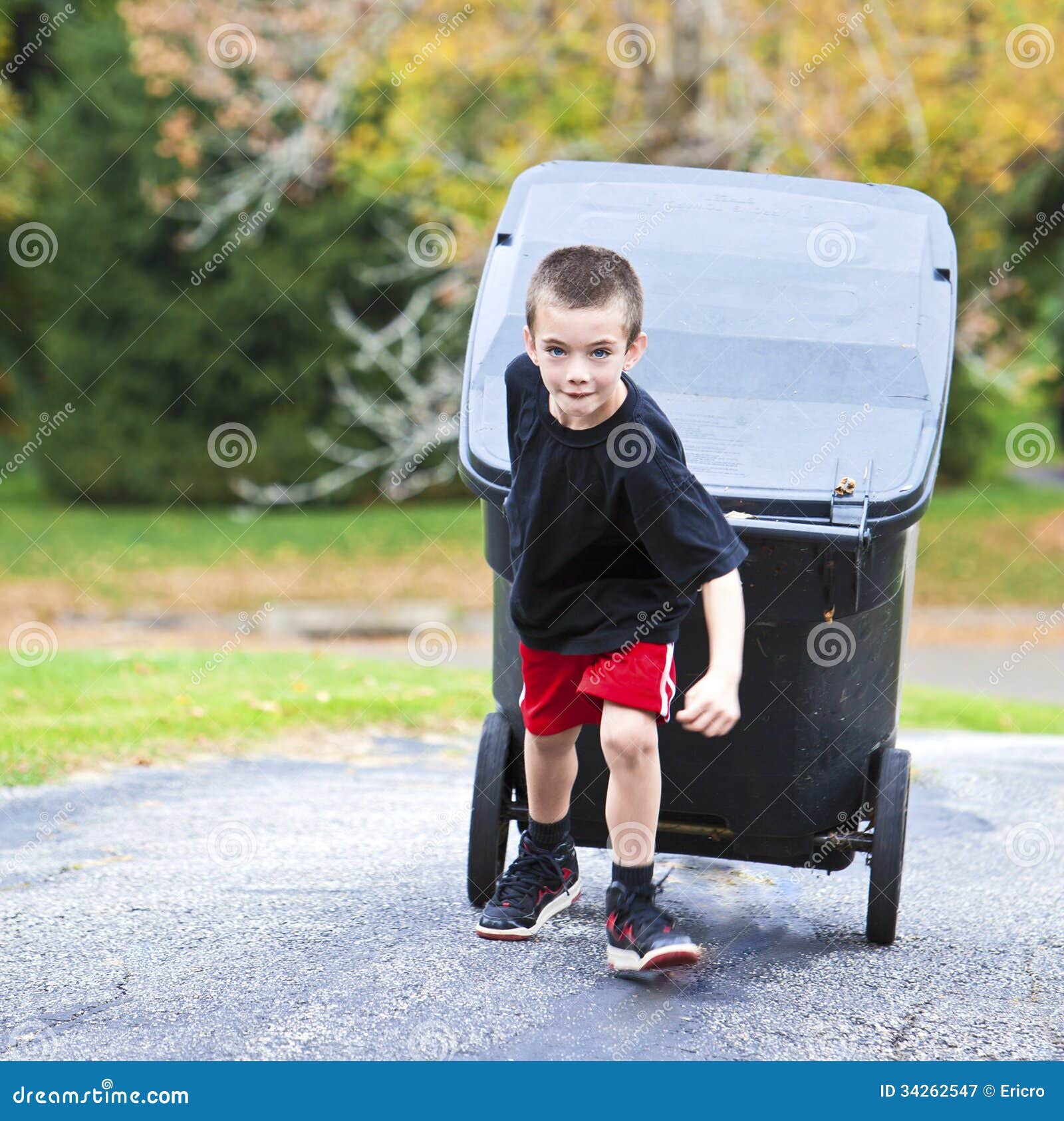
5 How can your help your mum and dad in your house ? Three ways to help out.
6 What does the young girl do before work ?
7 Now what is this boy doing after school ?
7 Always / usually / sometimes / never
In the morning, Teacher Paul ……….. drinks coffee
The students in this school are ……………. quiet.
Tell me something you usually do and something you do sometimes.
8 What three chores can you do on a farm ?
I need three things: a haircut, a book and some coffee … where can I go ?
17th September for 23rd September. AEF 3 pp. 50 – 51
Last week, we covered past tense – simple, continuous and perfect. However, that is a lot to take in, especially for students who are not so confident. Looking at charts and learning the jargon can be daunting and far too theoretical.
This problem has long been identified and addressed; grammar, as theory, reduced to a minimal. Grammar, used in writing and more importantly speaking, maximised.
Therefore, my policy in this block of lessons (four per block) is to reduce book work, simplify the theory and try to allocate at least half the lesson to student-talking time.
Last night’s lesson seemed to work well; the Socratic approach which makes the students collect information and then collate it into a presentation. This was followed by students reading to each other in small groups, with some useful expressions to use … and repeat and repeat and …yeah, you get the idea.
Let’s go to work !
But first, back to basics. Some students are not fluent in the three forms of basic verbs:
Grammar – verb practice
Here’s the 15 most common:
infinite \ present // past // past participle (verb 3)
Regular verbs, just add -‘ed’. However, as you see, in this list only one common verb, ‘want’, is regular.
NOTE: ‘to be’ is different: I am hungry You are hungry She is hungry.
Now, practice: In groups of three or four, they have to ask each other questions in order to feel more natural using the past tense. Lets’s start simply with the simple past:
What did you do today ?PAST SIMPLE
Each student takes turns describing their day. Always give ideas, as some students spent too much time thinking of what to say, whereas the purpose is to speak.
I will also board: buy / drink / surf the internet / help parents / cook / do homework
To make it more interactive, the students can ask follow-up questions, such as, “What did you eat for lunch ?”, “What time did you start school ?”, “How did you get to work or school ?” etc. Groups can monitor each other to make sure past tense is being used properly.
NEXT: Past Continuous. Subject was doing something in the past ….
Example: Last night I was listening to T-ara:
However, we usually use past continuous to say we were doing something WHEN something new happened.
EXAMPLE: I was listening to T-ara when someone knocked on my door.
The structure is Subject + was or were + verbing, followed by past simple
Try this: dream // alarm clock ring
He was dreaming when the alarm clock rang.
Now – practice: Make a sentence from these pairs of photos:
Finally, the past perfect. Two things happened in the past, one before the other.
The students ‘met’ Dr Kafka last week.
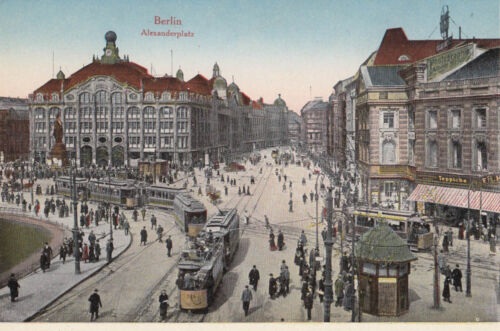
Dr Franz Kafka had lived all his life in Prague until he moved to Berlin in the 1920s.
Subject + has or had + verb 3 then use past simple.
Try these:
John Lennon – in The Beatles / goes solo in 1970
Dali – paint over 1 500 paintings / dies 1989
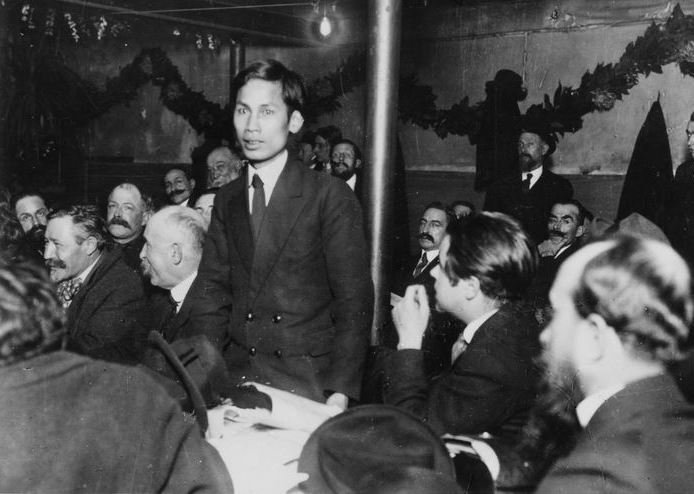
Bringing it closer to home, Bac Ho (Uncle Ho Chi Minh) – work London / meet these young Germans.
Finally, for presentation, the students can be arranged in four groups (draw playing cards so students work with new partners). I will give them ten minutes to work together and make a short presentation, with all members speaking, about the above four historical figures. Those who draw Ho Chi Minh should have an advantage, so I will be expecting more from them.
Presentations should include:
Date and place of birth.
Why there are famous
Give examples of their most famous works or activities
Where they lived
When and how they died.
ALSO – why we should remember them.
Then, I will turn to the books and hand-outs, before returning to some speaking practice before the end.
























































/https://public-media.si-cdn.com/filer/ea/5d/ea5d4127-d072-4723-be69-b974b5400fbe/1920px-salvador_dali_nywts.jpg)



 Thay Paul's Notes