Beginners’ English

A miscellany of lesson notes aimed specifically at basic-level English

Contents :

Introductions

Daily routines

Describing clothes

Discourse markers

Driving expressions

Grammar – adjectives // helping verbs // comparatives & superlatives // I used to // modal verbs // much or many ? // past tense exercises // possessives // relative pronouns // should or shouldn’t // some or any // I need // verbs – most common verbs present, past and past participle.

Listening comprehension

Vocabulary – new words and expressions

Vocabulary – film

Vocabulary – Kitchen

Vocabulary – what do you need ?

Sentence building

Speaking practice – introductions // repairs // future tense

Travel language

Warm-up activities

Introducing yourself:

If you meet a new friend or business acquaintance 

Hello, how are you ? Very well, thank you, and yourself ? / I’m great

How do you do ? How do you do ?

How’s it going ? (inf)All good, going well. Yeah, I’m fantastic !

What do you do ? I’m a designer at VMin company

What line are you in ? Engineering.

What’s your profession ? I’m a nurse.

Are you a family man ? Yes, I have a wife and two kids

You married ? No, my job leaves me no time for romance !

Do you have kids ? Ha, I’m married to my job

Where did you train ? I got my degree from …….. University

I majored in business admin.

I studied at ……..

How do you relax ? I enjoy sports and meeting up with friends

How do you unwind ? I just crash on the sofa and watch movies

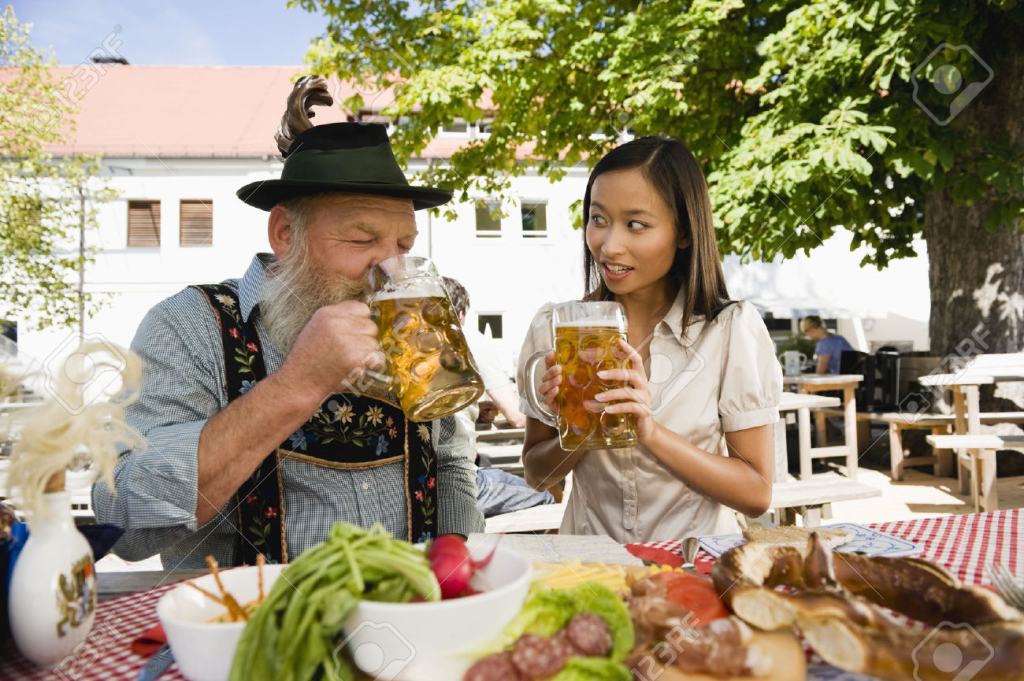
What do you do in your spare time ? I love to travel and drink beer.

Where do you see yourself in five years ? Senior manager !

On an island in Thailand / Still working here !

Daily routines

My routine:

In the morning: 

07.00: Get up. Wake up 

07.05: Brush my teeth, (Get washed / have a wash / shower) put on clothes / get dressed

07.15: Eat breakfast.

07.45: Go to work / go to my company/ go to my job

08.00 -17.00: Work.

09.45 – 10.00: Coffee break

12.00 – 13.00: Go out for lunch / lunch

17.00: Check out and go to eat dinner. Take another break and eat

17.30: Go back to company and continue working. Knock off / finish work 

19.00: Go to swimming pool. Go swimming 

20.00: Go home and talk with family. Hang out / spent time with my family

22.00: Read books or play games

23.00: Go to bed / Go to sleep. 

Grammar note:

we can use an infinite or continuous form

She starts to work at 7.30 OR she starts working at 7.30.

What is your typical free day ?

How was your day ?

Did you have agood day ? A so-so day or a bad day. 

Did anything unusual happen or was it same old, same old ?

In the morning, I went to my company then I went to the bank.

After that, I went home. 

[NOTE: never ‘to home’, ‘to swimming’ or ‘to shopping.’ I went shopping, then went home]

After lunch I went to a customer and we spoke about the new project. After we said goodbye, I came here to study English.

Replace ‘went‘ with: 

visited / travelled to / had to go to (means very important) / drove / saw / met with

Describing clothes

Patterns

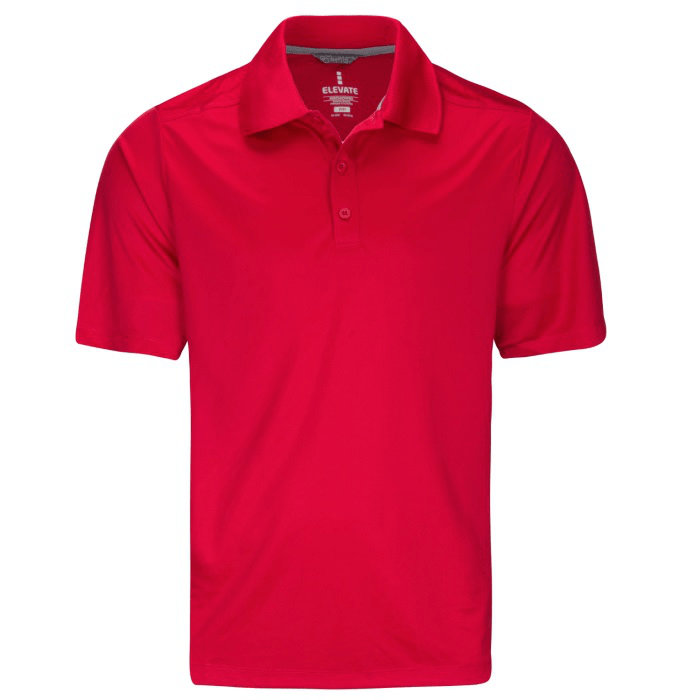
Plain T-shirt – no pattern, no writing or design.

A striped dress
A striped shirt
A checked jacket or coat
A flower or floral skirt
A spotted tie
A polo shirt
A tracksuit
Baggy jeans made from denim
Tight jeans
Cardigan
lace blouse
designer trainers or sneakers
Business suit, shirt and tie

Material

leather / lace / fur / cotton / silk / denim / wool / velvet / plastic

Vocabulary:

awful / beautiful / cool / cute / designer / elegant / gaudy / old-fashioned /scruffy / smart

Adjectives – when we use more than one before a noun, they are in this order:

opinion / size/ age / colour / origin / pattern / material noun

a great small new blue Japanese plain silk dress

some stupid big old pink American flowery plastic shoes

Put these in the correct order:

leather / at / miniskirt / Look / fabulous / that

Look at that fabulous leather miniskirt.

wearing / an / blouse / elegant / white / She’s / lacy

shoes / high-heeled / bought / ridiculous / She

tight / socks / I hate / nylon

skirt / wearing / velvet / a / She’s / spotty

stripy / green / like / your / tracksuit / I / baggy

Discourse Markers

And: also, as well as, additionally

But: however, having said that, on the other hand

I enjoy whisky however I dislike vodka with snake blood !

Driving expressions

hit the brakes / run a red light / cut someone off

tailgate / road rage /pull over (the police officer pulled me over) https://www.youtube.com/watch?v=zXt5ceU67wg

Grammar – adjectives

Adjectives for coffee and tea: 

hot, cold, sweet, bitter, Vietnamese, weak, strong, expensive, Indian

Now add a reason – ‘because’, ‘as’

I love good strong coffee because it wakes me up and I also adore sweet Indian tea in the evening as it helps me to unwind.

Make longer sentences:

I like Sai Gon but I don’t like Ha Noi

I like films and I like games

My friend likes street food but he doesn’t like restaurants

Vocabulary – adjectives

standard / higher / / opposite / higher

good / brilliant // bad / terrible

beautiful / gorgeous // ugly / hideous

interesting / fascinating // boring / tedious

expensive / over-priced // cheap / bargain

modern / hip / trendy // old-fashioned / out-dated

gentle / calm // angry / hot-headed

big / massive / huge // small / tiny

important / significant // unimportant / insignificant

tiring / exhausting // relaxing / peaceful

Helping verbs: have / want / need /go / like

Subject + helping verb + infinite ….. 

I have to find my mobile phone // She goes to work // He needs to relax

Write sentences for these pictures:

He wants ….

She likes ….

Negative: He doesn’t …

Grammar – comparatives and superlatives:

big / bigger / biggest (-er / -est for small words)

interesting / more interesting / the most interesting (more / the most for longer words)

Sai Gon is bigger than Ha Noi

Chinese is the most difficult language to learn

Make sentences:

London expensive Sai Gon

Thailand hot Canada

Moroccan food spicy French

Action films exciting rom-com (romantic-comedy)

I used to …

When I was young, I used to play football. Now I am too old !

I do NOT play football NOW. I played football when I was young

Write sentences. Example: When I was young, I used to read comics.

When I lived in Germany I used to …

Grammar: possession

This pen belongs to me, it is mine.

The laptop belongs to Jane, it is _______

It’s John’s book, it belongs to ______

We all work for HLS, it is ______ company.

Give this to Anna and Gary, it is _______

Grammar: modal verbs

Modal verbs are helping verbs that show 

permission (sự cho phép)

possibility (khả năng)

can / could / have to / must / might / should

can’t / couldn’t / don’t have to / mustn’t / mightn’t / shouldn’t

1. Ted’s flight from Amsterdam took more than 11 hours. He must be exhausted after such a long flight. He might prefer to stay in tonight and get some rest.

2. Hiking in the mountains ______ be dangerous. You _____ research the route a little more before you start.

3. You _____ take your umbrella today. The weatherman said there’s a storm in Nha Trang and it ______ rain this afternoon.

4. When you have a small child, you ______ leave small objects lying around. Such objects _____ be swallowed.

5. I _____ believe she said that to the supervisor! 

6. Jenny’s wedding ring is enormous! It ______ be very expensive.

7. Please water the plants. If they don’t get enough water, they _____ die.

Try to make sentences:

I need to…. She wants to… You have to… We like to … He hates to …

Much or many ? A little or a few ? 

[a few = countable / little = uncountable]

Is there much work left ? I really want a little free time to run some errands.

There are ….. shops in the mall. I need to buy …… items

Is there ….. beer in the fridge, or do I need …… more ?

There are only a … millionaires inVietnam but they have so ….. money.

There are far too ….. karaoke singers. I need …….. peace.

PAST TENSE EXERCISE:

Complete the exercise with the verbs inside the box.

buycatchcostdrink / fall / hurt / sell
teachthrowwinspend  / write
choose one of these verbs and use the past tense form


1. Mozart   ……. more than 600 pieces of music. 


2. ‘How did you learn to drive?’ ‘My father  …….. me.’ 

3. We couldn’t afford to keep our car, so we …….   it. 

4. I was very thirsty. I ……… the water very quickly.

5. Paul and I played tennis yesterday. He’s much better than me, so he ……. easily. 


6. Don …….   down the stairs this morning and  his leg.

7. Jim …….. the ball to Sue, who  ……..  it.

8. Ann  …….. a lot of money yesterday. She …….  a dress. It  ……. £100

Grammar – Present Perfect

Present perfect:

Subject + have/ has + past participle

I have been to Ha Noi

She has visited London

They have seen that film so many times but (they) have never understood it.

I have read ‘My Sassy Girl 1’ although I have not read ‘My Sassy Girl 3’

(I haven’t read) 

Have you read any good books recently ?

To talk about something in the past but not when it happened

He has looked at the report – YES

He has looked at the report last week – NO 

(He looked at the report last week) just use simple past

Can use with ‘for’ and ‘since’

I have lived in HCM since 2010

I have lived in HCM for seven years

Exercises: Put these sentences into present perfect

I John (read) your email several times. John has read your email ….
2. She (wear) that skirt many times. 
3. My family (visit) Brazil a few times.
4. I (eat) already.
5. Mia (finish) her homework.
6. You (break) the glass again.
7. They (pay) for everything.
8. It (never snow) like that.
9. I (meet) Anna once.
10. We (see) him before.

GrammarRelative Pronouns:

who For people: This is the man who sold me the fake Rolex ! 

which For things: We tried fish and chips which is delicious.

where For places: Let’s go to the shop where we saw the great bargins.

Whose Possessive: That’s the singer whose record we heard last night.

The car, whose driver was young, won the race.

Exercises

We arrived at a nice beach ______ we could swim and lie in the sun.

A man ______ mobile phone was ringing did not know what to do.

The patient, ______ had a serious disease, was taken to hospital immediately.

Smithsfield is a small village ______ people live a quiet life.

A boy ____ sister is in my class was in the bank at that time.

I know a person ____ can speak seven languages.

We visited the church _____ is in the middle of the square.

It is a protected area of land _____ you can see a lot of interesting wildlife.

This dress is made of silk, _____ is a very expensive and delicate material.

Grammar: should / shouldn’t

Complete the sentences.
Use the verb in brackets. Sometimes the verb will be nagative
Use contractions where possible.

  1. It’s cold. You … a cardigan. (wear)
  2. She’s always tired. She … to bed late every night. (go)
  3. … now? (we / leave)
  4. You … some fruit or vegetables every day. (eat)
  5. The students … their mobile phones in the exam. (use)
  6. You … the teacher to help you if you don’t understand the lesson. (ask)
  7. People … fast in the town centre. (drive)
  8. … the dress or the skirt? (I / buy)

Grammar: ‘some’ or ‘any’

we use ‘some’ for a statement

we use ‘any’ for a negative or a question 

There are some great websites for learning English. PLURAL / countable

There is some Czech beer on sale at VinMart. PLURAL / uncountable

There aren’t any beer clubs near here

We don’t have any French cheese

Are they any good films playing ?

Do you have any English tea?


1 Do you have ______ questions about the new project ?

2 Let me give you _______ advice.

3 You don’t need to bring ____ pens or paper. There will be ______ print-outs available.

4 There will be _____ visitors from Germany coming. Do you know ____ German ?

Speaking practice:

Jim I can’t wait for Tet. Do you have any plans ?

Alf Of course ! I’m going to watch some films and get some rest.

Jim Have you bought any special food ?

Alf I don’t have any time for shopping. I’ve still got some beer. How about you ?

Jim I need to buy some fruit, some biscuits, and do I need any special food for Tet ?

Alf Absolutely ! You must buy some cakes and some sweets. 

Jim Anything else ? I need some advise.

Alf Just make sure you have some beer. A LOT of beer. Cheers !

Grammar: I need

subject need (helping verb) infinite verb (to + verb) completion

I need to visit a dentist

She needs to stop buying clothes !

subject need (helping verb) article / determiner noun

He needs a laptop / I need the report

We need some overtime / She needs a bottle of water

I need tôi cần // I want tôi muốn

1 I ____ to visit Thailand. 2 He ______ to find a job now !

3 Her mother ____ her to get married. 4 Do you ____ to see Twin Peaks ?

5 She can’t go out, she _____ to finish her homework.

6 They _____ new shirts but they ______ to buy computer games instead.

Grammar: common verbs

More common verbs (numbers 15 – 20)

15to findfoundfound
16to givegavegiven
17to telltoldtold
18to workworkedworked
19to callcalledcalled
20to trytriedtried

Make sentences with these verbs:

I lost my keys but last night I found them

We always ____ lucky money at Tet to children. 

This year I _____ lucky money to all my neighbours (past tense).

I have ______ my Thai girlfriend 20 times, but no answer !

The supervisor ____ the staff to come in early (past tense).

She wants _______ German food.

You have ______ at HLS for how long ?

Before, I ______ in Chicago but now I need _______ a job in Sai Gon

Listening comprehension

Comprehension: Listen for comparatives,superlatives and adjectives

Vietnam is exciting and lively (7 fun facts about Vietnam)

https://www.youtube.com/watch?v=ZONkSvEf3nY

When do people eat pho ? How is it made ? How is coffee made ?

From what is the traditional hat made ? Who used to wear it and why ?

What is the English word for a small motorbike ? How many motorcycles are there in Saigon ?

What is the game shuttlecock like ? A mix …….

Do men do park dancing ? What exercise can men do ?

Sundays – what do you usually do on Sundays ?http://esol.britishcouncil.org/content/learners/skills/listening/my-sundays


Listening practice:
(1:21 – 1:48) & (11.30 – 12:45) https://www.youtube.com/watch?v=FpMjYXxScCQ

What are the names of the two people ?

Where did they meet ?

What does the lady order ?

What is the name of the manager and the waitress ?

Where does she live ?

What is her phone number ?

What do you think of the manager and waitress ?

I think he is ……. because ……..

In my opinion, the waitress is …

New vocabulary and expressions

boring = tedious ( it’s like watching paint dry ! – expression)

Like: enjoy, love, adore

Dislike: hate, dislike, detest (very strong)

Ubiquitous = everywhere

In Sai Gon, coffee shops are ubiquitous.

take a load off = have a seat / take a seat

I am so naïve (innocent) 

Vocabulary – adjectives

standard / higher / / opposite / higher

good / brilliant // bad / terrible

beautiful /gorgeous //ugly/ hideous

interesting / fascinating // boring / tedious

expensive/ over-priced // cheap / bargain

modern / hip / trendy // old-fashioned / out-dated

gentle/ calm // angry //hot-headed

big / massive / huge // small / tiny

important / significant //unimportant / insignificant

tiring / exhausting // relaxing / peaceful

Make sentences with the new vocabulary

detest / gorgeous / hustle and bustle / peace and quiet / tedious / fascinating

Anh’s Thai girlfriend is simply ………

She loves shopping, however Anh ……… it !

Bangkok is ……….. lots of energy, lots of ……….

He will take her to Hoi An for some …………….

Now he’s going to work. Sometimes it’s great, but sometimes it’s ………

Vocabulary – Film

box office / trailer / concessions / multiplex / genre / adverts / Dolby surround 

What genre of films are there ? Which are your favourites ?

How often do you go to the cinema ? Once a week, once a month, less often, only if there is a good film playing. http://www.english-in-chester.co.uk/e-learning/lesson/film-vocabulary/

What do you think about this trailer ? 

https://www.youtube.com/watch?v=Q0CbN8sfihY

Vocabulary: kitchen equiptment

What do I need for my kitchen ?

Some items are essential (very important) Some are useful

Some are luxury items (don’t really need them)

EXAMPLE: I think a fridge is essential. However, a meat slicer is a luxury item.

toaster
cooking pots
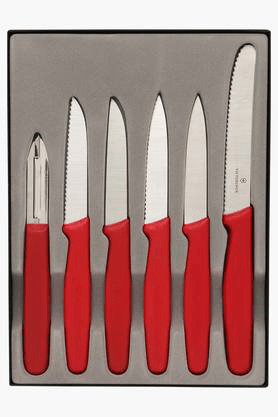
set of knives (one knife, two knives)
food mixer
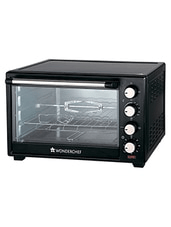
microwave oven
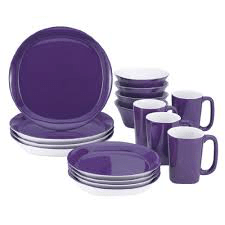
plates and cups
meat slicer
refrigerator (fridge)
kettle
vegetable peeler
kitchen timer

What are they made of and what are they used for ?

EXAMPLE: A toaster is made of metal and is used to toast bread.

What do you need …. ?

What do you need to make pho ?

What do you need to ride a motorbike ?
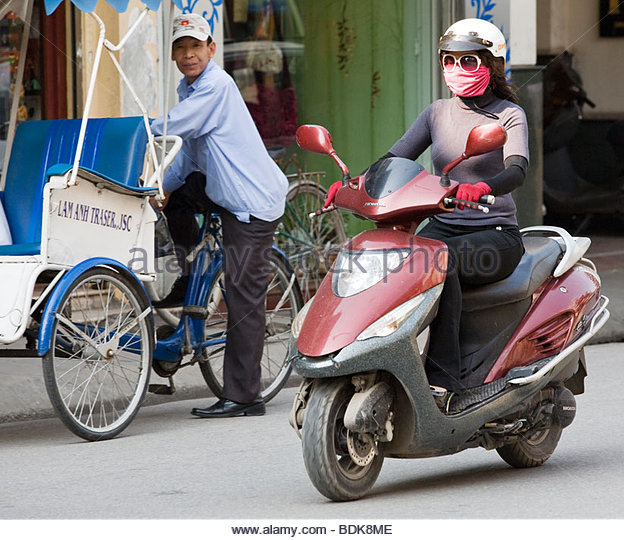
What do you need for a party ?

What animals do you need for a zoo ?

What do you need to do before you go out ?

Women wear perfume, men wear after shave

Sentence building

Sentence building – verb practice

REMEMBER: ‘to be’ is different:

I am busy / you are busy / she is busy

I was busy / you were busy / she was busy

I was quite busy / really busy / I was extremely, incredibly busy !

I have been busy / you have been busy / she has been busy

Look at this picture: describe what you see

First – what is the subject ? A man

What does he look like ? Adjectives

What is he wearing ? Colour, material, pattern

Where is he ? What is he doing ?

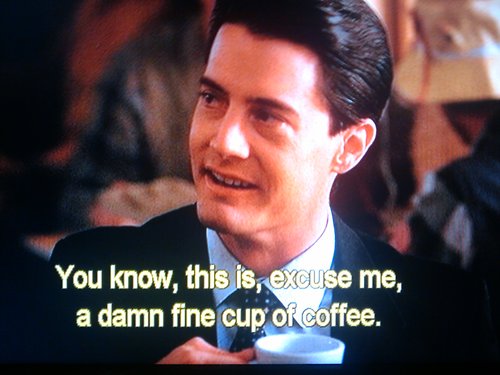
A young man with short dark hair, dressed in a dark suit, white shirt and black and white spotted tie is sitting in a restaurant or coffee shop. He is drinking from a small white cup. We know he is drinking damn fine coffee !

Write the subject first ( A young man ). THEN, you can use pronouns (he).

Write long sentences for one of these pictures.

Speaking Practice

Colin Good morning, I’m Colin.

Mike Pleased to meet you, Colin. I’m Michael but call me Mike.

Colin Thanks, Mike. Have you worked at ….. long ? (a long time ?)

Mike Yes, quite long; about five years. Oh, I like your phone.

Colin Thank you. It’s an LG which is much better, I think, than Apple.

Mike Where did you get it ? (buy it)

Colin Tokyo, where there are so many phone stores.

Mike I really want to go ! Have you met Ms Mi who works in HR ?

Colin Not yet … but she looks very pretty ! (gorgeous / adorable)

Exercise 2

Ben Excuse me … is this seat taken ?

Fred I’m sorry ?

Ben May I sit here ?

Fred Oh,by all means. I’m Fred.

Ben Pleased to meet you, Fred. I’m Ben. Are you German ?

Fred Yes, from Berlin, which is the capital. I’m here for three days.

Ben Then you should go to Ben Thanh market where you can buy a Rolex.

Fred Too expensive. My job is great but the salary is terrible !

Ben Ms Na, who works in HR , has a Rolex. Only 400 000 VND.

Fred Really … ? Fake ?

Ben That’s it ! Made in China ! You have a meeting here ?

Fred Yes, with Ms Na; she is gorgeous and so adorable… is she married ?

Ben Yeah … she’s my wife !

Exercise 3

Something is either working OR not working

The watch is working The watch is broken – it is not working

I am repairing it – it WAS broken, now it is working again. It has been repaired.

The motorbike is broken. It needs to be repaired / fixed / mended

The mechanic is repairing / fixing / mending the motorbike

It is repaired / fixed / mended

Peter Hi, Mark. How’s it going ? (how are you ?)

Mark Not bad. However, I have a problem. My laptop’s broken.

Peter Oh, dear. What kind is it ?

Mark It’s a PC (personal computer).

Peter Oh, I understand. They are good but sometimes are flawed.

Mark Where can I get it fixed? Do you know somewhere ?

Peter Sure, no problem. There are many shops near here.

Mark Can you take me ?

Peter Sorry, my bike has a problem. It’s not working.

Mark I’ll take a look. Maybe I can mendit. I enjoy fixing engines.

Peter Brilliant. It costs so much to repair a bike.

Mark And it costs so much to use Grabbike every day !

Exercise 4

Dialogue practice (ordinal numbers, phrasal verbs, future tense)

Harry and Martin are chatting at work.

Harry What are you going to do tonight ?

Martin I will knock off about 6, then I’m going to the cinema.

Harry What are you going to see ?

Martin Not sure. My girlfriend’ll choose. I’m picking her up later. 

Harry Sounds fun ! I’m going to drop off my laundry, then I’ll go swimming.

Martin What days are your taking off for Tet ?

Harry The 14th, 15th and 16th. Then I’ll come back to work.

Martin Why ? Do you have to finish off some work ?

Harry No, I want to start working on the 4th German project.

Now practice – in small groups or pairs, what are YOU going to do tonight or on your free day ?

Tokyo Deli for sushi
Keep fit, join a gym
VinCom centre, Vietnamese shopping mall.
Play computer games

Example:

After work, I will go to the cinema // This weekend I want to drink beer

Tonight, I’m going to meet some friends // I will hang out with my Thai girlfriend.

Use adjectives and extend the sentences:

After work, I will go to the big cinema at Diamond Plaza to see a new American movie.

On Saturday, I’ll (I will) meet my beautiful Thai girlfriend and we will eat delicious and healthy sushi.

Travel Language

What do we do when we go to the airport to catch a flight ?

Take a taxi/ buy a ticket / board the aeroplane / go through security

claim baggage / go thorough immigration / go though customs 

check in / buy duty-free / pack your bags

Questions:

You are flying from Sai Gon to Hue. Where do you go in the airport ?

What will you do at check in ?

What documents do you need ?

How can you check in ? Two ways …

What happens at security ?

Warm up exercises

Things you love, things you hate ! Try to make long sentences using adverbs and discourse markers (linking words such as furthermore, additionally, however, although etc)

What do you see here ?

Start with the subject or subjects.

What are they doing ? Where do you think they are ?

Describe them – use adjectives

Describe the area.

Adult Class, Level 3: Tell me more, tell me more …

19th November 2019 AEF 2B pp. 18 – 19

Tonight’s lesson will focus on listening, which is always a challenge for the students so, to lighten the load, not to mention the mood, I’ll organise a lot of speaking activities.

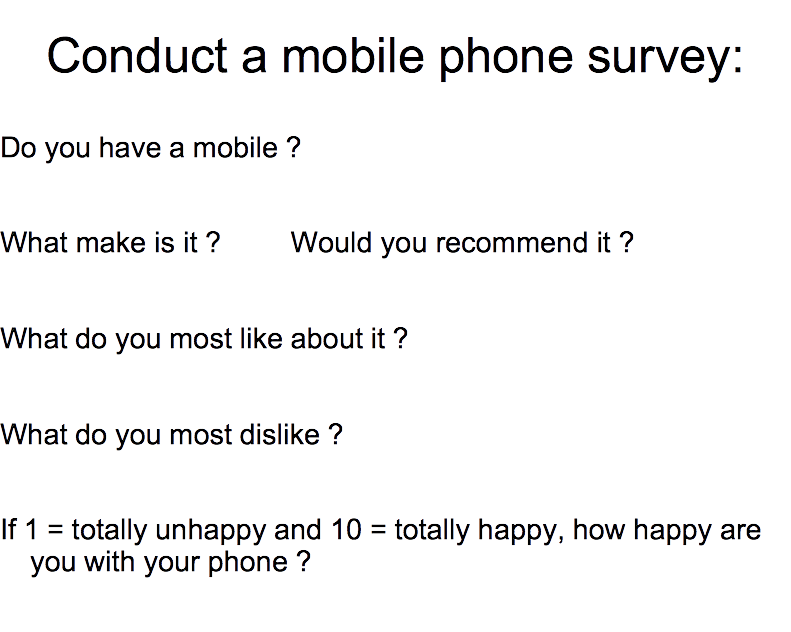
First up, a mobile phone survey:

One of many online review posts

The students will be arranged in small groups. One member will be responsible for gathering the information, then reporting back to me.

Next up – a new persona.

Students are put into two or three groups, with about four in a group. Each member is given a card with some information about their new identity. They read the information to the group who have to try to understand and write down details such as email addresses, phone numbers or Facebook accounts. Example:

Hello, my name is Tony

I’m 23 and I love shopping for shirts and ties.

I’m not into reading or books. I find them boring.

My mobile number is 0943 552 8207

It’s highly probable the other students will need to hear some of the information again, so they can use the following:

I’m sorry, I didn’t catch your phone number (email address etc)

Could you repeat that, please ?

Could you spell that, please ?

Would you mind speaking slower, please.

And then, to book work and listening exercises.

Grammar: Past perfect (for and since)

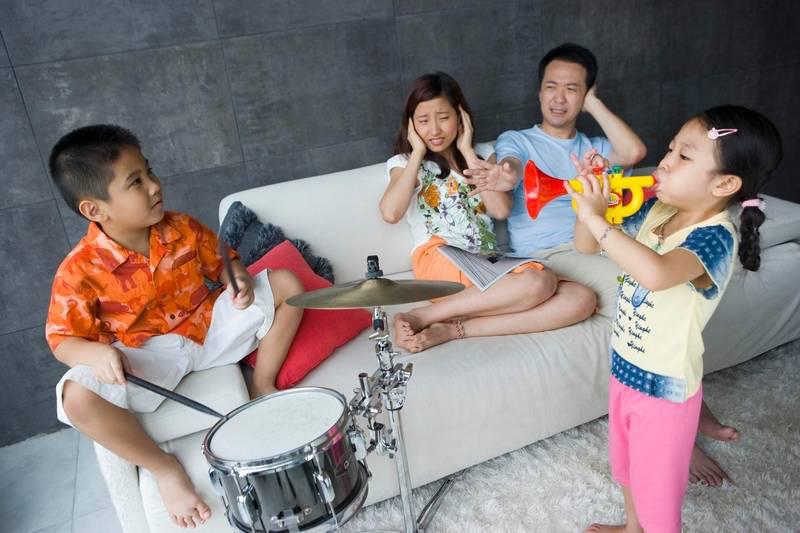
Why is this young lady so upset ?

Image result for angry asian woman

Maybe this is the reason …

Image result for man renovating

Her neighbour has been renovating his house the whole day !

He has been making a lot of noise since 8 o’clock in the morning.

He has been drilling for six hours, non-stop !

First, the past perfect formulae

Subject + have or has + been + verbing

Since used for a given time or date

For used to tell how much time.

Example – John joined his company, LPR Productions in November 2018.

He has been working for LPR since 2018

OR

He has been working for LPR for one year.

Students than have a chance to practise by asking each other a variety of questions, on subjects ranging from work or school, to friends, holidays, sports, interests etc.

Just a Minute

Students are put in pairs. They have to speak for one minute on a subject without hesitating, repeating or deviating (speaking about a different subject). This will test the students’ ability to speak fluently, as well as giving opportunities for using discourse markers and new vocabulary learnt so far. Subject are deliberately open, for example:

food // travel // work or study // life in Sai Gon // their family // their house.

Viet Nam presentation – where should I go on holiday ?

Three teams, representing Ha Noi, Hue and Nha Trang.

Image result for ha noi
Image result for hue postcard
Image result for nha trang postcard

This exercise encourages team work and, furthermore, allows the students to develop their intonation skills; they will have to sound excited and optimistic.

To assist, here are some words and phrases to embellish their speech:

cultural centre // historical importance // breathe-taking scenery // tranquil // relaxing // hustle and bustle // mouth-watering food // never to be forgotten //unforgettable // once in a lifetime experience.

To give some help, I can perform a quick example:

Image result for london postcard

COME TO LONDON, UK’s magnificent capital city and one of the world’s GREAT cities.

SEE such iconic, historical sights such as:

Buckingham Palace, home of our Queen, Tower Bridge over the Thames river.

Visit the world-famous British Museum to see the wonders of the world, or watch a football match at Wembley Stadium, in the country that invented the sport.

There is something for everyone:

Shops; you can buy everything here, to suit all budgets, from street markets to high-end department stores. To relax, London has so many tranquil parks, right in the centre of the city. Maybe see famous movie stars at one of London’s many, beautiful theatres, or dine out at restaurants cooking traditional British food or anything from anywhere.

London – one of the world’s GREAT cities

A holiday of a lifetime ! Book early !

Mr Paul tours – visit our website mrpaultours@ukonline.co.vn for more information

Special discount 10% for my students 🙂

And that should be a wrap !

Image result for londoners waving

Please Note: All photos are taken from Google Images or free photo sites, and are used for educational purposes only. No copyright infringement or offense is intended. If I have used your photo or image, and you wish me to remove it, just ask. This site is not monetized, I run it on my own dollar. Thank you.

Adult Class, Level 3: Can’t buy me love.

14th November 2019 AEF 2A pp. 14 – 15.

Tonight, attitudes to money: What does the first singer think about money ? What is important in his life ?

Image result for beatles can't buy me love

https://www.youtube.com/watch?v=uKfALmKL0VU

Now, compare with this attitude:

Image result for flying lizards money

https://www.youtube.com/watch?v=E-P2qL3qkzk

The first song is romantic; the man doesn’t care about money, he wants love. However, the lady sings, “I want your money !” This is called being materialistic, wanting expensive things and money.

Vocabulary – p. 154. Verbs pertaining to money.

Activity. You inherit a small fortune and want to splurge out (spend a lot of money). Working in small groups, tell what how you would spend your luxury day.

Plan a luxury day

To develop narrative writing and speaking skills, use words or phrases such as:

Firstly // Initially // I would start // It would kick off with …

secondly, thirdly etc

after that // afterwards // following that // and then …

for a change // as a contrast// for a break // to take a break from all the …

lastly // I’d end up // I’d round the day off with

You could:

luxury breakfast // luxury spa treatment // horse-carriage ride

shopping // luxury yacht

See Barcelona play // Attend a play at a London theatre

OR add your own ideas

Where would you go ? What would you do ? What would you buy ?

Activity: Devil’s advocate.

This is to develop argument skills, how to politely disagree with someone.

Example: one student wants to buy a beautiful, luxurious Rolex watch. It really is an outstanding timepiece:

Image result for Rolex

Without doubt, this is a luxury item. The pros …

It is gorgeous and so elegant. I will feel so special wearing it. People will admire and look up to me. They will think I am wealthy and have a great career. I will attract many cute women (or handsome men, whatever !). I may feel superior to other people who only have cheap watches or nasty fake knock-offs – like Thay Paul 🙂

Now play Devil’s advocate. Say what are the cons of owning such an item. Firstly, agree with the first student – it is without question a luxury item. Having said that

It will attract attention … but maybe from thieves or pickpockets. It is a lot of money, maybe an obscene amount of money when so many people are poor. Can you justify living in a Socialist country and owning such a materialistic item ? Will it make you arrogant ? Will you think you are better than other people BECAUSE of a thing ? Finally … what does it DO ? Fundamentally, it tells the time. My fake Rolex will tell the same time … but it cost $20 NOT $ 5 000 !

Now students’ turn. Similar concept but this time, the latest iPhone:

Image result for iphone 11

The iphone 11 (woooooowwwwwwww !)

One student wants to buy it, the other must give reasons why it is not such a good idea.

Useful phrases: a waste of money / not necessary // a fashion accessory // you can’t afford it //

Image result for neither a borrower nor a lender be

Role play game:

Three students will act out working in a department store, a shop with a sale on, and a street market. Other students have a set budget (say £100) and have to buy three items.

They can practice with the following language:

How much is this, please ? // Could you bring the price down for cash ? // Do you take plastic (credit cards) ? // If I smile, can you take off 10% ?

Wow, that’s a bargain ! // Sorry, that’s too much // Is that your best price ?

I’ll take it ! // Wrap it up ! // Let me think about it and come back // Sorry, that’s too much.

Image result for van heusen shirts store
A department store selling expensive designer shirts
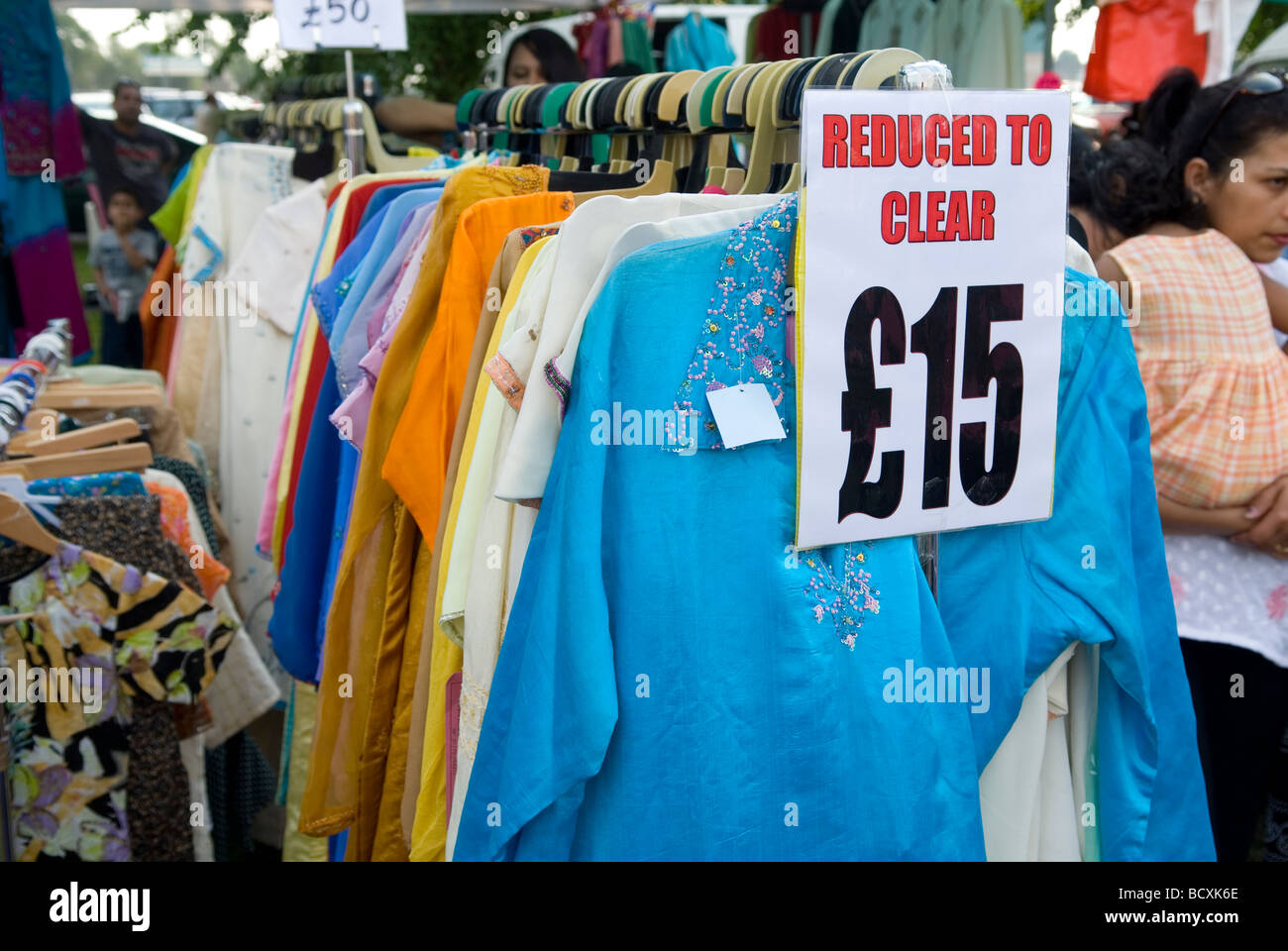
Image result for clothes on sale
Clothes on sale – ‘to clear’
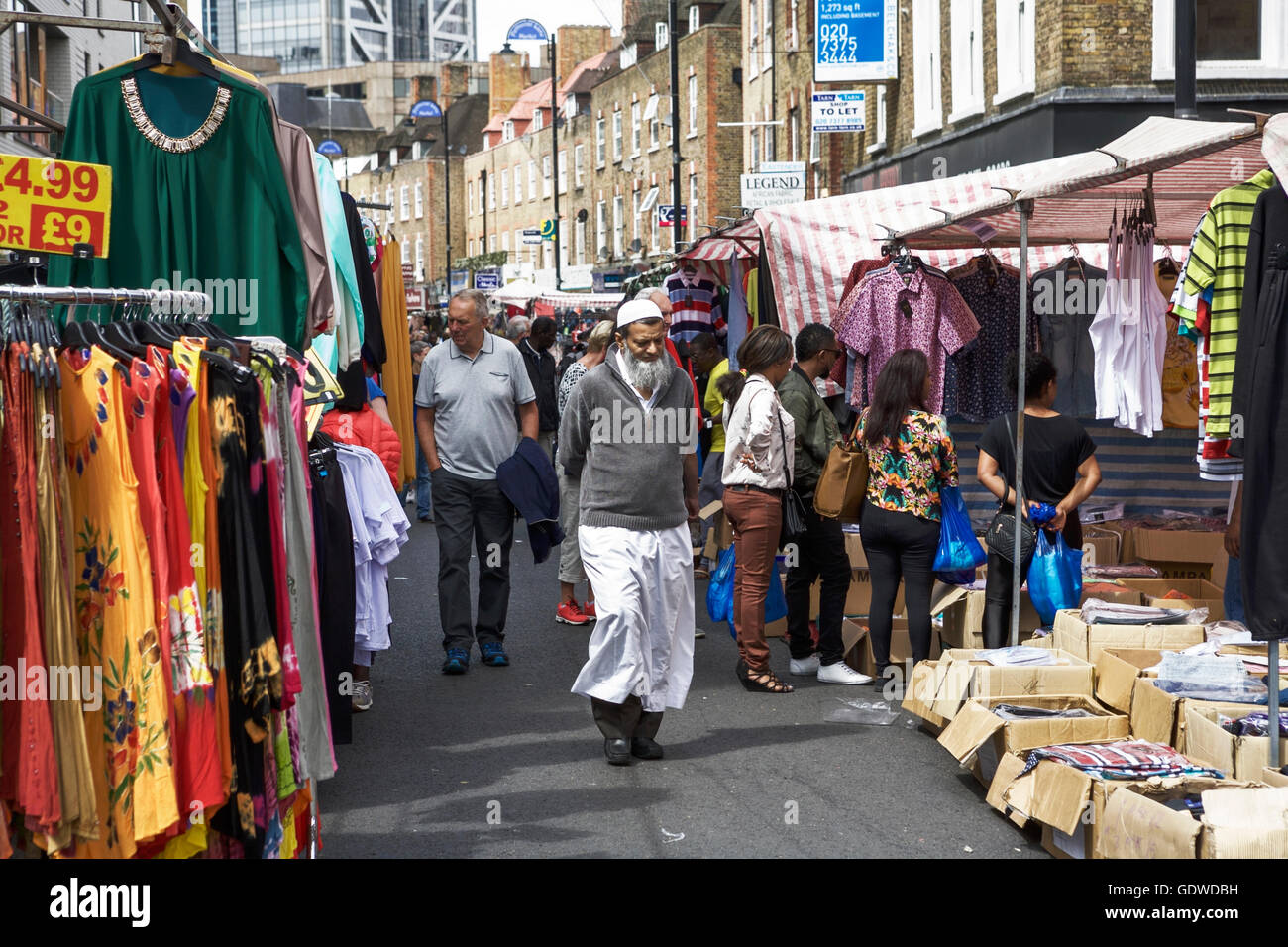
Image result for london street market
London street market.

NOW – to make it more animated – the people working in the shops will no doubt be using different varieties of English. Let’s see if the students can alter their voices to portray an upper-class, well-spoken salesperson; a basic shop worker and a working-class street trader. I (old ham actor that I am) shall demonstrate. Yes, it’s not a conventional lesson but maybe the students will appreciate something different (even if the management don’t).

To end, I really want the students to gain confidence in speaking, so a lot of talking in small groups. I have various talking points they can discuss, and once they feel relaxed, we can play:

Just a Minute: students are given an open subject and must speak for one minute without deviation, hesitation or repetition. Other students time them and judge their performance.

Language review: students must give the correct word to a definition pertaining to tonight’s theme.

And then … take care, see you next week, later, dude !

Image result for lighting cigar with money

Adult Class, Level 3: It was the butler, wasn’t it ?

12th November 2019 AEF 10B pp. 98 – 99

Image result for hitchcock quotes

In the UK, we do have a morbid fascination with murder. This man is Alfred Hitchcock who made films from the 1920s to the 1970s, mostly suspense, thriller or murder dramas. ‘Hitch’, who was born where I live in east London, made many famous films but in my opinion ‘Psycho’, which was filmed in black and white in 1960, is his best.

Image result for hitchcock psycho

Do you know these British characters ?

Image result for sherlock basil
Image result for agatha christie books
What do the book titles mean to you ?

Sentence building:

Do you like to read murder mystery books or to watch murder films ?

Plan – don’t just answer ‘yes’ or ‘no’ ! Make a short introduction, just one or two sentences:

I enjoy all types of films, however I especially like a good mystery ….OR

I don’t really read much because I am so busy studying. However …

Say what film or book you like, tell me about the author and other books.

Tell me about the story and then why you think it’s good

Conclusion – “Maybe this book is not for everybody, but if you enjoy a great mystery story, then I would recommend it.”

Vocabulary building: Some useful words –

thrilling // suspense // gripping // well-written // superbly acted // atmospheric // creepy // scary // a page-turner // I was on the edge of my seat.

However, we must move from the world of fiction to the world of fact. Before we move onto a true story from the USA, let’s keep it closer to home.

What can the students tell me about Lê Hoàng Hùng ?

Image result for le hoang hung

Students can work in small groups. They have five minutes to make a short presentation. Information can be found on these sites:

https://freedomforvietnam.wordpress.com/2011/02/20/goodbye-to-another-journalist-in-vietnam/#comments

https://en.wikipedia.org/wiki/Murder_of_Lê_Hoàng_Hùng

Then it’s time to get to tonight’s topic – murder, unsolved crimes and mystery. The lesson focuses on the mysterious death of the actress Natalie Wood. To introduce her, I’ll show a short clip of her acting, then the actual news report on TV on her death: 

Image result for natalie wood 1955

That clip, which has English captions, is from the film ‘Rebel Without A Cause’, from 1955. Now for the news footage:

Grammar: tag questions

Are you from Korea ? (a normal question, where we don’t know the answer)

You’re (you are) from Korea, aren’t you ? (using the tag ‘aren’t you’ to confirm what we think or know)

Take the pronoun (here it is ‘you’) and then the verb (‘are’). Invert the verb, that is, make it negative then add the pronoun. Hence ‘are’ becomes ‘are not’ = aren’taren’t you ?

Try these: First, decide on the appropriate pronoun (he, she, it, we etc).

Bangkok is the capital of Thailand, ……….. ?

Natalie Wood was American, …………….. ?

We still don’t know who killed her, ………….. ? (here the verb is negative, so make it positive)

He’s a brilliant actor, ………….. ?

For the remainder of the lesson, I want the students to talk, talk and talk (and, yes, I mean in ENGLISH !)

Firstly, they can review tonight’s book work and air their views, thus enabling them to review negotiation language (I see your point but …. // I can’t go along with that // you raise an interesting point // I’m not sure I entirely agree … etc).

Questions:

What did they think of the subject ? (interesting, relevant, morbid, inappropriate)

Do they enjoy reading as part of class time ? Do they feel that is a good way to learn ?

How was the listening ? How much could they follow (understand ?)

What is their opinion on the amount of new vocabulary encountered ?

Naturally, I expect other students to play Devil’s advocate – to argue a point even if they personally don’t fully agree with it.

EXAMPLE: “Playing Devil’s advocate, I would say the best way to learn vocabulary is to read new words and see how they are used in a sentence.”

Activities – Just a minute

Here, students work in pairs – there are given a very open subject (work, food, family, their hometown etc) and have to talk for one minute without hesitation, deviation or repetition.

Students can be given new questions and then made to change partners regularly.

Also, encourage peer help – allow the students to correct each other, as well as giving advice and encouragement.

And finally … Mysteries – what do you think ? True or false or … ?

Image result for loch ness monster

The Loch Ness Monster from Scotland

Image result for area 51

Area 51 in Nevada, USA. Did an alien spaceship crash here and aliens come to earth ?

The mysterious man from Taured

https://www.freepressjournal.in/bizarre-news/taured-mystery-when-a-mysterious-man-arrived-at-japanese-airport-from-unknown-country

Please Note: All photos are taken from Google Images or free photo sites, and are used for educational purposes only. No copyright infringement or offense is intended. If I have used your photo or image, and you wish me to remove it, just ask. This site is not monetized, I run it on my own dollar. Thank you.

Adult Class Level 3: we are family.

6th November for 7th November 2019 AEF 1B pp. 8 – 10

Tonight is a new class, assigned to level 3. However in the past my centre has been somewhat optimistic in their placements; teachers, expecting the students to be able to engage in conversation are confronted with students who can’t string four words together (and three of those words are undoubtedly wrong).

Subsequently, I now play down my expectations. The first lesson is just to assess the ability … and the behaviour and motivation of the students.

So, to warm up, a little game. I want the students to interview each other and then tell the class about their partner. Just basic facts such as age, if they work or are at university, what is their job or where and what subject do they study … additionally, what do they like to do in their free time. Finally, one thing they hate !

We can later use some of these ideas as a basis for sentence building:

Mr Thi likes football as well as K-pop however he dislikes romantic films and maths.

Next, I’ll show some pictures and the students in pairs and discuss them. I want them to be able to describe what they see, so I’ll be looking for adjectives, and what the subjects are doing. Additionally, I want to see if they are able to form their ideas into basic sentences.

Image result for Vietnamese family
Image result for arguing family

Look at the last picture … a young girl arguing (shouting, fighting) with her mother; is this something people would do in Viet Nam or is the culture very different ?

Sometimes people get angry (even teachers !) – some advice is to count to ten, and calm down.

Image result for counting to 10 to calm down

In English, we use the word ‘should‘ to give advice or helpful information.

EXAMPLE: A student is naughty in class. A teacher should:

Related image
Image result for teacher being calm

Help the studentCount to ten and be calm … OR …

Image result for teacher being calm

Hit the student // punch the student // knock the student out.

Something less painful. My friend Andy is coming to Sai Gon.

Using ‘should’ to give advice or information, make suggestions for Andy.

He loves history … what should he visit or see ?

He loves traditional food … what should he eat ?

He can’t ride a motorbike … how should he travel ?

He likes a beer a night (!) … where should he go ?

NOW – onto the book. It’s a bit heavy tonight, so I’ll try to lighten it with fun activities in between.

Activity break: Family Fortunes

I put class into small teams and ask them questions to which I want four answers. These are very basic things such as four places I’ve visited in Viet Nam (so they hear my appalling pronunciation) // my four favourite Viet food // four things I love about HCMC and, conversely, four things I hate // four instruments I can play (I’m generous with the truth here) // four languages I can speak … Vietnamese is clearly NOT one of them.

GRAMMAR: FUTURE TENSE

We use either I will or I am going to …

I will (I’ll) is for quick ideas or suggestions.

I’ll do my bookwork, then I’ll go for a coffee.

I’ll help you with your English

I am going to (I’m going to) is more for plans

Next year, I’m going to Thailand

I’m going to pass my IELTS then study in Australia.

Predictions (thinking what will happen in the future) use both.

I think Vietnam will win the football World Cup by 2050.

I believe Vietnam is going to be the richest country in Asia soon

Negative:

You’re not going to like Thay Paul’s music !

We will not (won’t) learn English unless we study.

Communication activity – describing a friend, co-worker or family member.

Here is my friend Pete:

He was born in Ireland but now lives in Liverpool with his wife and son.

He is an accountant and works for a large bank. His job is safe but boring. He is going to look for a new job.

He is bald and wears glasses. He always smiles so he looks warm and friendly.

Because UK is cold, especially now in November, Pete has to wear jumpers or sweaters, even inside. He loves jeans and cowboy boots.

As you can see, he loves music and playing the bass and piano. He also likes drinking strong beer. However, he hates people who are bad to animals.

He is very calm and helpful however, he works a lot so he is not always reliable.

His favourite sport is football and he enjoys swimming.

He listens to Jazz music, David Bowie and Irish folk music.

He speaks Gaelic (Ireland) and a little French.

We never see each other because we live so far apart.

When we meet, we drink, talk and laugh together. Sometimes we write songs together.

Hopefully, I will see Pete in 2020 because I am going back to London.

I will be friends with Pete all my life … I hope 🙂

NOW … students’ turn – with a partner, talk about someone close to you.

Here, I will just walk around and listen, giving help where needed. I may board some incorrect phrasing so at the end of class, we can go over it together and all learn.

And now …

Image result for famous people waving goodbye
Image result for hẹn gặp lại

Adult Class, Level 3: If he had known it was International Woman’s Day …

21st October for 22nd October 2019. AEF 9A pp 84 – 85

Warm up: Hit the ground running (or at least talking).

As always a model is a good idea; hence my Thai friend is coming to Vietnam:

Image result for two thai ladies

Ms Namsum is young and energetic. She’s into (really enjoy) clubs, sightseeing and shopping.

I suggest she starts the day with a traditional bowl of pho then goes to Sai Gon centre. She can walk there from her hotel in District 1 or take a taxi (Vinasun or Malin ONLY). She will be out of the heat and has a lot of shopping choices and places to eat or grab a coffee. She could rest at her hotel in the afternoon, then go to Nguyen Hue walking street when it gets cooler in the evening. She has many restaurants in this area. Furthermore, there are many English-language menus. Finally, she can go to Bui Vien street where there are many clubs and bars, as well as many tourists speaking English.

What do they students think ? Is that a good plan ? Have I missed something important ?

Language to use:

I see your point

That’s a good idea but …

If I may make a suggestion …

I’m not sure that’s such a good idea.

For example – That’s a good idea but you haven’t thought about sightseeing.

Or

Bui Vien can be very noisy so I’m not sure that’s such a good idea for a young lady on her own.

Two of my friends are coming to Sai Gon; the students, in two groups, have to arrange a fun day including sightseeing, shopping, eating and transportation. Then they have to compare their itineraries and exchange views and opinions. The students learn how to politely disagree with each and put forward their ideas and support their choices.

Image result for two english men
Tom and David

PLAN A DAY FOR TOM & DAVID

Where can they eat ?

What could they see or visit ?

How can they travel around ?

What can they buy as souvenirs ?

Where could they go at night ?

What safety advice would you give ?

What you need to know:

Both are 45-years old. They have good jobs and a good income. They like history and culture. They really enjoy good food and wine. Neither speaks any Vietnamese. They are too old for very loud clubs but they don’t mind having a few beers and maybe seeing some live music.

The students can make a presentation, and use the computer for images or maps to illustrate their plan. Then the other team can explain what they have organised, and the reasons why. I will decide which team has made the best choice.

Tonight’s main focus is the third conditional

This means speaking from hindsight.

We talk about something that happened to us in the past and how we would have changed it IF we had known some information.

A basic example: A visit a friend and it is her birthday, but I didn’t know. If I had known it was her birthday, I would have bought her a present.

Yesterday was Woman’s Day but …

Related image
Image result for angry asain lady

Alan didn’t know it was Woman’s Day subsequently his girlfriend, Ms Nhi, was extremely upset !

If he had known it was Woman’s Day, he would have bought her a present, some flowers and taken her out to eat.

However, it is too late NOW ! He’s in the doghouse (in trouble).

Notice all the past tense verbs. Furthermore, would is commonly used in conditional sentences.

Now, this example is based on a true story that my history teacher told me back in London.

My teacher was a somewhat dishevelled gentleman in his mid-30s. Let’s call him Mr Bowditch:

Mr Bowditch, history teacher at an east London school

Mr Bowditch lived in a bedsit, which is basically renting one room in a large house and sharing the kitchen and bathroom with other tenants. His room was not particularly comfortable:

One night, Mr Bowditch was in his room and began to feel a little hungry. He wanted some chocolate so decided to go to the off-license and buy some sweets (an off-licence is a shop that sells basic food and sweets but also alcohol and cigarettes. It used to be open until 11.00pm when most shops would close around 6.00 pm). He decided to buy, among other items, some ‘Fry’s Turkish Delight’ a sort of jelly covered in chocolate:

OK, so far so good. However, Mr Bowditch lived in a rather bad part of London, it wasn’t always safe to walk alone at night. Unfortunately, on the way home, Mr Bowditch meet the following young men:

They called out to Mr Bowditch and stopped him walking. They demanded:

Mr Bowditch had none, as he had just spent his money on sweets (candy). They didn’t believe him and began to search him. He showed them:

That was all he had … a few pounds, about 100 000 VND. The men became very angry and aggressive. Suddenly, they heard a police car siren. The men tried to drag Mr Bowditch into the tunnel, away from the road but he is very tall and stopped them. As the police car got closer, the men ran away. Mr Bowditch has never eaten ‘Fry’s Turkish Delight’ again.

There are several instances of the third conditional in the above story.

If Mr Bowditch had bought sweets on his way home, he wouldn’t have gone out later and been mugged (mugged means being robbed, often with violence or the threat of violence).

If Mr Bowditch had gone to a different shop, he wouldn’t have meet the muggers.

If the police car hadn’t been passing, Mr Bowditch might have been seriously hurt.

If Mr Bowditch hadn’t been so tall, he would have been dragged into the tunnel and maybe beaten or worse.

The structure is the first clause starts with ‘If’ then using a comma before completing the sentence. The first verb can be positive or negative (in the examples, I use ‘had’ and ‘hadn’t’).

We use this to talk about things that DIDN’T happen. 

And so to book work and communication activities.

Adult Class, Level 3 (class 2): She said, she said.

7th October for 8th October 2019. AEF 8A (1, 5 & 6), pp. 74-75, 77

Sentence building – becoming fluent and coherent

Use

  • adverbs
  • adjectives
  • opinion phrases
  • linking words and discourse markers
  • new vocabulary

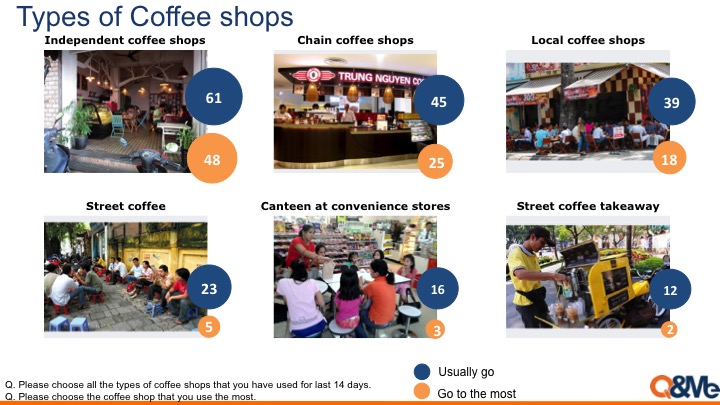
Vietnam is famous for coffee; coffee shops are ubiquitous. In fact, there are so many, it’s hard to see (difficult to understand) how they stay in business let alone turn a profit.

Be that as it may, let’s use this as a learning opportunity. To practice making longer sentences, and as a warm up exercise, the students can ask each other, “Where do you go for coffee ?”

Tips:

Don’t answer the question directly and immediately; Begin with a short introduction:

Sai Gon has so many coffee shops, some are cheap while others can be quite expensive although they have a wide range of delicious coffee. Personally, I like going to …

Then

Ask

  1. How MUCH do you like it (adverbs) ?
  2. What kind of coffee (adjectives) ?
  3. What do you think about this ? (opinions)
  4. WHY do you like it (give reasons)
  5. Interesting words, phrases, idioms

Personally, I like Tap Coffee which is an independent shop where I live. I enjoy going there so much because the owner is very friendly and tries to speak English with me. There isn’t a lot of choice, so I order cappuccino with hot, fresh milk. In my opinion, it is good value and tastes delicious. What I like about the shop is the free wifi, the comfortable chairs and the atmosphere. Furthermore, it is usually very quiet and it therefore a good place to read. I love to put my feet up, kick back and sip my damn fine coffee.

Image result for damn fine coffee

Before the exercise, elicit and board as many relevant words and phrases as required. The students have a discourse marker list, so I could insist that they use certain words (moreover, therefore, consequently etc). Additionally, I’ll need to explain vernacular phrases such as ‘kick back’ and ‘put my feet up’.

IF a student doesn’t like coffee, then they can say where they go and what they drink. IF they don’t go anywhere or like anything (yes, I have had that in a class), then they can explain WHY NOT!

Key vocabulary: ambience // aroma //atmosphere

Now, their turn; after this model, they must tell me about their favourite app on their phone. Give them five minutes to write a short piece.

Image result for iphone apps

After, the students can read to each other, and we can incorporate their answers into tonight’s grammar: reported speech.

For example, Ms Jane is speaking with Mr Tony:

Jane, “I really love the iTunes app.”

Tony, “Oh, for me, I prefer YouTube because I can watch music videos. I will send you a link to The Beatles.”

This is called direct speech. If I want to repeat what they said, I use indirect or reported speech. Look what happens to the subject and the verb:

Jane said that she really loved the iTunes app. (or She said she really loved …)

The subject changes from 1st person (I) to third person (she), while the verb alters from simple present to simple past.

What happens with Tony ? Look for the verb(s) then put them into simple past. Change pronouns to the 3rd person.

Now – changing reported speech back to direct speech.

He said the egg was perfect

(Change the past simple verb to simple present)

Now, here’s the actual quote (around the 2:28 mark):

https://www.youtube.com/watch?v=crPVJ3CXs1g

This is one of my favourite clips about Sai Gon: Mark Weins eating a fairly typical Viet breakfast … but enjoying it SO MUCH !

Image result for mark wiens face

Student Survey

Student must ask three people, what they usually eat for breakfast, and drink, as well as where they eat; do they go out, or cook at home ? Following that, they have to report to the class on their findings, using reported speech e.g.

She said (that) she usually cooked at home, but occasionally ate out when she felt too tired.

Then we have the book work and grammar practice. To end, we can have an eyewitness game. Students work in pairs, one having their backs to the board. On the screen, I show a man or lady. The first student has to describe, in as much detail, what is happening and how the person looks. Give them a minute or two. Then, the second student must report to me what they have learnt. Finally, they are allowed to see the picture, to compare the reported speech with the actuality. Photos could include:

Image result for Hari won singing
Related image
Image result for boy eating chocolate cake
Image result for egyptian lady
Image result for laughing rabbi
Image result for sir alex screaming

IELTS 5- 6.5: All you need is love … and relative pronouns

25th September 2019

Tonight I want to focus on forming complex sentences in order to boost the speaking prowess of my students. Being able to speak in long sentences, with subordinate clauses and relative pronouns, linked by appropriate discourse markers, will improve their scores in the speaking tests, along with use of stress, intonation, chunking, and a liberal smattering of expressions and vernacular, thereby demonstrating a familiarity with different uses of English.

So, without further ado … complex sentences. Let’s kick off with some basic information about my friend Pete:

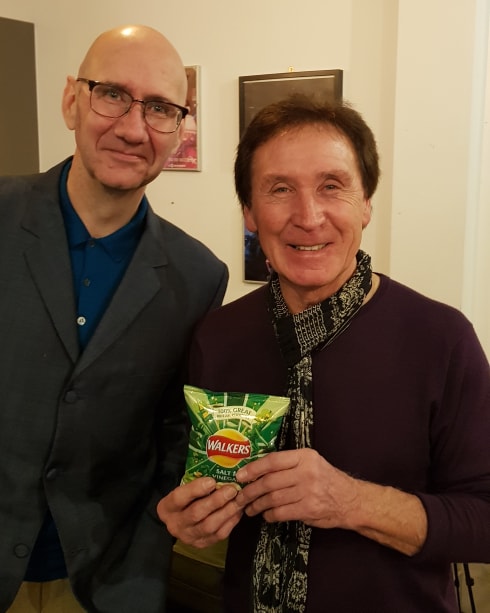
Pete (left) with drummer Kenny Jones of The Small Faces & The Who

Pete’s family are Irish. He was born in Kent, south England. He loves music especially Jazz and he can play saxophone, keyboards, guitar and bass. He is 40 years old. He is bald, and wears glasses. Currently he plays bass in a band called ‘The Deep Six’. They have a video on YouTube. In the photo, Pete is with the famous 60s drummer Kenny Jones. He was in The Small Faces. Later he joined The Who after their original drummer died.

Example:

Pete, who was born in Kent in the south of England, is of Irish heritage. Although he is just forty, Pete looks older, probably due to the fact that he is bald, as well as having to wear glasses. His great passion in life is music, especially Jazz, but his interest is not merely passive; he plays several instruments. In addition to saxophone and keyboards, Pete is proficient on guitar. Having said that, he actually plays bass now in a band named The Deep Six, who have a video on YouTube. Pete is seen here with the legendary drummer Kenny Jones who rose to fame in the 60s as drummer for chart-topping band The Small Faces before joining The Who following the death of their original drummer.

And here is said video:

https://www.youtube.com/watch?v=W-_u-W_3jWk&list=LLfquznE0joCgmA3v1PIQ0CQ&index=6&t=0s

I am sure if you watch the video, give it a ‘thumbs up’ and ‘like’, Pete will be tickled pink.

Now, a quick practice:

This is Wei Minzhi. She was born near Beijing. She was chosen to be in a Chinese film called ‘Not One Less’. She was 13. She played a substitute teacher but had no experience teaching (and no experience acting). The area is very poor. Some of the children have to leave school to work. The film was shown all over Europe, even at special film festivals. She was famous. She did no more acting. She studied in USA. She lives in Hawaii. Wei is married and has two children.

Students have five minutes to reorganise this information into a style more suited to an IELTS student.

Now – a Socratic activity; students are arranged in small groups, selected by choosing a card (Ace, 2 or 3), given a task and have to collate information and present it to the class, utilising the resources available, namely internet for facts, images or videos. Let’s revisit some old friends; first one of my favourite authors, Dr Franz Kafka:

Image result for kafka

Born: 1883 Prague, Czech Republic (at the time, part of the Austro-Hungarian empire) // Died 1924 in Austria. Never married, engaged twice. Had three sisters. Was vegetarian. Difficult relationship with his father. Famous for writing, but only produced three novels, all of which were published after his death. Most famous of these is ‘The Trial’ which has a famous opening line, “Somebody must have made a false accusation against Joseph K., for he was arrested one morning without having done anything wrong.” This book is seen as a warning about totalitarian governments. He lived in Prague which is Czech and Protestant, but he spoke and wrote in German, and he was Jewish. He is one of the most influential writers of the Twentieth Century, and his name has become an adjective, ‘Kafkaesque’ meaning impenetrable, convoluted, mysterious and unsolvable. More information can easily be found online, for example:

https://www.dw.com/en/franz-kafka-the-trial/a-45774582

Now let’s turn to John Lennon, seen here with his Japanese wife, Yoko Ono (also an artist, but more avant-garde).

Image result for john lennon

John was born in Liverpool, during World War II, in 1940. Liverpool was a port, so was a target for German bombers. He grew up very poor. At school he was rebellious, but liked art. When he first heard Rock ‘n’ Roll, he knew he had to be a singer. He formed The Beatles. His guitar playing was enthusiastic but basic. He wrote many songs which have become classics. When The Beatles split up in 1970 he went solo. His most famous solo work is the ‘Imagine’ LP. The title track has the lyric, “Imagine there’s no countries
It isn’t hard to do
Nothing to kill or die for
And no religion, too.” He protested against the war in Vietnam. He was shot in 1980 outside of his New York apartment. He has two sons, Julian by his first wife, and Sean from Yoko.

The third group will get NO help from me – they shouldn’t need it. Their subject is “the father of the Indo-Chinese people, and his name is Ho Chi Minh.”

Image result for Uncle Ho

This task involves the students working together, assigning tasks, then producing and presenting their report. All members of the team have to speak. Furthermore, they should be encouraged to use English during the preparation stage, only resorting to Vietnamese for clarification or translation of new words.

Quick end game: After the book work, which I have to teach, my hands are tied, we can unwind with some speaking practice.

Using discourse markers: I give teams two words which they have to incorporate into a sentence, for example ‘therefore‘ and ‘subsequently‘.

having said that & furthermore

moreover & consequently

initially & eventually

likewise & specifically

meanwhile & notwithstanding

on the whole & instead

What Difference Does It Make ? : I give students a paper with two words or phrases that are related but different. They have to clarify the distinction, for example

teacher / headmaster

educate / bring up

take an exam / retake an exam

do homework / do housework

quite common / ubiquitous

required subject / optional subject

similarity with / disparity between

skim / extrapolate

And to play us out, let’s go back to John Lennon and his iconic song, ‘Imagine’. The music starts around 0:40:

https://www.youtube.com/watch?v=YkgkThdzX-8

Nothing to kill or die for … Peace xx

Adult Class, Level 3 (mixed): You practice what I preach.

17th September for 23rd September. AEF 3 pp. 50 – 51

Last week, we covered past tense – simple, continuous and perfect. However, that is a lot to take in, especially for students who are not so confident. Looking at charts and learning the jargon can be daunting and far too theoretical.

This problem has long been identified and addressed; grammar, as theory, reduced to a minimal. Grammar, used in writing and more importantly speaking, maximised.

Therefore, my policy in this block of lessons (four per block) is to reduce book work, simplify the theory and try to allocate at least half the lesson to student-talking time.

Last night’s lesson seemed to work well; the Socratic approach which makes the students collect information and then collate it into a presentation. This was followed by students reading to each other in small groups, with some useful expressions to use … and repeat and repeat and …yeah, you get the idea.

Let’s go to work !

Image result for go to work

But first, back to basics. Some students are not fluent in the three forms of basic verbs:

Grammar – verb practice

Here’s the 15 most common:

infinite \ present // past // past participle (verb 3)

1to bewas werebeen
2to havehadhad
3to dodiddone
4to saysaidsaid
5to gowentgone
6to getgotgot/gotten
7to makemademade
8to knowknewknown
9to thinkthoughtthought
10to taketooktaken
11to seesawseen
12to comecamecome
13to wantwantedwanted
14to useusedused
15to findfoundfound

Regular verbs, just add -‘ed’. However, as you see, in this list only one common verb, ‘want’, is regular.

NOTE: ‘to be’ is different: I am hungry You are hungry She is hungry.

Now, practice: In groups of three or four, they have to ask each other questions in order to feel more natural using the past tense. Lets’s start simply with the simple past:

What did you do today ? PAST SIMPLE

Each student takes turns describing their day. Always give ideas, as some students spent too much time thinking of what to say, whereas the purpose is to speak.

Related image
Related image
Image result for go to school
Image result for easy rider bike
Related image

I will also board: buy / drink / surf the internet / help parents / cook / do homework

To make it more interactive, the students can ask follow-up questions, such as, “What did you eat for lunch ?”, “What time did you start school ?”, “How did you get to work or school ?” etc. Groups can monitor each other to make sure past tense is being used properly.

NEXT: Past Continuous. Subject was doing something in the past ….

Example: Last night I was listening to T-ara:

Image result for T-ar

However, we usually use past continuous to say we were doing something WHEN something new happened.

EXAMPLE: I was listening to T-ara when someone knocked on my door.

The structure is Subject + was or were + verbing, followed by past simple

Try this: dream // alarm clock ring

He was dreaming when the alarm clock rang.

Now – practice: Make a sentence from these pairs of photos:

Image result for reading
Image result for telephone ring
Related image
Image result for rain
Image result for angry teacher
Image result for pulp fiction jules eating
Image result for pulp fiction honey bunny

Finally, the past perfect. Two things happened in the past, one before the other.

Image result for Kafka
Image result for Berlin 1920

The students ‘met’ Dr Kafka last week.

Dr Franz Kafka had lived all his life in Prague until he moved to Berlin in the 1920s.

Subject + has or had + verb 3 then use past simple.

Try these:

John Lennon – in The Beatles / goes solo in 1970

Image result for john lennon beatles
Image result for john lennon imagine

Dali – paint over 1 500 paintings / dies 1989

Image result for dali
Image result for dali tomb

Bringing it closer to home, Bac Ho (Uncle Ho Chi Minh) – work London / meet these young Germans.

Image result for uncle ho in Paris
Image result for uncle ho in russia

Finally, for presentation, the students can be arranged in four groups (draw playing cards so students work with new partners). I will give them ten minutes to work together and make a short presentation, with all members speaking, about the above four historical figures. Those who draw Ho Chi Minh should have an advantage, so I will be expecting more from them.

Presentations should include:

Date and place of birth.

Why there are famous

Give examples of their most famous works or activities

Where they lived

When and how they died.

ALSO – why we should remember them.

Then, I will turn to the books and hand-outs, before returning to some speaking practice before the end.

IELTS 5 – 6.5: Extra activities

10th September for 11th September 2019 pp. 22 – 23

Tonight’s lesson is quite full, focusing on speaking and pronunciation, with extra worksheets to encourage longer sentences and the use of IELTS-preferred language. Subsequently, there is no so much for a teacher to prepare. Having said that, the students generally respond well to more active exercises. As such, I’ve prepared a handful of said items.

Warm Up – students arrive on Viet time, so I always start with a minor exercise. Tonight, we will go over some new vocabulary and then apply in short sentences. Last week, we covered:

disparity // tongue in cheek // consider // extrapolate // significance

And we need to increase the frequency of discourse markers:

subsequently // therefore // consequently

First, elicit the meanings, then decide which words or expressions fill these gaps ?

You must scan the article quickly in order to ……….. the relevant information.

There is a huge ………. between the super rich and the poor in many countries.

Image result for super rich super poor

The students just played with their phones in class. …………. many failed their test.

I need time to …………. your proposal.

What was the ………… of 30th April 1975 ?

He refused to ask directions and …………. was completely lost.

“Vietnam is such a clean, environmentally-friendly country,” John said, ……………..

BONUS POINTS:

What does Thay Paul drink in the morning …?

Tony was busy ……………………………… to his friend (phoning).

What is the name of those three dots (…) in a text ?

Can you think of a good anecdote ? Oh, I can ……………… (remember something)

Next Up: What’s the story.

Here, I board some key words and the students have to try to devise a plot of a film:

China // rural // poverty // teenage teacher // naughty // runaway // search // appeal on TV // subsequently // reunited.

Give the students a few minutes to come up with a plot-line, and listen to their ideas.

Show this clip and see how close (or miles away) they were: https://www.youtube.com/watch?v=mgtEYDc1JW4

NOT ONE LESS, (YI GE DOU BU NENG SHAO), Wei Minzhi, 1999, (c) Sony Pictures Classics

This short trailer is also great for listening as well as learning new vocabulary.

We have a lot to get through tonight, so time to hit the books, and cover the extra speaking activities.

Movin’ on: Speaking practice

I have list of general, small talk questions. The task is to respond in such a way as to impress an IELTS teacher. As always, best to start with an example, so a simple, very open question:

What kind of music do you like ?

One could just list some genres, but that wouldn’t cut it for IELTS. So, to increase sentence length, start with a short introduction, for example:

Music is very important in my life; I listen to some form of music every day. I really couldn’t imagine life without songs.

Then go on to explain in detail. People rarely only like one type of music, so that opens up the scope of the response:

When I was younger, of course I liked pop music such as (list two or three examples), but nowadays, I find myself listening more to (name some different genres).

Then how do you listen to music ? Computer, You Tube, Spotify, MP3 player, on your phone ? Do you buy, stream or download. Do you buy CDs ?

Can you play an instrument ? If so, which one(s). If not, you can still talk about it:

Although I love music, I don’t actually play any instruments, though I have always wanted to learn (the piano, guitar, oboe etc), and, who knows … maybe in the future I will.

Then turn the conversation; is there any music you don’t like ? This will enable the speaker to use an appropriate discourse marker:

Be that as it may // That notwithstanding // Having said that, I absolutely detest (give an example or examples – are there occasions when you are forced to listen to music ?) karaoke, which is so prevalent in Viet Nam, not to mention drunken wedding party ‘singing’.

I have a list of several questions. Students can work in small groups or pairs and choose one question about which they feel most confident. After a short preparation time, they must speak without repetition, hesitation or deviation – their partners can check this.

Finally, as an endgame, I can play some music and the students have to identify the genre from the above list.

Sweet ‘Love is Like Oxygen’

https://www.youtube.com/watch?v=tXJ4TZSXtzc

Nirvana ‘Smells Like Teen Spirit’

watch?v=hTWKbfoikeg

Chic ‘Good Times’

https://www.youtube.com/watch?v=Er9xGRolrT4

Stray Cats ‘Stray Cat Strut’

https://www.youtube.com/watch?v=mbAyj1h9vI0

And on that note … lesson over.