One wet, London afternoon, several classes of young teenage boys were herded into the main assembly hall. As a treat, or punishment, we were about to see the 1968 version of ‘Romeo and Juliet’.
My peers did not share my enthusiasm; Shakespeare, and a love story to boot.
However, as soon as the 15-year-old Olivia Hussey, as Juliet, appeared on the balcony, the teenage boys responded as teenage boys respond.
I, naturally, fell totally in love with ‘Juliet’.
Olivia continued working in film and TV, as well as doing voice-over work on some ‘Star Wars’ video games, up to 2015.
Sadly, Olivia passed away on 27th December 2024.
17th April 1951 – 27 December 2024
Please Note: All photos are taken from Google Images or free photo sites, and are used for educational purposes only. No copyright infringement or offense is intended. If I have used your photo or image, and you wish me to remove it, just ask. This site is not monetized, I run it on my own dollar. Thank you.
Recently, we have focused on writing, using new vocabulary and making sure the grammar is perfect. Now it’s time to apply the same creativity to speaking. Are you good to go ?
All right, all right, all right !
Let us write a short piece and then perform it for the class. We shall write about what happens in an English lesson.
First, we need four characters:
a teacher // a TA (teaching assistant) // the Manager // a student
Next, build up the character
Is the teacher strict, friendly, happy, angry ?
Is the TA helpful, funny, polite, lazy ?
Is the Manager scary, rude, kind, elegant ?
Is the student hard-working or lazy, polite or disrespectful ?
Finally, we need a situation
What happens ? Is the student very good, or very naughty ? Is the manager proud or angry ? Does the TA listen to the teacher or play on a phone ?
Word bank:
over the moon / body language / strict / furious / hard-working / thoughtless / screaming
Work in groups of four. If you only have three, you can leave out the TA or Manager.
Example
Teacher is Ms Jane / TA is Mr Khanh / Manager is Ms Mi and the student is Graham.
Ms Jane: Mr Khanh, what is Graham doing ?
Mr Khanh: I think he is sleeping. Graham, Wake up !
Graham: I am awake.
Ms Jane: Look at his body language. You must respect teachers. You should be more hard-working, like Larry.
Graham: Larry is stupid !
Mr Khanh: Say, “Sorry !” You are so rude and lazy.
Ms Jane: If you don’t say sorry, you will go to the Manager.
Graham: I’m not scared.
Ms Jane: Ms Mi will be furious. She will scream at you.
Mr Khanh: I will send her a message … now.
Ms Mi enters
Ms Mi: Where is the impolite boy ? Come here. You must always respect teachers and do as they say.
Graham: Yes, Ms Mi. I promise.
Ms Mi: Apologise to the teachers.
Graham: I’m sorry. I will work hard now.
Mr Khanh: Good. Now sit down and do the lesson.
Ms Mi starts to leave
Ms Jane: Everybody say, “Goodbye, Ms Mi.”
Ms Mi: When I see everybody working hard, I am over the moon. Keep studying.
SCENE
Now … your turn
Please Note: All photos are taken from Google Images or free photo sites, and are used for educational purposes only. No copyright infringement or offense is intended. If I have used your photo or image, and you wish me to remove it, just ask. This site is not monetized, I run it on my own dollar. Thank you.
I shall tell you about last Sunday – it was terrible and here’s why … but can you guess just by the pictures ?
(Grab is a taxi service accessed by phone app, similar to Uber)
(In Vietnam, wedding parties often have singers and then an open karaoke system)
Allow me to give you the plan of my day:
6.50 leave for work. Book Grab on my iPhone
7.40 – 9.40 Young Learners class, level 1 (21 students)
10.10 arrive home
10.11 – 14.30 wedding party across the street
10.30 – 12.00 prepare work online
17.00 – 21.30 another wedding party but much louder, more karaoke singers
18.00 go for coffee
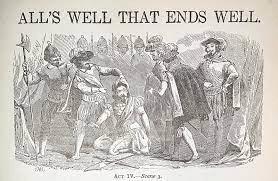
BUT 23.30 Manchester United win 1- 0 so ‘All’s well that ends well.’
Now … your turn. Tell me about a terrible day. Remember to use amazing adjectives to explain how you felt and what was so awful.
To help you, maybe:
Good luck with your bad day !
Please Note: All photos are taken from Google Images or free photo sites, and are used for educational purposes only. No copyright infringement or offense is intended. If I have used your photo or image, and you wish me to remove it, just ask. This site is not monetized, I run it on my own dollar. Thank you.
Apart from idioms, phrasal verbs and low-frequency words (LFW), IELTS students need a collection of expressions and collocations to spice up their English.
With that in mind, here are some notes from the previous lesson, along with revision exercises and a splattering of vibrant vocabulary.
As for speaking tests, I listened to eight students last week and only heard one complex sentence. Now, it wasn’t one of my classes; my students know exactly what I will do if they don’t speak in IELTS-style sentences:
I just jammed around with two key words: ‘heart’ & ‘gold’.
Exercise 1: define these expressions & idioms
HEART
a heart of gold
a heart to heart
hand on heart
heart-felt greetings
heartbreaking
a heart of stone
GOLD
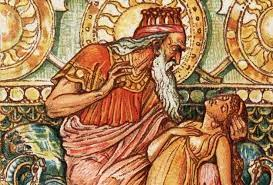
King Midas
The bard of Stratford
a heart of gold (yes, again, it’s called practice)
as good as gold
the golden touch
golden handshake
silence is golden (especially when one works in Vietnam)
Exercise 2: use these expressions & idiomsin an IELTS style, employing complex sentence(s).
EXAMPLE: My mother, who works incredibly long shifts at the hospital, has a heart of gold. Even when she is exhausted, she always finds time for me.
facetious // uncharacteristically // overheads // euphemism // lingua franca // prima donna
shaking in my boots // going to powder my nose // going to see a man about a dog // footloose and fancy free
Please Note: All photos are taken from Google Images or free photo sites, and are used for educational purposes only. No copyright infringement or offense is intended. If I have used your photo or image, and you wish me to remove it, just ask. This site is not monetized, I run it on my own dollar. Thank you.
Richard III // Romeo and Juliet // Julius Caesar // A Midsummers’ Night Dream // Hamlet
Watch an excerpt from a performance at Shakespeare’s Globe in London
This is the funeral scene from ‘Romeo and Juliet’
How much can you understand ?
Please Note: All photos are taken from Google Images or free photo sites, and are used for educational purposes only. No copyright infringement or offense is intended. If I have used your photo or image, and you wish me to remove it, just ask. This site is not monetized, I run it on my own dollar. Thank you.
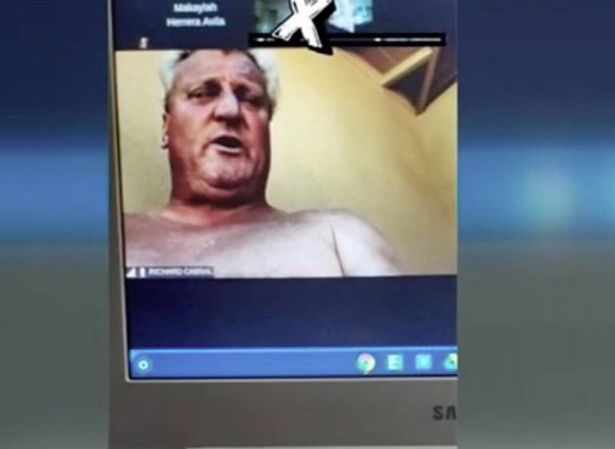
Google Images. A teacher was reported suspended after appearing shirtless on Zoom
In a previous blog I tried, against my nature, to show a positive side to Zoom teaching. Teachers, TAs, admin staff are kept in employment, albeit with significant pay cuts, while the students are able to practise their English skills … should they choose.
I’m trying to keep this light-hearted, but all anecdotes are true, based on my experiences of Zoom. CUT TO last year, our first period of lockdown.
I can’t turn my light on, I’ve got no power
First up, back in the early days, teachers went to campus and used laptops to hold Zoom classes. The first five or ten minutes were spent waiting for late-comers, asking people to put their cameras on, then to KEEP their cameras on, ditto mics. One character, a teenage boy was sitting in darkness … this was a daytime class and Sai Gon in the day in bright, big time. Said teenager claimed that he had no electricity in his house, therefore could not put on the lights.
Do you sense a ‘however’ coming on ?
However … his laptop was working (sure, maybe it was running on battery). His wifi was working, but, the smoking gun … a slither of bright light from the corner of the room. Yes, said young gentleman had drawn his curtain and was ‘claiming’ he had no power.
Do you sense another ‘however’ coming on ?
However … I had an ace up my sleeve for, off-screen but next to me was my manager. I updated Mr No-Power on this development. A native teenager lying to an English teacher is not so unique. But would he lie to his Vietnamese manager. Damn right he would.
Just the tip of the iceberg. My camera’s not working
The teacher asks, politely requests, a student to put the camera on. This is after the class has seen a slide giving class rules AND a video in Vietnamese explaining what is expected. It is expected that students will put on their cameras. CUT TO a black screen, and yet another (here is where a teacher needs the patient of a whole temple of Buddhas) invitation to turn on the camera. Student claims camera is not working. Unfortunately, student had turned ON the camera and we could all see, in glorious Technicolor, the student, bold as brass (but thick as a brick). The mistake was then realised, and the student could be seen reaching for the lower corner of the laptop, and camera fades to black.
But that’s just one or two rotten apples, right ?
Are you kidding ? I teach IELTS which is the serious subject; a good grade here is a passport to a different country, to study, to live, maybe get exposed to different points of views, philosophies and outlooks. So you would think the students would be really motivated, right ?
Think again, pucko !
I had one IELTS class with about eight or nine students, including professional people and even a doctor. Guess what … despite the rules being reiterated, the Vietnamese-language video, I end up speaking to eight or nine black screens. Every lesson.
Doesn’t your campus kick ass ?
Kiss ass rather than kick ass. They go, half-heartedly through the motions, make rules but lack the balls to enforce them.
The reasons are clear. Firstly, this is not a state school, the students are CUSTOMERS … they generate revenue. It is a business axiom that the customer is always right. A business needs to keep and expand its customer base. My campus wants customers to return, to tell their friends, schoolmates, family members, each and everybody, they produce Disneyesque promotional films of photogenic children saying how they love learning here, and how they love their teachers (ya never see the fat ugly kids with buck teeth do ya).
Oh, man, you must be puttin’ me on ?
I wish ! You can look for yourself on YouTube, though not too soon after eating; there are stomach-churningly nauseating. Furthermore, the punters are locals, they are Vietnamese. I’ve seen some YouTube videos of a South African man explaining a similar situation in China. When push comes to shove, the natives support each other. Always. Teachers are a dime a dozen, they come ‘n’ go, and who can blame them ? Customers are more valued, they will always take precedence over a foreigner (that is how we are designated). Ready for one or two final delicacies ?
But teenagers are famous for their good behaviour
Haha, yeah good one. Just a brief entrance here. I had one class, back at campus, with some teens. I began saying hello to each student. Some would just stare at me, refusing to say a word. Then they initiated a new game; I would call a customer and rather than answer immediately, the teen would say, “Me ?” with terrible over-acting, faux surprise. This carried on with every subsequent teen. Finally, a teen, let’s called her Mary, copied her classmates, to wit:
Me: Mary, what’s number 3, please ?
Mary: Me ?
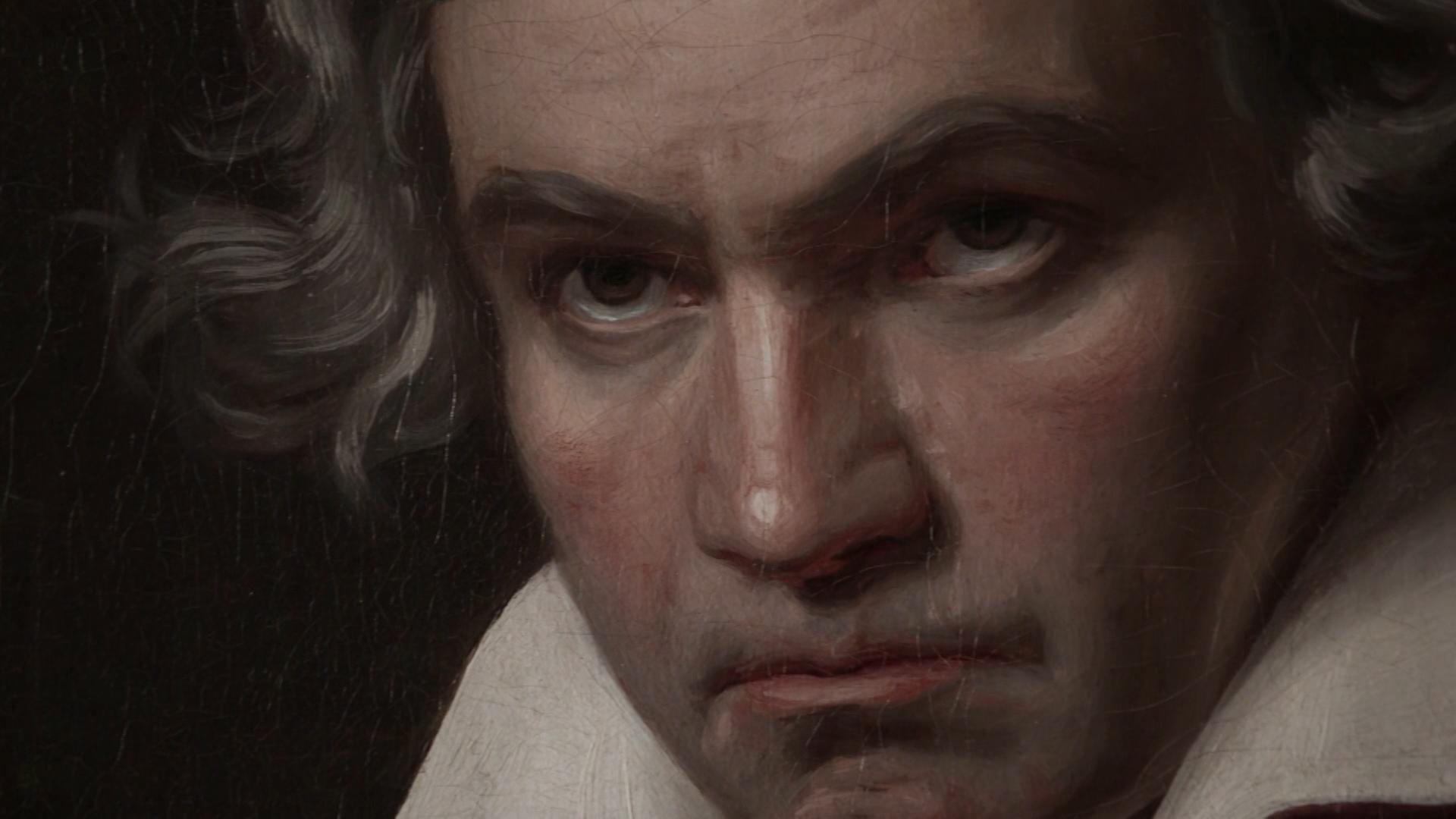
Cue the Beethoven
Me: Is your name Mary ?
Mary: Yes.
Me: Then answer the question and stop wasting my time.
I went on to explain that I will do everything to help anyone who really wants to learn. However, those who just want to insult me and disturb my lesson … well, let’s Samuel L. explain:
Finally, (though you can guess this one could run and run), another IELTS class. I was given a real motley crew of unmotivated, unanimated, lifeless schlimels (if you don’t know what that means, look it up, I ain’t doing all the work for you). One schliemel was a teenage boy, a poster-boy for gormlessness. He informed me, by chat box, that his mic wasn’t working. Now, IELTS is all about speaking and practising, it ain’t just watching the teacher, it ain’t TV, dig ? You’ve gotta join in or you are wasting your (parents’) money.
Did you strike down upon him with great vengeance and furious anger ?
I farmed out that hit. Stopped the lesson and let everyone see that I was contacting Customer Care who, in turn, phoned gormless schliemel. Lo and behold, the mic miraculously started working. The guy would have been happy to sit and listen for an hour or two without contributing anything. After, he could go away and laugh that he hadn’t done any work.
If the job sucks, why d’you do it ?
Good question. I’ve spoken to many teachers, in various countries, and the answer is generally, ‘What else can I do ? It’s my profession’. And, at the moment, I don’t need to tell you, travel just ain’t as easy as it used to be.
Is there anything good about it ?
No. OK, I’m pulling your leg. A minority of students are sweet, respectful and polite. They really want to learn, and I can see the progress week by week. Occasionally, very occasionally, an adult student can become a friend, while the younger kids provoke avuncular feelings. Very rarely, one gets to meet a Princess. But these, as stated, are the minority.
A new set of guidelines, according to the article, has been set following recent misbehaviors:
Camera’s must be on during online classes, students that fail to comply with this rule may be marked absent (unless there are extenuating circumstances).
In all zoom calls there is now a mandatory waiting room.
Students are no longer allowed to change their names.
Backgrounds must be one of the default zoom backgrounds or a solid color.
If students have a profile photo, it has to be of themselves.
In some classes, chat restrictions have also been implemented.
The teachers are all taking a massive financial hit to keep these lessons going. ‘T’is a pity the customers display contempt and disrespect. C’est la vie.
Friday is Reunification Day in Viet Nam, so provides us with a topical subject for this week’s lessons.
First up, the relative clause game. To encourage students to speak more fluently, and to use complex sentences as a matter of course, a little speaking activity. I shall recite a short extract at various points, I shall stop and ask a student for extra information including the correct relative pronoun. Got it ?
Yes, Thay Paul we got it … but can you give us an example, please ?
Oh, you know I will ! Let’s invent an English friend, Mr John … use adjectives to describe his personality and appearance, nouns to tell about his occupation and see how far we get. Ready ? Let’s go !
Mr John, WHO is from London, is on holiday in Sai Gon, WHICH is the biggest city in Viet Nam. John, WHO loves history, wants to visit the War Museum WHICH is located in District 1 and is an extremely thought-provoking experience. John, WHO is an estate agent, is quiet and a little serious although he is extremely friendly. John, WHO is 32 and unmarried, wants to learn about the war WHICH ended in 1975.
NOW … YOUR TURN
Sai Gon 2015
Ms Kim, WHO ____________, works in Sai Gon, WHICH ______________________. Kim, WHO __________________, wants to visit Ben Thanh Market WHICH ______________________ additionally __________________. Kim, WHO _________________________, wants to buy a birthday present for her mother WHO ___________________.
London 2010
Mr Peter, WHO loves ______________ , is killing two birds with one stone. He’s using his laptop WHICH _________________ to have a Zoom meeting with his business partner WHO _________________________ as well as drinking coffee at Mario’s WHICH ______________ . Because he lives in Italy, Peter WHO _____________________________ , speaks both English WHICH ________________________ and Italian because his wife WHO _________________________ was born in Rome WHICH ____________ .
Piece of cake, hey ? OK, on to this week’s exercises. We’ll continue with making a narrative.
I had a really bad day yesterday, Sunday. To help explain, here’s some extra vocabulary:
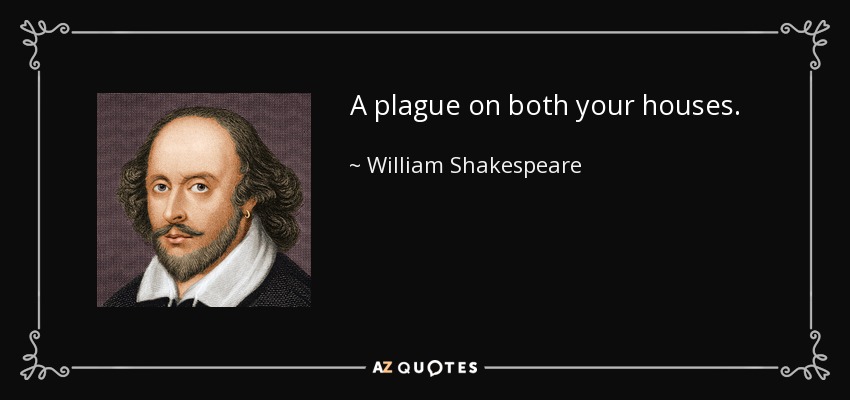
Vocabulary: cancellation / hyper-active / irritating / excruciating / connection / deafening / anti-smoking / culture shock / a real handful / “A plague on both your houses !”
A lesson for all ages and all levels, just adapt to suit your students’ ability. First, show the photos and try to elicit what the buildings are for, or their original function.
For Speaking Level 3 or IELTS-standard students, they can explain their reasons and use target language, adjectives, adverbs and LFW (low-frequency words). Furthermore, it shows students a different aspect of London (it’s not just Big Ben, London Eye and Tower Bridge).
Now, without further ado, the photos:
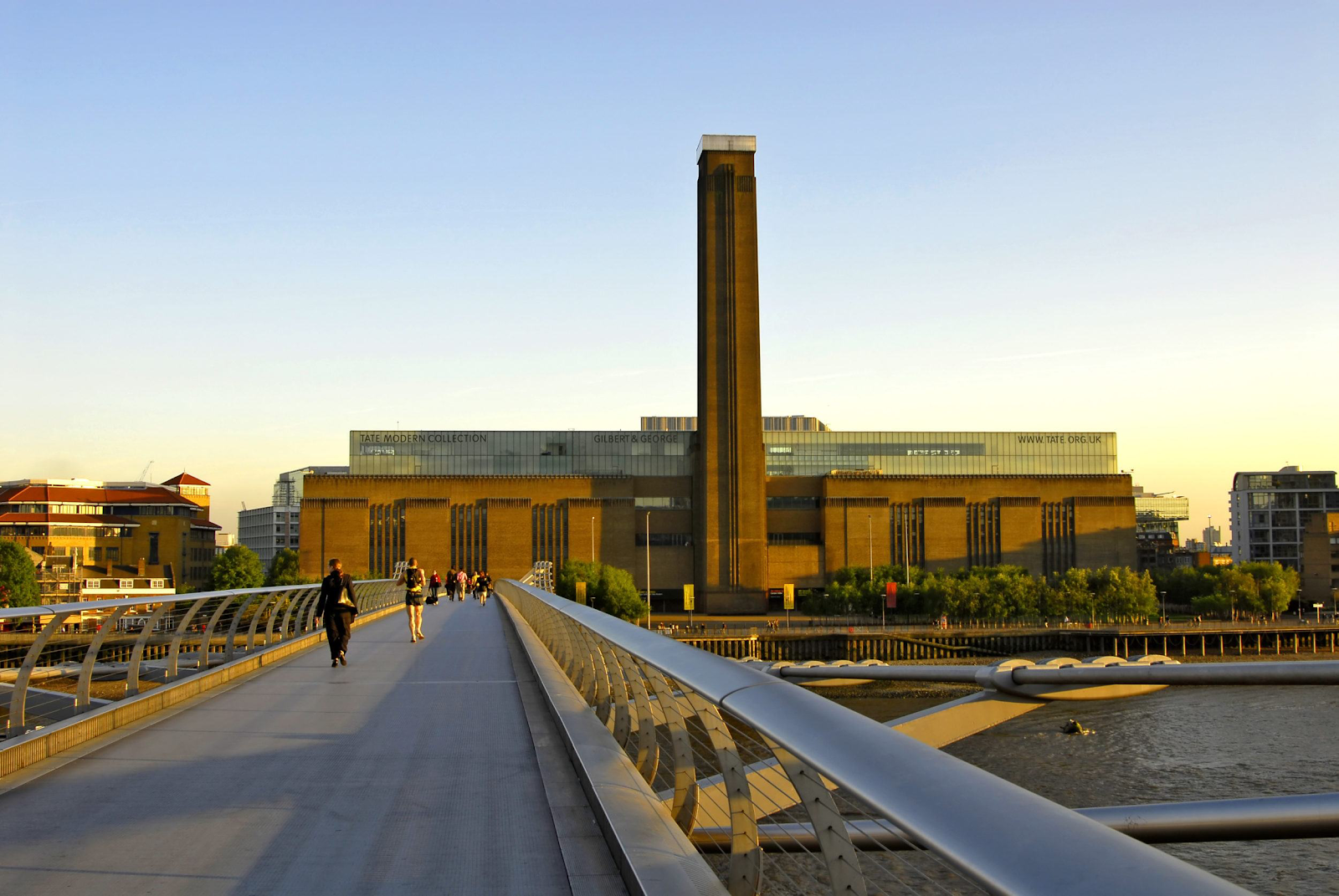
Tate Modern
Was built 1947 – 1963 to be used as a power station (designed by Sir Giles Gilbert Scott who also designed Battersea Power Station and the iconic red phone boxes).
Gallery opened in 2000 by the Queen
Shows British and international art
One of the largest museums in the world
in 2018, there were 5.8 million visitors
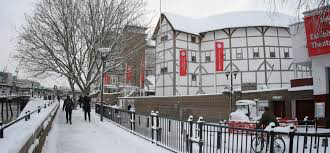
Globe Theatre
Was built 1599, burnt down 1613.
Rebuilt and opened in 1997
Has plays by Shakespeare, as well as modern plays.
Has 857 seats and 700 standing spaces. People who stand are known as ‘groundlings.’
“To be or not to be,” is from Hamlet.
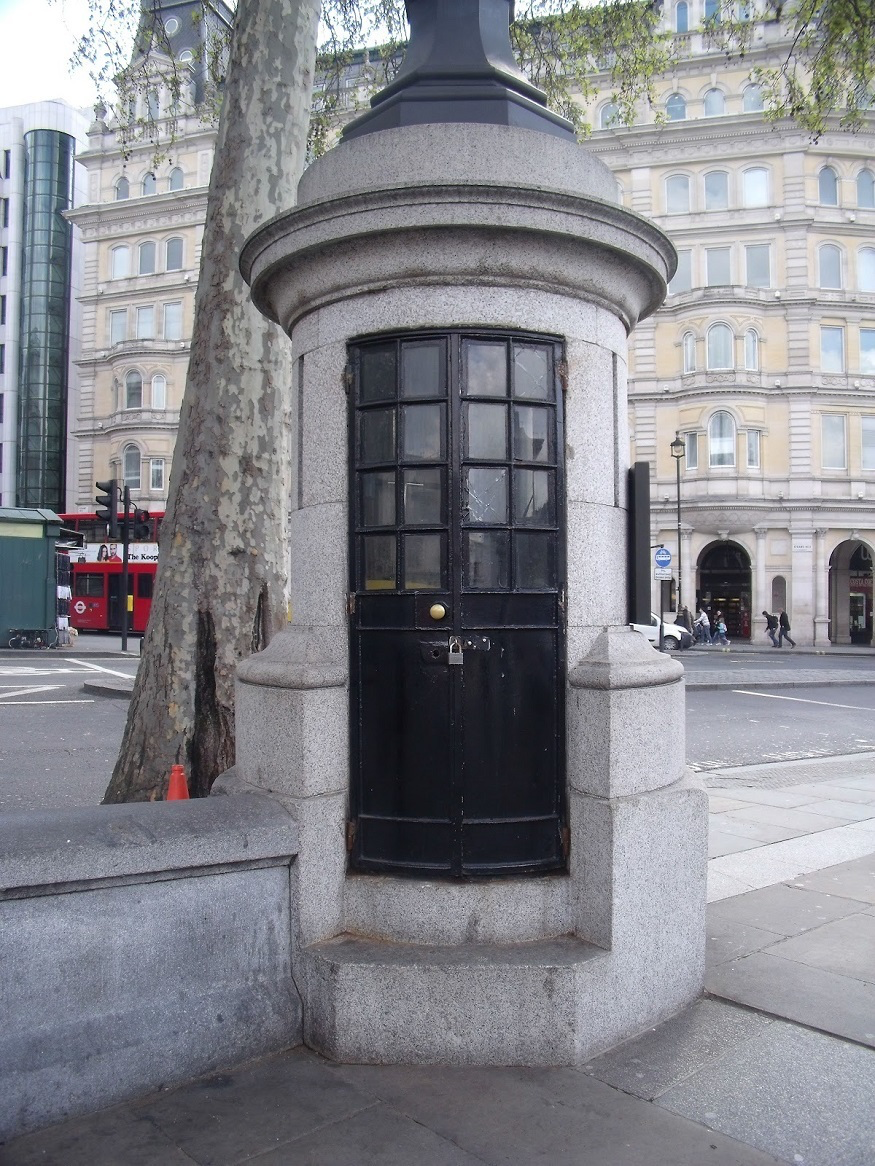
Police Station
Was built in the 1920s
Only big enough for two people
Has a telephone inside
Made from an old lamppost
Now used for storing brooms
Lloyd’s Building
Completed in 1986
Architect was Richard Rogers
Lloyds are a world famous insurance company.
The lifts are on the outside to make more space inside.
It is 95.1 m tall or 312 ft.
New Zealand House
The building was opened by the Queen in 1963
It is the only tall building in the area.
The House has 18 floors.
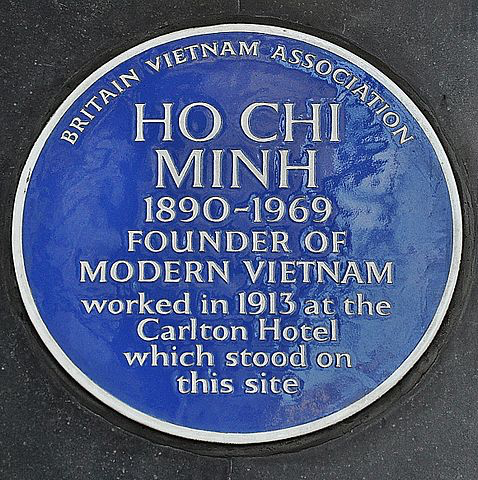
However … there is something very special for Vietnamese … can you see the blue circle ?
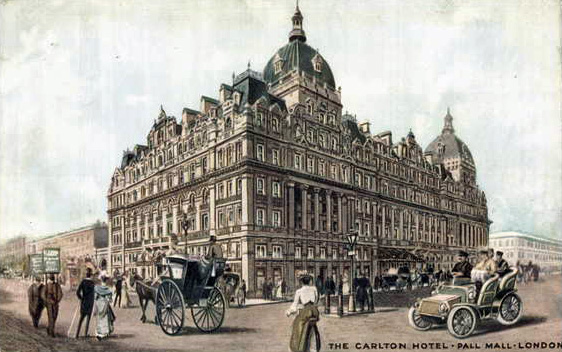
There used to be the Carlton Hotel here, but is was destroyed in World War II
Ho Chi Minh worked in the kitchen at the hotel
The old Carlton Hotel where Ho Chi Minh once worked
Activities
Young Learners
Stick fact sheets around the classroom. Students, in groups, have to collect information about basic facts such as when the building was opened, and an interesting fact, then present to the class.
Adult Speaking Classes
Elicit uses of bulidings, then ask them if there are any similar buildings in their city. What interesting buildings would they show tourists ? A student has to describe one of the buildings and the other have to guess which one.
IELTS
Students are assigned a building and they have to make a presentation of up to two-minutes in length (to practise for the speaking test). They may be allowed to use the internet for additional information but they are NOT allowed to merely read verbatim from Wikipedia !
As this is an IELTS exercise, we are looking for;
Good, strong introduction
Creative use of adverbs + adjectives
Low-frequency words
Opinion phrases
Idiomatic language
Anecdote or a personal review, giving reasons for their thoughts
It’s not to my particular taste / / I have my heart set on visiting / a unique experience (now add an adverb) / a truly unique experience / a magnet for tourists /
Various exercises for you to practise grammar, both past simple and past continuous. Answer follow the photos.
Past Tense exercises
Past simple: most common way of talking about the past.
Regular verbs just add –ed e.g. walk = walked / look = looked / play = played
Past continuous: was / were + verbing e.g. I was playing / We were looking
Irregular verbs not used in past continuous e.g. we were seeing a film OR we saw a film NOT we were sawing a film.
Present perfect– talk about an action that happened in the past
subj + have/has + verb3 (past participle).
Past perfect – talking about two actions, both in the past, one before the other
e.g. I had listened to the CD before I saw the band play live.
Subj + had + verb3
The verb ‘to be’
I am / I was // you are / you were // he, she, it is / was // they, we are / were
Past tense / Shakespeare exercise
Change these lines into the past:
1 In Act One, Romeo ….. (is) in love with _________
2 Benvolio ……… (try – past continuous) to stop the fight.
3 The Prince ………. (demand – past perfect) to see Capulet before seeing Montague.
4 Romeo, Mercutio & Benvolio ……. (are) in the street talking.
5 The two families …… …. (be, present continuous) been fighting for years.
6 Romeo ….. (ask) the Nurse who Juliet is.
7 Mercutio & Benvolio …… (do, not) know Romeo was in love with Juliet.
8 The famous ‘balcony’ scene … (take) place in Act 2.
9 The Friar ……. ……. (go, past perfect) out collecting flowers.
10 At the end of Act 2, Romeo and Juliet …… (are) married.
ANSWERS
1) was (Rosaline) 2) was trying 3) had demanded 4) were 5) have been 6) asked 7) did not (didn’t) 8) took 9) had gone 10) were
Past tense exercise
Change the verb form – can be:
past simple (think about regular & irregular verbs)
past continuous (verb + ing)
present perfect (subject + have/has + verb3)
past perfect (subject + had + verb3)
It is …. a hot, Sai Gon night. The wind blow …….. up from the river, but the humidity drive ….. me crazy. Sweat pour ……… down my back.
I were walk …………. by the Old Town, lanterns were light ……. and sway ….. in the breeze. I … visit …….. an old friend before I decide ………. to take this long, steamy walk. I …. live ……….. here over two years, but everyday, I am almost
kill ……. by crazy motorbikes. I need …. .. a coffee and see …… a cafe over the road. As I were cross ……………….. the street, a motorbike race …….. towards me. If I ……. jump ……… aside, he would …present perfect…. hit …. me. But that were …… his idea.
He turn ….. around and pull …… out a gun, aim …… and fire ……… . I ……. ……….(be) present perfectshot at more times than I care to remember, I know …….. the score; duck and run. I run …… .I ………did, (negative) have time to think. I can … think later – if I am still alive. I make …. it into the coffee shop, and were look ……. out the window across the street.
The shooter were dress …… all in black and keep …… his helmet on. He were walk …………. this way. Quickly, I look ……. around. Were there another exit ? Can …. I escape by a back door ? Yes ! I ……. be (past perfect) ……here…before. I remember ………. a fire exit on the first floor. I leap …… for the stairs, just as the shooter were about to open the door.
Answers: was / blew / drove / poured // was walking / lit / swayed / visitid / decided / lived // killed / needed / saw / was crossing / raced / jumped / have hit / was // turned / pulled / aimed / fired / I have been shot at / knew / ran / didn’t / could / was / made / looked // was dressed / kept / was walking / looked / was / Could / had been / remembered / lept
Here are 7 verbs in the PRESENT. Choose the correct verb AND use it in the correct tense.
teach / live / go / see / drink / am / have
Harry (1) …….. drinking tea yesterday, when he (2) ……. an idea. I haven’t (3) …….. my neighbours how to drink tea. I am sure they will be happy. They have not (4) …… to the UK yet. I have (5) …. in many cities in England. Now I am in Viet Nam. I have (6) …. many wonderful sights, but I have never (7) …… a cup of good, English tea.
Answers: 1) was 2) had 3) taught 4) been 5) lived 6) seen 7) drunk
Put the present tense verbs into past continuous
EXAMPLE Linh drinks tea – Linh was drinking tea
1 Tina watches TV
2 Sam shouts, ‘Oh, no!’
3 My father plays football
4 Bella designs a beautiful dress
5 The cat sings karaoke all night long !
6 Paul listens to The Beatles
7 Anna buys an Apple.
Answers: 1) was watching 2) was shouting 3) was playing 4) was designing 5) was singing 6) was listening 7) was buying
75 % of verbs are REGULAR – just add -ed to form past tense



































 Thay Paul's Notes