Young Learners, pre-teens: introduction lesson.

2nd April 2024

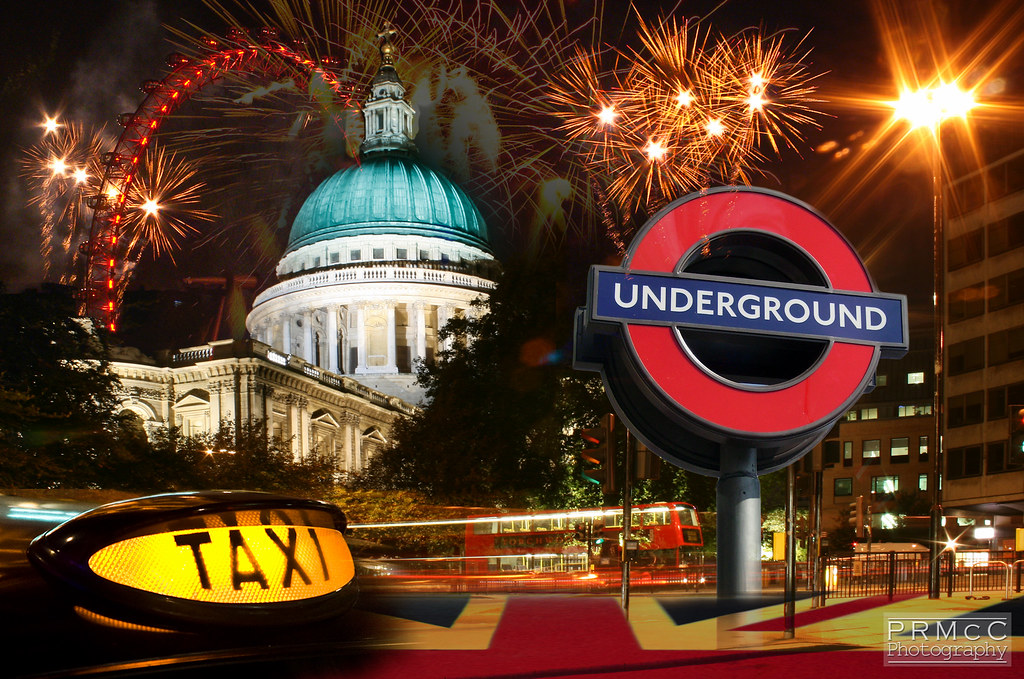
I begin by eliciting class rules then a good old STB, replacing ‘bus’ with ‘taxi’. What do they know about UK ?

Try the birthday horseshoe game: here, one part of the room represents January, the opposite, December. The students must stand in a horse-shoe shape, according to when their birthday falls.

A run & write activity. I write incorrect sentences on the board. Split class into teams), and one member must rewrite the sentence correctly:

What are your name ?

I eats fruit

How old is you ?

What is your hobbies

He like swim

What you do think

There isn’t a chocolate

Why is your friend

Today’s theme is Free Time. The warm-ups should review previous lessons and

Word Bomb – Hobbies – what do they do in their free time ?

(Play sports / do homework / make models / go swimming)

Students can mime an activity, and drill full collocation:

Then use the Mingle – interview sheet. This will get the class up and active before break time, and after sitting through book work and listening exercises. The exercise can also encourage students to introduce themselves:

Find 3 people who:

Name                                      

Hobby

Play an instrument
Draw or paint
Read books
Watch films
Learn English
Have a pet
What pet ?

ɑ          ɔː         əʊ

In teams, read out:    

model        disco      show    on    door      go       walk 

Players must identify the correct phoneme

Pre-teaching:   Match the words with the meanings

describe                        planned, in order, not a mess

imagine                        having to do too many things

typical                          feeling you have too much work

pressure                      normal, usual

organised                    to tell what something looks or like

community                 to think about something

stressed                       the place or area where you live

Please Note: All photos are taken from Google Images or free photo sites, and are used for educational purposes only. No copyright infringement or offense is intended. If I have used your photo or image, and you wish me to remove it, just ask. This site is not monetized, I run it on my own dollar. Thank you.

Young Learners, Level 4: to be, Verb 1, Verb 2 and infinity

22nd May 2023

Friends, students, colleagues, lend me your ears.

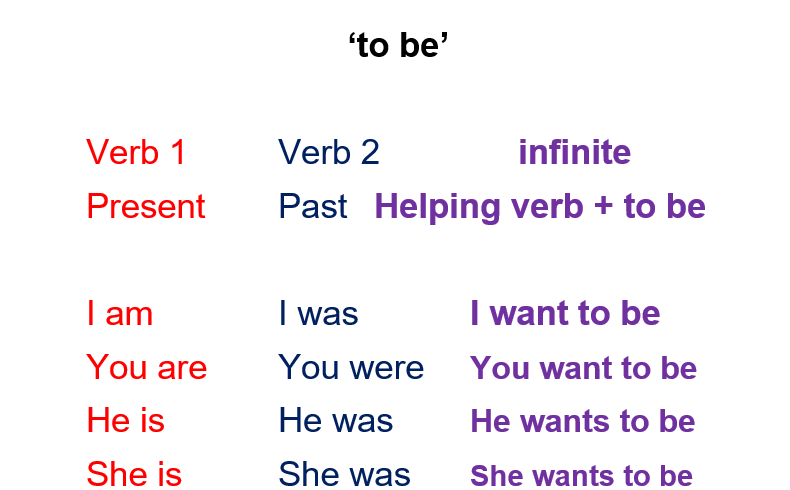
Before younglings graduate from the Superkids Level, they have to, absolutely have to, master the most basic verb in English, the verb ‘to be’ – so, let’s go to work !

Let’s go to work

BAAM ! Easy !

Now … let’s practise

Make it a game, put the class in teams

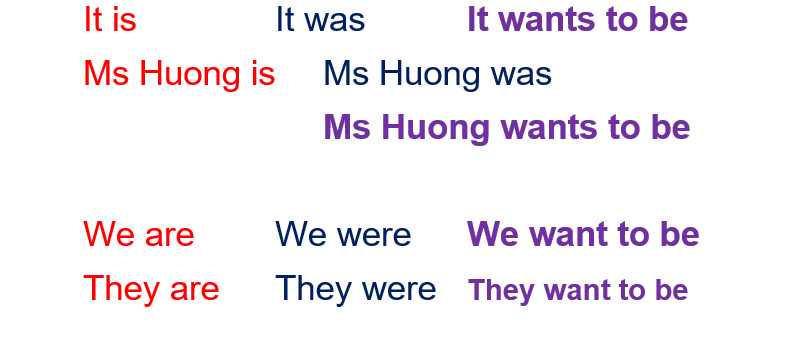
I shall read a short sentence. I want the correct Verb 1, Verb 2 & the infinite.

EXAMPLE: I say, “I is happy.”

Team 1 writes I am happy,

Team 2 I was happy

Team 3 using the helping verb ‘want’ will write I want to be happy.

OK, I dig, Man, let’s go to work !

You is sad // He am angry // She are intelligent // It is cold // Ms Huong am cute // We am hungry // They is furious.

Change the helping verb to like or need

I is better // You is taller // Ms Huong over the moon // He am a tough guy // She weres colourful // It iss rich // We to be free // They on holiday.

Bring it on !

Beginners’ English. Basic verb conjugation.

20th April 2023

I have a brown guitar.

You have many big books.

He has a new laptop.

She has a big teddy bear.

Mr John has an intelligent elephant.

We have a fun class.

Can you see how the verb ‘have’ changes ? Sometimes we use ‘have’, sometimes we use ‘has’.

I have
you have
he has
she has
Mr John has
we have // they have

Tôi có / bạn có /  anh ấy có /  
Cô bé có  / Ông John có
chúng ta có  / họ có

Now … your turn. We will use beach items, food and clothes.

First, at the beach …

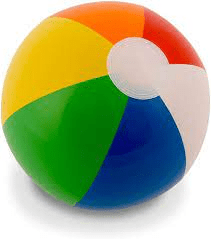
I have a beach ball and I have an ice cream.

You ___ a beach ball and you ____ an ice cream.

He ___ a beach ball and he ____ an ice cream.

She ___ a beach ball and she ____ an ice cream.

Mr John ___ a beach ball and Mr John (he) ____ an ice cream.

We ___ a beach ball and we ____ an ice cream.

They ___ a beach ball and they ____ an ice cream.

NOW .. a new verb … ‘eat’

I eat delicious pizza

He eats a delicious doughnut (donut in USA)

Now … your turn

I eat delicious pizza.

You _____ delicious pizza.

He ____ delicious pizza.

She ____ delicious pizza.

Mr John _____ delicious pizza.

We _____ delicious pizza.

They _____ delicious pizza.

NOW .. a new verb … ‘wear’

I wear a blue shirt and I wear a colourful tie.

She wears a blue police uniform and she wears a black hat.

Now … your turn

I wear a school uniform.

You ____ a school uniform.

He ____ a school uniform.

She ____ a school uniform.

Mr John ____ a school uniform.

We _____ a school uniform.

They _____ a school uniform.

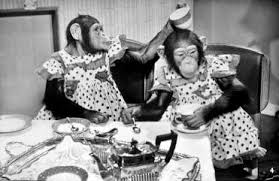
Now … for Top Cats – tell me about these pictures:

Please Note: All photos are taken from Google Images or free photo sites, and are used for educational purposes only. No copyright infringement or offense is intended. If I have used your photo or image, and you wish me to remove it, just ask. This site is not monetized, I run it on my own dollar. Thank you.

Young Learners, Level 1: the basics

7th September 2022

Objectives:

Students able to form a short, four-word sentence using an article, a noun, a verb and an adjective.

Check and correct pronunciation.

Develop intonation.

Improve confidence in speaking.

Train students how to behave in a classroom, to bring pen and paper to class and to write down new words.

First a warm up

Board some letters (a, b, c, p, t, etc). Ask for animals beginning with the letters.

Write some adjectives (about 5 – 8 depending on class ability). Last night I chose:

angry / big / small / cute / dangerous / fast / slow

Students write down these words, then complete three sentences, and read to the class:

A dog is ______ .

An elephant is _____ .

A tiger is __________ .

Erase the adjectives from the board, leaving only the first letter.

Ask the weaker students to say the adjective, which they should have written down and repeated (several times).

Example: What adjective begins with ‘a’ ?

If the student is unable to answer, homework is to write the word five times and to use it in a short sentence:

A lion is angry

Please Note: All photos are taken from Google Images or free photo sites, and are used for educational purposes only. No copyright infringement or offense is intended. If I have used your photo or image, and you wish me to remove it, just ask. This site is not monetized, I run it on my own dollar. Thank you.

Young Learners, level 2: be clever and wonderful

23rd July 2022

Lesson aims:

Encourage students to answer in sentences

Introduce the ‘a’ or ‘an’ article

Correct use of adjectives and sentence structure

Today we learnt six adjectives:

clever / cute / dangerous / scary / wild / wonderful

Part 1: What are these animals ?

What is it ? It a ________ or It’s an _________

We use ‘an’ if the word begins with a / e / i / o / u

Example: What is it ? It’s a dog.

What is it ?

Part 2: Use the new adjectives

What is it ? It’s a wild lion

What is it ? It’s a ______ ________

Please Note: All photos are taken from Google Images or free photo sites, and are used for educational purposes only. No copyright infringement or offense is intended. If I have used your photo or image, and you wish me to remove it, just ask. This site is not monetized, I run it on my own dollar. Thank you.

Young Learners, Level 6: sensational sentences – great games

15th October 2021

Glad diverse students taking notes while working on project
Free Images from pexels.com

Outline:

To promote the natural use of adjectives in order for students to speak in longer, more detailed sentences.

To increase vocabulary by introducing new words and replacing basic adjectives with synonyms.

Increase general knowledge.

Inspire students to aim higher, to produce more elaborate answers without prompting.

So, let’s have some games.

First, a warm up. Describe these pictures in one or two sentences. I want three adjectives for each photo.

Cheerful man with coffee laughing together with woman
Free Images from pexels.com

EXAMPLE: The man is drinking coffee and he is friendly and happy. His mustache is unusual.

NOW … YOUR TURN

Young beautiful hispanic sad woman serious and concerned in worried  depressed facial expression — negative, ethnicity - Stock Photo | #141206126
lightfieldstudios.net
6,667 Angry Japanese Photos - Free & Royalty-Free Stock Photos from  Dreamstime
Dreamstime.com
How did the Russian kids made the world angry? - Luxury Topics luxury portal
luxurytopics.com
wortfm.org

What’s the story ?

Write a short story about the two photos

Set 1

abc.net.au
9 benefits of football, it makes you healthy!
newsbreezer.com

Set 2

nbcnews.com
Crazy Cajun Crabs, seafood restaurant from Fat Boyz Barbecue owners, opens  in Pompano Beach - South Florida Sun Sentinel - South Florida Sun-Sentinel

Set 3

bitlanders.com
deviantart.com

Set 4

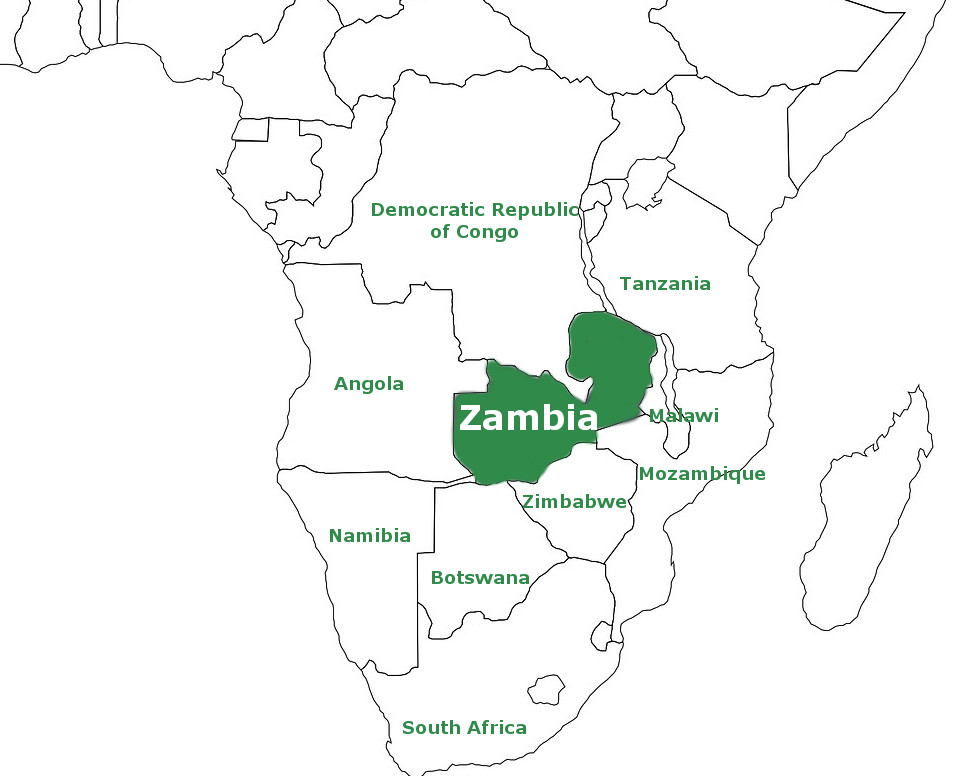
Zambia Geography - Where is Zambia, What's in Zambia?
victoriafalls-guide.net
Zambia – A Vietnamese missionary among the street children of Africa
infoans.org

Our valuable and useful collection of adjectives

amazing, angry, Asian / beautiful, big, bored, boring /clean, clever, cute / dangerous, disappointed /easy, electric, English, exciting / fantastic, fast, fat, funny / greedy, great, Greek / happy, hard-working, healthy, high, huge / important, intelligent / Japanese / kind / lazy / messy / nervous / old, outgoing / polite, popular / quick / rude, Russian / sad, selfish, shy, sleepy, small / talkative, tiny, tired / ugly, unusual / valuable / wealthy / xenophobic / year-long, young / Zambian

4,000+ Goodbye Pictures
freepik.com

Bye Bye from the beautiful young Asian lady

Please Note: All photos are taken from Google Images or free photo sites, and are used for educational purposes only. No copyright infringement or offense is intended. If I have used your photo or image, and you wish me to remove it, just ask. This site is not monetized, I run it on my own dollar. Thank you.

Young Learners, Level 6: adjectives and adverbs review.

8th April 2021

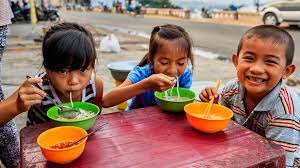
A typical Vietnamese breakfast; pork, noodles, fresh vegetables and noodles.

Objectives:

Encourage students to speak in long, interesting sentences.

Making the use of adjectives and adverbs a natural part of their English

Develop their ability to express themselves, giving reasons (because) and examples (like, such as)

Show them how much fun English can be by the use of idioms (once in a blue moon, it’s raining cats and dogs)

VOCABULARY BANK

Match the word(s) to the meaning

gigantic / enormous __________ everywhere

tiny / petit _____________________on time

delicious / mouth watering ___very rarely

difficult ________________________ yummy / tasty

once in a blue moon ______ big / huge

punctual______________________ clever

intelligent ____________________ hard

ubiquitous ____________________ very small

IDIOMS:

once in a blue moon

piece of cake (very easy, no problem)

it’s raining cats and dogs (very heavy rain)

NOW … practice:

Street food in Vietnam is (everywhere) ___________________ .

Fish And Chips Là Gì? Xuất Xứ Của Món Ăn Đặc Sắc Này

The British love fish and chips because it is (yummy)_________________ and _____________________. However, it is not very healthy eat it __________________________________________(very rarely)

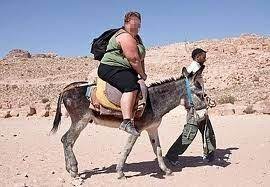
The man is (very big) however the lady is (very small)

Dolphins that swim up to humans mostly saying 'f*ck off' | The Daily Mash

The young lady is saying hello to the dolphins which are very (clever) __________________ animals.

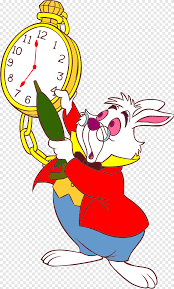
This rabbit is always (on time) _________________

Is it (hard) ____________________ for a gorilla to play drums ? No, it is easy – it’s a piece of cake.

Don’t believe me … OK, just watch: https://www.youtube.com/watch?v=La7B8mBnTXs&ab_channel=TomSinger

The capital city of Viet Nam is _____________ . It is a large( very busy) city. Motorbikes are (everywhere) ___________________. Street food is cheap and (yummy) __________________________.

However, sometimes it rains very heavily. In this photo, people are (not happy) because ____________________________________.

Adverb practice

always

usually // often // normally

sometimes

rarely

once in a blue moon

never

EXAMPLES:

Eating fruit and vegetables has this unexpectedly good side-effect - Mirror  Online

I always eat fruit because it is extremely healthy

I usually read a book when I drink coffee because I love reading.

I sometimes drive my car to work because it is fun. However, driving in Viet Nam is ________________________.

I rarely go to Singapore because it is extremely expensive.

I only go home to London once in a blue moon because it is so far away

I never smoke because it is extremely unhealthy !

NOW … your turn: tell me what you do and why.

I always … because …

I usually … because …

I sometimes … because …

I rarely … because …

Once in a blue moon I … because …

I never … because …

See you next week

Please Note: All photos are taken from Google Images or free photo sites, and are used for educational purposes only. No copyright infringement or offense is intended. If I have used your photo or image, and you wish me to remove it, just ask. This site is not monetized, I run it on my own dollar. Thank you.

Subject Index: Grammar lessons, videos and exercises

4th December 2020

Grammar

Correct the grammar game // Level 1 // 23rd November 2021: https://thaypaulsnotes.com/2021/11/23/is-grammar-important/

I want 100 Adjectives // Young Teens // 2nd August 2023: https://thaypaulsnotes.com/2023/08/02/i-want-100-adjectives/

Adjective absolute // Grammar // 6th January 2023: https://thaypaulsnotes.com/2023/01/06/absolutely-about-adjectives/

Adjectives // Daliiiiiiiiii ! // Young Learners 4 // 26th October 2019: https://thaypaulsnotes.com/2019/10/24/young-learners-level-4-daaaaaaaallliiiiiiiiiiiiiiiiiii/

Adjectives and sentence building // Young Learners, Level 6 // 15th October 2021: https://thaypaulsnotes.com/2021/10/15/young-learners-level-6-sensational-sentences-a-great-game/

Adjectives for Young Learners // Level 1 // Basics // 24th June 2022: https://thaypaulsnotes.com/2022/06/24/adjectives-for-young-learners-level-1/

Adjectives for Young Learners // Amazing Adjectives // 9th August 2021: https://thaypaulsnotes.com/2021/08/09/young-learners-amazing-adjectives/

Adjectives for Young Learners // 2nd August 2021: https://thaypaulsnotes.com/2021/08/02/young-learners-sentence-building-and-zoom-warm-up-games/

Adjectives – adding adjectives, adding interest // hair styles, clothes, new vocabulary // Adult Speaking Class, Level 1 // 14th October 2019: https://thaypaulsnotes.com/2019/10/14/adding-adjectives-increasing-interest/

Adjectives & Grammar Review // present continuous // 5th July 2022: https://thaypaulsnotes.com/2022/07/05/young-learners-level-6-adjectives-and-grammar-review/

Adjectives and their opposites // Young Learners, Level 3 // 14th October 2022: https://thaypaulsnotes.com/2022/10/14/young-learners-level-3-using-new-adjectives/

Adjectives: adding interest // (describing appearance) // Adult Class, Level 1 // 14th October 2019: https://thaypaulsnotes.com/2019/10/14/adding-adjectives-increasing-interest/

Adjectives: order // Adult Speaking Class, Level 2: Describing clothes // 19th March 2020: https://thaypaulsnotes.com/2020/03/19/adult-speaking-class-level-2-describing-clothes/

Adjectives: clothes and materials // Adult Speaking Class, L 2: Describing clothes // 19th March 2020: https://thaypaulsnotes.com/2020/03/19/adult-speaking-class-level-2-describing-clothes/

Adjectives: describing people // Adult Speaking Class, L 3: Describing people // 27th May 2020

Adjectives: personality // Adult Speaking Class, Level 2: What type of person ? // 19th June 2020

Adjectives: personality // Adult Speaking Class, Level 2: Extended exercises // 20th June 2020

Adjectives: personality // Adult Speaking Class, Level 3: // 21st June 2020

Adjectives // Adult Speaking Class, Level 3, Personality adjectives // 7th June 2020

Adjectives: people and hair // Adult Speaking Class, Level 1 // 14th October 2019: https://thaypaulsnotes.com/2019/10/14/adding-adjectives-increasing-interest/

Adverbs // Young Teens // 21st February 2019: https://thaypaulsnotes.com/2019/02/21/young-teens-deeply-madly-truly/

Adverbs & adjectives // Young Learners 4 // 16th November 2019: https://thaypaulsnotes.com/category/young-learners-level-4/

Adverbs of frequency & new adjectives // Young Learners 6 // Cadburys Gorilla // 8th April 2021: https://thaypaulsnotes.com/2021/04/08/young-learners-level-6-adjectives-and-adverbs-review/

Adverbs of degree // Adult Speaking Class, Level 3, Part 4 // 27th January 2020

Adverbs of frequency // Adult Speaking Class, Level 2, Quick review // 7th June 2020

Adverbs of frequency // Adult Speaking Class, Level 1, How often do you … ? // 16th August 2020: https://thaypaulsnotes.com/2020/08/16/adult-speaking-class-level-1-how-often-do-you/

Adverbs & expressions // Adult Speaking Class, Level 2: Adverbs // 26th June 2020: https://thaypaulsnotes.com/2020/06/26/adult-speaking-class-level-2-adverbs-and-expressions/

Adverb exercise // IELTS: use adverbs frequently // 3rd July 2020

Adverbs of manner // Young Learners, Level 4 // 28th February 2023: https://thaypaulsnotes.com/2023/02/28/young-learners-level-4-adverbs-of-manner/

Adverbs of manner exercises // Young Learners, Level 4 // 9th March 2023: https://thaypaulsnotes.com/2023/03/09/young-learners-level-4-using-adjectives-adverbs-and-your-imagination/

Adverbs of probability // Adult Speaking Class, Level 2 // Coffee Shop Chat // 11th June 2020: https://thaypaulsnotes.com/2020/06/11/adult-speaking-class-level-2-coffee-shop-chat/

Creative writing // Adult Speaking Class, Level 3: Storytelling part 2 // 30th March 2020

As … as // Adult Speaking Class, Level 3, Part 5 // 4th February 2020

Auxiliary (helping) verbs // Beginners’ English: Sentence Building // 16th March 2020

Auxiliary and infinite verbs // Teaching Notes // 9th March 2021:https://thaypaulsnotes.com/2021/03/09/students-hate-to-be-corrected-but-teachers-like-to-address-issues/

Can, could, be able to // Adult Class, Level 3 // 12th December 2019

Can, can’t, is, isn’t // Young Learners, Level 2: Senses working overtime // 3rd October 2020

Collocations // Adult Speaking Class, level 2: https://thaypaulsnotes.com/2020/01/18/adult-speaking-class-level-2-collocations/

Collocations // Adult Speaking Class, level 2: More collocations // 16th May 2020

Comparisons and superlatives // Young Learners, Level 5 // 19th October 2020: https://thaypaulsnotes.com/2020/10/19/young-learners-level-5-amazon-rain-forest-quiz-and-comparisons/

Comparisons and superlatives // Young Learners, Level 5 // 9th December 2020: https://thaypaulsnotes.com/2020/12/09/young-learners-level-5-superlatives-and-superheroes/

Comparisons // Young Learners, Level 5 // 24th August 2021: https://thaypaulsnotes.com/2021/08/24/young-learners-level-5-comparisons/

Contractions (video) // Beginners’ English, Part 2

Discourse Markers // IELTS // 18th February 2022: https://thaypaulsnotes.com/2022/02/18/ielts-discourse-markers/

Discourse Markers // IELTS 5-6.5 // 25th September 2019: https://thaypaulsnotes.com/2019/09/25/ielts-5-6-5-all-you-need-is-love-and-relative-pronouns/

Discourse Markers // IELTS // 7th January 2019: https://thaypaulsnotes.com/2019/01/06/ielts-4-5-speaking-class/

Discourse Markers // IELTS 5 – 6.5. Writing example // 15th March 2020: https://thaypaulsnotes.com/2020/03/15/ielts-5-6-5-writing-example/

First & second conditional // Adult Class, Level 3 // 22nd April 2019

Future plans Signs // Young Learners 4 // 22nd June 2019

Future plans // Young Learners 4 // 9th November 2019

Future plans // Adult Speaking Class, level 1: What will you do ? // 24th April 2020

Future tense // Adult C, L 3 // 6th November 2019

Have to or must ? // Adult Speaking Class, level 2 // 20th December 2019

Have to or must ? // Beginners’ English // 1st July 2020

Idioms // IELTS 5 – 6.5. Writing example // 15th March 2020

Idioms // Adult Speaking Class, level 2: In order to improve // 30th June 2020

Pre-IELTS challenge: creative writing, plan a day, pronunciation // Adult Class L 3 // 30th May 2020

IELTS: Adverb exercise // use adverbs frequently // 3rd July 2020

IELTS: Mindset first day warm up // IELTS: Mindset // 23rd June 2020

IELTS: warm up games // https://thaypaulsnotes.com/2019/02/25/ielts-warm-up-games/

IELTS: vocabulary building // IELTS: Vocabulary activities // 24th April 2020

IELTS // idioms and vocabulary games // Preparing for speaking test // 15th May 20202

Modal verbs // Adult Speaking Class, Level 2 // 25th July 2020

Modal verbs // Adult Speaking Class, Level 2 // 25th January 2020: https://thaypaulsnotes.com/2020/01/25/adult-speaking-class-level-2-part-6-2/

‘ness’ or ‘ment’ ? // IELTS // 28th January 2019

Past continuous // Young Teens // 17th January 2019

Past continuous // Adult Class, Level 3 // 23rd September 2019

Past continuous exercises // Beginners’ English, Part 2 // 7th July 2020: https://thaypaulsnotes.com/2020/07/06/beginners-english-past-tense-exercises/

Past perfect // Adult Class, Level 3 // 23rd September 2019

Past simple // Adult Class, Level 3 // 23rd September 2019

Past simple & past continuous exercise // Adult Speaking Class, Level 1 // 15th August 2020

Past simple & past continuous exercise // Young Learners, Level 5 // 28th October 2020: https://thaypaulsnotes.com/2020/10/28/past-simple-and-past-continuous/

Past simple & past continuous exercise // Young Learners, Level 5 // 4th November 2020: https://thaypaulsnotes.com/2020/11/04/young-learners-level-5-what-were-you-doing-when/

Past Tense // Starting Past Tense // Young Learners, Level 4 // 4th May 2021: https://thaypaulsnotes.com/2021/05/04/young-learners-level-4-starting-the-past-tense/

Past Tense // Exercises, common verbs, pronunciation omnibus // 21st October 2020: https://thaypaulsnotes.com/2020/10/21/past-tense-various-exercises-2/

Past Tense: Get Back to basics // Beginners’ English // 9th November 2021: https://thaypaulsnotes.com/2021/11/09/get-back-we-spoke-in-the-past-tense/

Past tense // Beginners’ English // Beginners’ English Part 4 // 20th January 2020: https://thaypaulsnotes.com/2020/01/21/beginners-english-part-4/

Past tense exercise // Adult Speaking Class, L2 Part 2 //

Past tense exercises // Beginners’ English, Part 2 // 7th July 2020: https://thaypaulsnotes.com/2020/07/06/beginners-english-past-tense-exercises/

Past tense exercises // Teaching Notes // 12th July 2020

Past tense sentence building // Young Learners, Level 3 // 24th August 2022: https://thaypaulsnotes.com/2022/08/24/young-learners-level-3-sentence-building-using-the-past-tense/

Past tense pronunciation // Beginners’ English: The past is passed // 7th July 2020: https://thaypaulsnotes.com/2020/07/05/beginners-englishthe-passed-it-past-pronunciation-guide/

Past tense review // Young Learners Level 2 // 26th October 2022: https://thaypaulsnotes.com/2022/10/26/young-learners-level-2-basic-simple-past-exercises/

Past Tense and Tet vocabulary // Young Learners, Level 3 // 7th February 2023: https://thaypaulsnotes.com/2023/02/07/young-learners-levels-3-4-putting-words-into-practice/

Past tense & past continuous // Adult Speaking Class, Level 2: Grammar quiz // 27th June 2020

Past tense & past perfect/ // Adult Speaking Class, L 2: Grammar – perfect form // 25th May 2020

Phrasal verbs // Adult Speaking Class. Theme: Love & marriage Part 3

Phrasal verbs & collocations // Beginners’ English Part 4 // 20th January 2020: https://thaypaulsnotes.com/2020/01/21/beginners-english-part-4/

Phrasal verb exercises // Teaching Notes: Phrasal verbs // 16th June 2020

Possessives // Young Learners 3 // 7th September 2019

Present continuous (house plan) // Adult Speaking Class, Level 3, Part 4 // 27th January 2020

Present perfect exercises // 6th September 2020 // Beginners’ English // Adult Speaking Class Level 1: https://thaypaulsnotes.com/2020/09/06/present-perfect-exercises/

Present perfect exercises // Adult Speaking Class, Level 2 // 4th July 2020

Present perfect exercises // Beginners’ English

Present perfect // Adult Class, Level 3 // 23rd September 2019

Present perfect (have you ever ?) // Adult Class, Level 1 // 26th February 2019

Present perfect (for & since) // Adult Class, Level 3 // 21st November 2019

Present perfect review // Adult Class, Level 1 // 5th March 2019

Pronoun declension // I Me Mine // 3rd December 2021: https://thaypaulsnotes.com/2021/12/03/i-me-mine-pronoun-declensions/

Regular & irregular verbs // Beginners’ English Part 4 // 20th January 2020: https://thaypaulsnotes.com/2020/01/21/beginners-english-part-4/

Reflexive verbs // Adult Speaking Class, Level 2 Part 2

Relative clauses & relative pronouns // Adult Class, Level 3 // 5th November 2019: https://thaypaulsnotes.com/2019/11/05/adult-class-level-3-business-icons/

Relative pronouns // IELTS 5-6.5 // 25th September 2019:

Relative pronouns quiz // IELTS Review // vocabulary, discourse, sentence building // 25th June 2020

Relative pronouns // IELTS // 1st July 2020

Reported Speech // Adult C, L 3 // 8th October 2019

Reported Speech // Adult Speaking Class, Level 3, Part 5 // 4th February 2020

Review (irregular verbs, adverbs) // Adult Speaking Class, Level 2, Quick review // 7th June 2020

Sentence correction (basic) // Young Learners 4 // 15th November 2019: https://thaypaulsnotes.com/2019/11/15/young-learners-level-4-can-you-hear-me-major-tom-2/

Similes // Adult Speaking Class, Level 3, Part 5 // 4th February 2020

Some or Any // Young Learners, Level 2 // 2nd December 2024: https://thaypaulsnotes.com/2024/12/02/some-or-any-young-learners-level-2/

Past Tense // Adult Speaking Class, Level 1 /// Adult C, L 3 // 23rd September 2019 /// Adult C, L 3 // 16th September 2019

Past-time expressions // Adult Speaking Class, Level 3, Part 6 // 8th February 2020

Third Conditional: Mr Bowditch // Adult Class, Level 3 // 22nd October 2019

Superlatives (Animals: longest, smallest) // Young Learners, Level 4 // 24th November 2020: https://thaypaulsnotes.com/2020/11/24/young-learners-level-4-longest-heaviest-shortest-lightest/

Tag questions // Adult Class, Level 3 // 15 August 2019: // 12 November 2019: https://thaypaulsnotes.com/2019/11/11/adult-class-level-3-is-was-the-butler-wasnt-it/

Third conditional compilation (various examples, lesson plans and exercises) // 18th July 2020 https://thaypaulsnotes.com/2020/07/18/third-conditional/

Third Conditional // Adult Class, Level 3 // 22nd October 2019

Third conditional // Adult Speaking Class, Level 2, Part 3 // 16th January 2020

Third Conditional exercise // Adult Speaking Class, Level 3: Third Conditional 23 Jan 2020

15 most common verbs // Adult C, L 3 // 23rd September 2019 // Beginners’ English Part 4 // 20th January 2020: https://thaypaulsnotes.com/2020/01/21/beginners-english-part-4/

Verb endings // Conjugating basic verbs // 5th January 2022: https://thaypaulsnotes.com/2022/01/05/2022-the-year-of-the-grammar-back-to-basics/

Verbs ‘to be’ & ‘to have’ // To be or not to be … To have and have not // 10th November 2025: https://thaypaulsnotes.com/2025/11/10/to-be-or-not-to-be-to-have-and-have-not/

Verb ‘to be’ // Young Learners, Starter & Beginners // 24th April 2023: https://thaypaulsnotes.com/2023/04/24/young-learners-starter-beginners-the-verb-to-be/

Verb ‘to be’ // Young Learners, Level 4 // 22nd May 2023: https://thaypaulsnotes.com/2023/05/22/young-learners-level-4-to-be-verb-1-verb-2-and-infinity/

Verb ‘to have’ & Viet translation // Young Learners 1 // 16th March 2019: https://thaypaulsnotes.com/2019/03/13/young-learners-level-1-lesson-5-parklife/

Verb ‘to have’ // Young Learners 1 // 26th May 2019: https://thaypaulsnotes.com/2019/05/24/young-learners-level-1-i-spy-with-my-little-eye/

Verb ‘need’ // Adult Speaking Class, Level 1:What do you need ? // 21st May 2020

Verbs ‘want’ or ‘need’ // Young Learners, Level 6 // 13th January 2021: https://thaypaulsnotes.com/2021/01/13/young-learners-level-6-stay-healthy/

What do they like ? // Adult Speaking Class, Level 1:What do they like ? // 22nd June 2020

Which one ? // Young learners, Level 4 // 10th November 2020

Subject Index: Beginners’ English

4th December 2020

Beginners’ English

Compilation of exercises: https://thaypaulsnotes.com/2019/12/11/beginners-english/

The verb ‘to be’ // Young Learners, level 1 & Beginners’ English // 24th April 2023: https://thaypaulsnotes.com/2023/04/24/young-learners-starter-beginners-the-verb-to-be/

The verbs ‘to have’ & ‘to see’ // Young Learners, Parklife ! // 13th March 2019: https://thaypaulsnotes.com/2019/03/13/young-learners-level-1-lesson-5-parklife/

The verb ‘to like’ // Beginners’ English // 24th June 2020: https://thaypaulsnotes.com/2020/06/24/beginners-english-sentence-building/

Basic verb conjugation (have / eat / wear) // Beginners’ English // 20th April 2023: https://thaypaulsnotes.com/2023/04/20/beginners-english-basic-verb-conjugation/

Basic Verbs (to like) // Young Learners, Levels 1 & 2 // 21st April 2023: https://thaypaulsnotes.com/2023/04/21/young-learners-level-1-2-the-verb-to-like/

Beginners‘ short conversations // Beginners’ English: Short dialogues // 8th April 2020

Cities of the Future // Young Learners, Levels 3 & 4 // 17th April 2023: https://thaypaulsnotes.com/2023/04/17/young-learners-levels-3-4-imagination-and-grammar/

Grammar exercises // Beginners’ English // 23rd June 2020: https://thaypaulsnotes.com/2020/06/22/beginners-englishgrammar-exercises/

Grammar past continuous // Beginners’ English // 2nd July 2020: https://thaypaulsnotes.com/2020/07/02/beginners-english-i-was-reading-your-blog-past-continuous/

How was your day ? // Beginners’ English // 26th May 2020: https://thaypaulsnotes.com/2020/05/28/beginners-english-how-was-your-day/

Introductions – what’s your name (video) // Beginners’ English, Part 2

Introductions // Beginners’ English: dialogues // 5th June 2020

Introducing Yourself // Beginners’ English: dialogues // 25th June 2020: https://thaypaulsnotes.com/2020/06/25/beginners-english-introducing-yourself/

Introducing Yourself //Young Learners, Level 4 // 5th June 2023: https://thaypaulsnotes.com/2023/06/05/young-learners-level-4-introducing-yourself/

Past tense exercise // Beginners’ English, Part 2

Past tense // Beginners’ English // Beginners’ English Part 4

Past continuous // Beginners’ English: I was reading your blog // 2nd July 2020: https://thaypaulsnotes.com/2020/07/02/beginners-english-i-was-reading-your-blog-past-continuous/

Past tense pronunciation // Begs’ English: The past is passed // 7th July 2020:

Phrasal verbs & collocations // Beginners’ English Part 4

Present perfect exercises // Beginners’ English

Regular & irregular verbs // Beginners’ English Part 4

Sentence building & irregular verbs // Beginners’ English // 27th May 2020: https://thaypaulsnotes.com/2020/05/26/beginners-english-sentence-building-and-irregular-verbs/

Sentence building // Beginners’ English // 5th June 2020

Sentence building // Beginners’ English // 24th June 2020

Storytelling // Let’s Tell a Story // Young Learners, Level 3 // 18th August 2022: https://thaypaulsnotes.com/2022/08/18/young-learners-level-3-lets-tell-a-story/

Useful sounds ‘en’ and letter ‘g’ // Beginners’ English // 20th May 2020: https://thaypaulsnotes.com/2020/05/20/beginners-english-useful-sounds/

Vowels and it’s a / it’s an // Beginners’ English: vowels // 20th May 2020: https://thaypaulsnotes.com/2020/05/21/beginners-english-vowels/

What did you do yesterday ? // Beginners’ English // 26th May 2020: https://thaypaulsnotes.com/2020/05/28/beginners-english-how-was-your-day/

What’s it for ? // Beginners’ English // 25th June 2020:

Young Learners, Level 1: fast, slow, noisy, quiet

22nd August 2020 [E Up U8 L3]
Objectives:

Encourage students to use at least two adjectives before the noun. (Vietnamese is similar to French in that the adjective follows the noun, so students have to think counter intuitively).

Practice using determiners (it is, they, those)

Practice sentence building (I can swim however I can’t fly)

Practice intonation and stress – avoid robot speaking 🙂

Warm up

Use appropriate hand gestures to drill the four new adjectives:

fast / slow / noisy / quiet

Thay Paul is from London. London is very big. London has many cars. Look:

U.K. Moves to End Sales of All Non-Electric Cars by 2035

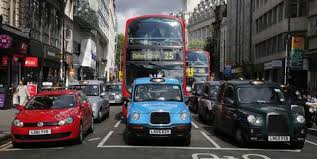
Also London had many big red buses. Also, I can see many taxis. Some are black, some are blue and some are grey.

London has many big red buses. The buses are slow and noisy

(use the gestures so the students shout out the adjectives. Repeat with these pictures):

Qatar cars roam the streets of London!! - YouTube

The new blue car is ______________ and ____________

Sales of electric cars in London soar 85%

The small new white car is __________________ and _____________

The LSS Musical Theatre Company Presents: Chitty Chitty Bang Bang ...

The old grey, yellow and red car is __________ and ____________

BUT … can a car fly ? Watch this:

https://www.youtube.com/watch?v=uZU4S1G0JCk

This car is fun. It can drive and fly.

The small white car can drive however it can’t fly.

One of our students is from Korea.

Flag of Korea, South | Britannica

What do you know about Korea ? Tell me what you see ?

Use ‘fast’, ‘slow’, ‘noisy’ and ‘quiet’

Visiting Seoul: Things to Know Before Traveling to Seoul, South ...
Seoul Summer | UCEAP
1118552 Asian, music, singer, musician, K pop, guitarist, singing ...
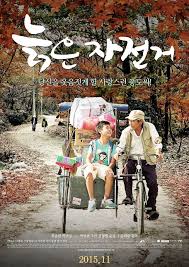
Old Bicycle (2015) - MyDramaList

Now, you tell me … what’s that ?

Patty Ponzolon - - Backpacker in Old Korean Town | LOOKBOOK
That’s an old bike

That’s an old bike (only 1 so we use that is = that’s)

Those are old bikes (more than one so we use those are)

bikes, global, human rights, kim jong un, north korea, women, Global
Those are old bikes
Korean silk doll features North Korean ornaments Han dress Juan ...

Yowinlo Statue Ornaments Sculptures Costume Korea Traditional ...
South Korea claims world's smartest robot_Photo News—China ...
A Visit to Seoul Brings Our Writer Face-to-Face With the Future of ...

11 Animals That Are Endangered In South Korea
Russia to donate three rare Siberian tigers to South Korea - Apr ...

See you next week

Goodbye Korea!!! - SOUTH KOREA